Monthly Archives: February 2013

Exercise To Momentary Muscular Failure and You Can Skip the Cardio?

I was planning to review here an article, Resistance Training to Momentary Muscular Failure Improves Cardiovascular Fitness in Humans: A review of acute physiological responses and chronic physiological adaptations.  It’s by James Steele, et al, in the Journal of Exercise Physiology (Vol. 15, No. 3, June  2012).

But dayum, it’s too technical for me!  Too much cell biology and cell metabolism.  Those college classes were over three decades ago for me.

I’m just going to harvest a few pearls from the article that are important to me.  I ran across this in my quest for efficient exercise.  By efficient, I mean minimal time involved, yet good results.

The authors question the widespread assumption that aerobic and endurance training are necessary for development of cardiovascular fitness.  Like Dr. Doug McGuff, they wonder if resistance training alone is adequate for the development of cardiovascular fitness.  Their paper is a review of the scientific literature.  The authors say the literature is hampered by an inappropriate definition and control of resistance training intensity.  The only accurate measure of intensity, in their view, is when the participant reaches maximal effort or momentary muscular failure.

The authors, by the way, define cardiovascular fitness in terms of maximum oxygen consumption, economy of movement, and lactate threshold.

“It would appear that the most important variable with regards to producing improvement in cardiovascular fitness via resistance training is intensity [i.e., to muscle failure].”

The key to improving cardiovascular fitness with resistance training is high-intensity.  These workouts are not what you’d call fun.

"MMF? Yeah, I know all about it."

“MMF? Yeah, I know all about it.”

From a molecular viewpoint, “the adenosine monophosphate–activated protein kinase pathway (AMPK) is held as the key instigator of endurance adaptations in skeletal muscle.  Contrastingly, the mammalian target of rapamycin pathway (mTOR) induces a cascade of events leading to increased muscle protein synthesis (i.e.,[muscle] hypertrophy).”  Some studies suggest AMPK is an acute inhibitor of mTOR activation.  Others indicate that “resistance training to  failure should result in activation of AMPK through these processes, as well as the subsequent delayed activation of mTOR, which presents a molecular mechanism by which resistance training can produce improvement in cardiovascular fitness, strength, and hypertrophy.”

You’re not still with me, are you?

“… the acute metabolic and molecular responses to resistance training performed to failure appear not to differ from traditional endurance or aerobic training when intensity is appropriately controlled.”

Chronic resistance training to failure induces a reduction in type IIx muscle fiber phenotype and an increase in type I and IIa fibers.  (Click for Wikipedia article on skeletal muscle fiber types.)

“It is very likely that people who are either untrained or not involved in organized sporting competition, but you have the desire to improve their cardiovascular fitness may find value in resistance training performed to failure.  In fact, this review suggests that resistance training to failure can produce cardiovascular fitness effects while simultaneously producing improvements in strength, power, and other health and fitness variables. This would present an efficient investment of time as the person would not have to perform several independent training programs for differing aspects of fitness.”  [These statements may not apply to trained athletes.]

Before listing their 157 references, the authors note:

“It is beyond the scope of this review to suggest optimal means of employing resistance training (i.e., load, set volume, and/or frequency) in order to improve cardiovascular fitness since there are no published studies on this topic.”

In conclusion, if you’re going to do resistance training but not traditional aerobic/cardio exercise, you may not be missing out on any health benefits if you train with intensity.  And you’ll be done quicker.

Steve Parker, M.D.

PS: See Evidence-based resistance training recommendations by Fisher, Steele, et al.

Brian’s Berry Breakfast

paleobetic diet, breakfast, paleo diet

Brian’s Berry Breakfast

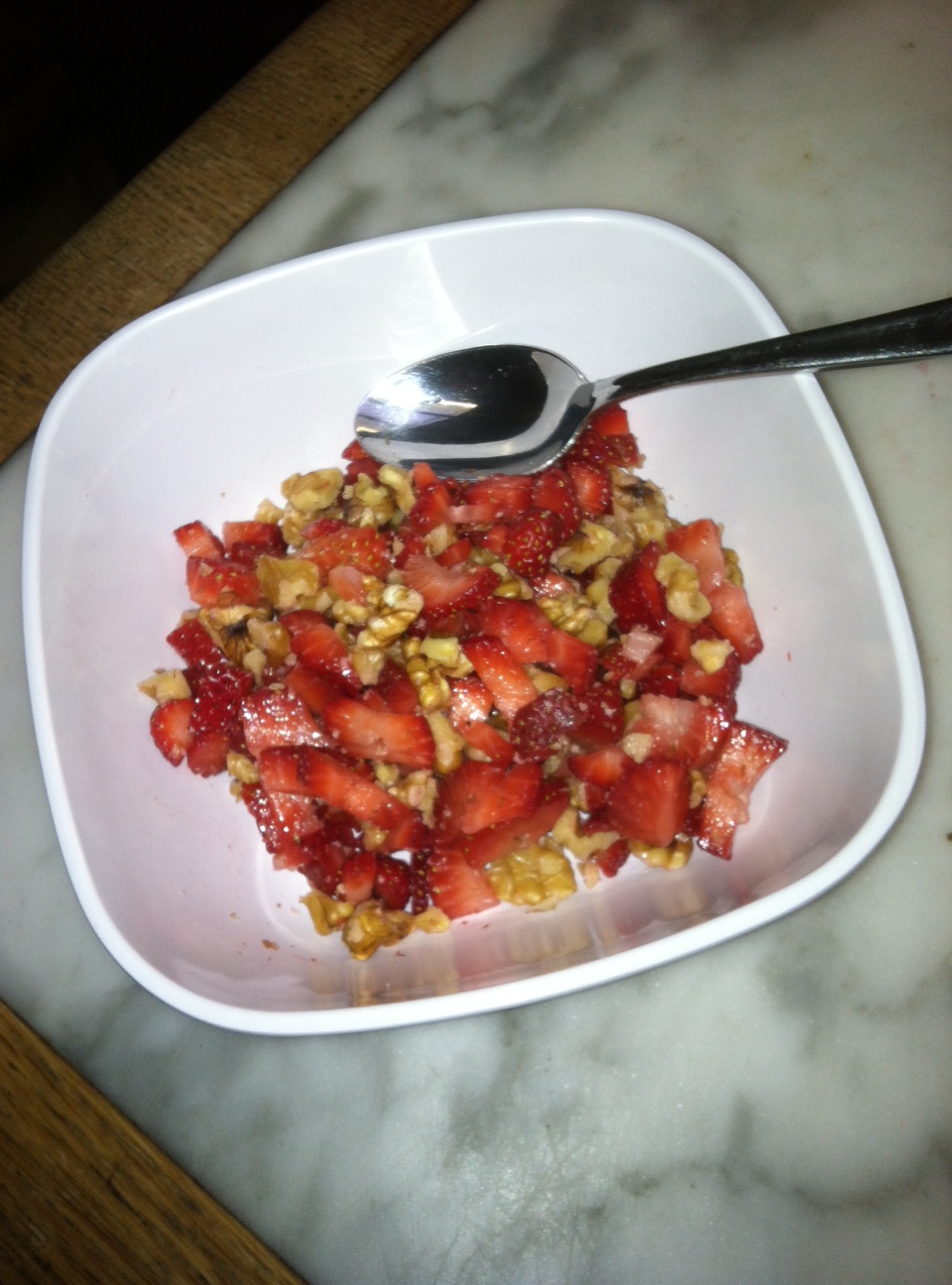
My stepson came up with this one.  I never would have come up with it on my own.  If you think breakfast means eating breakfast out of a bowl, this one fits the bill.  And talk about easy!  It’s paleolicious.

Ingredients:

  • 4.5 oz (127 g) fresh strawberries, diced into small pieces
  • 2 oz (58 g) walnuts, crumbled by hand

Mix ingredients together in a bowl and enjoy eating with a spoon while your tablemates eat Neolithic Cheerios.

Nutritional analysis:

  • 76% fat
  • 16% carbohydrate
  • 8% protein
  • 410 calories
  • 17 carb grams
  • 6.2 g fiber
  • 10.9 g digestible carb
  • prominent features: 80% of vitamin C RDA (recommended dietary allowance), 32% of RDA for phosphorus, 27% of RDA for iron, 25% of RDA for magnesium, 21% of RDA for vitamin B6, 19% of RDA for thiamine.  It’s also particularly rich in copper and manganese.

—Steve

PS: Nutritional analysis by free software at FitDay.com

Do You Need Medical Clearance Before Starting an Exercise Program?

medical clearance, treadmill stress test

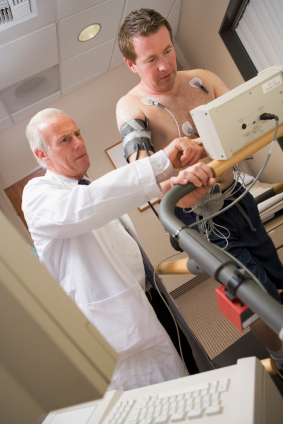
This treadmill stress test is looking for hidden heart disease

To protect you from injury, I recommend that you obtain “medical clearance” from a personal physician before starting an exercise program. A physician is in the best position to determine if your plans are safe for you, thereby avoiding complications such as injury and death. Nevertheless, most adults can start a moderate-intensity exercise program with little risk. An example of moderate intensity would be walking briskly (3–4 mph or 4.8–6.4 km/h) for 30 minutes daily.

Men over 40 and women over 50 who anticipate a more vigorous program should consult a physician to ensure safety. The physician may well recommend diagnostic blood work, an electrocardiogram (heart electrical tracing), and an exercise stress test (often on a treadmill). The goal is not to generate fees for the doctor, but to find the occasional person for whom exercise will be dangerous, if not fatal. Those who drop dead at the start of a vigorous exercise program often have an undiagnosed heart condition, such as blockages in the arteries that supply the heart muscle. The doctor will also look for other dangerous undiagnosed “silent” conditions, such as leaky heart valves, hereditary heart conditions, aneurysms, extremely high blood pressure, and severe diabetes.

She looks healthy enough, but how can you be sure?

She looks healthy enough, but how can you be sure?

The American Diabetes Association’s Standards of Care—2011 states that routine testing of all diabetics for heart artery blockages before an exercise program is not recommended; the doctor should use judgment case-by-case. Many diabetics (and their doctors) are unaware that they already have “silent” coronary artery disease (CAD). CAD is defined by blocked or clogged heart arteries, which reduced the blood flow to the hard-working heart muscle. Your heart pumps 100,000 times a day, every day, for years without rest. CAD raises the odds of fainting, heart attack, or sudden death during strenuous exercise. I recommend a cardiac stress test (or the equivalent) to all diabetics prior to moderate or vigorous exercise programs, particularly if over 40 years old. CAD can thus be diagnosed and treated before complications arise. Ask your personal physician for her opinion.

Regardless of age and diabetes, other folks who may benefit from a medical consultation before starting an exercise program include those with known high blood pressure, high cholesterol, joint problems (e.g., arthritis, degenerated discs), neurologic problems, poor circulation, lung disease, or any other significant chronic medical condition. Also be sure to check with a doctor first if you’ve been experiencing chest pains, palpitations, dizziness, fainting spells, headaches, frequent urination, or any unusual symptoms (particularly during exertion).

Physicians, physiatrists, physical therapists, and exercise physiologists can also be helpful in design of a safe, effective exercise program for those with established chronic medical conditions.

Steve Parker, M.D.

Diabetic Hypoglycemia and the Paleo Diet: Recognition and Management

Healthy non-diabetics making the switch to the paleo diet rarely, if ever, experience hypoglycemia.  That’s not true for diabetics, especially if they’re on certain medications.
hypoglycemia, woman, rock-climbing

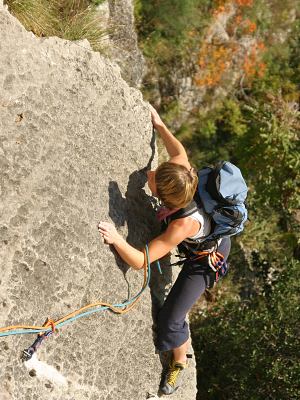
Hypoglycemia now would be a tad inconvenient

Hypoglycemia means an abnormally low blood sugar (under 60–70 mg/dl or 3.33–3.89 mmol/l) associated with symptoms such as weakness, malaise, anxiety, irritability, shaking, sweating, hunger, fast heart rate, blurry vision, difficulty concentrating, or dizziness. Symptoms often start suddenly and without obvious explanation. If not recognized and treated, hypoglycemia can lead to incoordination, altered mental status (fuzzy thinking, disorientation, confusion, odd behavior, lethargy), loss of consciousness, seizures, and even death (rare).

You can imagine the consequences if you develop fuzzy thinking or lose consciousness while driving a car, operating dangerous machinery, or scuba diving.

Do not assume your sugar is low every time you feel a little hungry, weak, or anxious. Use your home glucose monitor for confirmation when able.

Why Would the Paleo Diet Cause Hypoglycemia?

Carbohydrates are the the primary source of blood glucose (blood sugar).  Paleo diets typically derive anywhere from 20 to 40% of total calories from carbohydrate, with 30% being about average.  This compares with 50-60% of calories coming from carbs in the usual American diet.  Additionally, the overall glycemic index of paleo diet carbs is likely to be lower than an average American diet since there are no refined starches and sugars.  A lower glycemic index tends to limit blood sugar spikes in response to a meal.  So any diabetic switching to a paleo diet could see significant drops in blood sugar,  including hypoglycemia.

How Is Hypoglycemia Treated?

If you have diabetes, your personal physician and other healthcare team members should teach you how to recognize and manage hypoglycemia. Immediate early stage treatment involves ingestion of glucose as the preferred treatment—15 to 20 grams. You can get glucose tablets or paste at your local pharmacy without a prescription. Other carbohydrates will also work: six fl oz (180 ml) sweetened fruit juice, 12 fl oz (360 ml) milk, four tsp (20 ml) table sugar mixed in water, four fl oz (120 ml) soda pop, candy, etc. Fifteen to 30 grams of glucose or other carbohydrate should do the trick. Hypoglycemic symptoms respond within 20 minutes.

hypoglycemia, candy

Lady, fruit juice would raise your blood sugar much quicker

If level of consciousness is diminished such that the person cannot safely swallow, he’ll need a glucagon injection. Non-medical people can be trained to give the injection under the skin or into a muscle. Ask your doctor if you’re at risk for severe hypoglycemia. If so, ask him for a prescription so you can get an emergency glucagon kit from a pharmacy.

Hypoglycemia Unawareness

Some people with diabetes, particularly after having the condition for many years, lose the ability to detect hypoglycemia just by the way they feel. This “hypoglycemia unawareness” is obviously more dangerous than being able to detect and treat hypoglycemia early on. Blood sugar levels may continue to fall and reach a life-threatening degree. Hypoglycemia unawareness can be caused by impairment of the nervous system (autonomic neuropathy) or by beta blocker drugs prescribed for high blood pressure or heart disease. People with hypoglycemia unawareness need to check blood sugars more frequently, particularly if driving a car or operating dangerous machinery.

OK, the Acute Crisis Is Over — What Next?

If you do experience hypoglycemia, discuss management options with your doctor: downward medication adjustment, shifting meal quantities or times, adjustment of exercise routine, eating more carbohydrates, etc. If you’re trying to lose weight or control high blood sugars, reducing certain diabetic drugs makes more sense than eating more carbs. Eating at regular intervals three or four times daily may help prevent hypoglycemia. Spreading carbohydrate consumption evenly throughout the day may help. Someone most active during daylight hours as opposed to nighttime will generally do better eating carbs at breakfast and lunch rather than concentrating them at bedtime.

DRUG  ADJUSTMENTS  TO  AVOID  HYPOGLYCEMIA

Hypoglycemia is a great risk for diabetics taking certain diabetic drugs while on a low-carb paleo diet. This is dangerous territory.

Remember, drugs have both generic and brand names. The names vary from country to country, as well as by manufacturer. You’ve got to know what class of drug you’re taking.  If you have any doubt about whether your diabetic drug has the potential to cause hypoglycemia, ask your physician or pharmacist.

hypoglycemia, fruit juice, orange juice

That’s the ticket

DRUGS THAT CAUSE HYPOGLYCEMIA

Regardless of diet, diabetics are at risk for hypoglycemia if they use the following drug classes. Also listed are a few of the individual drugs in some classes:

  • insulin
  • sulfonylureas: glipizide, glyburide, glimiperide, chlorpropamide, acetohexamide, tolbutamide
  • meglitinides: repaglinide, nateglinide
  • pramlintide plus insulin
  • exenatide plus sulfonylurea
  • possibly thiazolidinediones: pioglitazone, rosiglitazone
  • possibly bromocriptine

DRUGS THAT RARELY, IF EVER, CAUSE HYPOGLYCEMIA

Diabetics not being treated with pills or insulin rarely need to worry about hypoglycemia.  That’s true also for prediabetics.

Similarly, diabetics treated only with diet, metformin, colesevalam, and/or an alpha-glucosidase inhibitor (acarbose, miglitol) should not have much, if any, trouble with hypoglycemia. The DPP4-inhibitors (sitagliptan and saxagliptin) do not seem to cause low glucose levels, whether used alone or combined with metformin or a thiazoladinedione.

Thiazolidinediones by themselves cause hypoglycemia in only 1 to 3% of users, but might cause a higher percentage in people on a reduced calorie diet. Bromocriptine may slightly increase the risk of hypoglycemia.

DRUG ADJUSTMENTS TO AVOID HYPOGLYCEMIA

Diabetics considering or following a carbohydrate-restricted diet must work closely with their personal physician, dietitian, or certified diabetes educator, especially to avoid hypoglycemia caused by the aforementioned classes of diabetic drugs.

Clinical experience with thousands of patients has led to generally accepted guidelines that help avoid hypoglycemia in diabetics on medications.

Common strategies for diabetics on hypoglycemia-inducing drugs and starting a low-carb diet include:

  • reduce the insulin dose by a quarter or half
  • change short-acting insulin to long-acting (such as glargine)
  • stop the sulfonylurea, or reduce dose by a quarter or half
  • reduce the thiazolidinedione by up to a half
  • stop the meglitinide, or reduce the dose by up to a half
  • monitor blood sugars frequently, such as four times daily, at least until a stable pattern is established
  • spread carbohydrate consumption evenly throughout the day

Management also includes frequent monitoring of glucose levels with a home glucose monitor, often four to six times daily. Common measurement times are before meals and at bedtime. It may be helpful to occasionally wake at 3 AM and check a sugar level. To see the effect of a particular food or meal on glucose level, check it one or two hours after eating. Keep a record. When eating patterns are stable, and blood sugar levels are reasonable and stable, monitoring can be done less often. When food consumption or exercise habits change significantly, check sugar levels more often.

No One Cares About Your Health As Much As You

I recommend you become the expert on the diabetic drugs you take. Don’t depend solely on your physician. Do research at reliable sources and keep written notes. With a little effort, you could quickly surpass your doctor’s knowledge of your specific drugs. What are the side effects? How common are they? How soon do they work? Any interactions with other drugs? What’s the right dose, and how often can it be changed? Do you need blood tests to monitor for toxicity? How often? Who absolutely should not take this drug? Along with everything else your doctor has to keep up with, he prescribes about a hundred drugs on a regular basis. You only have to learn about two or three. It could save your life.

If you’re thinking that many diabetics on low-carb diets use fewer diabetic medications, you’re right. That’s probably a good thing since the long-term side effects of many of the drugs we use are unknown. Remember Rezulin (troglitazone)? Introduced in 1997, it was pulled off the U.S. market in 2001 because of fatal liver toxicity.  In 2010, rosiglitazone was heavily restricted in the U.S. out of concern for heart toxicity.

Steve Parker, M.D.

Once Again, There Is No “Paleo Diet”

David Despain, reports on “The Evolution of Human Nutrition” meeting of December, 2012.  Example:

Want to eat a diet that mimics that of our Paleolithic ancestors? It might be a little more complicated than what the popular books say.

The fact is, there was never one Paleo Diet; it’s more likely there were hundreds of them and that they were continually changing and broadening over evolutionary time.

That was the overarching message of an impressive lineup of experts on ancient human diets at a symposium entitled “The Evolution of Human Nutrition” organized by the Center of Academic Research and Training in Anthropogeny (CARTA) at UC San Diego on December 7, 2012.

Read the rest.  David has embedded some videos made at the symposium.

Evelyn Says There Is No “Paleo Diet”

I’ve heard the same comment about the Mediterranean diet.

Evelyn at Carbsane Asylum writes about the new Swedish paleo-style weight-loss and metabolic study.  An excerpt:

Which leaves us where?  I exchanged tweets with Robb Wolf regarding this study.   He seemed no more hopeful that “paleo” would be defined in the clinical trial realm than it is in practiced.  Which makes the label all the more confusing and, IMO, ultimately meaningless.

Here’s the weight-loss study of 10 post-menopausal women.

Attack Acne and More With mTORC1 Modulation

Was Hippocrates the dude that said something about “make food your medicine”?

Bodo Melnik has an article in DermatoEndocrinology regarding the dietary causes of acne.  He also comments on the role of Western foods in obesity, cancer, diabetes, high blood pressure, and neurodegenerative disorders.  These are our old friends, the “diseases of civilization.”  Melnik mentions the Paleolithic diet favorably.

Melnik says it’s all tied in with mTORC1: mammalian target of rapamycin complex 1.

A snippet:

These new insights into Western diet-mediated mTORC1-hyperactivity provide a rational basis for dietary intervention in acne by attenuating mTORC1 signaling by reducing (1) total energy intake, (2) hyperglycemic carbohydrates, (3) insulinotropic dairy proteins and (4) leucine-rich meat and dairy proteins. The necessary dietary changes are opposed to the evolution of industrialized food and fast food distribution of Westernized countries. An attenuation of mTORC1 signaling is only possible by increasing the consumption of vegetables and fruit, the major components of vegan or Paleolithic diets. The dermatologist bears a tremendous responsibility for his young acne patients who should be advised to modify their dietary habits in order to reduce activating stimuli of mTORC1, not only to improve acne but to prevent the harmful and expensive march to other mTORC1-related chronic diseases later in life.

You sciencey types can read the rest.  Our new friend mTOR also seems to be involved with growth of muscle induced by resistance exercise.

h/t Mangan

Is Marlene Zuk Making Making Fun of Us?

African Savanna: The Cradle of Humanity?

African Savanna: The Cradle of Humanity?

Marlene Zuk is an evolutionary biologist at the University of Minnesota. She has an essay in The Chronicle of Higher Education excerpted from her upcoming book Paleofantasy: What Evolution Really Tells Us About Sex, Diet, and How We Live.  Here’s a snippet:

…it’s reasonable to conclude that we aren’t suited to our modern lives, and that our health, our family lives, and perhaps our sanity would all be improved if we could live the way early humans did. Our bodies and minds evolved under a particular set of circumstances, the reasoning goes, and in changing those circumstances without allowing our bodies time to evolve in response, we have wreaked the havoc that is modern life.

In short, we have what the anthropologist Leslie Aiello, president of the renowned Wenner-Gren Foundation for Anthropological Research, called “paleofantasies.” She was referring to stories about human evolution based on limited fossil evidence, but the term applies just as well to the idea that our modern lives are out of touch with the way human beings evolved and that we need to redress the imbalance. Newspaper articles, morning TV, dozens of books, and self-help advocates promoting slow-food or no-cook diets, barefoot running, sleeping with our infants, and other measures large and small claim that it would be more natural, and healthier, to live more like our ancestors.

To think of ourselves as misfits in our own time and of our own making flatly contradicts what we now understand about the way evolution works—namely, that rate matters. That evolution can be fast, slow, or in-between, and understanding what makes the difference is far more enlightening, and exciting, than holding our flabby modern selves up against a vision—accurate or not—of our well-muscled and harmoniously adapted ancestors.

The paleofantasy is a fantasy in part because it supposes that we humans, or at least our protohuman forebears, were at some point perfectly adapted to our environments.

Ms. Zuk enjoys setting up straw men, then knocking them down.  Decide for yourself.  She’s a good writer.  And men, there’s that picture of Raquel Welch again.

Steve Sailer on the Paleo Diet

In addition to an iconic picture of Raquel Welch, Steve Sailer at VDare has posted an article on the paleo diet.  It’s mostly about whether the Paleolithic analogy is pertinent to modern times.  An excerpt to pique your interest:

A big reason there’s so much confusion on this topic is that we aren’t supposed to think about genetic differences between people based on their ancestry. So, a couple of decades ago Tooby and Cosmides came up with the idea that everybody’s ancestors 50,000 years ago were paleolithic hunter-gatherers, and thus we’ve all inherited the exact same human nature. But, of course, humans have continued to evolve over the last 50,00 years, often in radically different environments.

Thus, we see major differences based on ancestry: Italians and Jews suffer less from binge drinking than Scandinavians because their ancestors had alcohol many generations earlier. In the Olympics, high altitude-adapted Ethiopians make better distance runners than sprinters, while West Africans and their diaspora make better sprinters than distance runners.

That doesn’t mean that everything is racially determined, just that it will probably be worth your while to think about what your ancestors were like and what worked for them. If, say, you have a lot of alcoholics in your family tree or it’s a stereotype about your ethnicity, be careful with the booze. Probably none of your ancestors evolved successful adaptations for hitting the crack pipe without it hurting them much, so avoid cocaine altogether.

Read the rest.

Dr. Emily Deans Reports on the Physicians and Ancestral Health Meeting

Details are here.  A sample:

I spent last weekend in Utah meeting up with my sisters and brothers of the Physician and Ancestral Health organization. We’re a group of clinical medicine doctors from all sorts of specialities (though psychiatry is overrepresented, perhaps not surprisingly) who are trying to find safe and evidenced-based ways to integrate evolutionary medicine into our clinical practice. We come together for support, ideas, and friendship (because who else wants to talk about ketones, statins, functional movement, research, websites, canola oil, and the latest paleo diet research?)

 
I think we are the nascent group (who met for the first time at PaleoFx12 and reaffirmed our friendship at AHS12) for a big upcoming movement in medicine. Personally I would like to see a lot more attention paid to evolutionary medicine, specifically with regards to diet*, exercise, sleep, parasites, and other interesting, cheap, and probably very effective interventions for a variety of modern complaints such as squat toilets and forest therapy.