Category Archives: Heart Disease

My Confession of Medical Heresy

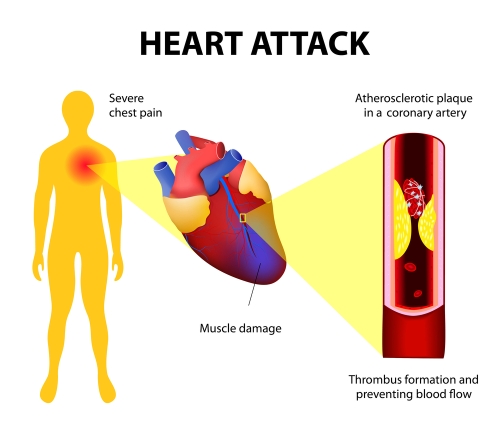
Heart attacks and chest pains are linked to blocked arteries in the heart

It was around 2009 when I was prepared to abandon the time-honored diet-heart hypothesis. I remember wondering if I’d be excommunicated from the medical community, i.e., lose my medical license due heresy. In a nutshell, the diet-heart hypothesis to which I refer was the idea that dietary saturated fat was the clear-cut cause of coronary artery disease and associated angina pectoris, heart attacks, and cardiac deaths. And many strokes, too.

My re-evaluation of the evidence paved the way to my Paleobetic diet.

Dr. Axel Sigurdsson recently wrote an updated history of the diet-heart hypothesis, focusing on the downfall of the hypothesis and the role of George Mann, whom I’d swear I never herd of. An excerpt:

Ancel Keys changed the world. He was right about many things—that lifestyle matters, that food affects disease, that public health can’t afford to wait forever. But in boiling heart disease down to a single nutrient, he oversimplified a complex truth. His hypothesis became policy before it was fully proven. And once policy hardens, it resists correction.

George Mann was no savior. His critiques were often bombastic, his tone combative. But beneath the fire was a warning science should have heeded: that premature consensus can blind, that evidence must lead—not politics, not personalities, not the noise of institutional momentum.

I recommend the entire article to you. I suspect AI (artificial intelligence) was utilized, mainly judging from the three pictures. Dr. Sigurdsson has been publishing some great articles recently, and I believe credited AI in some of them, which is OK by me.

Steve Parker, M.D.

Study Links Diet Drinks to Increased Death Risk

A July 2024 article in the July 31, 2024, Nutrition Journal suggests that artificially sweetened beverage consumption may cause increase risk of death, particularly from cardiovascular disease. From the abstract:

Our systematic review and meta-analysis demonstrated a higher consumption of artificially sweetened beverages in relation to higher risks of all-cause and cardiovascular mortality, whereas no relationship of artificially sweetened beverages with cancer mortality was observed. Compared with the participants in the lowest category of artificially sweetened beverage intakes, those in the highest category had a 13% higher risk of premature death from any cause, and a 26% higher risk of CVD (cardiovascular disease) mortality. Each one additional serving increase in artificially sweetened beverage consumption was associated with 6% and 7% higher risk for all-cause and CVD mortality, respectively. In a dose-response meta-analysis, we also observed a linear association of artificially sweetened beverage consumption with CVD mortality, with a non-linear positive association of artificially sweetened beverages with all-cause mortality. Despite this, substitution of sugary sweetened beverages with artificially sweetened beverages was associated with a lower risk of all-cause and CVD mortality. Various sensitivity analyses and subgroups analyses demonstrated the robustness of the pooled associations. Per NutriGrade, quality of the overall evidence was scored moderate for CVD mortality and all-cause mortality.

Steve Parker, M.D.

You May Benefit From a Diet That Lowers Your CRP (c-reactive protein)

C-reactive protein (CRP) is a bloodstream marker of body-wide inflammation. A prominent theory is that if your CRP is too high, it causes chronic disease states like hypertension, dementia, and cardiovascular disease. A 2024 meta-analysis published in British Journal of Nutrition looked at the effects of various diets on CRP. The implication is that your odds of developing particular chronic diseases is lowered if you adopt a diet that lowers your CRP. Check the Abstract below to see how your diet stacks up:

Adopting a healthy dietary pattern may be an initial step in combating inflammation-related chronic diseases; however, a comprehensive synthesis evaluating current evidence is lacking. This umbrella review aimed to summarise the current evidence on the effects of dietary patterns on circulating C-reactive protein (CRP) levels in adults. We conducted an exhaustive search of the Pubmed, Scopus and Epistemonikos databases, spanning from their inception to November 2023, to identify systematic reviews and meta-analyses across all study designs. Subsequently, we employed a random-effects model to recompute the pooled mean difference. Methodological quality was assessed using the A Measurement Tool to Assess Systematic Reviews 2 (AMSTAR 2) checklist, and evidence certainty was categorised as non-significant, weak, suggestive, highly suggestive or convincing (PROSPERO: CRD42023484917). We included twenty-seven articles with thirty meta-analyses of seven dietary patterns, fifteen of which (50 %) exhibited high methodological quality. The summary effects of randomised controlled trials (RCT) found that the Mediterranean diet was the most effective in reducing circulating CRP levels, followed by Vegetarian/Vegan and Energy-restricted diets, though the evidence was of weak quality. In contrast, Intermittent Fasting, Ketogenic, Nordic and Paleolithic diets did not show an inverse correlation with circulating CRP levels. Some results from combined interventional and observational studies, as well as solely observational studies, also agreed with these findings. These dietary patterns show the potential in reducing CRP levels in adults, yet the lack of high-quality evidence suggests future studies may alter the summary estimates. Therefore, further well-conducted studies are warranted.

Steve Parker, M.D.

Does the Ketogenic Diet Cause or Prevent Cardiovascular Disease?

Caveman Grock confusing rectal pressure with blood pressure

In July, 2023, the journal Nutrients published a review of literature on the effect of ketogenic diets on cardiovascular disease. The abstract mentions potentially beneficial changes blood lipids, inflammation, blood pressure, etc., without going where the rubber meets the road: the effect on mortality and incidence of cardiovascular events in live humans. Click the link to see the entire article.

The Abstract:

“The most common and increasing causes of death worldwide are cardiovascular diseases (CVD). Taking into account the fact that diet is a key factor, it is worth exploring this aspect of CVD prevention and therapy. The aim of this article is to assess the potential of the ketogenic diet in the prevention and treatment of CVD. The article is a comprehensive, meticulous analysis of the literature in this area, taking into account the most recent studies currently available. The ketogenic diet has been shown to have a multifaceted effect on the prevention and treatment of CVD. Among other aspects, it has a beneficial effect on the blood lipid profile, even compared to other diets. It shows strong anti-inflammatory and cardioprotective potential, which is due, among other factors, to the anti-inflammatory properties of the state of ketosis, the elimination of simple sugars, the restriction of total carbohydrates and the supply of omega-3 fatty acids. In addition, ketone bodies provide “rescue fuel” for the diseased heart by affecting its metabolism. They also have a beneficial effect on the function of the vascular endothelium, including improving its function and inhibiting premature ageing. The ketogenic diet has a beneficial effect on blood pressure and other CVD risk factors through, among other aspects, weight loss. The evidence cited is often superior to that for standard diets, making it likely that the ketogenic diet shows advantages over other dietary models in the prevention and treatment of cardiovascular diseases. There is a legitimate need for further research in this area.”


Steve Parker, M.D.

Paleolithic Diet Linked to Lower Risk of Death, Tumor, Cardiovascular, Respiratory, Neurological, and Digestive Disease

The study at hand was done on a Swedish population, published in 2024 in European Journal of Nutrition. It’s not perfect but suggestive of benefit. You can read the entire report yourself (I haven’t). Reports like this usually give their strongest findings in the first paragraph of the Discussion section:

PDF [paleo diet fraction] was inversely associated with the risk of death from all causes, tumor, cardiovascular, respiratory, neurological, and digestive disease. PDF was also inversely but non-significantly associated with death from other diseases combined. For incident event outcomes, PDF was inversely associated with the risk of coronary events and also inversely, but non-significantly associated, with ischemic stroke and type 2 diabetes. Besides longer follow-up, the present study extends previous research by examining associations for a measure of how Paleolithic a diet is based on absolute food intakes with mortality and incidence of cardiometabolic disease. This enables comparison between studies not possible for Paleolithic diet pattern scores based on relative food intakes.

Abstract

Purpose

Paleolithic Diet Fraction (PDF) estimates how large a portion of the absolute dietary intake stems from food groups included in the Paleolithic diet. In randomized controlled trials higher PDFs have been associated with healthier levels of cardiometabolic risk markers. Our aim was to build upon these findings by examining associations between PDF and mortality and incidence of cardiometabolic disease in the prospective Malmö Diet and Cancer Study.

Methods

PDF was calculated from an interview-based, modified diet history method, and associations were estimated by using multivariable Cox proportional hazards regression. The examined cohort consisted of 24,104 individuals (44–74 years, 63% women) without previous coronary events, diabetes, or stroke at baseline (1992–1996). A total of 10,092 individuals died during a median follow-up of 18 years.

Results

Median PDF was 40% (0–90%). The adjusted hazard ratios (HR) for PDF as a continuous variable (from 0 to 100%) were for risk of death from all causes 0.55 [95% CI 0.45, 0.66], tumor 0.68 [95% CI 0.49, 0.93], cardiovascular 0.55 [95% CI 0.39, 0.78], respiratory 0.44 [95% CI 0.21, 0.90], neurological 0.26 [95% CI 0.11, 0.60], digestive, 0.10 [95% CI 0.03, 0.30], and other diseases 0.64 [95% CI 0.41, 1.00]. The corresponding HR for risk of coronary event was 0.61 [95% 0.43, 0.86], for ischemic stroke it was 0.73 [95% 0.48, 1.09] and for type 2 diabetes it was 0.82 [95% 0.61, 1.10].

Conclusion

Observational data suggest an inverse association between PDF and all-cause as well as cause-specific mortality and incidence of cardiometabolic disease.


Steve Parker, M.D.

How Much Coffee to Reduce Risk of Death and Cardiovascular Disease?

A pinch of salt may cut the bitterness in a cup of coffee

From the European Journal of Preventive Cardiology:

Decaffeinated, ground, and instant coffee, particularly at 2–3 cups/day, were associated with significant reductions in incident cardiovascular disease and mortality. 

“Cardiovascular disease” includes coronary artery disease (e.g., heart attacks), heart failure, and ischemic strokes.

The study was done by Australian researchers using a UK database.

Steve Parker, M.D.

Stable Chest Pain: What’s the Best Way to See Heart Arteries?

Heart attacks and chest pains are linked to blocked arteries in the heart

We’re all gonna die of something.

The #1 cause of death in the U.S. is coronary artery disease (CAD), which causes heart attacks, sudden cardiac death, and many cases of congestive heart failure. Folks with diabetes have a higher-than-average risk of CAD. Blockage in the heart arteries typically develops over years and many people are walking around not knowing it’s there. The lucky ones develop warning signs like transient chest pain or shortness of breath on exertion. After consulting a physician, the next step may be a “stress test” or some sort or imaging of the arteries of the heart.

Angiography refers to imaging of arteries or veins. Angiography of the heart arteries is helpful in diagnosing blockage of arteries that may cause heart attacks or sudden cardiac death in the future.

CT stands for computerized tomography: x-rays obtain images that are then manipulated by computer technology to provide more information than plain x-ray technology alone. CT angiography of the heart arteries is done with iodinated contrast injected into the low-pressure venous system of circulation. In contrast, standard arterial angiography involves introduction of a needle (and catheter) into the high-pressure arterial system, usually the femoral artery in the groin or the smaller radial artery in the wrist. Standard arterial angiography is associated with a higher risk of complications such as leakage of blood from the artery. Another potential complication is embolization of arterial plaque or clots downstream from the arterial puncture. Because of the higher complication rate in the arterial system, standard angiography is considered “invasive.”

The study at hand asks which is a better way to image heart arteries in a patient with stable chest pain: CT versus standard arterial angiography. The article abstract doesn’t define “stable” chest pain. I assume the researchers did not include acute myocardial infarctions (heart attacks) and unstable angina.

European researchers concluded that:

Among patients referred for invasive coronary angiography (ICA) because of stable chest pain and intermediate pretest probability of coronary artery disease, the risk of major adverse cardiovascular events was similar in the CT group and the ICA group. The frequency of major procedure-related complications was lower with an initial CT strategy.

I bet the non-invasive CT is also less expensive than standard arterial angiography.

Steve Parker, M.D.

PS: Reduce your risk of CAD by controlling blood sugar, losing excess weight, exercising and heating healthy. Let me help.

Is the Paleo Diet Best for Metabolic Syndrome?

I found a recent study involving the paleo diet at Clinical Nutrition ESPEN. I’m not paying for access to the full-text article until my book sales pick up. Access typically requires $30 USD.

Reference: Effect of Paleolithic-based low-carbohydrate vs. moderate-carbohydrate diets with portion-control and calorie-counting on CTRP6, asprosin and metabolic markers in adults with metabolic syndrome: A randomized clinical trial

Doesn’t that sound fascinating?

I’ve never even heard of CTRP6 and asprosin.

I miss the Oxford comma in the article title. You, too?

Click for a definition of metabolic syndrome.

The Iranian study at hand divided 80 folks into four different diet groups, to follow the prescribe diet for 10 weeks.


The Paleolithic low-carb diet “is defined as a diet consisting of 25-30% of energy from carbohydrate, 30% of energy from protein and 40-45% of energy from fat and encourages consumption of fruits, vegetables and lean meat.” There were two paleo diets: one involved calorie counting, the other portion control. All study subjects had metabolic syndrome.

This this is a mess already. And the experimental groups are tiny (20 subjects each). All diets were carbohydrate-restricted.

Results: A total of 69 participants aged 42.95 (9.27) with metabolic syndrome completed the trial. At the end of current 10-week dietary intervention trial, significant reduction in weight, waist circumference, body fat, visceral fat and waist-hip ratio (WHR) was observed in all four intervention arms (P < 0.001). Also, the observed differences among groups did not reach statistical significance (P > 0.05). Moreover, we found significant reduction in CTRP6 and leptin in all intervention groups (P < 0.001). Reduction of Asprosin level was also marginally significant between intervention groups (P < 0.05). All four intervention groups were found to improve cardiometabolic markers such as FBS [fasting blood sugar], TG [triglycerides], total cholesterol and LDL cholesterol compared to baseline. However, despite clinically significant difference, the within- and between-group changes were not statistically significant at the end of trial.

Conclusions: The current RCT [randomized controlled trial] in Iranian adults with metabolic syndrome revealed that both moderate and Paleolithic-based low carbohydrate diets with both delivery approaches have comparable beneficial effects in terms of body weight and composition, cardiometabolic factors and metabolism-related adipokines and hepatokines.

Abstract doesn’t mention calories provided (or recommended) the the four experimental diets! C’mon, man! In general, metabolic syndrome numbers improve short-term with sufficient caloric restriction regardless of the composition of the diet. E.g., eating nothing but water for five days will improve the metabolic syndrome numbers. But that’s no way to live.

I don’t know what to make of this study. But the eight researchers will undoubtedly put this article on their CVs.

Steve Parker, M.D.

PS: Here’s a low-carb paleo diet:

Paleo Diet and Cardiovascular Disease

Not too many folks eat rabbit these days

A review article in American Journal of Medicine looks at various diets that may have influence on development or progression of cardiovascular disease. All I have is the abstract, which mentions the Paleolithic diet. I don’t have access to the full article. If you do, please leave a comment below regarding the authors’ thoughts on the paleo diet. Among the 25 authors, I recognized three names; two of which are committed vegetarians or vegans (Ornish and Barnard). I suspect the article will be anti-meat.

Abstract

In cardiology clinic visits, the discussion of optimal dietary patterns for prevention and management of cardiovascular disease is usually very limited. Herein, we explore the benefits and risks of various dietary patterns, including intermittent fasting, low carbohydrate, Paleolithic, whole food plant-based diet, and Mediterranean dietary patterns within the context of cardiovascular disease to empower clinicians with the evidence and information they need to maximally benefit their patients.

Reference: Controversial Dietary Patterns: A High Yield Primer for Clinicians.


Steve Parker, M.D.

Paleo Diet Linked to Cardiovascular Benefits

A score appraising Paleolithic diet and the risk of cardiovascular disease in a Mediterranean prospective cohort

Abstract

Purpose: To assess the association between a score appraising adherence to the PaleoDiet and the risk of cardiovascular disease (CVD) in a Mediterranean cohort.

Methods: We included 18,210 participants from the Seguimiento Universidad de Navarra (SUN) cohort study. The PaleoDiet score comprised six food groups promoted within this diet (fruit, nuts, vegetables, eggs, meat and fish) and five food groups whose consumption is discouraged (cereals and grains, dairy products, legumes, culinary ingredients, and processed/ultra-processed foods). CVD was defined as acute myocardial infarction with or without ST elevation, non-fatal stroke and cardiovascular death. Cox proportional hazards models adjusted for potential confounders were fitted to assess the association between the PaleoDiet score and CVD risk, and the PaleoDiet and MedDiet indices to explore differences between both diets.

Results: During 12.2 years of follow-up, 165 incident CVD cases were confirmed. A significant inverse association was found between the PaleoDiet score and CVD (HR Q5 vs. Q1: 0.45, 95% CI 0.27-0.76, P for trend = 0.007). A weaker association that became non-significant was observed when the item for low consumption of ultra-processed foods was removed from the score. Joint analysis of PaleoDiet and MedDiet Trichopoulou scores suggested that the inverse association between PaleoDiet and CVD was mainly present when adherence to the MedDiet was also high (HR for high adherence vs low adherence to both diet scores: 0.22, 95% CI 0.08-0.64).

Conclusions: Our findings suggest that the PaleoDiet may have cardiovascular benefits in participants from a Mediterranean country. Avoidance of ultra-processed foods seems to play a key role in this inverse association.

Link to European Journal of Nutrition article.

I was glad to see some new names among the researchers.

Steve Parker, M.D.

PS: If you’ve abandoned your New Years’ diet resolution, consider the Paleobetic Diet!