Category Archives: Uncategorized

Dr. Roy Taylor on the Cause of Type 2 Diabetes and What To Do About It

diabetic diet, low-carb Mediterranean Diet, low-carb, Conquer Diabetes and Prediabetes

Warning: this is a sciencey post

According to Roy Taylor, M.D., “type 2 diabetes is a potentially reversible metabolic state precipitated by the single cause of chronic excess intraorgan fat.” The organs accumulating fat are the pancreas and liver. He is certain “…that the disease process can be halted with restoration of normal carbohydrate and fat metabolism.” I read Taylor’s article published last year in Diabetes Care.

(Do you remember that report in 2011 touting cure of T2 diabetes with a very low calorie diet? Taylor was the leader. The study involved only 11 patients, eating 600 calories a day for eight weeks.)

Dr. Taylor says that severe calorie restriction is similar to the effect of bariatric surgery in curing or controlling diabetes. Within a week of either intervention, liver fat content is greatly reduced, liver insulin sensitivity returns, and fasting blood sugar levels can return to normal. During the first eight weeks after intervention, pancreatic fat content falls, with associated steadily increasing rates of insulin secretion by the pancreas beta cells.

bariatric surgery, Steve Parker MD

Band Gastric Bypass Surgery (not the only type of gastric bypass): very successful at “curing” T2 diabetes if you survive the operation

Taylor’s ideas, by the way, dovetail with Roger Unger’s 2008 lipocentric theory of diabetes. Click for more ideas on the cause of T2 diabetes.

Here are some scattered points from Taylors article. He backs up most of them with references:

  • In T2 diabetes, improvement in fasting blood sugar reflects improved liver insulin sensitivity more than muscle insulin sensitivity.
  • The more fat accumulation in the liver, the less it is sensitive to insulin. If a T2 is treated with insulin, the required insulin dose is positively linked to how much fat is in the liver.
  • In a T2 who starts insulin injections, liver fat stores tend to decrease. That’s because of suppression of the body’s own insulin delivery from the pancreas to the liver via the portal vein.
  • Whether obese or not, those with higher circulating insulin levels “…have markedly increased rates of hepatic de novo lipogenesis.” That means their livers are making fat. That fat (triglycerides or triacylglycerol) will be either burned in the liver for energy (oxidized), pushed into the blood stream for use elsewhere, or stored in the liver. Fatty acids are components of triglycerides. Excessive fatty acid intermediaries in liver cells—diglycerides and ceramide—are thought to interfere with insulin’s action, i.e., contribute to insulin resistance in the liver.
  • “Fasting plasma glucose concentration depends entirely on the fasting rate of hepatic [liver] glucose production and, hence, on its sensitivity to suppression by insulin.”
  • Physical activity, low-calorie diets, and thiazolidinediones reduce the pancreas’ insulin output and reduce liver fat levels.
  • Most T2 diabetics have above-average liver fat content. MRI scans are more accurate than ultrasound for finding it.
  • T2 diabetics have on average only half of the pancreas beta cell mass of non-diabetics. As the years pass, more beta cells are lost. Is the a way to preserve these insulin-producing cells, or to increase their numbers? “…it is conceivable that removal of adverse factors could result in restoration of normal beta cell number, even late in the disease.”
  • “Chronic exposure of [pancreatic] beta cells to triacylglycerol [triglycerides] or fatty acids…decreases beta cell capacity to respond to an acute increase in glucose levels.” In test tubes, fatty acids inhibit formation of new beta cells, an effect enhanced by increased glucose concentration.
  • There’s a fair amount of overlap in pancreas fat content comparing T2 diabetics and non-diabetics. It may be that people with T2 diabetes are somehow more susceptible to adverse effects of the fat via genetic and epigenetic factors.
  • “If a person has type 2 diabetes, there is more fat in the liver and pancreas than he or she can cope with.”
  • Here’s Dr. Taylor’s Twin Cycle Hypothesis of Etiology of Type 2 Diabetes: “The accumulation of fat in liver and secondarily in the pancreas will lead to self-reinforcing cycles that interact to bring about type 2 diabetes. Fatty liver leads to impaired fasting glucose metabolism and increases export of VLDL triacylglcerol [triglycerides], which increases fat delivery to all tissues, including the [pancreas] islets. The liver and pancreas cycles drive onward after diagnosis with steadily decreasing beta cell function. However, of note, observations of the reversal of type 2 diabetes confirm that if the primary influence of positive calorie balance is removed, the the processes are reversible.”
diabetic diet, etiology of type 2 diabetes, Roy Taylor, type 2 diabetes reversal

Figure 6 from the article: Dr. Taylor’s Twin Cycle Hypothesis of Etiology of Type 2 Diabetes

  • The caption with Figure 6 states: “During long-term intake of more calories than are expended each day, any excess carbohydrate must undergo de novo lipogenesis [creation of fat], which particularly promotes fat accumulation in the liver.”
  • “The extent of weight gloss required to reverse type 2 diabetes is much greater than conventionally advised.” We’re looking at around 15 kg (33 lb) or 20% of body weight, assuming the patient is obese to start.  “The initial major loss of body weight demands a substantial reduction in energy intake. After weight loss, steady weight is most effectively achieved by a combination of dietary restriction and physical activity.”

Dr. Taylor doesn’t specify how much calorie restriction he recommends, but reading between the lines, I think he likes his 600 cals/day for eight weeks program. That will have a have a high drop-out rate. I suspect a variety of existing ketogenic diets may be just as successful and more realistic, even if it takes more than eight weeks. I wonder how many of the 11 “cures” from the 2011 study have persisted.

Steve Parker, M.D.

Reference: Taylor, Roy. Type 2 diabetes: Etiology and reversibility. Diabetes Care, April 2013, vol. 36, no. 4, pp:1047-1055.

Update: Some wild and crazy guys tried the Taylor method at home. Click for results.
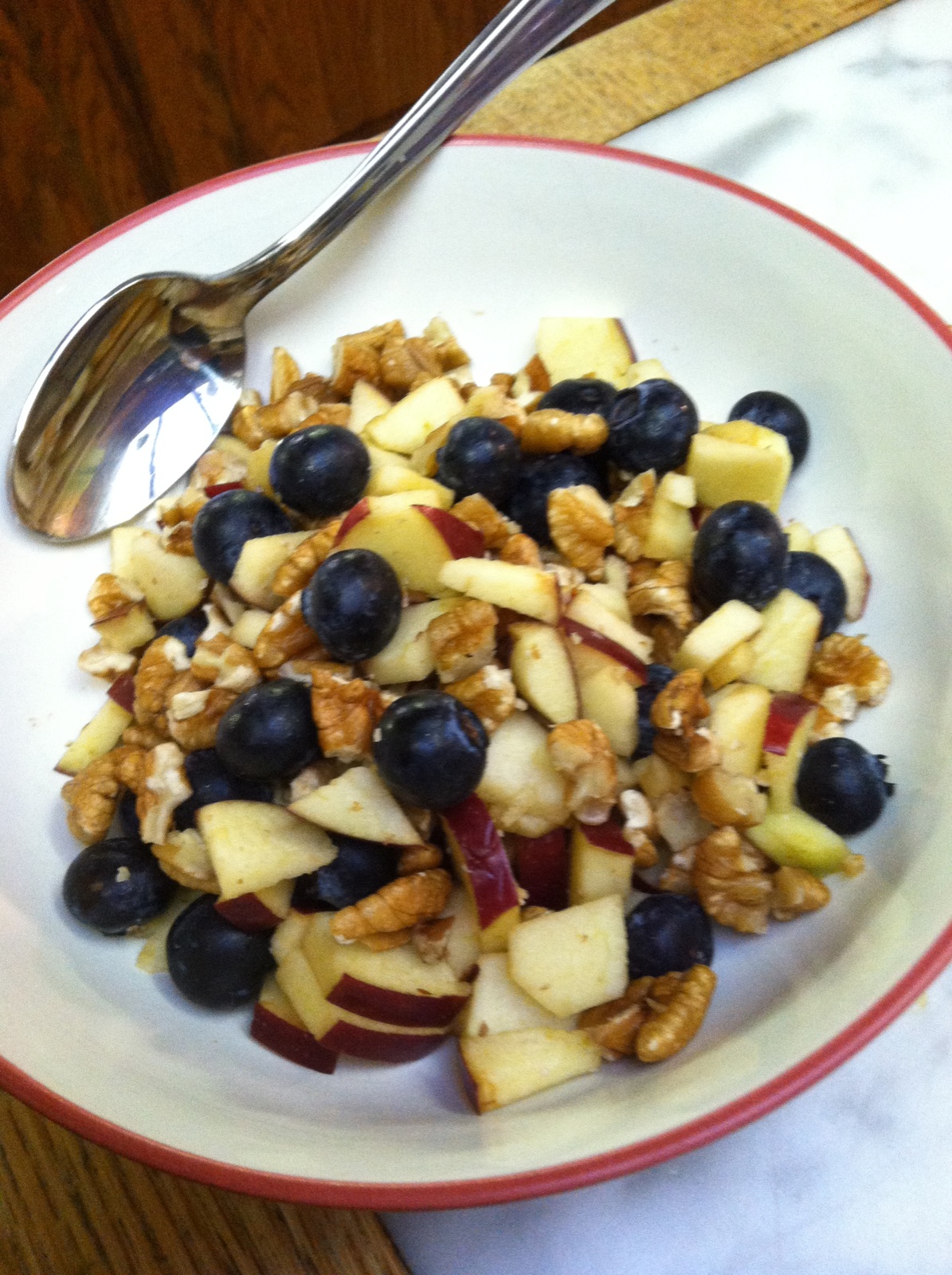
Recipe: Apple, Pecan, Blueberry Lunch Bowl

paleobetic diet, diabetic diet, low-carb diet

So simple even a redneck can make it (I are a redneck)

Ingredients:

2.5 oz (70 g) apple, diced (“red delicious” variety works well) (this is half a medium-sized apple)

2.5 oz (70 g) pecans, crumbled into small pieces

2.5 oz (70 g) raw blueberries

Instructions:

Mix all together in a bowl, then enjoy. I know a lotta you bros will just eat all the components individually—but try the mix once for new flavors.

Servings: 1

Nutritional Analysis:

76% fat

20% carb

4% protein

570 calories

30 g carbohydrate

10 g fiber

20 g digestible carb

1.4 mg sodium

421 mg potassium

Prominent features: Quick and easy. Rich in copper, manganese, and thiamine. Inadequate protein to get you through the day, but you’ll make up for it at breakfast or dinner.

QOTD: Charles Darwin on God

“Another source of conviction in the existence of God, connected with the reason and not with the feelings, impresses me as having much more weight. This follows from the extreme difficulty or rather impossibility of conceiving this immense and wonderful universe, including man with his capacity of looking far backwards and far into futurity, as the result of blind chance or necessity. When thus reflecting I feel compelled to look to a First Cause having an intelligent mind in some degree analogous to that of man; and I deserve to be called a Theist.”
–Charles Darwin, the founder of evolutionary biology, as quoted in his autobiography.

American Diabetes Association Sets New Criteria for Diagnosis of Gestational Diabetes

Gestational diabetes occurs in 5% of pregnancies in the U.S., affecting more than 240,000 births annually.

All pregnancies are characterized by some degree of insulin resistance and high insulin levels: they are necessary for the baby.  Nevertheless, healthy pregnant women run blood sugars 20% lower than when they are not pregnant.

Most women should undergo a screening test for gestational diabetes around the 24th to 28th week of pregnancy.  Screen earlier if undiagnosed type 2 diabetes is suspected or if risk factors for diabetes are present.  The American Diabetes Association (2014 guidelines) recommends either one of two screening tests.

  • “One-step test.” It’s a morning oral glucose tolerance test after at least eight hours of fasting. Fasting blood sugar is tested then he woman drinks 75 grams oral of glucose.  Blood sugar is tested again one and two hours later.  This blood sample is obtained by a needle in a vein, not by finger prick.  Gestational diabetes is diagnosed if any of the following apply: 1) fasting glucose is 92 mg/dl (5.1 mmol/l) or higher, 2) 0ne-hour level is 180 mg/dl (10.0 mmol/l) or higher, or 3) two-hour level is 153 mg/dl (8.5 mmol/l) or higher.
  • “Two-step test.” This is a nonfasting test with only one needle-stick. The woman drinks 50 grams of glucose; plasma glucose is tested one hour later. But if it’s over 140 mg/dl (10.0 mmol/l), that’s a flunk and a three-hour 100-gram oral glucose tolerance test in the fasting state must be done (step two). Gestational diabetes is present if the three-hour glucose is 140 mg/dl (7.8 mmol/l) or higher. Other experts say the diagnosis requires two or more of the following:
    • fasting blood sugar > 95 mg/dl (5.3 mmol/l)
    • 1-hour blood sugar > 180 mg/dl (10 mmol/l)
    • 2-hour blood sugar > 155 mg/dl (8.6 mmol/l)
    • 3-hour blood sugar > 140 mg/dl (7.8 mmol/l)

You’ll find that various expert panels have proposed different criteria for the diagnosis. The National Institutes of Health in the U.S. published their consensus statement in 2013.

There’s no need for the screening test if a random blood sugar is over 200 mg/dl (11.1 mmol/l) or a fasting sugar is over 126 mg/dl: those numbers already define diabetes, assuming they are confirmed with a second high reading.  A random blood sugar over 200 mg/dl (11.1 mmol/l) should probably be repeated for confirmation.  Gestational diabetes can be diagnosed at the first prenatal visit if fasting blood sugar is 92 or over mg/dl (5.1 mmol/l or over) but under 126 mg/dl (7 mmol/l), or if hemoglobin A1c at the first prenatal visit is 6.5% or greater.

Women with diabetes in the first trimester have overt diabetes, not gestational diabetes.

To learn a little about treatment of gestational diabetes, check out this post.

Steve Parker, M.D.

Image

Merry Christmas!

Nativity Scene

What Is The Only Australian Plant Crop That Has Ever Been Commercially Developed as a Food?

David Mendosa says the answer is the macadamia nut.

Paleobetic diet

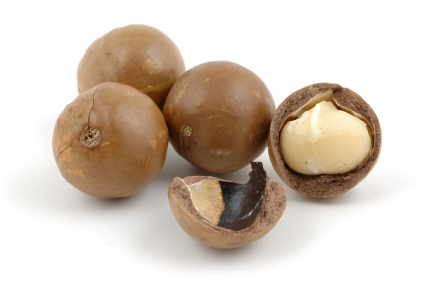
Macadamia nuts

From a paleo perspective, a great thing about the macadamia nut is that it’s one of the few nuts with a good omega-6/omega-3 fatty acid ratio. In other words, it’s high in omega-3 and low in 6. This may have important cardiovascular health implications. Macadamias are one of the nuts I recommend on my Paleobetic Diet.

David writes:

The first Australian macadamia plantation didn’t begin until the 1880s. And not until 1954 with the introduction of mechanised processing did commercial production became viable. Nowadays about 90 percent of the the world’s macadamia nut production comes from Hawaii, where it has become its third most important crop, according to The Wellness Encyclopedia of Food and Nutrition, University of California at Berkeley (1992).

Read the rest, where you’ll learn that macadamia nuts are the highest of all nuts in calories, gram for gram.

Paleobetic diet

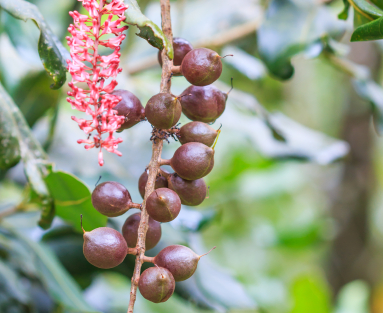
Macadamia nuts on the tree

What’s the Single Best Diet for T2 Diabetics?

Thinking about it...

Thinking about it…

DietDoctor has some ideas based on a recent scientific study:

new exciting Swedish study provides us with strong clues on how a person with diabetes should eat (and how to eat to maximize fat burning). It’s the first study to examine in detail how various blood markers change throughout the day depending on what a diabetic person eats.

The study examined the effects of three different diets in 19 subjects with diabetes type 2. They consumed breakfast and lunch under supervision in a diabetes ward. The caloric intake in the three diets examined was the same, but the diets differed in the following manner:

  1. A conventional low-fat diet (45-56% carbs)
  2. A Mediterranean diet with coffee only for breakfast (= similar to 16:8 intermittent fasting) and a big lunch (32-35% carbs)
  3. A moderate low-carbohydrate diet (16-24% carbs)

All participants tested all three diets, one diet each day in randomized order.

Click through for results. Hint: Carbohydrate restriction works.

Steve Parker, M.D.

FDA and Medicare Looking Into Accuracy of Home Blood Glucose Monitors

Paleobetic diet, diabetic diet, low-carb, paleo diet, diabetes

This monitor looks like an antique

The Joslin Diabetes Blog has some details. For example:

Current standards for blood glucose meters were established by the FDA in 2003 in conjunction with the International Organization for Standardization (ISO). Today’s requirements state that a blood glucose system (meter and strips) must meet an accuracy standard of being within 20 percent of reference values (laboratory) for numbers at or above 75mg/dl and within 15mg/dl below 75 mg/dl.

The FDA has been working on revising the current requirements since 2010 and the ISO has already come out with new standards. Whether the FDA will accept the ISO’s recommendations or adopt a different set of standards only time will tell.

The article also mentions various factors that may affect accuracy, including temperature extremes, humidity, and altitude. The user manual that comes with the device should explain these.

Get Your Kids Out in the Sunlight To Avoid Myopia

…according to an article at Slate. BTW, myopia is nearsightedness.

Steve Parker MD, paleobetic diet,

Should have spent more time outdoors

I thought spending time outdoors helped prevent myopia by using your distant vision more instead of texting to your buds on your smartphone all day long. Research suggests instead that the preventative aspect of being outdoors is related to bright light. Some quotes:

In the 1930s scientists observed that myopia was very rare in hunter-gatherer societies, and a 1960s study of native people in Alaska showed that older generations, who had not attended school, were much less likely to have myopia than younger generations, who had. Singaporean studies 20 years ago likewise linked educational attainment to myopia. If the problem is just a matter of light intensity, however, you could send your child outside to read, or purchase high-intensity light sources that mimic outdoor exposure.

According to a 2004 study from the University of Michigan, the average child in 2002 spent exactly half as much time participating in outdoor activities as did children in 1981. While myopia hasn’t yet reached the levels seen in much of Asian, prevalence in the United States is rising quickly. A 2009 study showed that the prevalence of myopia among Americans between the ages of 12 and 54 surged from 25 percent in the early 1970s to 42 percent around the turn of the millennium.

Read the whole enchilada.

Scarlett Johansson Switches From Paleo to Raw Vegan Diet

Click for details. Unfortunately, there aren’t many pictures. A snippet:

“Right before we started [‘The Avengers’] I was lifting all these weights and eating raw vegan,” said Scarlett. “But the only reason I was doing that was to fix my previous diet because that was a Paleo diet, so I’ve had the extreme of everything. After lots of training and raw vegan food you can fit into a catsuit.”