…in Iranian women. It was a small study so may not be reproducible. Click for some details at Nutrition and Cancer.

Steve Parker, M.D.

…in Iranian women. It was a small study so may not be reproducible. Click for some details at Nutrition and Cancer.
Steve Parker, M.D.

An article in the Journal of the Academy of Nutrition and Dietetics found an association between overweight/obesity and consumption of ultra–processed foods in U.S. adolescents.
The study looked at 3,600 adolescents who reported their food intake over a 24-hour period. The results are pretty strong: the more ultra-processed food consumed, the greater the odds of overweight and obesity.
Jan at The Low Carb Diabetic blog reported that:
Ultra-processed foods make up ‘two-thirds of calories consumed by children and teens’
Experts from Tufts University in Massachusetts studied two decades of dietary data to 2018 and found that the amount of calories young people consumed from ultra-processed foods jumped from 61 per cent to 67 per cent.
I’m not paying for the JAND scientific report so I don’t know how they defined ultra-processed foods. The definition varies quite a bit over time, by researcher, and by research goals. From the U.S. National Library of Medicine:
The definitions [of ultra-processed foods] used in 2009, 2010, 2012, 2014, and 2016a represent the definitions used from publications devoted solely to that purpose and are heavily referenced in the literature on ultra-processed foods. The definitions used in years 2015, 2016b, and 2017 are from articles that focused on the relation between ultra-processed food intake and public health nutrition, in which definitions of ultra-processed foods are presented in detail in the article. The first definition alludes mainly to the use of both food additives and salt in food products (6). The second introduces the putative impact of ultra-processed foods on accessibility, convenience, and palatability of ultra-processed foods (8). Subsequently, the definitions become longer and include more elements. Thus, the third definition builds on previous definitions but introduces 2 new angles (9). One is the nonavailability of ingredients used in ultra-processed foods from retail outlets such as supermarkets, and the second introduces food additives as the most widely used ingredients, in numerical terms, in the manufacture of ultra-processed foods. The next definition now introduces the role of food fortification as a defining element of ultra-processed foods (4). Further definitions introduce new elements such as the importance of foods synthesized in a laboratory, based on organic materials such as oil- and coal-based additives and flavoring compounds (10), a specification for the minimal number of ingredients to be found in these foods (5), and then an emphasis on the inclusion of salt, sugars, oils, and fats as a starting point for defining ultra-processed foods. This definition gives details of specific categories of food additives and highlights how the intended use of these additives is to imitate sensory qualities of fresh or minimally processed foods (group 1) or to specifically disguise undesirable qualities of ultra-processed foods (11). The final definition from 2017 (12) is quite similar to that used in the 2016b publication (11).

If you want to dive deep, you can download a list of ultra-processed food examples from that NLM article. I didn’t. But I figure the way to avoid over-processed foods is to eat food closer to the way God made it rather than man-made.
Steve Parker, M.D.

Posted in Overweight

A MedPage Today article indicates that chronic stress may precipitate or aggravate arthritis. Even childhood stress. The link is not as strong for rheumatoid arthritis as it is for more common types of arthritis. Most for the reviewed studies “categorized stress as stemming from adverse life events … or adverse childhood experiences …. Most studies … suggested a relationship between exposure to chronic stressors and arthritis development.”
Would stress reduction improve the quality of life of arthritis patients? The study at hand doesn’t address that but I’d wager that it would.
Steve Parker, M.D.
Comments Off on Stress Linked to Arthritis Development
Posted in Knee Pain
A couple of dietitians did an massive literature review looking for evidence that diet has an effect on major health conditions such as obesity, diabetes, and cardiovascular disease. Sounds interesting, and similar to my own obsessive review done between 1995 and 2005. Unknown if they examined the paleo diet. It bothers me that “hypertension” is misspelled in the abstract. For the researchers’ conclusions, you have to pay $27.95 USD.

Abstract from the Journal of the Academy of Nutrition and Dietetics:
Appropriate diet can prevent, manage, or reverse noncommunicable health conditions such as obesity, cardiovascular disease, and diabetes. Consequently, the public’s interest in diet and nutrition has fueled the multi-billion-dollar weight loss industry and elevated its standing on social media and the internet. Although many dietary approaches are popular, their universal effectiveness and risks across overall populations are not clear. The objective of this scoping review was to identify and characterize systematic reviews (SRs) examining diet or fasting (intermittent energy restriction [IER]) interventions among adults who are healthy or may have chronic disease. An in-depth literature search of six databases was conducted for SRs published between January 2010 and February 2020. A total of 22,385 SRs were retrieved, and 1,017 full-text articles were screened for eligibility. Of these, 92 SRs met inclusion criteria. Covered diets were organized into 12 categories: high/restricted carbohydrate (n = 30), Mediterranean, Nordic, and Tibetan (n = 19), restricted or modified fat (n = 17), various vegetarian diets (n = 16), glycemic index (n = 13), high protein (n = 12), IER (n = 11), meal replacements (n = 11), paleolithic (n = 8), Dietary Approaches to Stop Hypretension (DASH; n = 6), Atkins, South Beach, and Zone (n = 5), and eight other brand diets (n = 4). Intermediate outcomes, such as body weight or composition and cardiometabolic, were commonly reported. Abundant evidence was found exploring dietary approaches in the general population. However, heterogeneity of diet definitions, focus on single macronutrients, and infrequent macronutrient subanalyses were observed. Based on this scoping review, the Evidence Analysis Center prioritized the need to collate evidence related to macronutrient modification, specifically restricted carbohydrate diets.
Steve Parker, M.D.
Comments Off on Does Diet Have ANY Effect on Health?
Posted in Paleo Diet, Paleo Theory

I have a particular interest in preventing age-related macular degeneration (ARMD) since it runs in my family. It’s the leading cause of vision loss in adults over 50.
Question What were the long-term findings of Age-Related Eye Disease Study 2 (AREDS2) supplements regarding development of lung cancer or progression to late age-related macular degeneration (AMD)?
Findings In this epidemiologic follow-up study of the AREDS2 cohort of 3882 participants and 6351 eyes, 10-year follow-up results showed that development of lung cancer nearly doubled in participants assigned to beta carotene among former smokers but not those assigned to lutein/zeaxanthin. Lutein/zeaxanthin was associated with a reduction in the risk of progression to late AMD when compared with beta carotene.
Meaning These findings suggest that the AREDS2 supplement with lutein/zeaxanthin instead of beta carotene was safe, with no association with developing lung cancer and a potential beneficial association with further reduction in progression to late AMD.
Once you lose vision, you may never get it back.

Steve Parker, M.D.
Posted in Longevity, Uncategorized

…. 10-year weight gain is substantially greater in US women compared to men. On average (±SE), women gained 5.4 ± 0.3 kg and 9.2 ± 0.4 percent of their initial weight over the previous 10 years, whereas men gained 2.6 ± 0.2 kg and 3.8 ± 0.3 percent of their initial weight. In general, compared to US men, women gained about twice as much weight (kg) and 2.4 times more weight expressed as a percent of initial weight, over the previous 10 years. Fourth, 10-year weight gain is significantly higher in Non-Hispanic Blacks than in other racial groups, especially NH [non-Hispanic] Black women. Moreover, 10-year weight gain is significantly lower in Non-Hispanic Asians compared to other racial categories.
If you think in pounds instead of kilograms, like me, note that 1 kg = 2.2 lb.
Since 2000, U.S. obesity in adults has increased from 30% to 42% of the population. This doesn’t even include suspected pandemic-related weight gain.
Mean 10-year weight gain was 4.2 ± 0.2 kg or 6.6 ± 0.2% of initial body weight within the United States.
The incidence of severe obesity had increased from 5% in 2000 to almost 10% now. (The article likely defines “severe obesity” but I didn’t catch it in my quick scan.)
Not enough Americans are implementing my Paleobetic Diet!
Steve Parker, M.D.
Posted in Overweight
No. Vitamin D supplementation of 2000 IU/day does not prevent fractures in the general population of healthy midlife and older adults.
Steve Parker, M.D.
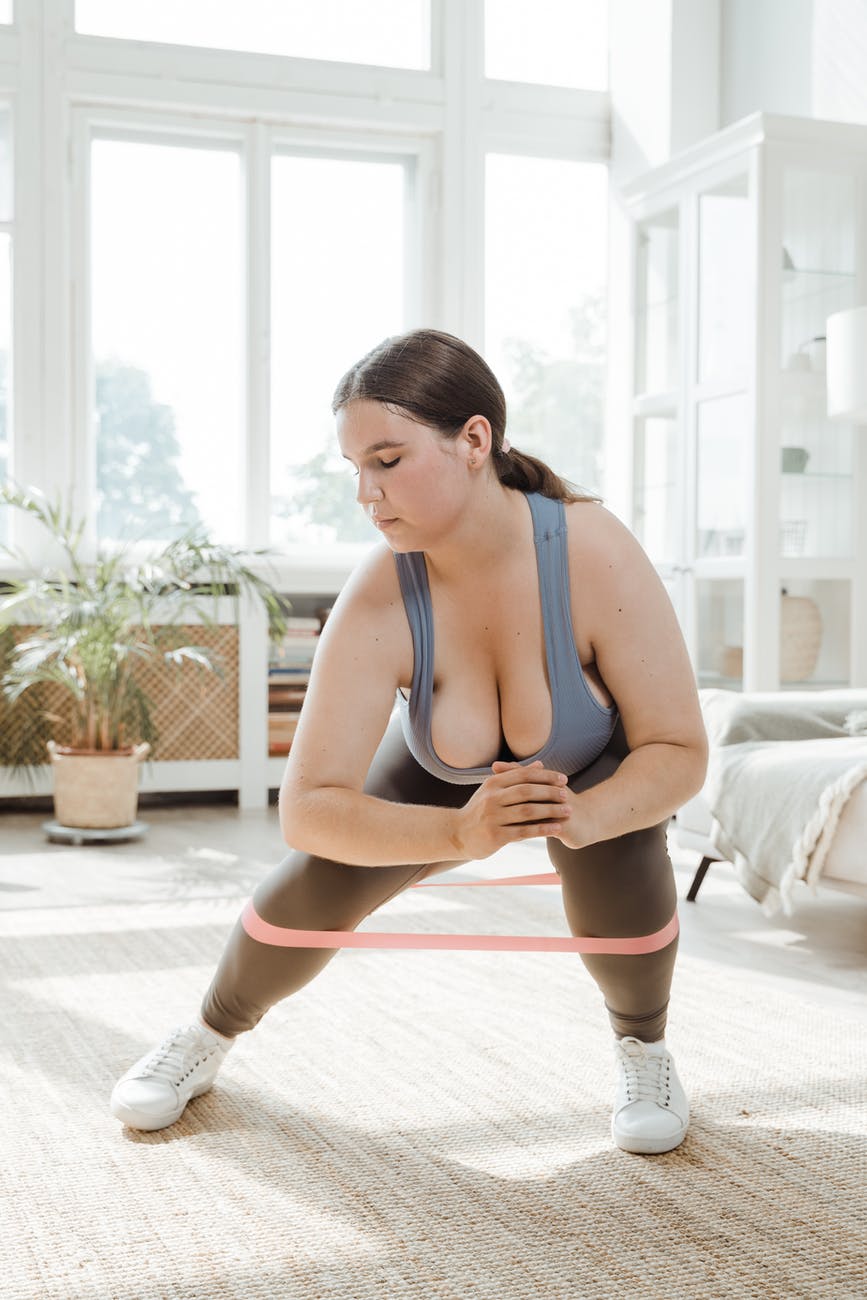
Discover Magazine has an article on the evolutionary role of non-pregnant human female breasts.
From Biological Reviews of the Cambridge Philosophical Society:
The possession of permanent, adipose breasts in women is a uniquely human trait that develops during puberty, well in advance of the first pregnancy. The adaptive role and developmental pattern of this breast morphology, unusual among primates, remains an unresolved conundrum. The evolutionary origins of this trait have been the focus of many hypotheses, which variously suggest that breasts are a product of sexual selection or of natural selection due to their putative role in assisting in nursing or as a thermoregulatory organ. Alternative hypotheses assume that permanent breasts are a by-product of other evolutionary changes. We review and evaluate these hypotheses in the light of recent literature on breast morphology, physiology, phylogeny, ontogeny, sex differences, and genetics in order to highlight their strengths and flaws and to propose a coherent perspective and a new hypothesis on the evolutionary origins of perennially enlarged breasts in women. We propose that breasts appeared as early as Homo ergaster, originally as a by-product of other coincident evolutionary processes of adaptive significance. These included an increase in subcutaneous fat tissue (SFT) in response to the demands of thermoregulatory and energy storage, and of the ontogenetic development of the evolving brain. An increase in SFT triggered an increase in oestradiol levels (E2). An increase in meat in the diet of early Homo allowed for further hormonal changes, such as greater dehydroepiandrosterone (DHEA/S) synthesis, which were crucial for brain evolution. DHEA/S is also easily converted to E2 in E2-sensitive body parts, such as breasts and gluteofemoral regions, causing fat accumulation in these regions, enabling the evolution of perennially enlarged breasts. Furthermore, it is also plausible that after enlarged breasts appeared, they were co-opted for other functions, such as attracting mates and indicating biological condition. Finally, we argue that the multifold adaptive benefits of SFT increase and hormonal changes outweighed the possible costs of perennially enlarged breasts, enabling their further development.
Steve Parker, M.D.
Posted in Uncategorized
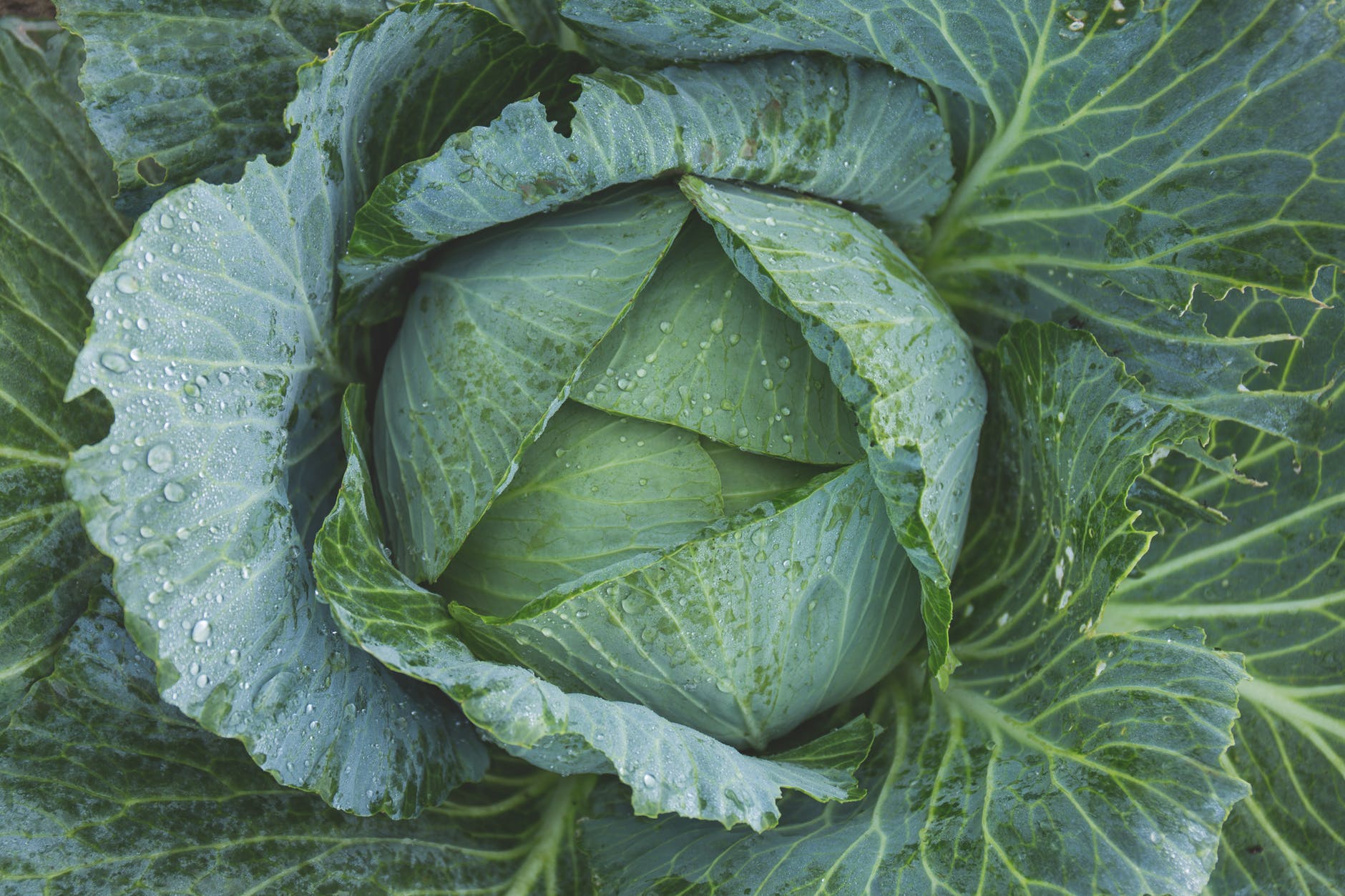
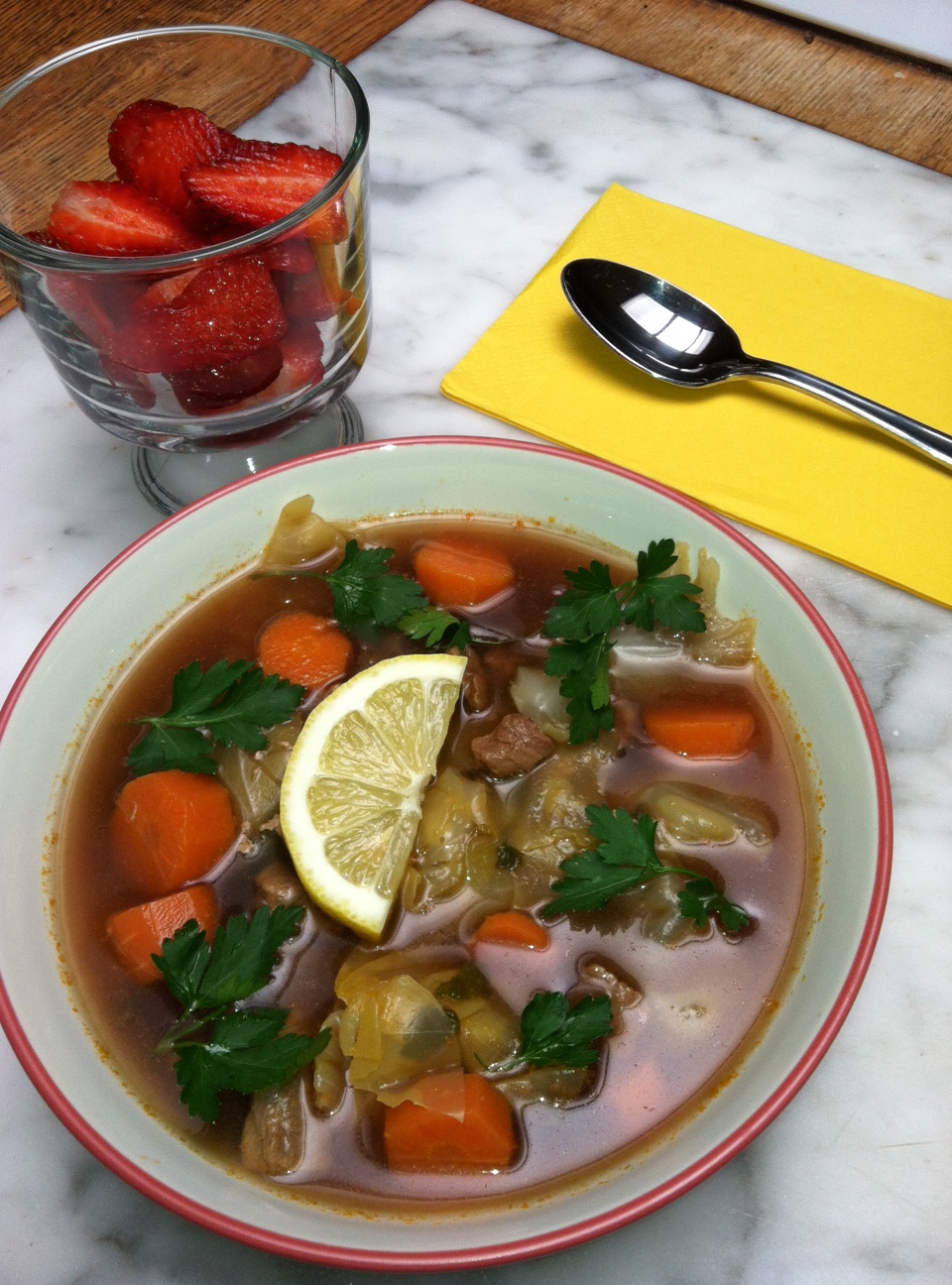
I have posted one or more cabbage recipes on this blog. Use the search box if interested.
When I was a wee lad, my mother never served cabbage. Don’t know why.
Adam Piggott is a good writer. He claims he has the best cabbage recipe ever. Here ’tis:
Ingredients:
Remove the rough outside leaves of the cabbage and then cut it into quarters. Using a mandoline slicer or a grater, carefully shave the cabbage as thinly as possible.
Now add the other ingredients in the order in which I listed them. Then mix well together and leave to sit for a few hours. Yes, a few hours and the longer the better. A minimum of one hour but if you can leave it all afternoon then you will thank me. This is why I was worried about them running out at the lunch. The cabbage will release some fluids over this time. Check for seasoning and olive oil before serving as you may have to add a little more.
His original post didn’t include specific amounts of most ingredients. Adam elaborated in the comments section:
Yes, the amounts are the issue here and it is what makes this a unique dish. Salt is the key. I use a large salt grinder which you can see in the last photo. I had half a cabbage for lunch and I would say that I used a good half tablespoon of salt. I added a little more at the end. Remember though with salt – you can always add more but you can’t take any away.
I used a quarter teaspoon of cumin. You’re just after a hint of the taste there. A small splash of the vinegar. Too much vinegar becomes overpowering; you can always add more later if you think you need it. Olive oil you can give it a good splash. Looking at the bowl of cabbage you should not see any liquid oozing out of the bottom. If you do then you have used too much oil or vinegar.
You can definitely refrigerate it but you don’t have to. If you do then you should cover it with cling film.
Read Adam’s entire post. It’s not long. You won’t regret it.
Steve Parker, M.D.
Posted in Uncategorized
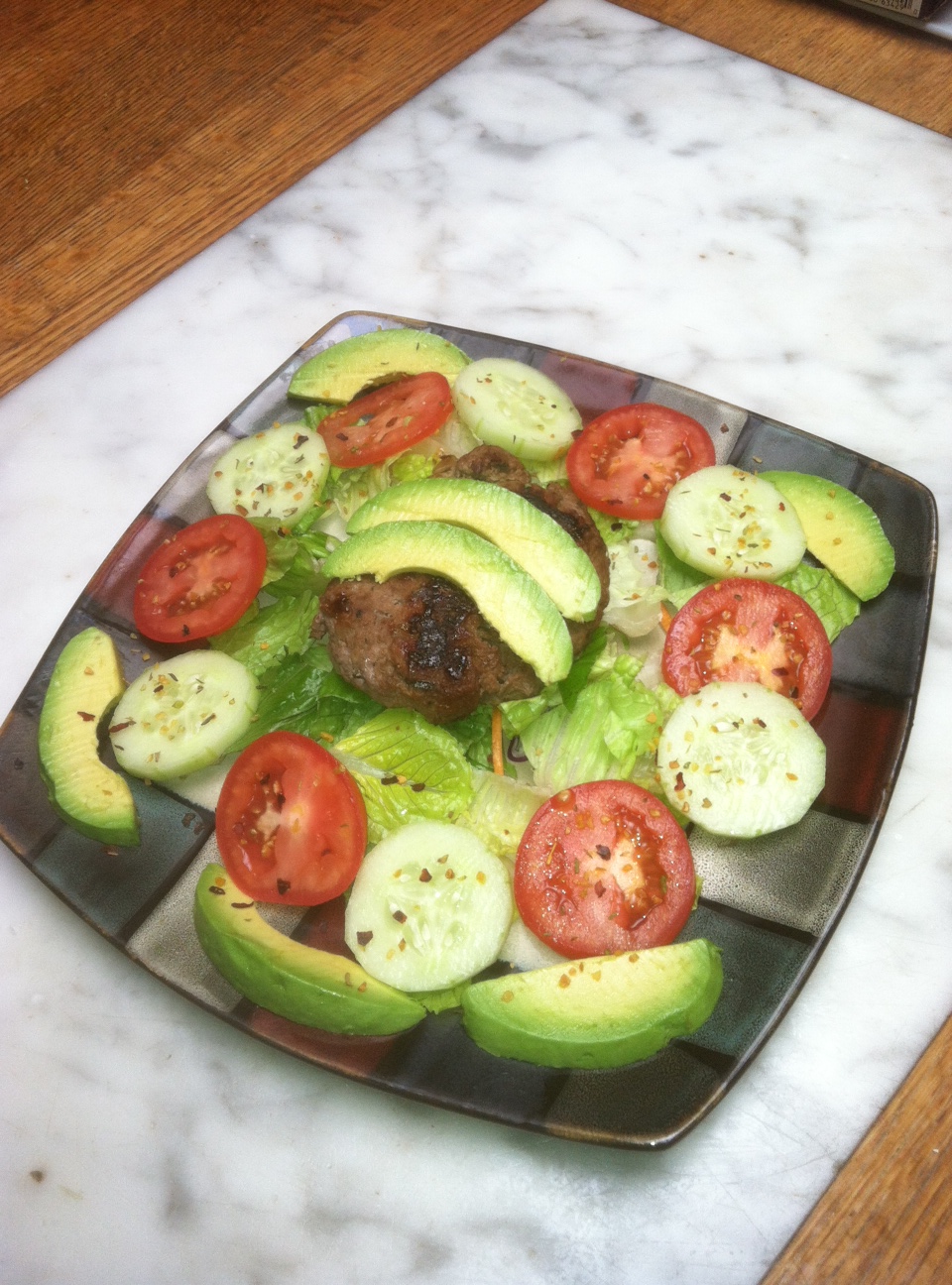
They can be. 20 recipes from Diet Doctor:
Many people think of salads as boring diet food that will leave you hungry and unsatisfied. But we disagree. Our keto salad recipes are rich in protein — and they’re filled with nutrition, flavors, and healthy fats to keep you fueled all day long.
Steve Parker, M.D.
Posted in Low-Carb

Click pic to purchase book at Amazon.com. E-book versions also available at Smashwords.com.

 Diabetic Mediterranean Diet Advanced Mediterranean Life

 Paleo Diabetic