Has Your New Weight Loss Plan Failed Already? I Can Help

That excess weight can shorten your life

If you’re down at least 4–5 pounds (2.5 kg) since making that weight loss resolution Jan. 1, that’s great. Keep it up. But most folks did well for a couple weeks and started gaining the weight back. Don’t be too hard on yourself. Weight management is not a walk in the park. You probably weren’t adequately prepared for the challenge.

Longterm success requires careful forethought. That’s why I’ve written this eight-part series.

Questions beg for answers.  For example . . .

Which of the myriad weight-loss programs will I follow?  Can I design my own program?  Should I use a diet book?  Sign up for Nutri-System, Weight Watchers, or Jenny Craig?  Should I stop wasting my time dieting and go directly to bariatric surgery?  Can I simply cut back on sodas and chips?  What should I eat?  What should I not eat?  Do I need to start exercising?  What kind?  How much?  Do I need to join a gym?  What methods are proven to increase my odds of success?  How much weight should I lose?  Should I use weight-loss pills or supplements?  Which ones?  What’s the easiest, most effective way to lose weight?  Is there a program that doesn’t require willpower?  Now, what were those “top 10 super-power foods” that melt away the fat?  Am I ready to get serious and stick with it this time?

This series will answer many of these questions and get you teed up for success.  Teed up like a golfer ready to hit his first shot on hole #1 of an 18-hole course.  Take 10 minutes to read the following articles.  The time invested will pay dividends for years.

C’mon now. Let’s be realistic.

Part 1:  Motivation

Immediate, short-term motivation to lose weight may stem from an upcoming high school reunion, swimsuit season, or a wedding. You want to look your best. Maybe you want to attract a mate or keep one interested. Perhaps a boyfriend, co-worker, or relative said something mean about your weight. These motivators may work, but only temporarily. Basing a lifestyle change on them is like building on shifting sands. You need a firmer foundation for a lasting structure. Without a lifestyle change, you are unlikely to vanquish a chronic overweight problem.  Proper long-term motivation may grow from:

  • the discovery that you feel great and have more energy when you are lighter and eating sensibly
  • the sense of accomplishment from steady progress
  • the acknowledgment that you have free will and are responsible for your weight and many aspects    of your health
  • the inspiration from seeing others take charge of their lives successfully
  • the admission that you have some guilt and shame about being fat, and that you like yourself more when you’re not fat  [I’m not laying shame or guilt on you; many of us do it to ourselves.]
  • the awareness of overweight-related adverse health effects and their improvement with even modest weight loss.

Appropriate motivation will support the commitment and willpower that will be needed soon.

PS: I’m thinking of how Dave Ramsay, when he’s counseling people who have gotten way overhead in debt, tells them they have to get mad at the debt.  Then they can attack it.  Maybe you have to get mad at your fat.  It’s your enemy, dragging you down, trying to kill you.  Now attack it!

Part 2:  The Energy Balance Equation

An old joke from my medical school days asks, “How many psychiatrists does it take to change a light bulb?”  Only one, but the light bulb must want to change.

How many weight-loss programs does it take before you lose that weight for good?  Only one, but…

Where does the fat go when you lose weight dieting?  Metabolic reactions convert it to energy, water, and carbon dioxide, which weigh less than fat.  Most of your energy supply is used to fuel basic life-maintaining physiologic processes at rest, referred to as resting or basal metabolism.  Basal metabolic rate (BMR) is expressed as calories per kilogram of body weight per hour.  Even at rest, a kilogram of muscle is much more metabolically active than a kilogram of fat tissue.  So muscular lean people sitting quietly in a room are burning more calories than are fat people of the same weight sitting in the same room.

The major determinants of BMR are age, sex, and the body’s relative proportions of muscle and fat.  Heredity plays a lesser role.

Energy not used for basal metabolism is either stored as fat or converted by the muscles to physical activity.  Most of us use about 70 percent of our energy supply for basal metabolism and 30 percent for physical activity.  Those who exercise regularly and vigorously may expend 40–60 percent of their calorie intake doing physical activity.  Excess energy not used in resting metabolism or physical activity is stored as fat.

If you want to lose excess weight and keep it off, you must learn the following equation:

The energy you eat,

          minus the energy you burn in metabolism and activity,

               determines your change in body fat.  [read more]

Cute mouse, but a slave to instincts.

Part 3:  Free Will

The only way to lose excess fat weight is to cut down on the calories you take in, increase your physical activity, or do both.

Oh, sure.  You could get a leg amputated, develop hyperthyroidism or out-of-control diabetes, or have liposuction or bariatric surgery.  But you get my drift.

Although the exercise portion of the energy balance equation is somewhat optional, you must reduce food intake to lose a significant amount of weight.  Once you reach your goal weight you will be able to return to nearly your current calorie consumption, and even higher consumption if you have increased your muscle mass and continue to be active.

Are you be able to reduce calorie intake and increase your physical activity temporarily? It comes down to whether we have free will.  Free will is the power, attributed especially to humans, of making free choices that are unconstrained by external circumstances or by an agency such as divine will.

Will is the mental faculty by which one chooses or decides upon a course of action; volition.

Willpower is the strength of will to carry out one’s decisions, wishes, or plans.

If we don’t have free will, you’re wasting time trying to lose weight through dieting; nothing will get your weight problem under control.  Even liposuction and weight-reduction stomach surgery will fail in time if you are fated to be fat.  The existence of free will is . . . [read more]

Part 4:  Starting New Habits

You already have a number of good habits that support your health and make your life more enjoyable, productive, and efficient.  For example, you brush your teeth and bathe regularly, put away clean clothes in particular spots, pay bills on time, get up and go to work every day, wear your seat belt, put your keys or purse in one place when you get home, balance your checkbook periodically.

At one point, these habits took much more effort than they do now.  But you decided they were the right thing to do, made them a priority, practiced them at first, made a conscious effort to perform them on schedule, and repeated them over time.  All this required discipline.  That’s how good habits become part of your lifestyle, part of you.  Over time, your habits require much less effort and hardly any thought.  You just do it.

Your decision to lose fat permanently means that you must establish some new habits, such as regular exercise and reasonable food restriction.  You’ve already demonstrated that you have self-discipline.  The application of that discipline to new behaviors will support your commitment and willpower.

Exercise isn’t very important for weight loss, but critical for preventing weight regain.

Part 5:  Supportive Social System

Success at any major endeavor is easier when you have a supportive social system.  And make no mistake: losing a significant amount of weight and keeping it off long-term is a major endeavor.

As an example of a supportive social system, consider childhood education.  A network of actors play supportive roles.  Parents provide transportation, school supplies, a home study area, help with homework, etc.  Siblings leave the child alone so he can do his homework, and older ones set an example.  Neighbors may participate in carpooling.  Taxpayers provide money for public schools.  Teachers do their part.  The school board oversees the curriculum, supervises teachers, and does long-range planning.

Success is more likely when all the actors work together for their common goal: education of the child.  Similarly, your starring role in a weight-loss program may win an Academy Award if you have a strong cast of supporting actors.  Your mate, friends, co-workers, and relatives may be helpers or hindrances.  It will help if they . . . [read more]

Part 6:  Weight Goals

Despite all the chatter about how to lose weight, few talk about how much should be lost.

"This can't be right!"

Down 4 pounds in 6 months. I’ll take it!

If you are overweight, deciding how much weight you should lose is not as simple as it seems at first blush.  I rarely have to tell a patient she’s overweight. She knows it and has an intuitive sense of whether it’s mild, moderate, or severe in degree.  She’s much less clear about how much weight she should lose.  If it’s any consolation, clinicians in the field aren’t always sure either.

Five weight standards have been in common usage over the last quarter-century . . . [read more]

Part 7:  Creative Visualization

How will your life be different after you make a commitment and have the willpower to lose weight permanently?

Odds are, you will be more physically active than you are now.  Exercise will be a habit, four to seven days per week.  Not necessarily vigorous exercise, perhaps just walking for 30 or 45 minutes.  It won’t be a chore.  It will be pleasant, if not fun.  The exercise will make you more energetic, help you sleep better, and improve your self-esteem.

After you achieve your goal weight, you’ll be able to cut back on exercise to three or four days per week, if you want.  If you enjoy eating as much as I do, you may want to keep very active physically so that you can eat more.  I must tell you that I rarely see anyone lose a major amount of weight and keep it off without . . . [read more]

Part 8:  Choosing A Program

I listed most of your weight-loss program options in the introductory comments to this series.  Now it’s time to make a choice.  And it’s not easy sorting through all the options.

Straight away, I must tell you that women over 300 pounds (136 kg) and men over 350 pounds (159 kg) rarely have permanent success with self-help methods such as diet books, meal replacement programs, diet pills or supplements, and meal-delivery systems.  People at those high weights who have tried and failed multiple different weight-loss methods should seriously consider bariatric surgery.

I respect your intelligence and desire to do your “due diligence” and weigh all your options: diet books, diet pills and supplements, bariatric surgery, meal replacement products (e.g., SlimFast), portion-control meal providers (e.g., NutriSystem), Weight Watchers, fad diets, no-diet diets, “just cutting back,” etc.  You have to make the choice; I can’t make it for you.  Here are some well-respected sources of advice to review before you choose . . . [read more]

Last modification date:  November 1, 2017

Paleo Diet No Better Than Several Other in Terms of Glucose and Insulin

He can’t choose his diet

But I thought the paleo diet was better than many others. Not according to this meta-analysis published and Journal of Clinical Nutrition.

Recently, the Paleolithic diet became popular due to its possible health benefits. Several, albeit not all, studies suggested that the consumption of the Paleolithic diet might improve glucose tolerance, decrease insulin secretion, and increase insulin sensitivity. Therefore, the aim of this meta-analysis was to compare the effect of the Paleolithic diet with other types of diets on glucose and insulin homeostasis in subjects with altered glucose metabolism. Four databases (PubMed, Web of Sciences, Scopus, and the Cochrane Library) were searched to select studies in which the effects of the Paleolithic diet on fasting glucose and insulin levels, glycated hemoglobin (HbA1c), homeostasis model assessment of insulin resistance (HOMA-IR), and area under the curve (AUC 0-120) for glucose and insulin during the oral glucose tolerance test were assessed. In total, four studies with 98 subjects which compared the effect of the Paleolithic diet with other types of diets (the Mediterranean diet, diabetes diet, and a diet recommended by the Dutch Health Council) were included in this meta-analysis. The Paleolithic diet did not differ from other types of diets with regard to its effect on fasting glucose (standardized mean difference (SMD): -0.343, 95% confidence interval (CI): -0.867, 0.181, p = 0.200) and insulin (SMD: -0.141; 95% CI: -0.599, 0.318; p = 0.548) levels. In addition, there were no differences between the Paleolithic diet and other types of diets in HOMA-IR (SMD: -0.151; 95% CI: -0.610, 0.309; p = 0.521), HbA1c (SMD: -0.380; 95% CI: -0.870, 0.110; p = 0.129), AUC 0-120 glucose (SMD: -0.558; 95% CI: -1.380, 0.264; p = 0.183), and AUC 0-120 insulin (SMD: -0.068; 95% CI: -0.526, 0.390; p = 0.772). In conclusion, the Paleolithic diet did not differ from other types of diets commonly perceived as healthy with regard to effects on glucose and insulin homeostasis in subjects with altered glucose metabolism.

Source: The Effect of the Paleolithic Diet vs. Healthy Diets on Glucose and Insulin Homeostasis: A Systematic Review and Meta-Analysis of Randomized Contro… – PubMed – NCBI

Steve Parker, M.D.

Click pic to purchase book at Amazon.com. E-book versions available at Smashwords.com.

Low-Carb Diets NOT Associated With Psychological Disorders

…at least in Iranians. From Nutrition Journal:

Adherence to the low carbohydrate diet, which contains high amount of fat and proteins but low amounts of carbohydrates, was not associated with increased odds of psychological disorders including depression, anxiety and psychological distress. Given the cross-sectional nature of the study which cannot reflect causal relationships, longitudinal studies, focusing on types of macronutrients, are required to clarify this association.

Source: Adherence to low carbohydrate diet and prevalence of psychological disorders in adults | Nutrition Journal | Full Text

At Longhorn Steakhouse in Amarillo, TX

I’d have been surprised if the researchers did find a linkage. But you don’t know for sure until y0u do the science.

Steve Parker, M.D.

PS: Most paleo diets are low-carb, including mine.

Click pic to purchase book at Amazon.com. E-book versions available at Smashwords.com.

U.S. Healthcare Costs $11,000 per person per year

Hospital care accounts for 33% of money spent on healthcare

From UPI Jan. 31, 2020:

Despite spending far more on health care than other wealthy nations, the United States has the lowest life expectancy and the highest suicide rate, new research shows.

For the study, researchers at The Commonwealth Fund compared the United States with 10 other high-income nations in the Organization for Economic Cooperation and Development (OECD)—Australia, Canada, France, Germany, the Netherlands, New Zealand, Norway, Sweden, Switzerland and the United Kingdom—and with the average for all 36 OECD nations.

In 2018, the United States spent almost 17 percent of its gross domestic product (GDP) on healthcare. That’s more than any other high-income country and twice the overall OECD average. For example, New Zealand and Australia spent 9 percent of GDP on healthcare.

U.S. healthcare spending now tops $10,000 per person, and much of it is driven by private insurance costs such as premiums, according to The Commonwealth Fund report published online Jan. 30.

Source: U.S. health stats remain low despite trillions in healthcare spending – UPI.com

The numbers above are outdated. U.S. health care spending grew 4.6 percent in 2018, reaching $3.6 trillion or $11,172 per person.  As a share of the nation’s Gross Domestic Product, health spending accounted for 17.7 percent.

Click to learn what that money is spent on.

Click to learn why U.S. healthcare is so expensive.

Steve Parker, M.D.

PS: Why not try to avoid healthcare spending by getting and staying as healthy as possible? Let me help now. And for less than $20.

Click pic to purchase book at Amazon.com. E-book versions available at Smashwords.com.


Tea May Postpone Death and Prevent Heart Disease

One of my favorite green teas

For years we’ve been hearing about the potential longevity and cardiovascular benefits of green tea. If memory serves, most of the data comes from Japanese studies. Now a Chinese observational study finds 15–20% reductions in atherosclerotic cardiovascular disease (ASCVD) and death, compared to non-tea drinkers. Most of the participants drank green tea, and they did so at least thrice weekly.

From the European Journal of Preventive Cardiology:

Using large prospective cohorts among general Chinese adults, we have provided novel evidence on the protective role of tea consumption on ASCVD events and all-cause mortality, especially among those who kept the habit all along. The current study indicates that tea might be a healthy beverage for primary prevention against ASCVD and premature death.

Source: Tea consumption and the risk of atherosclerotic cardiovascular disease and all-cause mortality: The China-PAR project – Xinyan Wang, Fangchao Liu, Jianxin Li, Xueli Yang, Jichun Chen, Jie Cao, Xigui Wu, Xiangfeng Lu, Jianfeng Huang, Ying Li, Liancheng Zhao, Chong Shen, Dongsheng Hu, Ling Yu, Xiaoqing Liu, Xianping Wu, Shouling Wu, Dongfeng Gu,

The researchers point out that results may not apply to non-Chinese populations.

Steve Parker, M.D.

h/t to Jan at The Low Carb Diabetic (click link for more details about the study)

Click pic to purchase book at Amazon.com. E-book versions available at Smashwords.com.

Nuts Have Fewer Calories Than We Thought

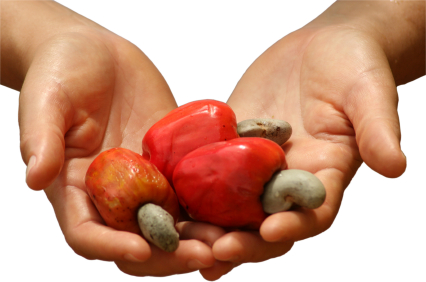
natural cashews, cashew apple

Cashews fresh off the tree. They’re actually fruits, not nuts. And while I’m being pedantic, peanuts aren’t nuts – they’re legumes.

…but you’ll still gain weight if you eat too many.

From RD Franziska Spritzler at DietDoctor:

There’s no denying that nuts are both nutritious and delicious. Yet for years, people have been cautioned to avoid eating too many because they’re also high in calories.

But last week, the USDA reported that nuts are actually lower in calories than originally thought. According to researchers who conducted a serious of studies over the past seven years, many nuts are 16 to 25% lower in calories than currently listed in the USDA nutrient database. The reason? Apparently, we don’t digest and absorb all of the calories from nuts.

Although the USDA’s database hasn’t yet been updated with the new values….

Source: Researchers Reveal That Nuts Have Fewer Calories Than Previously Thought — Diet Doctor

Steve Parker, M.D.

Click pic to purchase book at Amazon.com. E-book versions available at Smashwords.com.

If You Have T2 Diabetes, You May Already Have Fatty Liver

Stages of liver damage. Healthy, fatty, liver fibrosis and cirrhosis. Vector illustration

I’ve written before about fatty liver here, here, and here, for example. Fatty liver by itself may not be very harmful but sometimes it progresses to liver inflammation called steatohepatitis. Which can lead to cirrhosis. Non-alcoholic fatty liver disease is the second leading cause for liver transplantation in the U.S., after viral hepatitis.

You only have one liver, so be nice to it.

How common is fatty liver in the U.S. among those with T2 diabetes? From Diabetes Care:

The overall prevalence of NAFLD [non-alcoholic fatty liver disease] was >70% (47% with NAFL [non-alcoholic fatty liver] plus 26% with NASH [non-alcoholic steatohepatitis], for a total of >18 million patients with T2D having NAFLD (not including patients in the U.S. with undiagnosed T2D).

Source: Time to Include Nonalcoholic Steatohepatitis in the Management of Patients With Type 2 Diabetes | Diabetes Care

Steve Parker, M.D.

PS: One way to get fat out of your liver is to lose excess fat body weight. Let me help you.

Click pic to purchase book at Amazon.com. E-book versions available at Smashwords.com.

Pharmacy Benefits Managers: One Reason You’re Paying Too Much for Drugs in the U.S.

paleobetic diet, low-carb diet, diabetic diet

Don’t blame him

The American Prospect has an eye-opening article from 2017 that sheds light on pharmacy benefits managers (PBMs). Ever heard of them?

Author David Dayen starts with comments from pharmacy owner Frankil talking about how he determines how much money he makes on retail sale of a drug:

Like any retail outlet, Frankil purchases inventory from a wholesale distributor and sells it to customers at a small markup. But unlike butchers or hardware store owners, pharmacists have no idea how much money they’ll make on a sale until the moment they sell it. That’s because the customer’s co-pay doesn’t cover the cost of the drug. Instead, a byzantine reimbursement process determines Frankil’s fee.

“I get a prescription, type in the data, click send, and I’m told I’m getting a dollar or two,” Frankil says. The system resembles the pull of a slot machine: Sometimes you win and sometimes you lose. “Pharmacies sell prescriptions at significant losses,” he adds. “So what do I do? Fill the prescription and lose money, or don’t fill it and lose customers? These decisions happen every single day.”

Frankil’s troubles cannot be traced back to insurers or drug companies, the usual suspects that most people deem responsible for raising costs in the health-care system. He blames a collection of powerful corporations known as pharmacy benefit managers, or PBMs. If you have drug coverage as part of your health plan, you are likely to carry a card with the name of a PBM on it. These middlemen manage prescription drug benefits for health plans, contracting with drug manufacturers and pharmacies in a multi-sided market. Over the past 30 years, PBMs have evolved from paper-pushers to significant controllers of the drug pricing system, a black box understood by almost no one. Lack of transparency, unjustifiable fees, and massive market consolidations have made PBMs among the most profitable corporations you’ve never heard about.

***

In the case of PBMs, their desire for larger patient networks created incentives for their own consolidation, promoting their market dominance as a means to attract customers. Today’s “big three” PBMs—Express Scripts, CVS Caremark, and OptumRx, a division of large insurer UnitedHealth Group—control between 75 percent and 80 percent of the market, which translates into 180 million prescription drug customers. All three companies are listed in the top 22 of the Fortune 500, and as of 2013, a JPMorgan analyst estimated total PBM revenues at more than $250 billion.

***

PMBs initially came about as a means of saving costs. Why hasn’t that panned out?

The biggest reason experts cite is an information advantage in the complex pharmaceutical supply chain.

***

This lack of transparency enables PBMs to enjoy multiple hidden revenue streams from every other player. “It’s OK to have intermediaries, we have Visa,” says David Balto, an antitrust litigator and former top official with the Federal Trade Commission. “But these companies make a fabulous amount of money, even though they’re not buying the drug, not producing the drug, not putting themselves at risk.”

The PBM industry is rife with conflicts of interest and kickbacks. For example, PBMs secure rebates from drug companies as a condition of putting their products on the formulary, the list of reimbursable drugs for their network. However, they are under no obligation to disclose those rebates to health plans, or pass them along. Sometimes PBMs call them something other than rebates, using semantics to hold onto the cash. Health plans have no way to obtain drug-by-drug cost information to know if they’re getting the full discount.

***

It’s a long article and I confess I haven’t read the whole thing yet. I’ve read enough to rile up my sense of indignation! Pharmaceutical companies and health insurers don’t seem too upset. Because costs associated with these third-party shenanigans is simply passed on to the consumer—that’s you—in higher insurance premiums, deductibles, and co-pays. PBMs are a target for future healthcare reform.

Steve Parker, M.D.

PS: Reduce your needs for drugs with a healthy diet and lifestyle. I can help.

Click pic to purchase book at Amazon.com. E-book versions available at Smashwords.com.


Metformin: More Than Just a Diabetes Drug?

Metformin? A shirt from 1967?

Medical Xpress has an article about the possible future uses of metformin for weight loss, prostate cancer treatment, and tuberculosis treatment. It didn’t mention metformin as an anti-aging drug.

From the article:

Among medications, metformin has a long and storied past. The compound destined to become metformin was first isolated during the Middle Ages from the French lilac, a plant scientifically known as Galega officinalis. Ground flowers and leaves were administered by healers to patients suffering from constant urination, a hallmark of a disorder that later would become known as diabetes. The active ingredient in French lilac, a plant also called goat’s rue, was identified hundreds of years later as galegine, which triggered a striking reduction in blood glucose.

By the 1950s, scientists were able to exploit folk medicine uses and develop the drug that became metformin.

Source: Wonder drug? Exploring the molecular mechanisms of metformin, a diabetes drug with Medieval roots

Don’t believe everything you read. The article claims metformin’s effectiveness in type 2 diabetes is primarily due to weight loss. Conventional thinking is that it’s mostly due to decreased production and release of glucose by the liver. I guess time will tell which theory wins out. In either case, it’s a good initial drug for T2 diabetes if diet and exercise prove inadequate.

Steve Parker, M.D.

Click pic to purchase book at Amazon.com. E-book versions available at Smashwords.com.

What Exactly Is the Healthy Lifestyle That Prevents Dementia?

Yes, some cases of dementia are preventable. If you have a genetic predisposition to develop dementia, the deck is stacked against you. But it’s not hopeless. A healthy lifestyle will help you, too.

The research at hand was done in the UK and involved over 500,000 older adults of European ancestry, free of dementia and cognitive impairment at baseline.

So what are the healthy lifestyle characteristics linked to lower risk of dementia, whether you have genetic risk or not?

  • Physical activity
  • Not smoking
  • Healthy diet
  • Judicious alcohol consumption

Lifestyle details from the research report:

A healthy lifestyle score was constructed based on 4 well-established dementia risk factors (smoking status, physical activity, diet, and alcohol consumption) assessed at baseline using a touchscreen questionnaire. Participants scored 1 point for each of 4 healthy behaviors defined on the basis of national recommendations (full details in eTable 1 in Supplement 1). Smoking status was categorized as current or no current smoking. Regular physical activity was defined as meeting the American Heart Association recommendations of at least 150 minutes of moderate activity per week or 75 minutes of vigorous activity per week (or an equivalent combination) or engaging in moderate physical activity at least 5 days a week or vigorous activity once a week. Healthy diet was based on consumption of at least 4 of 7 commonly eaten food groups following recommendations on dietary priorities for cardiometabolic health, which are linked to better late-life cognition and reduced dementia risk. Previous studies of alcohol consumption and dementia risk support a U-shaped relationship, with moderate consumption associated with lower risk. Therefore, moderate consumption was defined as 0 to 14 g/d for women and 0 to 28 g/d for men, with the maximum limit reflecting US dietary guidelines.

Source: Association of Lifestyle and Genetic Risk With Incidence of Dementia | Dementia and Cognitive Impairment | JAMA | JAMA Network

What do they consider a healthy dementia-preventing diet? At least four of the following food groups and consumption levels:

  • Fruits: 3 or more servings a day
  • Veggies: 3 or more servings a day
  • Fish: 2 or more servings a week
  • Processed meats: no more than 1 serving a week
  • Unprocessed red meats: no more than 1.5 servings a week
  • Whole grains: 3 or more servings a day
  • Refined grains: no more than 1.5 servings a day

Regarding alcohol, the guideline is no more than one drink a day for women, and no more than two a day for men. “One drink” is 14 grams of pure alcohol. In human terms, one drink is 5 ounces of wine, 12 ounces of beer, or 1.5 ounces of 80 proof distilled spirits (e.g., vodka, whiskey, gin).

We don’t know if the paleo diet would help prevent dementia or not.

Steve Parker, M.D.

Click pic to purchase book at Amazon.com. E-book versions available at Smashwords.com.