Short-Term Paleo Diet Improves Glucose Control in Obese Type 2 Diabetes (the Masharani Study)

UCSF is here

UCSF is here

A three-week Paleolithic-style diet improved blood sugars and lipids in obese type 2 diabetics, according to researchers at the University of California—San Francisco. This is the Lynda Frassetto study I’ve been waiting over a year for. The first named author is U. Masharani, so I’ll refer to this work in the future as the Masharani study. Sorry, Lynda.

To understand the impact of this study, you need to know about a blood test called fructosamine, which reflects blood sugar levels over the preceding 2–3 weeks. You may already be familiar with a blood test called hemoglobin A1c: it tells us about blood sugars over the preceding three months. Blood glucose binds to proteins in our blood in a process called glycation. The higher the blood glucose, the more bonding. Glucose bound to hemoglobin molecules is measured in HgbA1c. Glucose bound to plasma proteins (predominantly albumin) is measured as fructosamine. It probably has nothing to do with fructose. Fructosamine is a generic name for plasma ketoamines.

If you’re doing a diabetic diet study over over 2–3 weeks, as in the report at hand, changes in glucose control will mostly be detected in fructosamine rather than HgbA1c levels.

How Was the Research Done?

Twenty-five obese diabetics in the San Francisco Bay area were randomly assigned to either a paleo-style diet or one based on American Diabetes Association (ADA) guidelines. They followed the diets for three weeks, with various measurements taken before and after intervention.

Participants were aged 50-69; you have to guess the sex breakdown. Average body mass index was 34. Over half (63%) were White/European American; there were three each of Asian, African American, and Hispanic ethnicity. They had normal blood pressures and diabetes was well controlled, with hemoglobin A1c’s around 7% and fructosamine levels close to normal. Four subjects were on no diabetes medications; 14 were taking metformin alone, five were on metformin and a sulfonylurea, one was on long-acting insulin and a sulfonylurea. No drug dosages were changed during the study.

Both intervention diets were designed for weight maintenance, i.e., avoidance of weight loss or gain. If participants lost weight, they were instructed to eat more. All food was prepared and provided for the participants. Three meals and three snacks were provided for daily consumption.

Fourteen subjects completed the paleo diet intervention. They ate lean meats, fruits, vegetables, tree nuts, poultry, eggs, canola oil, mayonnaise, and honey. No added salt. No cereal grains, dairy, legumes, or potatoes. Calorie percentages from protein, fat, and carbohydrate were 18%, 27%, and 58%, respectively. Compared to the ADA diet, the paleo diet was significantly lower in saturated fat, calcium, and sodium (under half as much), while higher in potassium (twice as much). These dieters eased into the full paleo diet over the first week, allowing bodies to adjust to higher fiber and potassium consumption. The paleo diet had about 40 grams of fiber, over twice as much as the ADA diet.

[I wonder why they chose canola over other oils.]

Ten subjects completed the ADA diet, which included moderate salt, low-fat dairy, whole grains, rice, bread, legumes, and pasta. Calorie percentages from protein, fat, and carbohydrate were 20%, 29%, and 54%, respectively (very similar to the paleo diet). I don’t have any additional description for you. I assume it included meat, poultry, eggs, and fruit.

Diet compliance was confirmed via urine measurements of sodium, potassium, pH, and calcium.

What Did the Researchers Find?

Both groups on average lost about 2 kg (4-5 lb).

Compared to their baseline values, the paleo group saw reductions in total cholesterol, HDL cholesterol, LDL cholesterol, HgbA1c (down 0.3% absolute reduction), and fructosamine. Fructosamine fell from 294 to 260 micromole/L. [The normal non-diabetic range for fructosamine is 190-270 micromole/L.]

Compared to their baseline values, the ADA diet group saw reductions in HDL cholesterol and HgbA1c (down 0.2% absolute reduction) but no change in fructosamine, total cholesterol, and LDL cholesterol.

Comparing the groups to each other, the difference in fructosamine change was right on the cusp of statistical significance at p = 0.06.

Within each group, insulin resistance trended down, but didn’t reach statistical significance. However, when they looked at the folks who were the most insulin resistant, only the paleo dieters improved their resistance. By the way, insulin resistance was measure via euglycemic hyperinsulinemic clamp instead of the short-cut HOMA-IR method.

Blood pressures didn’t change.

The authors don’t mention hypoglycemia at all, nor alcohol consumption.

They note that some of the paleo dieters complained about the volume of food they had to eat.

Errata

I found what I think are a couple misprints. Table 1 has incorrect numbers for the amount of sodium and potassium in the ADA diet. See the text for correct values. Table 2 give fructosamine values in mg/dl; they should be micromoles/L.

Final Thoughts

This particular version of the paleo diet indeed seems to have potential to help control diabetes in obese type 2’s, perhaps even better than an ADA diet, and despite the high carb content. Obviously, it’s a very small study and I’d like to see it tested in a larger population for several months, and in type 1 diabetics. But it will be years, if ever, before we see those research results. Diabetics alive today have to decide what they’ll eat tomorrow.

I wish the researchers had explained why they chose their paleo diet macronutrient breakdown: calorie percentages from protein, fat, and carbohydrate were 18%, 27%, and 58%, respectively. Perhaps they were trying to match the ratios of the ADA diet. But from what I’ve read, the average ancestral paleo diet carbohydrate energy percentage is 30-35%, not close to 60%. My experience is that reducing carb calorie consumption to 30% or less helps even more with glucose control. Reducing carbs that low in this study would have necessitated diabetes drug adjustments and increased the risk of hypoglycemia.

The authors wonder if the high fiber content of the paleo diet drove the lowered glucose levels.

High HDL cholesterol is thought to be protective against coronary artery disease and other types of atherosclerosis. Both diet groups here saw reductions in HDL. That’s something to keep an eye on.

The ADA diet group saw a drop in HgbA1c but not fructosamine. I can’t explain how HgbA1c goes down over three weeks without a change in fructosamine level.

You have to wonder if the paleo diet results would have been more impressive if the test subjects at baseline had been sicker, with poorly controlled blood pressures and HgbA1c’s of 9% or higher. And it sounds like some of these folks would have lost weight if not forced to eat more. The paleo diet is more satiating than some.

The article was well-written and a pleasure to read, in contrast to some I’ve suffered through recently.

Steve Parker, M.D.

Reference: Masharani, U., et al. Metabolic and physiologic effects from consuming a hunter-gatherer (Paleolithic)-type diet in type 2 diabetes. European Journal of Clinical Nutrition, advance online April 1, 2015. doi: 10.1038/ejcn.2015.39


A Brief History of Human Evolution and Migration

paleo diet, Paleolithic diet, hunter-gatherer diet

Huaorani hunter in Ecuador

Evolutionary theory holds that we humans—Homo sapiens—evolved from non-human primates (hominins) in a process that started 2.5 million years ago in Africa. Prominent ancestors include Homo habilis (2.3 million years ago) and Homo erectus (1.8 million years ago).

Homo sapiens eventually hit the scene 200,000 years ago, probably in east Africa, which is considered the cradle of humanity. (All Americans can honestly fill out forms that ask for our race as “African-American.”) The paleoanthropologists tell us we share many genetic traits with long-extinct hominins from two million years ago.

African Diaspora


The “Out of Africa” hypothesis to explain the worldwide spread of humans says that Homo sapiens arose in Africa, then began migrating out 50 or 100,000 years ago. A competing “multiregional” hypothesis involves Homo erectus dispersing to many regions throughout Africa, Europe, and Asia, then somehow interbreeding and culminating in Homo sapiens in several regions. Homo erectus may have begun to spread out of Africa as long as 1.4 million years ago. Among the experts, the Out of Africa theory is currently favored over the multiregional hypothesis.

Anyway, starting roughly 100,000 years ago, anatomically modern humans began migrating out of Africa, into the Near East. By 50,000 years ago we were into South Asia, then Australia 40 or 50,000 years ago. We spread to Europe 40,000 years ago. Northeast Asians moved into North America (Alaska) 12 to 30,000 years ago; South America followed. We have evidence of behaviorally modern humans from about 50,000 years ago, if not longer. In other words, in addition to looking like us, they acted like us. At this point, we’ve made it to every spot on Earth that can support life. Not to mention the moon.

As points of reference, the Bronze Age started 5,500 years ago in the Near East and the earliest known writing was 5,000 years ago.

I wonder if God made Adam and Eve 200,000 years ago, and Homo habilis, Homo erectus, and our other hominin “ancestors” are just extinct animals like the dodo bird and dinosaurs. Probably not.

Steve Parker, M.D.

Recipe: Frozen Fruit Smoothie #2


Similar to an Icee, but healthier for you

Similar to an Icee, but healthier for you

Try this for dessert instead of calorie-laden items like pie, cake, cookies, and ice cream. Unlike this smoothie, those aren’t very nutrient-dense, either. Since I provide the nutritional analysis below, you can easily incorporate this into most diabetic diets, such as the Paleobetic Diet. Most diabetics need to limit their carbohydrate consumption. Twelve fl oz of this smoothie has almost 40 digestible carb grams, so you may need to reduce the serving size or eat few other carbohydrates with your meal.

At the Parker Compound, we mix this in a Vitamix. Other devices may work, but I’m not familiar with them.

It's all here

It’s all here

Ingredients

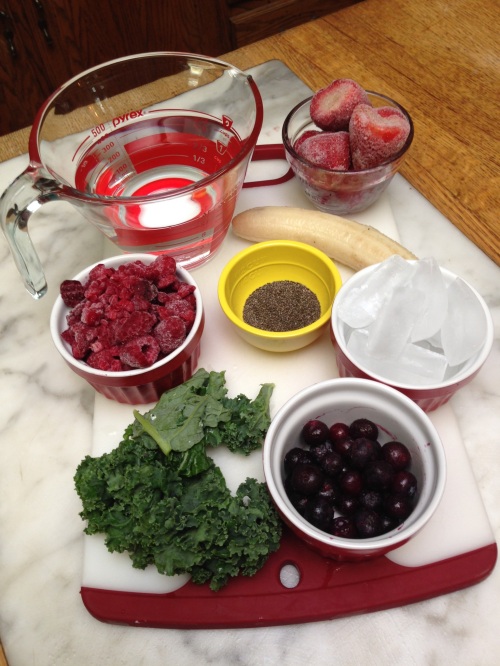
1 cup (240 ml) frozen raspberries

1/2 cup (120 ml) frozen blueberries

1 cup (240 ml) frozen strawberries

1 frozen banana (7 inches or 18 cm), cut into 3–4 pieces

1 tbsp (13 g) chia seeds

1 handful (1/2 ounce?) raw kale

2.5 cups (590 ml) water

1 cup (240 ml) ice cubes

Instructions

First item into the Vitamix is the water, then banana, all berries, chia seeds, then top off with the ice. Start mixing on variable speed 1 then slowly increase spin rate to 10, for a total mix of 45–60 seconds. Soon after you get started you’ll probably have to use the “plunger” a few times to un-clump the top items.

Loaded and ready to spin

Loaded and ready to spin

Depending on your batch of fruits, this drink may not be as sweet as you like. You could easily sweeten it up with your favorite artificial non-caloric sweetener. I used 1.5 tsp (7.5 ml) of Truvia to good effect, just thrown in with every thing else before or after the primary mix. Or you could use table sugar, about 4 tsp (20 ml), instead of the Truvia. Most of us eat too much sugar. If you go the sugar route, you’ll increase the calories per serving by 15, and increase carbohydrate grams by 4 per serving.

My able assistant wields the plunger

My able assistant wields the plunger

Number of Servings: 3.5 servings of 12 fl oz (350 ml) each

Advanced Mediterranean Diet boxes: 2 and 1/2 fruits

Nutritional Analysis per Serving:

7% fat

90% carbohydrate

3% protein

190 calories

46 g carbohydrate

7 g fiber

39 g digestible carbohydrate

5 mg sodium

290 mg potassium

Prominent features: Rich in vitamin C, fair amount of fiber, homeopathic amounts of sodium

Steve Parker, M.D.

PS: I credit my wife with this recipe.


Fruit Smoothie #1


A 12 fl oz serving

A 12 fl oz serving

My wife began experimenting with smoothies last year after seeing a Vitamix demonstration at Costco. Most Americans should probably eat more fruit; smoothies are one way to do that. Today’s recipe is one she concocted. Note the trendy chia seeds and kale. Smoothies are a great substitute for junk food desserts.

We’re using a Vitamix mixer. Other devices may be able to get the job done. The mixing speeds our device range from one to 10. (Tip for a competitor: make one that goes to 11.) We love our Vitamix and have no regrets about the purchase, although it was expensive (over $500 USD). It is hard to hear anything else when it’s running at top speed.

Since I provide nutritional analysis below, most diabetics can fit this smoothie into their diets without guessing the carb grams. Twelve fl oz or 350 ml provides 32 digestible carb grams. Most diabetics should probably reduce the serving size by a third, down to 8 fl oz (240 ml) and 11 digestible carb grams.

One potential advantage of blending these fruits is that one fruit may provide nutrients that the others lack

One potential advantage of blending these fruits is that one fruit may provide nutrients that the others lack

Ingredients

1 cup (240 ml) grapes, green seedless

1 mandarin orange, peeled, halved

1 banana (7 inches or 18 cm), peeled, cut into 3–4 pieces

1 pear, medium-size, cored, quartered (ok to leave peel on)

1/2 tbsp (7 g) chia seeds

1 cup (50 g) raw kale

Instructions

First put the water in the Vitamix, then grapes, pear, orange, banana, chia seeds, kale, and finally ice. Ice is always last. Then blend on variable speed 1 and gradually go up to high level (10). Total spin time is about 45 seconds.

Full speed ahead!

Full speed ahead!

Number of Servings: 2.5 consisting of 12 fl oz (350 ml) each.

Advanced Mediterranean Diet boxes: 2 fruits

Nutritional Analysis per Serving:

7% fat

88% carbohydrate

5% protein

160 calories

38 g carbohydrate

6 g fiber

32 g digestible carbohydrate

15 mg sodium

520 mg potassium

Prominent features: Good source of vitamin C, fair amount of fiber, miniscule sodium.

Steve Parker, M.D.


More Evidence That Modern Diets Are Bad For Our Teeth

Australian Aborigine in Swamp Darwin

Australian Aborigine in Swamp Darwin

Phys.org has an article on dental changes associated with the transition from hunter-gatherer cultures to less mobile agricultural ones. The transition occured 10,000 to 12,000 years ago at the end of the Paleolithic period. Some quotes:

“Our findings show that the hunter gatherer populations have an almost “perfect harmony” between their lower jaws and teeth,” he explains. “But this harmony begins to fade when you examine the lower jaws and teeth of the earliest farmers”.

*   *   *

The diet of the hunter-gatherer was based on “hard” foods like wild uncooked vegetables and meat, while the staple diet of the sedentary farmer is based on “soft” cooked or processed foods like cereals and legumes. With soft cooked foods there is less of a requirement for chewing which in turn lessens the size of the jaws but without a corresponding reduction in the dimensions of the teeth, there is no adequate space in the jaws and this often results in malocclusion and dental crowding.

You can read the original research report in PLOS One.

Steve Parker, M.D.

h/t Diet Doctor Eenfeldt

This bedrock metate was used by Indians (aka Native Americans) for grinding maize, acorns, and other foods

This bedrock metate was used by Indians (aka Native Americans) for grinding maize, acorns, and other foods. Rainwater fills this 4-inch deep rounded depression in granite about 10 miles from my house.

Are Your Computers Giving You E-mentia?

Thinking about it...

Exercise your brain

I saw a patient at the hospital a couple years ago who had been brought in by ambulance after suffering some trauma (not to his brain). He couldn’t call any friends or relatives to let them know what was going on because he didn’t have his cellphone. His phone had all his contact numbers so he had no reason to memorize any. Would you be in the same boat?

DailyMail has an interesting article on whether our use of technology is making us dumber. If we turn over mental tasks like navigation and math to computers, do our brains waste away? Will we be seeing more and earlier cases of age-related dementia? E-mentia?

This is worth keeping an eye on.

Steve Parker, M.D.

PS: The five other members of my household all have cellphones. The only number I’ve memorized is my wife’s.

Is Estrogen Poisoning the Cause of the Obesity Epidemic?

Eating too much tofu?

Too much tofu?

James P. Grantham and Maciej Henneberg of the School of Medical Sciences (University of Adelaide, Adelaide, Australia) suggest that estrogen-like compounds in the environment are causing obesity. Read about their hypothesis in PLOS One. I don’t know if they’re right, but their idea deserves consideration.

A couple estrogen-like substances they mention are in soy and polyvinyl chloride (PVC). We ingest these xenoestrogens. I had not been aware that soy consumption is positively linked to obesity.

The authors don’t instill confidence by using weak references such as #22.

I didn’t see the trendy “endocrine disruptors” moniker in the article.

Read the whole enchilada.

Steve Parker, M.D.

Family Physician Robert Oh Attacked His Prediabetes With Low-Carb Paleo Diet

Robb Wolf’s version of the paleo diet plus stopping his statin drug was just the ticket for Robert Oh, M.D., to cure his prediabetes, or at least put it into remission. Dr. Oh couldn’t blame genetics, physical inactivity, or obesity for his prediabetes. He was very active with CrossFit and had a healthy BMI of 23 at the time of his diagnosis. everydayHEALTH has the story. A quote by Dr. Oh:

Since I was already doing everything in terms of fitness, I began to experiment with my nutrition. Being a CrossFit fanatic, I heard about the low-carb Paleo diet, which is popular in the CrossFit community. Based on gut instinct alone, I took the 30-day challenge described in Robb Wolf’s book The Paleo Solution. Even though I started at 150 lbs. on my 5’7” frame, at the end of 30 days, I had lost eight pounds of body fat and felt great. Most importantly, my hemoglobin A1C, a marker of glucose control, dropped back to normal.

We’ve known for a few years that statin drugs are linked to type 2 diabetes in some way. Is it possible that Dr. Oh’s prediabetes cure stems simply from his discontinuation of the statin? Yes. I’ve not seen any studies to tell us whether statin-associated diabetes is reversible, nor how quickly.

Steve Parker, M.D.

Why Do Diabetics Resist the Paleo Diet?

Dr. Ernie Garcia (MD) posted a passionate essay about his difficulty getting his patients with diabetes to follow a carbohydrate-restricted Paleolithic diet. He makes a good case for carbohydrate addiction. A few quotes:

Today I saw a lady at my office. Fairly typical middle-aged, over weight female with poorly controlled diabetes. She recently started on an insulin pump but her glucose control is no better at all. I had a suspicion why, and again started to question the details of what she eats. Of course, she eats carb after carb after carb. Whole wheat this, and low fat that. She has tried to cut the carbs in the past, and actually had pretty decent success, but quickly falls back into your carbilicious ways. Why? Why go back when a change in diet shows clear improvement in her sugars?

*   *   *

What do addicts do? They generally know what they do is bad for them, and they have periods of clarity where they do better. Eventually though, the pull of their drug of choice draws them back in. Or, they slip up and use just a little and BAM…right back to square one. They feel shame for their addiction, people look down upon them for it, and they wish so badly they could make a permanent change, but they always fall back into old habits. Now, imagine a heroin addict who is advised to control the addition by sticking with “moderation” because of course, everything is good in moderation right?

Another issue that type 2 diabetics have is that they’ve been eating copious carbohydrates for over 40 years. It’s hard to break any habit with that type of longevity. It doesn’t help that they’re immersed in a carb-centric culture.

RTWT.

Steve Parker, M.D.


Ever Heard “No Carbs, No Cavities”?

I didn’t think so. None of my dentists ever uttered those words. Conflict of interests, maybe? And the worst carbohydrates for your teeth seem to be sugars.

173 Years of U.S. Sugar Consumption

(Thanks to Dr. Stephan Guyenet and Jeremy Landen for this sugar consumption graph.)

MNT on September 16, 2014, published an article about the very prominent role of sugars as a cause of cavities, aka dental caries. This idea deserves much wider dissemination.

I’ve written before about the carbohydrate connection to dental health and chronic systemic disease. Furthermore, sugar-sweetened beverages are linked to 200,000 yearly worldwide deaths

Investigators at University College London and the London School of Hygiene & Tropical Medicine think the World Health Organization’s recommendation of a maximum of 10% total daily calories from “free sugar” should be reduced to 3%, with 5% (25 grams) as a fall-back position.

Six teaspoons of granulated table sugar (sucrose) is 25 grams. That should be enough daily sugar for anyone, right? But it’s incredibly easy to exceed that limit due to subtly hidden sugars in multiple foods, especially commercially prepared foods that you wouldn’t expect contain sugar. Chances are, for instance, that you have in your house store-bought sausage, salad dressings, and various condiments with added sugars such as high fructose corn syrup. Sugar’s a flavor enhancer.

tooth structure, paleo diet, caries, enamel

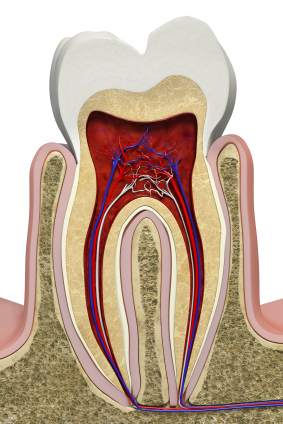
Cross-section of a tooth

The aforementioned “free sugar” are defined as any monosaccharides and disaccharides that a consumer, cook, or food manufacturer adds to foods. In the U.S., we just call these “added sugars” instead of free sugars. From the MNT article, “Sugars that are naturally present in honey, syrup, and fruit juices are also classed as free sugars.” Sugar in the whole fruit you eat is not counted as free or added sugar.

The London researchers found that—in children at least—moving from consuming almost no sugar to 5% of total daily calories doubled the rate of tooth decay. This rose with every incremental increase in sugar intake.

From the MNT article:

“Tooth decay is a serious problem worldwide and reducing sugar intake makes a huge difference,” says study author Aubrey Sheiham, of the Department of Epidemiology & Public Health at University College London. “Data from Japan were particularly revealing, as the population had no access to sugar during or shortly after the Second World War. We found that decay was hugely reduced during this time, but then increased as they began to import sugar again.”

I’m convinced. How about you?

Steve Parker, M.D.