Posted onDecember 20, 2023|Comments Off on Will You Participate In Dry January?
See you in February. Or not.
I’ve run across a number of patients who slowly increased their alcohol consumption over months or years, not realizing it was causing or would cause problems for them. Alcohol is dangerous, lethal at times.
From a health standpoint, the generally accepted safe levels of consumption are:
no more than one standard drink per day for women
no more than two standard drinks per day for men
One drink is 5 ounces of wine, 12 ounces of beer, or 1.5 ounces of 80 proof distilled spirits (e.g., vodka, whiskey, rum, gin).
Dry January was conceived in the UK in 2012 or 2014. (A related concept is Sober October.) The idea is simply to abstain from all alcohol for the month of January. The Alcohol Change UK website can help you git ‘er done. Many folks notice that they sleep better, have more energy, lose weight, and save money. There are other potential benefits.
If you think you may have an unhealthy relationship with alcohol, check your CAGE score. It’s quick and easy.
Alternatively, if you make a commitment to a Dry January but can’t do it, you may well have a problem.
Posted onDecember 10, 2023|Comments Off on Osteoarthritis Is a Metabolic Disorder, Not Wear and Tear
Radical new information on osteoarthritis from Paul Ingraham:
One of the most deeply held beliefs in musculoskeletal medicine is that osteoarthritis is a “wear and tear” condition — that joints slowly crumble under the onslaught of gravity and use and abuse. This fundamentally mechanical view of arthritis directly suggests that the heavier we are, the more likely we are to have trouble in our load-bearing joints.
But that’s just not the case: osteoarthritis prevalence doubled in the 20th Century independent of age and weight (Wallace 2017).
So something else has to be going on. People got heavier on average, but not twice as heavy!
Or consider this: obese people get more osteoarthritis of the hand (Jiang 2016), but probably not because they are walking on their hands.
So … why?
This post weaves together the threads of several past posts about the biochemical foundations of seemingly “mechanical” problems, and you may recognize some pieces. But this is an all-new synthesis, anchored by some good science news you can use — practical and encouraging, which is a rare pleasure.
Posted onAugust 15, 2023|Comments Off on Which Way of Eating is Best for Health and Longevity?
If you’re totally sold on the paleo diet, be aware that the scientific article at hand doesn’t even mention it.
Proper diet undoubtedly promotes healthier aging and longevity. But what’s the right diet? A meta-analysis diet studies proposes an answer. Or more accurately, answers, based on diet-related biomarkers linked to disease and aging. Half of the studies were done in Europe, the rest from North America and Asia. The February, 2023, article was published in Nutrients. You can read the entire article online.
“….the main goal of this systematic review was to perceive the quantity and quality of different diets or aspects in nutrition, how they could modulate biomarkers and prevent aging-related diseases, in order to enlighten new intervention strategies. Biomarkers that are linked to aging-associated metabolism, inflammation processes, cognitive decline, and telomere attrition were scrutinized in order to understand how these mechanisms could actually influence healthy aging. Moreover, it could provide information to future health professionals.”
The researchers conclusions:
“In conclusion, this systematic review demonstrated the necessity for individuals to improve their diets, to reduce the emergence and development of several comorbidities and promote healthy aging. Diets rich in vegetables, fruits, nuts, cereals, fibers, fish, unsaturated fats, containing antioxidants, vitamins, potassium, omega-3—and reducing red meat and ultra-processed food intake—could prevent obesity, CVD [cardiovascular disease], and inflammation, and promote favorable glycemic, insulinemic, and lipidemic responses. Moreover, the Mediterranean diet and ketogenic diet, or a combination of these diets (MMKD), and increasing consumption of vegetables and green tea catechins, could improve one‘s working memory and decrease destabilization of the brain network and the attention domain, preventing cognitive decline. Finally, the Mediterranean diet, supplemented with CoQ or virgin olive oil, or a low-fat diet, also rich in antioxidants, could help to decrease the prevalence of atherothrombosis [arterial blood clots], hepatic steatosis, diabetes, and telomere attrition, as well as prevent oxidative and DNA damage. These diets can enhance one‘s quality of life and increase life expectancy. Moreover, a putative panel of molecular markers would follow the impact of diet/nutrition alterations during aging.”
The biomarkers tested included C-reactive protein, telomere length, HOMA-IR (insulin resistance), cholesterols, fibrinogen, platelet activating factor acetylhydrolase in HDLs, glucose, white blood cells, apolipoproteins, adiponectin, leptin, visceral adiposity index, etc.
Diets mentioned in the article include DASH, modified Alternative Healthy Eating Index, Southern European Atlantic (SEAD), Baltic Sea (a Nordic alternative to the Mediterranean diet), Mediterranean, and ketogenic Mediterranean.
This article is pretty dense reading. For science nerds only!
I was gratified to see several mentions of the ketogenic Mediterranean diet. It deserves more attention from the general public.
Steve Parker, M.D.
PS: If you have my Advanced Mediterranean Diet (2nd edition), you already have the Ketogenic Mediterranean Diet. It’s there in addition to the traditional Mediterranean diet.
Posted onJuly 1, 2023|Comments Off on Be Prepared, Not Scared: Tips for Safe Hiking in the Southern Arizona Low Desert
Introduction
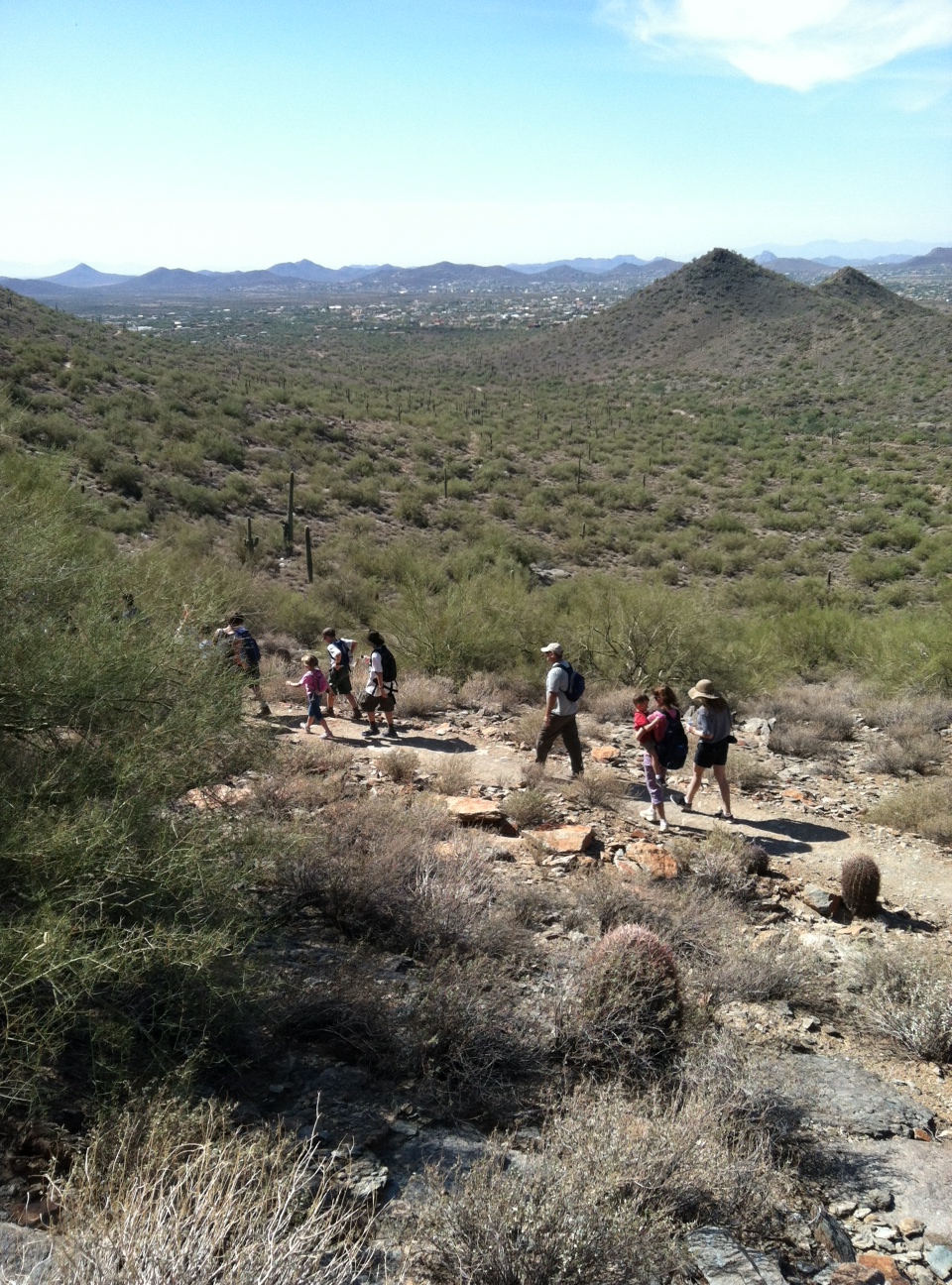
Overton trail at Cave Creek Regional Park, Arizona
Topics
Introduction
Weather
Water
Clothing and Gear
First Aid Kit
Navigation Aids
Animal Hazards
Plant Hazards
How to Request Emergency Help
Prepare for the Worst?
Arizona is blessed with thousands of miles of beautiful trails. Most hikers complete their treks without injuries or other adverse events. However, you can get into serious trouble—even life-threatening—if you don’t know what you’re doing. The most common hazards are related to weather, water, and falls. Our goal with this guide is to help you thrive and survive on southern AZ’s low desert trails. It’s only a start; learn more on your own from authoritative sources.
“Low desert” refers to elevations of roughly 1,000-2,500 feet above sea level, although many low desert trails may take you up mountains to 3,500-4,500 feet. For instance, Scottsdale’s elevation is 1,200 feet and Tucson’s is 2,400 feet. In contrast, the Mogollon Rim (e.g., Payson, AZ) is around 6,000 feet and Flagstaff is 7,000. At these higher elevations the climate, flora, and fauna are often radically different from the low desert.
Before your trek, it’s critically important be honest about your physical coordination and fitness level. If you haven’t walked more than two miles non-stop during the last year, don’t try a four-mile hike. Learn all you can about your proposed trail before you start. Trail descriptions will often note whether it is easy, moderate, difficult, strenuous, or “expert level.” A “primitive trail” will be easier to get lost on and usually have worse footing. Also pay attention to “elevation gain”; a 500 foot or more gain in elevation increases the difficulty. Scottsdale’s famous Camelback Mountain peak is at 2,700 feet, but the Cholla trail starts 1,300 vertical feet below that. That’s not a stroll in the park.
The farther away you get from civilization, the potential adverse outcomes of hiking increase. For any but the easiest and crowded urban trails, tell someone which exact trail you will be on and when to expect a call from you after you finish. That way they know where to send the search party when you don’t check in. On remote or uncrowded trails, hike with a buddy who can help if you become injured or disabled.
Numerous rescues and several deaths occur yearly on AZ’s trails. Are you scared yet? Let’s alleviate that fear and minimize risks! What follows pertains mostly to day hikes on established trails, not bushwhacking or overnight backpacking.
Weather
Heat kills. From mid-May through late September, high temperatures in the low desert often hit 105 to 110° F or even higher. Low temps in summer may not drop below 95! Most Arizonans will NOT be on the trail in the sun when it’s above 95 degrees. We’ll hit the trail at sunrise and be off it by 10 AM. Memorize and avoid these signs of Heat Illness: muscle cramps, feeling faint (dizzy), goosebumps, unusually high pulse, extreme fatigue, nausea, headache, rapid breathing. If ignored, these can lead to heat stroke, which can be fatal. Adequate hydration and perhaps salty snacks or electrolyte packets help prevent Heat Illness.
Some trails will have almost no shade, so you should avoid them in summer after 10 AM unless high temps under 95° are predicted.
High temps are not much of a problem in late fall, winter, and early spring. Low temps are easily manageable with the right clothing. But always check the forecast for temps, rain, snow, and thunderstorms before heading out. The higher the elevation, the cooler it tends to be.
AZ has a season called “monsoon” from June 15 to Sept 30 when overall humidity is higher than usual. It’s characterized by occasional violent storms with rain, high winds, lightning, and flash flooding. Don’t get caught outside in a monsoon storm. Be very careful to avoid creeks and dry creek beds (washes or arroyos) when rain is in the area or even miles away, or you could die in a flash flood. From the Centers for Disease Control : “Lightning often strikes outside of heavy rain and can strike as far as 10 miles away from any rainfall. Many lightning deaths occur ahead of storms or after storms seemingly have passed. Remember, if you can hear thunder, you might be in danger of a lightning strike.”
Water
Dehydration kills. Especially in the hot months. Adequate hydration will help prevent Heat Illness. How much water you carry with you depends on body weight, length of hike, humidity level, temperature, personal preference, etc. Everybody should start out well-hydrated and take more water than you think you’ll need. One rule-of-thumb is that, when a third of your water is gone, it’s time to turn around unless you’re half-way to your destination. For hot summer hikes, Arizona Hiking Shack (phone 800-964-1673) advises adults to take one liter of water for every hour you’ll be out, plus and an extra bottle “for whatever.” There’s a fair chance you’ll run across someone on the trail who needs water. You may need water to cleanse abrasions or wet your neck’s cooling towel. Another rule-of-thumb from the Shack is: “When your water’s half done [gone?], your hike is half done.”
Clothing and Gear
Footwear:
If a trail is labelled as “easy,” you’ll probably be fine wearing sneakers. “Easy” usually means fairly flat and smooth. Avoid sandals because they don’t provide much protection against cactus needles, scorpions, rocks, etc. For a “moderate” level trail, you might get by with sneakers but specific hiking shoes or boots are better, which is what you’ll want for “difficult” trails. Moderate, difficult, and primitive trails usually have more rocks, and your feet need protection from them with a thicker or stiffer shoe sole.
Clothing:
Use your judgment and dress for the weather. You may fall or rub against bushes, cacti, and rocks, so sturdier clothes beat flimsy. White or light-colored clothing will keep you cooler in the summer. A broad-brimmed hat protects against the sun.
Sun Protection Options:
Sunscreen, long pants, long-sleeve shirts, gloves, sunglasses, hat.
Backpack:
Size depends on individual needs and preferences. A comfortable one is worth the money. A pack with a hip belt will make heavy loads (water!) more comfortable by shifting some weight onto the hips. Built-in water-carrying bladders are popular.
Trekking poles (optional): Helpful for maintaining balance on uneven, unstable, or slanted surfaces. They take pressure off arthritic or weak knees when moving downhill.
Miscellaneous: First aid kit, communication devices, maps, navigation aids, multi-tool, cooling towel for neck (requires water).
First Aid Kit
Commercial kit or DIY (do it yourself). You need tweezers to remove cactus needles and splinters, an assortment of band-aids, antibiotic ointment, 1% hydrocortisone cream, antiseptic towelettes, steri-strips, 2-inch gauze wrap, “2nd Skin” or other blister remedy, medical tape, 4×4” gauze pads, 2×2” gauze pads, small scissors or paramedic shears, latex or nitrile gloves. Barebones kit: tweezers, band-aids, 4×4” gauze pads, 2-inch gauze wrap. Optional: acetaminophen, NSAID such as ibuprofen, Benadryl (for itching). [sterile needle or other device for help removing splinters?]
Navigation Aids
A few trails are so obvious and/or crowded that you won’t need any navigation aids. Unless you’re sure about that, be prepared to prevent getting lost. Use a trail map and keep track of your location on that map. If you are in a remote area, strongly consider a handheld GPS navigation device (Garmin brand is the market leader), topographic map, and a compass. Learn how to use the compass and map before you need it. Hiking with someone familiar with the area could be life-saving.
Animal Hazards
Lions and tigers and bears, Oh My! AZ has no wild tigers but there are a few jaguars. Here are some problematic critters you may run across:
Snakes. The commonest dangerous snake here is the rattlesnake. Most of them are not aggressive if left alone but give them a wide berth. A coiled rattler can strike a distance 2/3 of its length. If you hear the rattle, it’s a clear warning. Always keep your eyes open for snakes, except you can let your guard down a bit between roughly Dec 1 and mid-March.
Gila monsters. Much less commonly seen than rattlesnakes. They tend to move slowly and are not aggressive unless threatened. The venomous bite is very painful but rarely serious. Stay away.
Scorpions. Stings can be painful but usually not serious in healthy adults. Young children and the elderly are at higher risk of serious effects.
Mountain lions (aka cougar or puma). Attacks on humans are uncommon but do occur. Many avid hikers have never seen a lion. Sabino Canyon near Tucson seems to be a relative hot spot.
Coyotes. Common. Unless rabid, they tend to ignore or run from adult humans. Keep small dogs and children near you.
Bobcats. Uncommon. Unless rabid, they tend to ignore or run from adult humans.
Black Bears. Uncommon to rare. Do not get between a momma bear and cubs. In bear country, avoid encounters by hiking with others and make noise (e.g., talking, whistling, singing) periodically. If a bear sees you, walk slowly away, keeping eyes on the bear. If it starts walking toward you, talk to it calmly in a low tone. Alternatively, a powerful blow on your emergency whistle may scare it away. If it comes at you aggressively, do not run or play dead; stand your ground, yell, wave your arms to make yourself look larger. If attack is imminent, fight with all you’ve got: throw rocks or wood, use bear spray, hands, firearms. Aim for the face. (The approach to grizzlies is different.)
Javelinas. Common. Usually not aggressive toward humans unless startled, threatened, or javelina babies are nearby. Stay away. Bites can be severe.
Bees. A few bee stings are not dangerous unless you are seriously allergic to them. Our Africanized bees can team up and kill humans with hundreds of stings. May and June are the highest risk months. Bees attack when the nest is threatened. When you see or hear an unusual number of bees in an area, move away quickly yet calmly. One sting may alert the colony that a predator—you!—is nearby. An attack may start with one or a few bees “head bumping” you as a warning; move away quickly. Resist the urge to swat, flail arms, or kill one of these or other bees. You can cover your head with clothing but don’t obstruct your vision. Once the entire colony or swarm attacks, run as fast as you can to shelter such as a car or building. If none is available, run for at least a quarter mile (400 meters), preferably in a straight line. You may be able to outrun them.
From the list above, if you have a scary animal encounter it’s most likely to involve a rattlesnake, scorpion, or bees. Odds are, you won’t have any problem at all. Search for information at trailheads about which dangerous animals are in the area and advice on avoidance and defense.
Plant Hazards
The desert is home to many spikey and prickly plants that are not always obvious upon inspection. Be vigilant. Watch young children closely.
How to Request Emergency Help
A cell phone is the usual first option. But remote areas often lack cell phone service. If service is marginal, try moving to a higher location and/or send a text message. If you’re disabled by injury, someone in your party can hike back to civilization for help, if time allows.
Another option is an emergency whistle. The idea is to get the attention of someone in the area. The whistle is louder and will transmit farther than shouting, up to a mile or so, and takes less energy. A common distress signal from a whistle is three blasts (2-3 seconds each) in succession, rest for a bit then repeat. Or use the old Morse code for SOS: three short blasts, three long blasts, then three short blasts.
After cell phones, a satellite phone is the next most reliable and quick-response option although financially out of reach for most of us. Less expensive options are PLBs (personal locator beacons) and satellite messengers. PLBs solely send an SOS with your location to rescue agencies via satellite and do not have a subscription fee. Alternatively, satellite messengers allow you to send SOS signals, plus text messages to friends or loved ones and have additional features like navigation. A subscription fee is required. Examples are Garmin inReach, SPOT, and Bivy Stick.
Prepare for the Worst?
Imagine planning on a four-hour afternoon hike alone on a remote trail, but you trip and fall into a ravine, fracturing your leg, losing your ability to walk. And you have no way to call for help. Assuming a search party is planned, they may not find you until 12-48 hours later. You’ll have to spend the night in the wild and it’s getting cold. Are you prepared? Items to consider packing: tarp for making a shelter, 550 paracord, flashlight, space blanket for warmth, knife, method for purifying water, method for making fire (matches, lighter), firearm for protection, warm clothes, and food. Before heading out on the trail, take a full-body photo of yourself in your hiking clothes and send it to a loved one; this will help rescuers quickly identify you.
Posted onJune 30, 2023|Comments Off on Recipe: Indian Cabbage by Peggy
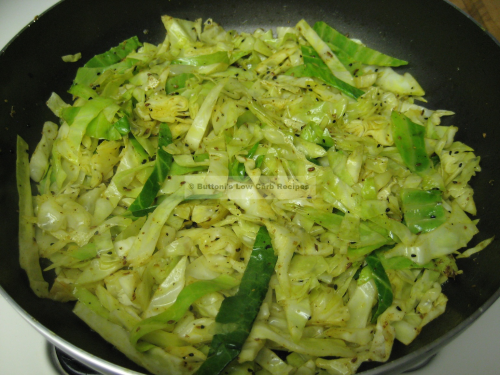
From Peggy at Buttoni’s Low-Carb Recipes:
If you think you don’t like cabbage (like my husband) you have GOT to try this recipe! You’ll swear you are not eating cabbage!! No cabbage odor or strong taste whatsoever to this dish! It is a delightfully crunchy side dish with grilled Tandoori Chicken or pork chops! I order my nigella seeds (black onion seeds or kalongi seed) on-line, but you may be fortunate to have a spice supplier where you live. I would not recommend omitting them, as you will miss out on a flavor layer that is quite nice. Once you taste this recipe (without alterations) you’ll wish you had found this simple recipe long ago! This dish is Atkins Induction, Primal and Paleo friendly.
I haven’t tried this yet but will someday. Filing it here so I don’t lose it. Click for details.
Posted onJune 23, 2023|Comments Off on This May Be Why You Hate Broccoli
If so, it may well be because of your genes according to an article at SBS.com. Particular genes determine whether you can detect a bitter chemical (called PTC) in broccoli and other brassicas like cauliflower and brussels sprouts.
“On average, about 70% of us can taste something bitter in broccoli or PTC, but those with two copies of the bitter sensitivity gene are closer to 20%, and they are much more likely to hate it.”
U.S. President George H.W. Bush said in March 1990, “I do not like broccoli. And I haven’t liked it since I was a little kid and my mother made me eat it. And I’m President of the United States and I’m not going to eat any more broccoli!” He banned it on Air Force One.
Most of us at the Parker Compound like broccoli. My wife usually sautes it in olive oil and seasons with garlic, other herbs, and salt.
Posted onJune 20, 2023|Comments Off on The Argument for Meat
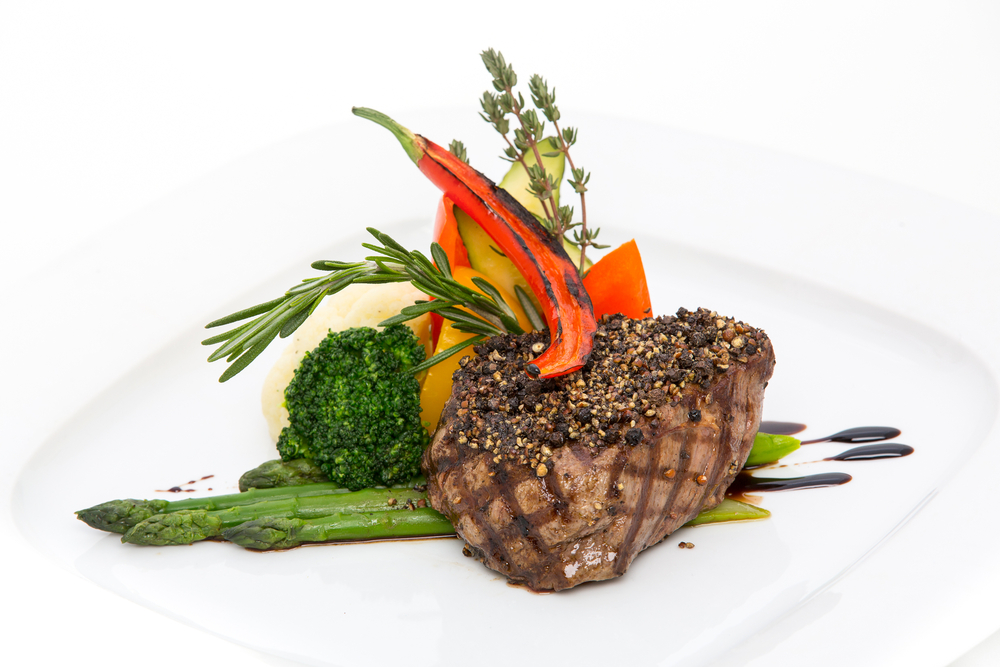
A modern paleo meal
I found a review article at Animal Frontiers that makes the argument in favor of meat consumption. The authors admit little focus on the downsides of eating meat. I’ve been cutting back on my meat consumption out of sympathy for the animals. Here are some of the key points verbatim:
Aspects of human anatomy, digestion, and metabolism diverged from other primates, indicating evolutionary reliance on, and compatibility with, substantial meat intake. Implications of a disconnect from evolutionary dietary patterns may contribute to today’s burden of disease, increasing the risk for both nutrient deficiencies and chronic diseases.
Meat supplies high-quality protein and various nutrients, some of which are not always easily obtained with meat-free diets and are often already suboptimal or deficient in global populations. Removal of meat comes with implications for a broad spectrum of nutrients that need to be accounted for, whereas compensatory dietary strategies must factor in physiological and practical constraints.
Although meat makes up a small part (<10%) of global food mass and energy, it delivers most of the global vitamin B12 intake and plays a substantial role in the supply of other B vitamins, retinol, long-chain omega-3 fatty acids, several minerals in bioavailable forms (e.g., iron and zinc), and a variety of bioactive compounds with health-improving potential (e.g., taurine, creatine, and carnosine).
As a food matrix, meat is more than the sum of its individual nutrients. Moreover, within the diet matrix, it can serve as a keystone food in food-based dietary interventions to improve nutritional status, especially in regions that rely heavily on cereal staples.
Efforts to lower global meat intake for environmental or other reasons beyond a critical threshold may hinder progress towards reducing undernutrition and the effects this has on both physical and cognitive outcomes, and thereby stifle economic development. This is particularly a concern for populations with increased needs and in regions where current meat intake levels are low, which is not only pertinent for the Global South but also of relevance in high-income countries.
There’s a lot going on in this study. I didn’t understand some of the statistics. Click the link above for full details. Here’s the abstract:
Background
Psychiatric disorders have been a challenge for public health and will bring economic problems to individuals and healthcare systems in the future. One of the important factors that could affect these disorders is diet.
Objective
In the current study with a cross-sectional design, we investigated the association of Paleolithic and Mediterranean diets with psychological disorders in a sample of adult women.
Methods
Participants were 435 adult women between 20 and 50 years old that refer to healthcare centers in the south of Tehran, Iran. The diet scores were created by the response to a valid and reliable semiquantitative food frequency questionnaire (FFQ), and the psychological profile was determined by response to the Depression, Anxiety, and Stress Scale (DASS-21). The multivariable-adjusted logistic regression was applied to compute the odds ratio (OR) and 95% confidence interval (CI).
Results
After adjusted for potential confounders, it is evident that participants in the highest Paleolithic diet tertile had lower odds of depression (OR = 0.21; 95% CI: 0.12, 0.37: P < 0.001), anxiety (OR = 0.27; 95% CI: 0.16, 0.45: P < 0.001), and stress (OR = 0.19; 95% CI: 0.11, 0.32; P < 0.001) in comparison to the lowest tertile. Furthermore, those in the third tertile of the Mediterranean diet score were at lower risk of depression (OR = 0.20; 95% CI: 0.11, 0.36; P < 0.001), anxiety (OR = 0.22; 95% CI: 0.13, 0.38; P < 0.001), and stress (OR = 0.23; 95% CI: 0.13, 0.39; P < 0.001) compared with those in the first tertile.
Conclusion
The result of the current study suggests that greater adherence to Paleolithic and Mediterranean dietary patterns may be related with a decreased risk of psychological disorders such as depression, anxiety, and stress.









 Paleo Diabetic