Summary of ADA’s Standards of Medical Care in Diabetes – 2014

Wish I were here

Wish I were here

I just reviewed the new American Diabetes Association treatment guidelines and wanted to share some of my notes with you. You can read the original document free online. It has 620 references!

PERIODIC TESTS, TREATMENTS, AND GOALS

The American Diabetes Association (ADA) recommends the following items be done yearly (except as noted) in non-pregnant adults with diabetes. (Incidentally, I don’t necessarily agree with all ADA guidelines.)

  • Lipid profile (every two years if results are fine and stable)
  • Comprehensive foot exam
  • Screening test for distal symmetric polyneuropathy: pinprick, vibration, monofilament pressure sense, ankle reflexes
  • Serum creatinine and estimate of glomerular filtration rate
  • Test for albumin in the urine, such as measurement of albumin-to-creatinine ratio in a random spot urine specimen
  • Comprehensive eye exam by an ophthalmologist (if exam is normal, every two years is acceptable)
  • Hemoglobin A1c at least twice a year, but every three months if therapy has changed or glucose control is not at goal
  • Flu shots

Additionally, the 2014 ADA guidelines recommend:

  • Pneumococcal vaccination. Additionally, “A one time re-vaccination is recommended for individuals over 65 years of age who have been immunized over five years ago. previously immunized when they were <65 years of age if the vaccine was administered >5 years ago.” Also repeat the vaccination after five years for patients with nephrotic syndrome, chronic kidney disease, other immunocompromised states (poor ability to fight infection), or transplantation.
  • Hepatitis B vaccine for unvaccinated adults who are 19-59 years of age.
  • Weight loss for all overweight type 2 diabetic adults. How? By reducing energy intake (calories) while eating healthfully. “Evidence suggests that there is not an ideal percentage of calories from carbohydrate, protein, and fat for all people with diabetes; therefore, macronutrient distribution should be based on individualized assessment of current eating patterns.”
  • “Monitoring carbohydrate intake, whether by carbohydrate counting or experience-based estimation, remains a key strategy in achieving glycemic control.”
  • Limit alcohol to one (women) or two (men) drinks a day.
  • “In people with type 2 diabetes, a Mediterranean-style, MUFA-rich eating pattern may benefit glycemic control and cardiovascular disease risk factors and can therefore be recommended as an effective alternative to a lower-fat, higher-carbohydrate eating pattern.”
  • “As recommended for the general public, an increase in foods containing long-chain omega-3 fatty acids (from fatty fish) and omega-3 linolenic acid (ALA) is recommended for individuals with diabetes because of their beneficial effects on lipoproteins, prevention of heart disease, and associations with positive health outcomes in observational studies.”
  • “A variety of eating patterns (combinations of different  foods or food groups) are acceptable for the management of diabetes. Personal preference (e.g., tradition, culture, religion, health beliefs and goals, economics) and metabolic goals should be considered when recommending one eating pattern over another.”
  • During initial diabetic exam, screen for peripheral arterial disease (poor circulation). Strongly consider calculation of the ankle-brachial index for those over 50 years of age; consider it for younger patients if they have risk factors for poor circulation.
  • Restriction of dietary protein is no longer routinely recommended in people with diabetic kidney disease (nephropathy with albuminuria). Instead, the focus is on control of blood pressure and blood sugar to prevent progression.
  • Those at risk for diabetes, including prediabetics, should aim for a) moderate weight loss if overweight (about seven percent of body weight), b) exercise: 150 minutes per week of moderate-intensity aerobic activity.
  • “A variety of eating patterns have been shown to be effective in managing diabetes, including Mediterranean-style Dietary Approaches to Stop Hypertension (DASH)-style, plant-based (vegan or vegetarian), lower-fat, and lower-carbohydrate patterns.”
Paleobetic diet, diabetic diet, low-carb, paleo diet, diabetes

This monitor looks like an antique

Some of my dietary recommendations conflict with ADA guidelines. For instance, I think carbohydrate restriction is very important. I expect the experts assembled by the ADA to compose the guidelines were well-intentioned, intelligent, and hard-working. They’re are supported by 620 scientific journal references. I appreciate the expert panel’s work. We’ve simply reached some different conclusions. By the same token, I’m sure the expert panel didn’t have unanimous agreement on all the final recommendations. I invite you to review the dietary guidelines yourself, discuss with your personal physician, then decide where you stand.

GENERAL TREATMENT GOALS

The ADA in 2014 suggests general therapeutic goals for adult non-pregnant diabetics:

  • Fasting blood glucoses: 70 to 130 mg/dl (3.9 to 7.2 mmol/l)
  • Peak glucoses one to two hours after start of meals: under 180 mg/dl (10 mmol/l)
  • Hemoglobin A1C: under 7%
  • Blood pressure: under 140 mmHg systolic and under 80 mmHg diastolic
  • LDL cholesterol: under 100 mg/dl (2.6 mmol/l). (In established cardiovascular dis-ease: <70 mg/dl or 1.8 mmol/l.)
  • HDL cholesterol: over 40 mg/dl (1.0 mmol/l) for men and over 50 mg/dl (1.3 mmol/l) for women
  • Triglycerides: under 150 mg/dl (1.7 mmol/l)

The 2013 guidelines of the American Association of Clinical Endocrinologists focus on hemoglobin A1c rather than blood sugars:

  • Hemoglobin A1c: 6.5% or less for otherwise healthy people who are also at low risk for hypoglycemia.
  • For those with one or more significant illnesses and at risk for hypoglycemia, hemoglobin A1c over 6.5% is fine.

In other words, the target is individualized. Hemoglobin A1c of 6.5% equates to blood sugars that average 140 mg/dl (7.8 mmol/l)—that’s fasting, after meals, whatever. Back in 2011, the AACE recommended blood sugar goals:

  • Fasting Blood Sugar: under110 mg/dl (6.11 mmol/l)
  • Two Hours After a Meal: under140 mg/dl (7.78 mmol/l)

The ADA reminds clinicians, and I’m sure the AACE guys agree, that diabetes control goals should be individualized, based on age and life expectancy of the patient, duration of diabetes, other diseases that are present, individual patient preferences, and whether the patient is able to easily recognize and deal with hypoglycemia. I agree completely. For instance, there’s not much reason to aim for blood sugars of 100 mg/dl (5.56 mmol/l) in a 79-year-old expected to die of lung cancer in four months. The goal is comfort and symptom relief, even if sugars are 220 mg/dl (12.2 mmol/l).

Steve Parker, M.D.
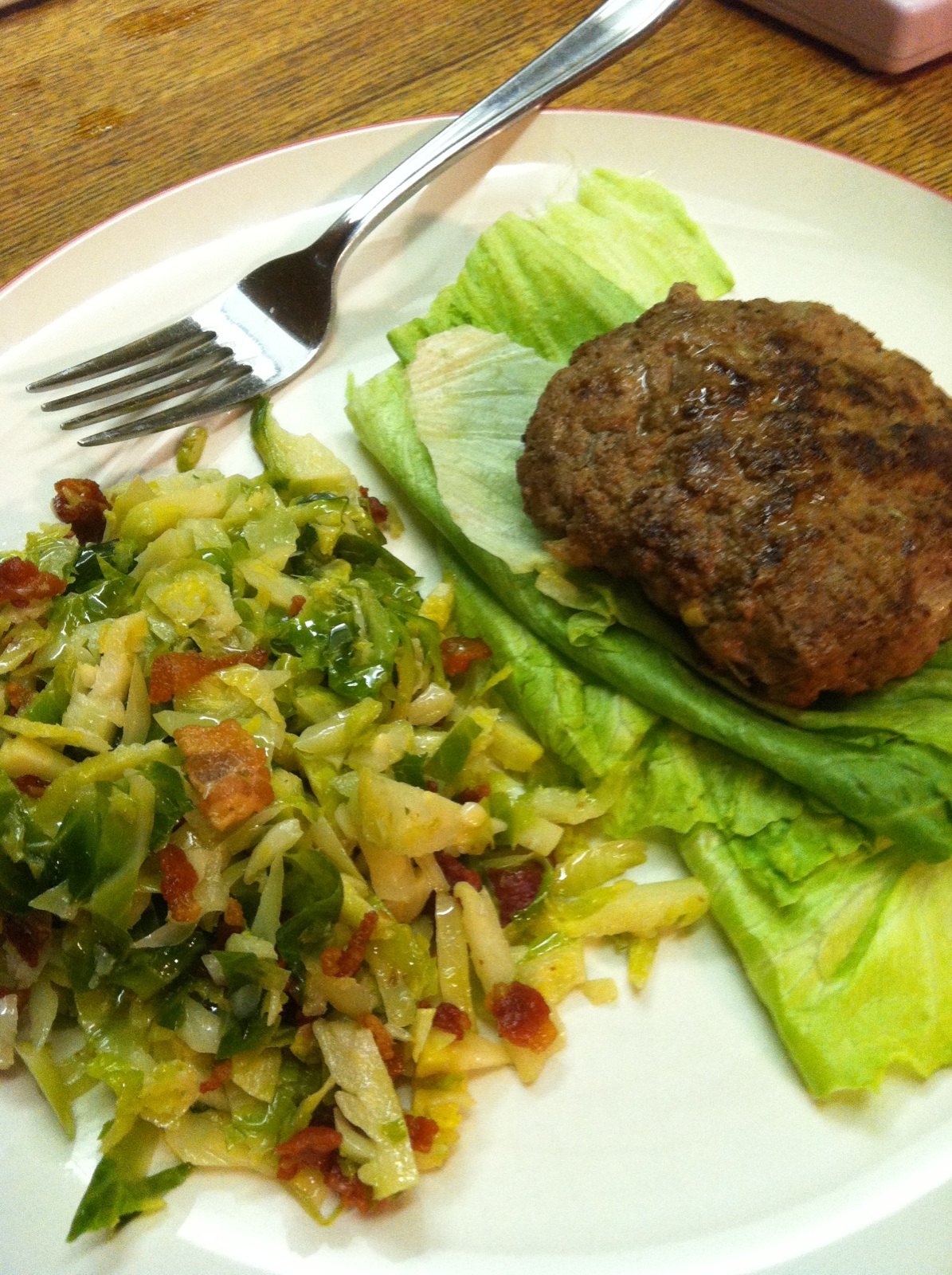
Recipe: Brian Burgers With Bacon Brussels Sprouts, Tomato, and Pistachios

diabetic diet, low-carb diet, paleobetic diet

Brian burger and bacon Brussels sprouts

Here’s another meal recipe from my stepson. This makes three servings. You’ll want to make the Bacon Brussels Sprouts to serve with other meals, so I’ve provided an additional nutritional analysis for those alone.

Ingredients:

13 oz (370 g) ground beef, 85% lean

1/2 tbsp (7.5 ml) Tessemae’s All Natural Dressing-Marinade-Dip “Southwest Ranch,” or A1 Steak Sauce or balsamic vinaigrette or AMD vinaigrette (Brian recommends the Tessemae’s Dressing)

1.7 oz (50 g) onion, diced coarse or fine

1 garlic clove, diced

1/8 tsp (0.5 ml) paprika

1–2 pinches of salt (pinch = 1/16 tsp)

pepper to taste (a pinch or 2?)

1/4 tsp (1.2 ml) dried rosemary, crumbled or crushed

1/2 large egg, whisked to blend white and yolk

3 oz (85 g) lettuce

1 lb (450 g) Brussels sprouts (cut and discard bases if desired, probably doesn’t matter),   shredded

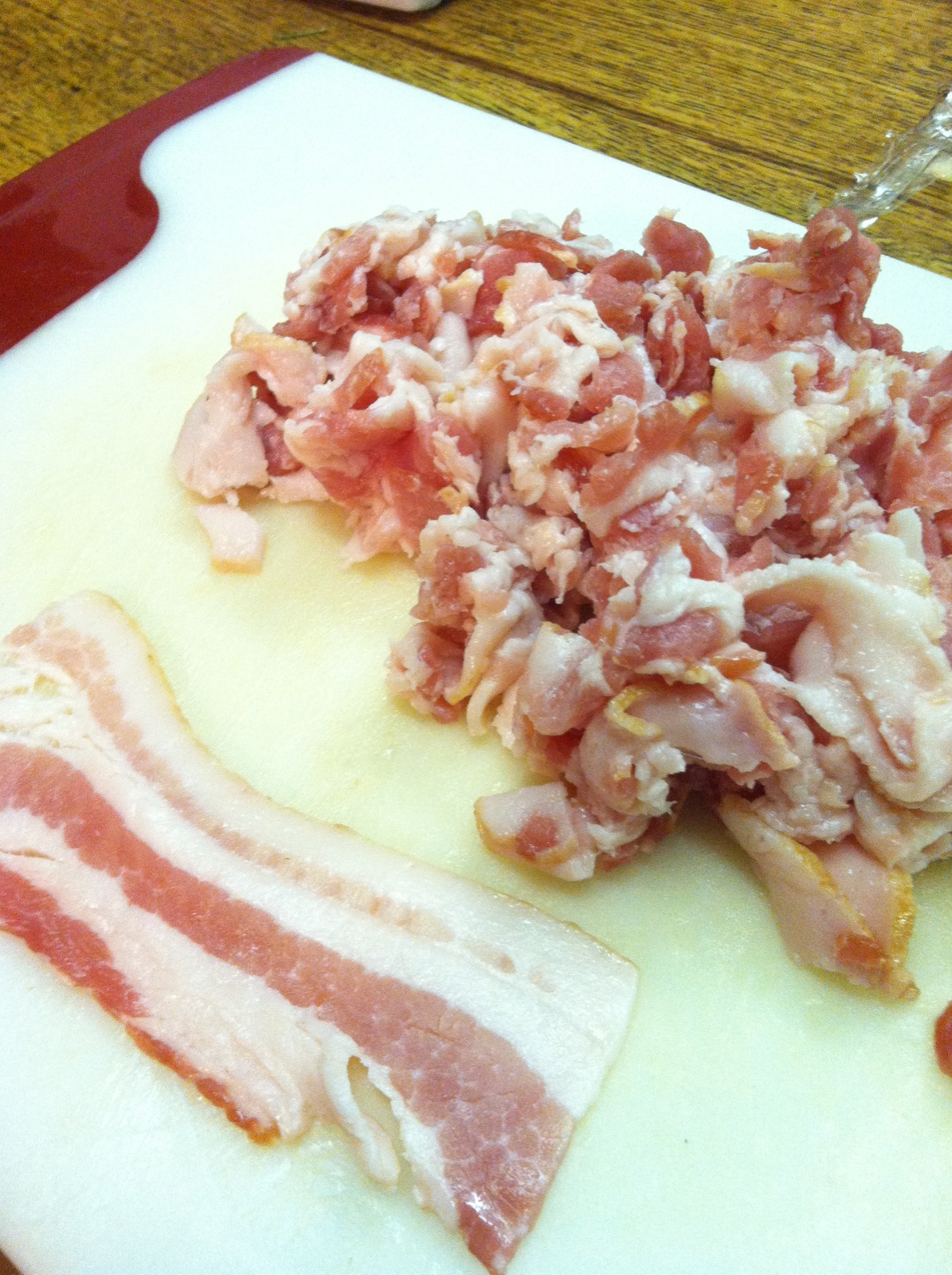
8 oz (225 g) bacon (6.5 regular (not thick) 8-inch strips), diced

3 tbsp (45 ml) water

1.5 large tomatoes, sliced

4.5 oz pistachio nuts

diabetic diet, paleobetic diet, low-carb diet

Prepping the bacon; use a sharp knife

Instructions:

First cook the bacon in a pan over medium–high heat until done. Don’t discard the grease.

Next do your Brussels sprouts prep (shredding). It will take a few minutes to shred it with a knife. Set those aside.

diabetic diet, paleobetic diet, low-carb diet

Brian slaving away. Thanks, dude!

Start on the burgers now. Place the ground beef in a bowl then add your chosen sauce or vinaigrette, onion, egg, garlic, paprika, rosemary, salt, and pepper. Mix thoroughly by hand. Divide the mess into three patties of equal size. Fry or grill over medium heat until done, about 10 minutes.

diabetic diet, paleobetic diet, low-carb diet

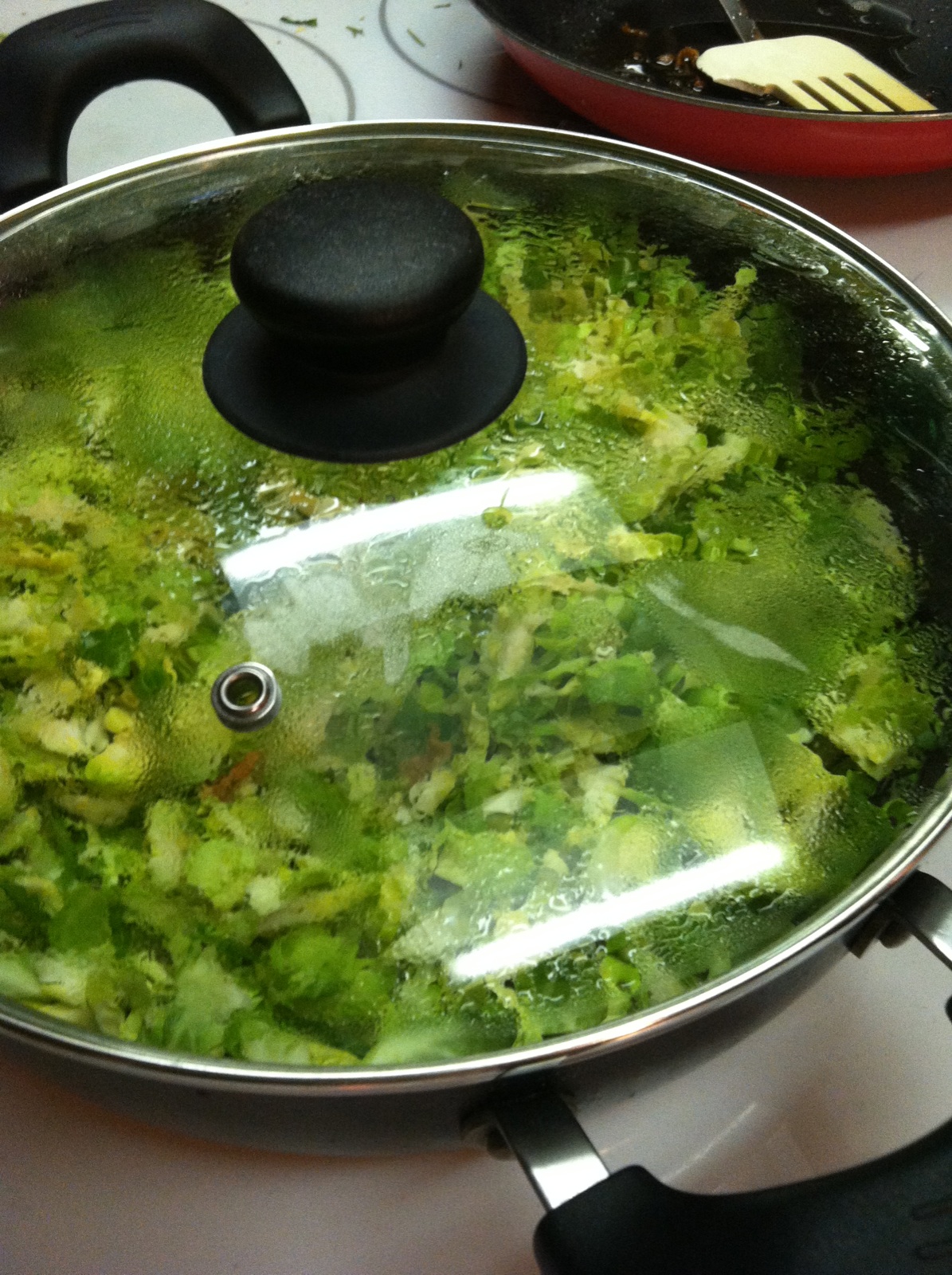
Steaming in progress

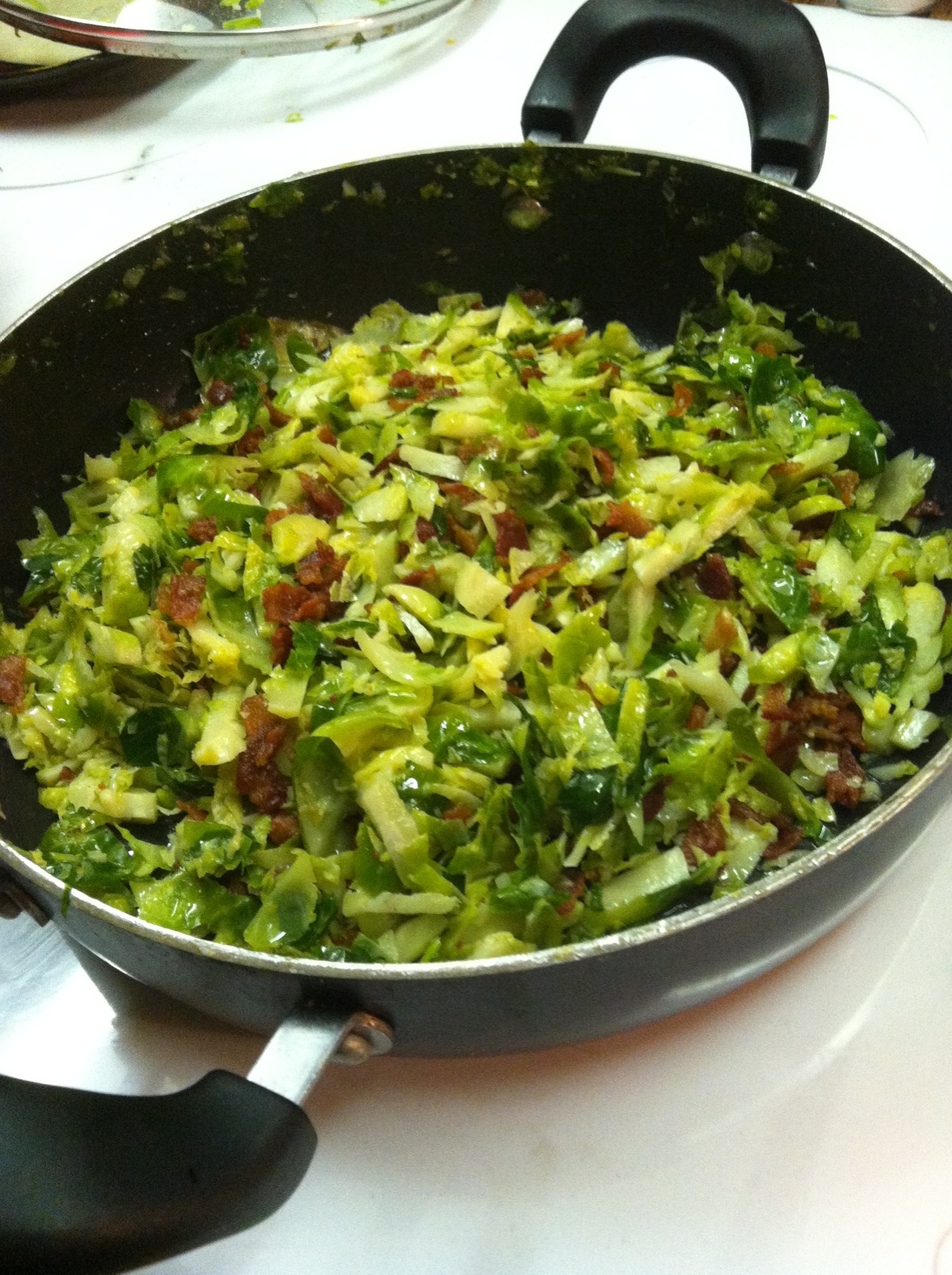
As soon as the burgers are plopped on the heat, start steaming the shredded sprouts thusly. Take a pan with a lid, add 3 tbsp (45 ml) of the bacon grease and the 3 tbsp of water, then heat that up for a minute or two over medium to high heat. Then throw in the shredded sprouts, salt and pepper to taste (probably unnecessary), and cover with a lid. Immediately reduce heat to medium and cook for 4–6 minutes. The sprouts will soften up as they cook. Gently shake the pot every minute while steaming to prevent contents from sticking to the pan. If necessary, remove the lid and stir while cooking, but this may increase your cooking time since you release hot steam whenever you remove the lid. When the sprouts are done, remove from heat and add the remaining bacon and bacon grease, then blend.

Bacon has been added and blended after the sprouts are cooked

Bacon has been added and blended in after the sprouts are cooked

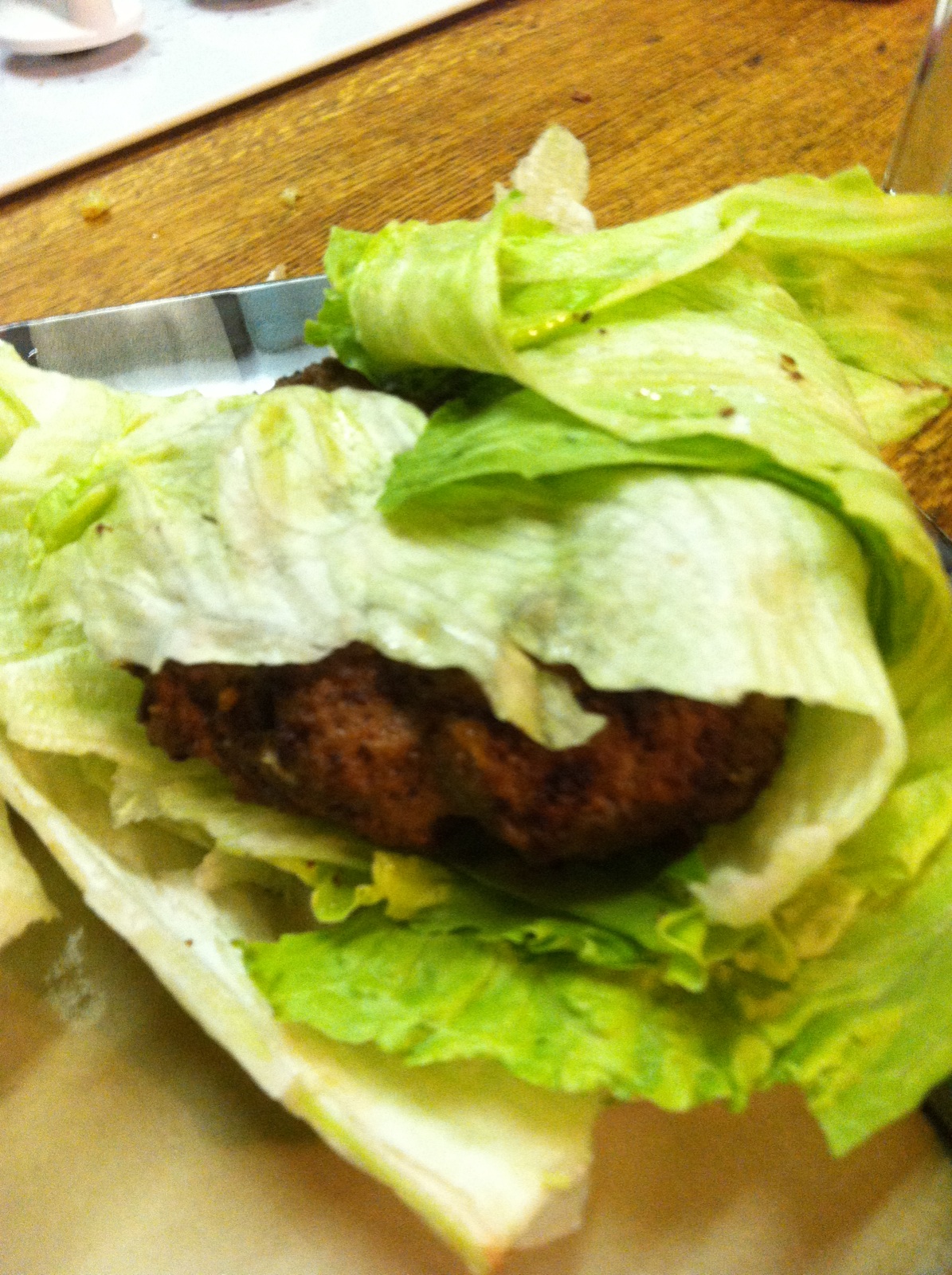
Serve the burger on a bed of lettuce (1 0z). Enjoy tomato and pistachios on the side. Serving sizes are below.

Number of Servings: 3 (one burger patty, 1 oz (30 g) lettuce, 1 cup (240 ml) of sprouts, 1/2 tomato or a third of all the slices, 1.5 oz (40 g) pistachio nuts)

Nutritional Analysis per Serving:

58% fat

17% carbohydrate

25% protein

740 calories

32 g carbohydrate

12 g fiber

20 g digestible carbohydrate

827 mg sodium

1,802 mg potassium

Prominent features: Rich in fiber, protein, vitamin B6, B12, C, copper, iron, manganese, niacin, pantothenic acid, phosphorus, riboflavin, selenium, thiamine, and zinc.

Nutritional Analysis for Bacon Brussels Sprouts: (1 cup, no added salt):

47% fat

28% carbohydrate

26% protein

180 calories

14 g carbohydrate

6 g fiber

8 g digestible carbohydrate

530 mg sodium

709 mg potassium

Prominent features: mucho vitamin C.

diabetic diet, paleobetic diet, low-carb diet

Brian likes his burger wrapped in 2 oz of lettuce

The Mellberg Study: Paleo Diet and Obese Postmenopausal Women

Sweden's Flag. Most of the researchers involved with this study are in Sweden

Sweden’s Flag

Swedish researchers compared a Paleolithic-type diet against a lower-fat, higher-carb diet so often recommend in Nordic countries and in the U.S. Test subjects were obese but otherwise healthy older women. The study lasted two years. Dieters could eat as much as they wanted.

They found that the paleo-style dieters lost more weight, lost more abdominal fat, and lowered their trigyceride levels. When measured six months into the study, the paleo dieters had lost 6.5 kg (14 lb) of body fat compared to 2.6 (6 lb) kg in the other group.

Measured at two years out, the paleo dieters had lost 4.6 kg (10 lb) of body fat compared to 2.9 kg (6 lb) in the other group, but this difference wasn’t statistically significant.

The greatest weight loss was clocked at 12 months: Paleo dieters were down 8.7 (19 lb) kg compared to 4.4 kg (10 lb)  in the other group.

But this study was about more than weight loss. The investigators were also interested in cardiometabolic risk factors and overall body composition.

The Set-Up

I don’t know what the researchers told the women to get them interested. Weight loss versus healthier diet versus ?  This could have influenced the type of women who signed up, and their degree of commitment.

A newspaper ad got the attention of 210 women in Sweden; 70 met the inclusion criteria, which included a body mass index 27 or higher and generally good health. Average age was 60. Average BMI was 33. Average weight was 87 kg (192 lb). Average waist circumference was 105 cm (41 inches). The women were randomized into one of two diet groups (N=35 in each): paleolithic-type diet (PD) or Nordic Nutrition Recommendations diet (NNR). There were no limits on total caloric consumption. (Were the women told to “work on weight loss”? I have no idea.)

We don’t know the ethnicity of these women.

Here’s their version of the paleo diet:

  • 30% of energy (calories) from protein
  • 40% of energy from fat
  • 30% of energy from carbohydrate
  • high intake of mono- and polyunsaturated fatty acids
  • based on lean meat, fish, eggs, vegetables, fruits, berries, and nuts
  • additional fat sources were avocado and oils (rapeseed [canola] and olive) used in dressings and food preparation
  • cereals (grains), dairy products, added salt and refined fats and sugar were excluded
  • no mention of legumes, potatoes, or tubers

The NNR diet:

  • 15% of energy from protein
  • 25-30% of energy from fat
  • 55-60% of energy from carbohydrate
  • emphasis on high-fiber products and low-fat dairy products

Over the 24 months of the study, each cohort had 12 group meetings with a dietitian for education and support, including “dietary effects on health, behavioral changes and group discussion.”

Various blood tests and body measurements were made at baseline and periodically. Body measurements were made every six months. Body composition was measured by dual energy x-ray absorptiometry. Diet intake was measured by self-reported periodic four-day food records.

Stockholm Palace

Stockholm Palace

Results

30% of participants (21) eventually dropped out by the end of the study and were lost to follow-up, leaving 27 in the PD group and 22 in the NNR cohort.

Food record analysis indicated the PD group indeed reduced their carb intake while increasing protein and fat over baseline. Baseline macronutrient energy percentages were about the same for both groups: 17% protein, 45% carb, 34% (I guess the percentages don’t add to 100 because of alcohol, which wads not mentioned at all in the article.) Two years out, the PD group’s energy sources were 22% protein, 34% carb, 40% fat. For the NNR group, the energy sources at two years were 17% protein, 43% carb, and 34% fat. As usual, dietary compliance was better at six months compared to 24 months. The PD group failed to reach target amounts of protein energy (30%) at six and 24 months; the NNR group didn’t reach their goal of carbohydrate energy (55-60%). The PD group ate more mono- and poly unsaturated fatty acids than the NNRs.

In contrast to the food record estimates of protein intake, the urine tests for protein indicated poor adherence to the recommended protein consumption in the PD group (30% of energy). Both groups ate the same amount of protein by this metric. (This is an issue mostly ignored by authors, who don’t say which method is usually more accurate.)

“Both groups had statistically significant weight loss during the whole study, with significantly greater weight loos in the PD group at all follow up time points except at 24 months.” Largest weight loss was measured at 12 month: 8.7 kg (19 lb) in the PD group versus 4.4 kg (10 lb) in the NNRs.

The PD group lost 6.5 kg (14 lb) of body fat by six months but the loss was only 4.6 kg (10 lb) measured at 24 months. Corresponding numbers for the NNR group were 2.6 and 2.9 kg (about 6 lb). So both groups decreased their total fat mass to a significant degree. The difference between the groups was significant (P<0.001) only at six months. The greatest weight loss was clocked at 12 months: PD dieters were down 8.7 kg (19 lb) compared to 4.4 kg (10 lb) in the NNRs. Both groups saw a significant decrease in waist circumference during the whole study, with a more pronounce decrease in the PD group at six months: 11 versus 6 cm (4.3 versus 2.4 inches).

Fasting blood sugars, fasting insulin levels, and tissue plasminogen activator activity didn’t change.

Both groups had improvements in blood pressure, heart rate, c-reactive protein, LDL cholesterol, PAI-1 activity, and total cholesterol. The PD group saw a greater drop in triglycerides (by 19% at two years, but levels were normal to start with at 108 mg/dl or 1.22 mmol/l).

Reported daily energy intake fell over time for both groups, without statistically significant differences between them.

paleo diet, Steve Parker MD, diabetic diet

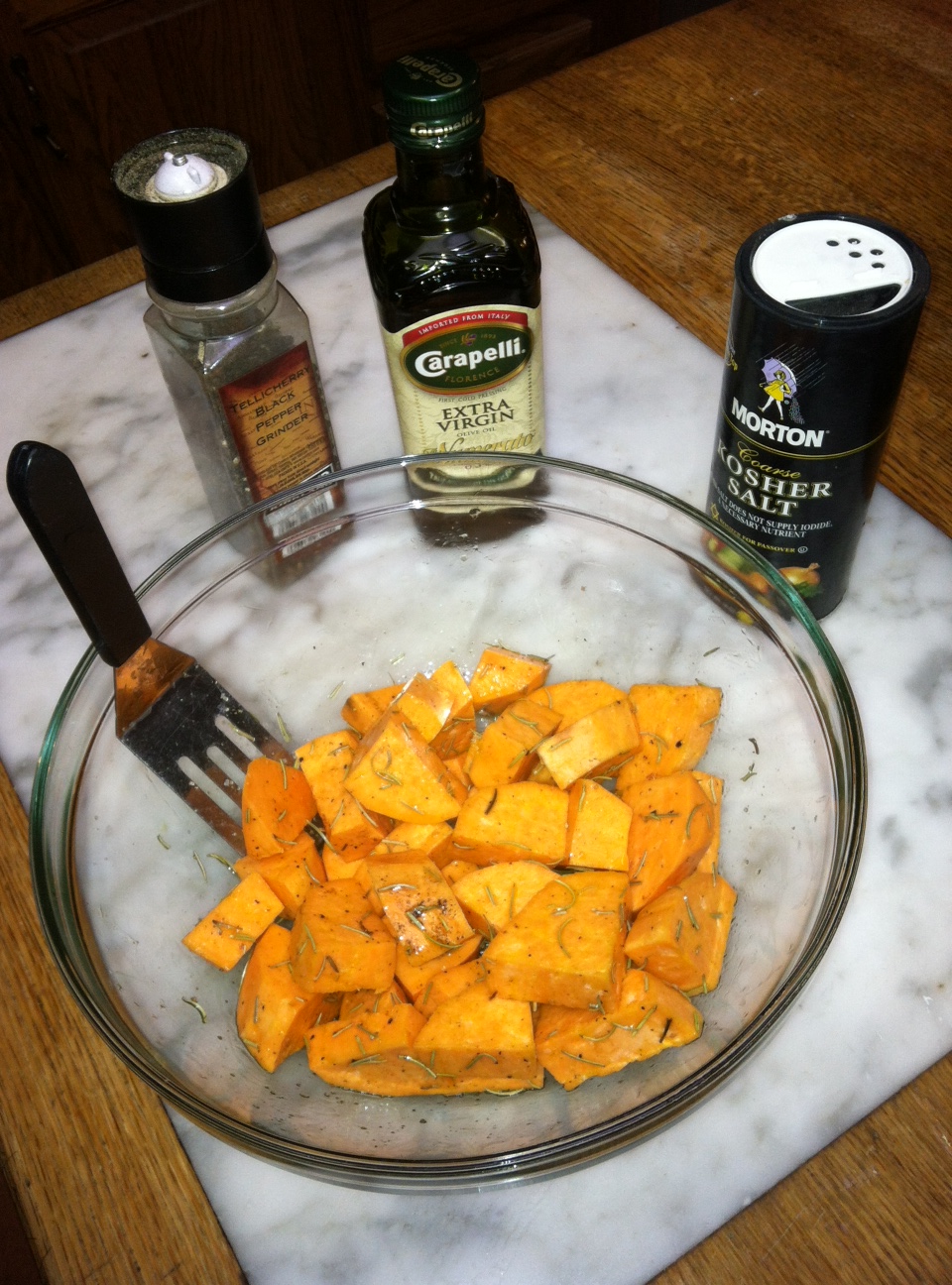
Sweet potato chunks brushed with olive oil, salt, pepper, and rosemary. Ready for the oven.

Discussion

As measured at six months, the paleo dieters lost 10% of their initial body weight, compared to 5% in the NNR group. That’s worth something to many folks. However, the researchers didn’t find much, if any, difference in the groups in terms of cardiometabolic risk factors. They wonder if that reflects the baseline healthiness of these women. Would a sicker study population show more improvement on one of the diets?

I’m surprised the NNR group lost any weight at all. In my experience it’s hard for most folks to lose weight and keep it off while eating as much as they want, unless they’re eating very-low-carb. We’ve seen short-term weight loss with ad libitum paleo diets before (here for example, and here, and here). I bet the women signing up for this study were highly motivated to change. 

Legumes and potatoes are a debatable part of the paleo diet. Most versions exclude legumes. We don’t know if these women ate legumes and potatoes. Other than this oversight, the study paleo diet is reasonable.

The authors noted that the paleo diet group failed to reach their protein intake goal (30% of total calories), and suggested reasons “such as protein-rich foods being more expensive, social influences on women’s food choices or a lower food preference for protein-rich food among women.”

The results of this study may or may not apply to other population subgroups and non-Swedes.

The authors write:

In conclusion, a Palaeolithic-type diet during two years with ad libitum intake of macronutrients, including an increased intake of polyunsaturated fatty acids and monounsaturated fatty acids reduces fat mass and abdominal obesity with significantly better long-term effect on triglyceride levels vs an NNR diet. Adherence to the prescribed protein intake was poor in the PD group suggesting that other component of the PD diet are of greater importance.

Does this study have anything to do with diabetes? Not directly. But it suggests that if an overweight diabetic needs to lose excess body fat without strict calorie control, a lower-carb paleo-style diet may be more effective than a low-fat, higher-carb diet. I would have liked to have seen lower fasting blood sugar and insulin levels in the paleo dieters, but wishing doesn’t make it so.

Steve Parker, M.D.

PS: Carbsane Evelyn has taken a look at this study and blogged about it here and here. I’ve not read those yet, but will now.

Reference: Mellberg, C., et al (including M. Ryberg and T Olsson). Long-term effects of a Palaeolithic-type diet in obese postmenopausal women: a 2-year randomized trial. European Journal of Clinical Nutrition, advance online publication January 29, 2014. doi: 10.1038/ejcn.2013.290

Low-Carb Diet Works in Japanese With Type 2 Diabetes

Mt. Fuji in Japan

Mt. Fuji in Japan

I don’t know much about Japanese T2 diabetes. I’ve never studied it. Their underlying physiology may or may not be the same as in North American white diabetics, with whom I am much more familiar. Physiologic differences are suggested by the fact that Japanese develop type 2 diabetes at lower BMIs (body mass index) than do Western caucasians.

For what it’s worth, a small study recently found improvement of blood sugar control and triglycerides in those on a carbohydrate restricted diet versus a standard calorie-restricted diet.

Only 24 patients were involved. Half were assigned to eat low-carb without calorie restriction; the other half ate the control diet. The carbohydrate-restricted group aimed for 70-130 grams of carb daily, while eating more fat and protein than the control group. The calorie-restricted guys were taught how to get 50-60% of calories from carbohydrate and keep fat under 25% of calories. At the end of the six-month study, the low-carbers were averaging 125 g of carb daily, compare to 200 g for the other group. By six months, both groups were eating about the same amount of calories.

Average age was 63. Body mass index was 24.5 in the low-carb group and 27 in the controls. All were taking one or more diabetes drugs.

The calorie-restricted group didn’t change their hemoglobin A1c (a standard measure of glucose control) from 7.7%. The low-carb group dropped their hemoglobin A1c from 7.6 to 7.0% (statistically significant). The low-carb group also cut their triglycerides by 40%. Average weights didn’t change in either group.

Bottom Line

This small study suggests that mild to moderate carbohydrate restriction helps control diabetes in Japanese with type 2 diabetes. The improvement in hemoglobin A1c is equivalent to that seen with initiation of many diabetes drugs. I think further improvements in multiple measures would have been seen if carbohydrates had been restricted even further.

Steve Parker, M.D.

Link to reference.

h/t Dr Michael Eades

Paleo Diet Ranked “America’s Best”

…according to Woman’s World magazine in the August 12, 2013, issue. This was the cover story, based on a survey of 9,000 dieters by Consumer Reports. CR asked them to rate famous weight-loss plans, and the paleo diet earned “sky-high satisfaction scores.”

Woman's World cover

Woman’s World cover

I only bring this to your attention because I’d never heard of this and thought I was following the issue closely.

The WW article mentions Dr. Loren Cordain and has quotes from Amy Kubal, RD, and Dr. Steffan Lindeberg.

You recently learned about "bikini bridge"; I now introduce "bra bridge" to the lexicon

Page 1 of the WW article. You recently learned about “bikini bridge”; I now introduce “bra bridge” to the lexicon.

You may remember earlier this year that U.S. News and World Report ranked the paleo diet #31 in its “Best Diets Overall” category. Quite a difference of opinion.

Steve Parker, M.D.

First paragraph

First paragraph

What’s Pure, White, and Deadly?

Sugar, according to John Yudkin and Robert Lustig, among others. The Age has the details. A quote:

[Robert] Lustig is one of a growing number of scientists who don’t just believe sugar makes you fat and rots teeth. They’re convinced it’s the cause of several chronic and very common illnesses, including heart disease, cancer, Alzheimer’s and diabetes. It’s also addictive, since it interferes with our appetites and creates an irresistible urge to eat.

This year, Lustig’s message has gone mainstream; many of the New Year diet books focused not on fat or carbohydrates, but on cutting out sugar and the everyday foods (soups, fruit juices, bread) that contain high levels of sucrose. The anti-sugar camp is not celebrating yet, however. They know what happened to Yudkin and what a ruthless and unscrupulous adversary the sugar industry proved to be.

In 1822, we in the U.S. ate 6.2 pounds of sugar per person per year. By 1999, we were up to 108 pounds.

An occasional teaspoon of sugar probably won't hurt you

An occasional teaspoon of sugar probably won’t hurt you

The U.S. Department of Agriculture estimates that added sugars provide 17% of the total calories in the average American diet.  A typical carbonated soda contain the equivalent of 10 tsp (50 ml) of sugar.  The average U.S. adult eats 30 tsp  (150 ml) daily of added sweeteners and sugars.

On the other hand, Fanatic Cook Bix found a study linking higher sugar consumption with lower body weight, which you might think would protect against type 2 diabetes, heart disease, and some cancers.

Read the rest at The Age. It’s mostly about John Yudkin.

Steve Parker, M.D.

h/t Jamie Scott

Which T2 Diabetes Drugs Are Popular in the U.S.?

Better living through chemistry

You may be able to avoid some of these through diet and exercise

Diabetes Care recently published results of a survey covering 1997 to 2012. The focus was on T2 diabetics age 35 or older:

“Between 1997 and 2012 biguanide [metformin] use increased, from 23% … to 53% … of treatment visits. Glitazone use grew from 6% in 1997 to 41% of all visits in 2005, but declined to 16% by 2012. Since 2005, DPP-4 inhibitor [e.g., Januvia] use increased steadily, representing 21% of treatment visits by 2012. GLP-1 agonists [e.g., Byetta] accounted for 4% of treatment visits in 2012. Visits where two or more drug compounds were used increased nearly 40% from 1997 to 2012. Between 2008 and 2012, drug expenditures increased 61%, driven primarily by use of insulin glargine [e.g., Lantus] and DPP-4 inhibitors.”

We have 12 classes of drugs for the treatment of T2 diabetes now. It’s not entirely clear which ones are the best. Since the long-term side effects of many drugs are unknown, if I had T2 diabetes I’d try to limit my need for drugs by restricting my carbohydrate consumption, maintaining a reasonable weigh, and exercising. And, no, they don’t always work.

Steve Parker, M.D.

Another Ancestral Community Bites the Dust

This may be old news to you, but I’d not heard of the Oji-Cree tribe before. They live south of Hudson Bay.

Here live the Oji-Cree, a people, numbering about thirty thousand, who inhabit a cold and desolate land roughly the size of Germany. For much of the twentieth century, the Oji-Cree lived at a technological level that can be described as relatively simple. As nomads, they lived in tents during the summer, and in cabins during the winter. Snowshoes, dog sleds, and canoes were the main modes of transportation, used to track and kill fish, rabbits, and moose for food. A doctor who worked with the Oji-Cree in the nineteen-forties has noted the absence of mental breakdowns or substance abuse within the population, observing that “the people lived a rugged, rigorous life with plenty of exercise.” The Oji-Cree invariably impressed foreigners with their vigor and strength. Another visitor, in the nineteen-fifties, wrote of their “ingenuity, courage, and self-sacrifice,” noting that, in the North, “only those prepared to face hardship and make sacrifices could survive.”

 ***

But, in the main, the Oji-Cree story is not a happy one. Since the arrival of new technologies [starting in the 1960s], the population has suffered a massive increase in morbid obesity, heart disease, and Type 2 diabetes. Social problems are rampant: idleness, alcoholism, drug addiction, and suicide have reached some of the highest levels on earth. Diabetes, in particular, has become so common (affecting forty per cent of the population) that researchers think that many children, after exposure in the womb, are born with an increased predisposition to the disease. Childhood obesity is widespread, and ten-year-olds sometimes appear middle-aged. Recently, the Chief of a small Oji-Cree community estimated that half of his adult population was addicted to OxyContin or other painkillers.

Read the rest at The New Yorker.

QOTD: Rippetoe on the Best Single Exercise

The below-parallel squat is the best exercise in the entire catalog for whole-body strength, power, balance, coordination, bone density, joint integrity, and mental toughness — good things to develop if you don’t have them.

—Mark Rippetoe

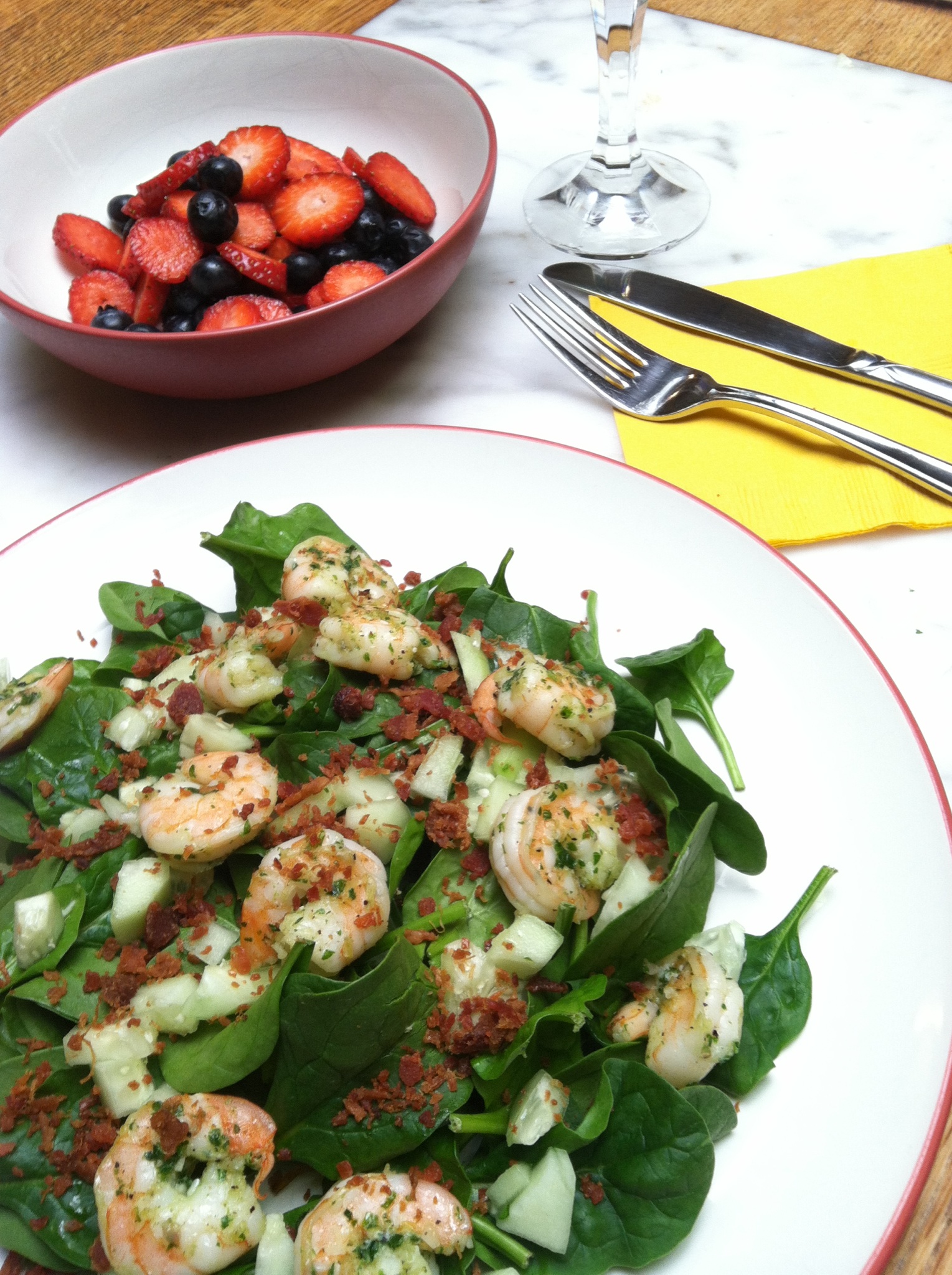
Recipe: Shrimp Salad and Fresh Fruit

Ignore the bacon bits you may see; they're superfluous

Ignore the bacon bits you may see; they’re superfluous

This was inspired by a shrimp/spinach salad I like at Applebee’s. But here I eschew the sweetness of their sauce and delete the bacon bits.

If these aren't in season, substitute cantaloupe, honeydew melon, or 14 sweet raw cherries

If these aren’t in season, substitute cantaloupe, honeydew melon, or 14 sweet raw cherries

Ingredients:

5 oz (140 g) raw shrimp tails, shell removed

1 tbsp (15 ml) parsley, finely chopped (we used the curly variety)

1 garlic clove, finely chopped

1/4 tsp (1.2 ml) pepper

1/4 tsp (1.2 ml) salt

1 tbsp (15 ml) extra virgin olive oil

1/2 tsp (2.5 ml) extra virgin olive oil

2 0z (57 g) baby spinach (or romaine lettuce or mix of both)

2 oz (57 g) cucumber, peeled and diced

2 tbsp AMD vinaigrette (or commercial dressing with 2 or fewer digestible carbohydrate grams per 2 tbsp or 30 ml)

2 and 3/8 oz or 1/2 cup (67 g or 120 ml) fresh strawberries, sliced (3–4 medium berries)

2 and 3/4 oz or 1/2 cup (78 g or 120 ml) blueberries

Finely chopped parsley

Finely chopped parsley

Instructions:

Make the vinaigrette first so the components have some time to synergize.

Next, you’ll sauté the shrimp. In a bowl, combine the raw shrimp, parsley, 1/2 tsp (2.5 ml) olive oil, garlic, salt, and pepper, then mix thoroughly to evenly coat the shrimp. Alternatively, you could do that mixing in a plastic baggie (bisphenol-A!). Add 1 tbsp (15 ml) olive oil to a frying pan and cook the shrimp over medium heat until opaque, stirring continuously. When done, it will be patchy  pink and white. It only takes about three minutes.

On a large plate, lay out a bed of spinach or lettuce, over which you’ll scatter the cucumber and cooked shrimp, then the vinaigrette.

Enjoy the fruit for desert.

I don't recall mercury contamination being linked to shrimp

I don’t recall mercury contamination being linked to shrimp. BTW, this is more shrimp than in the recipe.

 Servings: 1

Nutritional Analysis:

63% fat

14% carbohydrate

23% protein

590 calories

23 g carbohydrate

6 g fiber

17 g digestible carbohydrate

1,349 mg sodium

904 mg potassium

Prominent features: Rich in protein, vitamin B12, A, C, E, copper, iron, manganese, and selenium.

Master multi-tasker: wife, chef, photographer

Master multi-tasker: wife, chef, photographer