What Is The Only Australian Plant Crop That Has Ever Been Commercially Developed as a Food?

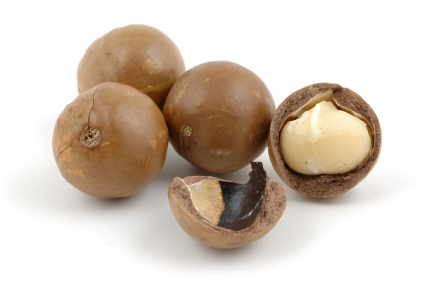
David Mendosa says the answer is the macadamia nut.

Paleobetic diet

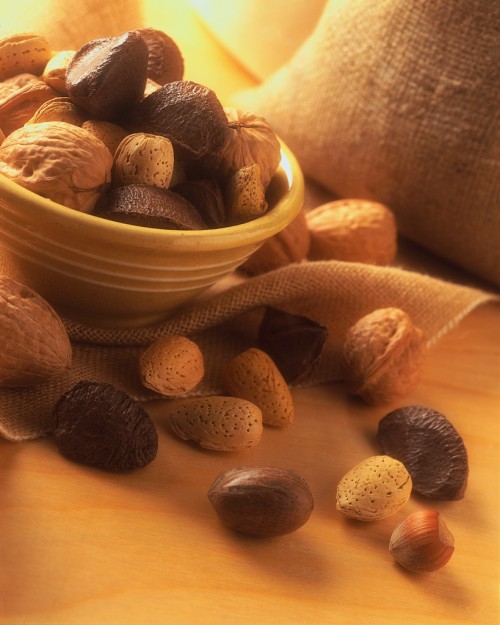
Macadamia nuts

From a paleo perspective, a great thing about the macadamia nut is that it’s one of the few nuts with a good omega-6/omega-3 fatty acid ratio. In other words, it’s high in omega-3 and low in 6. This may have important cardiovascular health implications. Macadamias are one of the nuts I recommend on my Paleobetic Diet.

David writes:

The first Australian macadamia plantation didn’t begin until the 1880s. And not until 1954 with the introduction of mechanised processing did commercial production became viable. Nowadays about 90 percent of the the world’s macadamia nut production comes from Hawaii, where it has become its third most important crop, according to The Wellness Encyclopedia of Food and Nutrition, University of California at Berkeley (1992).

Read the rest, where you’ll learn that macadamia nuts are the highest of all nuts in calories, gram for gram.

Paleobetic diet

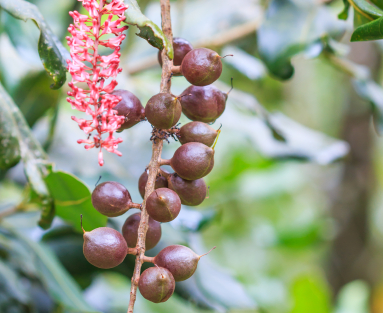
Macadamia nuts on the tree

What’s the Single Best Diet for T2 Diabetics?

Thinking about it...

Thinking about it…

DietDoctor has some ideas based on a recent scientific study:

new exciting Swedish study provides us with strong clues on how a person with diabetes should eat (and how to eat to maximize fat burning). It’s the first study to examine in detail how various blood markers change throughout the day depending on what a diabetic person eats.

The study examined the effects of three different diets in 19 subjects with diabetes type 2. They consumed breakfast and lunch under supervision in a diabetes ward. The caloric intake in the three diets examined was the same, but the diets differed in the following manner:

  1. A conventional low-fat diet (45-56% carbs)
  2. A Mediterranean diet with coffee only for breakfast (= similar to 16:8 intermittent fasting) and a big lunch (32-35% carbs)
  3. A moderate low-carbohydrate diet (16-24% carbs)

All participants tested all three diets, one diet each day in randomized order.

Click through for results. Hint: Carbohydrate restriction works.

Steve Parker, M.D.

Don’t Kid Yourself: Obesity Still Shortens Life Even If “Metabolically Healthy”

I'll eat my hat if this dude doesn't have metabolic syndrome

I’ll eat my hat if this dude doesn’t have metabolic syndrome

See details at MedPageToday.

Some folks can get away with smoking or drinking too much, but others can’t. They have hell to pay. There’s one sure-fire way to eliminate smoking-related disease risk.

Some studies suggest you can be healthy and long-lived while obese as long as you’re “metabolically healthy.” That is, if you have normal blood pressure, LDL cholesterol, triglycerides, blood sugar, and waist circumference. (You can be obese with a “normal” waist circumference, but it’s not easy.) A new meta-analysis finds the “metabolically healthy” label is a misnomer: you’re still at higher risk for death or cardiovascular events if you’re obese and free of metabolic syndrome features.

“Our results do not support this concept of ‘benign obesity’ and demonstrate that there is no ‘healthy’ pattern of obesity,” Kramer and colleagues wrote. “Even within the same category of metabolic status (healthy or unhealthy) we show that certain cardiovascular risk factors (blood pressure, waist circumference, low high-density lipoprotein cholesterol level, insulin resistance) progressively increase from normal weight to overweight to obese.”

Click for the scientific journal abstract.

This report does not directly address the “fat but fit” concept, whereby you can counteract some of the adverse health effects of obesity by being fit. By fit, I mean regularly exercising and achieving a decent level of capacity and tolerance for physical activity. Fat but fit still holds.

Steve Parker, M.D.

PS: For an opposing view of the study at hand, see comments by psychologist Deb Burgard. (h/t Beth Mazur)

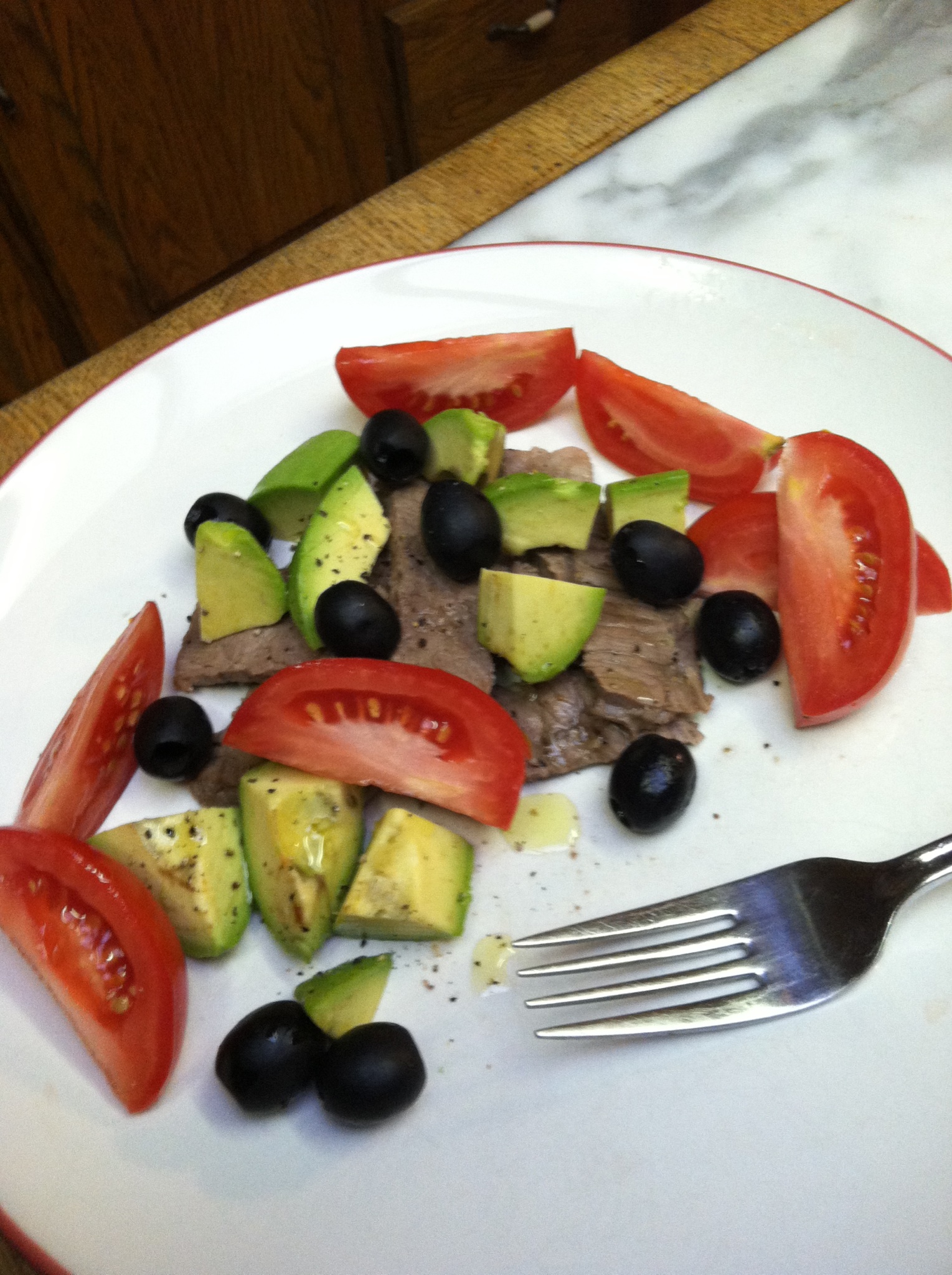
Recipe: Steak, Avocado, Olives and Tomato

Paleobetic diet

I ate mine for breakfast. Who needs bagels, cereal, and donuts?

This was super-easy to put together because I used leftover steak. But I’ll assume you’re cooking your steak fresh. We bought ours as thinly sliced round steak, about a 1/4-inch thick (0.6 cm). Some places might refer to this as a “minute steak” because it cooks so quickly. Minute steak also refers to a piece of beef, usually the round, that’s been pounded flat, about a 1/4-inch thick. Even if you start with raw meat, you can prepare today’s recipe in 10 minutes.

Paleobetic diet

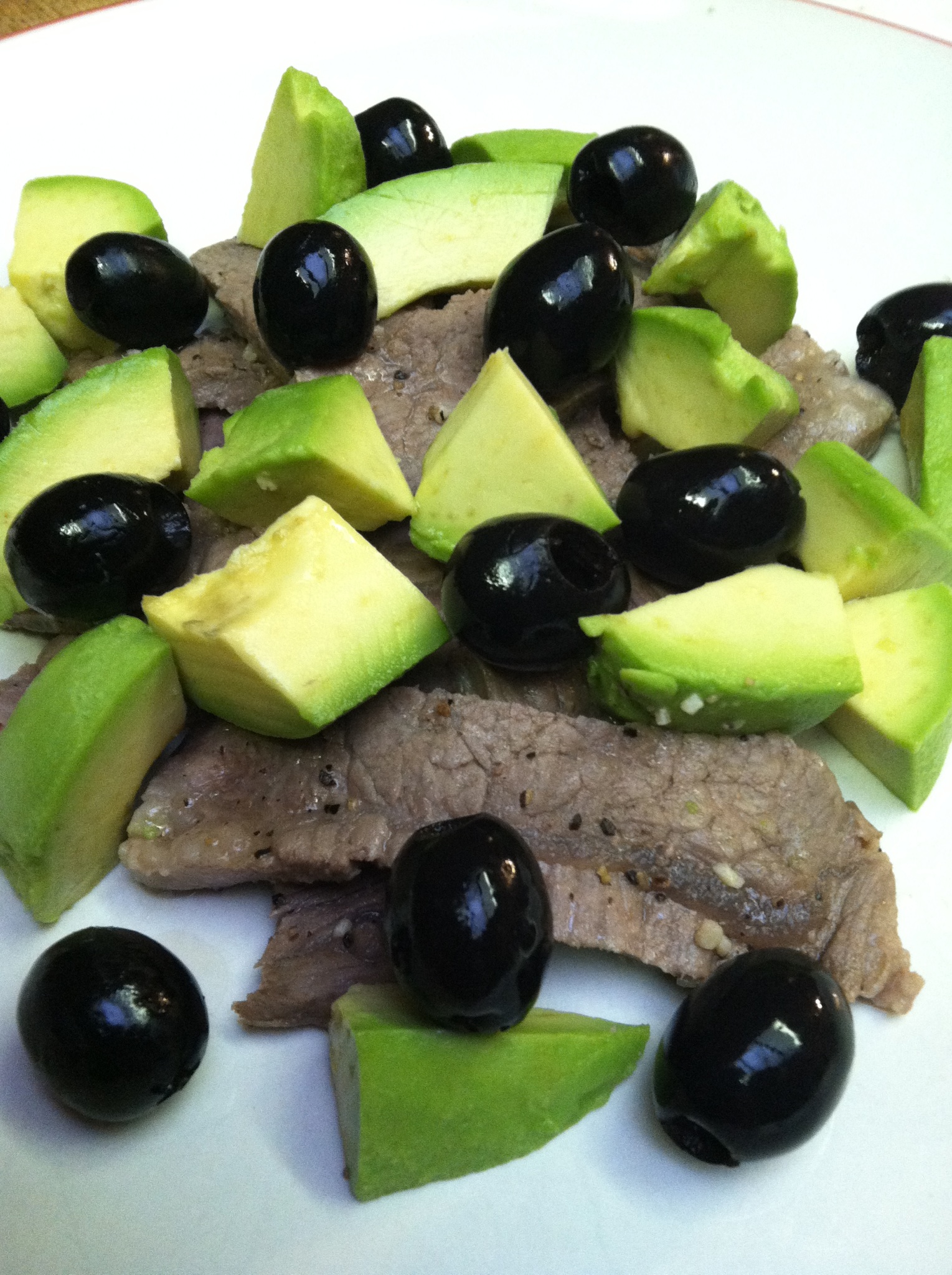
It tastes as good as it looks

Ingredients:

4 oz (113 g) cooked thin round steak (start with 5 oz raw)

1 California (Hass) avocado, standard size (4.5 oz or 127 g), peeled, pitted, and chunked

14 black olives, pitted, medium size (Purist alert: probably highly processed)

1 tomato, medium-size (medium size or 2.5-inch diameter (6,4 cm), or a large roma tomato), cut into wedges

Salt and pepper to taste, or use commercial steak seasoning such as Montreal Steak Seasoning by McCormick (a favorite at the Parker Compound)

Instructions:

Sprinkle your steak with seasoning then cook over medium or medium-high heat in a skillet, about a minute on each side. Or heat your leftover steak in the microwave. If you overcook, it will be tough.

Place all ingredients artfully on a plate and enjoy.

Servings: 1

Nutritional Analysis (via Fitday):

60% fat

12% carbohydrate

28% protein

600 calories

20 g carbohydrate

12 g fiber

8 g digestible carbohydrate

587 mg sodium

1530 mg potassium

Prominent features: Lots of protein, vitamin B6, vitamin B12, copper, iron, niacin, pantothenic acid, phosphorus, selenium, and zinc

Low Calcium Intake May Not Matter for Bone Health

paleobetic diet, diabetic diet, calcium

Modern “films” are digital

I’ve worried about the relatively low calcium content of most paleo diets. I see lots of little old ladies eating non-paleo with hip, spine, and wrist fractures related to the bone-thinning disease called osteoporosis. The bones break because they’re not adequately dense. Some experts think low calcium intake causes osteoporosis.

A Vietnamese study published in 2009 compared bone density of Buddhist nuns, who are vegans, with omnivorous controls. Dietary calcium content was 330 mg/day in the vegans, 682 mg/day in the omnivores. Nevertheless, bone density and osteoporosis prevalence were not significantly different between the groups. (Unfortunately, fracture rates were not reported.)

So perhaps the relatively low calcium content of paleo diets isn’t anything to worry about.

Steve Parker, M.D.

h/t Jamie Scott

Have You Heard It’s Better to Squat Than Sit While Defecating?

It may prevent hemorrhoids, according to a writer at Slate.

I first heard about this debate around three years ago, probably at Mark’s Daily Apple. You don’t hear about it much now. An article at Huffington Post dredged it up recently. The Post will also tell you 14 other things you’re doing wrong in the bathroom. Take’em with a grain of salt.

I only bring this to your attention in case you’re new to the paleo lifestyle. It’s not just about food, ya know. Modern toilets haven’t been around forever. Billions of us still squat to poop, just like our ancestors.


FDA and Medicare Looking Into Accuracy of Home Blood Glucose Monitors

Paleobetic diet, diabetic diet, low-carb, paleo diet, diabetes

This monitor looks like an antique

The Joslin Diabetes Blog has some details. For example:

Current standards for blood glucose meters were established by the FDA in 2003 in conjunction with the International Organization for Standardization (ISO). Today’s requirements state that a blood glucose system (meter and strips) must meet an accuracy standard of being within 20 percent of reference values (laboratory) for numbers at or above 75mg/dl and within 15mg/dl below 75 mg/dl.

The FDA has been working on revising the current requirements since 2010 and the ISO has already come out with new standards. Whether the FDA will accept the ISO’s recommendations or adopt a different set of standards only time will tell.

The article also mentions various factors that may affect accuracy, including temperature extremes, humidity, and altitude. The user manual that comes with the device should explain these.

Why Everybody Should Eat Nuts

Nuts with more omega-3 fatty acids (compared to omega-6) may be the healthiest

Nuts with the lowest omega-6/omega-3 fatty acid ratios may be the healthiest. In other words, increase your omega-3s and decrease omega-6s.

Conner Middelmann-Whitney explains in her recent post at Psychology Today. In a nutshell, they are linked to longer life and better health. For example:

In the largest study of its kind, Harvard scientists found that people who ate a handful of nuts every day were 20% less likely to die from any cause over a 30-year period than those who didn’t consume nuts. The study also found that regular nut-eaters were leaner than those who didn’t eat nuts, a finding that should calm any fears that eating nuts will make you gain weight.

The report also looked at the protective effect on specific causes of death. “The most obvious benefit was a reduction of 29% in deaths from heart disease—the major killer of people in America,” according to Charles S. Fuchs, director of the Gastrointestinal Cancer Treatment Center at Dana-Farber, the senior author of the report and a professor of medicine at Harvard Medical School. “But we also saw a significant reduction—11% —in the risk of dying from cancer,” added Fuchs.

Read the whole enchilada.

Nuts are integral to my Advanced Mediterranean Diet, Low-Carb Mediterranean Diet, Paleobetic Diet, and Ketogenic Mediterranean Diet.

Walnuts seem to have the lowest omega-6/omega-3 fatty acid ratio of all the common nuts. That may make them the healthiest nut. The jury is still out. Macadamia nuts have a good ratio, too. Paleo dieters focus on cutting out omega-6s and increasing omega-3s. Julianne Taylor has a great post on how to do that with a variety of foods, not just nuts.

Steve Parker, M.D.

Recipe: Turkey Tomato Bowl + Macadamia Nuts

paleobetic diet, low-carb

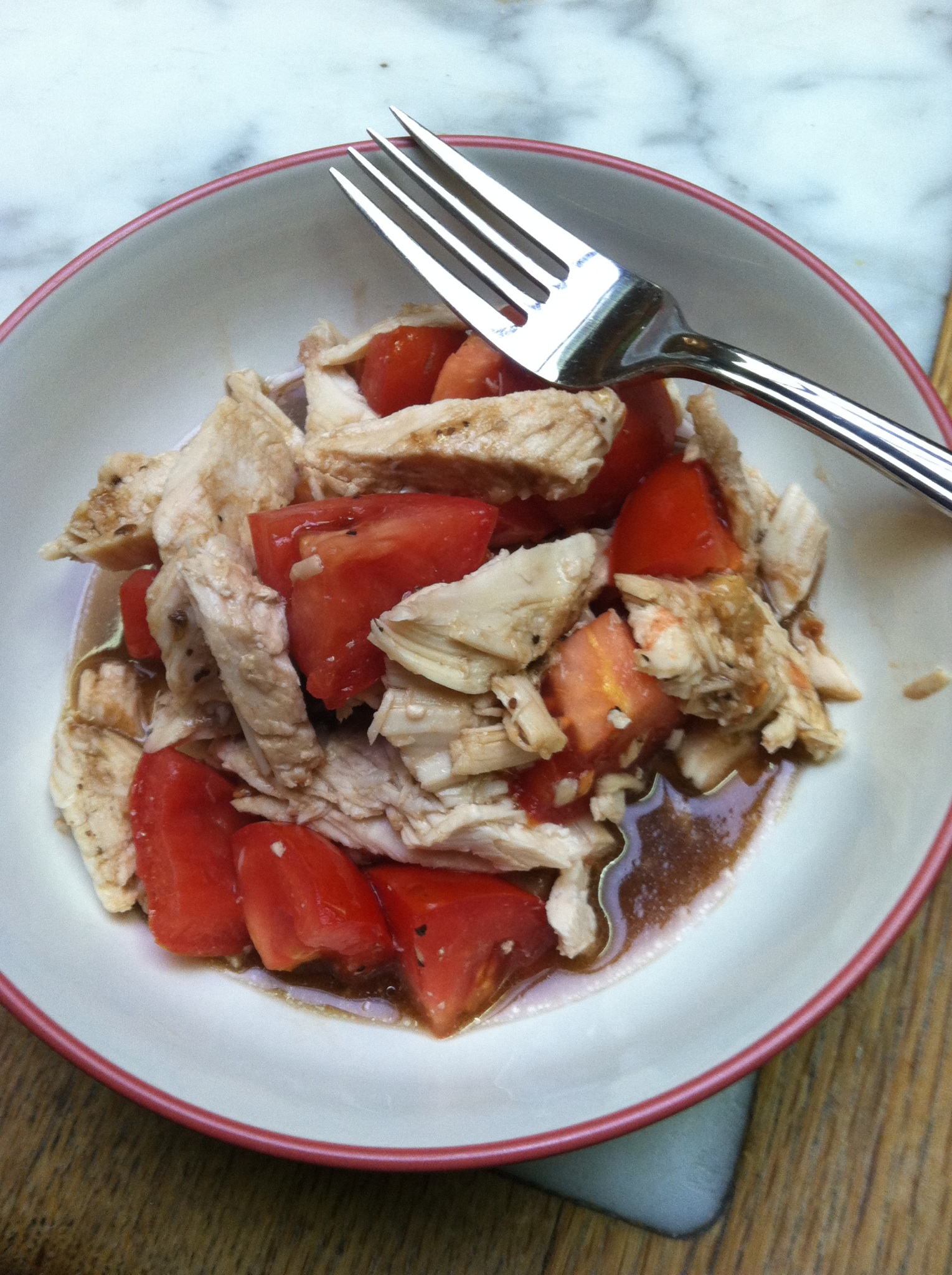
This Turkey Tomato Bowl fits criteria for the Paleobetic Diet

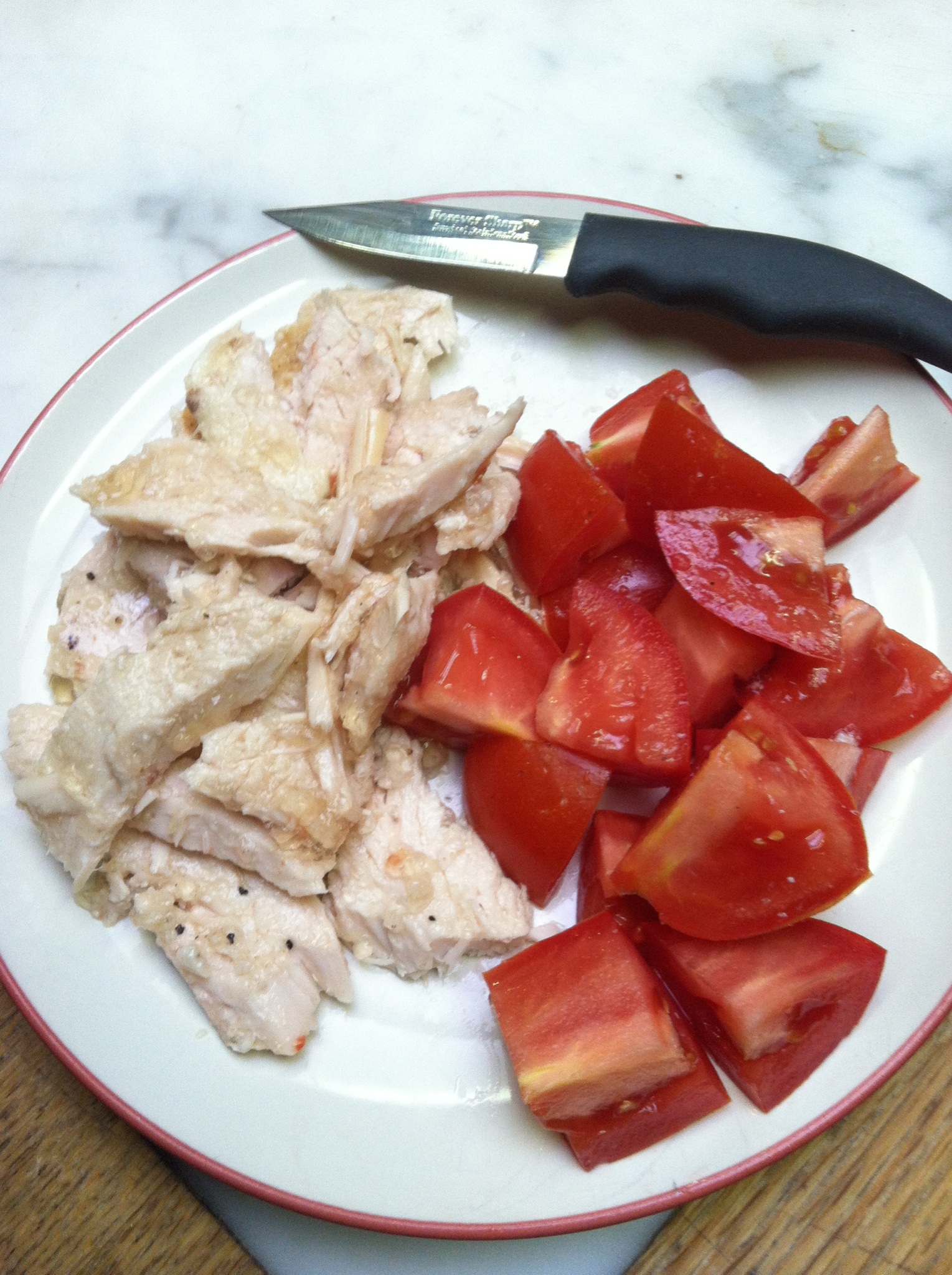
This is what I did with some of our leftover Thanksgiving turkey. If you don’t have leftover turkey, I bet leftover chicken or steak would be  fine substitutes. Heck, I’m tempted to try it with salmon or canned tuna or chicken. In addition to the flavor, what I like about this meal is that it’s crazy quick.

Ingredients:

6 oz (170 g) cooked turkey chunks, light meat (or 8 oz (225 g) if you’re starting raw and planning to cook it)

5 oz (140 g) raw tomato (2 small roma tomatoes, for example), cut into chunks

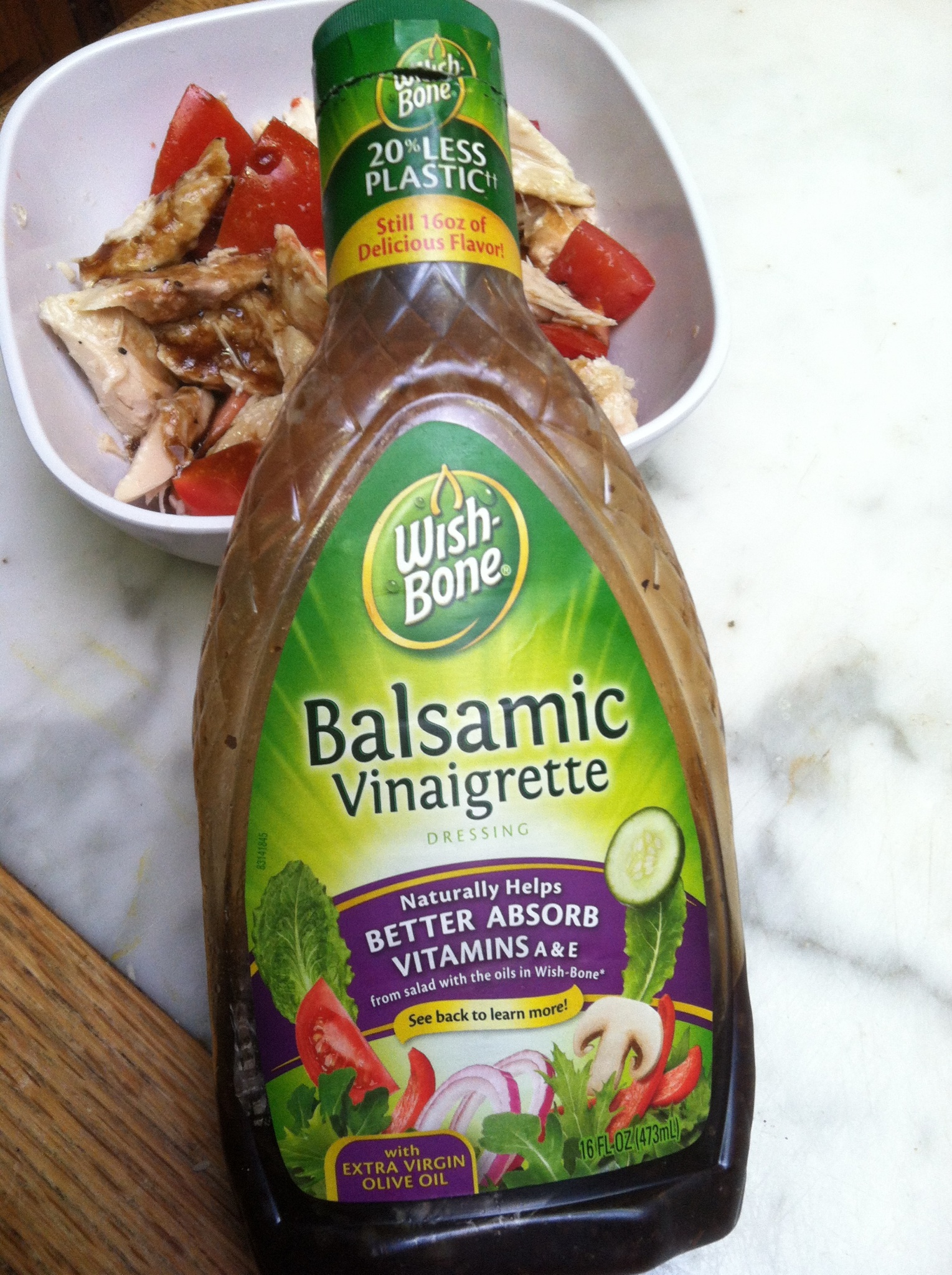
2 tbsp (30 ml) balsamic vinaigrette

black pepper to taste

1 oz (30 g) roasted macadamia nuts

paleobetic diet, low-carb, diabetes, diabetic diet, paleo diet

These roma tomatoes were amazingly flavorful for late Fall in the northern hemisphere. Before cooking, my wife injected the bird with olive oil, massaged periodically over 30 minutes, then popped it in the oven.

Instructions:

Toss the turkey and tomato chunks in a bowl, splash on the vinaigrette, then microwave for 60-80 seconds. Pepper as desired. Drink the leftover juice right out of the bowl. Enjoy with macadamia nuts for dessert and you’ve got a full meal.

Discussion:

paleobetic diet, low-carb, diabetes, diabetic diet

Grok wouldn’t have access to this

I was lazy when I made this so I just used a commercial salad dressing rather than making my own vinaigrette. Wish-Bone Balsamic Vinaigrette Dressing “with extra virgin olive oil.” Here are the top ingredients, in order: water, balsamic vinegar, soybean oil and extra virgin olive oil (sic), sugar, salt, spices, etc. So the oil could have been soybean oil (from a legume—the horror!!!) with one drop of EVOO for all I know. Olive oil is a rich source of monounsaturated fatty acid, so you might be able to calculate how much EVOO was in the dressing if I tell you there were five grams of fat per two tbsp (30 ml) serving, of which 1.5 grams were monounsaturated. That serving also has three grams of carbohydrate (all sugar) and only 60 calories. Right there on the bottle is says gluten-free and “no high fructose corn syrup.” I bet it had HFCS in it three years ago and there would be no mention of the trendy “gluten-free.”

I don’t know any home cooks who add water to vinaigrettes. They are essentially oil and vinegar (in a ratio of 3:1) and spices. The ones I make have quite a bit more than 60 calories per two tbsp (30 ml); more like 220 cals. All of the oils you would use have about 120 calories per tbsp all from fat. If you make this recipe with home-made vinaigrette, add 150 calories to the nutritional analysis below. It won’t affect the carb count.

Note that of the common vinegars, balsamic has the most carbohydrates—some vinegars have zero. If you use typical amounts of balsamic vinaigrette, you shouldn’t need to worry about the carbohydrates unless perhaps you’re on a strict ketogenic diet and limited to 20-30 grams of carb daily.

Servings: 1

Nutritional Analysis:

58% fat

7% carbohydrate

35% protein

620 calories

11.5 g carbohydrate

3.7 g fiber

8 g digestible carbohydrate

743 mg sodium

877 mg potassium

Prominent features: High in protein, vitamin B6, iron, manganese, niacin, phosphorus, selenium, and zinc.

paleobetic diet, low-carb, diabetic diet, paleo diet

Bonus pic! A new horse at the Parker Compound. He’s an old-style Morgan.

Recipe: Waldorfian Salad

paleobetic diet, low-carb diet

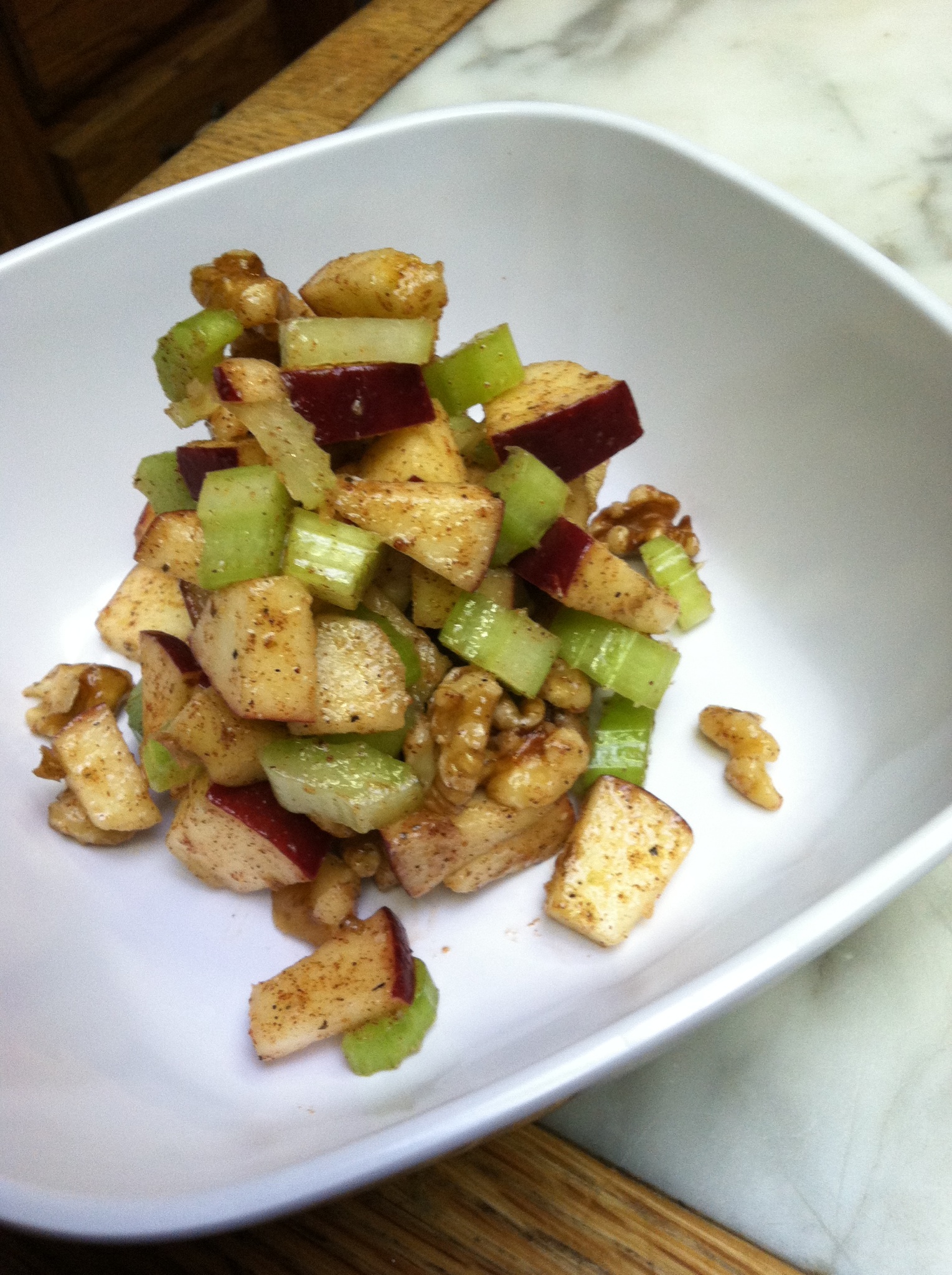
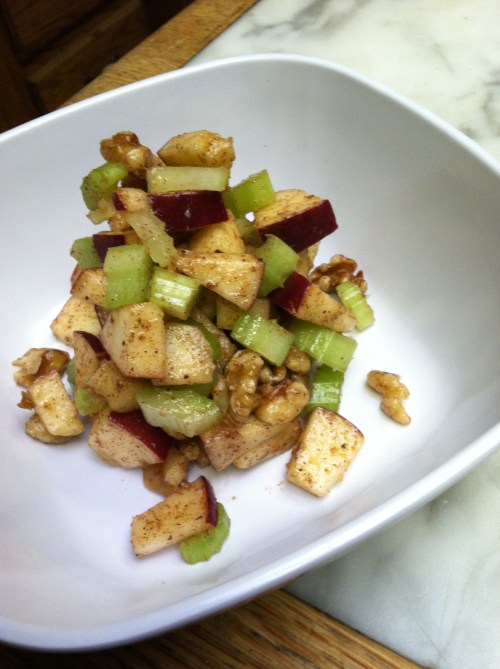
One cup of Waldorfian salad. I doubled the cinnamon in this batch, so yours won’t look quite like this.

Today’s meal is inspired by the classic Waldorf salad, made famous by New York’s Waldorf Hotel over a century ago. The hotel today is called the Waldorf-Astoria.

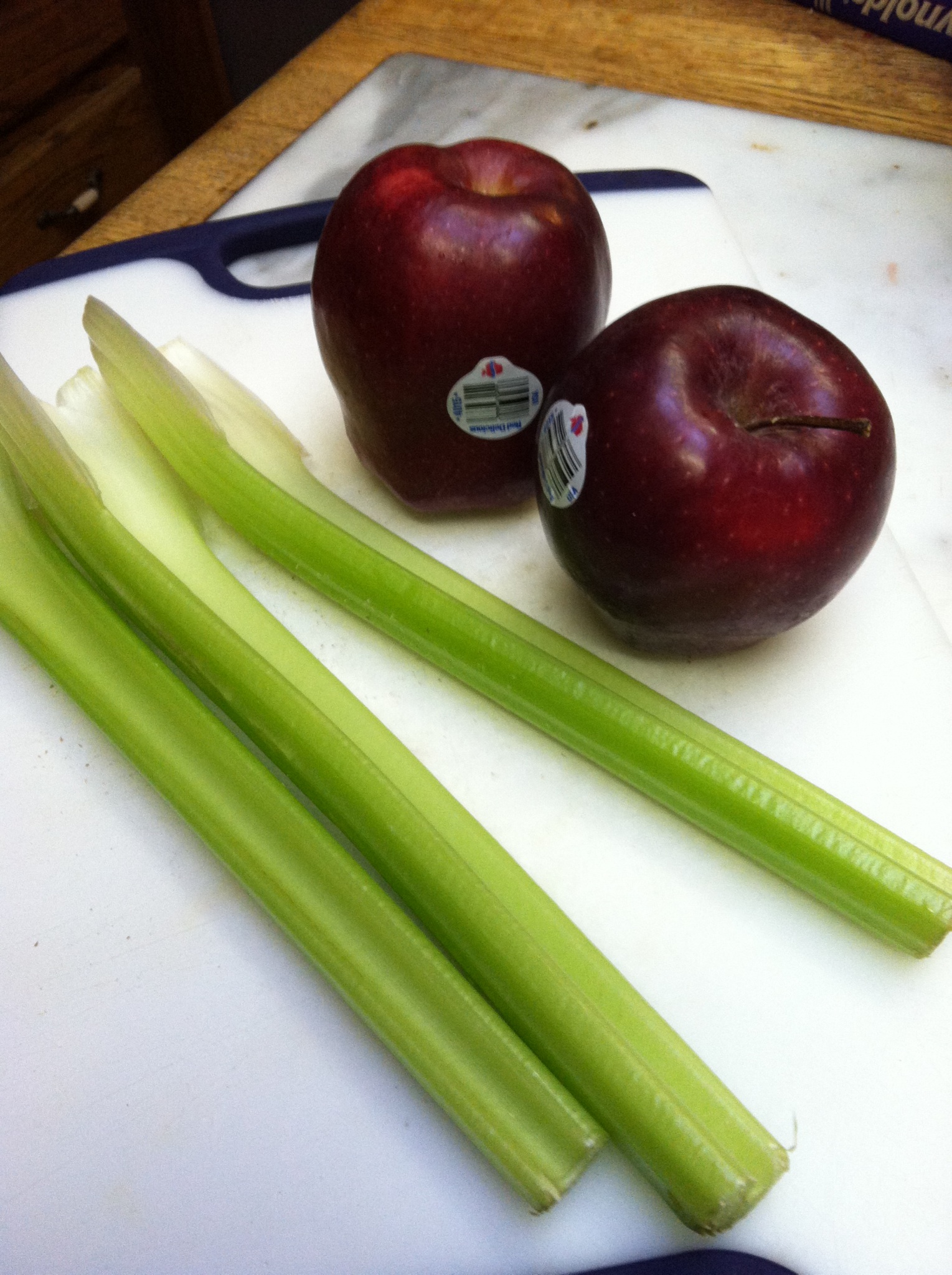
The primary ingredients are apples, walnuts, and celery.

The original salad was made with mayonnaise, which I’m leaving out since I don’t yet have a paleo-compliant formula. They’re out there, however. Do you have a favorite?

paleobetic diet

Good source of omega-3 fatty acids

Instead of mayonnaise, we use a dressing—a vinaigrette—made with walnut oil. Walnut oil is attractive in part because it is rich in omega-3 fatty acids: 1.77 grams per tbsp (15 ml). Compared with Paleolithic diets, modern Western diets are too low in omega-3s and too high in omega-6s. You can use your left-over walnut oil the way you’d use olive oil.

paleobetic diet, low-carb diet, ketogenic diet

I made my dressing in this BPA-laden plastic container

In composing the Paleobetic Diet, my biggest challenge is breakfast. I’m fine eating eggs almost daily, but that may not be your cup ‘o tea. Most of us in America are accustomed to grain-based options like cold cereal, porridge, bagels, donuts, pancakes, granola, and toast. Plus yogurt. Those aren’t paleo, and they have too many carbohydrates for many diabetics. I came up with Waldorfian salad as a low-carb paleo-style breakfast, reminiscent of Brian’s Berry Breakfast.

This recipe makes two large servings of 2 cups (480 ml) each. Small or sedentary folks may well be satisfied with a 1- or 1.5-cup serving.
paleobetic diet, low-carb diet, ketogenic diet

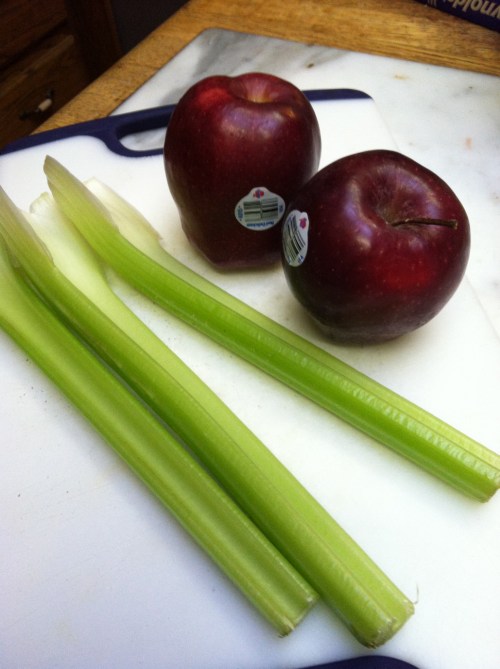
Apples are the primary source of carbohydrates in this recipe.

Ingredients:

2 apples, raw, medium size, skin on, diced (I used Red Delicious; consider Granny Smith, Fuji, or Gala)

3 celery stalks, 8-inches long (20 cm), diced

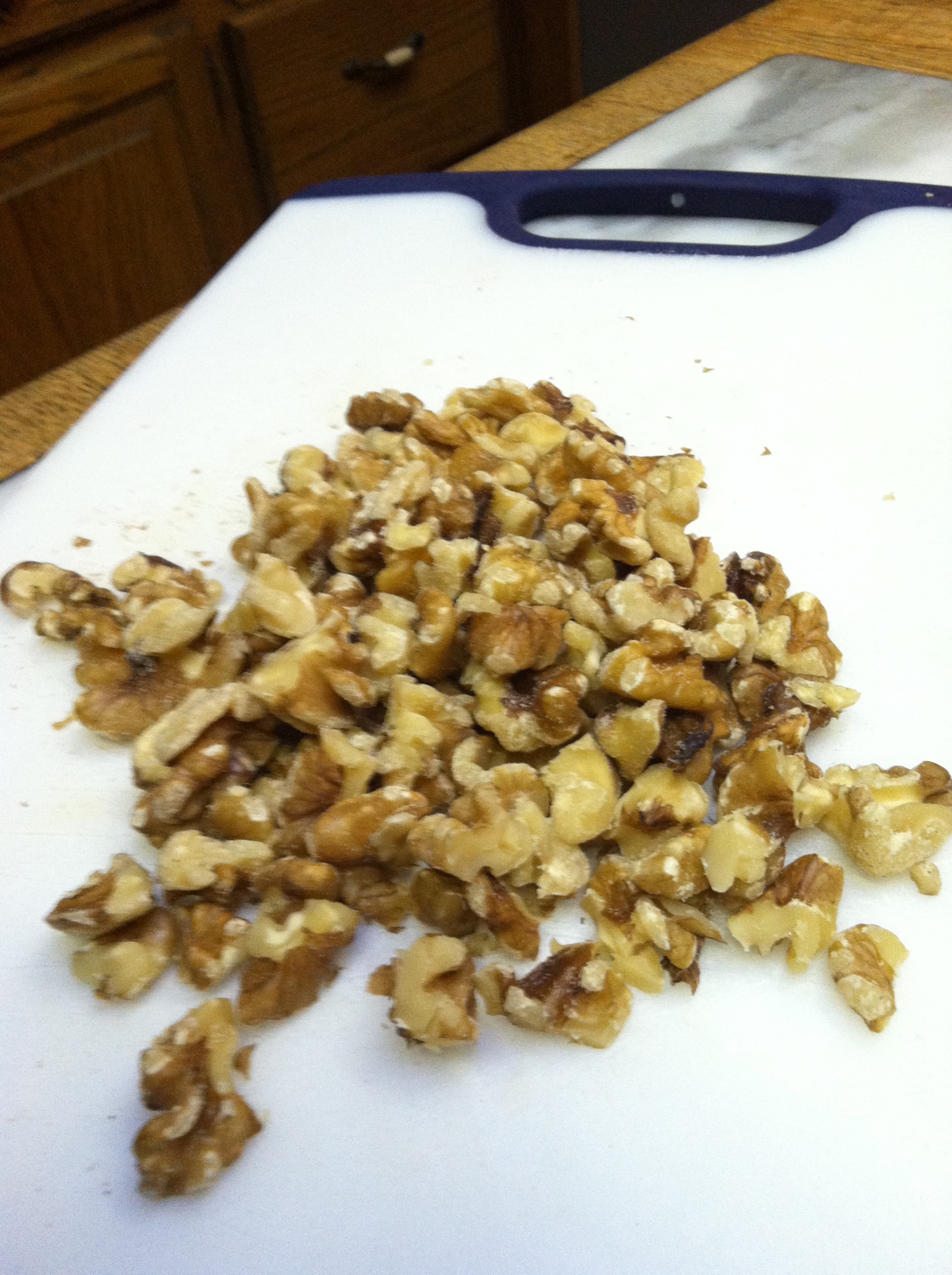
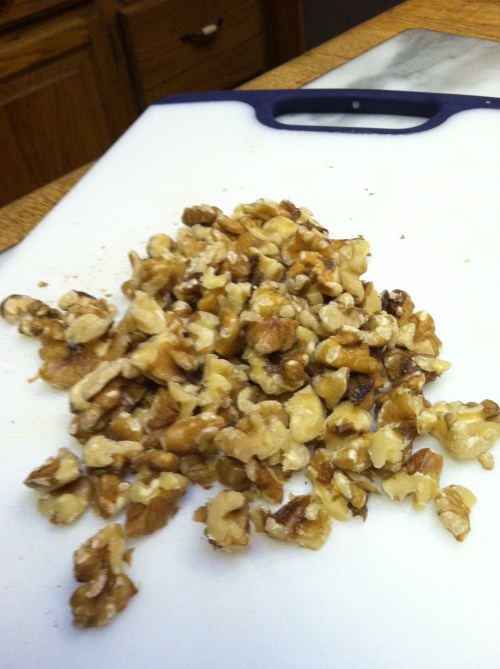
1 cup (240 ml) walnuts, broken by hand into small chunks (Option for ? more flavor: toast in a skillet over medium-high heat for 7-10 minutes or in oven (350 F or 175 C) on baking sheet for 10 minutes

1/4 tsp (1.2 ml) black pepper, ground

1/4 tsp (1.2 ml) salt

1.5 tbsp (22 ml) walnut oil

1 tbsp (15 ml) cider vinegar

1/2 tsp (2.5 ml) cinnamon

1/4 tsp (1.2 ml) nutmeg

Instructions:

First make a dressing with the bottom six ingredients. I put mine in a small container with a lid, then shook vigorously. Or you can put them in a small bowel and whisk them.
paleobetic diet, low-carb diet, ketogenic diet

Walnut pieces

Place the walnuts, apples and celery in a bowel, add the dressing and toss thoroughly. You’re done.

Serve as is, or chill first in the refrigerator. Maybe it was my imagination, but I thought it tasted better after it sat on the counter for 10 minutes. Consider serving on a bed of lettuce (1-2 oz), but if you do, increase your digestible carb count by 1-2 grams.

If you want more calories or protein than this recipe provides, chicken or steak should go well with Waldorfian salad and won’t increase your carb grams.

Number of Servings: 2 (2 cups each)

Nutritional Analysis:

73% fat

21% carbohydrate

6% protein

500 calories

27.5 g carbohydrate

7.6 g fiber

20 g digestible carbohydrate

341 mg sodium

529 mg potassium

Prominent features: High in copper and manganese, low in sodium. This is vegetarian (so much for the paleo diet being meat-centric). On a 2,000 calorie diet, this provides only 15% of the Recommended Dietary Allowance for protein, so you’ll want to eat more protein at some point during the day.