Tag Archives: diet

Progression of Polycystic Kidney Disease is Preventable

The nephron is the microscopic structural and functional unit of the kidney.

Autosomal Dominant Polycystic Kidney Disease (ADPKD) is the most common inherited cause of end-stage kidney disease and affects 500,000 Americans. It is characterized by fluid-filled cysts in both kidneys and gradual deterioration of kidney function. By age 70, affected folks constitute as much as 10% of the end-stage kidney disease population.

Autosomal Recessive Polycystic Kidney Disease is much less common but is more severe.

Trust me, you want to maintain normal kidney function if possible. In ADPKD, standard interventions include adequate fluid consumption, dietary sodium restriction, and keeping blood pressure below 120-125/80 mmHg.

A 2024 article in Nutrients suggests other potentially helpful dietary interventions: carbohydrate restriction and ketogenic diets. Also, avoid kidney stone formation.

Understanding chronic kidney disease (CKD) through the lens of evolutionary biology highlights the mismatch between our Paleolithic-optimized genes and modern diets, which led to the dramatically increased prevalence of CKD in modern societies. In particular, the Standard American Diet (SAD), high in carbohydrates and ultra-processed foods, causes conditions like type 2 diabetes (T2D), chronic inflammation, and hypertension, leading to CKD. Autosomal dominant polycystic kidney disease (ADPKD), a genetic form of CKD, is characterized by progressive renal cystogenesis that leads to renal failure. This review challenges the fatalistic view of ADPKD as solely a genetic disease. We argue that, just like non-genetic CKD, modern dietary practices, lifestyle, and environmental exposures initiate and accelerate ADPKD progression. Evidence shows that carbohydrate overconsumption, hyperglycemia, and insulin resistance significantly impact renal health. Additionally, factors like dehydration, electrolyte imbalances, nephrotoxin exposure, gastrointestinal dysbiosis, and renal microcrystal formation exacerbate ADPKD. Conversely, carbohydrate restriction, ketogenic metabolic therapy (KMT), and antagonizing the lithogenic risk show promise in slowing ADPKD progression. Addressing disease triggers through dietary modifications and lifestyle changes offers a conservative, non-pharmacological strategy for disease modification in ADPKD. This comprehensive review underscores the urgency of integrating diet and lifestyle factors into the clinical management of ADPKD to mitigate disease progression, improve patient outcomes, and offer therapeutic choices that can be implemented worldwide at low or no cost to healthcare payers and patients.

Steve Parker, M.D.

PS: Compared to the Standard American Diet, the Paleobetic Diet is much lower in carbohydrate content.

Having Trouble Losing Weight? Try these 19 Tricks and Tips

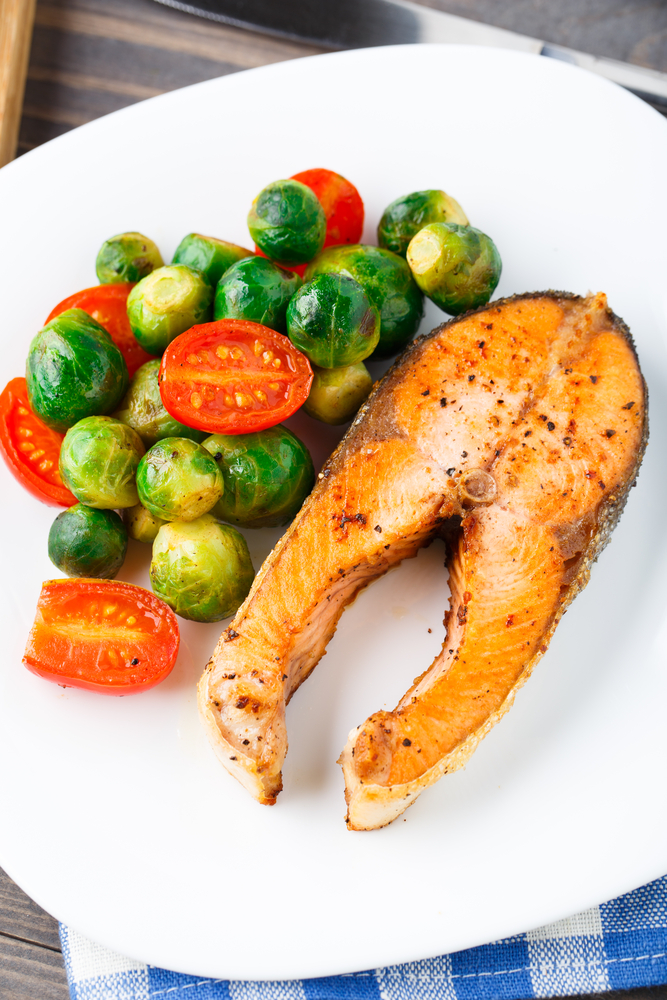
Certified paleo-compliant, plus high omega-3 fatty acids and low-carb
  1.  Record-keeping is often the key to success.
  2.  Accountability is another key to success. Consider documenting your program and progress on a free website such as FitDay, SparkPeople, 3FatChicks, or others. Consider blogging about your adventure on a free platform such as WordPress or Blogger, or try the newer social media sites. Such a public commitment may be just what you need to keep you motivated.
  3.  Do you have a friend or spouse who wants to lose weight? Start the same program at the same time and support each other. That’s built-in accountability.
  4.  If you tend to over-eat, floss and brush your teeth after you’re full. You’ll be less likely to go back for more anytime soon.
  5.  Eat at least two or three meals daily. Skipping meals may lead to uncontrollable overeating later on. On the other hand, ignore the diet gurus who say you must eat every two or three hours. That’s codswallop.
  6.  Eat meals at a leisurely pace, chewing and enjoying each bite thoroughly before swallowing.
  7.  Plan to give yourself a specific reward for every 10 pounds (4.5 kg) of weight lost. You know what you like. Consider a weekend get-away, a trip to the beauty salon, jewelry, an evening at the theater, a professional massage, home entertainment equipment, new clothes, etc.
  8.  Carefully consider when would be a good time to start your new lifestyle. It should be a period of low or usual stress. Bad times would be Thanksgiving day, Christmas/New Years’ holiday, the first day of a Caribbean cruise, and during a divorce.
  9.  If you know you’ve eaten enough at a meal to satisfy your nutritional requirements yet you still feel hungry, drink a large glass of water and wait a while.
  10. Limit television to a maximum of a few hours a day.
  11.  Maintain a consistent eating pattern throughout the week and year.
  12.  Eat breakfast routinely.
  13.  Control emotional eating.
  14.  Weigh frequently: daily during active weight-loss efforts and during the first two months of your maintenance-of-weight-loss phase. After that, cut back to weekly weights if you want. Daily weights will remind you how hard you worked to achieve your goal.
  15.  Be aware that you might regain five or 10 pounds (2-4 kg) of fat now and then. You probably will. Don’t freak out. It’s human nature. You’re not a failure; you’re human. But draw the line and get back on the old weight-loss program for one or two months. Analyze and learn from the episode. Why did it happen? Slipping back into your old ways? Slacking off on exercise? Too many special occasion feasts or cheat days? Allowing junk food or non-essential carbs back into the house?
  16.  Learn which food item is your nemesis—the food that consistently torpedoes your resolve to eat right. For example, mine is anything sweet. Remember an old ad campaign for a potato chip: “Betcha can’t eat just one!”? Well, I can’t eat just one cookie. So I don’t get started. I might eat one if it’s the last one available. Or I satisfy my sweet craving with a diet soda, small piece of dark chocolate, or sugar-free gelatin. Just as a recovering alcoholic can’t drink any alcohol, perhaps you should totally abstain from…? You know your own personal gastronomic Achilles heel. Or heels. Experiment with various strategies for vanquishing your nemesis.
  17.  If you’re not losing excess weight as expected (about a pound or half a kilogram per week), you may benefit from eating just two meals a day. This will often turn on your cellular weight-loss machinery even when total calorie consumption doesn’t seem much less than usual. The two meals to eat would be breakfast and a mid-afternoon meal (call it what you wish). The key is to not eat within six hours of bedtime. Of course, this trick could cause dangerous hypoglycemia if you’re taking drugs with potential to cause low blood sugars, like insulin and sulfonylureas. If you take drugs for diabetes, talk to your dietitian or physician before instituting a semi-radical diet change like this.
  18.  One of the fitness bloggers I used to follow was James Fell. He said, “If you want to lose weight you need to cook. Period.”
  19.  Regular exercise is much more important for prevention of weight regain rather than for actually losing weight.

    Steve Parker, M.D.

Another Dentist Blames Neolithic Diet For Cavities

I found another dentist who believes cavities (dental caries) are a neolithic disease caused by a mismatch between the standard Western diet and human evolutionary biology. Meet Dr. Mark Burhenne:

It is generally well accepted that tooth decay, in the modern sense, is a relatively new phenomena. Until the rise of agriculture roughly 10,000 years ago, there was nearly no tooth decay in the human race. Cavities became endemic in the 17th century but became an epidemic in the middle of the 20th century (1950).

If we understand that tooth decay started when people started farming, rather than hunting and gathering, it’s clear that tooth decay is the result of a mismatch between what we’re eating and what our bodies are expecting us to eat based on how they evolved.

***

The recent changes in our lifestyle create a “mismatch” for the mouth, which evolved under vastly different environments than what our mouths are exposed to these days. Our mouths evolved to be chewing tough meats and fibrous vegetables. Sugar laden fruit was a rare and special treat for our paleolithic ancestors. Now, our diets are filled with heavily processed foods that take hardly any energy to chew — smoothies, coffees, and sodas high in sugar, white bread, and crackers to name just a few.

Read the whole thing.

It’s disconcerting that Dr. Burhenne says Streptococcus mutans (a germ linked to cavities) is the same germ that causes strep throat. That’s not right. Strep throat is usually caused by Streptococcus pyogenes, aka Group A Strep.

Steve Parker, M.D.

Shouldn’t We Be Vegans or Vegetarians?

I ran across some nutrition-advice videos of Dr Michael Greger six months ago and started following him at Twitter.  It soon became clear he favors a vegan or vegetarian diet.  Dr. Harriet Hall at Science-Based Medicine has Dr. Greger in her crosshairs, challenging many of his claims.  Well worth a read.  An excerpt:

Vegans tell us the Inuit, who lived almost exclusively on food of animal origin, had a short life span. That’s not true. Statistics on the Inuit between 1822 and 1836 showed that their average life expectancy was about the same as that of European peasants of the time who ate a diet overwhelmingly based on bread. 25% of Inuit lived past 60, and some lived into their 80s and 90s.

Harvard Physician Recommends More Potassium, Less Sodium

…to prevent cardiovascular disease and stroke. Those mineral trends are natural with the paleo diet, although not mentioned by Dr. Pande.

For detail: http://www.health.harvard.edu/blog/getting-more-potassium-and-less-salt-may-cut-heart-attack-stroke-risk-201304126067