For perhaps 15-20 years, many health experts have recommended you walk 10,000 steps/day as important for maximizing your health and longevity. Depending on your stride length, that’s roughly 5 miles (8 km). When I walk my dogs 4 miles, it takes about 90 minutes, which is a big time commitment. Frankly, it’s often boring. But not for the dogs. So many fascinating odors!
The good news is, you don’t need to walk the 10,000 steps in one fell swoop. Your walking around your residence and workplace throughout the day counts, too.
I admitted a patient to the hospital a few days ago who told me her health insurer sends her a small check monthly if she meets their step goal. She’s saving them money via lower healthcare expenditures, and they’re sharing with her. I love it!
Posted onAugust 15, 2023|Comments Off on Which Way of Eating is Best for Health and Longevity?
If you’re totally sold on the paleo diet, be aware that the scientific article at hand doesn’t even mention it.
Proper diet undoubtedly promotes healthier aging and longevity. But what’s the right diet? A meta-analysis diet studies proposes an answer. Or more accurately, answers, based on diet-related biomarkers linked to disease and aging. Half of the studies were done in Europe, the rest from North America and Asia. The February, 2023, article was published in Nutrients. You can read the entire article online.
“….the main goal of this systematic review was to perceive the quantity and quality of different diets or aspects in nutrition, how they could modulate biomarkers and prevent aging-related diseases, in order to enlighten new intervention strategies. Biomarkers that are linked to aging-associated metabolism, inflammation processes, cognitive decline, and telomere attrition were scrutinized in order to understand how these mechanisms could actually influence healthy aging. Moreover, it could provide information to future health professionals.”
The researchers conclusions:
“In conclusion, this systematic review demonstrated the necessity for individuals to improve their diets, to reduce the emergence and development of several comorbidities and promote healthy aging. Diets rich in vegetables, fruits, nuts, cereals, fibers, fish, unsaturated fats, containing antioxidants, vitamins, potassium, omega-3—and reducing red meat and ultra-processed food intake—could prevent obesity, CVD [cardiovascular disease], and inflammation, and promote favorable glycemic, insulinemic, and lipidemic responses. Moreover, the Mediterranean diet and ketogenic diet, or a combination of these diets (MMKD), and increasing consumption of vegetables and green tea catechins, could improve one‘s working memory and decrease destabilization of the brain network and the attention domain, preventing cognitive decline. Finally, the Mediterranean diet, supplemented with CoQ or virgin olive oil, or a low-fat diet, also rich in antioxidants, could help to decrease the prevalence of atherothrombosis [arterial blood clots], hepatic steatosis, diabetes, and telomere attrition, as well as prevent oxidative and DNA damage. These diets can enhance one‘s quality of life and increase life expectancy. Moreover, a putative panel of molecular markers would follow the impact of diet/nutrition alterations during aging.”
The biomarkers tested included C-reactive protein, telomere length, HOMA-IR (insulin resistance), cholesterols, fibrinogen, platelet activating factor acetylhydrolase in HDLs, glucose, white blood cells, apolipoproteins, adiponectin, leptin, visceral adiposity index, etc.
Diets mentioned in the article include DASH, modified Alternative Healthy Eating Index, Southern European Atlantic (SEAD), Baltic Sea (a Nordic alternative to the Mediterranean diet), Mediterranean, and ketogenic Mediterranean.
This article is pretty dense reading. For science nerds only!
I was gratified to see several mentions of the ketogenic Mediterranean diet. It deserves more attention from the general public.
Steve Parker, M.D.
PS: If you have my Advanced Mediterranean Diet (2nd edition), you already have the Ketogenic Mediterranean Diet. It’s there in addition to the traditional Mediterranean diet.
Last year, more than 10,000 people in Canada – astonishingly that’s over three percent of all deaths there – ended their lives via euthanasia, an increase of a third on the previous year. And it’s likely to keep rising: next year, Canada is set to allow people to die exclusively for mental health reasons.
Only last week, a jaw-dropping story emerged of how, five years into an infuriating battle to obtain a stairlift for her home, Canadian army veteran and Paralympian Christine Gauthier was offered an extraordinary alternative.
A Canadian official told her in 2019 that if her life was so difficult and she so ‘desperate’, the government would help her to kill herself. ‘I have a letter saying that if you’re so desperate, madam, we can offer you MAiD, medical assistance in dying,’ the paraplegic ex-army corporal testified to Canadian MP
God gave me life. It’s up to God, not me, when it’s over. Over 40 years of practicing medicine, I’ve never had a patient ask me to “put them down,” like we would a cherished pet that was suffering during impending death.
The average life expectancy for Americans shortened by over seven months [in 2021], according to new data from the Centers for Disease Control and Prevention.
That decrease follows an already big decline of 1.8 years in 2020. As a result, the expected life span of someone born in the U.S. is now 76.4 years — the shortest it has been in nearly two decades.
But we still have the best healthcare system in the world, right? Not if you judge it by life expectancy. From Health System Tracker:
Life expectancy in the U.S. and peer countries generally increased from 1980-2019, but decreased in most countries in 2020 due to COVID-19. From 2020 to 2021, life expectancy at birth began to rebound in most comparable countries while it continued to decline in the U.S. The CDC estimates life expectancy at birth in the U.S. decreased to 76.1 years in 2021, down 2.7 years from 78.8 years in 2019 and down 0.9 years from 2020. The average life expectancy at birth among comparable countries was 82.4 years in 2021, down 0.2 years from 2019 and up 0.4 years from 2020.
Click the article links for potential explanations.
Steve Parker, M.D.
PS: Healthy diet, exercise, and weight management improve longevity. Let me help.
Posted onDecember 8, 2022|Comments Off on Black Tea Consumption Reduces Risk of Death by 10%
…according to an article at Annals of Internal Medicine. The study was done in a U.K. population over decade of observation. The 10% or more reduction in all-cause mortality was seen at a habitual consumption level of two or more cups of black tea daily. Most prior similar studies I’ve seen focus on green tea.
I have a particular interest in preventing age-related macular degeneration (ARMD) since it runs in my family. It’s the leading cause of vision loss in adults over 50.
Question What were the long-term findings of Age-Related Eye Disease Study 2 (AREDS2) supplements regarding development of lung cancer or progression to late age-related macular degeneration (AMD)?
Findings In this epidemiologic follow-up study of the AREDS2 cohort of 3882 participants and 6351 eyes, 10-year follow-up results showed that development of lung cancer nearly doubled in participants assigned to beta carotene among former smokers but not those assigned to lutein/zeaxanthin. Lutein/zeaxanthin was associated with a reduction in the risk of progression to late AMD when compared with beta carotene.
Meaning These findings suggest that the AREDS2 supplement with lutein/zeaxanthin instead of beta carotene was safe, with no association with developing lung cancer and a potential beneficial association with further reduction in progression to late AMD.
Once you lose vision, you may never get it back.
These are the ones I take. In the U.S., your best price may be at Costco or Sam’s Club.
Nutritional discipline and dietary restriction result in resistance exercise for our cells. Triggered by calorie restriction or physical exercise, our cells end up producing transcription factors that lead to protection against oxidation, inflammation, atherosclerosis, and carcinogenic proliferation. In the long-term, this results in longevity and a decrease in cancer, T2DM [type 2 diabetes], myocardial infarction, and stroke. Since centuries past, studies on humans, rhesus monkeys, and multilevel organisms have demonstrated the benefits of calorie restriction without malnutrition. Periodic fasting and calorie restriction show increases in regeneration markers and decreases in biomarkers for diabetes, CVD [cardiovascular disease], cancer, and aging.
The present review concluded that longevity can be increased through moderation of diet and exercise. Research shows that a concoction of the diverse diets modernly popularized— MED [Mediterranean], DASH, high-protein diets±—tempered by overall calorie restriction through periodic fasting or chronic calorie restriction, will provide protection against CVD, cancer, and aging. Exercise has also been shown to increase longevity in the general population, lower incidence of diabetes and cancer, and produce psychological benefits.
This review of research indicates that incorporating a moderate caloric restriction or fasting regimen could provide substantial benefits at low risk. Cellular exercise through calorie restriction and physical exercise can increase longevity and prevent the greatest killers of human society today—stroke and heart disease.
I have nothing against Prilosec in particular. It can be very helpful. It’s one of several PPIs on the market.
Proton Pump Inhibitor drugs (PPIs) greatly reduce the production of acid in the stomach. They revolutionized and improved the treatment of ulcers in the stomach and duodenum. When I started medical practice in 1981, I saw many patients who had required stomach surgery to treat their ulcers. Remember the good ol’ Billroth procedures? Of course you don’t. The first PPI approved for use in the US. was cimetidine (Tagamet) in 1979.
But wait, you say. “Isn’t there a reason we have stomach acid in the first place?” Good question! Because if we reduce stomach acid, it may cause problems. Regardless of what acid contributes to food digestion, it also kills germs in food and water. Germs that may kill us if ignored. Most of us in the developed world would be horrified to drink untreated water out of a lake, stream, river, or spring. But what do you think Homo sapiens did for most our 200,000 years of our existence?
Omeprazole was made over the counter in 2003 but I don’t think these drugs should ever have been made available without prescription. PPIs are powerful drugs that treat heartburn by reducing gastric acid production. This is accomplished by PPI binding to the hydrogen/potassium ATPase enzyme on gastric parietal cells lining the stomach. PPIs do more than block acid. They are associated with an increased risk of congestive heart failure, kidney disease, long bone fractures, and dementia, vitamin B12 deficiency, reviewed here. Regular use of proton pump inhibitors is associated with increased incidence of type two diabetes, about 24% higher compared to non-users of the drug. Proton pump inhibitors are also linked an with increased risk of small intestinal bacterial overgrowth (which is a clue as to why these drugs can be harmful). They also increase the risk of infection by Clostridiales difficile by about 2x.
Most of these individual observational studies are unable to establish causation, but the preponderance of evidence points to PPIs causing harm.
Dr Alcock also found evidence that PPI users who catch COVID-19 have 1.6x increased risk for severe disease and death.
If you’re prescribed a PPI for chronic use, check with your physician to see if you still need it. Occasional use for heartburn shouldn’t be a problem. For chronic heartburn, consider a low-carb diet and stop nocturnal alcohol consumption.
Naan, a type of flat bread with a high glycemic index
Haven’t we know this for years? From New England Journal of Medicine:
Most data regarding the association between the glycemic index and cardiovascular disease come from high-income Western populations, with little information from non-Western countries with low or middle incomes. To fill this gap, data are needed from a large, geographically diverse population.
METHODS
This analysis includes 137,851 participants between the ages of 35 and 70 years living on five continents, with a median follow-up of 9.5 years. We used country-specific food-frequency questionnaires to determine dietary intake and estimated the glycemic index and glycemic load on the basis of the consumption of seven categories of carbohydrate foods. We calculated hazard ratios using multivariable Cox frailty models. The primary outcome was a composite of a major cardiovascular event (cardiovascular death, nonfatal myocardial infarction, stroke, and heart failure) or death from any cause.
RESULTS
In the study population, 8780 deaths and 8252 major cardiovascular events occurred during the follow-up period. After performing extensive adjustments comparing the lowest and highest glycemic-index quintiles, we found that a diet with a high glycemic index was associated with an increased risk of a major cardiovascular event or death, both among participants with preexisting cardiovascular disease (hazard ratio, 1.51; 95% confidence interval [CI], 1.25 to 1.82) and among those without such disease (hazard ratio, 1.21; 95% CI, 1.11 to 1.34). Among the components of the primary outcome, a high glycemic index was also associated with an increased risk of death from cardiovascular causes. The results with respect to glycemic load were similar to the findings regarding the glycemic index among the participants with cardiovascular disease at baseline, but the association was not significant among those without preexisting cardiovascular disease.
CONCLUSIONS
In this study, a diet with a high glycemic index was associated with an increased risk of cardiovascular disease and death.
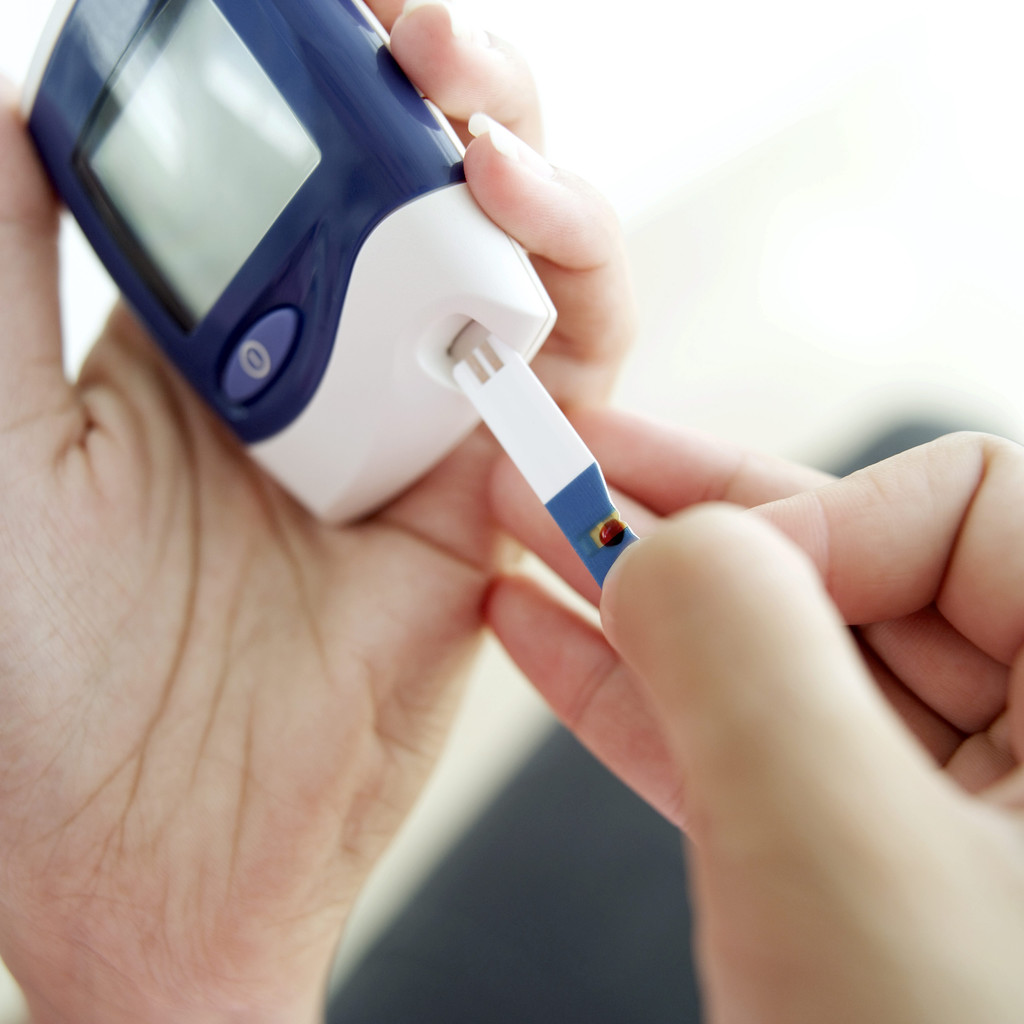
A recent study looked at the health benefits of type 2 diabetes drugs, comparing drugs that can cause hypoglycemia and those that don’t. The very first sentence of the abstract didn’t give me much hope for what followed. That sentence was: “Different guidelines provide similar, but not identical, therapeutic targets for HbA1c in type 2 diabetes. These targets can also depend from the different pharmacological strategies adopted for intensifying glycemic control.” Did you catch the misprint?
This meta-analysis of 13 clinical trials was looking for differences in various health outcomes over the course of at least two years, comparing successful intensive management to standard care or placebo. Successful intensive management was defined as at least a 0.5% (6 mmol/mol) improvement in hemoglobin A1c (HgbA1c) level. “Intensification” of drug therapy is usually applied to a patient who is not at goal HgbA1c level. Undoubtedly, the benefits of intensification will be greater for those at HgbA1c of 10% than for those at 7.5%. BTW, few large clinical trials include patients over 75 years of age.
For my U.S. readers, note that other countries often specify HgbA1c values as mmol/mol instead of %. And blood sugars are not our usual mg/dl, but instead reported as mmol/l. HbA1c of 7% equals 53 mmol/mol, which would indicate and average blood sugar of 154 mg/dl or 8.6 mmol/l. As another example, HbA1c of 6.5% is 48 mmol/mol, reflecting average blood sugar of 140 mg/dl or 7.8 mmol/l. Are you thoroughly confused yet?
In the general population, lowest levels of mortality are seen at HgbA1c’s around 5 to 5.5% (31 to 36.6 mmol/mol). The average healthy non-diabetic adult hemoglobin A1c is 5% (31 mmol/mol) and translates into an average blood sugar of 100 mg/dl (5.56 mmol/l). This will vary a bit from lab to lab. Most healthy non-diabetics would be under 5.7% (38.8 mmol/mol). In December, 2009, the American Diabetes Association established a hemoglobin A1c criterion for the diagnosis of diabetes: 6.5% (47.5 mmol/mol) or higher. Diagnosis of prediabetes involves hemoglobin A1c in the range of 5.7 to 6.4% (38.8 to 46.5 mmol/mol).
Some expert panels recommend aiming for HgbA1c under 7% (53 mmol/mol), others recommend under 6.5% (48 mmol/mol). A major point of debate between the two guideline goals, is that the lower you set the goal, the greater the risk of drug-induced hypoglycemia, which can be lethal. In the early 1980s, the only drugs we had for diabetes were insulin, sulfonylureas, and metformin. Two of those three can can cause hypoglycemia. Now, a majority of our type 2 diabetes drugs don’t cause hypoglycemia.
If you’re at risk for hypoglycemia, teach those you hang with how to recognize and treat it
The Italian researchers did this meta-analysis as part of their effort to produce diabetes drug treatment guidelines for the Italian population. On to the study at hand…
What Did the Researchers Find?
Improved glycemic (blood sugar) control by intensive attention reduced the major cardiovascular event rate by 10% and reduced renal adverse events by 25% but did not affect overall mortality or eye complications.
Intensified therapy with hypoglycemia-inducing drugs did not reduce overall mortality.
Drugs without potential for causing hypoglycemia were linked to lower risk of major cardiovascular events, kidney adverse events, and overall mortality, for HgbA1c under 7% (53 mmol/mol).
In conclusion, the results of this meta-analysis of RCTs show that in people with T2DM the improvement of glycemic control with drugs not inducing hypoglycemia is associated with a reduction in the risk of long-term chronic vascular complications (major adverse cardiac events and renal adverse events) and all-cause mortality, at least for HbA1c levels above 7%. The reduction of HbA1c below that threshold could have some favorable effects, but there is no available direct evidence in this respect. When the reduction of HbA1c is achieved with drugs inducing hypoglycemia, a progressive reduction of complications and an increase in the risk of severe hypoglycemia is observed. Therefore, the choice of the most adequate HbA1c target for each patient with T2DM should be made considering an appropriate risk/benefit ratio.
I think the researchers were particularly glad to find that intensification of drug therapy can reduce risk of heart attack, stroke, kidney complications, and death; all this without the risk of hypoglycemia that comes with drugs like insulin and sulfonylureas. The lack of a mortality benefit from hypoglycemia-inducing drugs may also be important. The benefits of intensive drug therapy (or lack thereof) depend somewhat on the particular complication you’re trying to avoid, and on baseline HgbA1c. Drug therapy is complicated! I expect these researchers would recommend a treatment HgbA1c goal of <7% rather than <6.5%.
Steve Parker, M.D.
PS: Reduce your need for diabetes drugs by losing excess weight, exercising, and eating low-carb.