Do Intestinal Parasites Help Prevent Atherosclerosis?

A trio of Indian researchers suggest a new hypothesis to explain the modern pandemic of atherosclerosis (hardening of the arteries). They repeat the notion that atherosclerosis is uncommon in modern hunter-gatherers. But why?

Reviewing evolution-linked risk factors suggests that there are four aspects to the etiology of atherosclerosis namely, decreased intestinal parasitism, oversensitivity of evolutionarily redundant mast cells, chronic underactivation of AMPK (cellular energy sensor) and a deficiency of vitamin D. A combination of these four causes appear to have precipitated the atherosclerosis pandemic in modern times.

Click for the abstract. Pretty far out stuff. I haven’t read the full article. The authors are in the Departments of Pharmacology and Pharmacy Practice.

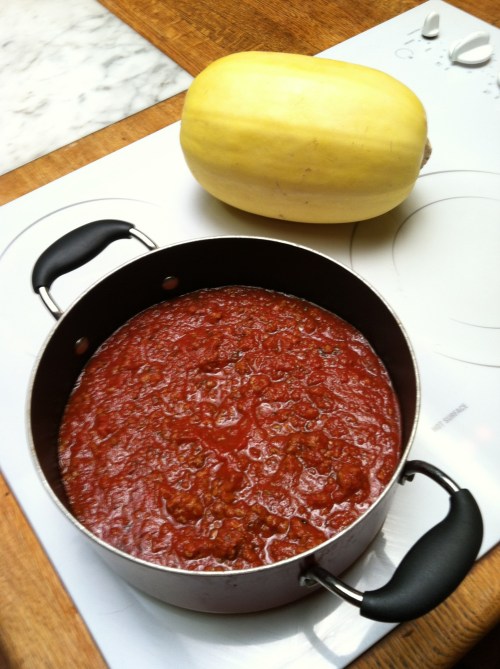
Recipe: Low-Carb Spaghetti Sauce

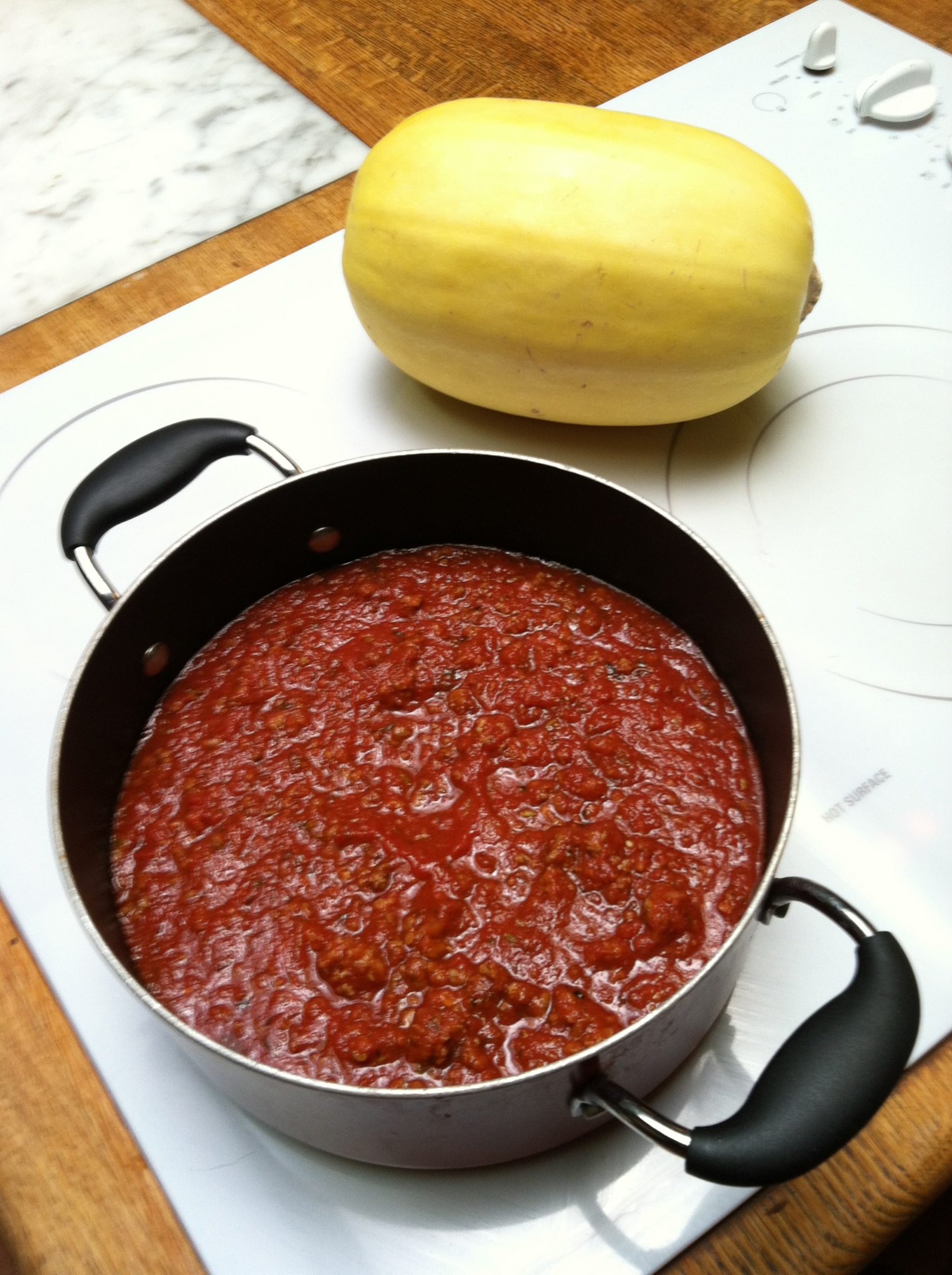
paleobetic diet, low-carb  spaghetti sauce

That’s a spaghetti squash in the background

My wife is Italian so we eat a lot of spaghetti at the Parker Compound.

A definitely non-paleo ingredient below is Truvia, a sweetener that’s a combination of stevia and erythritol. Stevia is supposedly “natural.” I don’t know where erythritol, a sugar alcohol, comes from. The purpose of a sweetener is to counteract the tartness or bitterness of the tomatoes. Honey would probably serve this purpose, but I’ve never tried it in this recipe. If you use the honey or table sugar option below, it will increase the digestible carb count in each cup by three grams. Whatever your favorite non-caloric sweetener, use the equivalent of two tablespoons of table sugar (sucrose).

Ingredients:

1 lb (454 g) sweet Italian sausage, removed from casing

3/4 lb (340 g kg) lean ground beef (lean = up to 10% fat by weight)

1/2 cup (118 ml) onion, minced

2 cloves garlic, crushed

1 can crushed tomatoes (28 oz or 793 g)

2 cans tomato paste (total of 12 oz or 340 g)

2 cans tomato sauce (total of 16 oz or 454 g)

1/2 cup water (118 ml)

2 tsp (10 ml) Truvia (combo of stevia and erythritol; optional substitutes are table sugar  (2 tbsp or 30 ml) or honey (1.5 tbsp or 22 ml), or leave out sweetener

1.5 tsp (7.4 ml) dried basil leaves

1/2 tsp (2.5 ml) fennel seeds

1 tsp (5 ml) Italian seasoning

1/4 tbsp (3.7 ml) salt

1/4 tsp (1.2 ml) ground black pepper

4 tbsp (60 ml) fresh parsley, chopped

Instructions:

Put the sausage, ground beef, onion, and garlic in a pan and cook over medium heat until well browned. Drain off the excess liquid fat if that’s your preference (not mine). You’ll probably have to transfer that mix to a pot, then add all remaining ingredients and simmer on low heat for two or three hours. You may find the flavor even better tomorrow. If it gets too thick, just add water.

To avoid carbohydrate toxicity—high blood sugar—eat this over spaghetti squash rather than pasta. Here’s a post on cooking spaghetti squash. Small or inactive folks may find a half cup of sauce over one cup of cooked squash is a reasonable serving (about 250 calories). I prefer to double those portions, making it a whole meal.

Sometimes I just eat this sauce straight. But I’m weird. A cup of sauce with some veggies or fruit is a meal for me. If you have other uses for spaghetti sauce other than over spaghetti squash or grain products, please share in the Comments.

Number of Servings: 9 (1-cup each)

Nutritional Analysis: (assumes you retained all fat)

55% fat

23% carbohydrate

22% protein

345 calories

21 g carbohydrate

4 g fiber

17 g digestible carbohydrate

985 mg sodium

1,117 mg potassium

Prominent features: Rich in vitamin B12, iron, copper, niacin, sodium, and selenium

QOTD: Cicero on Overeating

“ We cannot employ the mind to advantage when we are filled with excessive food and drink. ”

Cicero

Was It the Paleo Diet or Acorns or ? That Rotted These Teeth?

“Basically, nearly everybody in the population had caries,” or tooth decay, says Louise Humphrey, a paleo-anthropologist with the Natural History Museum in London.

Humphrey says 94 percent of the more than 50 people from the cave she studied had serious tooth decay. “I was quite surprised by that,” says Humphrey. “I haven’t seen that extent of caries in other ancient populations.”

Certainly, life was brutal and short for Stone Age folks, what with saber tooth cats, parasites, and not an aspirin to be found anywhere. But at least the paleo diet — meat, tubers, berries, maybe some primitive vegetables and very few carbs— was supposed to be good for the teeth. Carbohydrates can turn sugary in your mouth, then bacteria turn that into enamel-eating acid.

But apparently, these ancient people had a thing for acorns.

“Acorns,” says Humphrey, “are high in carbohydrates. They also have quite a sticky texture. So they would have adhered easily to the teeth.”

Read the whole thing.

Click to see the study abstract.

h/t Melissa McEwen

David Mendosa On Low-Carb High-Fat Diets for Type 2 Diabetes

David Mendosa suggests that all type 2 diabetics can manage their illness without drugs. I’m not quite that optimistic, but probably a majority can, if they have the knowledge, discipline, and willpower. I haven’t looked in depth at David’s diet recently so I don’t know if it’s paleo or not; it’s more likely LCHF (low-carb, high-fat). Here are some snippets from David’s blog:

You can use drugs to bring your A1C level down to normal. That’s a good thing. But this strategy does have its costs, and those costs aren’t just money out of your pocket or your checkbook. The worst of those costs are the potential side effects of the drugs.

***

But some of us think we have a safer strategy of managing our diabetes without drugs. Back in 2007 I joined this group with the encouragement of a good friend of mine who is a Certified Diabetes Educator. Before that, I had 14 years of experience taking a wide range of diabetes drugs, including two different sulfonylureas (Diabeta and Amaryl), Glucophage (metformin), and Byetta. For the past six years I haven’t taking any diabetes drugs, and yet I keep my diabetes in control with an A1C level usually about 5.4.

I had to make three big changes in my life when I went off the diabetes drugs, and they are hard at first. But now they are a routine part of my life, and I would never go back to my old ways. The changes that I had to make are those that almost everyone who has diabetes has to make. In order of importance, I had (1) to lose weight, (2) eat fewer carbohydrates, and (3) exercise more.

Read the whole enchilada. It’s brief.

Steve Parker, M.D.

QOTD: Charles Darwin on God

“Another source of conviction in the existence of God, connected with the reason and not with the feelings, impresses me as having much more weight. This follows from the extreme difficulty or rather impossibility of conceiving this immense and wonderful universe, including man with his capacity of looking far backwards and far into futurity, as the result of blind chance or necessity. When thus reflecting I feel compelled to look to a First Cause having an intelligent mind in some degree analogous to that of man; and I deserve to be called a Theist.”
–Charles Darwin, the founder of evolutionary biology, as quoted in his autobiography.

American Diabetes Association Sets New Criteria for Diagnosis of Gestational Diabetes

Gestational diabetes occurs in 5% of pregnancies in the U.S., affecting more than 240,000 births annually.

All pregnancies are characterized by some degree of insulin resistance and high insulin levels: they are necessary for the baby.  Nevertheless, healthy pregnant women run blood sugars 20% lower than when they are not pregnant.

Most women should undergo a screening test for gestational diabetes around the 24th to 28th week of pregnancy.  Screen earlier if undiagnosed type 2 diabetes is suspected or if risk factors for diabetes are present.  The American Diabetes Association (2014 guidelines) recommends either one of two screening tests.

  • “One-step test.” It’s a morning oral glucose tolerance test after at least eight hours of fasting. Fasting blood sugar is tested then he woman drinks 75 grams oral of glucose.  Blood sugar is tested again one and two hours later.  This blood sample is obtained by a needle in a vein, not by finger prick.  Gestational diabetes is diagnosed if any of the following apply: 1) fasting glucose is 92 mg/dl (5.1 mmol/l) or higher, 2) 0ne-hour level is 180 mg/dl (10.0 mmol/l) or higher, or 3) two-hour level is 153 mg/dl (8.5 mmol/l) or higher.
  • “Two-step test.” This is a nonfasting test with only one needle-stick. The woman drinks 50 grams of glucose; plasma glucose is tested one hour later. But if it’s over 140 mg/dl (10.0 mmol/l), that’s a flunk and a three-hour 100-gram oral glucose tolerance test in the fasting state must be done (step two). Gestational diabetes is present if the three-hour glucose is 140 mg/dl (7.8 mmol/l) or higher. Other experts say the diagnosis requires two or more of the following:
    • fasting blood sugar > 95 mg/dl (5.3 mmol/l)
    • 1-hour blood sugar > 180 mg/dl (10 mmol/l)
    • 2-hour blood sugar > 155 mg/dl (8.6 mmol/l)
    • 3-hour blood sugar > 140 mg/dl (7.8 mmol/l)

You’ll find that various expert panels have proposed different criteria for the diagnosis. The National Institutes of Health in the U.S. published their consensus statement in 2013.

There’s no need for the screening test if a random blood sugar is over 200 mg/dl (11.1 mmol/l) or a fasting sugar is over 126 mg/dl: those numbers already define diabetes, assuming they are confirmed with a second high reading.  A random blood sugar over 200 mg/dl (11.1 mmol/l) should probably be repeated for confirmation.  Gestational diabetes can be diagnosed at the first prenatal visit if fasting blood sugar is 92 or over mg/dl (5.1 mmol/l or over) but under 126 mg/dl (7 mmol/l), or if hemoglobin A1c at the first prenatal visit is 6.5% or greater.

Women with diabetes in the first trimester have overt diabetes, not gestational diabetes.

To learn a little about treatment of gestational diabetes, check out this post.

Steve Parker, M.D.

How Does Your Doctor Choose Your Diabetes Drugs?

paleobetic diet, low-carb diet, diabetic diet

How about this one?

We now have 12 classes of drugs for the treatment of diabetes. Choosing which ones to use is not always straightforward.

It’s easy for type 1 diabetes: insulin.

Type 2’s have more options. Metformin is the unanimous #1 pick. After that, it’s murky.

I recently reviewed the American Diabetes Association’s Standards of Medical Care in Diabetes – 2014. A type 2 treatment algorithm therein mentions only six of the 12 available classes. This gives you an idea of expert consensus on which drugs to use. The classes are biquanides (metformin), sulfonylureas, thiazolidinediones, DPP-4 inhibitors, GLP-1 agonists, and insulins. This is one reason you don’t see much use of bromocriptine and colesevelam.

The American Association of Clinical Endocrinologists also have a type 2 diabetes treatment algorithm, published in 2013. It also addresses prediabetes and overweight/obesity. You’ll see some of the other classes mentioned. It’s confusing because of abbreviations.

Believe it or not, most doctors want to do what’s right for our patients. We want positive results that reduce suffering and death. Does Big Pharma influence the production of guidelines and individual physician drug choices? If I had to guess, I’d say yes. But I don’t have the resources to investigate that in any depth. I know without a doubt that if I recommend a drug and the patient has a bad outcome, it helps me win the malpractice lawsuit if I’ve recommended a guideline-approved drug. Other docs know that, and it’s one of many factors that influence drug choice. We also consider cost (if you bring it up), convenience, patient preference, what our local colleagues are doing, what other illnesses the patient has, potential adverse drug effects, etc.

We don’t know the long-term adverse effects of many of these drugs. That’s why I favor doing as much as reasonably possible with lifestyle modification, such as diet and exercise, before stacking up multiple drugs. If you need drugs, and most with diabetes do, lifestyle modification can help you minimize drug use.

Steve Parker, M.D.

Unexpected Caveman Foods

Offal includes tongue, heart, liver, kidney, intestine, pancreas, trotters, and ?

Offal includes tongue, heart, liver, kidney, intestine, pancreas, trotters, and ?

Tom Schuler’s blog has a guest post by archeologist John Williams, Ph.D. entitled “How to eat like a cavemen (the real kind).” Dr. Williams reviews some evidence that our Paleolithic ancestors ate:

  • chyme
  • human flesh
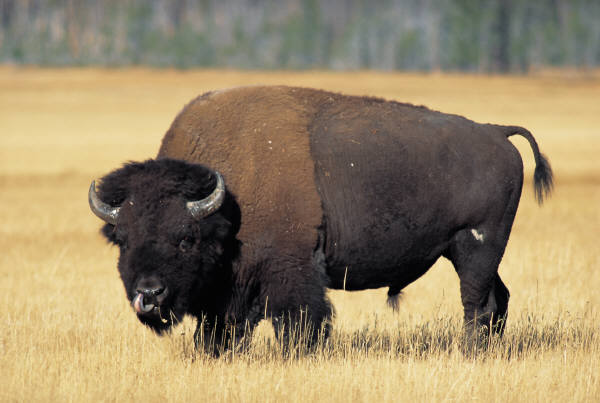
  • blood (e.g., Plains Indians drinking warm buffalo blood)
  • yogurt (e.g., from the stomachs of suckling buffalo calves)
  • milk
  • bone and organ grease
  • alcohol (from fermented fruit)

Read the rest. It’s a funny and quick read.

Image

Merry Christmas!

Nativity Scene