Tag Archives: paleo diet

Paleolithic Diet Improves Metabolic Syndrome

…according to an article at American Journal of Clinical Nutrition.


shutterstock_55636213

“Metabolic syndrome” may be a new term for you. It’s a collection of clinical features that are associated with increased future risk of type 2 diabetes and atherosclerotic complications such as heart attack and stroke. One in six Americans has metabolic syndrome. Diagnosis requires at least three of the following five conditions:

  • high blood pressure (130/85 or higher, or using a high blood pressure medication)
  • low HDL cholesterol: under 40 mg/dl (1.03 mmol/l) in a man, under 50 mg/dl (1.28 mmol/l) in a women (or either sex taking a cholesterol-lowering drug)
  • triglycerides over 150 mg/dl (1.70 mmol/l) (or taking a cholesterol-lowering drug)
  • abdominal fat: waist circumference 40 inches (102 cm) or greater in a man, 35 inches (89 cm) or greater in a woman
    fasting blood glucose over 100 mg/dl (5.55 mmol/l)
  • fasting blood glucose over 100 mg/dl (5.55 mmol/l)

I don’t plan on reading the full text of the report because it’s a meta-analysis and I’ve likely reviewed the four component studies here already. Here are the results:

Four RCTs [randomized controlled trials] that involved 159 participants were included. The 4 control diets were based on distinct national nutrition guidelines but were broadly similar. Paleolithic nutrition resulted in greater short-term improvements than did the control diets (random-effects model) for waist circumference (mean difference: −2.38 cm; 95% CI: −4.73, −0.04 cm), triglycerides (−0.40 mmol/L; 95% CI: −0.76, −0.04 mmol/L), systolic blood pressure (−3.64 mm Hg; 95% CI: −7.36, 0.08 mm Hg), diastolic blood pressure (−2.48 mm Hg; 95% CI: −4.98, 0.02 mm Hg), HDL cholesterol (0.12 mmol/L; 95% CI: −0.03, 0.28 mmol/L), and fasting blood sugar (−0.16 mmol/L; 95% CI: −0.44, 0.11 mmol/L). The quality of the evidence for each of the 5 metabolic components was moderate. The home-delivery (n = 1) and dietary recommendation (n = 3) RCTs showed similar effects with the exception of greater improvements in triglycerides relative to the control with the home delivery. None of the RCTs evaluated an improvement in quality of life.

Ways to improve or cure metabolic syndrome include the paleo diet, Mediterranean diet, low-carb diets, ketogenic diets, and exercise. Losing excess fat weight with any reasonable diet would probably work. Enhance effectiveness with exercise.

Steve Parker, M.D.

Reference:Eric W Manheimer,  Esther J van Zuuren, Zbys Fedorowicz, and Hanno Pijl. Paleolithic nutrition for metabolic syndrome: systematic review and meta-analysis. AJCN. First published August 12, 2015, doi: 10.3945/​ajcn.115.113613

An Argument for Copious Carbohydrate Content In the Paleo Diet

Salivary amylase helps us digest starches like wheat

Salivary amylase helps us digest starches like wheat

A recent scientific paper proposes that carbohydrates—starches specifically—played a larger role in the ancestral human diet than previously thought. I’ll call this paper the Hardy study since she’s the first named author. The only author I recognize is Jennie Brand-Miller, of glycemic index fame.

A key part of the hypothesis is that our ancestors’ use of fire made starchy foods much more digestible. That’s not controversial. Wrangham thinks hominins have been using fire for cooking for over a million years. Humans, remember, arrived on the scene about 200,000 years ago.

I’m not saying I agree or disagree with the researchers. Read the paper and decide for yourself. I do feel somewhat vindicated in my inclusion of potatoes and other tubers in my version of the Paleolithic diet.

RTWT.

Steve Parker, M.D.

PS: The article references the Pleistocene Epoch. You’ll find various definitions of that, but the Pleistocene ranged from about 1.8 million to 11,000 years ago .

A New Cookbook: Does “Primal” Now Always Refer to Mark Sisson’s Version of the Paleo Diet?

Carolyn at All Day I Dream About Food brought my attention to a new cookbook called The Primal Low-Carb Kitchen, by Kyndra Holley.

The book’s detail page at Amazon.com doesn’t define “primal.”

When I see the word “primal,” I think of Mark Sisson’s version of the paleo diet. I’m no expert on Mark’s diet, but off the top of my head I know it includes dairy products. Also, one of the Amazon reviews of The Primal Low-Carb Kitchen mentions use of green beans, a staple in low-carb diets but not considered “paleo” by many because they’re legumes. So a paleo purist will find some recipes they won’t use.

You can’t please everybody. A reviewer of my Paleobetic Diet (barebones version) didn’t like it because she was expecting a raw-foods diet and also didn’t appreciate my allowance of canned tuna. (BTW, if you want that barebones version, you might grab it now because I’m thinking about killing it.)

Anyway…

I bring this to your attention mainly for the book’s inclusion of basic nutritional analysis like carb counts and calories. That’s important if you have diabetes, prediabetes, or are overweight. I wish more paleo diet cookbooks provided the same info.

If I’m wrong about Kyndra’s book being paleo-friendly, let me know.

Steve Parker, M.D.

What Did Corn, Watermelon, and Peaches Look Like Thousands of Years Ago?

The answer is at an article at Vox. In brief, they didn’t look like anything you’d recognize today, thanks to selective breeding. That’s also why most of us today  can’t eat a true Paleolithic diet. Regarding corn:

As maize became domesticated in Mesoamerica, it was radically altered through selective breeding. Early farmers would examine their plants and save the seeds of those that were larger or tastier, or whose kernels were easier to grind. By 4000 BC, cobs were already an inch long. Within just a few thousand years, cobs had grown to many times that size. Later on, plant hybridization became an important breeding method to further cultivate certain traits.

Click through for well-done infographics.


Theoretical Support for the Healthfulness of the Paleo Diet

See modern man walking off that cliff?

See modern man walking off that cliff?

Aren’t people healthier now, thanks to the Agricultural and Industrial Revolutions?

As a marker for health, we can look at life span and longevity. Humans started to see dramatic increases in longevity probably around 30,000 years ago, before the revolutions. Nevertheless, Kuipers, Joordens, and Muskiet note that average life expectancy after the start of the Agricultural Revolution 10,000 years ago fell from about 40 to around 20 years.

Other researchers report that average height in the Nile River Valley at the time of the transition fell by 4 inches (10 cm). The Agricultural Revolution allowed for rapid expansion of human populations through more births, but those folks still didn’t live very long. As before the revolution, infections and high infant/child mortality rates were devastating killers, dragging down average life spans. If you survived childhood, you had a shot at hitting 50 or 60.

At the dawn of the Industrial Revolution, life expectancy at birth was only 35–40 years, even in then-sophisticated cultures like Switzerland. Consider Thomas Jefferson, the principal author of the U.S. Declaration of Independence and the third U.S. president, who lived between 1743 and 1826 (he died on July 4, Independence Day). He and his wife Martha had six children; only two survived to adulthood, and only one past the age of 25. Martha died at age 33. This mortality picture was typical for the times.

Since 1800, life expectancy has doubled in industrialized countries, but it’s mostly due to public health measures and economic prosperity. Other than smallpox vaccination, it wasn’t until the mid-20th century that medical care advances contributed in a major way to longevity.

Overview: Conflict Between Our Paleolithic Genes and Modern Life

A number of diseases or conditions may result from the mismatch of our Paleolithic genes and modern lifestyle. If not caused by the mismatch, they’re aggravated by it. These are the so-called “diseases of civilization”:

  • type 2 diabetes
  • high blood pressure
  • overweigh and obesity
  • dental caries (tooth decay or cavities)
  • osteoporosis
  • fertility problems (polycystic ovary syndrome)
  • pregnancy complications (pre-eclampsia, gestational diabetes)
  • some cancers (colon, breast, prostate)
  • heart disease (such as coronary artery disease)
  • major and postpartum depression
  • autism
  • schizophrenia
  • some neurodegenerative diseases (Parkinsons disease, Alzheimer’s disease)
  • constipation
  • hemorrhoids
  • diverticulosis
"I ate well over 70 grams of fiber daily!"

“I ate well over 70 grams of fiber daily!”

Overweight and Obesity

The Paleolithic diet is lower in total carbohydrate calories compared to the standard American diet: 30-35% versus 50-55% of calories. The higher consumption today, especially of highly processed refined carbohydrates, contributes to overweight and obesity, diabetes, gallbladder disease, heart disease, and possibly dementia. Ian Spreadbury hypothesizes that carbohydrate density of modern foods may be the cause of obesity. Refined sugars and grains—types of acellular carbohydrates—are particularly bad offenders. These acellular carbs may alter our gut microorganisms, leading to systemic inflammation and leptin resistance, etc. Our Paleolithic ancestors had little access to acellular carbohydrates. Here’s how Spreadbury explains acellular: “Tubers, fruits, or functional plant parts such as leaves and stems store their carbohydrates in organelles as part of fiber-walled living cells. These are thought to remain largely intact during cooking, which instead mostly breaks cell-to-cell adhesion. This cellular storage appears to mandate a maximum density of around 23% non-fibrous carbohydrate by mass, the bulk of the cellular weight being made up of water. The acellular carbohydrates of flour, sugar, and processed plant-starch products are considerably more dense. Grains themselves are also highly dense, dry stores of starch designed for rapid macroscopic enzymic mobilization during germination. Whereas foods with living cells will have their low carbohydrate density “locked in” until their cell walls are breached by digestive processes, the chyme produced after consumption of acellular flour and sugar-based foods is thus suggested to have a higher carbohydrate concentration than almost anything the microbiota of the upper GI tract from mouth to small bowel would have encountered during our coevolution.” (Reference: “Comparison with ancestral diets suggests dense acellular carbohydrates promote an inflammatory microbiota, and may be the primary dietary cause of leptin resistance and obesity,” in Diabetes, Metabolic Syndrome, and Obesity: Targets and Therapy. 2012; vol 5: 175–189. doi: 10.2147/DMSO.S33473 http://www.ncbi.nlm.nih.gov/pmc/articles/PMC3402009/)

Added sugar provides 17 % of total energy in modern societies, contributing to overweight, obesity, tooth decay, and diabetes. Modern diets provide 15–20% of calories from protein, compared to 25–30% in the Paleolithic diet. To the extent that high protein consumption is satiating, lower consumption may cause over-eating of carbohydrates and fats, then overweight and obesity and all their associated medical conditions.

Heart Disease

I written elsewhere on the blog that the much lower omega-6 to omega-3 fatty acid ratio in the Paleolithic diet. There’s some evidence that today’s high ratio may contribute to systemic inflammation and chronic disease, heart disease in particular. Today’s ratio is quite high due to our consumption of industrial seed oils, such as those derived from soybeans, peanuts, corn, and safflower. And we don’t eat enough cold-water fatty fish, which are major sources of omega-3 fatty acids. Two long-chain polyunsaturated fatty acids, EPA and DHA, are essential fatty acids. That means our bodies cannot make them. We have to get them from diet. DHA and EPA are also cardioprotective omega-3 fatty acids.

High Blood Pressure

Most modern diets have much more sodium and much less potassium than the Paleolithic diet, perhaps contributing to high blood pressure, which in turn contributes to heart attacks, strokes, and possibly premature death. The higher magnesium content of the paleo diet may also help prevent high blood pressure.

Gastrointestinal Problems

We eat much less fiber these days, contributing to constipation, hemorrhoids, and diverticulosis. Some experts believe low fiber consumption adversely effects development of palate bones, jaws, and tooth placement.

Osteoporosis

Our lower vitamin D levels these days may cause osteoporosis (thin fragile bones) and raise the risk of diabetes and cancer. Our prehistoric ancestors spent more time in the sun, allowing their bodies to make vitamin D.

Type 2 Diabetes

Robert Lustig and associates looked at sugar consumption and diabetes rates in 175 countries and found a strong link between sugar and type 2 diabetes. It’s not proof of causation, just suggestive. From the scientific article abstract: “Duration and degree of sugar exposure correlated significantly with diabetes prevalence in a dose-dependent manner, while declines in sugar exposure correlated with significant subsequent declines in diabetes rates independently of other socioeconomic, dietary and obesity prevalence changes. Differences in sugar availability statistically explain variations in diabetes prevalence rates at a population level that are not explained by physical activity, overweight or obesity.” (Reference: Basu S, Yoffe P, Hills N, Lustig RH (2013) The Relationship of Sugar to Population-Level Diabetes Prevalence: An Econometric Analysis of Repeated Cross-Sectional Data. PLoS ONE 8(2): e57873. doi:10.1371/journal.pone.0057873)

A major diet change from Stone Age to modern diets is a reduction in magnesium consumption. This could be one reason type 2 diabetes is a problem today. A 2013 article at Diabetes Care suggests that higher magnesium consumption in modern populations may protect against type 2 diabetes (Reference: http://care.diabetesjournals.org/content/early/2013/09/23/dc13-1397.abstract.html?papetoc).

Dental Problems

Dentist John Sorrentino wrote at his blog in 2012: “The truth is that tooth decay is a relatively new phenomenon. Until the rise of agriculture roughly 10,000 years ago, THERE WAS NO TOOTH DECAY IN HUMANS. Let that sink in for a moment. Humanity is 2,500,000 years old. For the first 2,490,000 years no one ever had a cavity. If we understand that tooth decay started when people started farming instead of hunting and gathering for a living clearly you realize that tooth decay is a disease or mismatch between what you are eating and what your body expects you to eat. If we examine the past as prologue it becomes clear that the path to proper health starts in the mouth and the answers are so simple that not only did a Cave Man do it. They perfected it.” (Reference: http://www.sorrentinodental.com/blog.html?entry=why-teeth-decay-i)

To be fair and balanced, a research report from 2014 found a very high incidence of caries (cavities) in a Stone Age population living in what is now Morocco. The authors attributed the cavities to heavy consumption of acorns, which are rich in carbohydrates and sticky, to boot.

Orthodontist Mike Mew, BDS, MSc, made a presentation at the 2012 Ancestral Health Symposium titled “Craniofacial Dystrophy—Modern Melting Faces.” Dr. Mew says 30% of folks in Western populations have crooked teeth and/or malocclusion, and the mainstream orthodontic community doesn’t know why. But they’ve got expensive treatment for it! Dr. Mew thinks he knows the cause and he shared it at the symposium. The simple cure is “Teeth together. Lips together. Tongue on the roof of your mouth.” And eat hard food that requires lots of chewing, like our ancestors did, ideally in childhood before age 9. Older people also benefit, he says.

NPR (National Public Radio) in February, 2013, ran an article called “Ancient Choppers Were Healthier Than Ours,” by Audrey Carlsen. An excerpt: “Hunter-gatherers had really good teeth,” says Alan Cooper, director of the Australian Centre for Ancient DNA. “[But] as soon as you get to farming populations, you see this massive change. Huge amounts of gum disease. And cavities start cropping up.” And thousands of years later, we’re still waging, and often losing, our war against oral disease. Our changing diets are largely to blame. In a study published in the Nature Genetics, Cooper and his research team looked at calcified plaque on ancient teeth from 34 prehistoric human skeletons. What they found was that as our diets changed over time — shifting from meat, vegetables and nuts to carbohydrates and sugar — so too did the composition of bacteria in our mouths. Not all oral bacteria are bad. In fact, many of these microbes help us by protecting against more dangerous pathogens. (Reference: http://www.npr.org/blogs/health/2013/02/24/172688806/ancient-chompers-were-healthier-than-ours)

Dentist Mark Burhenne wrote the following at Huffington Post – Canada: “It is generally well accepted that tooth decay, in the modern sense, is a relatively new phenomena. Until the rise of agriculture roughly 10,000 years ago, there was nearly no tooth decay in the human race. Cavities became endemic in the 17th century but became an epidemic in the middle of the 20th century (1950). If we understand that tooth decay started when people started farming, rather than hunting and gathering, it’s clear that tooth decay is the result of a mismatch between what we’re eating and what our bodies are expecting us to eat based on how they evolved….The recent changes in our lifestyle create a “mismatch” for the mouth, which evolved under vastly different environments than what our mouths are exposed to these days. Our mouths evolved to be chewing tough meats and fibrous vegetables. Sugar laden fruit was a rare and special treat for our paleolithic ancestors. Now, our diets are filled with heavily processed foods that take hardly any energy to chew — smoothies, coffees, and sodas high in sugar, white bread, and crackers to name just a few.” (Reference: http://www.huffingtonpost.ca/mark-burhenne/paleo-diet-oral-health_b_4041350.html)

Shrinking Brains

Since the end of the Stone Age, human brain size has been shrinking. That’s not good, is it? Anthropologist John Hawks has noted that over the past 20,000 years, the average volume of the human male brain has decreased from 1,500 cubic centimeters to 1,350 cc, losing a chunk the size of a lemon. The female brain has shrunk proportionately. Anthropologists don’t know why. Is it modern nutrition? The experts aren’t sure what it means for our future. As for me, I think the answer is in Mike Judge’s movie, “Idiocracy.”
His brain was bigger than yours

His brain was bigger than yours

Death By Sugar

Sugar-sweetened beverages kill almost 200,000 worldwide annually, according to a Gitanjali Singh, Ph.D., a postdoctoral research fellow at the Harvard School of Public Health. How could that be? Sugar-sweetened beverages contribute to obesity, which in turn leads to diabetes, cardiovascular disease, and some cancers. (Reference: Singh, GM, et al “Mortality due to sugar-sweetened beverage consumption: A global, regional, and national comparative risk assessment,” American Heart Association Epidemiology and Prevention/Nutrition, Physical Activity and Metabolism 2013 Scientific Sessions, Abstract EPI-13-A-879-AHA.) Reducing consumption of sugar-sweetened beverages was one of the major points in the American Heart Association’s 2010 guidelines for reducing heart disease.

Elderly Cognitive Impairment

Diets high in sugar and other carbohydrates raise the risk of elderly cognitive impairment, according to recent research by the Mayo Clinic. Mild cognitive impairment is often a precursor to incurable dementia. (Most authorities think dementia develops more often in people with diabetes, although some studies refute the linkage.) Researchers followed 940 patients with normal baseline cognitive functioning over the course of four years. Diet was assessed via questionnaire. Study participants were ages 70 to 89. As the years passed, 200 of them developed mild cognitive impairment. Compared with those eating the lowest amount of sugar, those eating the most sugar were 1.5 times more likely to develop cognitive impairment. Looking at total carbohydrate consumption, those eating at the highest levels of carbohydrate consumption were almost twice as likely to develop mild cognitive impairment. The scientists note that those eating lower on the carbohydrate continuum were eating more fats and proteins. (Reference: Mayo Clinic website, published October 16, 2012 http://www.mayoclinic.org/news2012-rst/7128.html)

Is a Paleolithic-Style Diet the Healthiest Way to Eat?

Certified paleo-compliant, plus high omega-3 fatty acids

Certified paleo-compliant, plus high omega-3 fatty acids

The jury’s still out on that one! My strong sense is that it’s definitely more healthful than the Standard American Diet. Maybe the traditional Mediterranean diet or DASH diet is even healthier. Don’t hold your breath waiting for the randomized controlled trials that would answer the question definitively.

If the paleo diet is the healthiest, which version is best? That’s a question for another day (or year).

The most healthful diet for you depends on your genetic make-up and any medical conditions you have.

Steve Parker, M.D.

What Does the Paleolithic Diet Look Like?

Vegetables not in season

Vegetables not in season

It’s quite difficult to know exactly what early humans ate 100,000 years ago. Scientists use a variety of methods to investigate, including analysis of patterns of wear on teeth, searches of prehistoric dwellings, and analysis of carbon isotopes in organic matter.

Some of the best-preserved human prehistoric artifacts are found in caves, which protected them from environmental degradation. That’s why the paleo diet is sometimes called the caveman diet.

We have an inkling of what foods were available in specific climates and regions. We have some ideas about tools our ancestors had available to hunt, gather, and process foods. Perhaps most reliably, we have fairly good data on what modern hunter-gatherer groups eat (for those few still in existence) or ate (for those lately extinct or modernized).

The Paleolithic Versus Typical Modern Western Diet

Today we get most of our calories from grains, sugars, domesticated livestock, and dairy products. On the other hand, our pre-agricultural ancestors ate primarily wild game and naturally occurring plant foods. Their carbohydrates would have come from fruits and vegetables rather than cereal grains, diary products, and refined sugars. They ate no junk food, no industrial seed oils, and very few grains and dairy products. Compared to us, they ate more potassium, fiber, protein, and micronutrients, but less sodium and carbohydrate. They ate relatively more omega-3 fatty acids and less omega-6s. Paleo dieters today aim to consume natural whole foods while minimizing simple sugars and refined starches. The paleo community generally is convinced that grains and legumes are harmful, while others disagree. Dairy products are allowed in some versions of paleo, although purists would vote against. Now let’s dig into the details.

Paleo-compliant

Paleo-compliant

The Eaton and Konner Model

S. Boyd Eaton and Melvin Konner in 2010 looked carefully at the diet of pre-industrial hunter-gatherers and proposed a prototypical ancestral diet. Note that actual diet would vary with climate, latitude, altitude, water availability, etc. Eaton and Konner suggest our ancestral diet looked like this:

  • Carbohydrates: 35-40% of daily energy (calories)
  • Protein: 25-30% of daily energy
  • Fat: 20-35% of daily energy
  • Added sugar: 2% of daily energy
  • Fiber: over 70 g/day
  • EPA and DHA*: 0.7-6 g/day
  • Cholesterol: 500+ mg/day
  • Vitamin C: 500 mg/day
  • Vitamin D: 4,000 IU/day (sunlight)
  • Calcium: 1,000-1,500 mg/day
  • Sodium: under 1,000 mg/day
  • Potassium: 7,000 mg/day

*Eicosapentaenoic acid and docosahexaenoic acid (omega-3 fatty acids)

Their conception of a modern Paleolithic food pyramid is a base of high-fiber vegetables and fruits, the next tier up being meat/fish/low-fat dairy (all lean), then a possible tier for whole grain (admittedly very unusual), with a small peak of oils, fats, and refined carbohydrates. Their inclusion of dairy products and whole grains must be a concession to convenience and the reality that those items can be healthful for modern humans. Eaton and Konner note that hunter-gatherer groups had a high degree of dependence on plant foods, while obtaining 35 to 65% of diet (calories rather than weight, I assume) from animal flesh. They found some modern hunter-gatherer cultures deriving as much as 65% of calories from carbohydrate (mostly plants, then). It’s a mistake to assume that the typical Paleolithic diet is necessarily meat-based, as the popular press so often describes it.

Eaton and Konner make a few other distinctions that are worth mentioning now. Game animals have more mono- and polyunsaturated fatty acids than supermarket meat. The Paleolithic diet’s ratio of omega-6 to omega-3 fatty acids was about 2:1, in contrast to the modern Western ratio of 10:1 or even higher.

I’d like to share a few more tidbits from their 2010 article:

  • The transition from hunting/gathering to farming (about 10,000 year ago) saw a decrease in body size and robustness, plus evidence of nutritional stress.
  • Levels of muscular and aerobic fitness in ancestral groups are much higher than modern societies, with a concomittant higher level of calorie consumption.
  • Average life expectancies in pre-industrial hunter-gatherer (H-G) groups was only 30-35 years, but much of this low number simply reflects high infant and child death rates.
  • H-G deaths overwhelmingly reflect infectious diseases.
  • H-G groups had a high degree of dependence on plant foods.
  • Fish and shellfish are more important food sources than these authors thought 25 years earlier.
  • H-G diets are higher in fat and protein than they once thought. • Nearly all H-G carbs are from vegetables and fruits, which have more favorable glycemic responses (i.e., a lesser rise in blood sugar) than grains and concentrated sugars.
  • Uncultivated or wild fruits and vegetables have much more fiber than commercial ones (13 versus 4 g fiber per 100 g of food).

The Diet-Heart Hypothesis is the idea that dietary total and saturated fat, and cholesterol, cause or contribute to atherosclerosis (hardening of the arteries), leading to heart attacks and strokes. Konner and Eaton still believe (in 2010 at least) the theory is valid for fats, but not cholesterol. The latest evidence, however, is that even total and saturated fat are minimally or unrelated to atherosclerosis. They also believe total fat, due to its caloric load, is an important contributor to obesity and type 2 diabetes. I agree that may be true, especially if you eat a lot of carbohydrates with fat. To further imitate the Paleolithic lifestyle, Eaton and Konner also recommend high activity levels, including resistance exercise, flexibility, and aerobics, burning over 1,000 calories daily exclusive of resting metabolism. (Reference: Konner, Melvin and Eaton, S. Boyd. Paleolithic Nutrition: Twenty-Five Years Later. Nutrition in Clinical Practice, 25 (2010): 594-602. doi: 10.1177/0884533610385702) But let’s not put all our eggs in the Eaton and Konner basket.

That exposed skin makes vitamin D

That exposed skin makes vitamin D

The Kuipers Model

A 2010 scientific article by Kuipers et al suggests that the East African Paleolithic diet derived, on average, 25-29% of calories from protein, 30-39% from fat, and 39-40% from carbohydrate. That qualifies as mildly low-carb, and similar to Eaton and Konner’s macronutrient breakdown. Modern Western percentages for protein, fat, and carb are 15%, 33%, and 50%, respectively. Kuipers et al suggest that the evolution of our large brains in East Africa may have been possible by utilization of aquatic resources such as fish, lobster, crab, shrimp, sea urchins, squid, octopus, and amphibians. Rather than savannah, this was a land-water ecosytem. Diets here would have been rich in the omega-3 fatty acids (EPA and DHA) we find in fish oil. Kuipers believes roots and tubers were also part of the Paleolithic diet. (Reference: Kuipers, R., et al (L. Cordain and S. Eaton are co-authors) (2010). Estimated macronutrient and fatty acid intakes from an East African Paleolithic diet British Journal of Nutrition, 1-22 DOI: 10.1017/S0007114510002679)

The Cordain Model

Loren Cordain and associates in 2000 suggested that Paleolithic diets derived about a third—22 to 40%—of calories from carbohydrate, based on modern hunter-gatherer societies. The lower carb consumption compared to Western diets left more room for moderate to high amounts of protein and fat. Dr. Cordain is a co-author with Eaton and Konner on many paleo diet scientific articles, so they don’t have many differences. (Reference: Cordain, L., et al. Plant-animal subsistance ratios and macronutrient energy estimations in worldwide hunter-gatherer diets. American Journal of Clinical Nutrition, 71 (2000): 682-692.)

Dr. Cordain (Ph.D.) is probably the preeminent scientist who advocates the Paleolithic diet. He’s made a few modifications in his model diet over the years. From his website in 2014, the following are the seven pillars of his conception of the modern paleo diet compared to the typical Western diet. The paleo diet is:

  • higher in protein (25-30% of calories versus 15%)
  • lower in carbohydrates and glycemic index via nonstarchy fresh fruits and vegetables
  • higher in fiber
  • moderate to high fat content, especially monounsaturated fats and polyunsaturated fats (particularly omega-3 fatty acids)
  • higher in potassium and lower in sodium
  • higher dietary alkaline load relative to acid load (vegetables and fruit counteract the acid in meat and fish)
  • higher in many vitamins, minerals, antioxidants and plant phytochemicals

(Reference: http://thepaleodiet.com/the-paleo-diet-premise/)

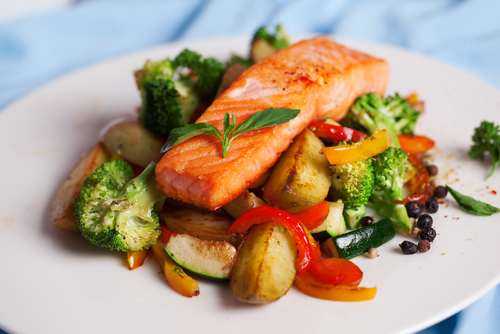
Salmon is a great source of omega-3 fatty acids

Salmon is a great source of omega-3 fatty acids

Carbohydrate Content of the Paleo Diet

Since dietary carbohydrates are major contributors to blood sugar, the carbohydrates in the Paleolithic diet are important. It appears that the average paleo diet derived a little over a third of calories from carbohydrate: that qualifies as low-carb since the average Western diet provides half of calories as carbohydrate. The carbohydrates eaten by Paleolithic man were accompanied by lots of fiber, over four times as much as the average American diet (70+ grams versus 15 grams). The sources of carbohydrate were fruits, vegetables, and roots or tubers, with minimal and seasonal contribution from honey. Fiber is important since high consumption is linked in modern times to lower rates of type 2 diabetes, and fiber also slows and limits the rise in blood sugar after meals. Furthermore, the original Paleolithic carbohydrate sources generally would have been much less calorically dense than modern carbohydrates sources. For instance, one Frosted Strawberry Pop-Tart has the same amount of calories (200) as four cups of fresh strawberry halves, but the Pop-Tart has less than one gram of fiber compared to 12 gm in the raw berries.

We Can’t or Won’t Re-Create a True Paleolithic Diet

Because of our modification of edible plants and animals, it’s impossible for most of us to accurately recreate the diet of our Paleolithic ancestors. The closest you could come would be to live entirely off the land, catching or hunting wild animals and foraging for wild plants. That’s a heck of a lot of work, and wouldn’t sustain more than a tiny fraction of the planet’s current seven billion souls. If we’re going to construct a modern Paleolithic-style diet, now we’ve got some anchoring numbers.

Steve Parker, M.D.

Diet Implications of Human Origins and Migration

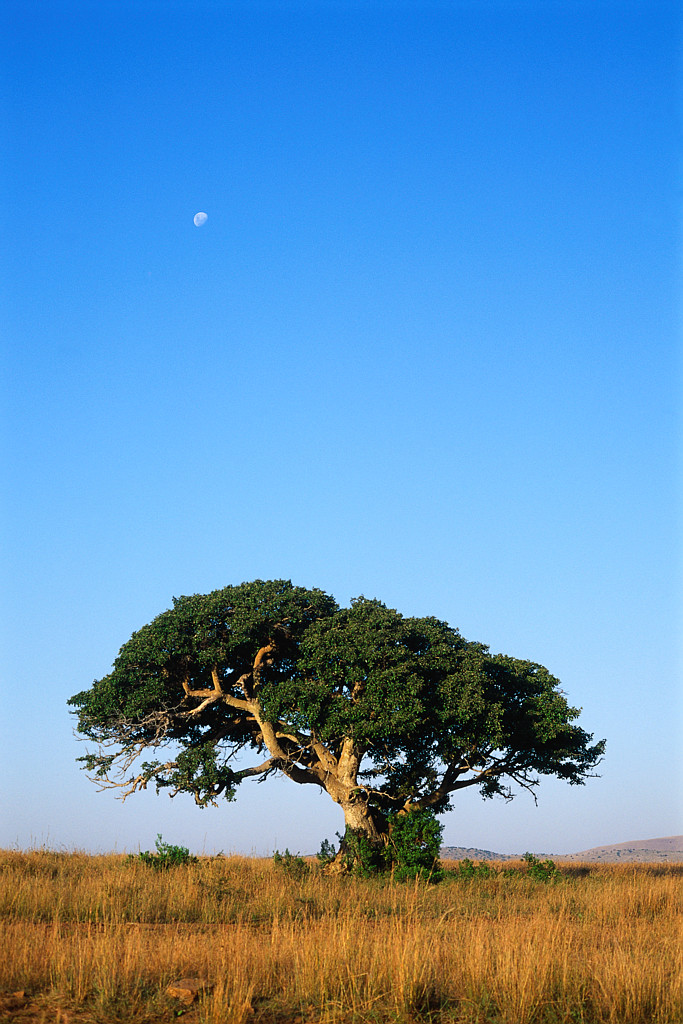
African Savanna

African Savanna

Until 10,000 to 12,000 or so years ago, humans and our hominin ancestors obtained food through a combination of hunting and foraging. We hunted small or large game and birds. At some point we learned how to catch fish and shellfish. We searched for and gathered up fruits, berries, leafy plants, nuts, seeds, mussels, clams, honey, eggs, and roots.

Young woman sitting at camp fire, holding fried sausage


The range of edible items expanded when we harnessed the power of fire for cooking, which was at least 230,000 years ago and may have been as long as a million years ago.Tools and weapons also expanded our possibilities from the very start of the Paleolithic.


Prior to 10,000 years ago, we weren’t farming or raising cattle and dairy cows. Available foods depended on local climatic conditions, soil, and water availability. Climate, in turn, is heavily dependent on latitude (how far away from the equator) and altitude. East Africa at the dawn of humanity is described as savanna: grass-filled plains with scattered patches of forest, and relatively dry. Plants and animals available there would be much different than the colder but wetter Europe 200,000 years ago.

Steve Parker MD, paleo diet, paleobetic

Nubian ibex in Israel


Humans in Northern Europe tended to eat more animal-based food and relatively less plant matter than savanna-dwellers, perhaps just because there were fewer edible plants growing in the cold climate. Many plants would have been highly seasonal, just as they are now.

Tribes of humans walked or migrated to nearby micro-climates as one plant went out of season and another came into season. Tribes followed prey animals as they also migrated in search of seasonal food.

Due to technological limitations, we wouldn’t have been able to utilize some potential food sources that required much processing, such as cereal grains and legumes. Since we weren’t yet pastoralists (raising sheep, cattle, etc.), we would have access to milk only if we killed a nursing prey animal. Have you ever tried to milk a wild water buffalo? Not advisable. Ability to digest milk beyond infancy was marginal. Even today, two-thirds of humans lose the ability to digest milk after infancy.

The experts debate actively debate how long we’ve been consuming significant amounts of cereal grains and roots. Canadian researchers working in Africa suggest we’ve enjoyed them for over 100,000 years (see Mercader, Julio, et al. Mozambican grass seed consumption during the Middle Stone Age. Science, December 18, 2009.)

Steve Parker, M.D.

Time-Saving Tip: Microwave Your Spaghetti Squash

The pale yellow half-squash is cooked. The meaty red sauce is low-carb.

Both of these weighed about 4 pounds (1.8 kg). The pale yellow half-squash is cooked. The meaty red sauce is low-carb.

My wife found this new spaghetti squash cooking method—new to us at least—on a sticker attached to a squash. We tried it and the finished product is the same as if done in the traditional oven baking way. The whole process just takes 15 minutes. Here it is:

Hope you can read it

Hope you can read it

A different squash had a different stuck-on cooking method that involved both microwaving AND oven baking. Why make it so complicated?

It takes no skill at all to make it look like spaghetti pasta

It takes no skill at all to make it look like spaghetti pasta


IMG_2208

In the northern hemisphere, the spaghetti squash season is autumn and winter. Purchasing in spring and summer may be iffy. We tried one out of season and it was inedible. In case you’re eating paleo-style, the following recipes are paleo-diet-compliant.

Spaghetti Squash Recipes

Low-Carb Spaghetti Sauce

photo-77

IMG_1437


Short-Term Paleo Diet Improves Glucose Control in Obese Type 2 Diabetes (the Masharani Study)

UCSF is here

UCSF is here

A three-week Paleolithic-style diet improved blood sugars and lipids in obese type 2 diabetics, according to researchers at the University of California—San Francisco. This is the Lynda Frassetto study I’ve been waiting over a year for. The first named author is U. Masharani, so I’ll refer to this work in the future as the Masharani study. Sorry, Lynda.

To understand the impact of this study, you need to know about a blood test called fructosamine, which reflects blood sugar levels over the preceding 2–3 weeks. You may already be familiar with a blood test called hemoglobin A1c: it tells us about blood sugars over the preceding three months. Blood glucose binds to proteins in our blood in a process called glycation. The higher the blood glucose, the more bonding. Glucose bound to hemoglobin molecules is measured in HgbA1c. Glucose bound to plasma proteins (predominantly albumin) is measured as fructosamine. It probably has nothing to do with fructose. Fructosamine is a generic name for plasma ketoamines.

If you’re doing a diabetic diet study over over 2–3 weeks, as in the report at hand, changes in glucose control will mostly be detected in fructosamine rather than HgbA1c levels.

How Was the Research Done?

Twenty-five obese diabetics in the San Francisco Bay area were randomly assigned to either a paleo-style diet or one based on American Diabetes Association (ADA) guidelines. They followed the diets for three weeks, with various measurements taken before and after intervention.

Participants were aged 50-69; you have to guess the sex breakdown. Average body mass index was 34. Over half (63%) were White/European American; there were three each of Asian, African American, and Hispanic ethnicity. They had normal blood pressures and diabetes was well controlled, with hemoglobin A1c’s around 7% and fructosamine levels close to normal. Four subjects were on no diabetes medications; 14 were taking metformin alone, five were on metformin and a sulfonylurea, one was on long-acting insulin and a sulfonylurea. No drug dosages were changed during the study.

Both intervention diets were designed for weight maintenance, i.e., avoidance of weight loss or gain. If participants lost weight, they were instructed to eat more. All food was prepared and provided for the participants. Three meals and three snacks were provided for daily consumption.

Fourteen subjects completed the paleo diet intervention. They ate lean meats, fruits, vegetables, tree nuts, poultry, eggs, canola oil, mayonnaise, and honey. No added salt. No cereal grains, dairy, legumes, or potatoes. Calorie percentages from protein, fat, and carbohydrate were 18%, 27%, and 58%, respectively. Compared to the ADA diet, the paleo diet was significantly lower in saturated fat, calcium, and sodium (under half as much), while higher in potassium (twice as much). These dieters eased into the full paleo diet over the first week, allowing bodies to adjust to higher fiber and potassium consumption. The paleo diet had about 40 grams of fiber, over twice as much as the ADA diet.

[I wonder why they chose canola over other oils.]

Ten subjects completed the ADA diet, which included moderate salt, low-fat dairy, whole grains, rice, bread, legumes, and pasta. Calorie percentages from protein, fat, and carbohydrate were 20%, 29%, and 54%, respectively (very similar to the paleo diet). I don’t have any additional description for you. I assume it included meat, poultry, eggs, and fruit.

Diet compliance was confirmed via urine measurements of sodium, potassium, pH, and calcium.

What Did the Researchers Find?

Both groups on average lost about 2 kg (4-5 lb).

Compared to their baseline values, the paleo group saw reductions in total cholesterol, HDL cholesterol, LDL cholesterol, HgbA1c (down 0.3% absolute reduction), and fructosamine. Fructosamine fell from 294 to 260 micromole/L. [The normal non-diabetic range for fructosamine is 190-270 micromole/L.]

Compared to their baseline values, the ADA diet group saw reductions in HDL cholesterol and HgbA1c (down 0.2% absolute reduction) but no change in fructosamine, total cholesterol, and LDL cholesterol.

Comparing the groups to each other, the difference in fructosamine change was right on the cusp of statistical significance at p = 0.06.

Within each group, insulin resistance trended down, but didn’t reach statistical significance. However, when they looked at the folks who were the most insulin resistant, only the paleo dieters improved their resistance. By the way, insulin resistance was measure via euglycemic hyperinsulinemic clamp instead of the short-cut HOMA-IR method.

Blood pressures didn’t change.

The authors don’t mention hypoglycemia at all, nor alcohol consumption.

They note that some of the paleo dieters complained about the volume of food they had to eat.

Errata

I found what I think are a couple misprints. Table 1 has incorrect numbers for the amount of sodium and potassium in the ADA diet. See the text for correct values. Table 2 give fructosamine values in mg/dl; they should be micromoles/L.

Final Thoughts

This particular version of the paleo diet indeed seems to have potential to help control diabetes in obese type 2’s, perhaps even better than an ADA diet, and despite the high carb content. Obviously, it’s a very small study and I’d like to see it tested in a larger population for several months, and in type 1 diabetics. But it will be years, if ever, before we see those research results. Diabetics alive today have to decide what they’ll eat tomorrow.

I wish the researchers had explained why they chose their paleo diet macronutrient breakdown: calorie percentages from protein, fat, and carbohydrate were 18%, 27%, and 58%, respectively. Perhaps they were trying to match the ratios of the ADA diet. But from what I’ve read, the average ancestral paleo diet carbohydrate energy percentage is 30-35%, not close to 60%. My experience is that reducing carb calorie consumption to 30% or less helps even more with glucose control. Reducing carbs that low in this study would have necessitated diabetes drug adjustments and increased the risk of hypoglycemia.

The authors wonder if the high fiber content of the paleo diet drove the lowered glucose levels.

High HDL cholesterol is thought to be protective against coronary artery disease and other types of atherosclerosis. Both diet groups here saw reductions in HDL. That’s something to keep an eye on.

The ADA diet group saw a drop in HgbA1c but not fructosamine. I can’t explain how HgbA1c goes down over three weeks without a change in fructosamine level.

You have to wonder if the paleo diet results would have been more impressive if the test subjects at baseline had been sicker, with poorly controlled blood pressures and HgbA1c’s of 9% or higher. And it sounds like some of these folks would have lost weight if not forced to eat more. The paleo diet is more satiating than some.

The article was well-written and a pleasure to read, in contrast to some I’ve suffered through recently.

Steve Parker, M.D.

Reference: Masharani, U., et al. Metabolic and physiologic effects from consuming a hunter-gatherer (Paleolithic)-type diet in type 2 diabetes. European Journal of Clinical Nutrition, advance online April 1, 2015. doi: 10.1038/ejcn.2015.39

More Evidence That Modern Diets Are Bad For Our Teeth

Australian Aborigine in Swamp Darwin

Australian Aborigine in Swamp Darwin

Phys.org has an article on dental changes associated with the transition from hunter-gatherer cultures to less mobile agricultural ones. The transition occured 10,000 to 12,000 years ago at the end of the Paleolithic period. Some quotes:

“Our findings show that the hunter gatherer populations have an almost “perfect harmony” between their lower jaws and teeth,” he explains. “But this harmony begins to fade when you examine the lower jaws and teeth of the earliest farmers”.

*   *   *

The diet of the hunter-gatherer was based on “hard” foods like wild uncooked vegetables and meat, while the staple diet of the sedentary farmer is based on “soft” cooked or processed foods like cereals and legumes. With soft cooked foods there is less of a requirement for chewing which in turn lessens the size of the jaws but without a corresponding reduction in the dimensions of the teeth, there is no adequate space in the jaws and this often results in malocclusion and dental crowding.

You can read the original research report in PLOS One.

Steve Parker, M.D.

h/t Diet Doctor Eenfeldt

This bedrock metate was used by Indians (aka Native Americans) for grinding maize, acorns, and other foods

This bedrock metate was used by Indians (aka Native Americans) for grinding maize, acorns, and other foods. Rainwater fills this 4-inch deep rounded depression in granite about 10 miles from my house.