Is this real or is she AI-generated? How can she be so articulate? I saw little evidence of editing. Was she reading a teleprompter?
I wonder how I would have reacted to this if I were 40, 50, or 60 years old. I’m 71 now, and it made me tear up at the end, and thereafter for many minutes, thinking about my wife, my life, my children, and the time I have left before I shuffle off this mortal coil.
It may be impossible for folks under 40 or 50 to think seriously about these issues.
—–Steve Parker, M.D.
PS: I can help you maximize your lifespan and “healthspan.”
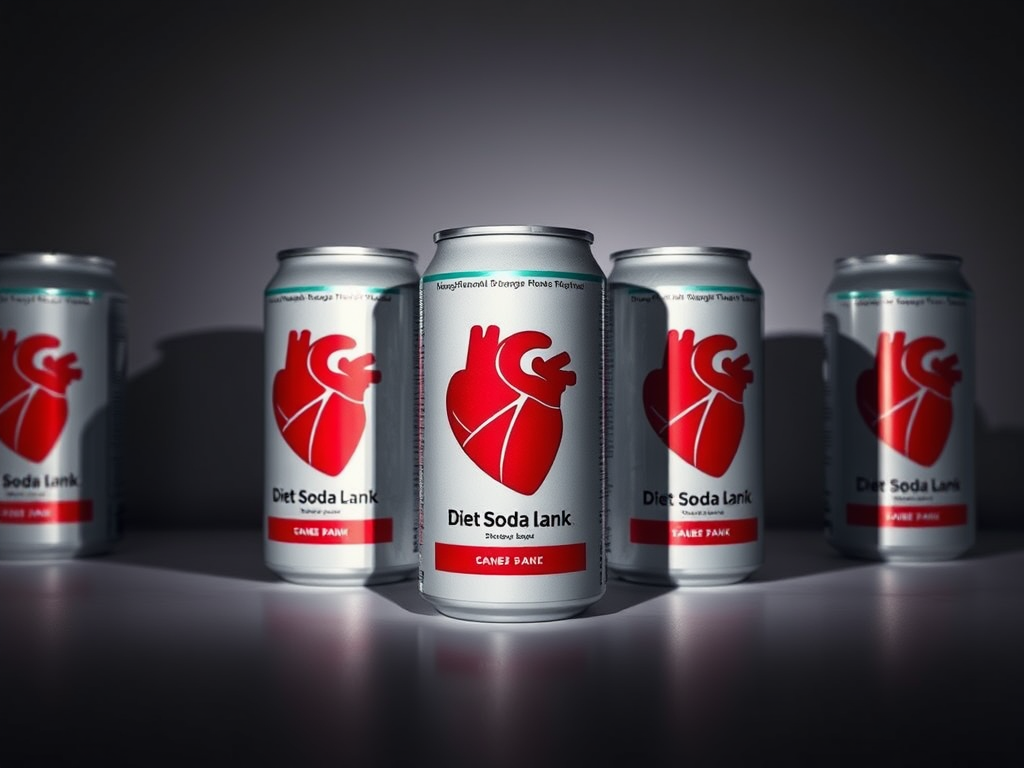
Posted onMay 21, 2025|Comments Off on Study Links Diet Drinks to Increased Death Risk
A July 2024 article in the July 31, 2024, Nutrition Journal suggests that artificially sweetened beverage consumption may cause increase risk of death, particularly from cardiovascular disease. From the abstract:
Our systematic review and meta-analysis demonstrated a higher consumption of artificially sweetened beverages in relation to higher risks of all-cause and cardiovascular mortality, whereas no relationship of artificially sweetened beverages with cancer mortality was observed. Compared with the participants in the lowest category of artificially sweetened beverage intakes, those in the highest category had a 13% higher risk of premature death from any cause, and a 26% higher risk of CVD (cardiovascular disease) mortality. Each one additional serving increase in artificially sweetened beverage consumption was associated with 6% and 7% higher risk for all-cause and CVD mortality, respectively. In a dose-response meta-analysis, we also observed a linear association of artificially sweetened beverage consumption with CVD mortality, with a non-linear positive association of artificially sweetened beverages with all-cause mortality. Despite this, substitution of sugary sweetened beverages with artificially sweetened beverages was associated with a lower risk of all-cause and CVD mortality. Various sensitivity analyses and subgroups analyses demonstrated the robustness of the pooled associations. Per NutriGrade, quality of the overall evidence was scored moderate for CVD mortality and all-cause mortality.
…a higher intake of ultra-processed foods was associated with slightly higher all cause mortality, driven by causes other than cancer and cardiovascular diseases. The associations varied across subgroups of ultra-processed foods, with meat/poultry/seafood based ready-to-eat products showing particularly strong associations with mortality.
You can read the study for yourself free online. Did Big Food (e.g., Archer Daniels Midland, Con-Agra, Monsanto) exert any pressure on the researchers. I dunno.
From the Intro:
Ultra-processed foods are ready-to-eat/heat industrial formulations made mostly or entirely from substances derived from foods, including flavors, colors, texturizers, and other additives, with little if any intact whole food.1Ultra-processed foods, which are typically of low nutritional quality and high energy density, have been dominating the food supply of high income countries, and their consumption is markedly increasing in middle income countries.2 Ultra-processed food consumption accounts for 57% of daily energy intake among adults and 67% among youths in the US according to the National Health and Nutrition Examination Survey (NHANES).34
Ultra-processed foods usually disproportionately contribute added sugars, sodium, saturated fats and trans fats, and refined carbohydrates to the diet together with low fiber.56 As well as having low nutritional quality, ultra-processed foods may contain harmful substances, such as additives and contaminants formed during the processing.
Neurologist Steven Novella wrote a brief post about this study over at Science-Based Medicine. You may also find the comment section there enlightening.
Posted onSeptember 2, 2024|Comments Off on Korean Secrets to Staying Slender
…..South Korean, specifically. Korea has one of the lowest overweight/obesity rates among OECD countries: 33.7%. Life expectancy at birth is 83.4 years, compared to 80.9 in the U.S., 82.2 in UK, 82 in Ireland, and 72.3 in Russia. Anna Lee in the video below postulates why the Korean numbers look so good. She makes a lot of sense. Kpop idols are under high pressure to be more slender than average.
PFAS stands for per- and polyfluoroalkyl substances. These man-made and long-lasting chemicals are implicated in causation of cancer, immunity impairment, infertility, impaired kidney function, thyroid disease, and low birth weight.
Thrice in the last six months I’ve heard that compared to the European Union, U.S. regulators allow many more added chemicals in food. That sounds like a deep and circuitous rabbit hole that I’m not ready to explore. Please mention in the comments an authoritative book or website on the subject.
I’ve been trying to grow food here in the Sonoran Desert for the last three years. I’m about ready to give up. My primary pests have been mealy bugs, caterpillars, mice, pack rats, and squirrels.
Oh, well. I guess it won’t matter when nuclear WWW3 kicks off.
Posted onJune 17, 2024|Comments Off on Does the Ketogenic Diet Cause or Prevent Cardiovascular Disease?
Caveman Grock confusing rectal pressure with blood pressure
In July, 2023, the journal Nutrients published a review of literature on the effect of ketogenic diets on cardiovascular disease. The abstract mentions potentially beneficial changes blood lipids, inflammation, blood pressure, etc., without going where the rubber meets the road: the effect on mortality and incidence of cardiovascular events in live humans. Click the link to see the entire article.
The Abstract:
“The most common and increasing causes of death worldwide are cardiovascular diseases (CVD). Taking into account the fact that diet is a key factor, it is worth exploring this aspect of CVD prevention and therapy. The aim of this article is to assess the potential of the ketogenic diet in the prevention and treatment of CVD. The article is a comprehensive, meticulous analysis of the literature in this area, taking into account the most recent studies currently available. The ketogenic diet has been shown to have a multifaceted effect on the prevention and treatment of CVD. Among other aspects, it has a beneficial effect on the blood lipid profile, even compared to other diets. It shows strong anti-inflammatory and cardioprotective potential, which is due, among other factors, to the anti-inflammatory properties of the state of ketosis, the elimination of simple sugars, the restriction of total carbohydrates and the supply of omega-3 fatty acids. In addition, ketone bodies provide “rescue fuel” for the diseased heart by affecting its metabolism. They also have a beneficial effect on the function of the vascular endothelium, including improving its function and inhibiting premature ageing. The ketogenic diet has a beneficial effect on blood pressure and other CVD risk factors through, among other aspects, weight loss. The evidence cited is often superior to that for standard diets, making it likely that the ketogenic diet shows advantages over other dietary models in the prevention and treatment of cardiovascular diseases. There is a legitimate need for further research in this area.”
Posted onMarch 2, 2024|Comments Off on Paleolithic Diet Linked to Lower Risk of Death, Tumor, Cardiovascular, Respiratory, Neurological, and Digestive Disease
The study at hand was done on a Swedish population, published in 2024 in European Journal of Nutrition. It’s not perfect but suggestive of benefit. You can read the entire report yourself (I haven’t). Reports like this usually give their strongest findings in the first paragraph of the Discussion section:
PDF [paleo diet fraction] was inversely associated with the risk of death from all causes, tumor, cardiovascular, respiratory, neurological, and digestive disease. PDF was also inversely but non-significantly associated with death from other diseases combined. For incident event outcomes, PDF was inversely associated with the risk of coronary events and also inversely, but non-significantly associated, with ischemic stroke and type 2 diabetes. Besides longer follow-up, the present study extends previous research by examining associations for a measure of how Paleolithic a diet is based on absolute food intakes with mortality and incidence of cardiometabolic disease. This enables comparison between studies not possible for Paleolithic diet pattern scores based on relative food intakes.
Abstract
Purpose
Paleolithic Diet Fraction (PDF) estimates how large a portion of the absolute dietary intake stems from food groups included in the Paleolithic diet. In randomized controlled trials higher PDFs have been associated with healthier levels of cardiometabolic risk markers. Our aim was to build upon these findings by examining associations between PDF and mortality and incidence of cardiometabolic disease in the prospective Malmö Diet and Cancer Study.
Methods
PDF was calculated from an interview-based, modified diet history method, and associations were estimated by using multivariable Cox proportional hazards regression. The examined cohort consisted of 24,104 individuals (44–74 years, 63% women) without previous coronary events, diabetes, or stroke at baseline (1992–1996). A total of 10,092 individuals died during a median follow-up of 18 years.
Results
Median PDF was 40% (0–90%). The adjusted hazard ratios (HR) for PDF as a continuous variable (from 0 to 100%) were for risk of death from all causes 0.55 [95% CI 0.45, 0.66], tumor 0.68 [95% CI 0.49, 0.93], cardiovascular 0.55 [95% CI 0.39, 0.78], respiratory 0.44 [95% CI 0.21, 0.90], neurological 0.26 [95% CI 0.11, 0.60], digestive, 0.10 [95% CI 0.03, 0.30], and other diseases 0.64 [95% CI 0.41, 1.00]. The corresponding HR for risk of coronary event was 0.61 [95% 0.43, 0.86], for ischemic stroke it was 0.73 [95% 0.48, 1.09] and for type 2 diabetes it was 0.82 [95% 0.61, 1.10].
Conclusion
Observational data suggest an inverse association between PDF and all-cause as well as cause-specific mortality and incidence of cardiometabolic disease.
Posted onFebruary 28, 2024|Comments Off on Why Do Women Outlive Men?
Logging is dangerous work and it’s mostly men who do it. Photo by AX H on Pexels.com
Jim Goad is one of my favorite living cultural commentators. On par with a young P. J. O’Rourke, who died in 2022 at age 74. Last year Goad wrote a thoughtful and thought-provoking article on why women outlive men. A sample:
This disparity is not exclusive to the United States. In fact, it’s worse elsewhere. Worldwide, women outlive men by an average of seven years. According to a 2001 report, the only five countries on Earth where men outlived women were the flea-bitten open-air latrines we call Afghanistan, Nepal, Papua New Guinea, Namibia, and Zimbabwe. But a report from 2017 says there’s no longer any country on the planet where men outlive women.
It wasn’t always this way.
According to data from developed countries, men lived longer than women throughout most of the 1800s, only for the longevity stats to tip in favor of females during the 1890s — an advantage that women have held ever since. Women are supposedly more vulnerable than men to infectious diseases, but once male scientists got a grip on the microbes and brought those pesky critters to heel, women started living longer than men.
As far as I know, women have never thanked men for it.
For perhaps 15-20 years, many health experts have recommended you walk 10,000 steps/day as important for maximizing your health and longevity. Depending on your stride length, that’s roughly 5 miles (8 km). When I walk my dogs 4 miles, it takes about 90 minutes, which is a big time commitment. Frankly, it’s often boring. But not for the dogs. So many fascinating odors!
The good news is, you don’t need to walk the 10,000 steps in one fell swoop. Your walking around your residence and workplace throughout the day counts, too.
I admitted a patient to the hospital a few days ago who told me her health insurer sends her a small check monthly if she meets their step goal. She’s saving them money via lower healthcare expenditures, and they’re sharing with her. I love it!
Posted onAugust 15, 2023|Comments Off on Which Way of Eating is Best for Health and Longevity?
If you’re totally sold on the paleo diet, be aware that the scientific article at hand doesn’t even mention it.
Proper diet undoubtedly promotes healthier aging and longevity. But what’s the right diet? A meta-analysis diet studies proposes an answer. Or more accurately, answers, based on diet-related biomarkers linked to disease and aging. Half of the studies were done in Europe, the rest from North America and Asia. The February, 2023, article was published in Nutrients. You can read the entire article online.
“….the main goal of this systematic review was to perceive the quantity and quality of different diets or aspects in nutrition, how they could modulate biomarkers and prevent aging-related diseases, in order to enlighten new intervention strategies. Biomarkers that are linked to aging-associated metabolism, inflammation processes, cognitive decline, and telomere attrition were scrutinized in order to understand how these mechanisms could actually influence healthy aging. Moreover, it could provide information to future health professionals.”
The researchers conclusions:
“In conclusion, this systematic review demonstrated the necessity for individuals to improve their diets, to reduce the emergence and development of several comorbidities and promote healthy aging. Diets rich in vegetables, fruits, nuts, cereals, fibers, fish, unsaturated fats, containing antioxidants, vitamins, potassium, omega-3—and reducing red meat and ultra-processed food intake—could prevent obesity, CVD [cardiovascular disease], and inflammation, and promote favorable glycemic, insulinemic, and lipidemic responses. Moreover, the Mediterranean diet and ketogenic diet, or a combination of these diets (MMKD), and increasing consumption of vegetables and green tea catechins, could improve one‘s working memory and decrease destabilization of the brain network and the attention domain, preventing cognitive decline. Finally, the Mediterranean diet, supplemented with CoQ or virgin olive oil, or a low-fat diet, also rich in antioxidants, could help to decrease the prevalence of atherothrombosis [arterial blood clots], hepatic steatosis, diabetes, and telomere attrition, as well as prevent oxidative and DNA damage. These diets can enhance one‘s quality of life and increase life expectancy. Moreover, a putative panel of molecular markers would follow the impact of diet/nutrition alterations during aging.”
The biomarkers tested included C-reactive protein, telomere length, HOMA-IR (insulin resistance), cholesterols, fibrinogen, platelet activating factor acetylhydrolase in HDLs, glucose, white blood cells, apolipoproteins, adiponectin, leptin, visceral adiposity index, etc.
Diets mentioned in the article include DASH, modified Alternative Healthy Eating Index, Southern European Atlantic (SEAD), Baltic Sea (a Nordic alternative to the Mediterranean diet), Mediterranean, and ketogenic Mediterranean.
This article is pretty dense reading. For science nerds only!
I was gratified to see several mentions of the ketogenic Mediterranean diet. It deserves more attention from the general public.
Steve Parker, M.D.
PS: If you have my Advanced Mediterranean Diet (2nd edition), you already have the Ketogenic Mediterranean Diet. It’s there in addition to the traditional Mediterranean diet.















 Paleo Diabetic