Category Archives: Paleo Diet

Evolutionary Aspects of Obesity, Insulin Resistance, and Cardiovascular Risk

paleo diet, Paleolithic diet, hunter-gatherer diet

Huaorani hunter in Ecuador

Spreadbury and Samis have a review-type article in Current Cardiovascular Risk Reports. Here’s the abstract:

Cardiovascular disease (CVD) is still virtually absent in those rare populations with minimal Western dietary influence. To date, exercise, altered fats, fibre, anti-oxidants or Mediterranean diet do not appear to overcome the discrepancy in CVD between hunter-gatherer and Western populations. The CVD risk factors of obesity and diabetes are driven by increased caloric intake, with carbohydrates potentially implicated. Paradoxically, non-Westernized diets vary widely in macronutrients, glycemic and insulinemic indices, yet apparently produce no obesity or CVD regardless, even with abundant food. ‘Ancestral’ grain-free whole-food diet may represent the best lifestyle intervention for obesity and CVD. Such diets are composed of the cells of living organisms, while Western grains, flour and sugar are dense, acellular powders. Bacterial inflammation of the small intestine and vagal afferents appears a crucial step in leptin-resistance and obesity. Therefore it may be important that the Western diet resembles a bacterial growth medium.

You may remember Spreadbury’s name from his theory about acellular carbohydrates causing obesity via alterations in gut microorganisms. Spreadbury is with the Gastrointestinal Diseases Research Unit, Queen’s University, Kingston, Ontario, Canada.

You can read the articles for yourself. The following are a few of the authors points I found interesting or want to remember.

Does physical activity explain differences in CVD between Westernized and non-Westernized Peoples? They say “maybe.”

Throughout the article are references to aboriginals like the Hadza, Kitavans, Ache, Shuar, Australian aborigines, and Inuits. I always take comparisons of them to modern Europeans with a grain of salt, because of potential genetic differences between the populations. Moreover, diet and activity levels are only two of myriad cultural differences.

Australian Aborigine in Swamp Darwin

Australian Aborigine in Swamp Darwin

Can dietary changes reduce the incidence of CVD? They say it’s unclear.

Regarding modern paleo diet trials, “All the studies with ad libitum eating [eat all you want] have reported a spontaneous reduction in caloric intake in the order of 15-30%.” (Three references.) “The reduced food intake appeared driven by a satiety increase that was apparently not explicable by energy density, fiber or macronutrient content.” (One reference.)

“In those eating a Westernized diet, carbohydrates are increasingly recognized as being associated with poor metabolic health.” Evidence? Only one reference cited: Zienczuk’s 2012 article on high arctic Inuits.

“…non-Westernized populations with excellent metabolic and cardiovascular health almost invariably have negligible dietary contribution from grains, as well as refined sugar.” No citations.

“For ‘western-style’ diets and most obesogenic diets tested, gut microbiota appear to play a crucial role in obesity.” That’s a bold statement. References? Only one, a mouse study.

The rest of the article is about Spreadbury’s acellular carb/obesity theory. He suggests that small intestine bacteria play a more prominent role than colonic germs. Bacterial-driven inflammation….

The authors provide an example of a grain-free whole-food diet. It’s unrestricted in fruit, leafy or root vegetables, unprocessed meats, eggs, fish, nuts (except peanuts), mushrooms, herbs and spices. Occasional foods to be eaten in moderation are legumes, rice, yogurt, milk, cheeses, sweet corn, palm oil/lard/olive oil, and salt. Avoid almost all processed foods, breads, cereals, cakes/cookies/donuts etc., refined sugars, dried or processed fruits, vegetable/seed oils, and processed meats. They advise a vitamin D supplement. I’m not sure if they came up with this diet on their own, or it’s S. Lindeberg’s outline.

A final quote:

The macronutrient independence of the health from ancestral diet suggests whole foods are more important to health than their macronutrient or other chemical components, and that good health is associated with unprocessed cellular foods. Flour, sugar and processed foods appear to be important drivers of Western metabolic dysfunction, overweight and inflammation, and may prove to have a profound impact on, or even be the initiators of cardiovascular disease.

I’m sure Spreadbury and Samis would agree we need more basic science and clinical research into these issues, involving human test subjects. Maybe I’m prejudiced, but I’m more interested in Asians, Africans, and Europeans than Shuar people.

Steve Parker, M.D.

Reference: Spreadbury, Ian and Samis, Andrew J.S. Evolutionary aspects of obesity, insulin resistance, and cardiovascular risk. Current Cardiovascular Risk Reports, April 2013, vol. 7, issue 2, pp. 136-146.

Another Review Article In Favor Of Paleolithic Eating

It’s in the Annual Review of Plant Biology. The authors promote fruit and vegetable consumption. A snippet from the 2013 article:

Our Paleolithic ancestors were hunter-gatherers, consuming diets rich in lean wild meat or fish, with relatively high consumption of fruits and green leafy vegetables. Our modern diets, in contrast, are high in saturated fats and starches, added sugars with high energy load, and “unnatural fats” such as transfats. Paleolithic diets, in contrast to those of simians and present-day hunter-gatherers, are estimated to have been approximately 75% fruit [that’s news to me; reference is from S. Lindeberg]. In modern US diets, foods unavailable to Paleolithic societies—including dairy products, cereal grains, refined cereal flour, refined sugars, refined vegetable oils, and alcohol—on average make up 70% of total energy consumption. Of this, 50% is in the form of vegetable oils and refined sugars .Americans currently consume less than 60% of the US Department of Agriculture recommendations for vegetables and less than 50% of the recommendations for fruits.

h/t Bill Lagakos

Reference: Annu. Rev. Plant Biol. 2013. 64:19–46. This article’s doi:10.1146/annurev-arplant-050312-120142

Alex Hutchinson and Matt Fitzgerald Endorse Old Stone Age Diet?

paleobetic diet, breakfast, paleo diet

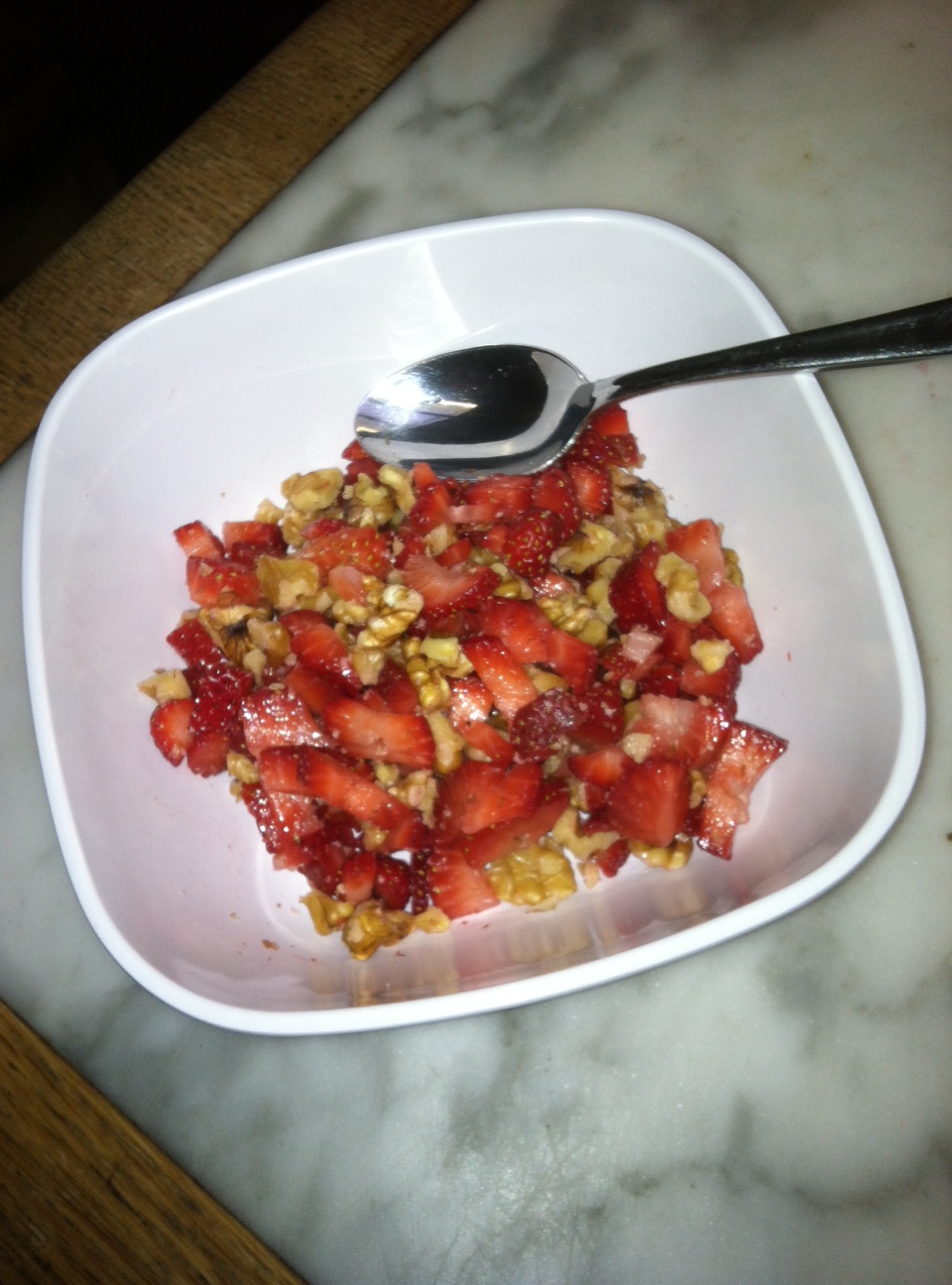
Brian’s Berry Breakfast: simply strawberries and walnuts. Nutrient analysis here: https://paleodiabetic.com/2013/02/27/brians-berry-breakfast/

Over at Runner’s World, Alex Hutchinson recommends three good books on nutrition. One is by Matt Fitzgerald called Diet Cults: The Surprising Fallacy at the Core of Nutrition Fads and Guide to Healthy Eating for the Rest of Us. Alex writes, “As you’d expect, he takes shots at various popular diets — Paleo, vegan, low-carb, low-fat, raw, and so on — but this isn’t really a debunking book. Frankly, if you’re a devoted adherent to one of these diets, this book probably won’t change your mind.” Anyway, Mr. Fitzgerald proposes a healthy eating hierarchy. The idea is that, wherever a food lies on the scale, the aim is to eat more of the foods that rank above it, and less of those ranked below it. In other words, generally eat more of the foods at the top of the list.

  • vegetables
  • fruits
  • nuts, seeds, and healthy oils
  • high-quality meat and seafood
  • whole grains
  • dairy
  • refined grains
  •  low-quality meat and seafood
  • sweets
  • fried foods

Those top four items pretty much define a pure paleo diet.

Steve Parker, M.D.

h/t Yoni Freedhoff (His Diet Fix book is one of the three recommended)

The Mellberg Study: Paleo Diet and Obese Postmenopausal Women

Sweden's Flag. Most of the researchers involved with this study are in Sweden

Sweden’s Flag

Swedish researchers compared a Paleolithic-type diet against a lower-fat, higher-carb diet so often recommend in Nordic countries and in the U.S. Test subjects were obese but otherwise healthy older women. The study lasted two years. Dieters could eat as much as they wanted.

They found that the paleo-style dieters lost more weight, lost more abdominal fat, and lowered their trigyceride levels. When measured six months into the study, the paleo dieters had lost 6.5 kg (14 lb) of body fat compared to 2.6 (6 lb) kg in the other group.

Measured at two years out, the paleo dieters had lost 4.6 kg (10 lb) of body fat compared to 2.9 kg (6 lb) in the other group, but this difference wasn’t statistically significant.

The greatest weight loss was clocked at 12 months: Paleo dieters were down 8.7 (19 lb) kg compared to 4.4 kg (10 lb)  in the other group.

But this study was about more than weight loss. The investigators were also interested in cardiometabolic risk factors and overall body composition.

The Set-Up

I don’t know what the researchers told the women to get them interested. Weight loss versus healthier diet versus ?  This could have influenced the type of women who signed up, and their degree of commitment.

A newspaper ad got the attention of 210 women in Sweden; 70 met the inclusion criteria, which included a body mass index 27 or higher and generally good health. Average age was 60. Average BMI was 33. Average weight was 87 kg (192 lb). Average waist circumference was 105 cm (41 inches). The women were randomized into one of two diet groups (N=35 in each): paleolithic-type diet (PD) or Nordic Nutrition Recommendations diet (NNR). There were no limits on total caloric consumption. (Were the women told to “work on weight loss”? I have no idea.)

We don’t know the ethnicity of these women.

Here’s their version of the paleo diet:

  • 30% of energy (calories) from protein
  • 40% of energy from fat
  • 30% of energy from carbohydrate
  • high intake of mono- and polyunsaturated fatty acids
  • based on lean meat, fish, eggs, vegetables, fruits, berries, and nuts
  • additional fat sources were avocado and oils (rapeseed [canola] and olive) used in dressings and food preparation
  • cereals (grains), dairy products, added salt and refined fats and sugar were excluded
  • no mention of legumes, potatoes, or tubers

The NNR diet:

  • 15% of energy from protein
  • 25-30% of energy from fat
  • 55-60% of energy from carbohydrate
  • emphasis on high-fiber products and low-fat dairy products

Over the 24 months of the study, each cohort had 12 group meetings with a dietitian for education and support, including “dietary effects on health, behavioral changes and group discussion.”

Various blood tests and body measurements were made at baseline and periodically. Body measurements were made every six months. Body composition was measured by dual energy x-ray absorptiometry. Diet intake was measured by self-reported periodic four-day food records.

Stockholm Palace

Stockholm Palace

Results

30% of participants (21) eventually dropped out by the end of the study and were lost to follow-up, leaving 27 in the PD group and 22 in the NNR cohort.

Food record analysis indicated the PD group indeed reduced their carb intake while increasing protein and fat over baseline. Baseline macronutrient energy percentages were about the same for both groups: 17% protein, 45% carb, 34% (I guess the percentages don’t add to 100 because of alcohol, which wads not mentioned at all in the article.) Two years out, the PD group’s energy sources were 22% protein, 34% carb, 40% fat. For the NNR group, the energy sources at two years were 17% protein, 43% carb, and 34% fat. As usual, dietary compliance was better at six months compared to 24 months. The PD group failed to reach target amounts of protein energy (30%) at six and 24 months; the NNR group didn’t reach their goal of carbohydrate energy (55-60%). The PD group ate more mono- and poly unsaturated fatty acids than the NNRs.

In contrast to the food record estimates of protein intake, the urine tests for protein indicated poor adherence to the recommended protein consumption in the PD group (30% of energy). Both groups ate the same amount of protein by this metric. (This is an issue mostly ignored by authors, who don’t say which method is usually more accurate.)

“Both groups had statistically significant weight loss during the whole study, with significantly greater weight loos in the PD group at all follow up time points except at 24 months.” Largest weight loss was measured at 12 month: 8.7 kg (19 lb) in the PD group versus 4.4 kg (10 lb) in the NNRs.

The PD group lost 6.5 kg (14 lb) of body fat by six months but the loss was only 4.6 kg (10 lb) measured at 24 months. Corresponding numbers for the NNR group were 2.6 and 2.9 kg (about 6 lb). So both groups decreased their total fat mass to a significant degree. The difference between the groups was significant (P<0.001) only at six months. The greatest weight loss was clocked at 12 months: PD dieters were down 8.7 kg (19 lb) compared to 4.4 kg (10 lb) in the NNRs. Both groups saw a significant decrease in waist circumference during the whole study, with a more pronounce decrease in the PD group at six months: 11 versus 6 cm (4.3 versus 2.4 inches).

Fasting blood sugars, fasting insulin levels, and tissue plasminogen activator activity didn’t change.

Both groups had improvements in blood pressure, heart rate, c-reactive protein, LDL cholesterol, PAI-1 activity, and total cholesterol. The PD group saw a greater drop in triglycerides (by 19% at two years, but levels were normal to start with at 108 mg/dl or 1.22 mmol/l).

Reported daily energy intake fell over time for both groups, without statistically significant differences between them.

paleo diet, Steve Parker MD, diabetic diet

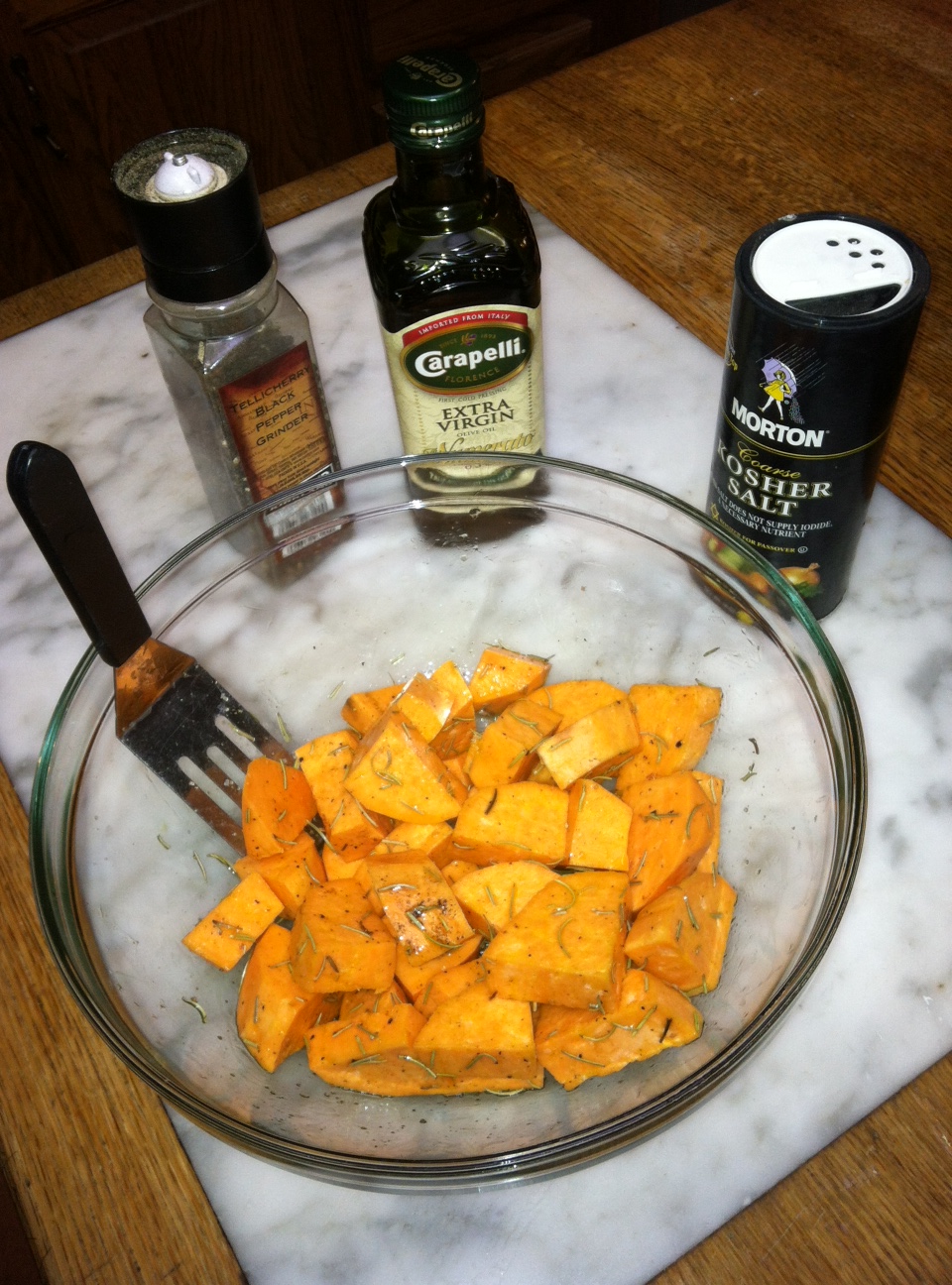
Sweet potato chunks brushed with olive oil, salt, pepper, and rosemary. Ready for the oven.

Discussion

As measured at six months, the paleo dieters lost 10% of their initial body weight, compared to 5% in the NNR group. That’s worth something to many folks. However, the researchers didn’t find much, if any, difference in the groups in terms of cardiometabolic risk factors. They wonder if that reflects the baseline healthiness of these women. Would a sicker study population show more improvement on one of the diets?

I’m surprised the NNR group lost any weight at all. In my experience it’s hard for most folks to lose weight and keep it off while eating as much as they want, unless they’re eating very-low-carb. We’ve seen short-term weight loss with ad libitum paleo diets before (here for example, and here, and here). I bet the women signing up for this study were highly motivated to change. 

Legumes and potatoes are a debatable part of the paleo diet. Most versions exclude legumes. We don’t know if these women ate legumes and potatoes. Other than this oversight, the study paleo diet is reasonable.

The authors noted that the paleo diet group failed to reach their protein intake goal (30% of total calories), and suggested reasons “such as protein-rich foods being more expensive, social influences on women’s food choices or a lower food preference for protein-rich food among women.”

The results of this study may or may not apply to other population subgroups and non-Swedes.

The authors write:

In conclusion, a Palaeolithic-type diet during two years with ad libitum intake of macronutrients, including an increased intake of polyunsaturated fatty acids and monounsaturated fatty acids reduces fat mass and abdominal obesity with significantly better long-term effect on triglyceride levels vs an NNR diet. Adherence to the prescribed protein intake was poor in the PD group suggesting that other component of the PD diet are of greater importance.

Does this study have anything to do with diabetes? Not directly. But it suggests that if an overweight diabetic needs to lose excess body fat without strict calorie control, a lower-carb paleo-style diet may be more effective than a low-fat, higher-carb diet. I would have liked to have seen lower fasting blood sugar and insulin levels in the paleo dieters, but wishing doesn’t make it so.

Steve Parker, M.D.

PS: Carbsane Evelyn has taken a look at this study and blogged about it here and here. I’ve not read those yet, but will now.

Reference: Mellberg, C., et al (including M. Ryberg and T Olsson). Long-term effects of a Palaeolithic-type diet in obese postmenopausal women: a 2-year randomized trial. European Journal of Clinical Nutrition, advance online publication January 29, 2014. doi: 10.1038/ejcn.2013.290

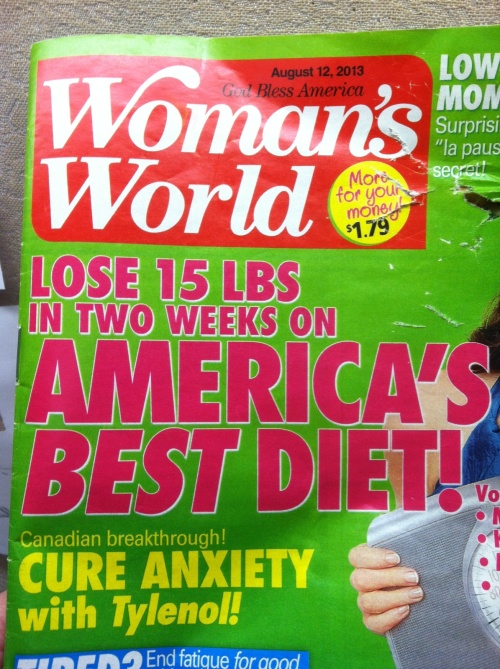
Paleo Diet Ranked “America’s Best”

…according to Woman’s World magazine in the August 12, 2013, issue. This was the cover story, based on a survey of 9,000 dieters by Consumer Reports. CR asked them to rate famous weight-loss plans, and the paleo diet earned “sky-high satisfaction scores.”

Woman's World cover

Woman’s World cover

I only bring this to your attention because I’d never heard of this and thought I was following the issue closely.

The WW article mentions Dr. Loren Cordain and has quotes from Amy Kubal, RD, and Dr. Steffan Lindeberg.

You recently learned about "bikini bridge"; I now introduce "bra bridge" to the lexicon

Page 1 of the WW article. You recently learned about “bikini bridge”; I now introduce “bra bridge” to the lexicon.

You may remember earlier this year that U.S. News and World Report ranked the paleo diet #31 in its “Best Diets Overall” category. Quite a difference of opinion.

Steve Parker, M.D.

First paragraph

First paragraph

Unexpected Caveman Foods

Offal includes tongue, heart, liver, kidney, intestine, pancreas, trotters, and ?

Offal includes tongue, heart, liver, kidney, intestine, pancreas, trotters, and ?

Tom Schuler’s blog has a guest post by archeologist John Williams, Ph.D. entitled “How to eat like a cavemen (the real kind).” Dr. Williams reviews some evidence that our Paleolithic ancestors ate:

  • chyme
  • human flesh
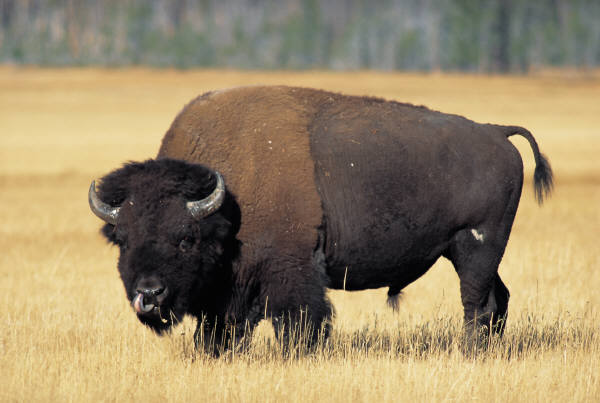
  • blood (e.g., Plains Indians drinking warm buffalo blood)
  • yogurt (e.g., from the stomachs of suckling buffalo calves)
  • milk
  • bone and organ grease
  • alcohol (from fermented fruit)

Read the rest. It’s a funny and quick read.

Dr. Guyenet Makes a Case for Beans in the Paleo Diet

As an introduction, he writes…

The canonical Paleolithic diet approach excludes legumes because they were supposedly not part of our ancestral dietary pattern.  I’m going to argue here that there is good evidence of widespread legume consumption by hunter-gatherers and archaic humans, and that beans and lentils are therefore an “ancestral” food that falls within the Paleo diet rubric.  Many species of edible legumes are common around the globe, including in Africa, and the high calorie and protein content of legume seeds would have made them prime targets for exploitation by ancestral humans after the development of cooking.

Richard Wrangham thinks hominins started cooking with fire as long as 1.8 million years ago. There’s no expert consensus yet.

Read the rest.

Free Online Paleo Recipes

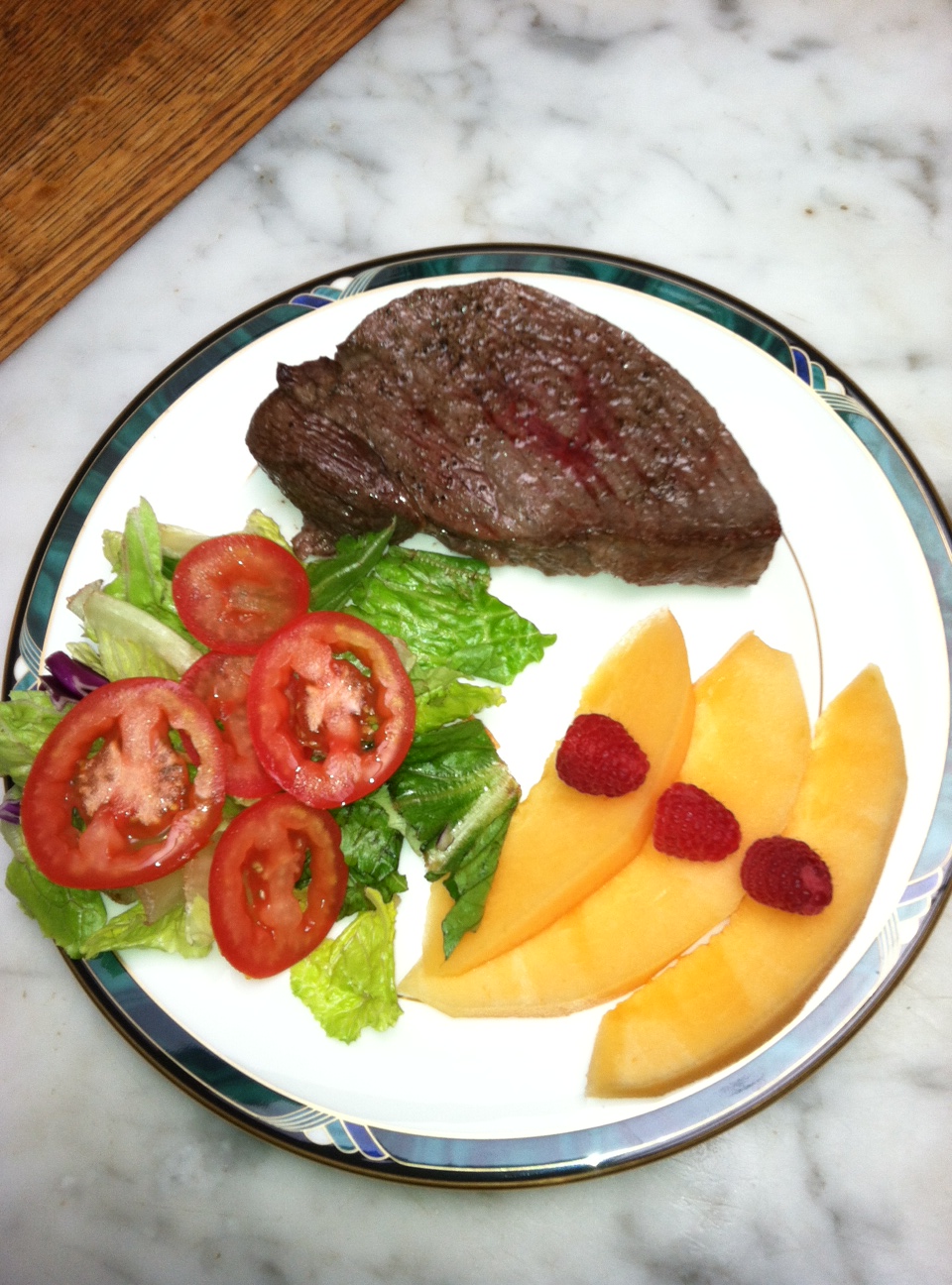
Sirloin steak, salad, cantaloupe, 3 raspberries

Sirloin steak, salad, cantaloupe, raspberries (on the Paleobetic Diet)

Or paleo-ish anyway.

Most diabetics eating paleo-style need to know how may grams of digestible carbohydrate they’re eating. Their blood sugars will go too high if they eat too many carbs. “Too many” varies from one person to another. Additional nutrient numbers are just icing on the cake. (Oops! Not a good metaphor for a Stone Age diet website.) Other than this site, I’ve only found three other sites that divulge basic nutritional analysis of their free recipes. Several sites listed are primarily low-carb, so you have to see if the recipe you’re interested in fits your definition of paleo.

Before you go, I just want you to consider financially supporting the owners and writers at the following sites. Many of them have books or services for sale. Some have a Donate button. If they can’t bring home the bacon, the websites go down and the recipes go bye-bye.

Recipes With Nutritional Analysis

Catalyst Athletics

Linda’s Low-Carb Recipes

Hold the Toast (I bet Dana Carpender’s “500 Paleo Recipes” book provides basic nutrient analysis.)

Paleo Diabetic

More Recipes (You can do your own nutritional analysis at places like Fitday.)

The Clothes Make the Girl

NomNom Paleo

The Paleo Diet

Julianne’s Paleo & Zone Nutrition (see drop-down menu under Paleo Links, Recipes, and Meals tab)

Everyday Paleo (see drop-down menu under Food tab)

Paleo Food

Paleo Plan

Stalkerville

Perfect Health Diet

Diabetes Warrior

Whole Life Eating

Nell Stephenson

Paleo Diet Lifestyle

Happy hunting!

Steve Parker, M.D.

The Argument Against Starches, Safe or Otherwise

Lifextension argues it as well as anyone I’ve read. Some quotes:

Chimpanzees produce salivary amylase to digest fruit; similarly, carnivores also possess amylase in order to process the glycogen residing in muscle meat. Moreover, animals fed alternatives to their natural diet will produce amylase in amounts corresponding to the quantity of carbohydrates consumed. Humans too have their own primordial amylase gene copy; we have possessed it ever since we were primates. The second copy mutation occurred somewhere between 100 – 200,000 years ago, however this may have resulted even more recently, as single nucleotide polymorphisms and copy number mutations can result in just thousands of years. The additional – and currently incomplete – copies occurred at the very most, around 25,000 years ago, but most plausibly they came about around 10,000 years ago, concurrent with the onset of agriculture, and confirming that high starch consumption was a historically late phenomenon. Many present day human populations from low-starch consuming ancestries still only have two copies, indicating that adaptation to high-starch consumption was not globally widespread.

***

Moreover, the current evidence engendered from nitrogen stable isotope analysis of hominin bone data – being studied by Professor Michael Richards and the Max Planck Institute for Evolutionary Anthropology – has confirmed that our human ancestors truly were high-level carnivores. In fact, one-hundred percent of the early hominin bones studied from Upper Palaeolithic Europe reveal an even more carnivorous stable isotope footprint than that of foxes and wolves; while, comparatively, the data from omnivores such as pigs or the Brown Bear validates that these species truly did have an omnivorous diet.

Read the whole enchilada. The debate continues.

Food Psychologist Mary Pritchard, Ph.D., Has Mixed Views on Paleo Diet

Overall, she doesn’t care much for it. Details are in her column at Psychology Today. A snippet:

Should you do the Paleo Diet? If it gets you off of processed foods, you might give it a try in the short term. It’s probably not worth doing over the long haul, though, as it has too much fat and protein and too little carbohydrates (especially whole grains) to be practical or healthy for most people.

Trust me, I’m a doctor: Nearly everybody can live a long healthy life without whole grains.

If you have kidney impairment, follow your doctor’s and dietitian’s advice on protein intake; they may or may not advise limitations. Otherwise, higher-than-average protein isn’t a problem. Fat contents of paleo diets are all over the map, and it turns out saturated fat isn’t a significant cause of heart disease anyway.

I suspect Dr. Pritchard didn’t spend quite enough time researching for her article. The commenters (11 thus far) do a fair job rebutting her inaccuracies.

Read the whole thing.

Steve Parker, M.D.