Does the Paleo Diet Affect Cardiometabolic Risk Factors in Postmenopausal Women?

Photo by Andrea Piacquadio on Pexels.com

You won’t find the answer in the journal article at hand. Probably nobody knows for sure. If you have insomnia, reading the full article (free!) may be cure you temporarily.

Whole-diet interventions and cardiovascular risk factors in postmenopausal women: A systematic review of controlled clinical trials

Abstract

Objectives: Menopause is accompanied by many metabolic changes, increasing the risk of cardiometabolic diseases. The impact of diet, as a modifiable lifestyle factor, on cardiovascular health in general populations has been well established. The purpose of this systematic review is to summarize the evidence on the effects of whole diet on lipid profile, glycemic indices, and blood pressure in postmenopausal women.

Methods: Embase, Medline, Cochrane Central Register of Controlled Trials, and Google Scholar were searched from inception to February 2021. We included controlled clinical trials in postmenopausal women that assessed the effect of a whole-diet intervention on lipid profile, glycemic indices, and/or blood pressure. The risk of bias in individual studies was assessed using RoB 2 and ROBINS-I tools.

Summary of evidence: Among 2,134 references, 21 trials met all eligibility criteria. Overall, results were heterogenuous and inconsistent. Compared to control diets, some studies showed that participants experienced improvements in total cholesterol (TC), low-density lipoprotein cholesterol (LDL), systolic blood pressure (SBP), fasting blood sugar (FBS), and apolipoprotein A (Apo-A) after following fat-modified diets, but some adverse effects on triglycerides (TG), very low-density lipoprotein cholesterol (VLDL), lipoprotein(a) (Lp(a)), and high-density lipoprotein cholesterol (HDL) concentrations were also observed. A limited number of trials found some effects of the Paleolithic, weight-loss, plant-based, or energy-restricted diets, or of following American Heart Association recommendations on TG, TC, HDL, insulin, FBS, or insulin resistance.

Conclusion: Current evidence suggests that diet may affect levels of some lipid profile markers, glycemic indices, and blood pressure among postmenopausal women. However, due to the large heterogeneity in intervention diets, comparison groups, intervention durations, and population characteristics, findings are inconclusive. Further well-designed clinical trials are needed on dietary interventions to reduce cardiovascular risk in postmenopausal women.


Steve Parker, M.D.

Other Than Vaccination, How Can You Prevent COVID-19?

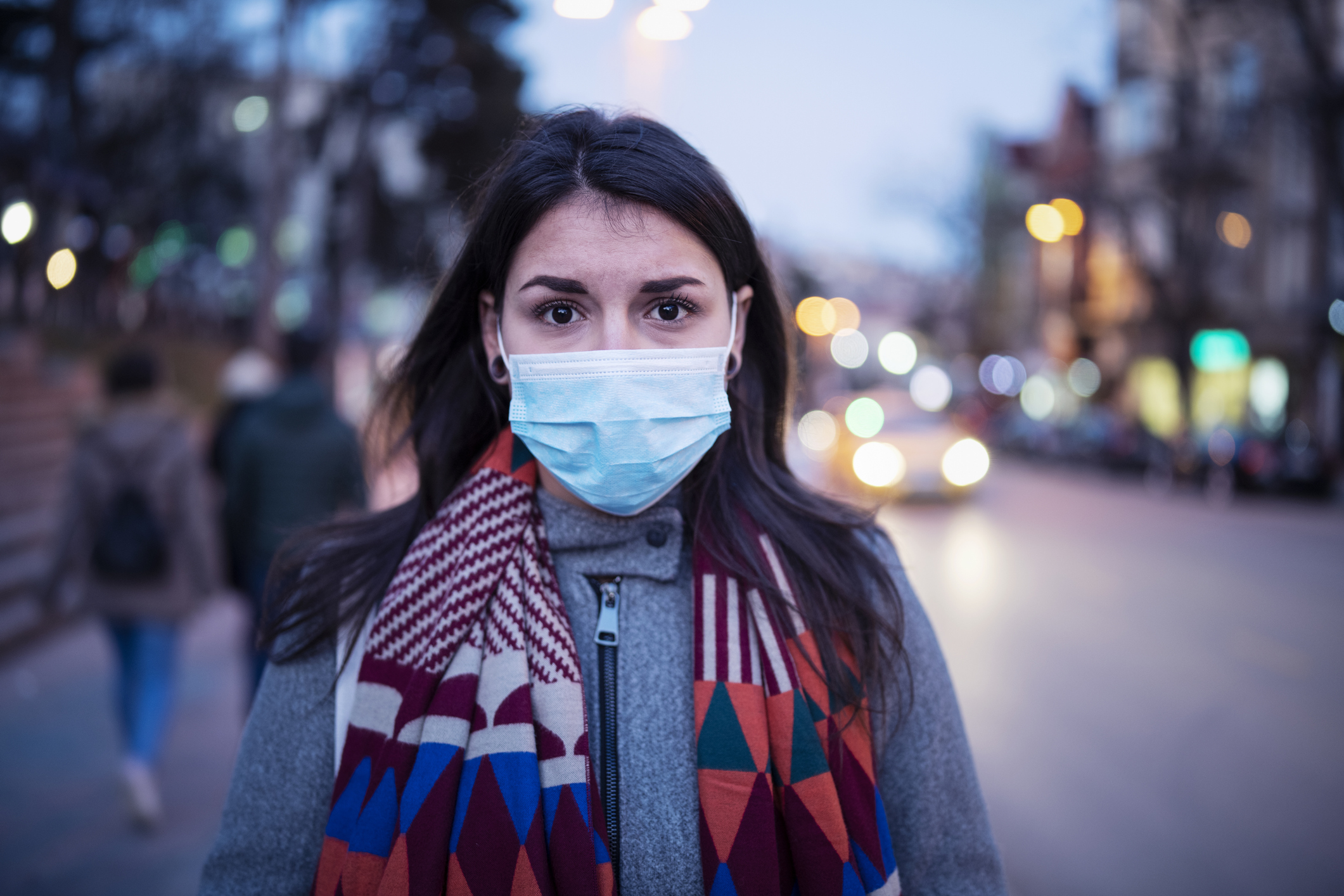
Masking may be worthless. At least this is a medical-grade mask.

Oral preventatives during disease surges:

  • Vitamin D (cholecalciferol)1,000-2,000 IU/day (Gruff Davies and Linda Benskin recommend, in general, 4,000 IU daily, perhaps year-round, or whatever combination of food, supplementation, and sunlight gets your blood level of 25-hydroxy vitamin D to to 50 ng/mL.)
  • Aspirin 81-325 mg/day
  • Vitamin C 500 mg/day
  • Elemental zinc 10-50 mg/day
  • Melatonin 1.5-6 mg/day at night or bedtime

The doses vary, depending on body weight, age, tolerance to the drug. Generally, the higher doses are for younger and heavier folks. If one gets plentiful sunlight exposure, the oral vitamin D may not be needed.

Other strategies during disease surges (or always?):

  • Regular exercise
  • Lose excess weight, especially if obese (BMI over 30)
  • Maintain normal blood sugars (if diabetic, keep HgbA1c under 6.5%)
  • Avoid close, prolonged contact with coughing and sneezing people, especially in enclosed spaces
  • Frequent hand-washing if exposed to public doorknobs, elevator buttons, or other potentially contaminated surfaces, or if around sick (coughing and/or sneezing) people
  • Avoid sick people who are coughing and sneezing
  • Eat healthful food

Did you notice I haven’t mentioned masks? I’m not a big believer. Do I wear an N-95 mask when I’m seeing a COVID-19 patient at the hospital? You bet. And the mask was fit-tested. Is that testing available to the general public? Not that I’m aware.

Do I have great data to support all these strategies? No, but some. Are they recommended by the CDC or NIH (Nat’l Institutes of Health)? I don’t know or care. I’ve lost faith in them. I’m afraid they’ve been bought and paid for by Big Pharma (and others?).

I don’t know about your personal health and medical history. I’m not your doctor. If you’re considering any of these recommendations, consult your personal physician before implementation.

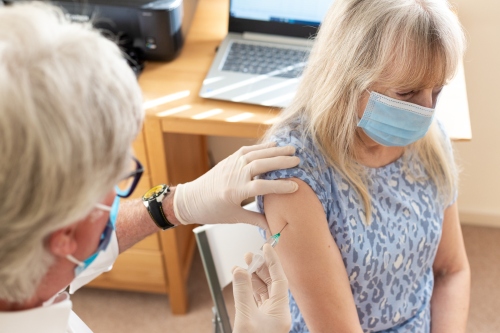
The patient is wise to look away. If you watch the needle go in, it’ll hurt more.

I was motivated to write this post by the failures and risks of the rushed vaccines. Vaccination might be helpful if you are sickly, over 65, or have underlying conditions such as diabetes, active cancer, a poor immune system, obesity (especially BMI over 35), or some other co-morbidities. I see both very healthy, vigorous 65-year-olds, and sickly 65-year-olds. Which one are you? If you’re over 80, you may have nothing to lose by vaccinating. Average U.S. life expectancy is 79 years, less for men, longer for women.

Steve Parker, M.D.

PS: Updated Dec 28, 2021

Ultra-Processed Foods Linked to Higher Coronary Artery Disease Risk

Ultra-processed versus processed?

What are ultra-processed foods? I’m not paying $35 for the scientific article to find out. If you can grab the definition from your copy, please share in the Comments section. The 2020 profit from my publishing company was only $937.08, so I’m watching my expenses.

Here’s the free abstract:

ABSTRACT

Background

Higher ultra-processed food intake has been linked with several cardiometabolic and cardiovascular diseases. However, prospective evidence from US populations remains scarce.

Objectives

To test the hypothesis that higher intake of ultra-processed foods is associated with higher risk of coronary artery disease.

Methods

A total of 13,548 adults aged 45–65 y from the Atherosclerosis Risk in Communities study were included in the analytic sample. Dietary intake data were collected through a 66-item FFQ. Ultra-processed foods were defined using the NOVA classification, and the level of intake (servings/d) was calculated for each participant and divided into quartiles. We used Cox proportional hazards models and restricted cubic splines to assess the association between quartiles of ultra-processed food intake and incident coronary artery disease.

Results

There were 2006 incident coronary artery disease cases documented over a median follow-up of 27 y. Incidence rates were higher in the highest quartile of ultra-processed food intake (70.8 per 10,000 person-y; 95% CI: 65.1, 77.1) compared with the lowest quartile (59.3 per 10,000 person-y; 95% CI: 54.1, 65.0). Participants in the highest compared with lowest quartile of ultra-processed food intake had a 19% higher risk of coronary artery disease (HR: 1.19; 95% CI: 1.05, 1.35) after adjusting for sociodemographic factors and health behaviors. An approximately linear relation was observed between ultra-processed food intake and risk of coronary artery disease.Conclusions

Higher ultra-processed food intake was associated with a higher risk of coronary artery disease among middle-aged US adults. Further prospective studies are needed to confirm these findings and to investigate the mechanisms by which ultra-processed foods may affect health.

Article

I admit I must eat some ultra-processed foods, but I try to limit them.

Heart disease is the #1 killer in the developed world, even more lethal the COVID19! If you haven’t chosen your New Years’ weight-loss diet yet, consider one low in ultra-processed foods, like the paleo diet or Mediterranean diet.

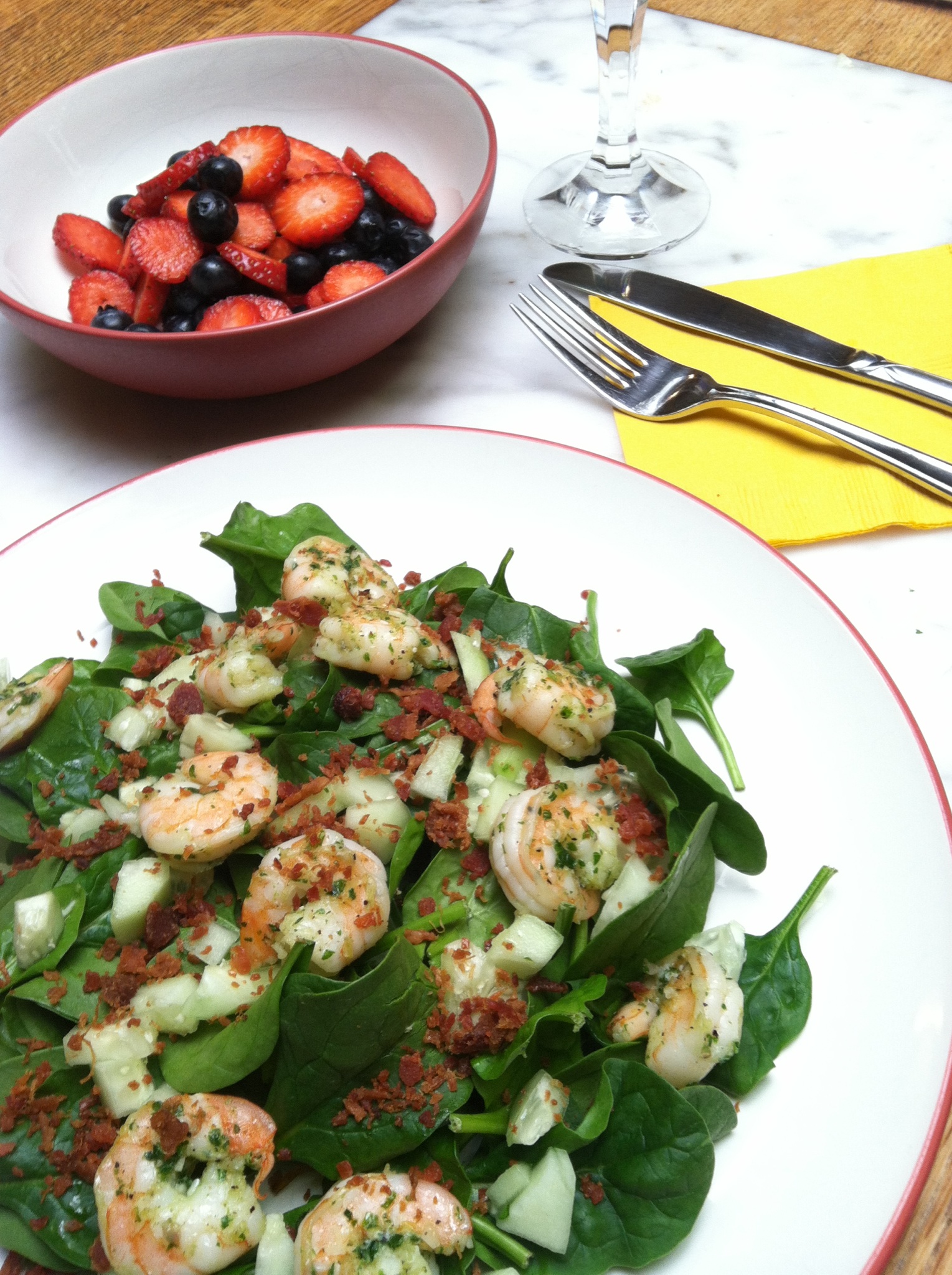
This Shrimp Salad is minimally-processed

Steve Parker, M.D.

Rice: Great Source of Calories, But How Much Is Too Much?

Eliza Skoler addresses this issue in an interesting article at Diatribe:

Rice. Billions of people around the world eat it every single day, for multiple meals a day – and it’s a primary food for many populations, with research showing that it provides about 20% of the world’s calorie intake. From beans and rice to stir fry with rice, from sushi to risotto to sweet rice desserts, this simple ingredient is a staple across the globe and across cultures.

Unfortunately, rice presents a key challenge for people with diabetes: it’s a spiky carb. Spiky carbs are foods that cause glucose to quickly increase, and they can create unpredictable swings in glucose levels. If you or someone you know has diabetes, you may be wondering how to manage your glucose when faced with this dietary staple.

https://diatribe.org/rice-and-diabetes-how-great-risk

I find that many of my patients with diabetes have better glucose control if they eat fewer daily carb grams than mentioned in this article.

Steve Parker, M.D.

Parents: Don’t Let Them Vaccinate Your Children Against COVID-19

I say”them” because some government authorities around the world, e.g., Australia, will vaccinate against the wishes of parents. I worry that tyrants in California are about to do the same.

ketogenic diet, children
Healthy children have extremely low risk of death from COVID-19. Should we subject them to unknown risks of vaccines just to save elderly Boomer lives?

These are experimental vaccines without a long-term safety record. The short-term record in adults doesn’t look that great either.

Jonathan Howard at Science-Based Medicine figures that fewer than one in 100,000 healthy children who contract COVID-19 will die from it. Among the young decedents, at least three out of four have a predisposing condition such as obesity, asthma, a developmental disorder, a neurological condition, or cardiovascular disease. Additionally, Dr. Howard says three out of four deaths are in Hispanics, Blacks, or indigenous people (American Indian/Alaskan Native).

Dr. Howard admits that the risk of death from COVID-19 for children is very low. But since the risk is not zero, all children should be vaccinated.

Dr. Howard bases his recommendation for the Pfizer/BionNTech vaccine for children on very limited data. This is child abuse since we don’t have long-term vaccination safety data.

You know I’m not a pediatrician. Dr. Howard is a neurologist and psychiatrist. There may be a legitimate role of COVID-19 vaccination for sickly children. But there’s no way in hell I’d vaccinate my healthy children without long-term safety data.

For a healthy child, the potential risks of COVID-19 vaccination outweigh the potential benefits.

Question authority. Including me.

Steve Parker, M.D.

PS: Read William M Briggs: Kids Don’t Need to Be Vaccinated.

Eat Nuts and Seeds to Reduce Risk of Liver Disease

What kind of liver disease? NAFLD: non-alcoholic fatty liver disease.

Paleobetic diet
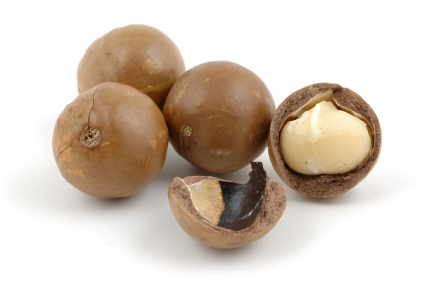
Macadamia nuts

See the Journal of Nutrition for details:

Conclusions

“Daily consumption for nuts and seeds was associated with a lower prevalence of NAFLD in non-Mediterranean, US adults, although the benefits seem to be greater in females across all categories of nut and seed consumption groups compared with nonconsumers. Both males and females presented with lower prevalence of NAFLD with intakes of 15–30 g/d.”

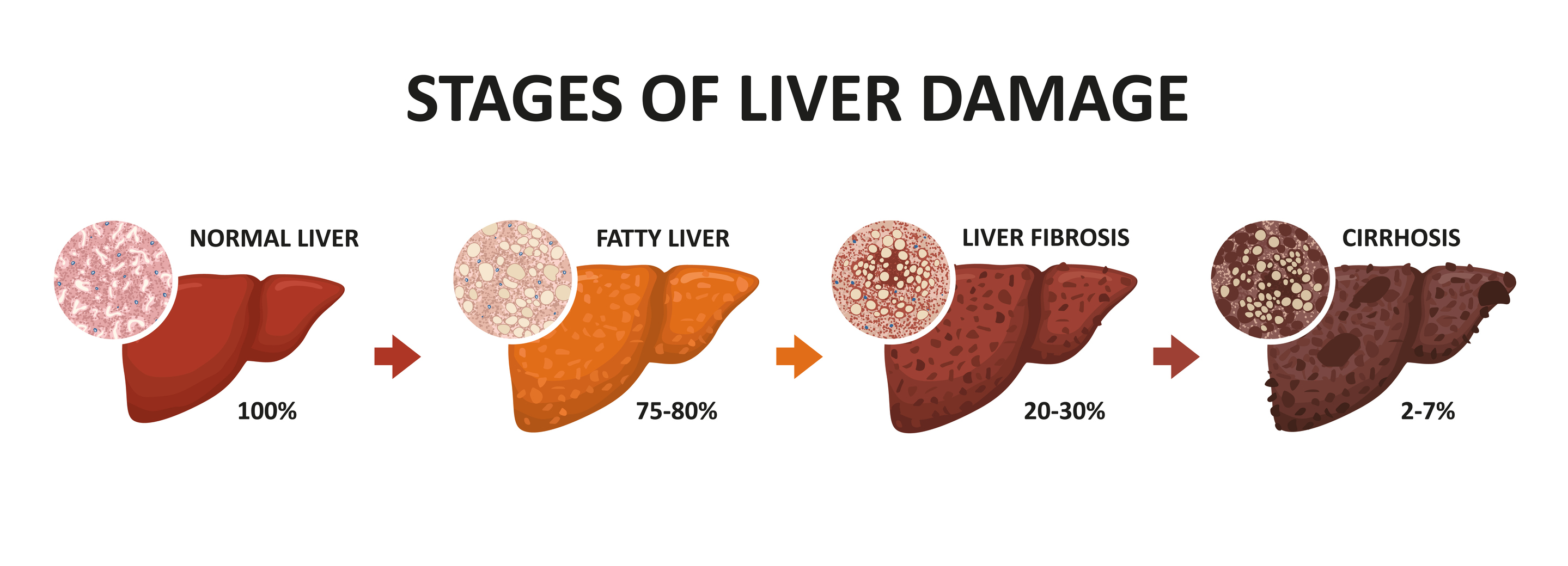
Stages of liver damage: Healthy, fatty liver, fibrosis, and cirrhosis

Nuts are paleo!

Steve Parker, M.D.

Is a Liver Transplant In Your Future?

Stages of liver damage. Healthy, fatty, liver fibrosis, and cirrhosis.

Experts are predicting an epidemic of NASH: non-alcoholic steatohepatitis. In other words, fat build-up in the liver with associated inflammation and scarring (fibrosis). Which is related to it’s precursor, NAFLD: non-alcoholic fatty liver disease. These are significant issues particularly for folks with type 2 diabetes. From Diabetes Care:

“The clinical burden of both NAFLD overall and NASH specifically has increased steadily since the 1980s. NAFLD currently affects 25% of the global population and >60% of patients with T2D. Studies evaluating the prevalence of NASH suggest that it may involve an estimated 1.5%–6.5% of the general population and as many as 37% of people with T2D. Prevalence of NASH is expected to increase by 63% between 2015 and 2030. Although these numbers seem substantially lower than those for NAFLD overall, they still translate to 4.9 million to 21 million Americans and more than 100 million individuals worldwide. Modeling data estimate that the number of patients with NASH-related advanced fibrosis will likely double by 2030, resulting in 800,000 liver-related deaths.

NASH is already the number 1 indication for liver transplantation in women, patients older than 54 years, and Medicare recipients. Beyond the significant impairment of quality of life experienced by individuals with NASH and advanced fibrosis, Younossi et al. estimated in 2017 that the overall lifetime direct costs of NASH in the United States would be $222.6 billion, and approximately $95.4 billion over the next 2 decades, suggesting a substantial economic burden.”

Loss of excess weight is one way to combat or avoid non-alcoholic fatty liver disease.

Steve Parker, M.D.

PS: The Paleobetic Diet can help you lose excess weight and keep it off.

High Glycemic Eating Linked to Cardiovascular Disease and Premature Death

Naan, a type of flat bread with a high glycemic index

Haven’t we know this for years? From New England Journal of Medicine:

Most data regarding the association between the glycemic index and cardiovascular disease come from high-income Western populations, with little information from non-Western countries with low or middle incomes. To fill this gap, data are needed from a large, geographically diverse population.

METHODS

This analysis includes 137,851 participants between the ages of 35 and 70 years living on five continents, with a median follow-up of 9.5 years. We used country-specific food-frequency questionnaires to determine dietary intake and estimated the glycemic index and glycemic load on the basis of the consumption of seven categories of carbohydrate foods. We calculated hazard ratios using multivariable Cox frailty models. The primary outcome was a composite of a major cardiovascular event (cardiovascular death, nonfatal myocardial infarction, stroke, and heart failure) or death from any cause.

RESULTS

In the study population, 8780 deaths and 8252 major cardiovascular events occurred during the follow-up period. After performing extensive adjustments comparing the lowest and highest glycemic-index quintiles, we found that a diet with a high glycemic index was associated with an increased risk of a major cardiovascular event or death, both among participants with preexisting cardiovascular disease (hazard ratio, 1.51; 95% confidence interval [CI], 1.25 to 1.82) and among those without such disease (hazard ratio, 1.21; 95% CI, 1.11 to 1.34). Among the components of the primary outcome, a high glycemic index was also associated with an increased risk of death from cardiovascular causes. The results with respect to glycemic load were similar to the findings regarding the glycemic index among the participants with cardiovascular disease at baseline, but the association was not significant among those without preexisting cardiovascular disease.

CONCLUSIONS

In this study, a diet with a high glycemic index was associated with an increased risk of cardiovascular disease and death.

Source: Glycemic Index, Glycemic Load, and Cardiovascular Disease and Mortality | NEJM

Steve Parker, M.D.

PS: The Paleobetic Diet is low glycemic index, particularly compared with the standard American diet.

Type 2 Diabetes: Major Health Benefit From Drugs That Don’t Cause Hypoglycemia

Photo by Artem Podrez on Pexels.com

A recent study looked at the health benefits of type 2 diabetes drugs, comparing drugs that can cause hypoglycemia and those that don’t. The very first sentence of the abstract didn’t give me much hope for what followed. That sentence was: “Different guidelines provide similar, but not identical, therapeutic targets for HbA1c in type 2 diabetes. These targets can also depend from the different pharmacological strategies adopted for intensifying glycemic control.” Did you catch the misprint?

This meta-analysis of 13 clinical trials was looking for differences in various health outcomes over the course of at least two years, comparing successful intensive management to standard care or placebo. Successful intensive management was defined as at least a 0.5% (6 mmol/mol) improvement in hemoglobin A1c (HgbA1c) level. “Intensification” of drug therapy is usually applied to a patient who is not at goal HgbA1c level. Undoubtedly, the benefits of intensification will be greater for those at HgbA1c of 10% than for those at 7.5%. BTW, few large clinical trials include patients over 75 years of age.

For my U.S. readers, note that other countries often specify HgbA1c values as mmol/mol instead of %. And blood sugars are not our usual mg/dl, but instead reported as mmol/l. HbA1c of 7% equals 53 mmol/mol, which would indicate and average blood sugar of 154 mg/dl or 8.6 mmol/l. As another example, HbA1c of 6.5% is 48 mmol/mol, reflecting average blood sugar of 140 mg/dl or 7.8 mmol/l. Are you thoroughly confused yet?

In the general population, lowest levels of mortality are seen at HgbA1c’s around 5 to 5.5% (31 to 36.6 mmol/mol). The average healthy non-diabetic adult hemoglobin A1c is 5% (31 mmol/mol) and translates into an average blood sugar of 100 mg/dl (5.56 mmol/l). This will vary a bit from lab to lab. Most healthy non-diabetics would be under 5.7% (38.8 mmol/mol). In December, 2009, the American Diabetes Association established a hemoglobin A1c criterion for the diagnosis of diabetes: 6.5% (47.5 mmol/mol) or higher. Diagnosis of prediabetes involves hemoglobin A1c in the range of 5.7 to 6.4% (38.8 to 46.5 mmol/mol).

Some expert panels recommend aiming for HgbA1c under 7% (53 mmol/mol), others recommend under 6.5% (48 mmol/mol). A major point of debate between the two guideline goals, is that the lower you set the goal, the greater the risk of drug-induced hypoglycemia, which can be lethal. In the early 1980s, the only drugs we had for diabetes were insulin, sulfonylureas, and metformin. Two of those three can can cause hypoglycemia. Now, a majority of our type 2 diabetes drugs don’t cause hypoglycemia.

If you’re at risk for hypoglycemia, teach those you hang with how to recognize and treat it

The Italian researchers did this meta-analysis as part of their effort to produce diabetes drug treatment guidelines for the Italian population. On to the study at hand…

What Did the Researchers Find?

Improved glycemic (blood sugar) control by intensive attention reduced the major cardiovascular event rate by 10% and reduced renal adverse events by 25% but did not affect overall mortality or eye complications.

Intensified therapy with hypoglycemia-inducing drugs did not reduce overall mortality.

Drugs without potential for causing hypoglycemia were linked to lower risk of major cardiovascular events, kidney adverse events, and overall mortality, for HgbA1c under 7% (53 mmol/mol).

In conclusion, the results of this meta-analysis of RCTs show that in people with T2DM the improvement of glycemic control with drugs not inducing hypoglycemia is associated with a reduction in the risk of long-term chronic vascular complications (major adverse cardiac events and renal adverse events) and all-cause mortality, at least for HbA1c levels above 7%. The reduction of HbA1c below that threshold could have some favorable effects, but there is no available direct evidence in this respect. When the reduction of HbA1c is achieved with drugs inducing hypoglycemia, a progressive reduction of complications and an increase in the risk of severe hypoglycemia is observed. Therefore, the choice of the most adequate HbA1c target for each patient with T2DM should be made considering an appropriate risk/benefit ratio.

Full text in Nutrition, Metabolism & Cardiovascular Diseases.

I think the researchers were particularly glad to find that intensification of drug therapy can reduce risk of heart attack, stroke, kidney complications, and death; all this without the risk of hypoglycemia that comes with drugs like insulin and sulfonylureas. The lack of a mortality benefit from hypoglycemia-inducing drugs may also be important. The benefits of intensive drug therapy (or lack thereof) depend somewhat on the particular complication you’re trying to avoid, and on baseline HgbA1c. Drug therapy is complicated! I expect these researchers would recommend a treatment HgbA1c goal of <7% rather than <6.5%.

Steve Parker, M.D.

PS: Reduce your need for diabetes drugs by losing excess weight, exercising, and eating low-carb.

Get Serious, Stop Wasting Time

Photo by Pixabay on Pexels.com

Jack Thomas is an 82-year-old newspaperman who unexpectedly learned he would die soon. He wrote about it at The Boston Globe. RTWT. If you’re old, you may need a tissue handy, in case you get something in your eye. He’s a talented writer. A few out-of-order excerpts:

“After a week of injections, blood tests, X-rays, and a CAT scan, I have been diagnosed with cancer. It’s inoperable. Doctors say it will kill me within a time they measure not in years, but months.

“As the saying goes, fate has dealt me one from the bottom of the deck, and I am now condemned to confront the question that has plagued me for years: How does a person spend what he knows are his final months of life?

“Atop the list of things I’ll miss are the smiles and hugs every morning from my beautiful wife, Geraldine, the greatest blessing of my life. I hate the notion of an eternity without hearing laughter from my three children. And what about my 40 rose bushes? Who will nurture them? I cannot imagine an afterlife without the red of my America roses or the aroma of my yellow Julia Childs.

“We told each of the three children individually. John Patrick put his face in his hands, racked with sobs. After hanging up the telephone, Jennifer doubled over and wept until her dog, Rosie, approached to lick away the tears but not the melancholy. Faith explained over the telephone that, if I could see her, she was weeping and wondering how she could get along without her dad. Now, she is on the Internet every day, snorkeling for new research, new strategies, new medications. My wife cries every morning, then rolls up her sleeves and handles all doctor appointments and medication. Without her . . . I cannot imagine.

“Editing the final details of one’s life is like editing a story for the final time. It’s the last shot an editor has at making corrections, the last rewrite before the roll of the presses. It’s more painful than I anticipated to throw away files and paperwork that seemed critical to my survival just two weeks ago, and today, are all trash. Like the manual for the TV that broke down four years ago, and notebooks for stories that will never be written, and from former girlfriends, letters whose value will plummet the day I die. Filling wastebasket after wastebasket is a regrettable reminder that I have squandered much of my life on trivia.

“Unlike Roman Catholics, Jews, and atheists, we Episcopalians are very good at fence-sitting. We embrace all viewpoints, and as a result, we are as confused as the Unitarians.

Photo by Pixabay on Pexels.com

“Does the intensity of a fatal illness clarify anything? Every day, I look at my wife’s beautiful face more admiringly, and in the garden, I do stare at the long row of blue hydrangeas with more appreciation than before. And the hundreds and hundreds of roses that bloomed this year were a greater joy than usual, not merely in their massive sprays of color, but also in their deep green foliage, the soft petals, the deep colors and the aromas that remind me of boyhood. As for the crises in Cuba and Haiti, however, and voting rights and the inexplicable stubbornness of Republicans who refuse to submit to an inoculation that might save their lives — on all those matters, no insights, no thunderbolts of discovery. I remai­­n as ignorant as ever.

“I’ll miss my homes in Cambridge and Falmouth. I’ll never again see the sun rise over the marsh off Vineyard Sound, never again see that little, yellow goldfinch that perched atop a hemlock outside my window from time to time so that both of us could watch the tide rise to cover the wetland.

“As death draws near, I feel the same uncomfortable transition I experienced when I was a teenager at Brantwood Camp in Peterborough, New Hampshire, packing up to go home after a grand summer. I’m not sure what awaits me when I get home, but this has certainly been an exciting experience. I had a loving family. I had a great job at the newspaper. I met fascinating people, and I saw myriad worldwide wonders. It’s been full of fun and laughter, too, a really good time.

“I just wish I could stay a little longer.”

Photo by Min An on Pexels.com