Another Paleo Diet Success Story For a Type 1 Diabetic

The Joslin Diabetes Blog has details. Lindsay Swanson was diagnosed with type 1 diabetes at age 25. Her initial interest was spurred by years of undiagnosed gastrointestinal issues. She eased into the Paleolithic diet by sequentially eliminating certain food classes, starting with grains, then soy, then legumes. As she did, she felt increasingly better. Lindsay eats few refined carbohydrates. My sense is she doesn’t require much insulin. A quote:

Much to my surprise, my blood sugars completely leveled out, so much so that I rarely need to treat a low blood sugar, and spikes are few and far between….Probably 75 percent of my diet consists of vegetables and plant based food, some with more carbohydrates depending on my activity level. I eat a lot of fat/protein regularly, examples: avocados, coconut oil (in tea and cooking), grassfed meats, bacon (and the reserved fat), oils, nuts, etc.


Another Review Article In Favor Of Paleolithic Eating

It’s in the Annual Review of Plant Biology. The authors promote fruit and vegetable consumption. A snippet from the 2013 article:

Our Paleolithic ancestors were hunter-gatherers, consuming diets rich in lean wild meat or fish, with relatively high consumption of fruits and green leafy vegetables. Our modern diets, in contrast, are high in saturated fats and starches, added sugars with high energy load, and “unnatural fats” such as transfats. Paleolithic diets, in contrast to those of simians and present-day hunter-gatherers, are estimated to have been approximately 75% fruit [that’s news to me; reference is from S. Lindeberg]. In modern US diets, foods unavailable to Paleolithic societies—including dairy products, cereal grains, refined cereal flour, refined sugars, refined vegetable oils, and alcohol—on average make up 70% of total energy consumption. Of this, 50% is in the form of vegetable oils and refined sugars .Americans currently consume less than 60% of the US Department of Agriculture recommendations for vegetables and less than 50% of the recommendations for fruits.

h/t Bill Lagakos

Reference: Annu. Rev. Plant Biol. 2013. 64:19–46. This article’s doi:10.1146/annurev-arplant-050312-120142

Fruits and Vegetables May Increase Lifespan, Decrease Cancer and Heart Disease

MedPageToday has some of the details.  A quote:

The largest benefits were seen in people who ate seven or more servings of fruits and vegetables a day compared with those who ate less than one serving, with the higher level of consumption associated with significantly lower all-cause mortality (hazard ratio 0.67; 95% CI 0.58-0.78), lead researcher Oyinlola Oyebode of University College London, and colleagues, reported online in the Journal of Epidemiology and Community Health.

diabetic diet, paleobetic diet, low-carb diet

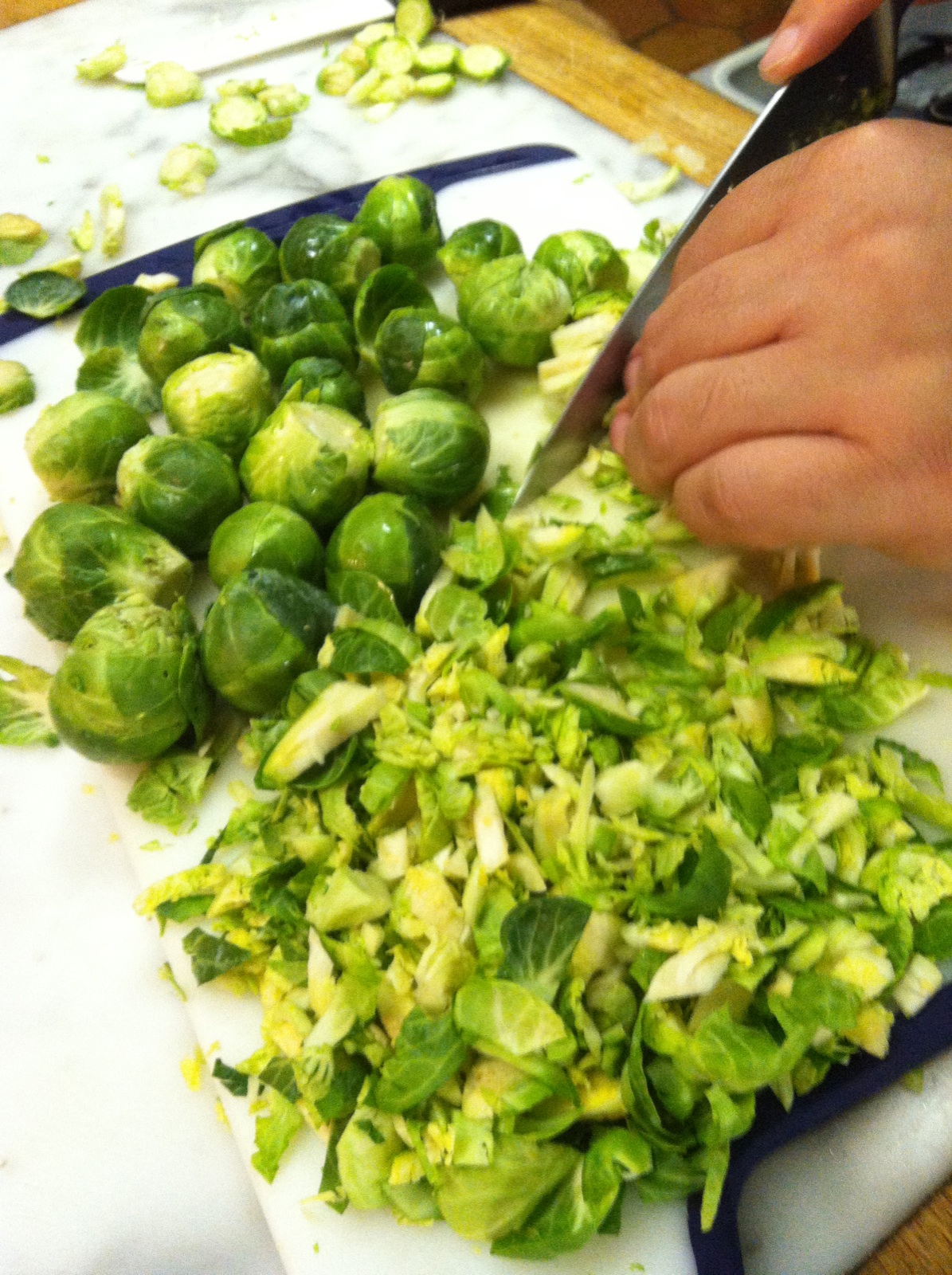
Prepping for bacon brussels sprouts 

The population under study was English. In addition to lower risk of death, the heavy fruit and vegetable consumers had lower rates of cancer and cardiovascular disease. Click for the actual research report.

If seven servings a day seems like a lot, note that a typical serving is only half a cup. You’ll get those with the Paleobetic Diet.

Steve Parker, M.D.

Type 2 Diabetics Better Exercise as They Age

Steve Parker MD

Strength training (aka resistance training) is the way to build muscle mass and strength. Jogging’s more for cardiovascular endurance.

Compared to others, elderly type 2 diabetics are more afflicted with diminished leg muscle mass, leg strength, and functional capacity. Click for details.

The right exercise program can counteract these problems, improve quality of life, and prevent falls.

Steve Parker, M.D.

h/t Bill Lagakos

Recipe: Bacon Bit Brussels Sprouts

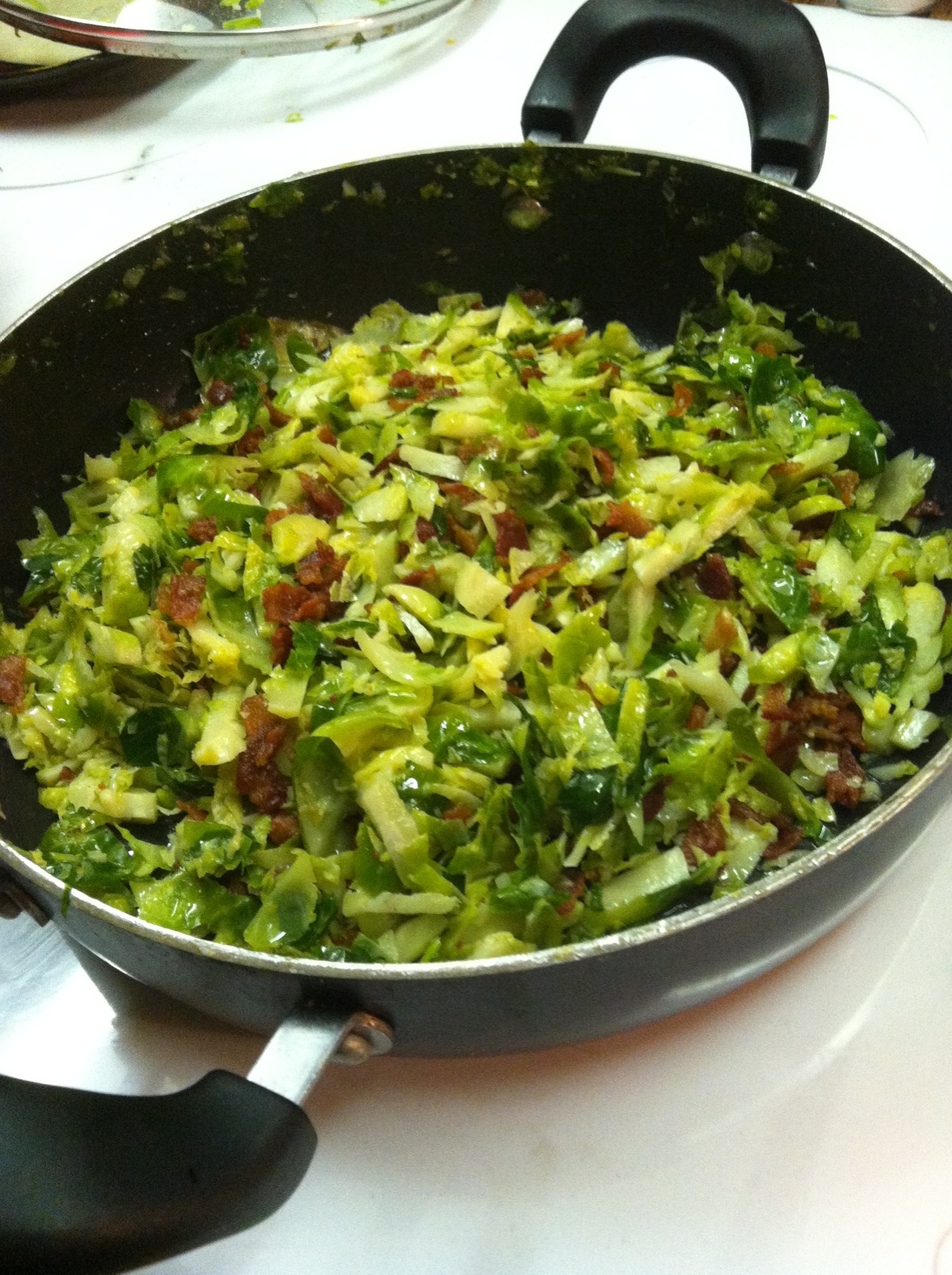
Bacon Bit Brussels Sprouts

Bacon Bit Brussels Sprouts

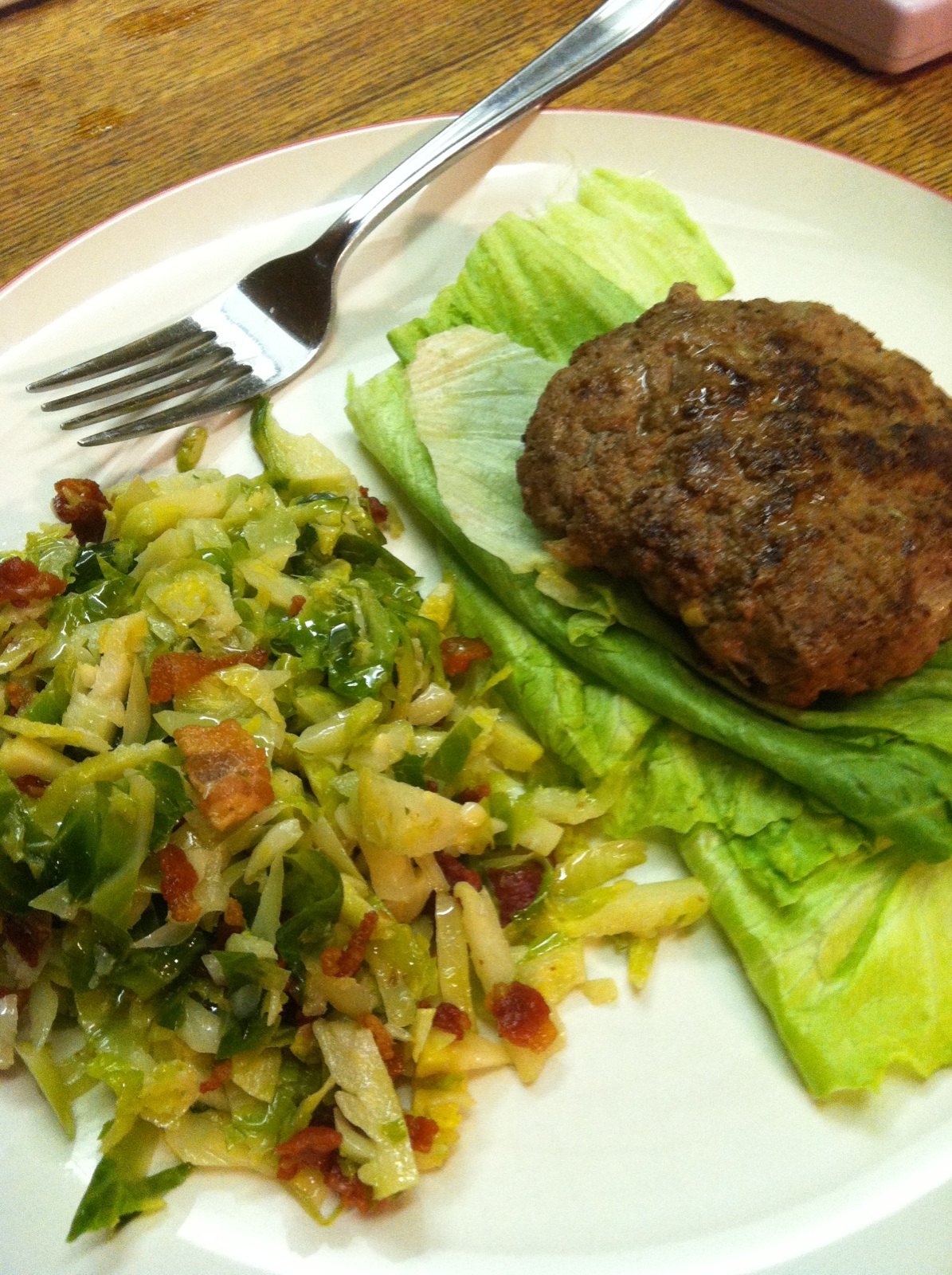
A while back I posted a meal recipe for Bacon Brussels Sprouts to accompany Brian Burgers. To make it a little more convenient, I’ve substituted off-the-shelf real bacon bits instead of frying my own bacon. I traded olive oil for the bacon grease. The two versions taste very similar.


diabetic diet, paleobetic diet, low-carb diet

It took me 10 minutes of chopping to shred the sprouts

Ingredients:

1 lb (454 g) Brussels sprouts, raw, shredded (slice off and discard the bases first)

4 tbsp (60 ml) extra virgin olive oil

5 tbsp (75 ml or 35 g real bacon bits or crumbles (e.g., by Hormel or Oscar Mayer)

2 garlic cloves, minced (optional)

1/8 (0.6 ml) tsp salt

1/4 tsp (1.2 ml) ground black pepper

3 tbsp (45 ml) water

Instructions:

diabetic diet, paleobetic diet, low-carb diet

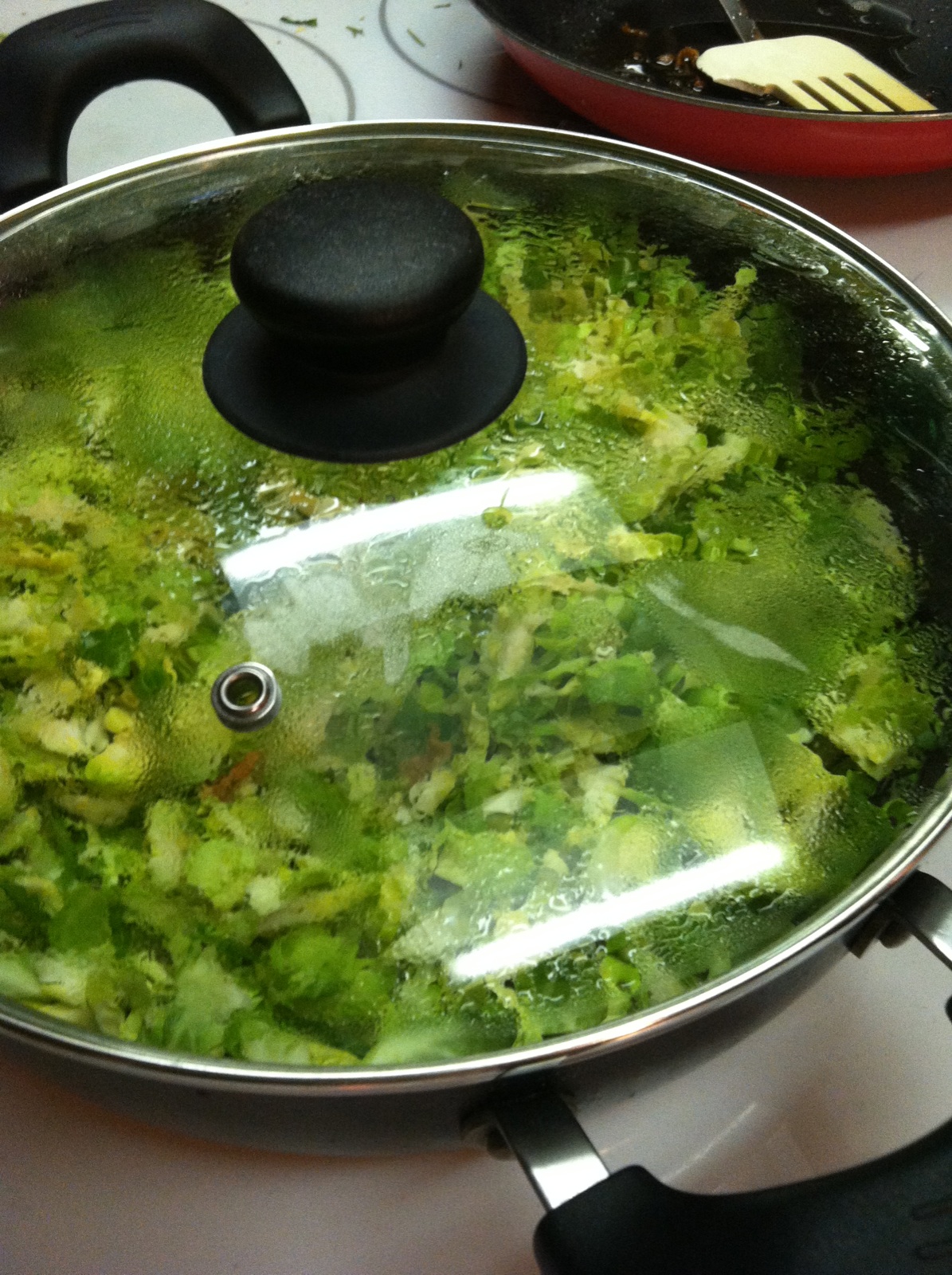
Steaming in progress

You’ll be steaming this in a pan with a lid. Put the garlic and olive oil in a pan and cook over medium-high heat for a few minutes to release the flavor of the garlic. Add the water to the pan and let it warm up for a half a minute or so on medium-high heat. Then add the shredded sprouts and cover with the lid. After a minute on this medium-high heat, turn it down to medium. The sprouts will have to cook for only 4–6 minutes. Every minute, shake the pan to keep contents from sticking. You might need to remove the lid and stir with a spoon once, but that lets ourtyour steam and may prolong cooking time. The sprouts are soft when done. Then remove from heat, add the bacon bits, salt, and pepper, then mix thoroughly.

When time allows, I’d like to experiment with this by leaving out the bacon and using various spices instead. Do you know what goes well with Brussels sprouts?

Number of Servings: 3 (1 cup or 240 ml each)

Nutritional Analysis per Serving:

71% fat

19% carbohydrate

10% protein

270 calories

14 g carbohydrate

6 g fiber

8 g digestible carbohydrate

328 mg sodium

646 mg potassium

Prominent feature: High in vitamin C (over 10o% of your RDA)

diabetic diet, low-carb diet, paleobetic diet

Brian burger and bacon Brussels sprouts

Steven Novella on Oil Pulling (or oil swishing)

paleobetic diet

Good source of omega-3 fatty acids

I mentioned oil pulling before, without much cogent comment. It involves swishing edible oil around in your mouth for 10—20 minutes, for oral and systemic health benefits. Steven Novella over at Science-Based Medicine gave it more consideration. His conclusion:

Oil pulling is a suggestive misnomer, implying that something bad is being pulled from the mouth (toxins and bacteria). What little scientific evidence exists shows that it is probably not as effective as standard mouth wash, and what benefit it has is likely entirely due to the mechanical act of swishing to remove particles and bacteria from teeth and gums.

There is no reason either theoretically or based upon any evidence to recommend oil pulling (which should be renamed “oil-swishing”) instead of standard modern health care with flossing, tooth-brushing, and mouth rinse. However, it does appear to be better than nothing, and might have a role in developing countries without access to modern oral care. The one caveat is that extended periods of swishing that are commonly recommended (10–20 minutes) are likely not necessary and further present a risk of lipoid pneumonia from accidentally breathing in small amounts of oil.

Read the rest.

Is Our Modern Food Supply Killing Us?

paleobetic diet

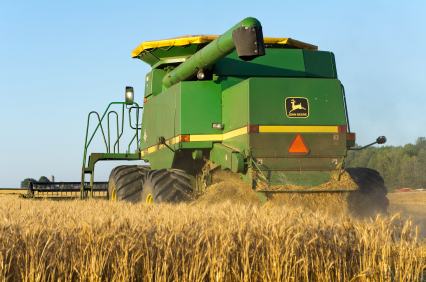
John Deere combine harvesting wheat

Well, it’s complicated.

Many in the blogosphere wring their hands and pace to-and-fro worrying about GMO food, food preservatives, HFCS, sugar, gluten, artificial chemical additives in our food, arsenic in our water, mercury in our fish, factory-farmed food animals, industrial seed oils, hormones in our milk, antibiotics in our meat, pasteurization of milk, etc.

Consider this: worldwide life expectancy at birth has increased from 52 in 1960 to 70 in 2010. So just how bad can the food supply be?

I wonder how many items in the list above will turn out like dietary cholesterol, saturated fat, and total fat. That is, not a big deal.

You can argue that life expectancy would be even longer if we had better food. I’m sure that’s true to a degree. You can argue that there have been myriad helpful cultural and technological changes, irrespective of the food supply. Very true.

I’m just trying to put things in a perspective. An 18-year improvement in life expectancy over a half century is a big deal. Regardless of how you feel about wheat, Norman Borlaug deserves some credit.

Steve Parker, M.D.

Alex Hutchinson and Matt Fitzgerald Endorse Old Stone Age Diet?

paleobetic diet, breakfast, paleo diet

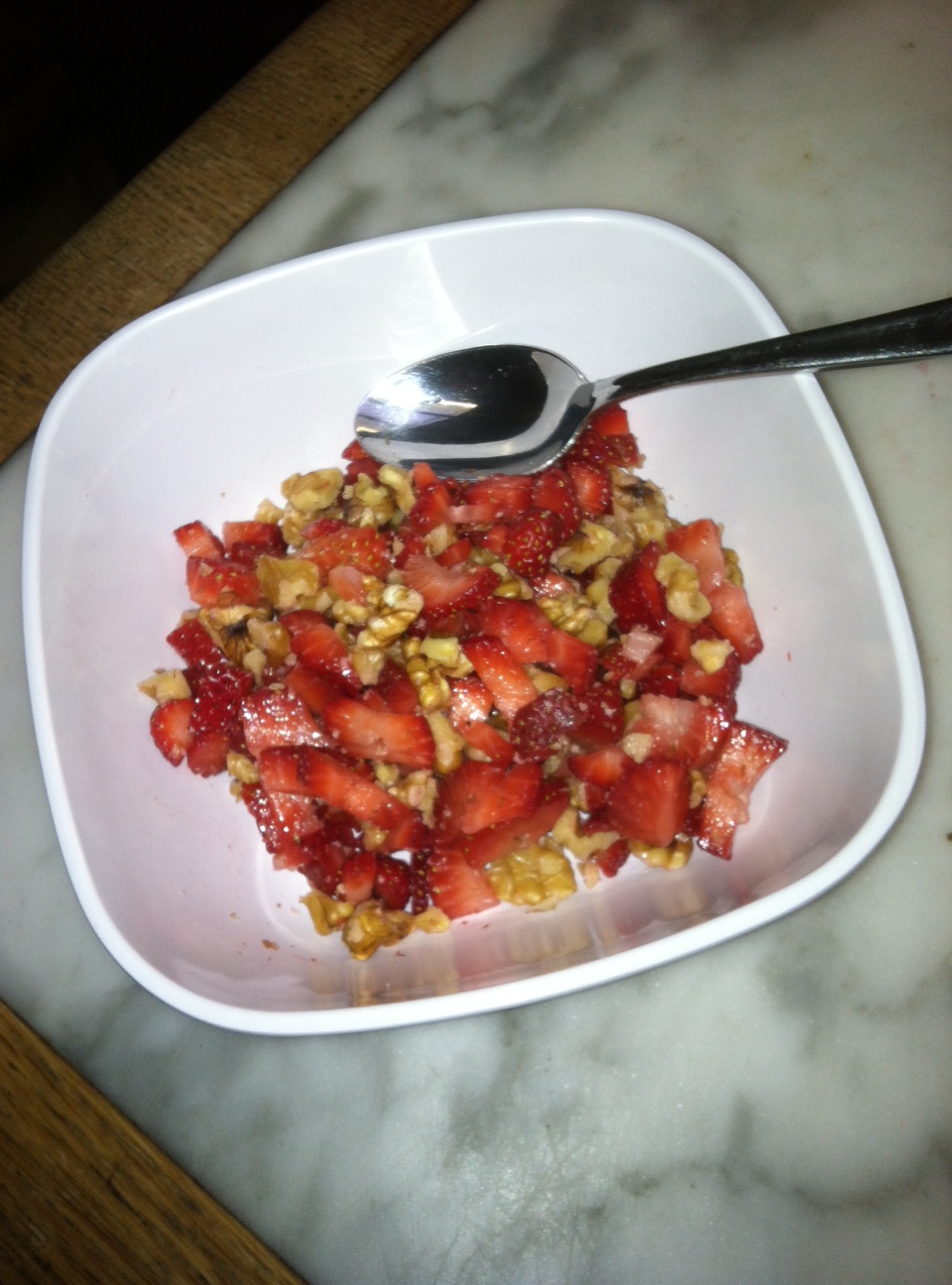
Brian’s Berry Breakfast: simply strawberries and walnuts. Nutrient analysis here: https://paleodiabetic.com/2013/02/27/brians-berry-breakfast/

Over at Runner’s World, Alex Hutchinson recommends three good books on nutrition. One is by Matt Fitzgerald called Diet Cults: The Surprising Fallacy at the Core of Nutrition Fads and Guide to Healthy Eating for the Rest of Us. Alex writes, “As you’d expect, he takes shots at various popular diets — Paleo, vegan, low-carb, low-fat, raw, and so on — but this isn’t really a debunking book. Frankly, if you’re a devoted adherent to one of these diets, this book probably won’t change your mind.” Anyway, Mr. Fitzgerald proposes a healthy eating hierarchy. The idea is that, wherever a food lies on the scale, the aim is to eat more of the foods that rank above it, and less of those ranked below it. In other words, generally eat more of the foods at the top of the list.

  • vegetables
  • fruits
  • nuts, seeds, and healthy oils
  • high-quality meat and seafood
  • whole grains
  • dairy
  • refined grains
  •  low-quality meat and seafood
  • sweets
  • fried foods

Those top four items pretty much define a pure paleo diet.

Steve Parker, M.D.

h/t Yoni Freedhoff (His Diet Fix book is one of the three recommended)

Paleobetic Diet Printable Documents Now Available: Daily Log and Shopping List

Paleobetic diet, Steve Parker MD,paleo diet, diabetic diet, diabetes

Cover designed by my 15-year-old son, Paul

For those of you on the Paleobetic Diet, please note that I’ve prepared some printable documents you might find helpful. They are a Daily Log and Shopping List that you’ll find on the “Print Documents” page. Check ’em out! I would appreciate feedback.

I regret that I couldn’t produce them sooner. My full-time job practicing medicine interferes with my blogging and other writing projects.

Steve Parker, M.D.

Eat Nuts to Reduce Cardiovascular Risk and Improve Type 2 Diabetic Blood Sugars

Paleobetic diet

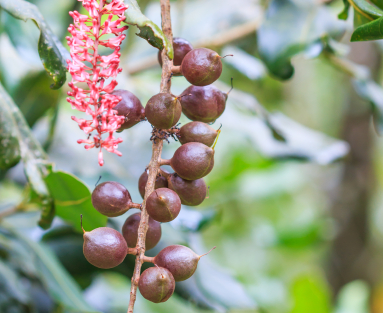
Macadamia nuts on the tree

Most of the diets I recommend to my patients include nuts because they’re so often linked to improved cardiovascular health in scientific studies. Walnuts are associated with reduced risk of type 2 diabetes in women, and established type 2 diabetics see improved blood sugar control and lower cholesterols when adding nuts to their diets.
paleobetic diet, diabetic diet, low-carb diet

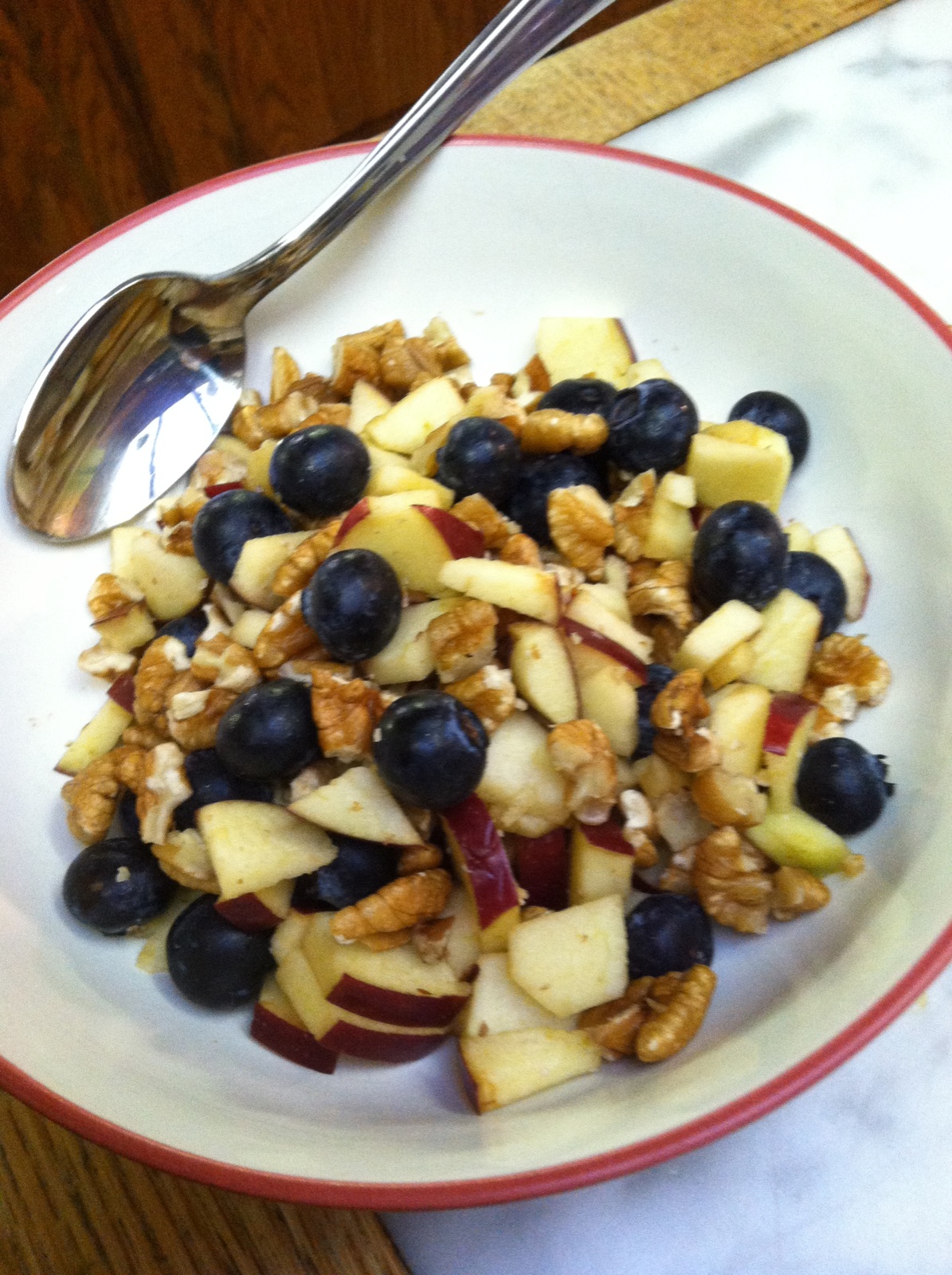
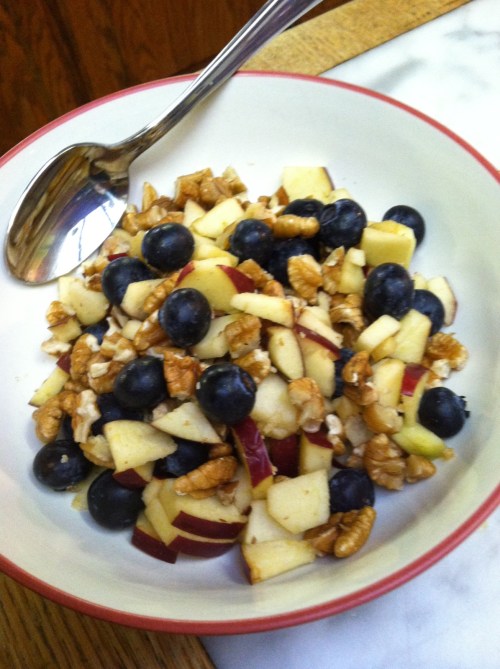
Apples, pecans, and blueberries: So simple even a redneck can make it (I are a redneck)

Nut consumption lowers total and LDL cholesterol levels, and if triglycerides are elevated, nuts lower them, too. Those changes would tend to reduce heart disease.

Conner Middelmann-Whitney has a good nutty article at Psychology Today.

Steve Parker, M.D.

Reference: Joan Sabaté, MD, DrPH; Keiji Oda, MA, MPH; Emilio Ros, MD, PhD. Nut Consumption and Blood Lipid Levels: A Pooled Analysis of 25 Intervention Trials. Archives of Internal Medicine, 2010, Vol. 170 No. 9, pp 821-827. Abstract:

Background  Epidemiological studies have consistently associated nut consumption with reduced risk for coronary heart disease. Subsequently, many dietary intervention trials investigated the effects of nut consumption on blood lipid levels. The objectives of this study were to estimate the effects of nut consumption on blood lipid levels and to examine whether different factors modify the effects.

Methods:  We pooled individual primary data from 25 nut consumption trials conducted in 7 countries among 583 men and women with normolipidemia and hypercholesterolemia who were not taking lipid-lowering medications. In a pooled analysis, we used mixed linear models to assess the effects of nut consumption and the potential interactions.

Results:  With a mean daily consumption of 67 g of nuts [about 2 ounces or 2 palms-ful], the following estimated mean reductions were achieved: total cholesterol concentration (10.9 mg/dL [5.1% change]), low-density lipoprotein cholesterol concentration (LDL-C) (10.2 mg/dL [7.4% change]), ratio of LDL-C to high-density lipoprotein cholesterol concentration (HDL-C) (0.22 [8.3% change]), and ratio of total cholesterol concentration to HDL-C (0.24 [5.6% change]) (P < .001 for all) (to convert all cholesterol concentrations to millimoles per liter, multiply by 0.0259). Triglyceride levels were reduced by 20.6 mg/dL (10.2%) in subjects with blood triglyceride levels of at least 150 mg/dL (P < .05) but not in those with lower levels (to convert triglyceride level to millimoles per liter, multiply by 0.0113). The effects of nut consumption were dose related, and different types of nuts had similar effects on blood lipid levels. The effects of nut consumption were significantly modified by LDL-C, body mass index, and diet type: the lipid-lowering effects of nut consumption were greatest among subjects with high baseline LDL-C and with low body mass index and among those consuming Western diets.

Conclusion:  Nut consumption improves blood lipid levels in a dose-related manner, particularly among subjects with higher LDL-C or with lower BMI.