American Diabetes Association Sets New Criteria for Diagnosis of Gestational Diabetes

Gestational diabetes occurs in 5% of pregnancies in the U.S., affecting more than 240,000 births annually.

All pregnancies are characterized by some degree of insulin resistance and high insulin levels: they are necessary for the baby.  Nevertheless, healthy pregnant women run blood sugars 20% lower than when they are not pregnant.

Most women should undergo a screening test for gestational diabetes around the 24th to 28th week of pregnancy.  Screen earlier if undiagnosed type 2 diabetes is suspected or if risk factors for diabetes are present.  The American Diabetes Association (2014 guidelines) recommends either one of two screening tests.

  • “One-step test.” It’s a morning oral glucose tolerance test after at least eight hours of fasting. Fasting blood sugar is tested then he woman drinks 75 grams oral of glucose.  Blood sugar is tested again one and two hours later.  This blood sample is obtained by a needle in a vein, not by finger prick.  Gestational diabetes is diagnosed if any of the following apply: 1) fasting glucose is 92 mg/dl (5.1 mmol/l) or higher, 2) 0ne-hour level is 180 mg/dl (10.0 mmol/l) or higher, or 3) two-hour level is 153 mg/dl (8.5 mmol/l) or higher.
  • “Two-step test.” This is a nonfasting test with only one needle-stick. The woman drinks 50 grams of glucose; plasma glucose is tested one hour later. But if it’s over 140 mg/dl (10.0 mmol/l), that’s a flunk and a three-hour 100-gram oral glucose tolerance test in the fasting state must be done (step two). Gestational diabetes is present if the three-hour glucose is 140 mg/dl (7.8 mmol/l) or higher. Other experts say the diagnosis requires two or more of the following:
    • fasting blood sugar > 95 mg/dl (5.3 mmol/l)
    • 1-hour blood sugar > 180 mg/dl (10 mmol/l)
    • 2-hour blood sugar > 155 mg/dl (8.6 mmol/l)
    • 3-hour blood sugar > 140 mg/dl (7.8 mmol/l)

You’ll find that various expert panels have proposed different criteria for the diagnosis. The National Institutes of Health in the U.S. published their consensus statement in 2013.

There’s no need for the screening test if a random blood sugar is over 200 mg/dl (11.1 mmol/l) or a fasting sugar is over 126 mg/dl: those numbers already define diabetes, assuming they are confirmed with a second high reading.  A random blood sugar over 200 mg/dl (11.1 mmol/l) should probably be repeated for confirmation.  Gestational diabetes can be diagnosed at the first prenatal visit if fasting blood sugar is 92 or over mg/dl (5.1 mmol/l or over) but under 126 mg/dl (7 mmol/l), or if hemoglobin A1c at the first prenatal visit is 6.5% or greater.

Women with diabetes in the first trimester have overt diabetes, not gestational diabetes.

To learn a little about treatment of gestational diabetes, check out this post.

Steve Parker, M.D.

How Does Your Doctor Choose Your Diabetes Drugs?

paleobetic diet, low-carb diet, diabetic diet

How about this one?

We now have 12 classes of drugs for the treatment of diabetes. Choosing which ones to use is not always straightforward.

It’s easy for type 1 diabetes: insulin.

Type 2’s have more options. Metformin is the unanimous #1 pick. After that, it’s murky.

I recently reviewed the American Diabetes Association’s Standards of Medical Care in Diabetes – 2014. A type 2 treatment algorithm therein mentions only six of the 12 available classes. This gives you an idea of expert consensus on which drugs to use. The classes are biquanides (metformin), sulfonylureas, thiazolidinediones, DPP-4 inhibitors, GLP-1 agonists, and insulins. This is one reason you don’t see much use of bromocriptine and colesevelam.

The American Association of Clinical Endocrinologists also have a type 2 diabetes treatment algorithm, published in 2013. It also addresses prediabetes and overweight/obesity. You’ll see some of the other classes mentioned. It’s confusing because of abbreviations.

Believe it or not, most doctors want to do what’s right for our patients. We want positive results that reduce suffering and death. Does Big Pharma influence the production of guidelines and individual physician drug choices? If I had to guess, I’d say yes. But I don’t have the resources to investigate that in any depth. I know without a doubt that if I recommend a drug and the patient has a bad outcome, it helps me win the malpractice lawsuit if I’ve recommended a guideline-approved drug. Other docs know that, and it’s one of many factors that influence drug choice. We also consider cost (if you bring it up), convenience, patient preference, what our local colleagues are doing, what other illnesses the patient has, potential adverse drug effects, etc.

We don’t know the long-term adverse effects of many of these drugs. That’s why I favor doing as much as reasonably possible with lifestyle modification, such as diet and exercise, before stacking up multiple drugs. If you need drugs, and most with diabetes do, lifestyle modification can help you minimize drug use.

Steve Parker, M.D.

Unexpected Caveman Foods

Offal includes tongue, heart, liver, kidney, intestine, pancreas, trotters, and ?

Offal includes tongue, heart, liver, kidney, intestine, pancreas, trotters, and ?

Tom Schuler’s blog has a guest post by archeologist John Williams, Ph.D. entitled “How to eat like a cavemen (the real kind).” Dr. Williams reviews some evidence that our Paleolithic ancestors ate:

  • chyme
  • human flesh
  • blood (e.g., Plains Indians drinking warm buffalo blood)
  • yogurt (e.g., from the stomachs of suckling buffalo calves)
  • milk
  • bone and organ grease
  • alcohol (from fermented fruit)

Read the rest. It’s a funny and quick read.

Image

Merry Christmas!

Nativity Scene

What Is The Only Australian Plant Crop That Has Ever Been Commercially Developed as a Food?

David Mendosa says the answer is the macadamia nut.

Paleobetic diet

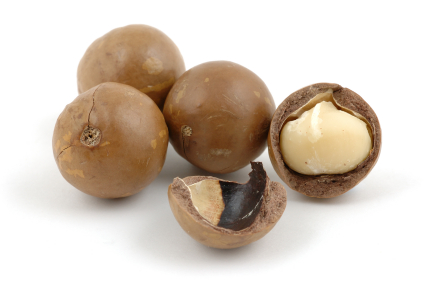
Macadamia nuts

From a paleo perspective, a great thing about the macadamia nut is that it’s one of the few nuts with a good omega-6/omega-3 fatty acid ratio. In other words, it’s high in omega-3 and low in 6. This may have important cardiovascular health implications. Macadamias are one of the nuts I recommend on my Paleobetic Diet.

David writes:

The first Australian macadamia plantation didn’t begin until the 1880s. And not until 1954 with the introduction of mechanised processing did commercial production became viable. Nowadays about 90 percent of the the world’s macadamia nut production comes from Hawaii, where it has become its third most important crop, according to The Wellness Encyclopedia of Food and Nutrition, University of California at Berkeley (1992).

Read the rest, where you’ll learn that macadamia nuts are the highest of all nuts in calories, gram for gram.

Paleobetic diet

Macadamia nuts on the tree

What’s the Single Best Diet for T2 Diabetics?

Thinking about it...

Thinking about it…

DietDoctor has some ideas based on a recent scientific study:

A new exciting Swedish study provides us with strong clues on how a person with diabetes should eat (and how to eat to maximize fat burning). It’s the first study to examine in detail how various blood markers change throughout the day depending on what a diabetic person eats.

The study examined the effects of three different diets in 19 subjects with diabetes type 2. They consumed breakfast and lunch under supervision in a diabetes ward. The caloric intake in the three diets examined was the same, but the diets differed in the following manner:

  1. A conventional low-fat diet (45-56% carbs)
  2. A Mediterranean diet with coffee only for breakfast (= similar to 16:8 intermittent fasting) and a big lunch (32-35% carbs)
  3. A moderate low-carbohydrate diet (16-24% carbs)

All participants tested all three diets, one diet each day in randomized order.

Click through for results. Hint: Carbohydrate restriction works.

Steve Parker, M.D.

Don’t Kid Yourself: Obesity Still Shortens Life Even If “Metabolically Healthy”

I'll eat my hat if this dude doesn't have metabolic syndrome

I’ll eat my hat if this dude doesn’t have metabolic syndrome

See details at MedPageToday.

Some folks can get away with smoking or drinking too much, but others can’t. They have hell to pay. There’s one sure-fire way to eliminate smoking-related disease risk.

Some studies suggest you can be healthy and long-lived while obese as long as you’re “metabolically healthy.” That is, if you have normal blood pressure, LDL cholesterol, triglycerides, blood sugar, and waist circumference. (You can be obese with a “normal” waist circumference, but it’s not easy.) A new meta-analysis finds the “metabolically healthy” label is a misnomer: you’re still at higher risk for death or cardiovascular events if you’re obese and free of metabolic syndrome features.

“Our results do not support this concept of ‘benign obesity’ and demonstrate that there is no ‘healthy’ pattern of obesity,” Kramer and colleagues wrote. “Even within the same category of metabolic status (healthy or unhealthy) we show that certain cardiovascular risk factors (blood pressure, waist circumference, low high-density lipoprotein cholesterol level, insulin resistance) progressively increase from normal weight to overweight to obese.”

Click for the scientific journal abstract.

This report does not directly address the “fat but fit” concept, whereby you can counteract some of the adverse health effects of obesity by being fit. By fit, I mean regularly exercising and achieving a decent level of capacity and tolerance for physical activity. Fat but fit still holds.

Steve Parker, M.D.

PS: For an opposing view of the study at hand, see comments by psychologist Deb Burgard. (h/t Beth Mazur)

Recipe: Steak, Avocado, Olives and Tomato

Paleobetic diet

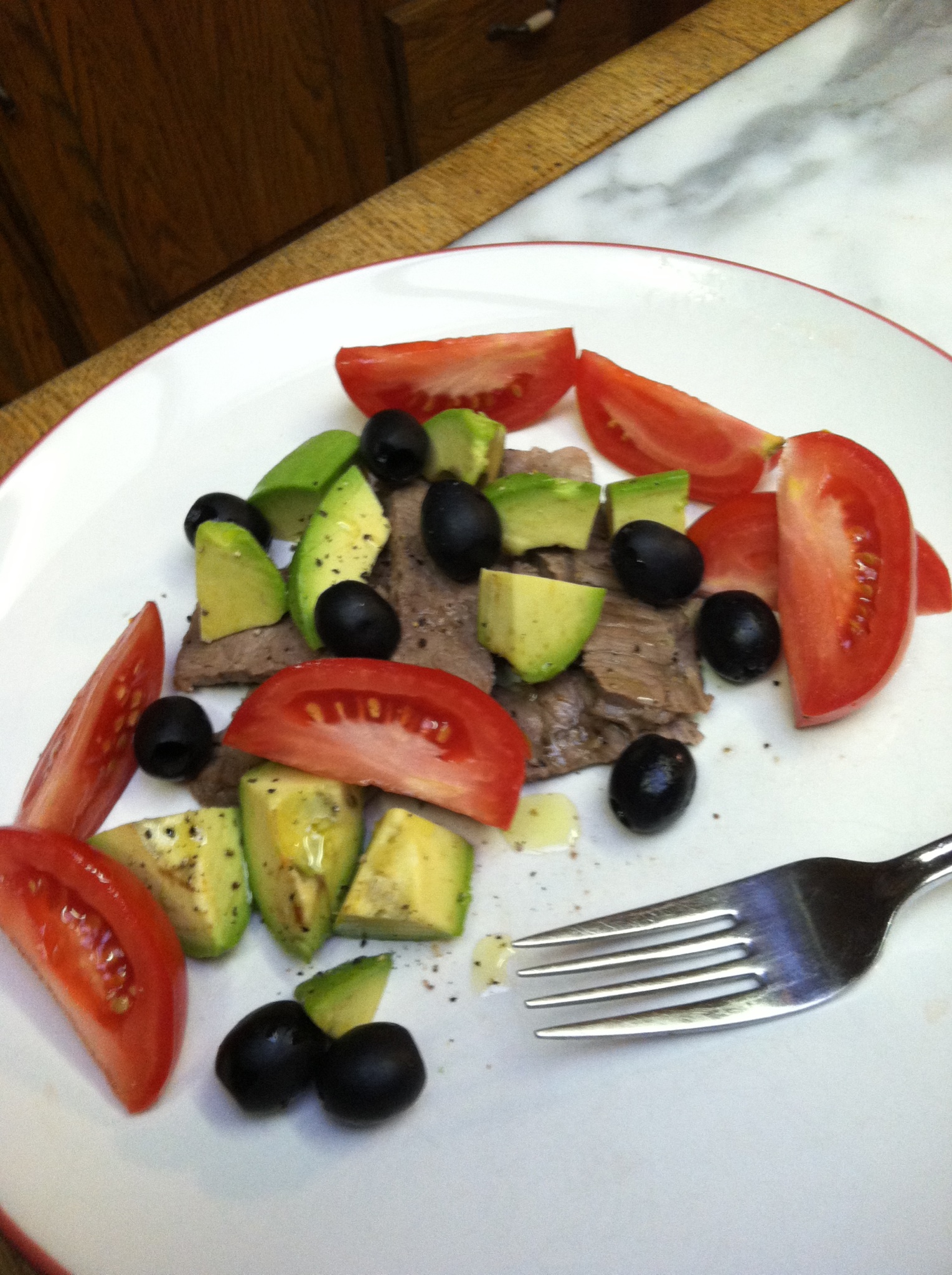
I ate mine for breakfast. Who needs bagels, cereal, and donuts?

This was super-easy to put together because I used leftover steak. But I’ll assume you’re cooking your steak fresh. We bought ours as thinly sliced round steak, about a 1/4-inch thick (0.6 cm). Some places might refer to this as a “minute steak” because it cooks so quickly. Minute steak also refers to a piece of beef, usually the round, that’s been pounded flat, about a 1/4-inch thick. Even if you start with raw meat, you can prepare today’s recipe in 10 minutes.

Paleobetic diet

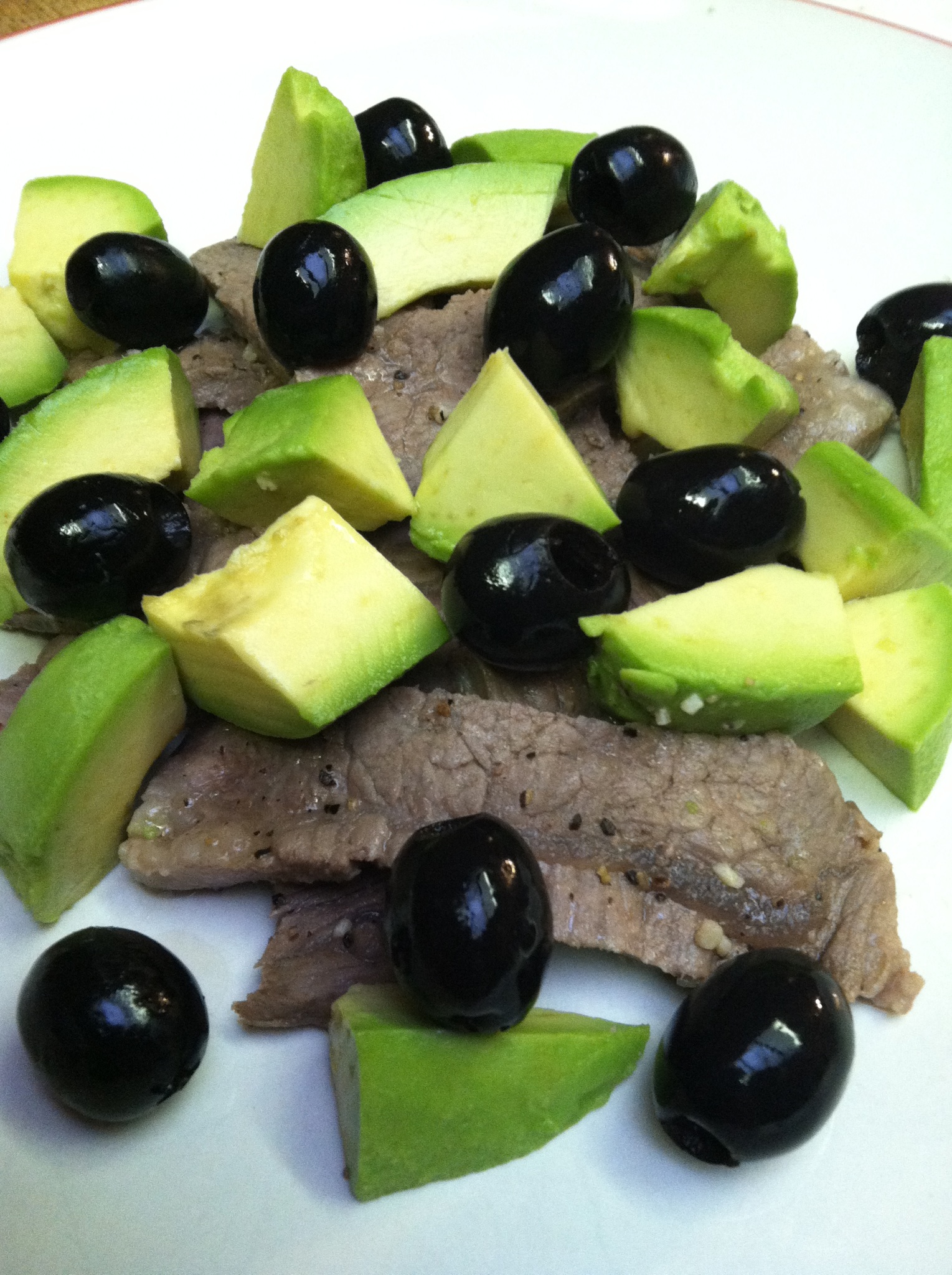
It tastes as good as it looks

Ingredients:

4 oz (113 g) cooked thin round steak (start with 5 oz raw)

1 California (Hass) avocado, standard size (4.5 oz or 127 g), peeled, pitted, and chunked

14 black olives, pitted, medium size (Purist alert: probably highly processed)

1 tomato, medium-size (medium size or 2.5-inch diameter (6,4 cm), or a large roma tomato), cut into wedges

Salt and pepper to taste, or use commercial steak seasoning such as Montreal Steak Seasoning by McCormick (a favorite at the Parker Compound)

Instructions:

Sprinkle your steak with seasoning then cook over medium or medium-high heat in a skillet, about a minute on each side. Or heat your leftover steak in the microwave. If you overcook, it will be tough.

Place all ingredients artfully on a plate and enjoy.

Servings: 1

Nutritional Analysis (via Fitday):

60% fat

12% carbohydrate

28% protein

600 calories

20 g carbohydrate

12 g fiber

8 g digestible carbohydrate

587 mg sodium

1530 mg potassium

Prominent features: Lots of protein, vitamin B6, vitamin B12, copper, iron, niacin, pantothenic acid, phosphorus, selenium, and zinc

Low Calcium Intake May Not Matter for Bone Health

paleobetic diet, diabetic diet, calcium

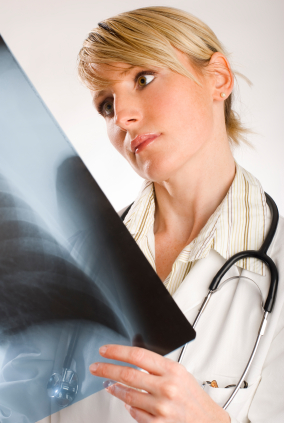
Modern “films” are digital

I’ve worried about the relatively low calcium content of most paleo diets. I see lots of little old ladies eating non-paleo with hip, spine, and wrist fractures related to the bone-thinning disease called osteoporosis. The bones break because they’re not adequately dense. Some experts think low calcium intake causes osteoporosis.

A Vietnamese study published in 2009 compared bone density of Buddhist nuns, who are vegans, with omnivorous controls. Dietary calcium content was 330 mg/day in the vegans, 682 mg/day in the omnivores. Nevertheless, bone density and osteoporosis prevalence were not significantly different between the groups. (Unfortunately, fracture rates were not reported.)

So perhaps the relatively low calcium content of paleo diets isn’t anything to worry about.

Steve Parker, M.D.

h/t Jamie Scott

Have You Heard It’s Better to Squat Than Sit While Defecating?

It may prevent hemorrhoids, according to a writer at Slate.

I first heard about this debate around three years ago, probably at Mark’s Daily Apple. You don’t hear about it much now. An article at Huffington Post dredged it up recently. The Post will also tell you 14 other things you’re doing wrong in the bathroom. Take’em with a grain of salt.

I only bring this to your attention in case you’re new to the paleo lifestyle. It’s not just about food, ya know. Modern toilets haven’t been around forever. Billions of us still squat to poop, just like our ancestors.