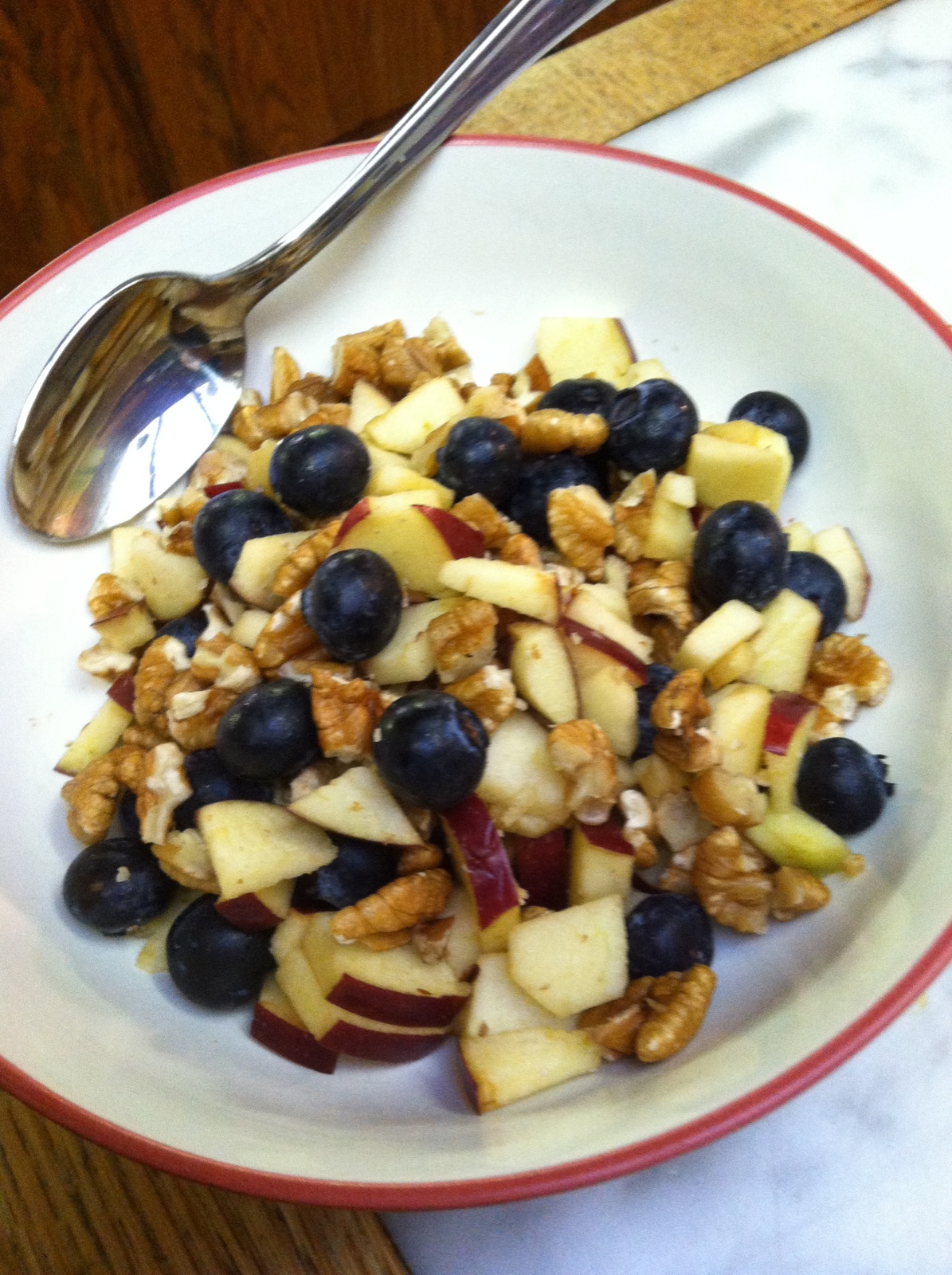
Recipe: Apple, Pecan, Blueberry Lunch Bowl

paleobetic diet, diabetic diet, low-carb diet

So simple even a redneck can make it (I are a redneck)

Ingredients:

2.5 oz (70 g) apple, diced (“red delicious” variety works well) (this is half a medium-sized apple)

2.5 oz (70 g) pecans, crumbled into small pieces

2.5 oz (70 g) raw blueberries

Instructions:

Mix all together in a bowl, then enjoy. I know a lotta you bros will just eat all the components individually—but try the mix once for new flavors.

Servings: 1

Nutritional Analysis:

76% fat

20% carb

4% protein

570 calories

30 g carbohydrate

10 g fiber

20 g digestible carb

1.4 mg sodium

421 mg potassium

Prominent features: Quick and easy. Rich in copper, manganese, and thiamine. Inadequate protein to get you through the day, but you’ll make up for it at breakfast or dinner.

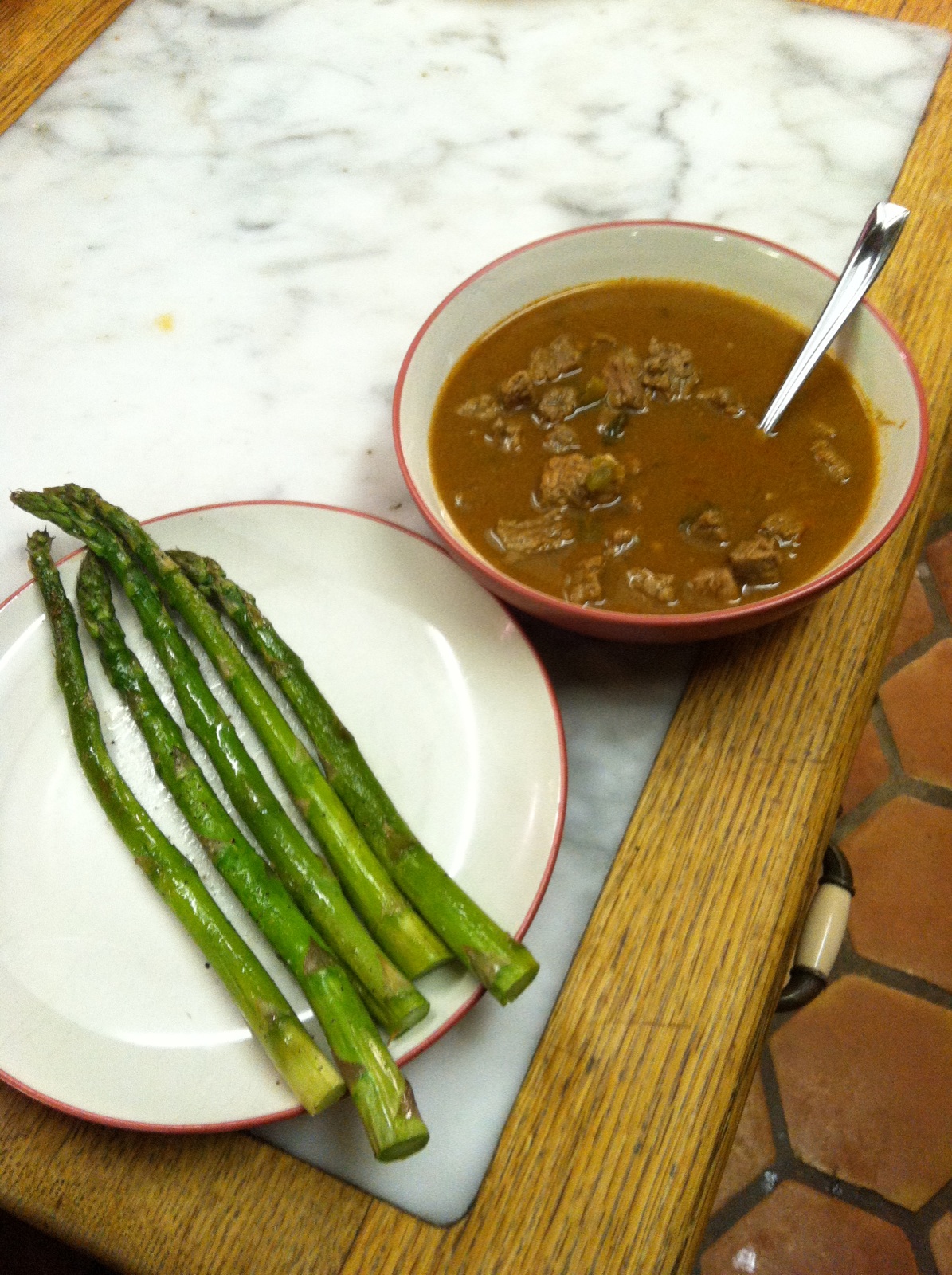
Recipe: Beef Soup, Roasted Asparagus, and Blackberries

low-carb diet, paleobetic diet, diabetic diet

Dinner time!

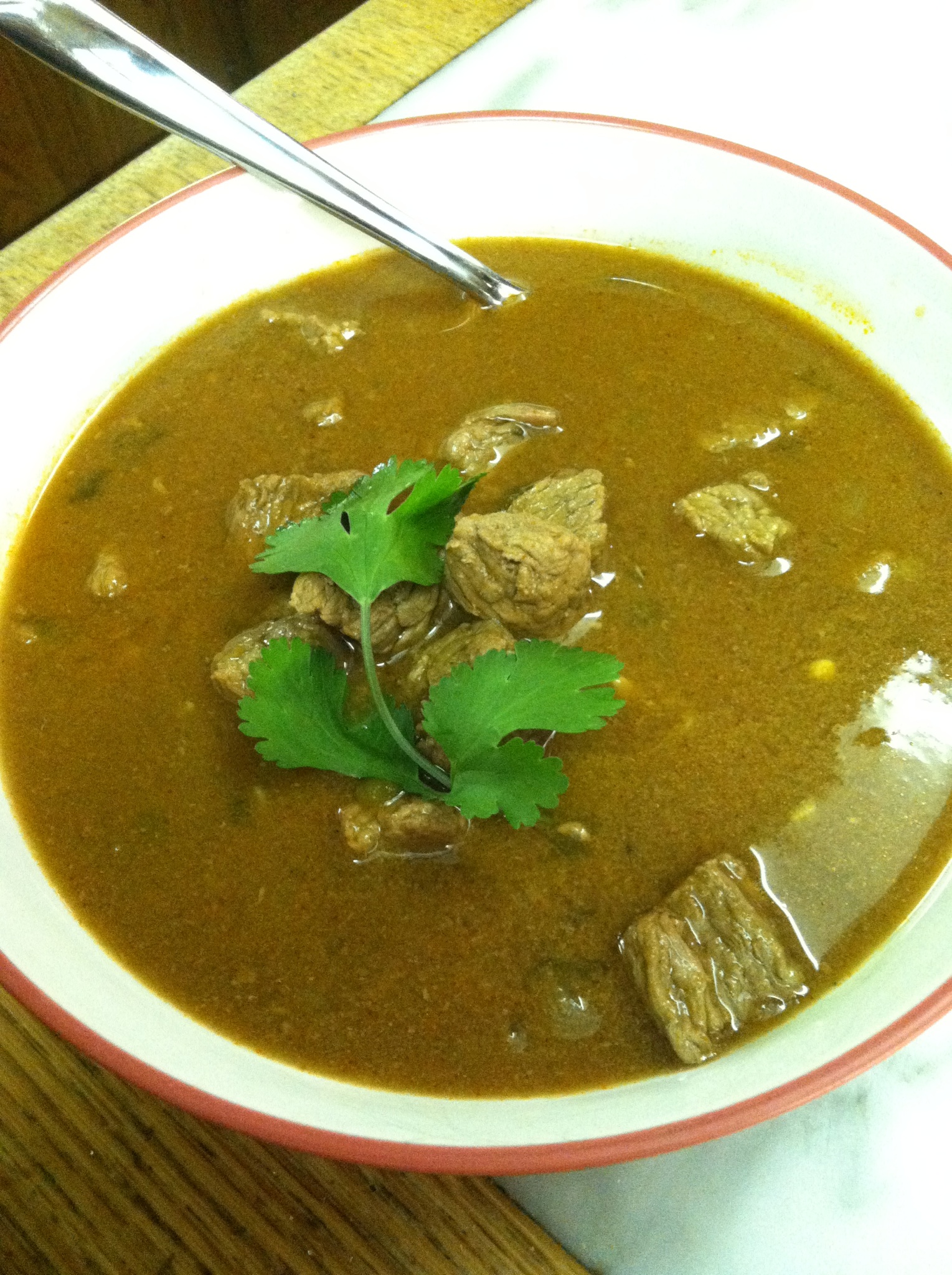
The entree is a cross between stew and soup; stoup, if you will.

Ingredients:

2 lb (0.9 kg) stew meat, lean, bite-sized chunks (tenderized by the butcher if able)

1 garlic clove, finely minced

6 sprigs cilantro, de-stemmed, whole leaves

2 oz (58 g) sweet onion, diced (1/2 of a small onion)

1/4 of a medium-size green bell pepper, de-seeded, diced (medium bell pepper weighs about 5.5 oz or 155 g)

8 oz (227 g) canned tomato sauce

2.5 cups (590 ml) water

1.25 tsp (6.2 ml) table salt

freshly ground black pepper to taste (1/4 tsp or 1.2 ml?)

16 oz (454 g) fresh raw asparagus, no larger in diameter than your little finger, with any dry or woody stalk cut off and discarded

1.5 tbsp extra virgin olive oil

7.5 oz (213 g) raw blackberries

Instructions:

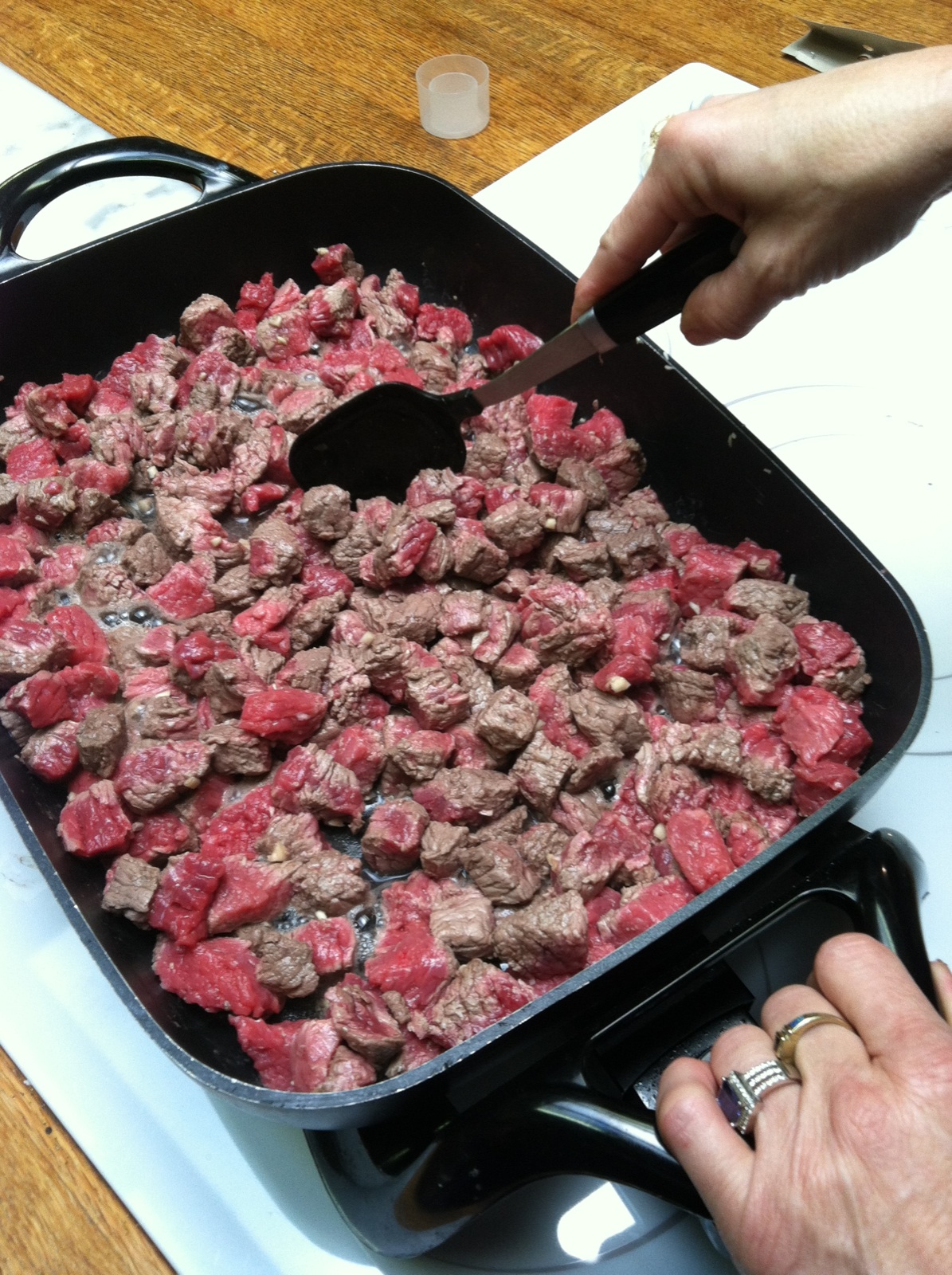
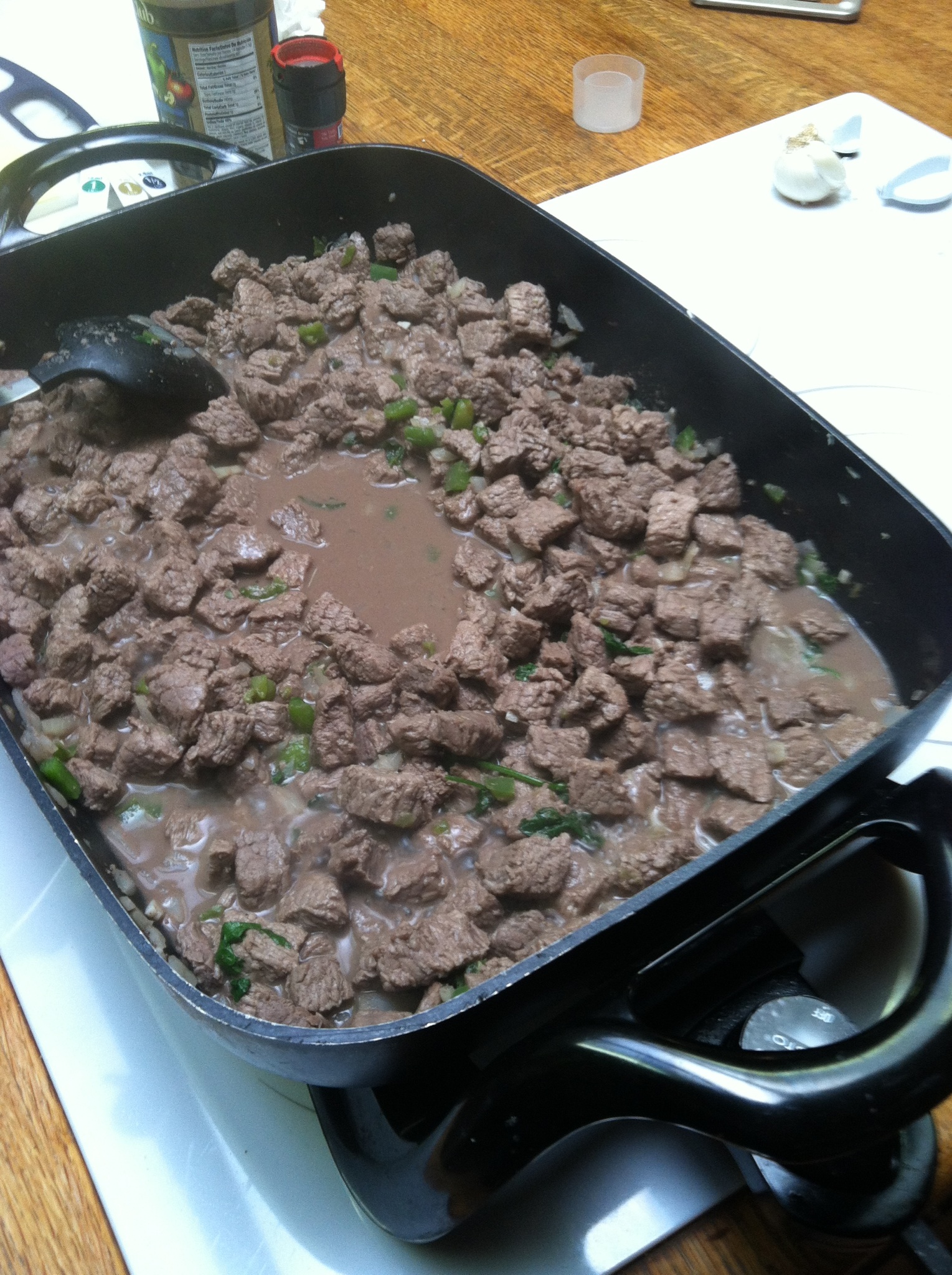
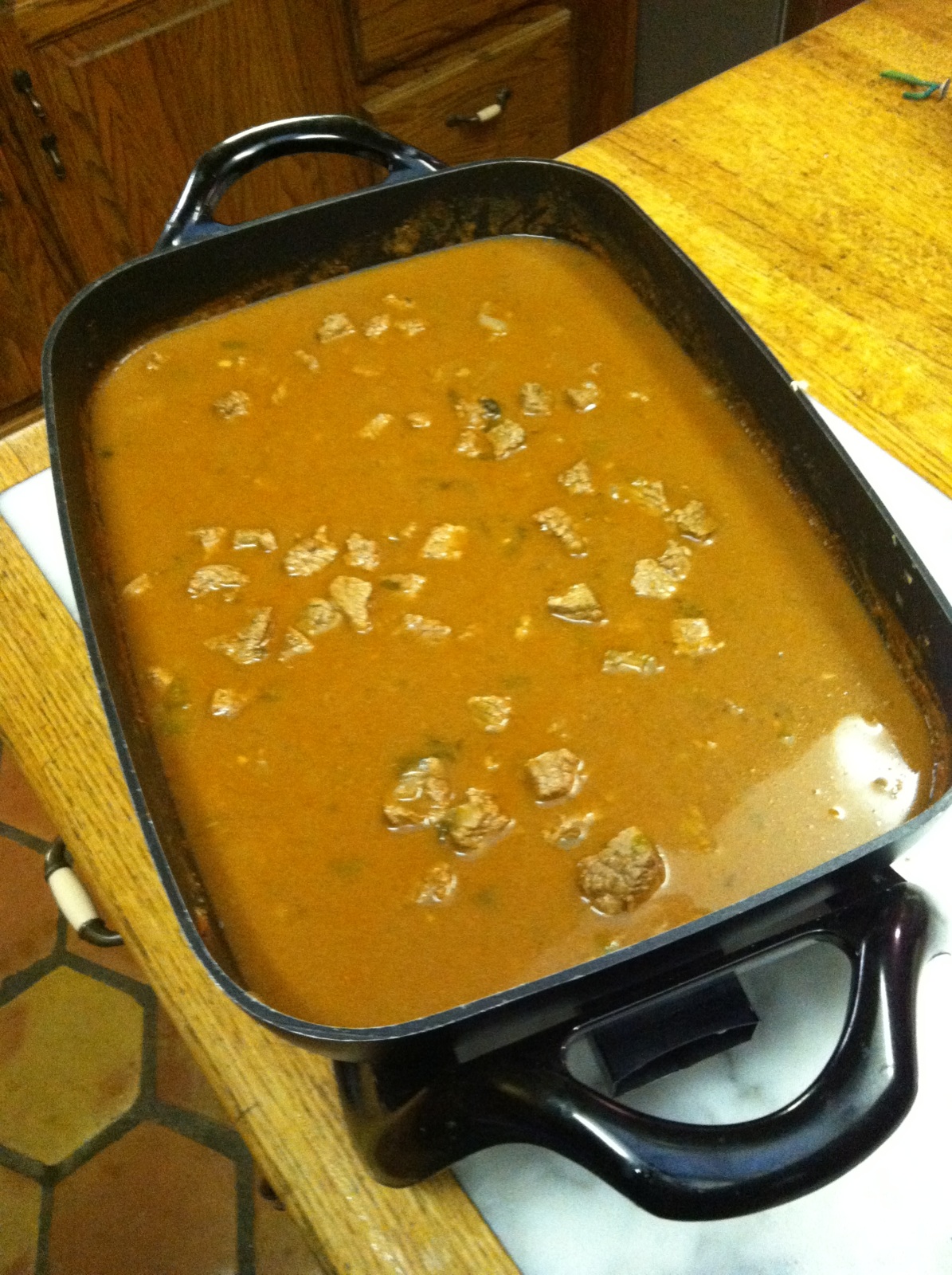
Stoup first. In a frying pan or electric skillet, place the stew meat, cilantro, garlic, bell pepper, onion, and cook over medium heat (350º F or 177º C) until the meat is done. Then add the tomato sauce, two cups of the water, one tsp of the salt, and pepper to taste. Simmer for two hours, then add a half cup water to replace evaporation loss.

low-carb diet, paleobetic diet, diabetic diet

Cooking stew meat. NOTE: this is double the amount the recipe calls for.

paleobetic diet, low-carb diet, diabetic diet

Meat is done and the “gravy” has magically appeared

low-carb diet, diabetic diet, paleobetic diet

Appearance after addition of the tomato sauce and 2 cups water

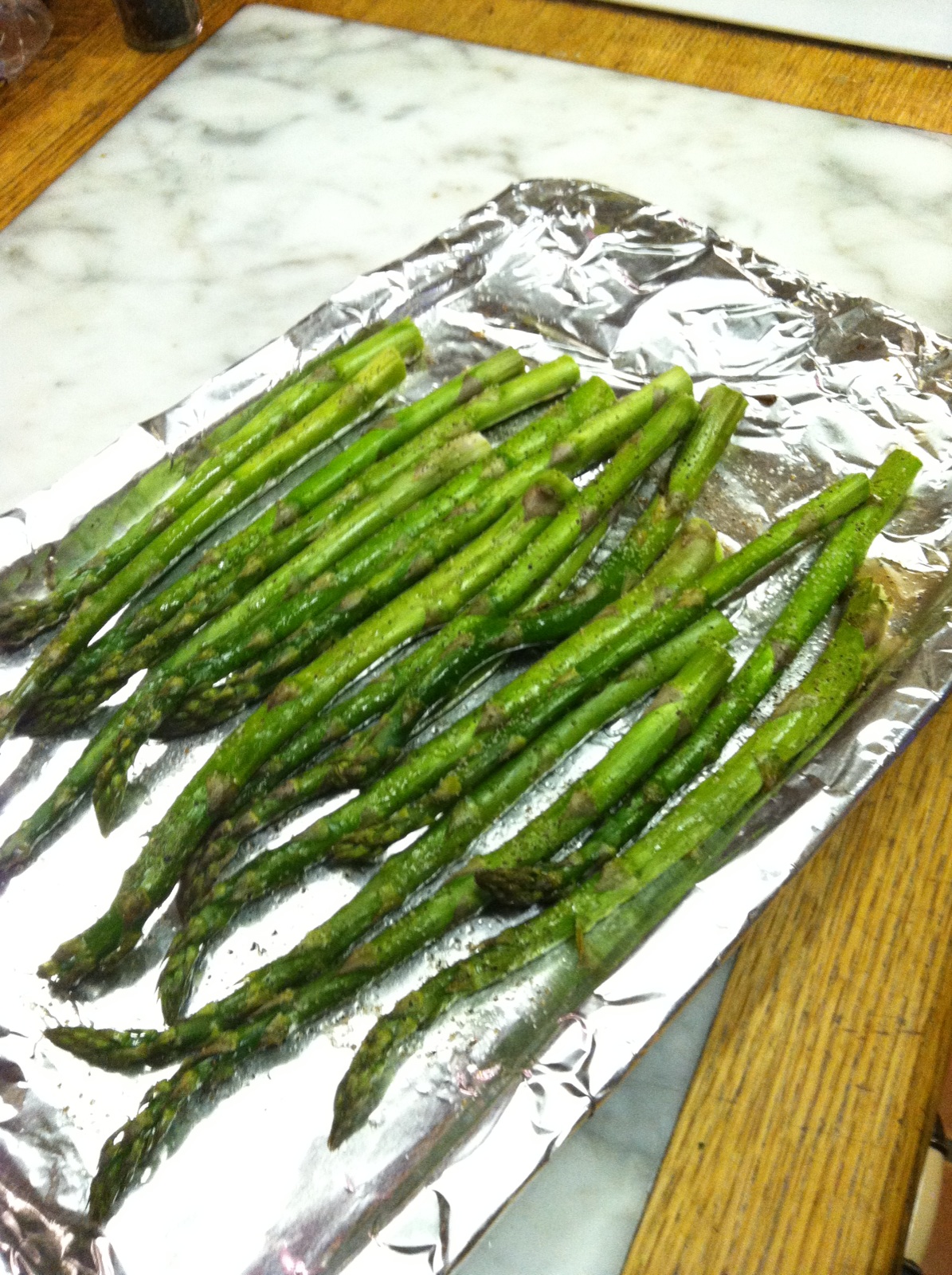
Now the asparagus. Preheat oven to 400º F or 204º C. Place asparagus on a cooking sheet covered with foil, brush the asparagus with the olive oil, then lightly salt (1/4 tsp?) and pepper to taste. (If you don’t mind cleaning up, just use a baking dish without the foil.) Roast in oven for 8–15 minutes; thicker asparagus takes longer. It’s hard to tell when it’s done just by looking; if it’s still hard, it’s not done. Click for another post I wrote on cooking asparagus and brussels sprouts.

paleobetic diet, low-carb diet, diabetic diet

Asparagus roasted at 400 degrees F for 12 minutes

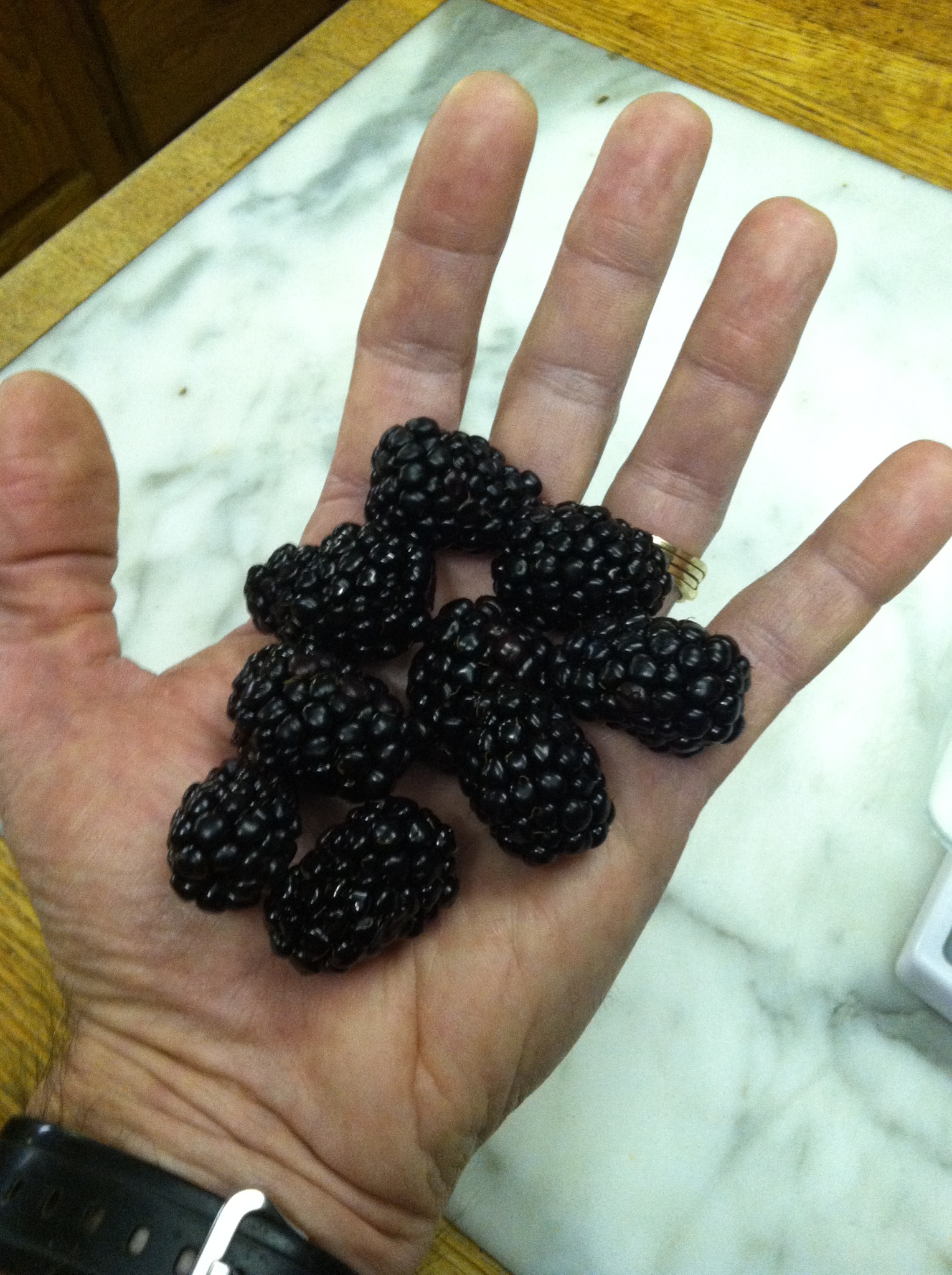
Enjoy the berries for desert.

low-carb diet, diabetic diet, paleobetic diet

2.5 oz or 1/2 cup of blackberries

Servings: 3 [one serving is 1.5 cups (355 ml) of soup, a third of the asparagus (5 oz (140 g), and 2.5 oz (70 g) berries]

Nutritional Analysis:

40 % fat

12 % carbohydrate

48 % protein

590 calories

19 g carbohydrate

8.5 g fiber

10.5 g digestible carb

1,557 mg sodium

1,778 mg potassium

Prominent features: Rich in protein, B6, B12, copper, iron, niacin, phosphorus, selenium, and zinc

low-carb diet, paleobetic diet, diabetic diet

The fresh cilantro is a nice touch

Paleobetic Recipe: Spaghetti Squash Spaghetti

Wait, what?

paleobetic diet, diabetic diet, low-carb diet, spaghetti squash, spaghetti

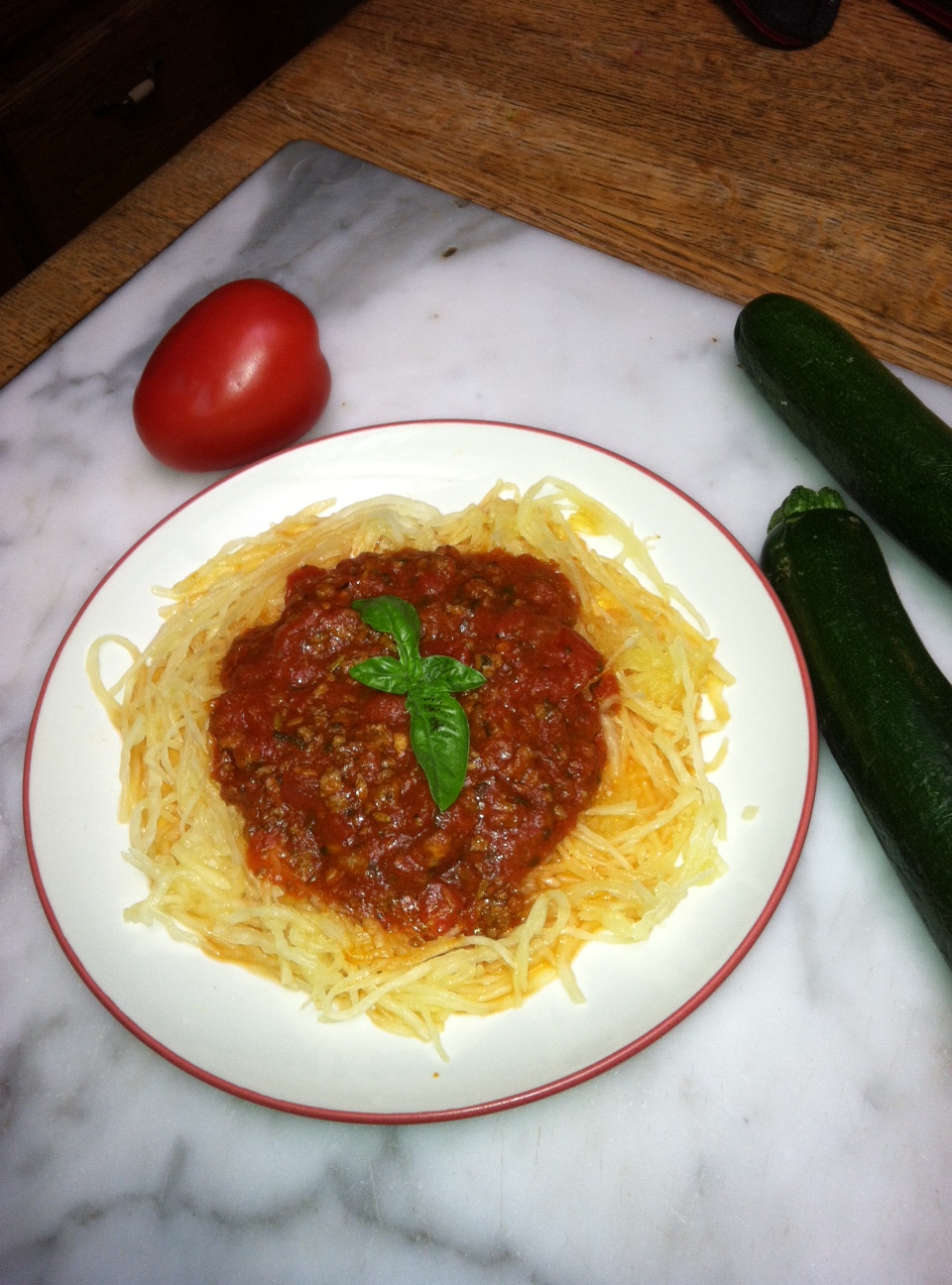
Meaty low-carb spaghetti sauce over spaghetti squash

Yeah, I know. Spaghetti’s not paleo.

But this one is. Recently here we’ve looked at low-carb spaghetti sauce and cooking spaghetti squash. It’s not too much of a stretch to put them together and call it spaghetti. No grain-based pasta here!

paleobetic diet, spaghetti, squash, low-carb diet, diabetic diet, paleo diet

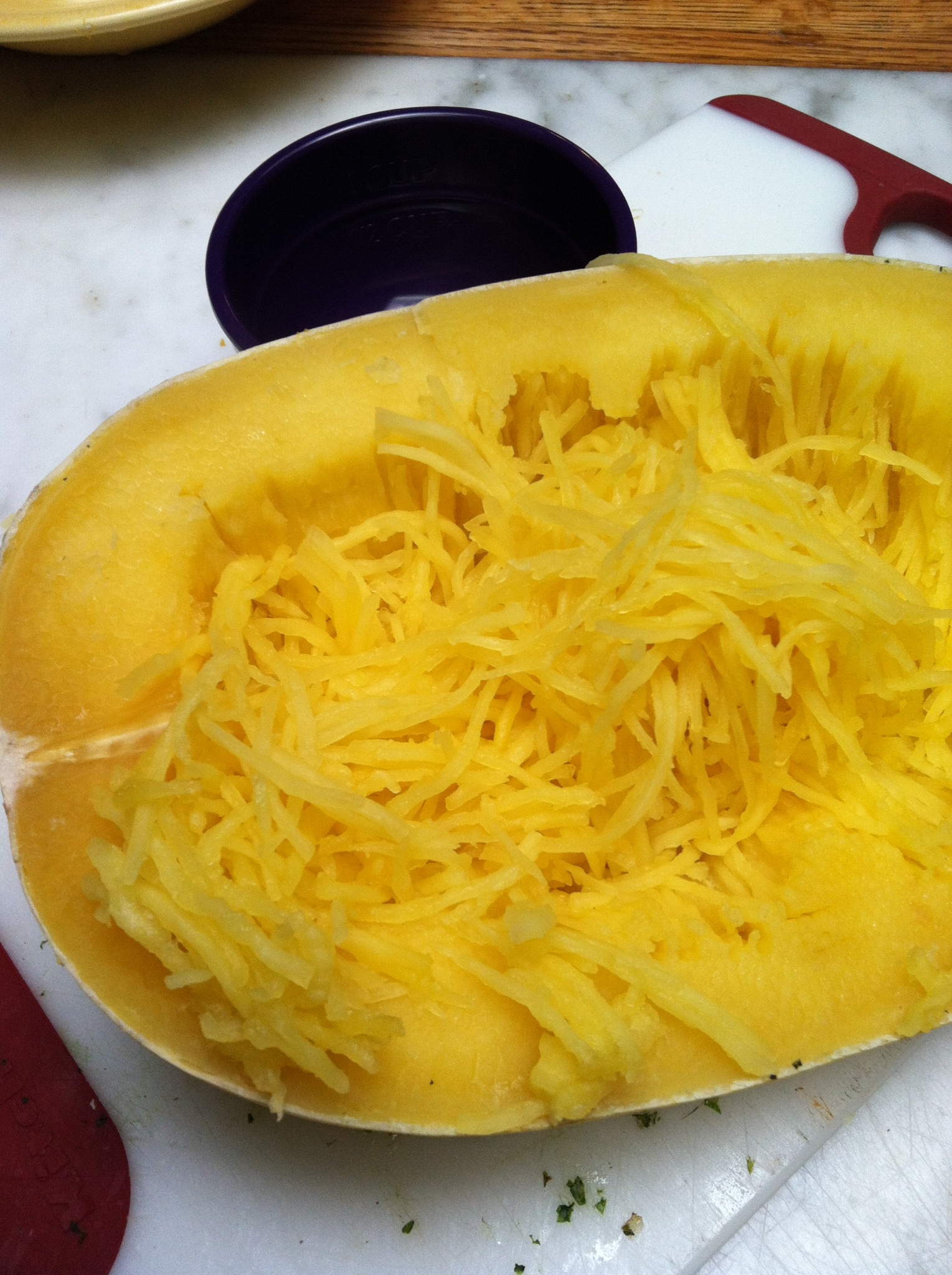
Cooked spaghetti squash partially teased apart with a fork

Ingredients:

3/4 cup (240 ml) low-carb spaghetti sauce

2 cups (480 ml) cooked spaghetti squash

Instructions:

Prepare the ingredients after clicking on links above. Assemble as in the photo. Enjoy.

Number of Servings: 1

Nutritional Analysis: 

52% fat

33% carbohydrate

15% protein

408 calories

36 g carbohydrate

7 g fiber

29 g digestible carbohydrate

1,398 mg sodium

1,201 mg potassium

Prominent features: Rich in B12, copper, iron, niacin, thiamin, B6

Discussion

With the Paleobetic Diet, I strive to limit mealtime digestible carbohydrates to 20 g or less. This meal has 29 g and the calories are on the low end (408) for larger and more active folks. What gives?

Making a wholesale switch from the Standard American Diet to the paleo diet ican be difficult for some under the best of circumstances. For those used to eating carb-heavy pasta, I thought it might be comforting to offer something similar but with a lower carb count. Hence, spaghetti pasta. The tomatoes in the sauce are an additional source of blood glucose-elevating carbohydrates. So I’ve tried to minimize them by creating a meat-heavy sauce. Nevertheless, a reasonable portion size tipped me over the 20 gram carb limit. In contrast, a single cup of cooked spaghetti pasta by itself has 40 grams of digestible carbohydrate and 220 calories.

I think you’ll find the two cups of spaghetti squash filling and satisfying. If that’s not enough calories for you, munch on some leftover high-protein food such as chicken or steak.

Recipes: Spaghetti Squash

low-carb diet, spaghetti squash, paleobetic diet, diabetic diet

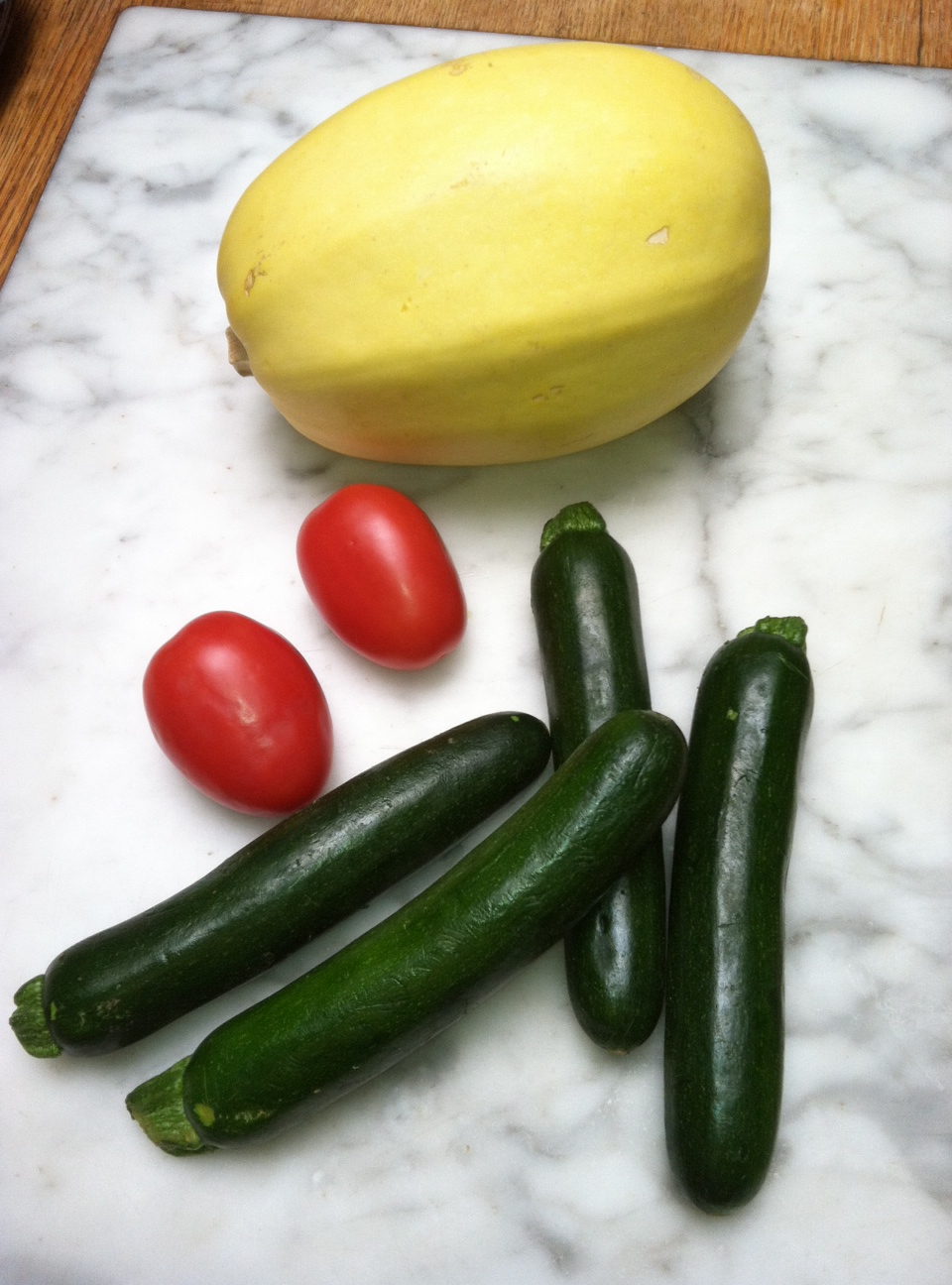
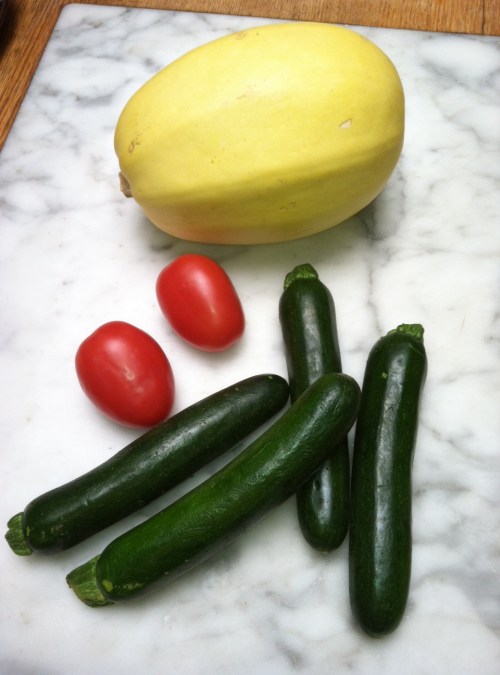
The smallish yellow spaghetti squash is at the top. It’s related to pumpkins and zucchini.

It’s hard to give up pasta. Many diabetics who don’t notice that their blood sugar levels spike too high when they eat pasta. What’s too high? In general, I’d say over 150 mg/dl (8.33 mmol/l) measured one hour after a meal, or over 130 mg/dl (7.22 mmol/l) two hours after the meal.

Other experts disagree and propose other numbers.

An alternative to spaghetti pasta that shouldn’t raise blood glucose levels as high is spaghetti squash. It’s all about the carbohydrates. A cup of cooked spaghetti squash has 10 g of carb; a cup of cooked spaghetti has 43 g. The fiber grams are about the same. Numbers are from FitDay.com.

Spaghetti squash is a classic low-carb vegetable. If you’ve never tried it, you should. As vegetables go, it’s one of the largest, heaviest, and most interesting to prepare. Easy, too. The spaghetti squash season is autumn and winter in the northern hemisphere. Purchasing in spring and summer may be iffy.

In my part of the world, supermarket spaghetti squashes weigh between two and five pounds. We cooked a three-pounder (1.4 kg) that yielded five cups; a five-pounder (2.3 kg) gave us 12 cups. A serving size is one, maybe two cups. What you don’t eat immediately stays fresh in the refrigerator for at least several days. Re-heat by microwaving or stir-frying.

Like pasta and potatoes, the squash by itself is bland. It’s a great substrate for sauces or seasonings.

low-carb diet, paleobetic diet, diabetic diet, spaghetti squash

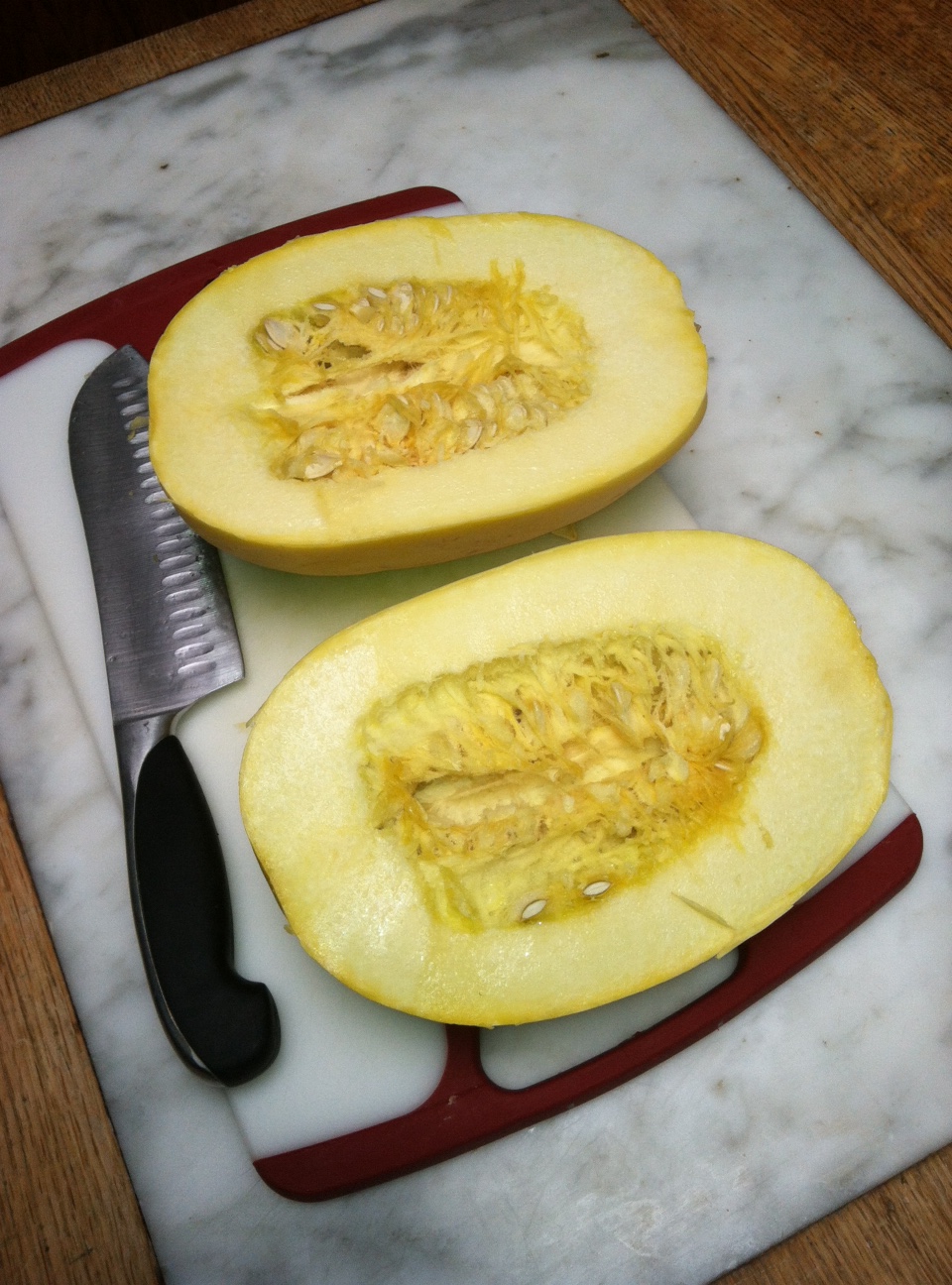
Raw squash cut in half lengthwise

Here’s how we cook it at the Parker Compound. Preheat the oven to 375º F 0r 190º C. Very carefully slice the squash in half lengthwise. Spoon out and discard the guts (seeds and membranes like a pumpkin; it even smells like a pumpkin). Put the halves flat-side down in a pan, then add a half inch (1.3 cm) of water to the pan. Cover with foil and bake until the outer shell (rind) is fairly easily pierced with a paring knife. This will be about 45 minutes for a two-pound squash (0.9 kg); 90 minutes for a four-plus pounder (2.3+ kg). Then turn them over, re-cover with foil, and cook 15 minutes more, until very tender. Remove from the oven and allow them to cool for a few minutes. Then use a fork to pull the strands away from the rind.

Other cooks simplify the process and just place the squash halves flat-side down on a baking sheet and cook for 30-60 minutes. Some leave the seeds in while cooking and spoon them out just before the stranding step.

Now what?

You got options.

Our first experiment was with l0w-carb spaghetti sauce.

paleobetic diet, low-carb diet, diabetic diet, spaghetti squash

Low-carb spaghetti

Next we took three cups squash (710 ml) and mixed in 2 tbsp (30 ml) extra virgin olive oil, 2.5 tbsp (37 ml) chopped parsley, 1/2 tsp (2.5 ml) minced fresh garlic, 1/2 tsp (2.5 ml) salt, and 1/8 tsp (0.6 ml) black pepper.

low-carb diet, diabetic diet, paleobetic diet

Seasoned with parsley, olive oil, garlic, salt, pepper

Finally, we took a cup (240 ml) of the squash and added minced celery (4 inches or 10 cm of stalk), 3 minced black olives, 5/8 oz (18 g) of minced sweet (bell) pepper, 1/2 clove of minced garlic, salt (a dash), and pepper to taste.

paleobetic diet, diabetic diet, low-carb diet, spaghetti squash

Seasoned with sweet peppers, black olives, garlic, celery, and salt

These last two options I consider side dishes. By the way, they taste good either cold or warm. They would go well with a number of entrees, such as steak or salmon.

I’ve read that this squash is good with pesto, or just with salt and (non-paleo) butter.

Nutrition facts from FitDay.com:

One cup of cooked spaghetti squash has 75 calories (I’ve seen 42 elsewhere), 10 g of carbohydrate, 2 g of fiber, 8 g of digestible carb, 4 g of fat (predominantly MUFA), minimal protein, and a fair amount of vitamins A, niacin, B6, and C. Plus 8% of your RDA for manganese.

 

Do Intestinal Parasites Help Prevent Atherosclerosis?

A trio of Indian researchers suggest a new hypothesis to explain the modern pandemic of atherosclerosis (hardening of the arteries). They repeat the notion that atherosclerosis is uncommon in modern hunter-gatherers. But why?

Reviewing evolution-linked risk factors suggests that there are four aspects to the etiology of atherosclerosis namely, decreased intestinal parasitism, oversensitivity of evolutionarily redundant mast cells, chronic underactivation of AMPK (cellular energy sensor) and a deficiency of vitamin D. A combination of these four causes appear to have precipitated the atherosclerosis pandemic in modern times.

Click for the abstract. Pretty far out stuff. I haven’t read the full article. The authors are in the Departments of Pharmacology and Pharmacy Practice.

Recipe: Low-Carb Spaghetti Sauce

paleobetic diet, low-carb  spaghetti sauce

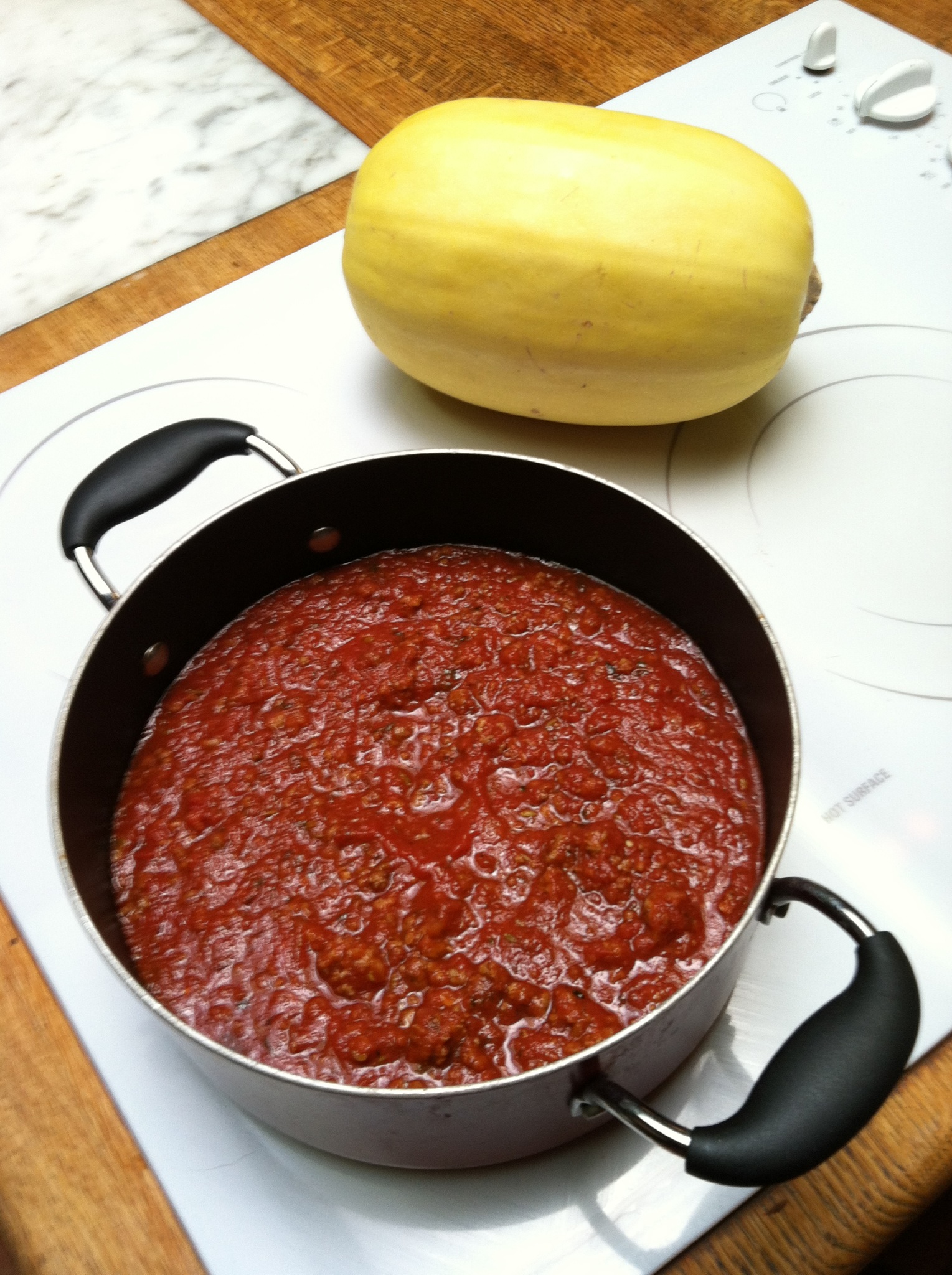
That’s a spaghetti squash in the background

My wife is Italian so we eat a lot of spaghetti at the Parker Compound.

A definitely non-paleo ingredient below is Truvia, a sweetener that’s a combination of stevia and erythritol. Stevia is supposedly “natural.” I don’t know where erythritol, a sugar alcohol, comes from. The purpose of a sweetener is to counteract the tartness or bitterness of the tomatoes. Honey would probably serve this purpose, but I’ve never tried it in this recipe. If you use the honey or table sugar option below, it will increase the digestible carb count in each cup by three grams. Whatever your favorite non-caloric sweetener, use the equivalent of two tablespoons of table sugar (sucrose).

Ingredients:

1 lb (454 g) sweet Italian sausage, removed from casing

3/4 lb (340 g kg) lean ground beef (lean = up to 10% fat by weight)

1/2 cup (118 ml) onion, minced

2 cloves garlic, crushed

1 can crushed tomatoes (28 oz or 793 g)

2 cans tomato paste (total of 12 oz or 340 g)

2 cans tomato sauce (total of 16 oz or 454 g)

1/2 cup water (118 ml)

2 tsp (10 ml) Truvia (combo of stevia and erythritol; optional substitutes are table sugar  (2 tbsp or 30 ml) or honey (1.5 tbsp or 22 ml), or leave out sweetener

1.5 tsp (7.4 ml) dried basil leaves

1/2 tsp (2.5 ml) fennel seeds

1 tsp (5 ml) Italian seasoning

1/4 tbsp (3.7 ml) salt

1/4 tsp (1.2 ml) ground black pepper

4 tbsp (60 ml) fresh parsley, chopped

Instructions:

Put the sausage, ground beef, onion, and garlic in a pan and cook over medium heat until well browned. Drain off the excess liquid fat if that’s your preference (not mine). You’ll probably have to transfer that mix to a pot, then add all remaining ingredients and simmer on low heat for two or three hours. You may find the flavor even better tomorrow. If it gets too thick, just add water.

To avoid carbohydrate toxicity—high blood sugar—eat this over spaghetti squash rather than pasta. Here’s a post on cooking spaghetti squash. Small or inactive folks may find a half cup of sauce over one cup of cooked squash is a reasonable serving (about 250 calories). I prefer to double those portions, making it a whole meal.

Sometimes I just eat this sauce straight. But I’m weird. A cup of sauce with some veggies or fruit is a meal for me. If you have other uses for spaghetti sauce other than over spaghetti squash or grain products, please share in the Comments.

Number of Servings: 9 (1-cup each)

Nutritional Analysis: (assumes you retained all fat)

55% fat

23% carbohydrate

22% protein

345 calories

21 g carbohydrate

4 g fiber

17 g digestible carbohydrate

985 mg sodium

1,117 mg potassium

Prominent features: Rich in vitamin B12, iron, copper, niacin, sodium, and selenium

QOTD: Cicero on Overeating

“ We cannot employ the mind to advantage when we are filled with excessive food and drink. ”

— Cicero

Was It the Paleo Diet or Acorns or ? That Rotted These Teeth?

“Basically, nearly everybody in the population had caries,” or tooth decay, says Louise Humphrey, a paleo-anthropologist with the Natural History Museum in London.

Humphrey says 94 percent of the more than 50 people from the cave she studied had serious tooth decay. “I was quite surprised by that,” says Humphrey. “I haven’t seen that extent of caries in other ancient populations.”

Certainly, life was brutal and short for Stone Age folks, what with saber tooth cats, parasites, and not an aspirin to be found anywhere. But at least the paleo diet — meat, tubers, berries, maybe some primitive vegetables and very few carbs— was supposed to be good for the teeth. Carbohydrates can turn sugary in your mouth, then bacteria turn that into enamel-eating acid.

But apparently, these ancient people had a thing for acorns.

“Acorns,” says Humphrey, “are high in carbohydrates. They also have quite a sticky texture. So they would have adhered easily to the teeth.”

Read the whole thing.

Click to see the study abstract.

h/t Melissa McEwen

David Mendosa On Low-Carb High-Fat Diets for Type 2 Diabetes

David Mendosa suggests that all type 2 diabetics can manage their illness without drugs. I’m not quite that optimistic, but probably a majority can, if they have the knowledge, discipline, and willpower. I haven’t looked in depth at David’s diet recently so I don’t know if it’s paleo or not; it’s more likely LCHF (low-carb, high-fat). Here are some snippets from David’s blog:

You can use drugs to bring your A1C level down to normal. That’s a good thing. But this strategy does have its costs, and those costs aren’t just money out of your pocket or your checkbook. The worst of those costs are the potential side effects of the drugs.

***

But some of us think we have a safer strategy of managing our diabetes without drugs. Back in 2007 I joined this group with the encouragement of a good friend of mine who is a Certified Diabetes Educator. Before that, I had 14 years of experience taking a wide range of diabetes drugs, including two different sulfonylureas (Diabeta and Amaryl), Glucophage (metformin), and Byetta. For the past six years I haven’t taking any diabetes drugs, and yet I keep my diabetes in control with an A1C level usually about 5.4.

I had to make three big changes in my life when I went off the diabetes drugs, and they are hard at first. But now they are a routine part of my life, and I would never go back to my old ways. The changes that I had to make are those that almost everyone who has diabetes has to make. In order of importance, I had (1) to lose weight, (2) eat fewer carbohydrates, and (3) exercise more.

Read the whole enchilada. It’s brief.

Steve Parker, M.D.

QOTD: Charles Darwin on God

“Another source of conviction in the existence of God, connected with the reason and not with the feelings, impresses me as having much more weight. This follows from the extreme difficulty or rather impossibility of conceiving this immense and wonderful universe, including man with his capacity of looking far backwards and far into futurity, as the result of blind chance or necessity. When thus reflecting I feel compelled to look to a First Cause having an intelligent mind in some degree analogous to that of man; and I deserve to be called a Theist.”
–Charles Darwin, the founder of evolutionary biology, as quoted in his autobiography.