Plain Ol’ Bacon, Eggs, and Honeydew, and How To Put Out a Grease Fire

Is bacon paleo-compliant? Not really. It’s too heavily processed. Including it in a Stone Age diet is a nod to convenience and variety.

Bacon, eggs, black coffee, and Cholula hot sauce. A caveman wouldn't recognized any of this except for eggs.

Bacon, eggs, black coffee, and Cholula hot sauce. A caveman wouldn’t recognized any of this except for eggs.

If you follow nutrition science literature, you’ll see periodic references to “processed meats” like bacon contributing to increased risk of cardiovascular disease, cancer, or premature death. I think the associations are pretty weak. I don’t want to debate it right now. Health-conscious cautious people aren’t going to go hog-wild on processed meats. I don’t. We may never have a definitive science-based resolution of the issue.

If you want to control the degree of processing in your bacon, make your own. The recipe at the link includes pink salt (sodium nitrite), maple syrup, and dark brown sugar. Many other recipes are available, some of which could be more paleo-compliant. My understanding is that sodium nitrite is a preservative and gives bacon meat that pink color. Does it contribute to flavor? If you’re not storing your bacon for a long time, you may not need the pink salt.

In any case, I thoroughly enjoyed three strips of bacon with my eggs yesterday. Mine was the Kirkland brand from Costco was $3.80/pound (USD). Two slices provide 80 calories (uncooked) and zero grams of carb although, if I recall correctly, it was honey-cured bacon.

Ingredients:

3 large eggs

3 strips of bacon, standard thin slices

Salt and pepper to taste

1/2 cup raw honeydew melon, cubed

Instructions:

Fry the bacon over medium or medium-high heat. If there’s too much grease leftover in the pan after cooking, poor out what you don’t want, for later use or drizzle over your dog’s dry kibble food. Leave a little grease in the pan so your eggs don’t stick. Then fry your eggs over medium heat. Enjoy with raw honeydew, which will cleanse your palate after eating bacon.

You can pay a lot more than $3.80 a pound for bacon

You can pay a lot more than $3.80 a pound for bacon

Servings: One

Nutritional Analysis per Serving: (from FitDay.com)

63 % fat

10 % carbohydrate

26 % protein

319 calories

9 carb grams

1 fiber grams

8 digestible carb grams

845 mg sodium

423 mg potassium

Prominent features: high in B12, riboflavin, selenium, protein, pantothenic acid, and phosphorus. Although this is low in calories, it’s adequately satiating because of the rich protein and fat content. The calorie count will be higher by 50 if you eat all the bacon grease.

By the way, I didn’t start a grease fire when cooking this. But I thought about it. After I poured excess grease out of my pan, some of it dribbled onto the outside of the pan. If I had put that pan back on a gas stove to cook my eggs, would that outside grease have caught fire and crept up into the pan?

How do you put out a grease fire? I knew water wouldn’t do the trick; my first thought was pour salt on it. That’s wrong! About.com says to simply smother it by putting a metal lid on the pan and turn off the heat. If you can’t find the fitted lid, use a cookie sheet. Fire won’t burn without a supply of oxygen. You could pour baking soda on the fire, but it takes a lot. Wikihow has more info on putting out a grease fire, mentioning a dry chemical fire extinguisher as a last resort if you’re going to handle the fire yourself. Think safety first.

Grease fire? Put a lid on it and turn off heat. If that fails, try a LOT of baking soda. Or fire extinguisher.
Grease fire? Put a lid on it and turn off heat. If that fails, try a LOT of baking soda. Or fire extinguisher.

Effects of a Paleo-Style Diet on One Case of LADA

Dietitian Kelly Schmidt has a blog interview with Intrepid Pioneer, who has LADA—Latent Autoimmune Diabetes of Adulthood. LADA is much closer to type 1 than type 2 diabetes, so he’s on insulin. He was inspired initially by a “Whole 30 Challenge.” He makes room for cheese and home-brewed beer; so not pure paleo. Samples:

I was diagnosed May 2011 during my routine annual physical. At that time my blood sugars were up around 360 and my AC1’s ran around 12.3. At first I was treated as if I was a Type 2 with Metformin. The medicine only helped to control my blood sugars down to around 250 or so. At that time my endocrinologist informed me that I probably have LADA or Latent Autoimmune Diabetes, which basically has been coined type 1.5 Meaning I developed adult on-set Type 1. My father has had Type 1 all his life and was diagnosed as a child.

***

Since eating the Paleo lifestyle, and I hate it when one calls it a diet because then it feels temporary, I’ve pretty much stop taking my fast acting mealtime insulin. Meaning I only inject fast acting when I know I’m having Pizza for dinner as a treat, or for a thanksgiving meal, etc. My long acting insulin has reduced by over 10 units since starting this diet. All of that said, Paleo is great and it all tastes so good because it’s real food, but I have found that I also need to exercise, eating Paleo combined with exercise has yielded dynamic results. My endocrinologist was blown away by all that I had done, reduced my insulin injections and basically had my A1C’s in check — my last appointment I was 7.3. Still a bit more to go but the last time I was pushing 9 just six months before.

Read the whole thing (it’s brief).

Can You Help a Guy Out?

paleo diet, low-carb, Steve Parker MD

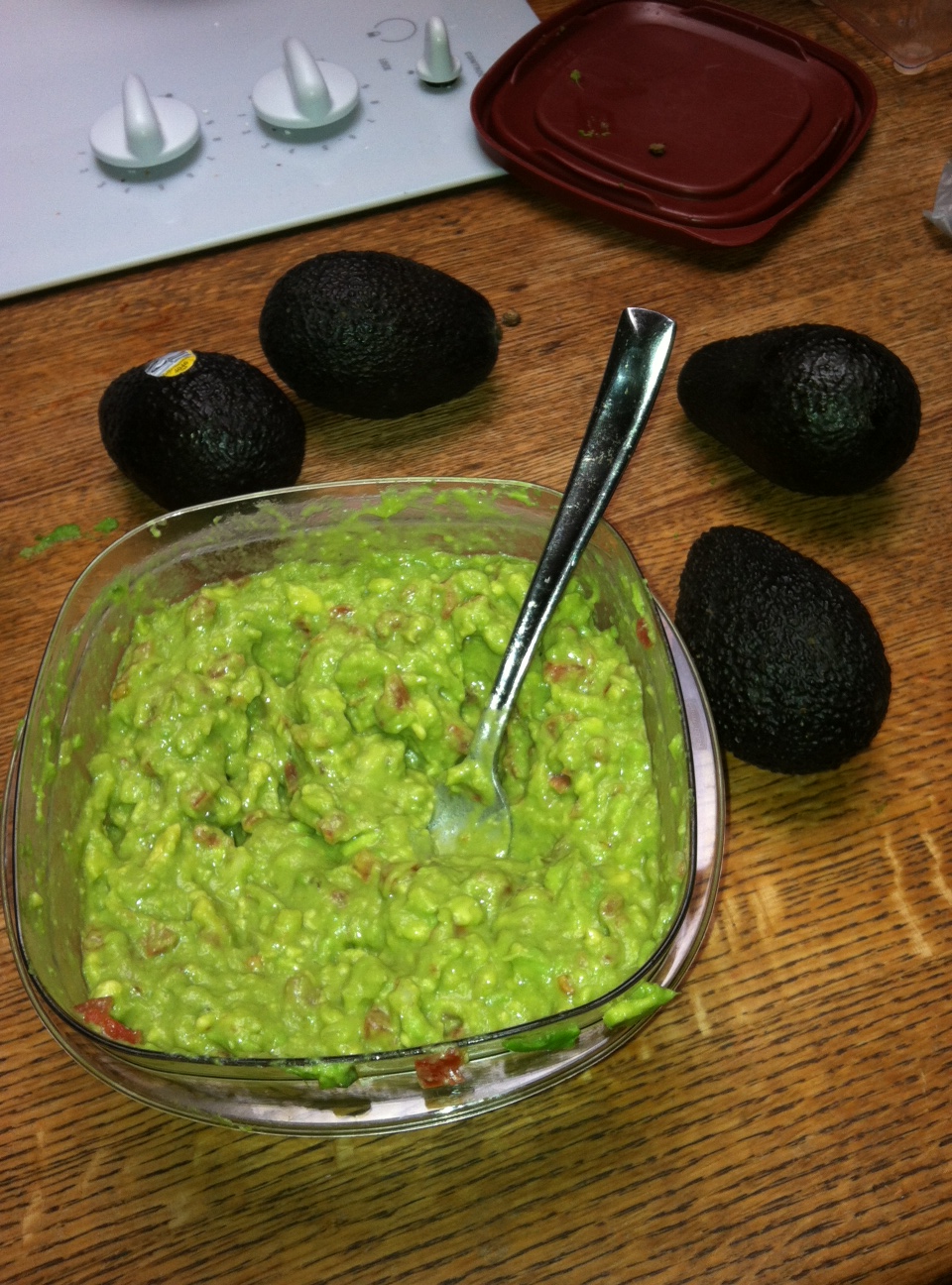
Guacamole salad

I’m looking for free online paleo recipes. But not just any old recipes.

I need them accompanied with basic nutritional analysis such as digestible or net carb grams, protein grams, fat grams, and calories per serving.

At least net or digestible carbohydrate grams.

I just spent 45 minutes surfing the net and only came up with Catalyst Athletics.

Please share, if you can help me out. If you don’t know of free recipes, how about a book I can buy?

Thanks!

soup, home-made, potato, chicken, paleo diet, meal, Stone Age diet, recipe

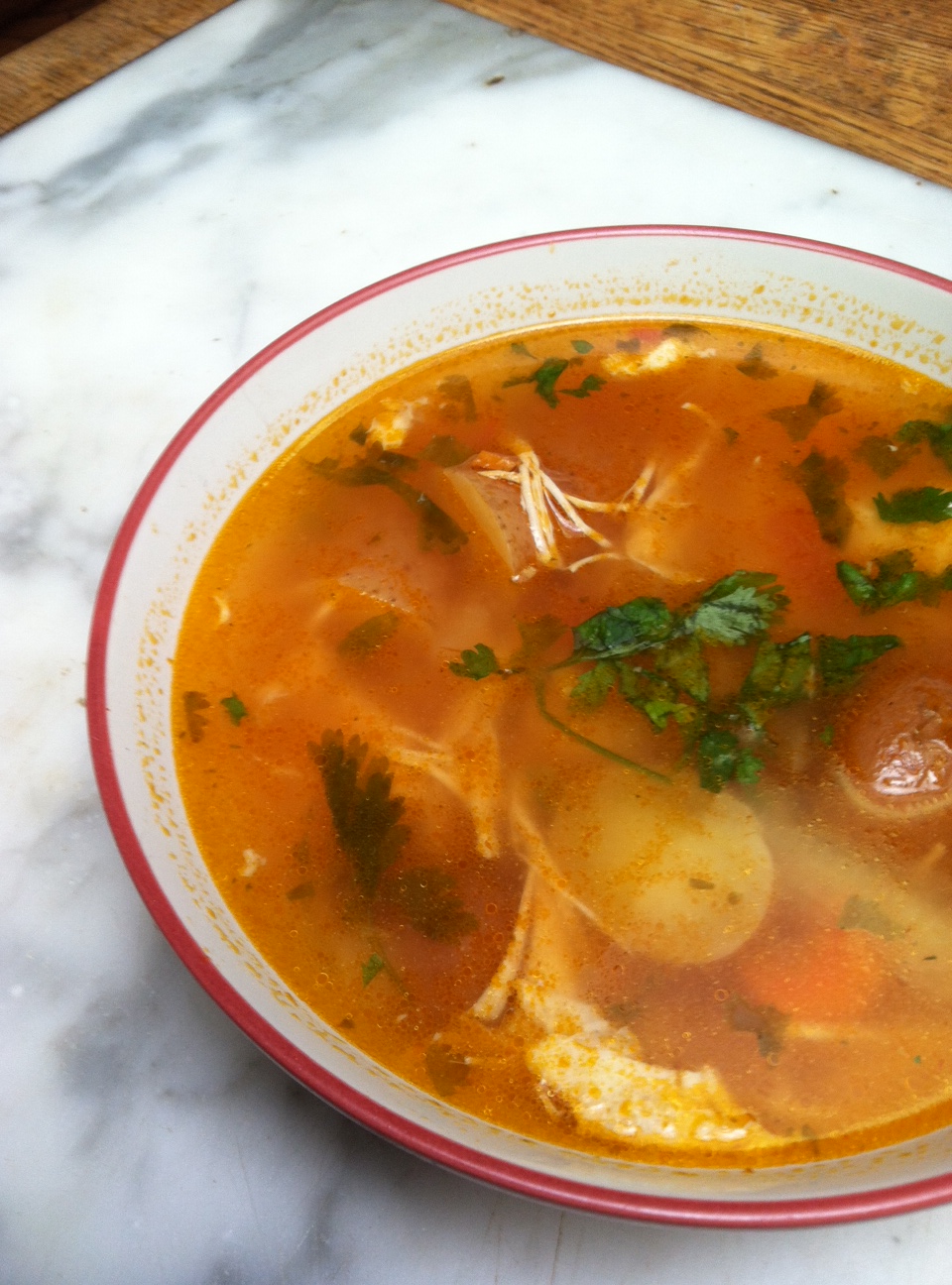
Potato chicken soup

Book Review: Zest For Life

A couple years ago I read and reviewed Zest For Life: The Mediterranean Anti-Cancer Diet, by Conner Middelmann-Whitney, published in 2011. Per Amazon.com’s rating system, I give it five stars (I love it).

This post has nothing to do with the paleo diet, yet I see Stella Metsovas has a new program called the PaleoMediterranean™ diet. I’m not familiar with it.

♦   ♦   ♦

The lifetime risk of developing invasive cancer in the U.S. is four in ten: a little higher for men, a little lower for women.  Those are scary odds.  Cancer is second only to heart disease as a cause of death in western societies.  The Mediterranean diet has a well established track record of protecting against cancers of the prostate, colon/rectum, uterus, and breast.  Preliminary data suggest protection against melanoma and stomach cancer, too.  I’m not aware of any other way of eating that can make similar claims.

So it makes great sense to spread the word on how to eat Mediterranean-style, to lower your risk of developing cancer.  Such is the goal of Zest For Life’s author.  The Mediterranean diet is mostly, although by no means exclusively, plant-based.  It encourages consumption of natural, minimally processed, locally grown foods.  Generally, it’s rich in vegetables, fruits, legumes, olive oil, whole grains, red wine, and nuts. It’s low to moderate in meat, chicken, fish, eggs, and dairy products (mostly cheese and yogurt).

Note that one of the four longevity hot spots featured in Dan Buettner’s Blue Zones was Mediterranean: Sardinia.  All four Blue Zones were characterized by plant-based diets of minimally processed, locally grown foods. (I argue that Okinawa and the Nicoya Peninsula dwellers ate little meat simply due to economic factors.)

Proper diet won’t prevent all cancer, but perhaps 10-20% of common cancer cases, such as prostate, breast, colorectal, and uterine cancer.  A natural, nutrient-rich, mostly plant-based diet seems to bolster our defenses against cancer.

Ms. Middelmann-Whitney is no wacko claiming you can cure your cancer with the right diet modifications.  She writes, “…I do not advocate food as a cancer treatment once the disease has declared itself….”

She never brings it up herself, but I detect a streak of paleo diet advocacy in her.  Several of her references are from Loren Cordain, one of the gurus of the modern paleo diet movement.

She also mentions the ideas of Michael Pollan very favorably.

She’s not as high on whole grains as most of the other current nutrition writers.  She points out that, calorie for calorie, whole grains are not as nutrient-rich as vegetables and fruits.  Speaking of which, she notes that veggies generally have more nutrients than fruits. Furthermore, she says, grain-based flours probably contribute to overweight and obesity. She suggests that many people eat too many grains and would benefit by substituting more nutrient-rich foods, such as veggies and fruits.

Some interesting things I learned were 1) the 10 most dangerous foods to eat while driving, 2) the significance of organized religion in limiting meat consumption in some Mediterranean regions, 3) we probably eat too many omega-6 fatty acids, moving the omega-6/omega-3 ratio away from the ideal of 2:1 or 3:1 (another paleo diet principle), 4) one reason nitrites are added to processed meats is to create a pleasing red color (they impair bacterial growth, too), 5) fresh herbs are better added towards the end of cooking, whereas dried herbs can be added earlier, 6) 57% of calories in western societies are largely “empty calories:” refined sugar, flour, and industrially processed vegetable oils, and 7) refined sugar consumption in the U.S. was 11 lb (5 kg) in the 1830s, rising to 155 lb (70 kg) by 2000.

Any problems with the book?  The font size is a bit small for me; if that worries you, get the Kindle edition and choose your size.  She mentions that omega-6 and omega-3 fatty acids are “essential” fats. I bet she meant to say specifically that linolenic and linoleic fatty acids are essential (our bodies can’t make them); linolenic happens to be an omega-3, linoleic is an omega-6.  Reference #8 in chapter three is missing.  She states that red and processed meats cause cancer (the studies are inconclusive).  I’m not sure that cooking in or with polyunsaturated plant oils causes formation of free radicals that we need to worry about.

As would be expected, the author and I don’t see eye to eye on everything.  For example, she worries about bisphenol-A, pesticide residue, saturated fat, excessive red meat consumption, and strongly prefers pastured beef and free-range chickens and eggs.  I don’t worry much.  She also subscribes to the “precautionary principle.”

The author shares over 150 recipes to get you started on your road to cancer prevention.  I easily found 15 I want to try.  She covers all the bases on shopping for food, cooking, outfitting a basic kitchen, dining out, shopping on a strict budget, etc.  Highly practical for beginning cooks.  Numerous scientific references are listed for you skeptics.

I recommend this book to all adults, particularly for those with a strong family history of cancer.  But following the author’s recommendations would do more than lower your risk of cancer.  You’d likely have a longer lifespan, lose some excess fat weight,  and lower your risk of type 2 diabetes, dementia, heart disease, stroke, and vision loss from macular degeneration.  Particularly compared to the standard American diet.

Steve Parker, M.D.

Disclosure: The author arranged a free copy of the book for me, otherwise I recieved nothing of value for writing this review.

Has Carbohydrate-Restricted Eating Been Studied in Type 1 Diabetes?

Sweden has lots of blondes

Sweden has lots of blondes

Yes, there are few published scientific reports. Let’s take a close look at one today. (See the references below for more.)

In the introduction to the study at hand, the authors note:

The estimation of the amount of carbohydrates in a meal has an error rate of 50%. The insulin absorption may vary by up to 30%. It is therefor virtually impossible to match carbohydrates and insulin which leads to unpredictable blood glucose levels after meals. By reducing the carbohydrates and insulin doses the size of the blood glucose fluctuations can be minimized. The risk of hypoglycemia is therefore minimized as well. Around-the-clock euglycemia [normal blood sugar] was seen with 40 g carbohydrates in a group of people with type 1 diabetes [reference #2 below].

The immediate resulting stable, near-normal blood glucose levels allow individuals to predict after-meal glucose levels with great accuracy.

For individuals with type 1 diabetes one year audit/evaluation of group education in this regimen has shown that the short-time lowering of mean hemoglobin A1c by 1 percentage unit and the reduction in mean rate of symptomatic hypoglycemia by 82% was maintained [reference #3].

***

There is no evidence for the use of the widely recommended high-carbohydrate, low-fat diet in type 1 diabetes.

Study Set-Up

Swedish investigators educated study participants on carbohydrate-restricted eating from 2004 to 2006 [reference #1]. They recently audited their medical records for results accumulated over four years. At the outset, participants were given 24 hours of instruction over four weeks. My sense is that they all attended the same diabetes clinic. The subjects’ mean age was 52 years and they had diabetes for an average of 24 years. Seven had gastroparesis. Fourteen used insulin pumps. Of the 48 study subjects, 31 were women, 17 were men. The diet regimen restricted carbohydrates to a maximum of 75 grams a day, mainly by reducing starchy food.

Results

As measured three months after starting the diet, HDL-cholesterol rose and triglycerides fell to a clinically significant degree (p<0.05). Average weight fell by 2.7 kg (5.9 lb); average baseline weight was 77.6 kg (171 lb). Hemoglobin A1c fell from 7.6 to 6.3% (Mono-S method).

As measured one year after start, meal-time insulin (rapid-acting, I assume) fell from 23 to 13 units per day. Long-acting insulin was little changed at around 19 units daily.

By two years into the study, half the participants had stopped adhering to the diet. The remainder were adherent (13 folks) or partly adherent (10). We don’t know what the non-adherents were eating.

Four years out, the adherent group had hemoglobin A1c of 6.0%, and the partly adherents were at 6.9% (p<0.001 for both). The non-adherent group had returned to their baseline HgbA1c (7.5%). Remember, at baseline the average HgbA1c for the group was 7.6%.

The authors don’t say how many participants were still adherent after four years. From Figure 2, adherence seems to have been assessed at 60 months: 8 of the 13 adherent folks were still adherent, and 5 of the 10 partly adherent were still in the game. So, of 48 initial subjects, only 13 were still low-carbing after five years later. By five years out, half of all subjects seem to have been lost to follow-up. So the drop-out rate for low-carbers isn’t as bad as it looks at first blush.

Conclusion

The authors write:

An educational program involving a low-carbohydrate diet and correspondingly reduced insulin doses for informed individuals with type 1 diabetes gives acceptable adherence after 4 years. One in two people attending the education achieves a long-term significant HbA1c reduction.

They estimate that this low-carb diet “may be an option for 10-20% of the patients with type 1 diabetes.” Only 17% of their current diabetes clinic population is interested in this low-carb diet. They didn’t discuss why patients abandon the diet or aren’t interested in the first place. Use your imagination.

Major carbohydrate restriction in type 1 diabetics significantly improves blood sugar control (decreases HgbA1c), lowers insulin requirements, and improves cardiovascular disease risk factors (increases HDL cholesterol and lowers triglycerides).

Paleo diets vary in total carbohydrate grams and percentage of calories derived from carbohydrate. Paleo diets tend to be lower in carb than usual Western diets, with 30% of total calories from carbohydrate probably a good rough estimate. The typical American eats 250 to 300 grams of carbohydrate daily, or about 50% of total calories. In the study at hand, the daily carb gram goal was 75, which would be 15% of calories for someone eating 2,000 cals/day.

Low-carb eating wasn’t very appealing to Swedes in the mid-2000s. I wonder if it’s more popular now with the popularity of LCHF dieting (low-carb, high-fat) in the general population there.

Steve Parker, M.D.

References:

1.  Nielson, J.V., Gando, C., Joensson, E., and Paulsson, C. Low carbohydrate diet in type 1 diabetes, long-term improvement and adherence: A clinical audit. Diabetology & Metabolic Syndrome, 2012, 4:23. http://www.dmsjournal.com/content/4/1/23

2.  O’Neill, D.F., Westman, E.C., and Bernstein, R.K. The effects of a low-carbohydrate regimen on glycemic control and serum lipids in diabetes mellitus. Metabolic Syndrome and Related Disorders, 2003, 1(4): 291-298.

3.  Nielsen, J.V., Jönsson, E. and Ivarsson, I. A low carbohydrate diet in type 1 diabetes: clinical experience – A brief report. Upsala Journal of Medical Sciences, 2005, 110(3): 267-273.

Think Twice Before You Get Those Wisdom Teeth Removed

Yahoo News covered the story earlier this year. Dentist Jay Friedman says far too many third molars are extracted prophylactically. He got his ideas published in American Journal of Public Health way back in 2007. A snippet:

The British National Institute for Clinical Excellence is unequivocal in its recommendation, adopted by the National Health Service: “The practice of prophylactic removal of pathology-free impacted third molars should be discontinued. . . . There is no reliable evidence to support a health benefit to patients from the prophylactic removal of pathology-free impacted teeth.”9(p1–2)The conditions for which extraction is justified include nonrestorable dental caries, pulpal infection, cellulitis, recurrent pericoronitis, abscesses, cysts, and fractures.

Dr. Friedman says the risks of extraction outweigh the benefits in most cases.

Large Breakfast High in Protein and Fat Wins Versus Small Breakfast Approach in Type 2 Diabetes

…according to research reported at MedPageToday.  This was a relatively small study with about 30 participants in each treatment arm. A snippet:

Patients in the big-breakfast group were instructed to consume 33% of their daily calories in their morning meal — that included up to 30% protein, up to 37% fat, and the rest in carbohydrates. Patients in the small-breakfast group were instructed to consume 12.5% of their daily calories at breakfast — with up to 70% in the form of carbohydrates.

Average fasting glucose decreased 14.51 mg/dL in the big breakfast group and decreased 4.91 mg/dL in the small breakfast group (P=0.011), she said at the annual meeting of the European Association for the Study of Diabetes.

The big breakfast group also saw a significant drop in systolic blood pressure (almost 10 mmHg), although probably not to the point it created a problem. That fall could help you reduce or avoid high blood pressure drugs.

Read the whole enchilada.

John Hawks’ Perspective on the New Dmanisi Skull

…at his blog. A snippet:

What population structure characterized the African ancestors of the Dmanisi hominins? If we look to the MSA African model, the structure would be one of multiple populations, strongly differentiated, that had existed for hundreds of thousands of years. They may have had adaptations to local ecological conditions, but they were not isolated — they shared genes and one might occasionally replace another, only to re-differentiate as climate fluctuated. The African populations that existed at 1.8 million years ago were probably a modified subset of those that existed 2 million or 2.2 million years ago. Some of these populations would have been morphologically distinctive enough that paleontologists might call them different species. Some of the remixture between them would have been slight, on the scale of Neandertal mixture into today’s human populations. But those cases were at one end of a continuum that included larger amounts of genetic exchange and more rapid turnover. It was a braided stream, in which some of the rivulets were long, but others were short.

Read the rest and you’ll find a brief review of early human evolution.

Book Review: Sean Preuss’ “The Heart Healthy Lifestyle – The Prevention and Treatment of Type 2 Diabetes”

I just finished an ebook, The Heart Healthy Lifestyle: The Prevention and Treatment of Type 2 Diabetes by Sean Preuss, published in 2013. Per Amazon.com’s rating system, I give it five stars (I love it).

♦   ♦   ♦

This is an invaluable resource for 1) anyone recently diagnosed with type 2 diabetes or prediabetes, 2) those who aren’t responding well to their current therapeutic regimen, and 3) type 2 diabetics who want to reduce their drug use.

Strength Training Helps Get Excess Blood Sugar Out of Circulation

Strength Training Helps Get Excess Blood Sugar Out of Circulation

Mr. Preuss is a fitness trainer in my neck of the woods who has worked with many type 2 diabetics. He demonstrates great familiarity with the issues diabetics face daily. His science-based recommendations are familiar to mine since I reviewed many of his references at on of my other blogs (Diabetic Mediterranean Diet).

Like me, Mr. Preuss recognizes the primacy of lifestyle modification over drug therapy for type 2 diabetes, as long as drugs can safely be avoided or postponed. The main lifestyle factors are diet and exercise. Too many physicians don’t spend enough time on these, preferring instead to whip out the prescription pad and say, “Here ya go. I’ll see you in three months.”

I have gradually come to realize that most of my sedentary type 2 diabetes patients need to start a work-out program in a gym where they can get some personal attention. That’s Mr. Preuss’s opinion, too. The clearly explained strength training program he recommends utilizes machines most commonly found in a commercial gym, although some home gyms will have them also. His regimen is easily done in 15–20 minute sessions two or three times a week.

He also recommends aerobic activity, such as walking at least several days a week. He recommends a minimum of 113 minutes a week of low intensity aerobic work, citing evidence that it’s more effective than higher intensity effort for improving insulin sensitivity.

I don’t recall specific mention of High Intensity Interval Training. HIIT holds great promise for delivering the benefits of aerobic exercise in only a quarter of the time devoted to lower intensity aerobics.

I was glad to see all of Mr. Preuss’s scientific references involved humans, particularly those with type 2 diabetes. No mouse studies here!

Another strength of the book is that Sean tells you how to use legitimate psychological tricks to make the necessary lifestyle changes.

The author notes that vinegar can help control blood sugars. He suggests, if you can tolerate it, drinking straight (undiluted) red wine vinegar or apple cider vinegar – 2 tbsp at bedtime or before carbohydrate consumption. I’ve heard rumors that this could be harmful to teeth, so I’d do some research or ask my dentist before drinking straight vinegar regularly. For all I know, it could be perfectly harmless. If you have a definitive answer, please share in the comments section below.

I read a pertinent vinegar study out of the University of Arizona from 2010 and reviewed it at one of my blogs. The most effective dose of vinegar was 10 g (about two teaspoons or 10 ml) of 5% acetic acid vinegar (either Heinz apple cider vinegar or Star Fine Foods raspberry vinegar).  This equates to two tablespoons of vinaigrette dressing (two parts oil/1 part vinegar) as might be used on a salad.  The study authors also say that “…two teaspoons of vinegar could be consumed palatably in hot tea with lemon at mealtime.”

The diet advice herein focuses on replacement of a portion of carbohydrates with proteins, healthy oils, and vegetables.

I highly recommend this book. And sign up for Mr. Preuss’s related tweets at @HeartHealthyTw.

Steve Parker, M.D.

Disclosure: Mr. Preuss gave me a free copy of the book, otherwise I have received no monetary compensation for this review.

Get Your Kids Out in the Sunlight To Avoid Myopia

…according to an article at Slate. BTW, myopia is nearsightedness.

Steve Parker MD, paleobetic diet,

Should have spent more time outdoors

I thought spending time outdoors helped prevent myopia by using your distant vision more instead of texting to your buds on your smartphone all day long. Research suggests instead that the preventative aspect of being outdoors is related to bright light. Some quotes:

In the 1930s scientists observed that myopia was very rare in hunter-gatherer societies, and a 1960s study of native people in Alaska showed that older generations, who had not attended school, were much less likely to have myopia than younger generations, who had. Singaporean studies 20 years ago likewise linked educational attainment to myopia. If the problem is just a matter of light intensity, however, you could send your child outside to read, or purchase high-intensity light sources that mimic outdoor exposure.

According to a 2004 study from the University of Michigan, the average child in 2002 spent exactly half as much time participating in outdoor activities as did children in 1981. While myopia hasn’t yet reached the levels seen in much of Asian, prevalence in the United States is rising quickly. A 2009 study showed that the prevalence of myopia among Americans between the ages of 12 and 54 surged from 25 percent in the early 1970s to 42 percent around the turn of the millennium.

Read the whole enchilada.