Paleo Diet Helps Another Type 1 Diabetic

Dietitian Kelly Schmidt published another interview with an adult-onset type 1 diabetic, Alexis. A quote on how low-carb “primal” eating altered her health:

Overall health has improved. I have much better mental clarity.  I feel less moody and irritable. I also notice a difference in my hair, skin and nails. I have tons of baby hair growing and I no longer have strange ridges in my nails. After being diagnosed I also discovered that I am definitely gluten intolerant and cannot eat legumes.  I used to think I had acne in high school but in retrospect it was these things manifesting themselves. My skin is perfectly clear after going paleo. Paleo has also helped me maintain my weight. I weighed 103 when diagnosed and looked very malnourished. I gained some weight back but have been able to maintain it by eating this way. I also have to add that my dental health has improved ten fold. After many years of terrible dental visits I haven’t had one cavity and in fact, the last time I went for a cleaning my dentist said my teeth were so clean he didn’t even need to clean them!

Read the rest.

Ryberg et al: Effects of Paleolithic Diet on Obese Postmenopausal Women

Sweden's Flag. Most of the researchers involved with this study are in Sweden

Sweden’s Flag

After menopause, body fat in women tends to accumulate more centrally than peripherally. This is reflected in a higher incidence of fatty liver disease, type 2 diabetes, and cardiovascular disease. A multinational group of researchers wondered if a modified paleo-style diet would have metabolic effects on healthy overweight and obese (BMI 28–35) postmenopausal women in Sweden, with particular attention to fat levels in liver and muscle. I’ll call this the Ryberg study because that’s the first named author.

Study Details

Curiously, they never give the age range of the 10 study participants. Were they closer to 52 or 82?

tuna, fishing, Steve Parker MD, paleo diet, tuna salad

Has anyone even bothered to ask why the tuna are eating mercury? —Jim Gaffigan

The five-week intervention diet seems to have been mostly prepared and provided by the investigators, but they allowed for home cooking by providing menus, recipes, and a food list. No limit on consumption. The goal was to obtain 30% of calories from protein, 40% from fat (mostly unsaturated), and 30% from carbohydrate “…together with 40 g nuts (walnuts and sweet almonds) on a daily basis….”

The diet included lean meat, fish, fruit, vegetables (including root vegetables), eggs and nuts. Dairy products, cereals, beans, refined fats and sugar, added salt, bakery products and soft drinks were excluded.

“They were also advised to use only rapeseed [i.e., canola] or olive oil in food preparation.”

A diet like this should reduce average saturated fat consumption, which was a stated goal, while substituting monounsaturated  and polyunsaturated fat for saturated.

These women were sedentary before and during the intervention.

Results

The ladies indeed made some major changes in their diet. Total calories consumed fell by 22% (2,400 to 1,900 cals). The average weight of participants dropped from 190 lb (86.4 kg) to 180 lb (81.8 kg).

Carbohydrates consumption as a percentage of total calories fell from 49% to 25%. Total carb  grams dropped from 281 to 118, with fiber grams unchanged. To replace some of the carbs, the women increased their protein and fat calorie percentages by about a third. The authors don’t make it clear whether the total carb grams included total fiber grams. (I could probably figure it out if I had the time and inclination, but don’t.) “Before” and “after” fiber grams were 25 and 27, respectively.

In other words, “…the ratio between energy intake from the macronutrients protein, total fat and carbohydrates expressed as E% [calorie percentages] changed significantly from 16:33:50 at baseline to 28:44:25 after five weeks.” Total daily fat grams didn’t change, but the contribution of saturated fat grams fell.

Elevated blood pressure is one component of metabolic syndrome

Elevated blood pressure is one component of metabolic syndrome

A 10-point drop in systolic blood pressure over the five weeks didn’t quite reach statistical significance (p=0.057), but the 9% drop in diastolic pressure did.

“Fasting serum levels of glucose, leptin, cholesterol, triglycerides, HDL, LDL, ApoB and apolipoprotein A1 (ApoA1) and percentage HDL also decreased significantly.”

Fat (or lipid) content of the liver dropped by half. It was measured by magnetic resonance spectroscopy. Peripheral muscle fat content didn’t change, measured in the soleus and  tibialis anterior muscles of the leg.

Urinary C-peptide excretion and HOMA indices [HOMA1-IR formula] decreased significantly, whereas whole-body insulin sensitivity, measured using the hyperinsulinaemic euglycaemic clamp technique, was not significantly changed.” See footnote labelled PPS at bottom page for confusing details.

My Comments

The intervention diet was a reasonable version of the Paleolithic diet, with one exception. From what I’ve seen from Eaton, Konner, and Cordain, I think they’d agree. Except for the rapeseed oil. It’s fallen out of favor, hasn’t it?

Here’s what the Jaminet’s wrote about canola:

Canola oil…is rapeseed oil bred and processed to remove erucic acid and glucosinolates. During processing, the oil is treated with the solvent hexane and very high temperatures; it may also be subject to caustic refinement, bleaching, and degumming. [Perfect Health Diet, p.225.]

I can’t quite see Grok doing that.

My fantasy about extra virgin olive oil is that it simply oozes out of the olives when pressure is applied. So easy a caveman could do it.

Eaton and Konner have argued that our ancestral diet would have had at least two or three times the fiber as was provided by this diet. But that would have been at a total daily calorie consumption level of at least 3,000 or 3,5oo back in the day. So this diet isn’t so far off.
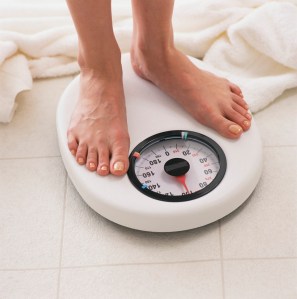
10-lb Weight Loss Without Calorie Restriction? I'll Take That.

10-lb weight loss In five weeks without conscious calorie restriction? I’ll take that.

The 10 lb (4.6 kg) weight loss is impressive for an eat-all-you-want diet. Calorie intake dropped spontaneously by 500/day, assuming the numbers are accurate. The satiation from higher protein consumption may explain that. The authors admit that the women lost more weight than would be predicted by the energy balance equation (i.e., a pound of fat = 3,500 calories). They wonder about over-estimations of food intake, thermogenic effects of protein versus other macronutrients,  and loss of glycogen (and associated body water). You can’t argue with those scales, though.

While serum C-peptide didn’t fall, urinary levels did. (My sense from reviewing other literature is that 24-hr urine levels of C-peptide are more accurate indicators of insulin production, compared to a single fasting C-peptide level.) The authors interpret this as increased insulin sensitivity in the liver in combination with decreased insulin secretion by the pancreas. Fasting serum insulin levels fell from 8.35 to 6.75 mIU/l (p<0.05).

Regarding the non-significant change in overall insulin sensitivity as judged by hyperinsulinemic euglycemic clamp technique, remember that insulin sensitivity of the liver may be different from sensitivity in peripheral tissues such as muscle. These investigators think that liver insulin sensitivity was clearly improved with their diet.

Blood lipid changes were in the right direction in terms of cardiovascular disease risk, except for the drops in HDL (from 1.35 to 1.17 mmol/l) and ApoA1.

This study may or may not apply to men. Also note the small sample size. Will these results be reproducible in a larger population? In different ethnicities?

I like the reduction in blood pressure. That could help you avoid the risk, expense, and hassle of drug therapy.
From 97 to 90 mg/dl

Serum glucose fell from 96  to 90 mg/dl

I like the drop in fasting blood sugar from 96 to 90 mg/dl (5.35 to 5 mmol/l). It’s modest, but statistically significant. Was it caused by the weight loss, reduced total carb consumption, paucity of sugar and refined starches, lower total calories, higher consumption of protein and mono- and polyunsaturated fats, or a combination of factors? As with most nutritional studies, there’s a lot going on here. A small fasting blood sugar drop like this wouldn’t matter to most type 2 diabetics, but could diabetics see an even greater reduction than these non-diabetics? Only one way to tell: do the study.

I can well imagine this diet curing some cases of metabolic syndrome, prediabetes, mild type 2 diabetes, and fatty liver disease.

Most type 2 diabetics (and prediabetics, for that matter) are overweight or obese.  If a diet like this helps them lose weight, it could improve blood sugar levels. Nearly all authorities recommend that overweight and obese diabetics and prediabetics get their weight down to normal. (I admit that weight loss and improved blood sugar levels are not always in sync.) Weight loss by any standard method tends to improve insulin sensitivity.

Furthermore, the elevated fasting blood sugars that characterize so many cases of diabetes and prediabetes are usually linked to, if not caused by, insulin resistance in the liver. According to these investigators, the diet at hand improves insulin sensitivity in the liver, and even lowers fasting blood sugars in non-diabetic older women.

This modified Paleolithic-style diet doesn’t include table sugar or refined grain starches. That would help control blood sugar levels in both type 1 and type 2 diabetics and prediabetics. The authors didn’t say so, but this must be a relatively low-glcemic-index diet.

The investigators don’t mention ramifications of their diet for folks with diabetes. Their focus is on ectopic fat accumulation (in liver and muscle) and its linkage with insulin resistance and cardiovascular disease. They’ve put together a promising program to try on diabetics or prediabetics. They just need the will and funding to git’r done.

I agree with the authors that the lower calorie consumption, rather than the paleo diet per se, may have caused or contributed to the reduction in liver fat.

Stockholm Palace

Stockholm Palace

The investigators wonder if a Paleolithic-style diet like this would be beneficial over the long-term in patients with non-alcoholic fatty liver disease (NALFD) and associated metabolic disturbance (e.g., impaired sensitivity sensitivity in the liver). NAFLD tends to predict the development of diabetes and cardiovascular disease. If we can prevent or reverse fatty liver, we may prevent or reverse type 2 diabetes and cardiovascular disease, to an extent. You’ll be waiting many years for those clinical study results.

But you have to decide what to eat today.

A significant number of American women (20%?) need to lose weight, lower their blood pressures, lower their blood sugars, and decrease their liver fat. This Ryberg Paleolithic-style diet would probably do it.

A very-low-carb diet is another way to reduce liver fat, and it’s more effective than simple calorie restriction.

Steve Parker, M.D.

Reference: Ryberg, M., et al. A Palaeolithic-type diet causes strong tissue-specific effects on ectopic fat deposition in obese postmenopausal women. Journal of Internal Medicine, 2013, vol. 274(1), pp: 67-76.  doi: 10.1111/joim.12048

PS: See Carbsane Evelyn for her take on this study here and here.

PPS: Urinary C-peptide secretion reflects insulin production. HOMA is a gauge of insulin resistance, much cheaper and quicker than the purported “gold-standard” hyperinsulinemic euglycemic clamp technique. Why HOMA and the clamp technique in this study didn’t move together is unclear to me, and the authors didn’t explain it. School me in the comment section if you can. Click this HOMA link and you’ll find this statement: “HOMA and clamps yield steady-state measures of insulin secretion and insulin sensitivity in the basal and maximally stimulated states, respectively. HOMA measures basal function at the nadir of the dose-response curve, whereas clamps are an assessment of the stimulated extreme.” Maybe that means HOMA is applicable to the fasted state (no food for 8 hours), whereas the clamp technique is more applicable to the hour or two after you ate half a dozen donuts.


It’s Time For New Type 2 Diabetes Treatment Guidelines

…from the American Association of Clinical Endocrinologists. I haven’t digested them yet, but didn’t want you to have to wait for that. Keep in mind they’re written for healthcare providers, so they may be difficult to understand.

Overweight and obesity are addressed without mention of specific diet recommendations.

You’ll find a nice table summarizing diabetes drugs and their effects on weight and various organ systems. It even includes the brand new SGLT2 inhibitor.

New York Times opinion piece by a doctor injects a note of caution. Were the guidelines unduly influenced by Big Pharma?

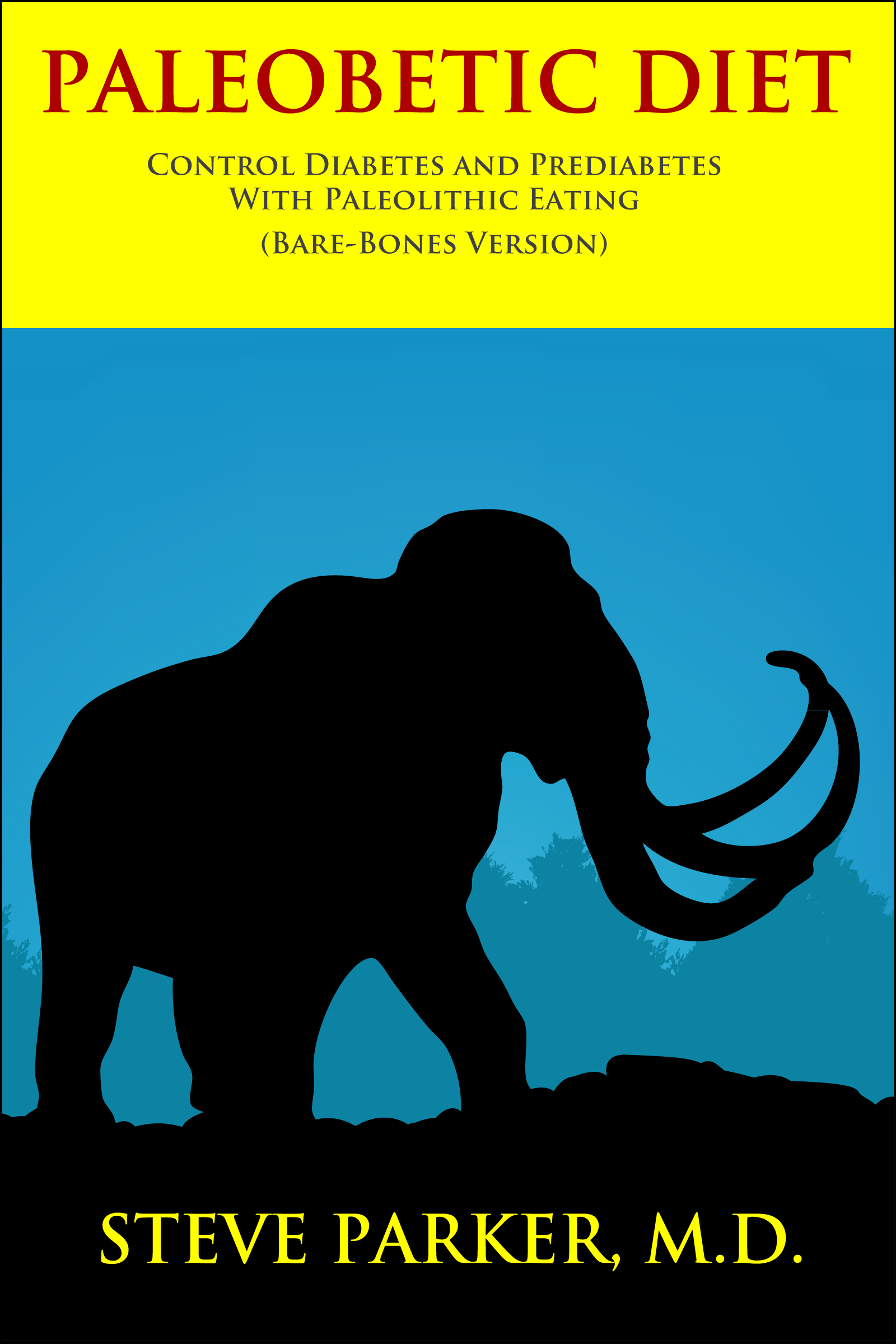
Early Feedback on the Paleobetic Diet From Jane Lenzen

Paleobetic diet, Steve Parker MD,paleo diet, diabetic diet, diabetes

Cover designed by my 14-year-old son, Paul

Jane has been in the Clinical Nutrition field for decades. I don’t know her personally but we’ve exchanged a few emails lately. She graciously gave me permission to post her comments here. Anything in brackets below is what I added for clarification. Without further ado, here’s Jane:

***

I like to put fruits and vegetables in their proper categories. For example, avocados, tomatoes, olives, pumpkin, squash and peppers are all fruits.

As I said earlier, I discovered through observation in the early 80’s that diabetics could not eat fruit by itself, though fruit was always recommended as a stand-alone snack by the Am. Diabetic (and Dietetic) Assoc. You recommended that starchy vegs/fruits should be eaten with a protein or nuts, which is so invaluable to people, in general, diabetic or not.

In your general rec’s, there are 10 CHO’s [carbohydrate grams] AM, and Lunch/Dinner with 20 CHO’s [grams]. I’ve found that most people do better with equal amounts of protein at every meal. You mentioned later that if one is exercising, then increase the B’fast CHO’s, which I agree with. But, for the most part, I think people burn off the CHO’s during the day, no matter what they are doing. Plus, most people eat the next meal (after b’fast) within 4 hrs, whereas lunch and dinner are usually spaced more at 5 – 6 hrs. I think CHO’s should be highest at breakfast for most diabetics, as long as it is balanced with enough protein. Proteins at the next two meals could be higher. I disagree with fruits being eaten at dinner, as I think this spikes the BG for the next morning fasting. The type and amount is, of course, key.

Diet sodas. None! I believe that the sweet taste of any artificial sweetener will provoke some kind of response in the brain/body. There are mixed studies as far as insulin response, but French researchers performed a 14 yr study which showed an association between diet soda intake and Type 2 Diabetes. If your patients drank 2 sodas/day, that’s 14 per week…….too many!! I’m not a purist, by any means, but to be on the safe side, I’d stick with Paleo here……..no artificial anything.

Hypoglycemia. Again, I’m not in the ADA camp on this one either. I do believe in emergencies, (below 60 mg/dl [3.3 mmol/l]) the diabetic must ingest glucose, but only about 10 gms is usually needed, for the most part, if the BG is not too low. (Under 45 mg/dl [2.5 mmol/l], then 20 gms is warranted.) If between 60 – 70, I’d do a combo of protein and sugar. (1/2 cup OJ [120 ml orange juice] with 4 almonds or 3 glucose tabs with 4 almonds.) I’ve witnessed diabetics sucking on hard candies too many times per week, which does bring up the glucose, but to the detriment of hormonal balance. I try to prevent this yo-yoing syndrome that goes on…..it can’t be good long-term.

You advised to check BG [blood glucose] 4 – 6 times per day before meals and at bedtime. I think two of those should be 2 hr. post-prandials, which may give them better control overall.

Your meal ideas use too much of the same foods, like onions and tomatoes. Cruciferous vegetable are all over the place, which may be detrimental to those with Hypothyroidism. I’d include different vegetables at every meal to give the diabetic more option ideas.

***

Thank you, Jane!

Regarding 10 grams of digestible carbohydrate at breakfast and 20 g at lunch and dinner (evening meal): This is in deference to the dawn phenomenon, in which blood sugars tend to run higher between 6 and 9 am, roughly. I need to do some research to see how commonly this occurs. Adding carbs on top of dawn phenomenon may not be a great idea. I believe this is why Dr. Bernstein’s Diabetes Solution provides fewer carbs for breakfast than for lunch and dinner. If you don’t experience dawn phenomenon, it wouldn’t matter if you ate 20 or 30 g of digestible carb for breakfast.

I’ve asked for feedback on the Paleobetic Diet, hoping to make it better in future versions. If you give me comments via email, rest assured I will never publish them anywhere without your permission.

—Steve

New Type 2 Diabetics Not Hurt With Moderate Fruit Consumption


paleobetic diet, breakfast, paleo diet

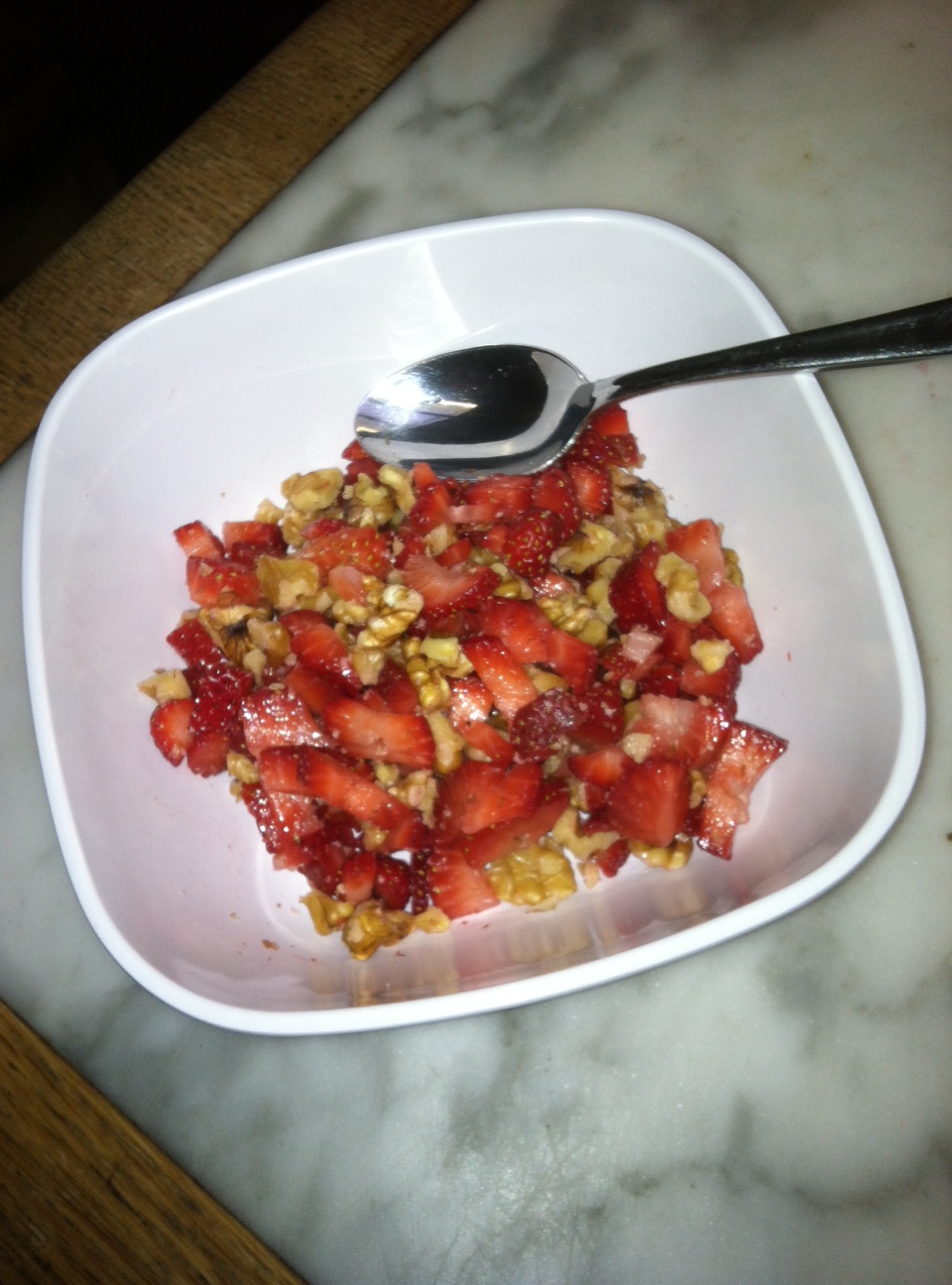
Brian’s Berry Breakfast: simply strawberries and walnuts

…according to an article in Nutrition Journal. (BTW, Shelby Hughes,with Type 1 diabetes, mentioned in a recent interview that she eats a fair amount of fruit.) The Nutrition Journal study participants were newly diagnosed type 2 diabetics. This is interesting research because we’ve often assumed that the sugar in fruits would raise blood sugar too high, leading to recommendations to avoid fruits, or at least limit them to one piece daily.

Of course, fruit in an integral component of most paleo diets.

The Well blog at the New York Times covered the story.  You’ll likely find the comments illuminating.  Also see this Diabetes Self-Managment article. I’ll read the original research report when time allows.

—Steve

T1 Shelby Hughes Is Thriving on the Paleo Diet

Dietitian Kelly Schmidt posted an interview with Shelby at her blog. Shelby seems to tolerate a fair amount of carbohydrate (fruit and starchy vegetables) although I don’t know how much insulin she’s taking to process them. Her case of diabetes is a little unusual since she wasn’t diagnosed until age 39. I wonder if she has some residual beta cell insulin production.

Another thing I like about this story is that it illustrates that a paleo diet doesn’t have to be based on meat.

Read the rest.

Exercise and the PWD (Person With Diabetes)

hypoglycemia, woman, rock-climbing

Hypoglycemia now would be a tad inconvenient

People with diabetes may have specific issues that need to be taken into account when exercising.

DIABETIC RETINOPATHY

Retinopathy, an eye disease caused by diabetes, increases risk of retinal detachment and bleeding into the eyeball called vitreous hemorrhage. These can cause blindness. Vigorous aerobic or resistance training may increase the odds of these serious eye complications. Patients with retinopathy may not be able to safely participate. If you have any degree of retinopathy, avoid the straining and breath-holding that is so often done during weightlifting or other forms of resistance exercise. Vigorous aerobic exercise may also pose a risk. By all means, check with your ophthalmologist first. You don’t want to experiment with your eyes.

DIABETIC FEET AND PERIPHERAL NEUROPATHY

Diabetics are prone to foot ulcers, infections, and ingrown toenails, especially if peripheral neuropathy (numbness or loss of sensation) is present. Proper foot care, including frequent inspection, is more important than usual if a diabetic exercises with her feet. Daily inspection should include the soles and in-between the toes, looking for blisters, redness, calluses, cracks, scrapes, or breaks in the skin. See your physician or podiatrist for any abnormalities. Proper footwear is important (for example, don’t crowd your toes). Dry feet should be treated with a moisturizer regularly. In cases of severe peripheral neuropathy, non-weight-bearing exercise (e.g., swimming or cycling) may be preferable. Discuss with your physician or podiatrist.

HYPOGLYCEMIA

Low blood sugars are a risk during exercise if you take diabetic medications in the following classes: insulins, sulfonylureas, meglitinides, and possibly thiazolidinediones and bromocriptine.

Hypoglycemia is very uncommon with thiazolidinediones. Bromocriptine is so new (for diabetes) that we have little experience with it; hypoglycemia is probably rare or non-existent. Diabetics treated with diet alone or other medications rarely have trouble with hypoglycemia during exercise.

Always check your blood sugar before an exercise session if you are at risk for hypoglycemia. Always have glucose tablets, such as Dextrotabs, available if you are at risk for hypoglycemia. Hold off on your exercise if your blood sugar is over 200 mg/dl (11.1 mmol/l) and you don’t feel well, because exercise has the potential to raise blood sugar even further early in the course of an exercise session.

As an exercise session continues, active muscles may soak up bloodstream glucose as an energy source, leaving less circulating glucose available for other tissues such as your brain. Vigorous exercise can reduce blood sugar levels below 60 mg/dl (3.33 mmol/l), although it’s rarely a problem in non-diabetics.

The degree of glucose removal from the bloodstream by exercising muscles depends on how much muscle is working, and how hard. Vigorous exercise by several large muscles will remove more glucose. Compare a long rowing race to a slow stroll around in the neighborhood. The rower is strenuously using large muscles in the legs, arms, and back. The rower will pull much more glucose out of circulation. Of course, other metabolic processes are working to put more glucose into circulation as exercising muscles remove it. Carbohydrate consumption and diabetic medications are going to affect this balance one way or the other.

If you are at risk for hypoglycemia, check your blood sugar before your exercise session. If under 90 mg/dl (5.0 mmol/l), eat a meal or chew some glucose tablets to prevent exercise-induced hypoglycemia. Re-test your blood sugar 30–60 minutes later, before you exercise, to be sure it’s over 90 mg/dl (5.0 mmol/l). The peak effect of the glucose tablets will be 30–60 minutes later. If the exercise session is long or strenuous, you may need to chew glucose tablets every 15–30 minutes. If you don’t have glucose tablets, keep a carbohydrate source with you or nearby in case you develop hypoglycemia during exercise.

Re-check your blood sugar 30–60 minutes after exercise since it may tend to go too low.

If you are at risk of hypoglycemia and performing moderately vigorous or strenuous exercise, you may need to check your blood sugar every 15–30 minutes during exercise sessions until you have established a predictable pattern. Reduce the frequency once you’re convinced that hypoglycemia won’t occur. Return to frequent blood sugar checks when your diet or exercise routine changes.

These general guidelines don’t apply across the board to each and every diabetic. Our metabolisms are all different. The best way to see what effect diet and exercise will have on your glucose levels is to monitor them with your home glucose measuring device, especially if you are new to exercise or you work out vigorously. You can pause during your exercise routine and check a glucose level, particularly if you don’t feel well. Carbohydrate or calorie restriction combined with a moderately strenuous or vigorous exercise program may necessitate a 50 percent or more reduction in your insulin, sulfonylurea, or meglitinide. Or the dosage may need to be reduced only on days of heavy workouts. Again, enlist the help of your personal physician, dietitian, diabetes nurse educator, and home glucose monitor.

Finally, insulin users should be aware that insulin injected over muscles that are about to be exercised may get faster absorption into the bloodstream. Blood sugar may then fall rapidly and too low. For example, injecting into the thigh and then going for a run may cause a more pronounced insulin effect compared to injection into the abdomen or arm.

medical clearance, treadmill stress test

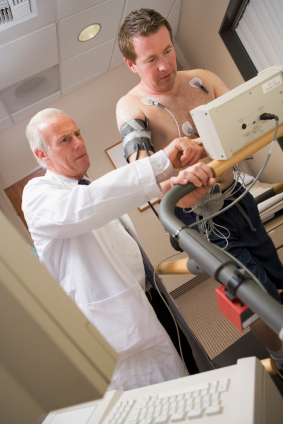
This treadmill stress test is looking for hidden heart disease

AUTONOMIC NEUROPATHY

This issue is pretty technical and pertains to function of automatic, unconscious body functions controlled by nerves. These reflexes can be abnormal, particularly in someone who’s had diabetes for many years, and are called autonomic neuropathy. Take your heart rate, for example. It’s there all the time, you don’t have to think about it. If you run to catch a bus or climb two flights of stairs, your heart rate increases automatically to supply more blood to exercising muscles. If that automatic reflex doesn’t work properly, exercise is more dangerous, possibly leading to passing out, dizziness, and poor exercise tolerance. Other automatic nerve systems control our body temperature regulation (exercise may overheat you), stomach emptying (your blood sugar may go too low), and blood pressure (it could drop too low). Only your doctor can tell for sure if you have autonomic neuropathy.

Steve Parker, M.D.

History of the “Modern” Paleo Diet Movement

Here’s a timeline, certainly not comprehensive, but probably more than enough to bore you. I’m trying to hit the major developments.

  • 1939 – Nutrition and Physical Degeneration by Weston A. Price’s is published.
  • 1973 – Stephen Boyden’s “Evolution and Health” is published in The Ecologist.
  • 1975 – The Stone Age Diet: Based On In-Depth Studies of Human ecology and the Diet of Man is self-published by Walter L. Voegtlin, M.D.
  • January 1985 – “Paleolithic Nutrition. A consideration of its nature and current implications” by S. Boyd Eaton and M. Konner in the New England Journal of Medicine.
  • 1987 – Stone Age Diet by Leon Chaitow (London: Optima).
  • 1988 – The Paleolithic Prescription: A Program of Diet and Exercise and a Design for Living by S. Boyd Eaton, M. Shostak, and M. Konner.
  • January 1997 – Paleodiet.com established by Don Wiss.
  • March 1997 – The Paleodiet listserv established by Dean Esmay and Donn Wiss.
  • April 1997 – The Evolutionary Fitness online discussion list is created. Art DeVany is its anchor and Tamir Katz is a regular participant.
  • April 1997 – Jack Challem published the article “Paleolithic Nutrition: Your Future Is In Your Dietary Past.”
  • 1999 – Neanderthin by Ray Audette is published.
  • November 2001 – Evfit.com established by Keith Thomas (“Health and Fitness in an Evolutionary Context”).
  • December 2001 – The Paleo Diet by Loren Cordain, Ph.D., is published.
  • April 2001 – Wikipedia’s page on Palaeolithic diet is created.
  • 2005 – Art DeVany’s first paleo blog.
  • 2006 – Exuberant Animal by Frank Forencich is published.
  • 2008 – Art DeVany’s Las Vegas seminar.
  • 2009 – The Primal Blueprint by Mark Sisson is published. Art DeVany announces ‘The New Evolution Diet’.
  • 8 January 2010 – The New York Times features the paleo lifestyle in its ‘fashion’ pages.
  • 26 February 2010 – McLean’s (Canada) publishes a general audience review of the paleo movement.
  • February 2010 – Food and Western Disease by Staffan Lindeberg is published.
  • March 2010 – Paleolithic lifestyle page is created on Wikipedia.
  • September 2010 – The Paleo Solution: The Original Human Diet by Robb Wolf is published.

Contributors to this timeline include Keith Thomas, Paul Jaminet, and Ray Audette (the latter two via blog comments). Any errors are mine.

Of the folks above, my major influences have been Cordain, Eaton, and Konner.

What would you add? I’m tempted to include the Jaminet’s book (Perfect Health Diet) and Dr. Emily Deans’ blog. Paul Jaminet mentioned Jan Kwasniewski’s Optimal Diet of 1990 (or was it Optimal Nutrition?), but is that just “the Polish Atkins,” as some say? Very high fat.

—Steve

QOTD: Yoni Freedhoff, M.D., on the Paleo Diet

Of course even were the narrative totally BS, I’d venture most folks’ paleo diets are exceedingly healthful given the emphasis on actual cooking.

Yoni Freedhoff, M.D.

Conner Middelmann Whitney: What About Artificial Sweeteners?

Conner, a nutritionist, has an article up at Psychology Today. She doesn’t have too much heartburn about my allowance of stevia in the Parker paleo diet. For example, she writes:

Stevia, a non-caloric sweetener derived from the stevia rebaudiana plant, is a useful sugar alternative, if you don’t mind its slightly metallic, licorice-like taste. Choose minimally processed stevia (green-leaf liquid and powder) rather than the heavily processed white powder. (Stevia processing involves dozens of steps and lots of non-nutritive chemicals to conver tit form green leaf to white powder.)

***

So, rather than search for the “perfect” sweetener, a better use of our creative energy might be to figure out how to lower our desire for sweet tastes and seek satisfaction from other flavors.

Agreed.

She favors honey when she uses a sweetener. But many diabetics will have unacceptable blood sugar spikes if they eat too much honey.

Much of her article is about sucralose (Splenda).

Read the whole enchilada.