Tag Archives: diabetes

Recommended Periodic Evaluations and Treatment Goals for Diabetics

If you don't like your physician, find a new one

If you don’t like your physician, find a new one

So, you’ve got diabetes. I’m sorry. You’ve got a heck of a lot of medical information to master.

Unless you have a good diabetes specialist physician on your team, you may not be getting optimal care. Below are some guidelines you may find helpful. The goal is to prevent diabetes complications. Many primary care physicians will not be up-to-date on the guidelines. Don’t hesitate to discuss them with your doctor. Nobody, not even your doctor, cares as much about your health as you do.

Annual Tests

The American Diabetes Association (ADA) recommends the following items be done yearly (except as noted) in non-pregnant adults with diabetes. (Incidentally, I don’t necessarily agree with all ADA guidelines.) The complete ADA guidelines are available on the Internet.

  • Lipid profile (every two years if results are fine and stable)
  • Comprehensive foot exam
  • Screening test for distal symmetric polyneuropathy: pinprick, vibration, monofilament pressure sense
  • Serum creatinine and estimate of glomerular filtration rate (MDRD equation)
  • Test for albumin in the urine, such as measurement of albumin-to-creatinine ratio in a random spot urine specimen
  • Comprehensive eye exam by an ophthalmologist or optometrist (if exam is normal, every two or three years is acceptable)
  • Hemoglobin A1c at least twice a year, but every three months if therapy has changed or glucose control is not at goal
  • Flu shots

Other Vaccinations, Weight Loss, Diabetic Diet, Prediabetes, Alcohol, Exercise, Etc.

Additionally, the 2013 ADA guidelines recommend:

  • Pneumococcal vaccination. “A one time re-vaccination is recommended for individuals >64 years of age previously immunized when they were <65 years of age if the vaccine was administered >5 years ago.” Also repeat the vaccination after five years for patients with nephrotic syndrome, chronic kidney disease, other immunocompromised states (poor ability to fight infection), or transplantation.
  • Hepatitis B vaccination to unvaccinated adults who are 19 through 59 years of age.
  • Weight loss for all overweight diabetics. “For weight loss, either low-carbohydrate, low-fat calorie-restricted, or Mediterranean diets may be effective in the short-term (up to two years).” For those on low-carb diets, monitor lipids, kidney function, and protein consumption, and adjust diabetic drugs as needed. The optimal macronutrient composition of weight loss diets has not been established. (Macronutrients are carbohydrates, proteins, and fats.)
  • “The mix of carbohydrate, protein, and fat may be adjusted to meet the metabolic goals and individual preferences of the person with diabetes.” “It must be clearly recognized that regardless of the macronutrient mix, total caloric intake must be appropriate to weight management goal.”
  • “A variety of dietary meal patterns are likely effective in managing diabetes including Mediterranean-style, plant-based (vegan or vegetarian), low-fat and lower-carbohydrate eating patterns.”
  • “Monitoring carbohydrate, whether by carbohydrate counting, choices, or experience-based estimation, remains a key strategy in achieving glycemic control.”
  • Limit alcohol to one (women) or two (men) drinks a day.
  • Limit saturated fat to less than seven percent of calories.
  • During the initial diabetic exam, screen for peripheral arterial disease (poor circulation). Strongly consider calculation of the ankle-brachial index for those over 50 years of age; consider it for younger patients if they have risk factors for poor circulation.
  • Those at risk for diabetes, including prediabetics, should aim for moderate weight loss (about seven percent of body weight) if overweight. Either low-carbohydrate, low-fat calorie-restricted, or Mediterranean diets may be effective in the short-term (up to 2 years). Also important is exercise: at least 150 minutes per week of moderate-intensity aerobic activity. “Individuals at risk for type 2 diabetes should be encouraged to achieve the U.S. Department of Agriculture (USDA) recommendation for dietary fiber (14 g fiber/1,000 kcal) and foods containing whole grains (one-half of grain intake).” Limit intake of sugar-sweetened beverages.
  • “Adults with diabetes should be advised to perform at least 150 min/week of moderate-intensity aerobic physical activity (50–70% of maximum heart rate), spread over at least 3 days/week with no more than two consecutive days without exercise. In the absence of contraindications, adults with type 2 diabetes should be encouraged to perform resistance training at least twice per week.”
  • Screening for coronary artery disease before an exercise program is depends on the physician judgment on a case-by-case basis. Routine screening is not recommended.
Steve Parker MD, low-carb diet, diabetic diet

Olives, olive oil, and vinegar: classic Mediterranean foods

Clearly, some of my dietary recommendations conflict with ADA guidelines. The paleo diet isn’t even on their radar screen. The experts assembled by the ADA to compose guidelines were well-intentioned, intelligent, and hard-working. The guidelines are supported by 528 scientific journal references. I greatly appreciate the expert panel’s work. We’ve simply reached some different conclusions. By the same token, I’m sure the expert panel didn’t have unanimous agreement on all the final recommendations. I invite you to review the dietary guidelines yourself, discuss with your personal physician, then decide where you stand.

General Blood Glucose Treatment Goals

The ADA in 2013 suggests these therapeutic goals for non-pregnant adults:

  • Fasting blood glucoses: 70 to 130 mg/dl (3.9 to 7.2 mmol/l)
  • Peak glucoses one to two hours after start of meals: under 180 mg/dl (10 mmol/l)
  • Hemoglobin A1C: under 7%
  • Blood pressure: under 140/80 mmHg
  • LDL cholesterol: under 100 mg/dl (2.6 mmol/l). (In established cardiovascular disease: <70 mg/dl or 1.8 mmol/l may be a better goal.)
  • HDL cholesterol: over 40 mg/dl (1.0 mmol/l) for men and over 50 mg/dl (1.3 mmol/l) for women
  • Triglycerides: under 150 mg/dl (1.7 mmol/l)

The American Association of Clinical Endocrinologists (AACE) in 2011 proposed somewhat “tighter” blood sugar goals for non-pregnant adults:

  • Fasting blood glucoses: under 110 mg/dl (6.11 mmol/l)
  • Peak glucoses 2 hours after start of meals: under 140 mg/dl (7.78 mmol/l)
  • Hemoglobin A1C: 6.5% or less

The ADA reminds clinicians, and I’m sure the AACE guys agree, that diabetes control goals should be individualized, based on age and life expectancy of the patient, duration of diabetes, other diseases that are present, individual patient preferences, and whether the patient is able to easily recognize and deal with hypoglycemia. I agree completely.


Steve Parker, M.D.

Do Vegetables and Fruits Prevent Disease?

Switching to the paleo diet often leads to increased vegetable and fruit consumption

Switching to the paleo diet often leads to increased vegetable and fruit consumption

Potential answers are in the American Journal of Clinical Nutrition (2012).  I quote:

For hypertension, coronary heart disease, and stroke, there is convincing evidence that increasing the consumption of vegetables and fruit reduces the risk of disease. There is probable evidence that the risk of cancer in general is inversely associated with the consumption of vegetables and fruit. In addition, there is possible evidence that an increased consumption of vegetables and fruit may prevent body weight gain. As overweight is the most important risk factor for type 2 diabetes mellitus, an increased consumption of vegetables and fruit therefore might indirectly reduces the incidence of type 2 diabetes mellitus. Independent of overweight, there is probable evidence that there is no influence of increased consumption on the risk of type 2 diabetes mellitus. There is possible evidence that increasing the consumption of vegetables and fruit lowers the risk of certain eye diseases, dementia and the risk of osteoporosis. Likewise, current data on asthma, chronic obstructive pulmonary disease, and rheumatoid arthritis indicate that an increase in vegetable and fruit consumption may contribute to the prevention of these diseases. For inflammatory bowel disease, glaucoma, and diabetic retinopathy, there was insufficient evidence regarding an association with the consumption of vegetables and fruit.

It bothers me that vegetables and fruits are lumped together: they’re not the same.

The paleo diet is unfairly characterized as meat-centric. It can certainly provide beaucoup vegetables and fruits. Diabetics should be careful which ones they choose, to avoid spikes in blood sugar.

Steve Parker, M.D.

Ryberg et al: Effects of Paleolithic Diet on Obese Postmenopausal Women

Sweden's Flag. Most of the researchers involved with this study are in Sweden

Sweden’s Flag

After menopause, body fat in women tends to accumulate more centrally than peripherally. This is reflected in a higher incidence of fatty liver disease, type 2 diabetes, and cardiovascular disease. A multinational group of researchers wondered if a modified paleo-style diet would have metabolic effects on healthy overweight and obese (BMI 28–35) postmenopausal women in Sweden, with particular attention to fat levels in liver and muscle. I’ll call this the Ryberg study because that’s the first named author.

Study Details

Curiously, they never give the age range of the 10 study participants. Were they closer to 52 or 82?

tuna, fishing, Steve Parker MD, paleo diet, tuna salad

Has anyone even bothered to ask why the tuna are eating mercury? —Jim Gaffigan

The five-week intervention diet seems to have been mostly prepared and provided by the investigators, but they allowed for home cooking by providing menus, recipes, and a food list. No limit on consumption. The goal was to obtain 30% of calories from protein, 40% from fat (mostly unsaturated), and 30% from carbohydrate “…together with 40 g nuts (walnuts and sweet almonds) on a daily basis….”

The diet included lean meat, fish, fruit, vegetables (including root vegetables), eggs and nuts. Dairy products, cereals, beans, refined fats and sugar, added salt, bakery products and soft drinks were excluded.

“They were also advised to use only rapeseed [i.e., canola] or olive oil in food preparation.”

A diet like this should reduce average saturated fat consumption, which was a stated goal, while substituting monounsaturated  and polyunsaturated fat for saturated.

These women were sedentary before and during the intervention.

Results

The ladies indeed made some major changes in their diet. Total calories consumed fell by 22% (2,400 to 1,900 cals). The average weight of participants dropped from 190 lb (86.4 kg) to 180 lb (81.8 kg).

Carbohydrates consumption as a percentage of total calories fell from 49% to 25%. Total carb  grams dropped from 281 to 118, with fiber grams unchanged. To replace some of the carbs, the women increased their protein and fat calorie percentages by about a third. The authors don’t make it clear whether the total carb grams included total fiber grams. (I could probably figure it out if I had the time and inclination, but don’t.) “Before” and “after” fiber grams were 25 and 27, respectively.

In other words, “…the ratio between energy intake from the macronutrients protein, total fat and carbohydrates expressed as E% [calorie percentages] changed significantly from 16:33:50 at baseline to 28:44:25 after five weeks.” Total daily fat grams didn’t change, but the contribution of saturated fat grams fell.

Elevated blood pressure is one component of metabolic syndrome

Elevated blood pressure is one component of metabolic syndrome

A 10-point drop in systolic blood pressure over the five weeks didn’t quite reach statistical significance (p=0.057), but the 9% drop in diastolic pressure did.

“Fasting serum levels of glucose, leptin, cholesterol, triglycerides, HDL, LDL, ApoB and apolipoprotein A1 (ApoA1) and percentage HDL also decreased significantly.”

Fat (or lipid) content of the liver dropped by half. It was measured by magnetic resonance spectroscopy. Peripheral muscle fat content didn’t change, measured in the soleus and  tibialis anterior muscles of the leg.

Urinary C-peptide excretion and HOMA indices [HOMA1-IR formula] decreased significantly, whereas whole-body insulin sensitivity, measured using the hyperinsulinaemic euglycaemic clamp technique, was not significantly changed.” See footnote labelled PPS at bottom page for confusing details.

My Comments

The intervention diet was a reasonable version of the Paleolithic diet, with one exception. From what I’ve seen from Eaton, Konner, and Cordain, I think they’d agree. Except for the rapeseed oil. It’s fallen out of favor, hasn’t it?

Here’s what the Jaminet’s wrote about canola:

Canola oil…is rapeseed oil bred and processed to remove erucic acid and glucosinolates. During processing, the oil is treated with the solvent hexane and very high temperatures; it may also be subject to caustic refinement, bleaching, and degumming. [Perfect Health Diet, p.225.]

I can’t quite see Grok doing that.

My fantasy about extra virgin olive oil is that it simply oozes out of the olives when pressure is applied. So easy a caveman could do it.

Eaton and Konner have argued that our ancestral diet would have had at least two or three times the fiber as was provided by this diet. But that would have been at a total daily calorie consumption level of at least 3,000 or 3,5oo back in the day. So this diet isn’t so far off.

10-lb Weight Loss Without Calorie Restriction? I'll Take That.

10-lb weight loss In five weeks without conscious calorie restriction? I’ll take that.

The 10 lb (4.6 kg) weight loss is impressive for an eat-all-you-want diet. Calorie intake dropped spontaneously by 500/day, assuming the numbers are accurate. The satiation from higher protein consumption may explain that. The authors admit that the women lost more weight than would be predicted by the energy balance equation (i.e., a pound of fat = 3,500 calories). They wonder about over-estimations of food intake, thermogenic effects of protein versus other macronutrients,  and loss of glycogen (and associated body water). You can’t argue with those scales, though.

While serum C-peptide didn’t fall, urinary levels did. (My sense from reviewing other literature is that 24-hr urine levels of C-peptide are more accurate indicators of insulin production, compared to a single fasting C-peptide level.) The authors interpret this as increased insulin sensitivity in the liver in combination with decreased insulin secretion by the pancreas. Fasting serum insulin levels fell from 8.35 to 6.75 mIU/l (p<0.05).

Regarding the non-significant change in overall insulin sensitivity as judged by hyperinsulinemic euglycemic clamp technique, remember that insulin sensitivity of the liver may be different from sensitivity in peripheral tissues such as muscle. These investigators think that liver insulin sensitivity was clearly improved with their diet.

Blood lipid changes were in the right direction in terms of cardiovascular disease risk, except for the drops in HDL (from 1.35 to 1.17 mmol/l) and ApoA1.

This study may or may not apply to men. Also note the small sample size. Will these results be reproducible in a larger population? In different ethnicities?

I like the reduction in blood pressure. That could help you avoid the risk, expense, and hassle of drug therapy.

From 97 to 90 mg/dl

Serum glucose fell from 96  to 90 mg/dl

I like the drop in fasting blood sugar from 96 to 90 mg/dl (5.35 to 5 mmol/l). It’s modest, but statistically significant. Was it caused by the weight loss, reduced total carb consumption, paucity of sugar and refined starches, lower total calories, higher consumption of protein and mono- and polyunsaturated fats, or a combination of factors? As with most nutritional studies, there’s a lot going on here. A small fasting blood sugar drop like this wouldn’t matter to most type 2 diabetics, but could diabetics see an even greater reduction than these non-diabetics? Only one way to tell: do the study.

I can well imagine this diet curing some cases of metabolic syndrome, prediabetes, mild type 2 diabetes, and fatty liver disease.

Most type 2 diabetics (and prediabetics, for that matter) are overweight or obese.  If a diet like this helps them lose weight, it could improve blood sugar levels. Nearly all authorities recommend that overweight and obese diabetics and prediabetics get their weight down to normal. (I admit that weight loss and improved blood sugar levels are not always in sync.) Weight loss by any standard method tends to improve insulin sensitivity.

Furthermore, the elevated fasting blood sugars that characterize so many cases of diabetes and prediabetes are usually linked to, if not caused by, insulin resistance in the liver. According to these investigators, the diet at hand improves insulin sensitivity in the liver, and even lowers fasting blood sugars in non-diabetic older women.

This modified Paleolithic-style diet doesn’t include table sugar or refined grain starches. That would help control blood sugar levels in both type 1 and type 2 diabetics and prediabetics. The authors didn’t say so, but this must be a relatively low-glcemic-index diet.

The investigators don’t mention ramifications of their diet for folks with diabetes. Their focus is on ectopic fat accumulation (in liver and muscle) and its linkage with insulin resistance and cardiovascular disease. They’ve put together a promising program to try on diabetics or prediabetics. They just need the will and funding to git’r done.

I agree with the authors that the lower calorie consumption, rather than the paleo diet per se, may have caused or contributed to the reduction in liver fat.

Stockholm Palace

Stockholm Palace

The investigators wonder if a Paleolithic-style diet like this would be beneficial over the long-term in patients with non-alcoholic fatty liver disease (NALFD) and associated metabolic disturbance (e.g., impaired sensitivity sensitivity in the liver). NAFLD tends to predict the development of diabetes and cardiovascular disease. If we can prevent or reverse fatty liver, we may prevent or reverse type 2 diabetes and cardiovascular disease, to an extent. You’ll be waiting many years for those clinical study results.

But you have to decide what to eat today.

A significant number of American women (20%?) need to lose weight, lower their blood pressures, lower their blood sugars, and decrease their liver fat. This Ryberg Paleolithic-style diet would probably do it.

A very-low-carb diet is another way to reduce liver fat, and it’s more effective than simple calorie restriction.

Steve Parker, M.D.

Reference: Ryberg, M., et al. A Palaeolithic-type diet causes strong tissue-specific effects on ectopic fat deposition in obese postmenopausal women. Journal of Internal Medicine, 2013, vol. 274(1), pp: 67-76.  doi: 10.1111/joim.12048

PS: See Carbsane Evelyn for her take on this study here and here.

PPS: Urinary C-peptide secretion reflects insulin production. HOMA is a gauge of insulin resistance, much cheaper and quicker than the purported “gold-standard” hyperinsulinemic euglycemic clamp technique. Why HOMA and the clamp technique in this study didn’t move together is unclear to me, and the authors didn’t explain it. School me in the comment section if you can. Click this HOMA link and you’ll find this statement: “HOMA and clamps yield steady-state measures of insulin secretion and insulin sensitivity in the basal and maximally stimulated states, respectively. HOMA measures basal function at the nadir of the dose-response curve, whereas clamps are an assessment of the stimulated extreme.” Maybe that means HOMA is applicable to the fasted state (no food for 8 hours), whereas the clamp technique is more applicable to the hour or two after you ate half a dozen donuts.

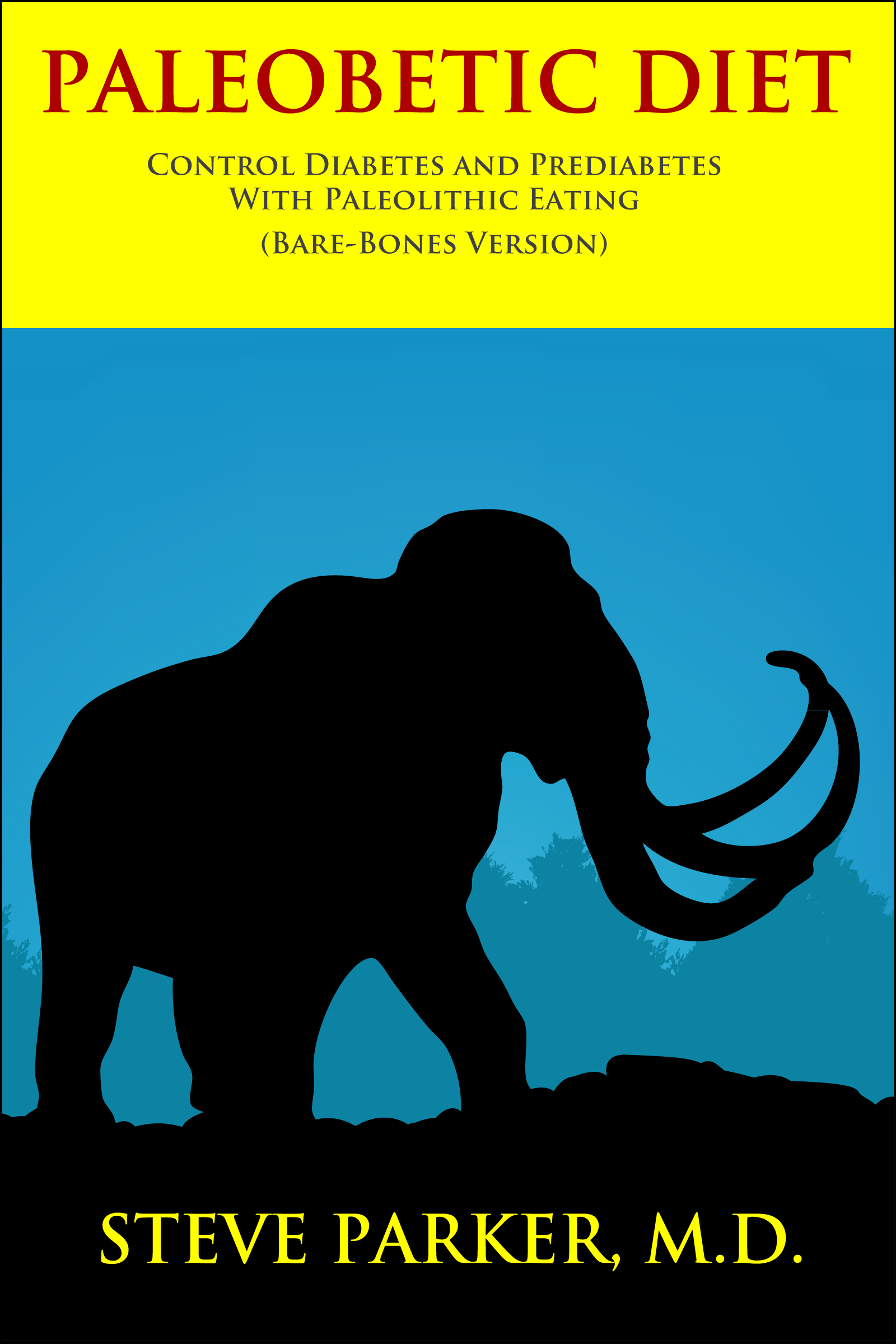
What’s the Paleobetic Diet?

Two years ago, a few of my patients with diabetes asked me whether the paleo diet would help with management of their diabetes. After much deliberation, I can definitely say, “Yeah, maybe.”

We still don’t have much scientific data to back it up, but I’ve seen enough to convince me it would be adequately safe to try a paleo-style diet under medical supervision. The greatest immediate risk is hypoglycemia in those taking certain drugs.

Regardless of diet, diabetics are at risk for hypoglycemia if they use any of the following drug classes. Also listed are a few of the individual drugs in some classes:

  • insulins
  • sulfonylureas: glipizide, glyburide, glimiperide, chlorpropamide, acetohexamide, tolbutamide
  • meglitinides: repaglinide, nateglinide
  • pramlintide plus insulin
  • exenatide plus sulfonylurea
  • possibly thiazolidinediones: pioglitazone, rosiglitazone
  • possibly bromocriptine

I’ve just finished a handout for my patients interested in a paleo diabetic diet. If interested, click for details.

Steve Parker, M.D.

PS: The paleo diet is also referred to as the Paleolithic, Stone Age, Old Stone Age, cavemen, ancestral, and hunter-gatherer diet.

Paleobetic diet, Steve Parker MD,paleo diet, diabetic diet, diabetes

Cover of the fleshed-out ebook at Smashwords

My Critique of the Joslin Critique of the Paleo Diet

paleo diet, Paleolithic diet, hunter-gatherer diet

Huaorani hunter in Ecuador

The Joslin Diabetes Blog yesterday reviewed the paleo diet as applied to both diabetes and the general public.  They weren’t very favorably impressed with it.  But in view of Joslin’s great reputation, we need to give serious consideration to their ideas.  (I don’t know who wrote the review other than “Joslin Communications.”)

These are the main criticisms:

  • diets omitting grains and dairy are deficient in calcium and possibly B vitamins
  • you could eat too much total and saturated fat, leading to insulin resistance (whether type 1 or 2 diabetes) and heart disease
  • it’s not very practical, partly because it goes against the grain of modern Western cultures
  • it may be expensive (citing the cost of meat, and I’d mention fresh fruit and vegetables, too)

Their conclusion:

There are certainly better diets out there, but if you are going to follow this one, do yourself a favor, take a calcium supplement and meet with a registered dietitian who is also a certified diabetes educator  to make sure it is nutritionally complete, isn’t raising your lipids and doesn’t cause you any low blood glucose incidences.

Expense and Practicality

These take a back seat to the health issues in my view.  Diabetes itself is expensive and impractical.  Expense and practicality are highly variable, idiosyncratic matters to be pondered and decided by the individual.  If there are real health benefits to the paleo diet, many folks will find work-arounds for any expense and impracticality.  If the paleo diet  allows use of fewer drugs and helps avoid medical complications, you save money in health care costs that you can put into food.  Not to mention quality of life issues (but I just did).

Calcium and B Vitamin Deficiencies

This is the first I’ve heard of possible B vitamin deficiencies on the paleo diet.  Perhaps I’m not as well-read as I thought.  I’ll keep my eyes open for confirmation.

The potential calcium deficiency, I’ve heard of before.  I’m still open-minded on it.  I am starting to wonder if we need as much dietary calcium as the experts tell us.  The main question is whether inadequate calcium intake causes osteoporosis, the bone-thinning condition linked to broken hips and wrists in old ladies.  This is a major problem for Western societies.  Nature hasn’t exerted much selection pressure against osteoporosis because we don’t see most of the fractures until after age 70.  I wouldn’t be surprised if we eventually find that life-long exercise and adequate vitamin D levels are much more important that calcium consumption.

With regards to calcium supplementation, you’ll find several recent scientific references questioning it.  For example, see this, and this, and this, and this, and this.  If you bother to click through and read the articles, you may well conclude there’s no good evidence for calcium supplementation for the general population.  If you’re not going to supplement, would high intake from foods be even more important?  Maybe so, maybe not.  I’m don’t know.

If you check, most of the professional osteoporosis organizations are going to recommend calcium supplements for postmenopausal women, unless dietary calcium intake is fairly high.

If I were a women wanting to avoid osteoporosis, I’d do regular life-long exercise that stressed my bones (weight-bearing and resistance training) and be sure I had adequate vitamin D levels.  And men, you’re not immune to osteoporosis, just less likely to suffer from it.

Insulin Resistance

Insulin resistance from a relatively high-fat diet is theoretically possible.  In reality, it’s not common.  I’ve read plenty of low-carb high-fat diet research reports in people with type 2 diabetes.  Insulin levels and blood glucose levels go down, on average.  That’s not what you’d see with new insulin resistance.  One caveat, however, is that these are nearly all short-term studies, 6-12 weeks long.

If you have diabetes and develop insulin resistance on a high-fat diet, you will see higher blood sugar levels and the need for higher insulin drug doses.  Watch for that if you try the paleo diet.

Are High Total and Saturated Fat Bad?

Regarding relatively high consumption of total and saturated fat as a cause of heart or other vascular disease: I don’t believe that any more.  Click to see why.  If you worry about that issue, choose meats that are leaner (lower in fat) and eat smaller portions.  You could also look at your protein foods—beef, chicken, fish, eggs, offal, etc.—and choose items lower in total and saturated fat.  Consult a dietitian or online resource.  Protein deficiency is rarely, if ever, a problem on paleo diets.

In Conclusion

I think the paleo diet has more healthful potential than realized by the Joslin blogger(s).  I’m sure they’d agree we need more clinical studies of it, involving both type 1 and 2 diabetics.  I appreciate the “heads up” regarding potential vitamin B deficiencies.  My sense is that the Joslin folks are willing to reassess their position based on scientific studies.

I bet some of our paleo-friendly registered dietitians have addressed the potential adverse health issues of the paleo diet.  Try Amy KubalFranziska Spritzler (more low-carb than paleo) or Aglaée Jacob.  I assume the leading paleo diet book authors have done it also.

If you’re worried about adverse blood lipid changes on the paleo diet, get them tested before you start, then after two months of dieting.

Steve Parker, M.D.

PS: The paleo diet is also referred to as the Stone Age diet, caveman diet, Paleolithic diet, hunter-gatherer diet, and ancestral diet.

Do Tomatoes Have Too Many Carbohydrates?

Eat greens for vitamin K

Looks reasonable to me

Dr. Richard Bernstein wrote a great book advocating strict carbohydrate restriction for folks with diabetes.  I’m talking about a max of 30 grams a day, compared to 250–300 g in the standard American diet.

Dr. Bernstein cautions his diabetic patients and readers of Diabetes Solution to keep a tight lid on consumption of tomatoes.  An excerpt from page 149:

If you have them uncooked in salad, limit yourself to one slice or a single cherry tomato per cup of salad.

His concern is that tomatoes will raise your blood sugar too high.

That doesn’t make sense to me.  A 3-inch diameter tomato has 7 grams of carbohydrate, 2 of which are fiber.  So the digestible carb count is only 5 grams.  That’s not much.  So do tomatoes have a high glycemic index?  Unlikely, although it’s hard to be sure.  Good luck finding a reliable GI for tomatoes on the Internet.

I think Dr. Bernstein’s wrong about this one, which is rare.  I suppose it’s possible that tomatoes deliver some other substance to the bloodstream that interferes with carbohydrate metabolism, but Dr. Bernstein doesn’t mention that.

Do tomatoes play havoc with your blood sugars?

Steve Parker, M.D.

Do You Need Medical Clearance Before Starting an Exercise Program?

medical clearance, treadmill stress test

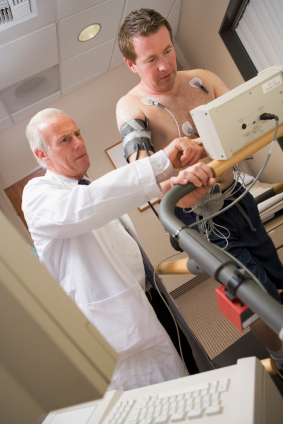
This treadmill stress test is looking for hidden heart disease

To protect you from injury, I recommend that you obtain “medical clearance” from a personal physician before starting an exercise program. A physician is in the best position to determine if your plans are safe for you, thereby avoiding complications such as injury and death. Nevertheless, most adults can start a moderate-intensity exercise program with little risk. An example of moderate intensity would be walking briskly (3–4 mph or 4.8–6.4 km/h) for 30 minutes daily.

Men over 40 and women over 50 who anticipate a more vigorous program should consult a physician to ensure safety. The physician may well recommend diagnostic blood work, an electrocardiogram (heart electrical tracing), and an exercise stress test (often on a treadmill). The goal is not to generate fees for the doctor, but to find the occasional person for whom exercise will be dangerous, if not fatal. Those who drop dead at the start of a vigorous exercise program often have an undiagnosed heart condition, such as blockages in the arteries that supply the heart muscle. The doctor will also look for other dangerous undiagnosed “silent” conditions, such as leaky heart valves, hereditary heart conditions, aneurysms, extremely high blood pressure, and severe diabetes.

She looks healthy enough, but how can you be sure?

She looks healthy enough, but how can you be sure?

The American Diabetes Association’s Standards of Care—2011 states that routine testing of all diabetics for heart artery blockages before an exercise program is not recommended; the doctor should use judgment case-by-case. Many diabetics (and their doctors) are unaware that they already have “silent” coronary artery disease (CAD). CAD is defined by blocked or clogged heart arteries, which reduced the blood flow to the hard-working heart muscle. Your heart pumps 100,000 times a day, every day, for years without rest. CAD raises the odds of fainting, heart attack, or sudden death during strenuous exercise. I recommend a cardiac stress test (or the equivalent) to all diabetics prior to moderate or vigorous exercise programs, particularly if over 40 years old. CAD can thus be diagnosed and treated before complications arise. Ask your personal physician for her opinion.

Regardless of age and diabetes, other folks who may benefit from a medical consultation before starting an exercise program include those with known high blood pressure, high cholesterol, joint problems (e.g., arthritis, degenerated discs), neurologic problems, poor circulation, lung disease, or any other significant chronic medical condition. Also be sure to check with a doctor first if you’ve been experiencing chest pains, palpitations, dizziness, fainting spells, headaches, frequent urination, or any unusual symptoms (particularly during exertion).

Physicians, physiatrists, physical therapists, and exercise physiologists can also be helpful in design of a safe, effective exercise program for those with established chronic medical conditions.

Steve Parker, M.D.

Diabetic Hypoglycemia and the Paleo Diet: Recognition and Management

Healthy non-diabetics making the switch to the paleo diet rarely, if ever, experience hypoglycemia.  That’s not true for diabetics, especially if they’re on certain medications.

hypoglycemia, woman, rock-climbing

Hypoglycemia now would be a tad inconvenient

Hypoglycemia means an abnormally low blood sugar (under 60–70 mg/dl or 3.33–3.89 mmol/l) associated with symptoms such as weakness, malaise, anxiety, irritability, shaking, sweating, hunger, fast heart rate, blurry vision, difficulty concentrating, or dizziness. Symptoms often start suddenly and without obvious explanation. If not recognized and treated, hypoglycemia can lead to incoordination, altered mental status (fuzzy thinking, disorientation, confusion, odd behavior, lethargy), loss of consciousness, seizures, and even death (rare).

You can imagine the consequences if you develop fuzzy thinking or lose consciousness while driving a car, operating dangerous machinery, or scuba diving.

Do not assume your sugar is low every time you feel a little hungry, weak, or anxious. Use your home glucose monitor for confirmation when able.

Why Would the Paleo Diet Cause Hypoglycemia?

Carbohydrates are the the primary source of blood glucose (blood sugar).  Paleo diets typically derive anywhere from 20 to 40% of total calories from carbohydrate, with 30% being about average.  This compares with 50-60% of calories coming from carbs in the usual American diet.  Additionally, the overall glycemic index of paleo diet carbs is likely to be lower than an average American diet since there are no refined starches and sugars.  A lower glycemic index tends to limit blood sugar spikes in response to a meal.  So any diabetic switching to a paleo diet could see significant drops in blood sugar,  including hypoglycemia.

How Is Hypoglycemia Treated?

If you have diabetes, your personal physician and other healthcare team members should teach you how to recognize and manage hypoglycemia. Immediate early stage treatment involves ingestion of glucose as the preferred treatment—15 to 20 grams. You can get glucose tablets or paste at your local pharmacy without a prescription. Other carbohydrates will also work: six fl oz (180 ml) sweetened fruit juice, 12 fl oz (360 ml) milk, four tsp (20 ml) table sugar mixed in water, four fl oz (120 ml) soda pop, candy, etc. Fifteen to 30 grams of glucose or other carbohydrate should do the trick. Hypoglycemic symptoms respond within 20 minutes.

hypoglycemia, candy

Lady, fruit juice would raise your blood sugar much quicker

If level of consciousness is diminished such that the person cannot safely swallow, he’ll need a glucagon injection. Non-medical people can be trained to give the injection under the skin or into a muscle. Ask your doctor if you’re at risk for severe hypoglycemia. If so, ask him for a prescription so you can get an emergency glucagon kit from a pharmacy.

Hypoglycemia Unawareness

Some people with diabetes, particularly after having the condition for many years, lose the ability to detect hypoglycemia just by the way they feel. This “hypoglycemia unawareness” is obviously more dangerous than being able to detect and treat hypoglycemia early on. Blood sugar levels may continue to fall and reach a life-threatening degree. Hypoglycemia unawareness can be caused by impairment of the nervous system (autonomic neuropathy) or by beta blocker drugs prescribed for high blood pressure or heart disease. People with hypoglycemia unawareness need to check blood sugars more frequently, particularly if driving a car or operating dangerous machinery.

OK, the Acute Crisis Is Over — What Next?

If you do experience hypoglycemia, discuss management options with your doctor: downward medication adjustment, shifting meal quantities or times, adjustment of exercise routine, eating more carbohydrates, etc. If you’re trying to lose weight or control high blood sugars, reducing certain diabetic drugs makes more sense than eating more carbs. Eating at regular intervals three or four times daily may help prevent hypoglycemia. Spreading carbohydrate consumption evenly throughout the day may help. Someone most active during daylight hours as opposed to nighttime will generally do better eating carbs at breakfast and lunch rather than concentrating them at bedtime.

DRUG  ADJUSTMENTS  TO  AVOID  HYPOGLYCEMIA

Hypoglycemia is a great risk for diabetics taking certain diabetic drugs while on a low-carb paleo diet. This is dangerous territory.

Remember, drugs have both generic and brand names. The names vary from country to country, as well as by manufacturer. You’ve got to know what class of drug you’re taking.  If you have any doubt about whether your diabetic drug has the potential to cause hypoglycemia, ask your physician or pharmacist.

hypoglycemia, fruit juice, orange juice

That’s the ticket

DRUGS THAT CAUSE HYPOGLYCEMIA

Regardless of diet, diabetics are at risk for hypoglycemia if they use the following drug classes. Also listed are a few of the individual drugs in some classes:

  • insulin
  • sulfonylureas: glipizide, glyburide, glimiperide, chlorpropamide, acetohexamide, tolbutamide
  • meglitinides: repaglinide, nateglinide
  • pramlintide plus insulin
  • exenatide plus sulfonylurea
  • possibly thiazolidinediones: pioglitazone, rosiglitazone
  • possibly bromocriptine

DRUGS THAT RARELY, IF EVER, CAUSE HYPOGLYCEMIA

Diabetics not being treated with pills or insulin rarely need to worry about hypoglycemia.  That’s true also for prediabetics.

Similarly, diabetics treated only with diet, metformin, colesevalam, and/or an alpha-glucosidase inhibitor (acarbose, miglitol) should not have much, if any, trouble with hypoglycemia. The DPP4-inhibitors (sitagliptan and saxagliptin) do not seem to cause low glucose levels, whether used alone or combined with metformin or a thiazoladinedione.

Thiazolidinediones by themselves cause hypoglycemia in only 1 to 3% of users, but might cause a higher percentage in people on a reduced calorie diet. Bromocriptine may slightly increase the risk of hypoglycemia.

DRUG ADJUSTMENTS TO AVOID HYPOGLYCEMIA

Diabetics considering or following a carbohydrate-restricted diet must work closely with their personal physician, dietitian, or certified diabetes educator, especially to avoid hypoglycemia caused by the aforementioned classes of diabetic drugs.

Clinical experience with thousands of patients has led to generally accepted guidelines that help avoid hypoglycemia in diabetics on medications.

Common strategies for diabetics on hypoglycemia-inducing drugs and starting a low-carb diet include:

  • reduce the insulin dose by a quarter or half
  • change short-acting insulin to long-acting (such as glargine)
  • stop the sulfonylurea, or reduce dose by a quarter or half
  • reduce the thiazolidinedione by up to a half
  • stop the meglitinide, or reduce the dose by up to a half
  • monitor blood sugars frequently, such as four times daily, at least until a stable pattern is established
  • spread carbohydrate consumption evenly throughout the day

Management also includes frequent monitoring of glucose levels with a home glucose monitor, often four to six times daily. Common measurement times are before meals and at bedtime. It may be helpful to occasionally wake at 3 AM and check a sugar level. To see the effect of a particular food or meal on glucose level, check it one or two hours after eating. Keep a record. When eating patterns are stable, and blood sugar levels are reasonable and stable, monitoring can be done less often. When food consumption or exercise habits change significantly, check sugar levels more often.

No One Cares About Your Health As Much As You

I recommend you become the expert on the diabetic drugs you take. Don’t depend solely on your physician. Do research at reliable sources and keep written notes. With a little effort, you could quickly surpass your doctor’s knowledge of your specific drugs. What are the side effects? How common are they? How soon do they work? Any interactions with other drugs? What’s the right dose, and how often can it be changed? Do you need blood tests to monitor for toxicity? How often? Who absolutely should not take this drug? Along with everything else your doctor has to keep up with, he prescribes about a hundred drugs on a regular basis. You only have to learn about two or three. It could save your life.

If you’re thinking that many diabetics on low-carb diets use fewer diabetic medications, you’re right. That’s probably a good thing since the long-term side effects of many of the drugs we use are unknown. Remember Rezulin (troglitazone)? Introduced in 1997, it was pulled off the U.S. market in 2001 because of fatal liver toxicity.  In 2010, rosiglitazone was heavily restricted in the U.S. out of concern for heart toxicity.

Steve Parker, M.D.

What Causes Type 2 Diabetes?

“Beats me. I teach math!”

There’s no simple answer, unfortunately.

You can lower your risk of type 2 diabetes significantly by avoiding overweight and obesity, by exercising regularly, and by choosing the right parents.  These provide clues as to the causes of diabetes.  The Mediterranean diet also prevents diabetes.

UpToDate.com offers a deceptively simple answer:

Type 2 diabetes mellitus is caused by a combination of varying degrees of insulin resistance and relative insulin deficiency. [Insulin is the pancreas hormone that lowers blood sugar.] Its occurrence most likely represents a complex interaction among many genes and environmental factors, which are different among different populations and individuals.

So, what causes the insulin resistance and relative insulin deficiency?

Understanding the pathogenesis [cause] of type 2 diabetes is complicated by several factors. Patients present with a combination of varying degrees of insulin resistance and relative insulin deficiency, and it is likely that both contribute to type 2 diabetes. Furthermore, each of the clinical features can arise through genetic or environmental influences, making it difficult to determine the exact cause in an individual patient. Moreover, hyperglycemia itself can impair pancreatic beta cell function and exacerbate insulin resistance, leading to a vicious cycle of hyperglycemia causing a worsening metabolic state.

The UpToDate article then drones on, discussing mouse studies, various genes, free fatty acids, adiponectin, leptin, amylin, insulin secretion, insulin resistance, impaired insulin processing, insulin action, body fat distribution, inflammation, various inflammatory markers, low birth weight, high birth rate, prematurity, etc.

More excerpts:

Increased free fatty acid levels, inflammatory cytokines from fat, and oxidative factors, have all been implicated in the pathogenesis of metabolic syndrome, type 2 diabetes, and their cardiovascular complications.

Insulin resistance may, at least in part, be related to substances secreted by adipocytes [fat cells] (“adipokines” including leptin adiponectin, tumor necrosis factor alpha, and resistin).

Type 2 diabetes most likely represents a complex interaction among many genes and environmental factors.

That’s the simplest answer I can give now.

Steve Parker, M.D.

Reference: “The Pathogensis of Type 2 Diabetes Mellitus”  by David K McCulloch, MD, and R Paul Robertson, MD, at UpToDate.com, updated June 2012, and accessed November 19, 2012.

Diabetic Life Expectancy

Exercise helps postpone death

Exercise helps postpone death

Type 1 diabetics diagnosed in childhood and born between 1965 and 1980 have an average life expectancy of 68.8 years.  That compares to a lifespan average of 53.4 years for those born earlier, between 1950 and 1964.  The figures are based on Pittsburgh, PA, residents and published in a recent issue of Diabetes.

Elizabeth Hughes, one of the very first users of insulin injections, lived to be 73.  She started on insulin around 1922.

Average overall life expectancy in the U.S. is 78.2 years—roughly 76 for men and 81 for women.

Don’t be too discouraged if you have diabetes: you have roughly a 50:50 chance of beating the averages, and medical advances will continue to lengthen lifespan.

Steve Parker, M.D.