Tag Archives: diabetic diet

Recipe: Brian Burgers With Bacon Brussels Sprouts, Tomato, and Pistachios

diabetic diet, low-carb diet, paleobetic diet

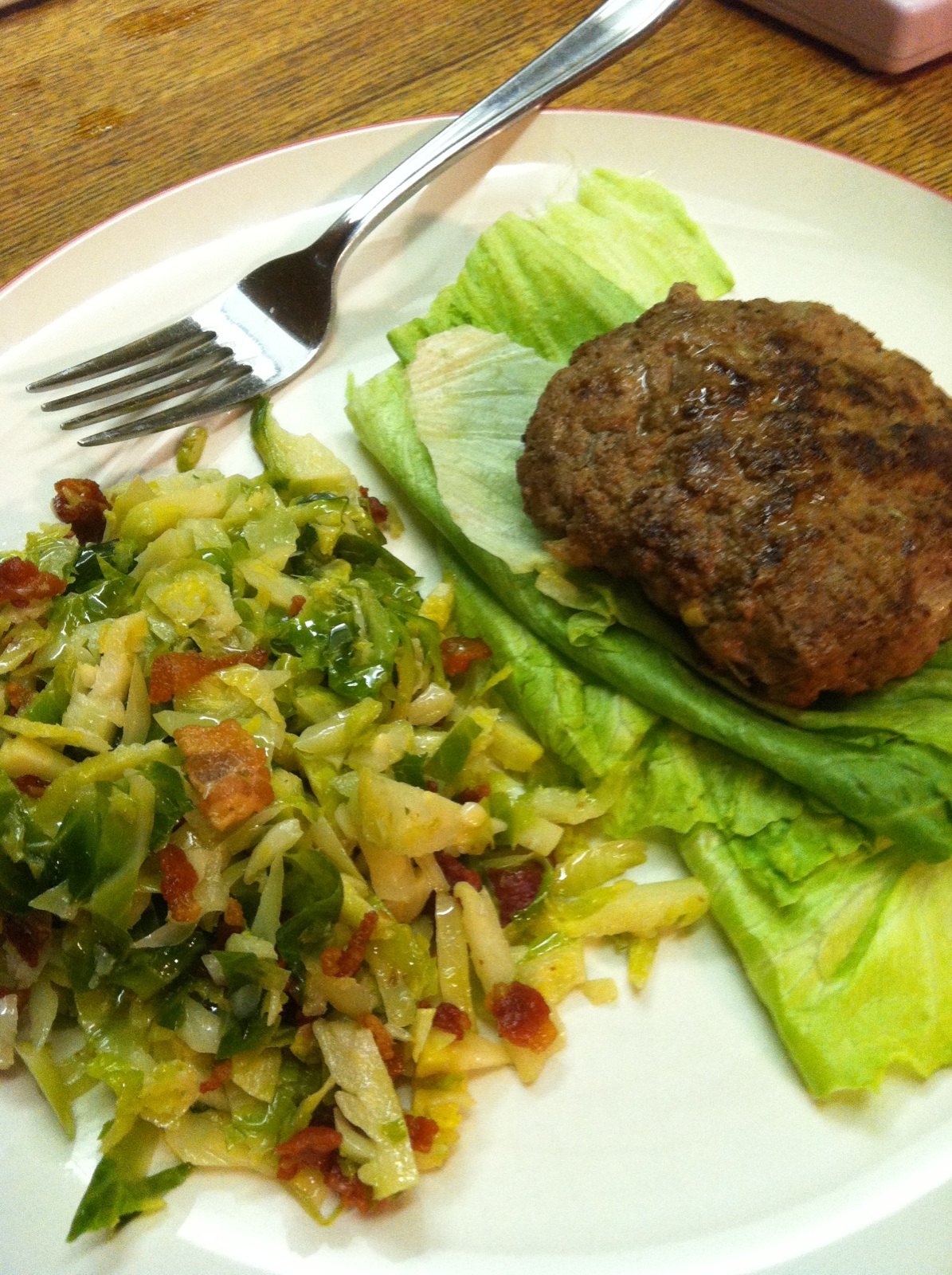
Brian burger and bacon Brussels sprouts

Here’s another meal recipe from my stepson. This makes three servings. You’ll want to make the Bacon Brussels Sprouts to serve with other meals, so I’ve provided an additional nutritional analysis for those alone.

Ingredients:

13 oz (370 g) ground beef, 85% lean

1/2 tbsp (7.5 ml) Tessemae’s All Natural Dressing-Marinade-Dip “Southwest Ranch,” or A1 Steak Sauce or balsamic vinaigrette or AMD vinaigrette (Brian recommends the Tessemae’s Dressing)

1.7 oz (50 g) onion, diced coarse or fine

1 garlic clove, diced

1/8 tsp (0.5 ml) paprika

1–2 pinches of salt (pinch = 1/16 tsp)

pepper to taste (a pinch or 2?)

1/4 tsp (1.2 ml) dried rosemary, crumbled or crushed

1/2 large egg, whisked to blend white and yolk

3 oz (85 g) lettuce

1 lb (450 g) Brussels sprouts (cut and discard bases if desired, probably doesn’t matter),   shredded

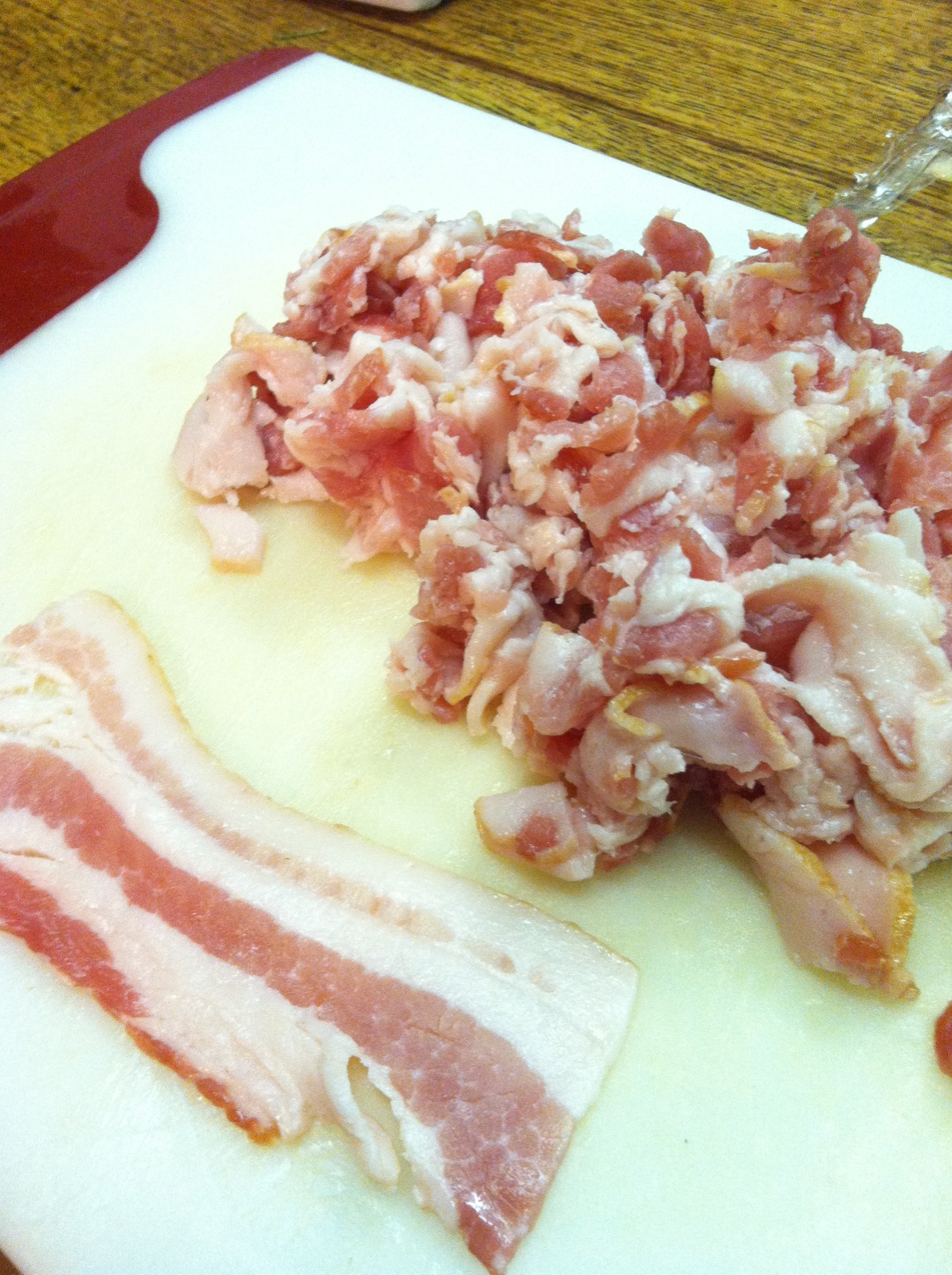
8 oz (225 g) bacon (6.5 regular (not thick) 8-inch strips), diced

3 tbsp (45 ml) water

1.5 large tomatoes, sliced

4.5 oz pistachio nuts
diabetic diet, paleobetic diet, low-carb diet

Prepping the bacon; use a sharp knife

Instructions:

First cook the bacon in a pan over medium–high heat until done. Don’t discard the grease.

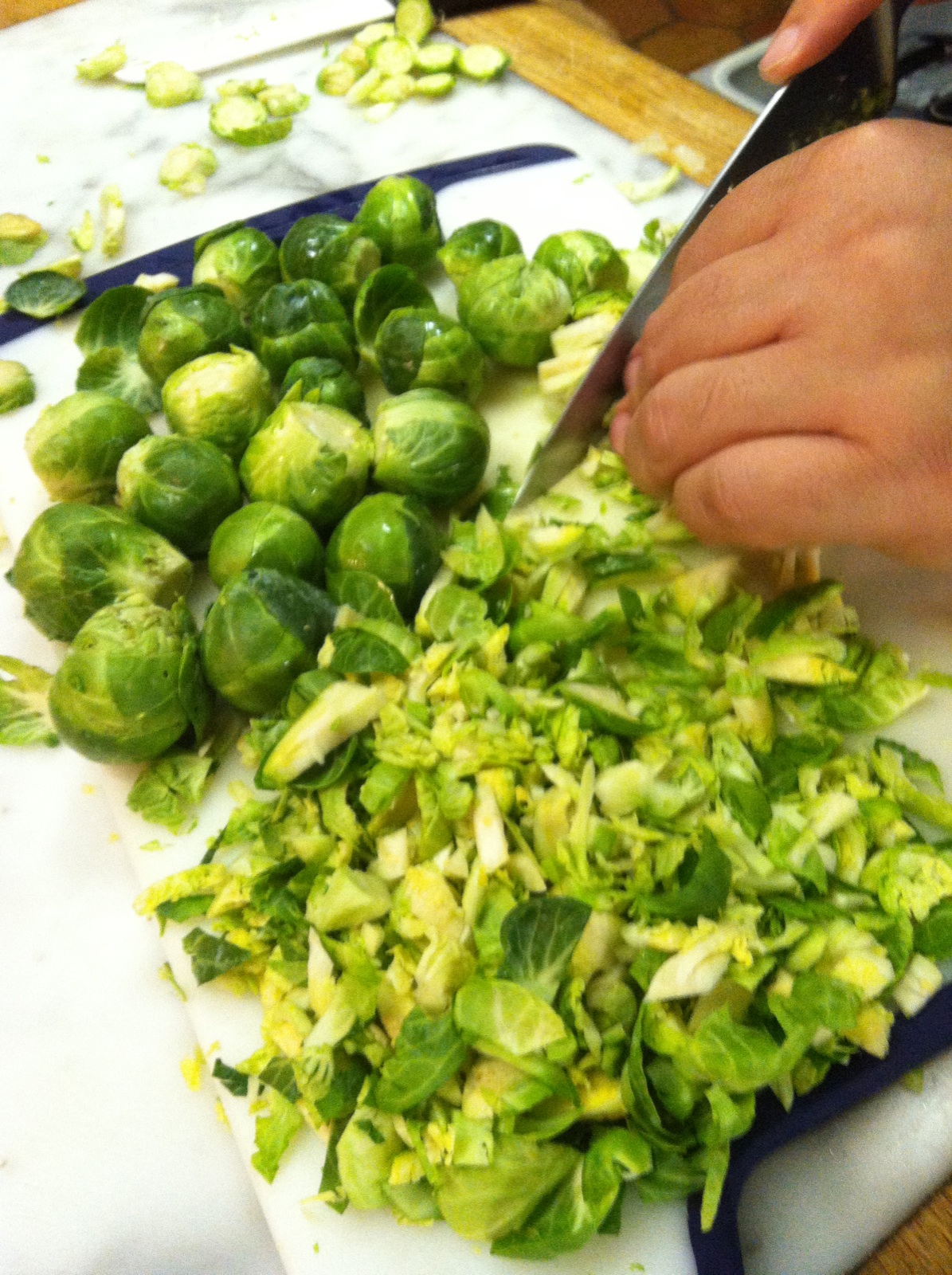
Next do your Brussels sprouts prep (shredding). It will take a few minutes to shred it with a knife. Set those aside.
diabetic diet, paleobetic diet, low-carb diet

Brian slaving away. Thanks, dude!

Start on the burgers now. Place the ground beef in a bowl then add your chosen sauce or vinaigrette, onion, egg, garlic, paprika, rosemary, salt, and pepper. Mix thoroughly by hand. Divide the mess into three patties of equal size. Fry or grill over medium heat until done, about 10 minutes.
diabetic diet, paleobetic diet, low-carb diet

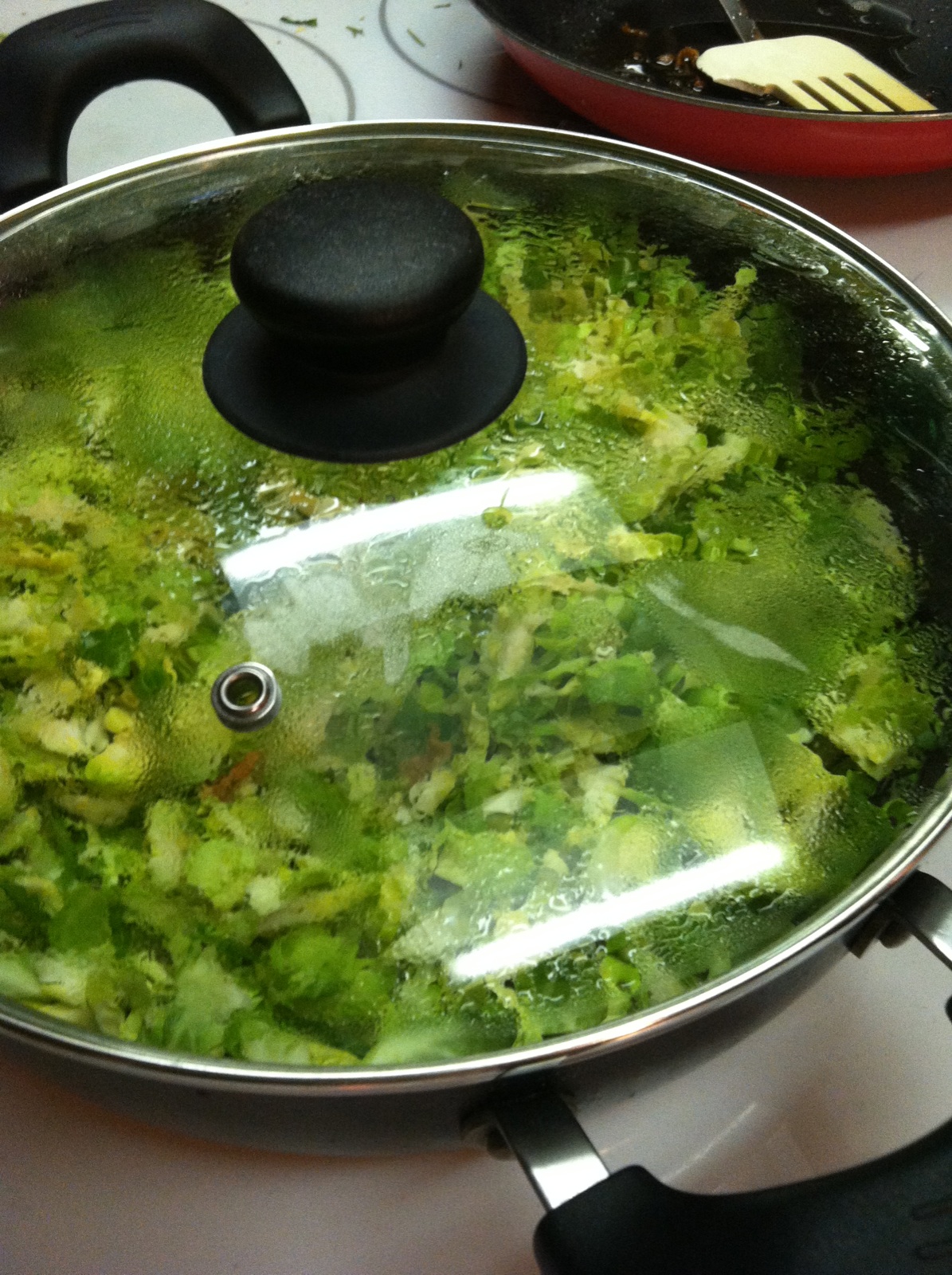
Steaming in progress

As soon as the burgers are plopped on the heat, start steaming the shredded sprouts thusly. Take a pan with a lid, add 3 tbsp (45 ml) of the bacon grease and the 3 tbsp of water, then heat that up for a minute or two over medium to high heat. Then throw in the shredded sprouts, salt and pepper to taste (probably unnecessary), and cover with a lid. Immediately reduce heat to medium and cook for 4–6 minutes. The sprouts will soften up as they cook. Gently shake the pot every minute while steaming to prevent contents from sticking to the pan. If necessary, remove the lid and stir while cooking, but this may increase your cooking time since you release hot steam whenever you remove the lid. When the sprouts are done, remove from heat and add the remaining bacon and bacon grease, then blend.
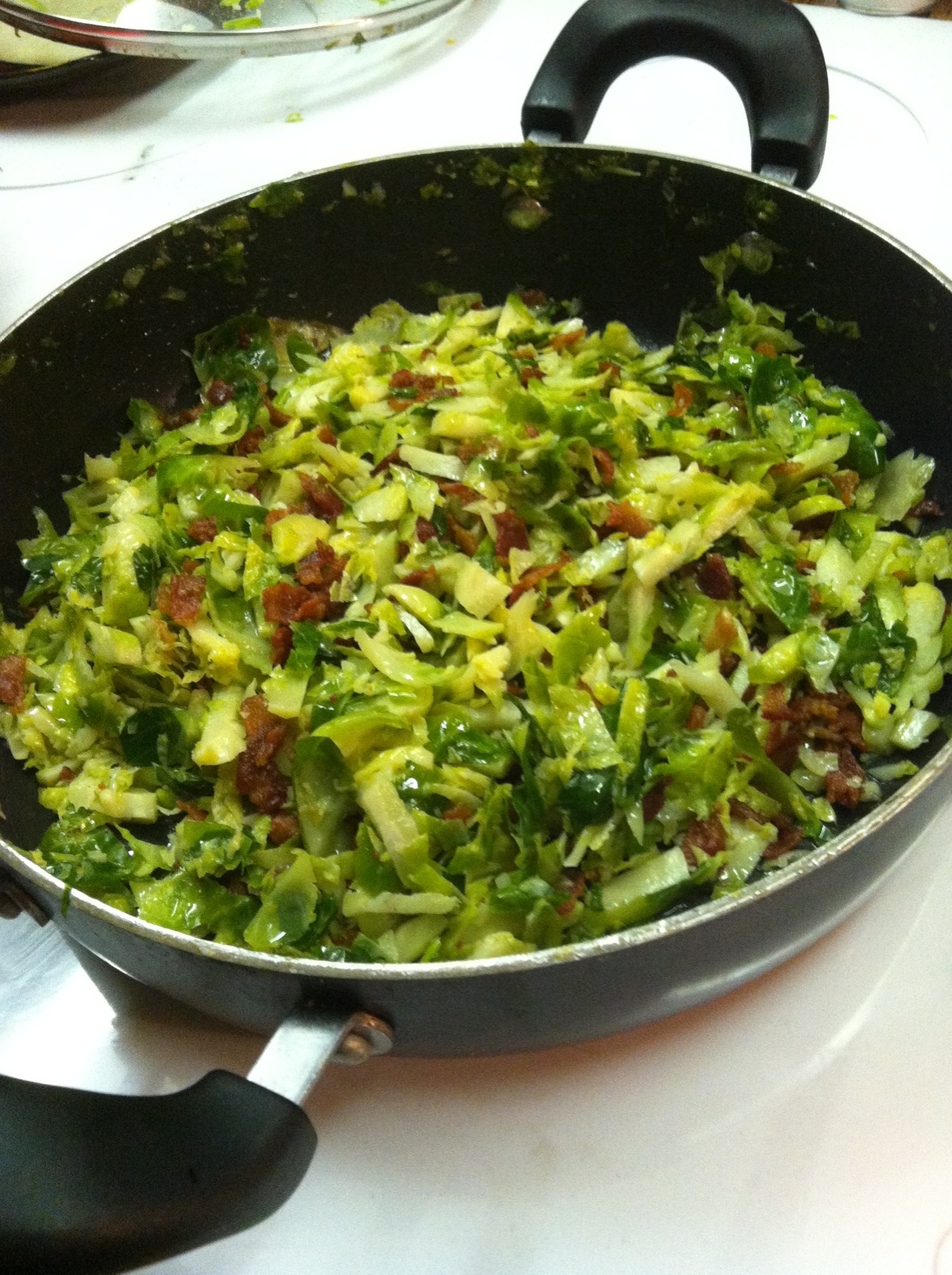
Bacon has been added and blended after the sprouts are cooked

Bacon has been added and blended in after the sprouts are cooked

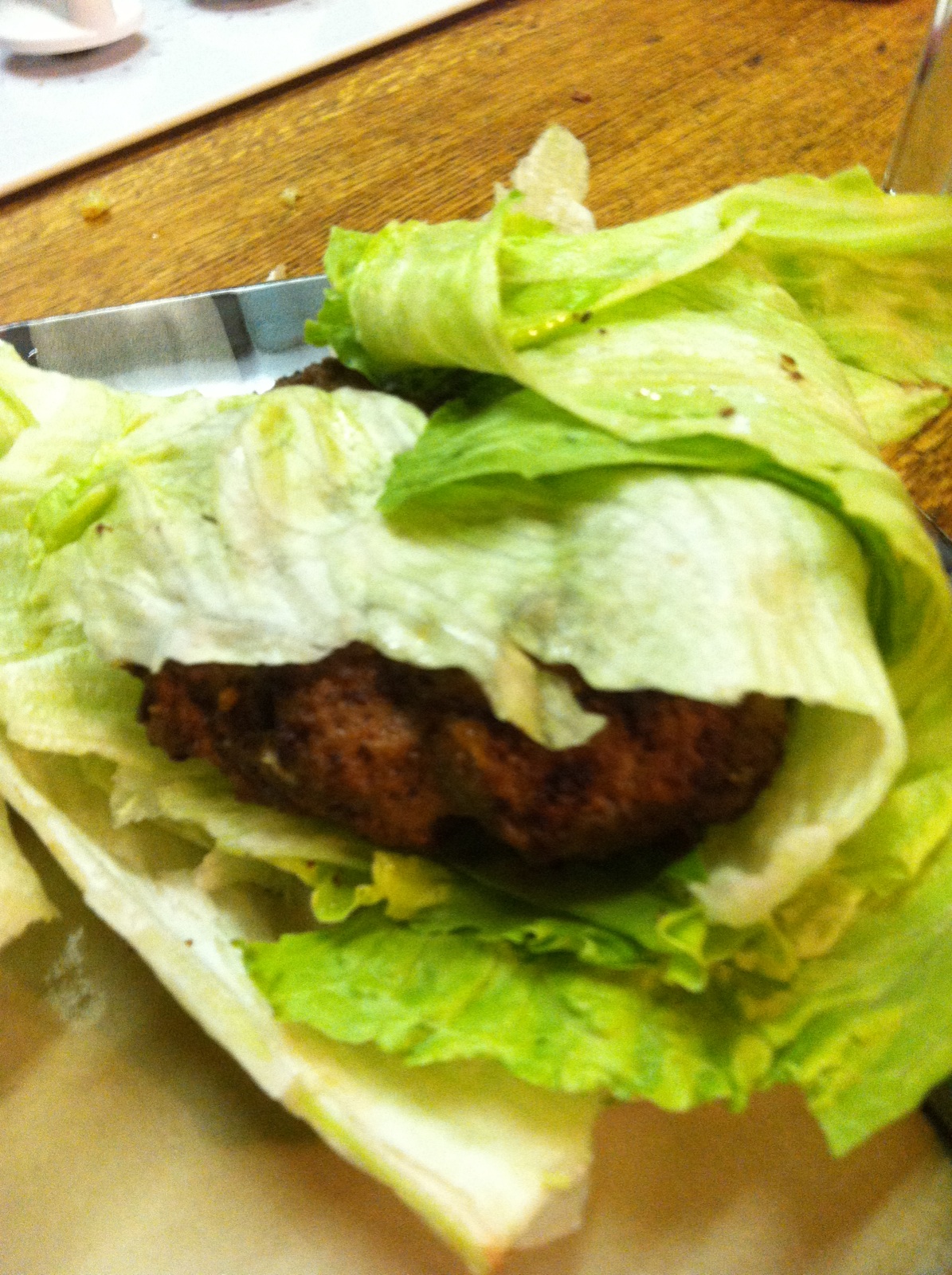
Serve the burger on a bed of lettuce (1 0z). Enjoy tomato and pistachios on the side. Serving sizes are below.

Number of Servings: 3 (one burger patty, 1 oz (30 g) lettuce, 1 cup (240 ml) of sprouts, 1/2 tomato or a third of all the slices, 1.5 oz (40 g) pistachio nuts)

Nutritional Analysis per Serving:

58% fat

17% carbohydrate

25% protein

740 calories

32 g carbohydrate

12 g fiber

20 g digestible carbohydrate

827 mg sodium

1,802 mg potassium

Prominent features: Rich in fiber, protein, vitamin B6, B12, C, copper, iron, manganese, niacin, pantothenic acid, phosphorus, riboflavin, selenium, thiamine, and zinc.

Nutritional Analysis for Bacon Brussels Sprouts: (1 cup, no added salt):

47% fat

28% carbohydrate

26% protein

180 calories

14 g carbohydrate

6 g fiber

8 g digestible carbohydrate

530 mg sodium

709 mg potassium

Prominent features: mucho vitamin C.
diabetic diet, paleobetic diet, low-carb diet

Brian likes his burger wrapped in 2 oz of lettuce
Recipe: Slow-Cooker Chicken, Roasted Vegetables, and Tangerine

low-carb diet, diabetic diet, Paleobetic diet

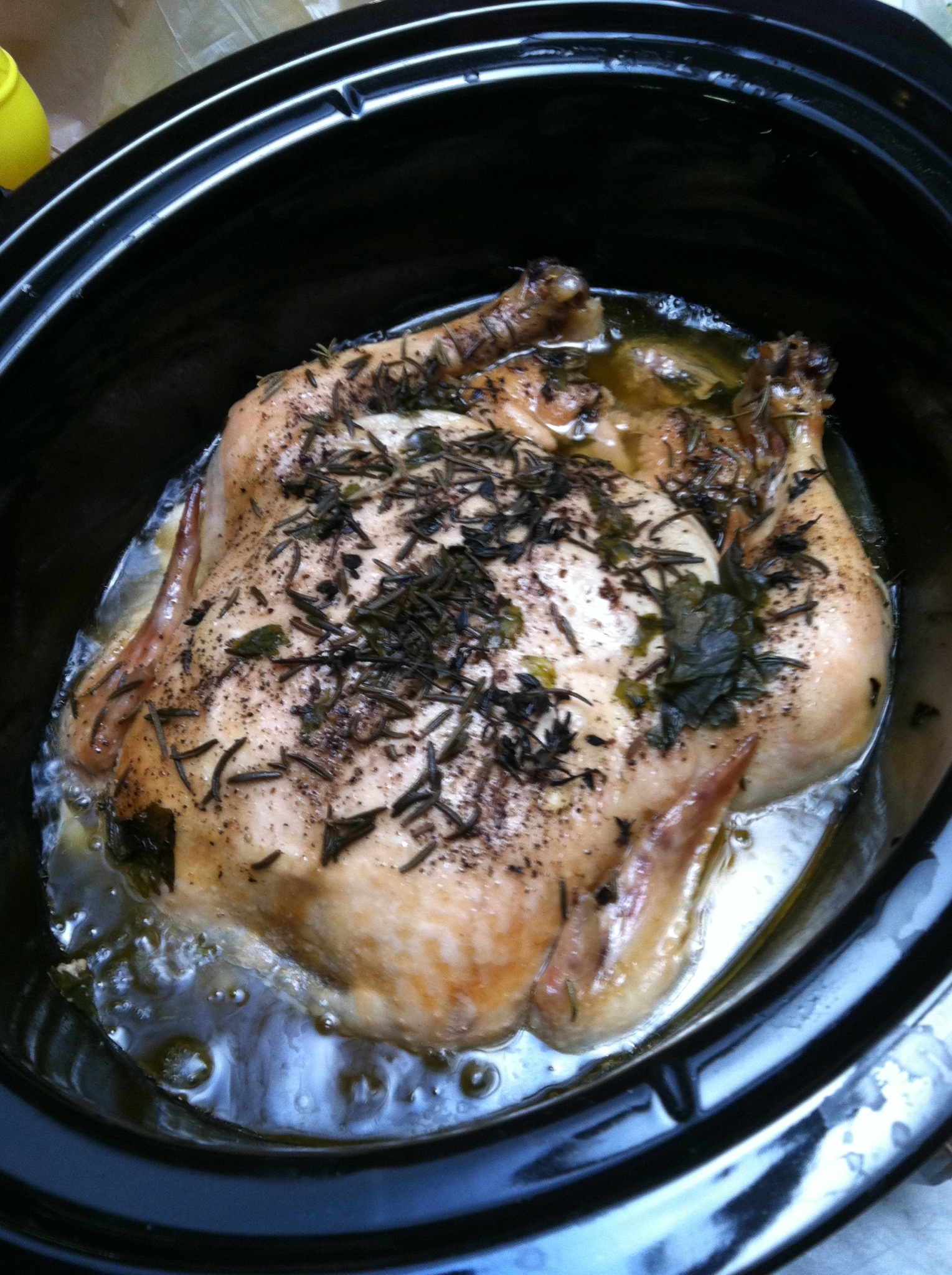
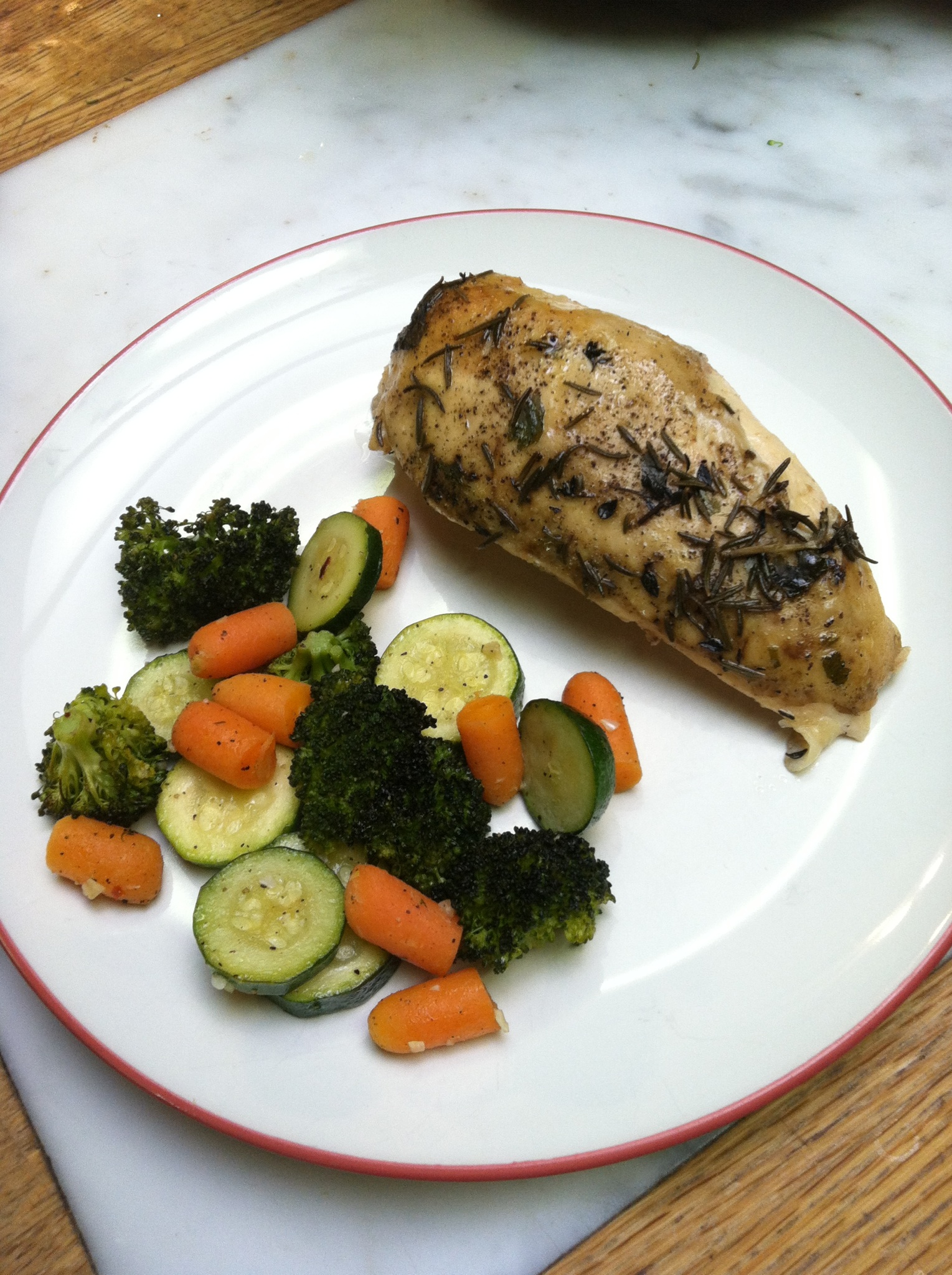
Slow-cooker chicken and roasted veggies

Guess the percentage of light versus dark meat in a chicken.

It’s 50:50. Along with the breasts, the wings are considered light or white meat.

Guess how much meat and skin you have left after you cook and debone a whole chicken. No peaking.

About half the raw weight you started out with. Not counting the giblets you feed to the coyotes.

The nutritional analysis of this meal (see below) assumes that you eat the chicken skin and the onion on the bottom of the slow-cooker (sometimes called a Crock♦Pot although that’s a registered trademark). Much of the chicken fat will stay in the bottom of the slow-cooker after you remove the chicken and onion. Now you’ve got chicken stock to use in other recipes.

diabetic diet, low-carb, Paleobetic diet

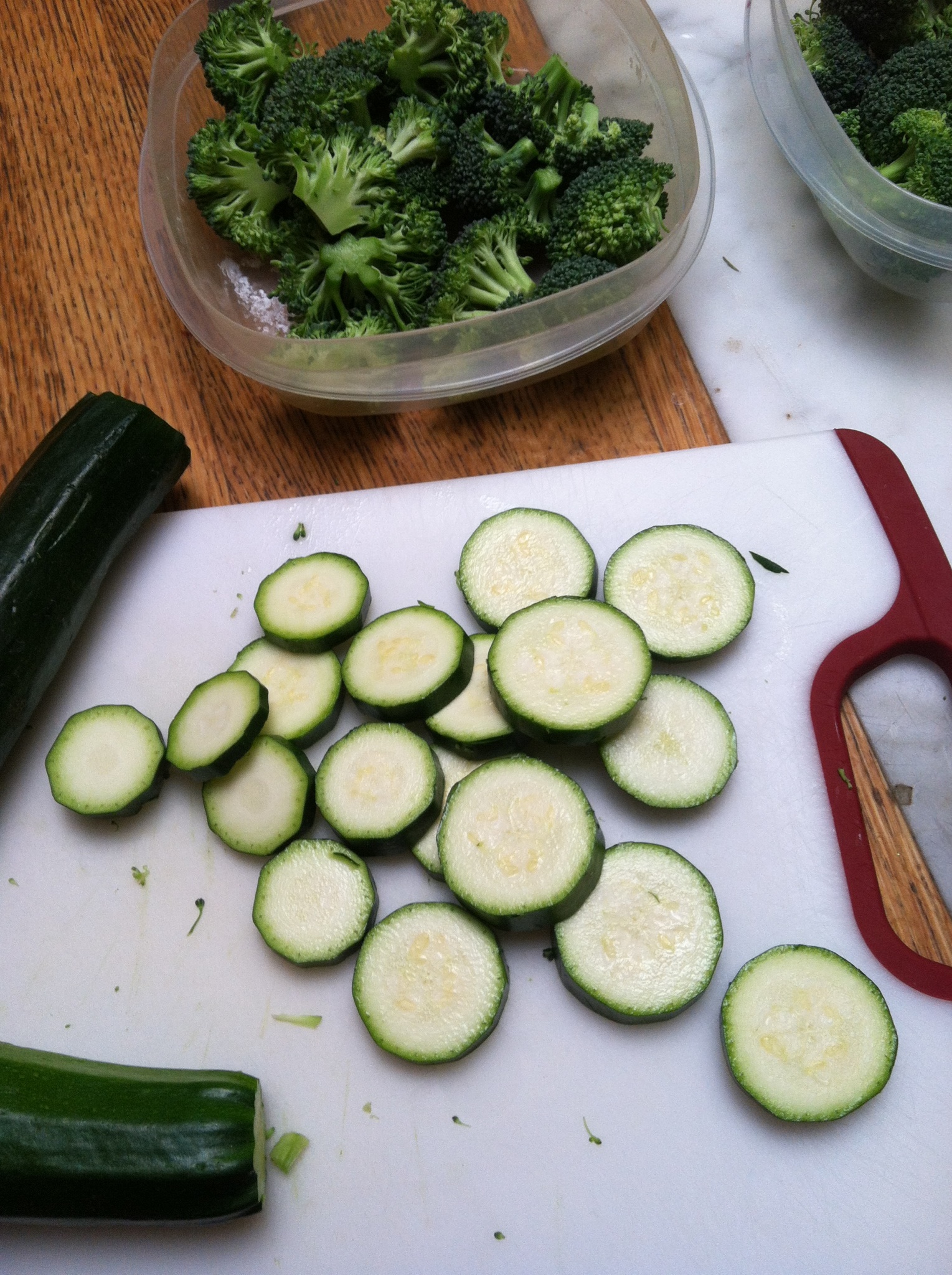
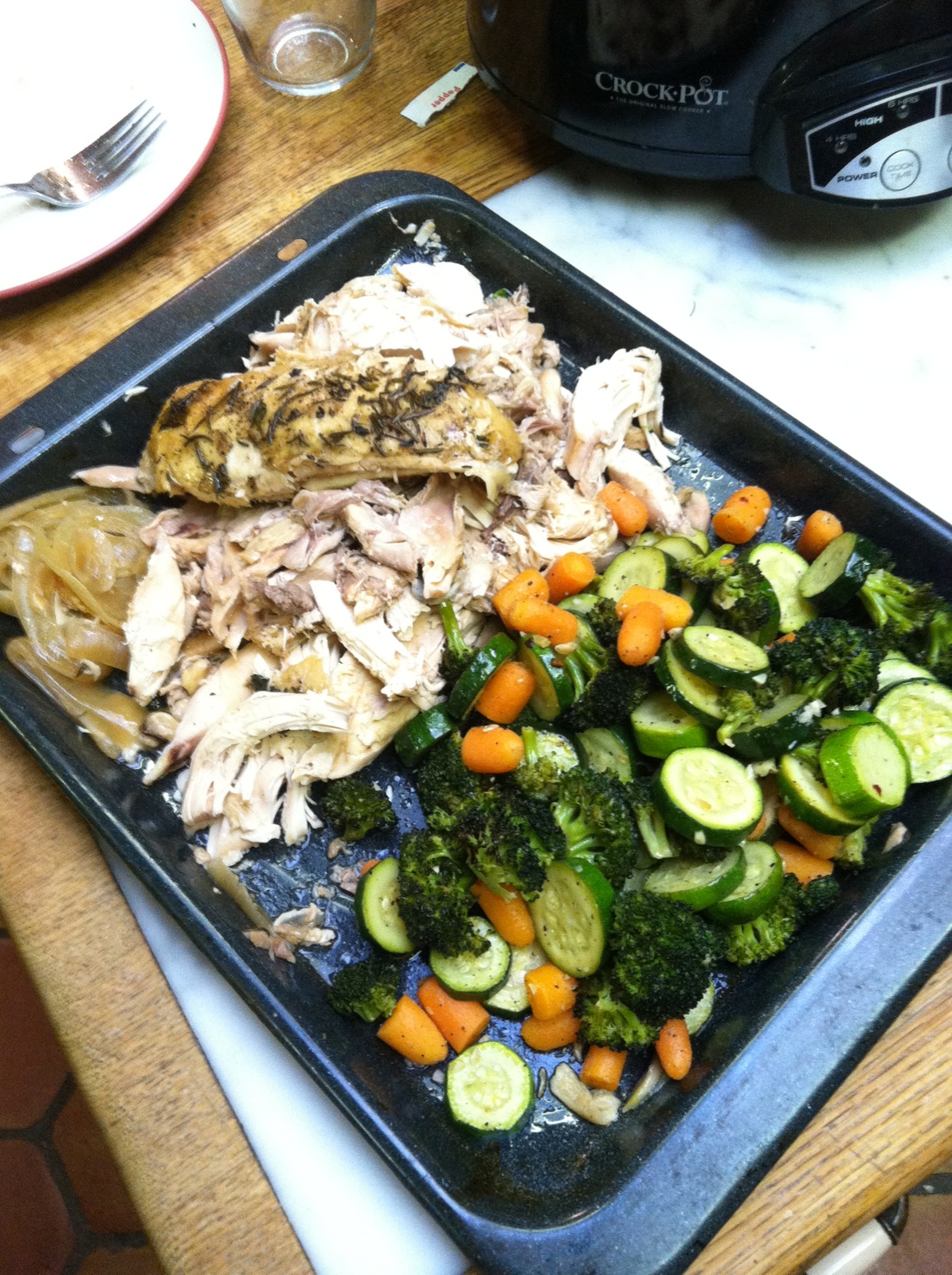
Meal prep: zucchini and broccoli

Ingredients:

1 whole young chicken, about 5 lb (2.3 kg) raw gross weight

1 medium onion, 6.5 oz (185 g), peeled and cut into 1-cm thick discs or circles

3 tbsp (45 ml) olive oil

5 garlic cloves

5 sprigs fresh thyme leaves, about 1/2 tsp (2.5 ml) (or a third of that if using dried thyme—I’ve read that dried thyme is better to add early in the cooking process whereas fresh may be best if added toward the end)

3/4 tsp (3.7 ml) fresh ground black pepper (or to taste)

3/4 tsp (3.7 ml) salt (or to taste)

1/2 tbsp (7.4 ml) fresh or dried rosemary

2 sprigs fresh parsley, leaves only, chopped

8 oz (240 ml) canned chicken broth

1.5 cups (360 ml) broccoli florets (aka flowerets)

3 zucchini squashes (6.5 oz or 185 g each), cut into 1/2-inch or 1-cm discs

5.5 oz (155 g) fresh carrots, peeled and cut into bite-sized pieces

2 tsp (10 ml) lemon juice

1/4 tsp (1.2 ml) lemon zest (optional)

1/4 tsp (1.2 ml) pepper flakes (do you have a left-over packet from your old pizza-eating days?)

5 medium (2 and 3/8 inch or 6-cm diameter) tangerines

low-carb, diabetic diet, Paleobetic diet

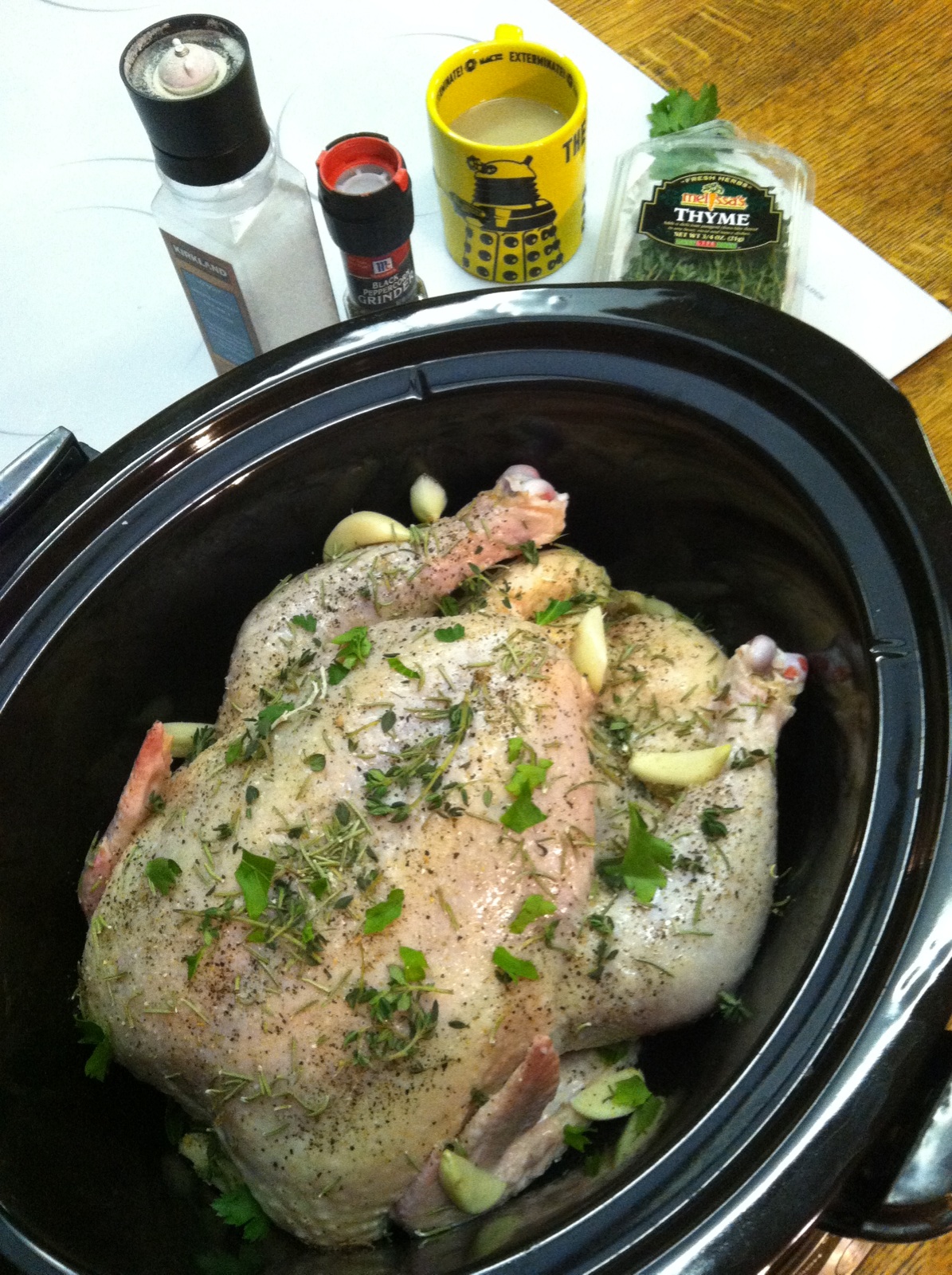
Slow-cooker loaded and just about ready to fire up

Instructions:

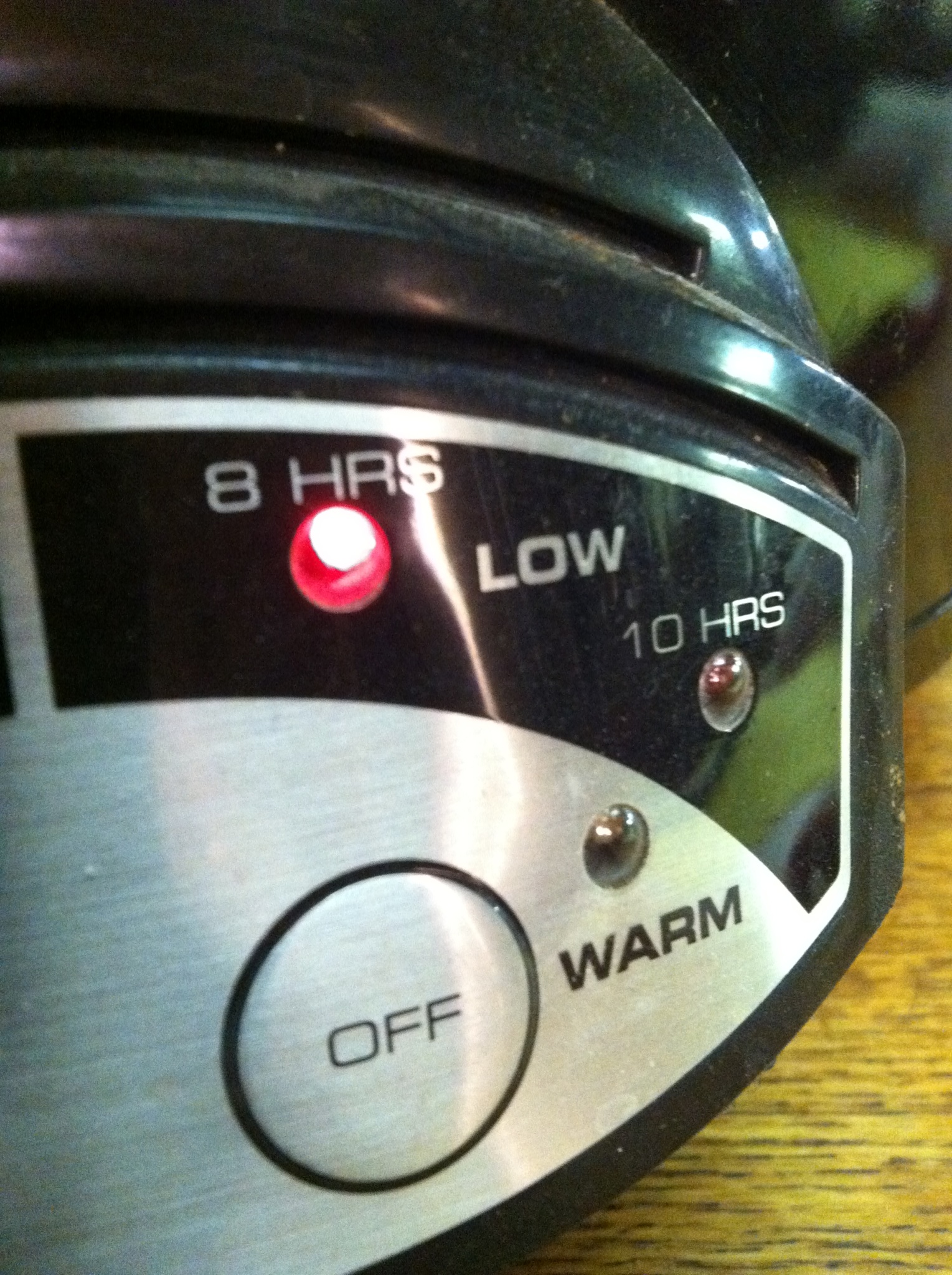
First, the slow-cooker chicken. This cooks for eight hours, so you’ll want to start in the morning. Place the cut onion in the bottom of the cooker. Do what you want with the chicken giblets (neck, liver, heart, gizzard), even eat them after cooking. The coyotes don’t care if cooked or not. Rub 1 tbsp (15 ml) of the olive oil onto the top of the chicken, then place in the cooker on the bed of onion. Cut three of the garlic cloves into thirds and drop into the cooker. Add the chicken broth to the cooker. Sprinkle the thyme leaves on top of the chicken, along with 1/4 tsp (1.2 ml) of black pepper and 1/4 tsp (1.2 ml) salt. Sprinkle the rosemary and parsley into the cooker. Close the lid and cook on low heat for eight hours.

At the base of the slow-cooker

At the base of the slow-cooker

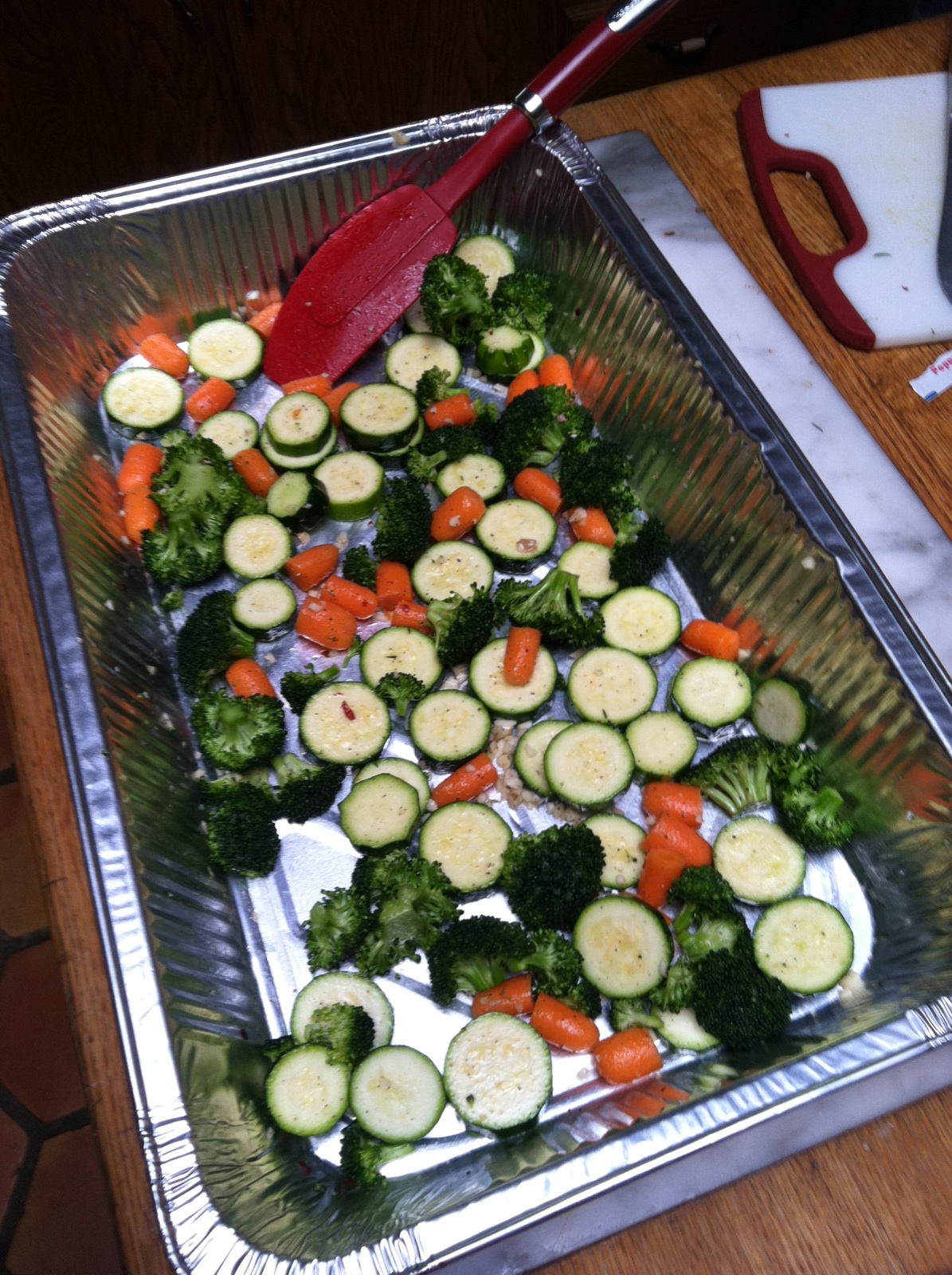
Now the roasted vegetables. Preheat the oven to 400 ºF or 200 ºC. In a large baking dish or sheet, place the broccoli, zucchini, carrots, 2 minced garlic cloves, the lemon juice and zest, the pepper flakes, 1/2  tsp salt (2.5 ml) , 1/2 tsp pepper (2.5 ml), and 2 tbsp olive oil (30 ml). Mix thoroughly. You could do the mixing in a bowl if you wish, then transfer to a cooking sheet. You want these cooking as a thin layer rather than bunched on top of each other. Place in oven and cook for 15–20 minutes, depending on how crisp you like your veggies. The carrots will always end up firmer than the others.

Enjoy a tangerine for desert.

low-carb, diabetic diet, Paleobetic diet

Next step is the oven

low-carb, diabetic diet, Paleobetic diet

Eight hours later…

Servings: 5 (a serving is 7 oz of chicken (with skin), 1 cup of veggies, and 1 tangerine)

Nutritional Analysis per Serving: 

49% fat

13% carb

38% protein

692 calories

24 g carbohydrate

5 g fiber

19 g digestible carbs

1,409 mg sodium

1,132 mg potassium

Prominent features: Rich in protein, vitamin A, B6, C, iron, niacin, pantothenic acid, phosphorus, selenium, and zinc.

diabetic diet, Paleobetic diet, low-carb

Here’s all of it except the tangerines. To do my nutritional analysis, I had to debone the bird and weigh the meat and skin.

Recipe: Sunny’s Super Salad

diabetic diet, Paleobetic diet, diabetes,

You won’t be able to eat this in one sitting if you’re small or sedentary

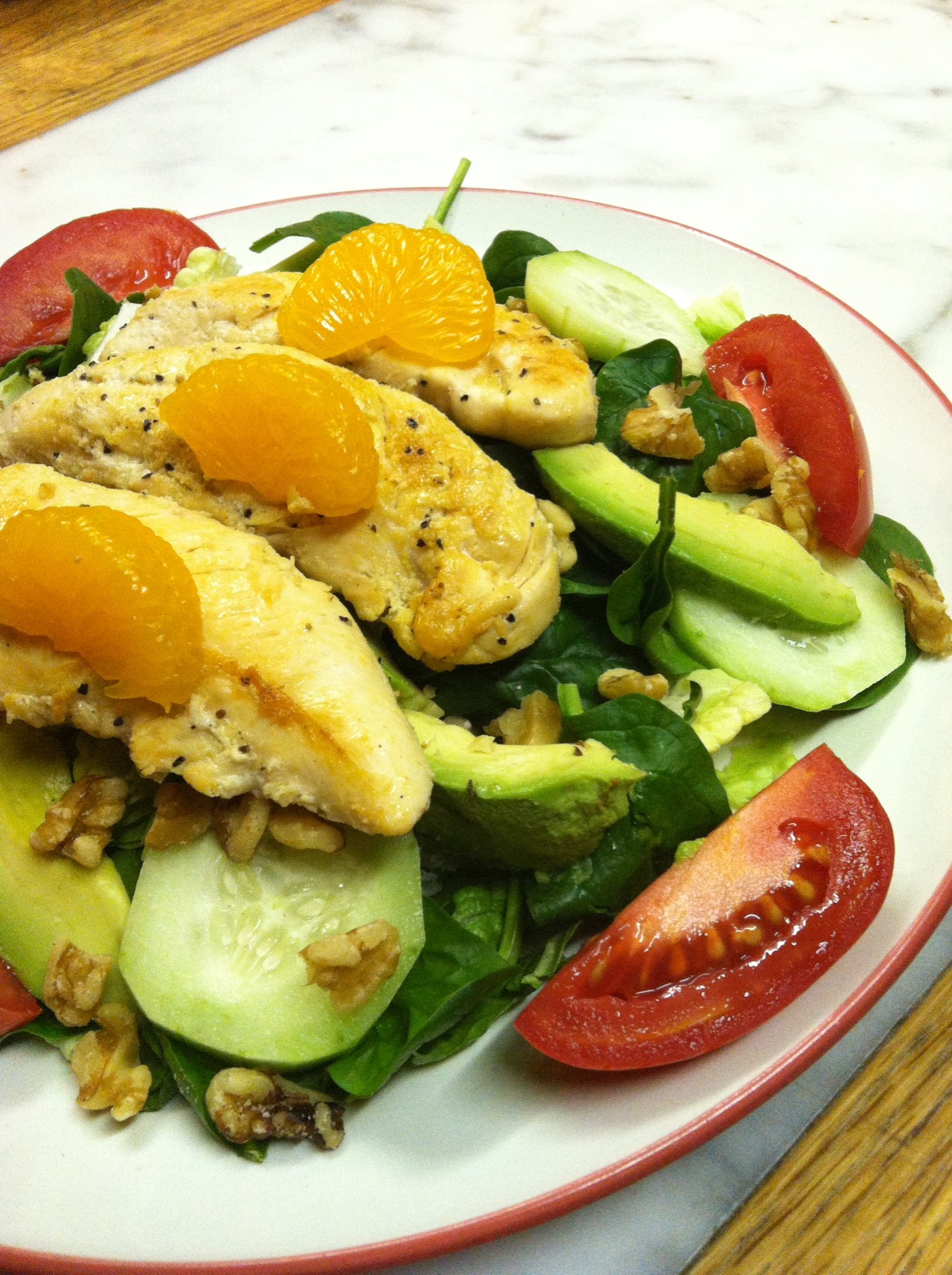
This huge salad is a full meal. It fills a 10-inch plate (25 cm). Since it contains five vegetables, you should feel virtuous eating it. Who says the paleo diet’s all about meat?

Ingredients:

8 oz (230 g) raw chicken breast tenderloin (it cooks down to 5 oz)

1/4 cup (60 ml) canned mandarin orange wedges (6-7 wedges) (if you can only find these packed in syrup or light syrup, add 3 g to the digestible carb count below)

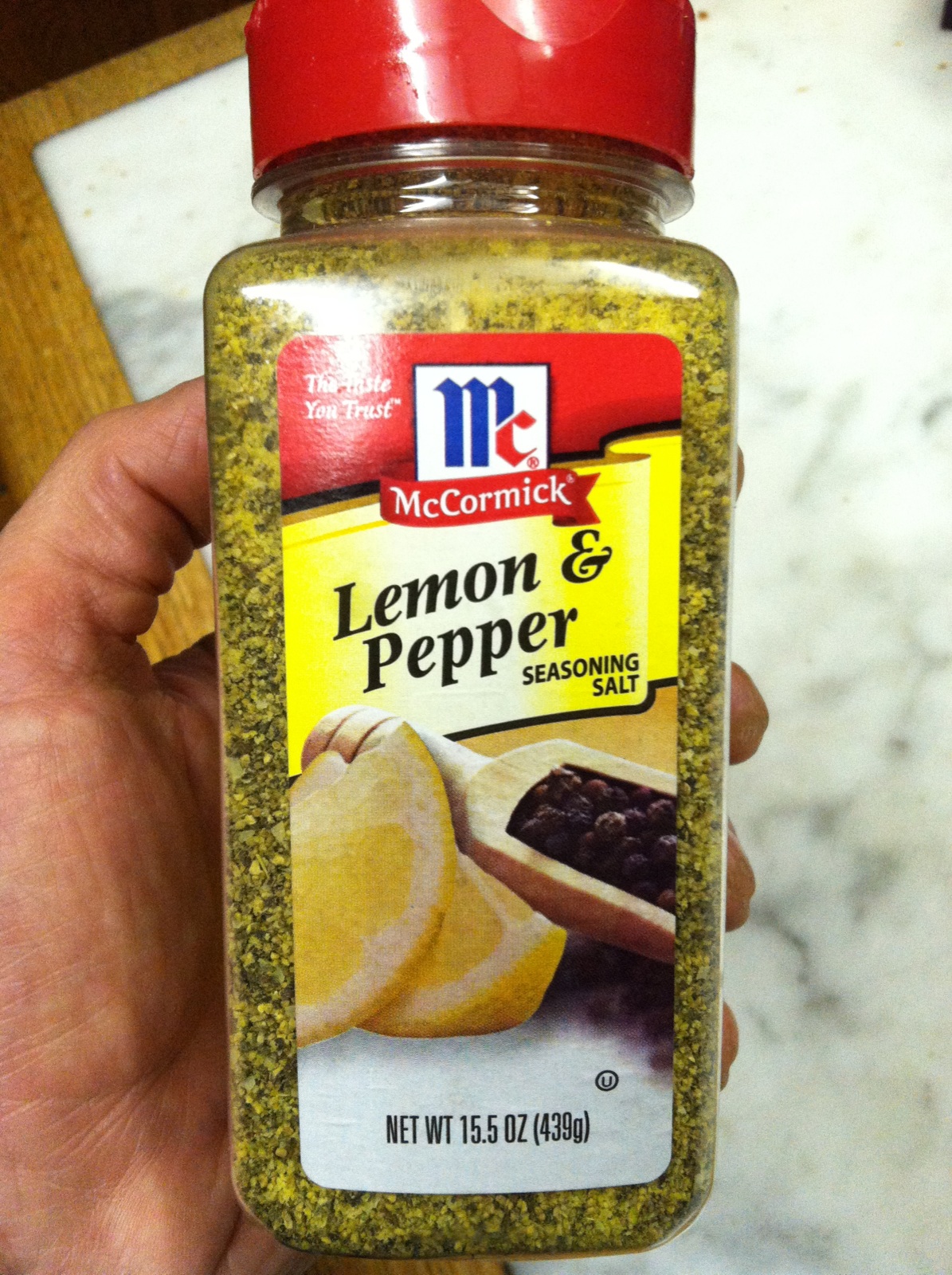
1/4 tsp (1.2 ml) lemon pepper seasoning

4 oz (110 g) hearts of romaine lettuce
1 oz (30 g) baby spinach

2.5 oz (1/4 cucumber or 70 g) cucumber, peeled and sliced into discs

2 oz (60 g) California avocado, peeled and seeded, cut into wedges (1/2 of standard-sized avocado)

3 oz (85 g) fresh tomato (a typical roma or small tomato)

1 oz (30 g) walnuts

6 tbsp (90 ml) extra virgin olive oil

2 tbsp (30 ml) vinegar (we used balsamic)

1/4 tsp (1.2 ml) salt

1/4 tsp (1.2 ml) fresh ground black pepper

1/4 tsp (1.2 ml) crushed dried rosemary

diabetic diet, Paleobetic diet, low-carb, seasoning

Like Deborah on “Everybody Loves Raymond,” my wife often makes lemon chicken

Instructions:

First cook the chicken breast over medium heat in a skillet. If you think the meat will stick to the pan, add a smidgen (1/2 tsp or 2.5 ml) of olive oil to the pan. Don’t overcook or the meat will get tough. It’ll take five or 10 minutes.

While that’s cooking, prepare your vinaigrette. In a jar with a lid, place the olive oil, vinegar, salt, pepper, and rosemary, then shake vigorously for 20 seconds. Not 21 or you’ll ruin it. You’re done.

If you use a commercial vinaigrette instead, use one that has no more than 2 g of carbohydrate per 2 tbsp. You may have trouble finding that since so many of the commercial guys add sugar.

Place the lettuce and spinach on a plate then add the cucumber, avocado, tomato, cooked chicken, walnuts, and mandarin orange wedges on top. Drizzle two or three tbsp of the vinaigrette over it (nutritional analysis assumes three). Enjoy.
Servings: 1

(Actually, you’ll have enough vinaigrette left over for one or two more salads or vegetable servings. Save it in the refrigerator.)

Nutritional Analysis:

57 % fat

12 % carbohydrate

31 % protein

710 calories

25 g carbohydrate

10 g fiber

15 g digestible carb

990 mg sodium

1,570 mg potassium

Prominent features: Rich in protein, vitamin A, B6, C, copper, iron, manganese, magnesium, pantothenic acid, selenium, and phosphorus.

low-carb diet, diabetic diet, Paleobetic diet, balsamic vinaigrette,

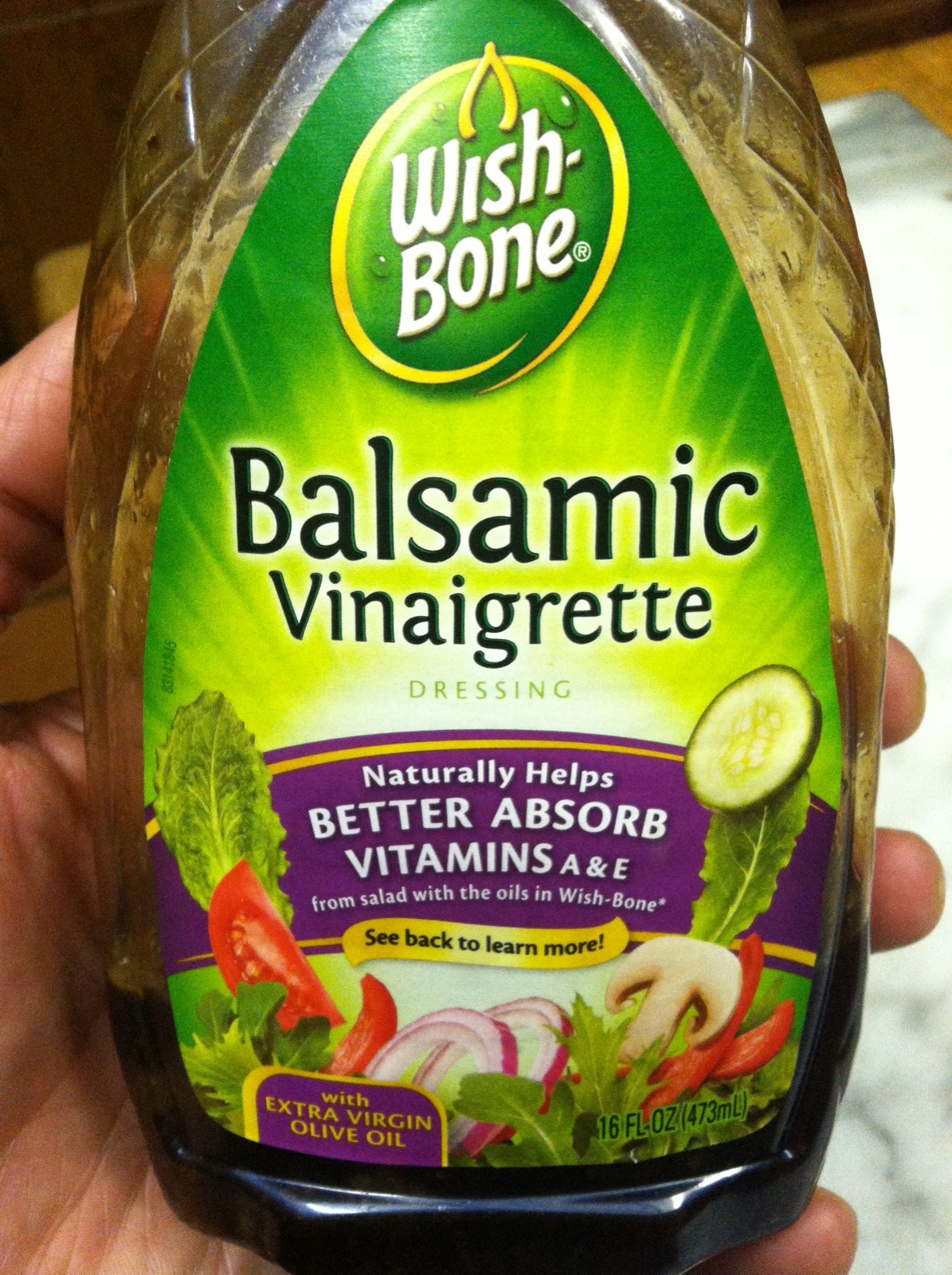
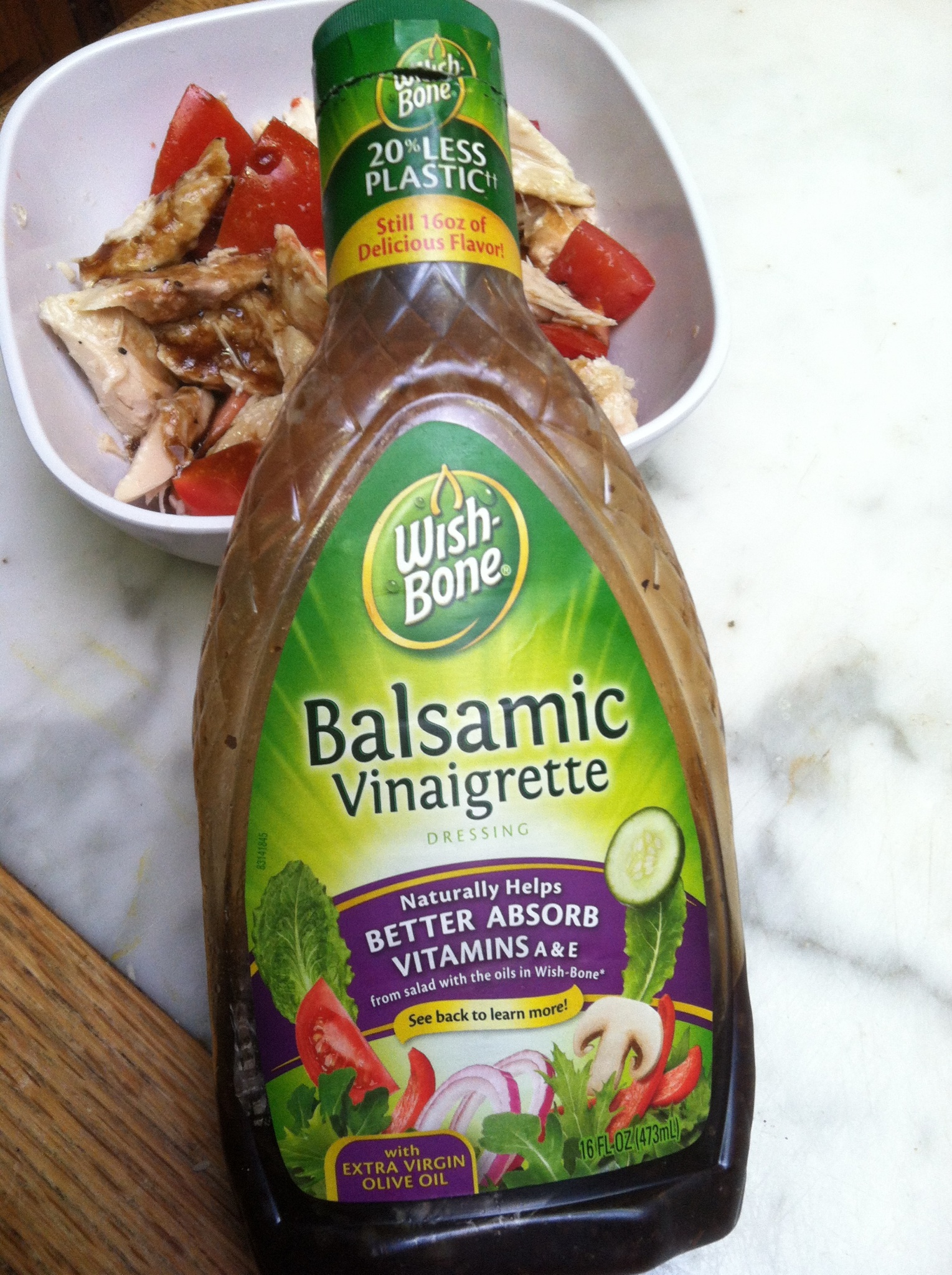
I like this and use it. The lower left corner says “with EXTRA VIRGIN OLIVE OIL.” In order, the listed ingredients are water, balsamic vinegar, soybean oil and extra virgin olive oil, sugar….  2 tbsp has 3 grams of carb. Which oil would you guess predominates? BTW, balsamic has the most carbs of all the vinegars.

Dr. Roy Taylor on the Cause of Type 2 Diabetes and What To Do About It

diabetic diet, low-carb Mediterranean Diet, low-carb, Conquer Diabetes and Prediabetes

Warning: this is a sciencey post

According to Roy Taylor, M.D., “type 2 diabetes is a potentially reversible metabolic state precipitated by the single cause of chronic excess intraorgan fat.” The organs accumulating fat are the pancreas and liver. He is certain “…that the disease process can be halted with restoration of normal carbohydrate and fat metabolism.” I read Taylor’s article published last year in Diabetes Care.

(Do you remember that report in 2011 touting cure of T2 diabetes with a very low calorie diet? Taylor was the leader. The study involved only 11 patients, eating 600 calories a day for eight weeks.)

Dr. Taylor says that severe calorie restriction is similar to the effect of bariatric surgery in curing or controlling diabetes. Within a week of either intervention, liver fat content is greatly reduced, liver insulin sensitivity returns, and fasting blood sugar levels can return to normal. During the first eight weeks after intervention, pancreatic fat content falls, with associated steadily increasing rates of insulin secretion by the pancreas beta cells.

bariatric surgery, Steve Parker MD

Band Gastric Bypass Surgery (not the only type of gastric bypass): very successful at “curing” T2 diabetes if you survive the operation

Taylor’s ideas, by the way, dovetail with Roger Unger’s 2008 lipocentric theory of diabetes. Click for more ideas on the cause of T2 diabetes.

Here are some scattered points from Taylors article. He backs up most of them with references:

  • In T2 diabetes, improvement in fasting blood sugar reflects improved liver insulin sensitivity more than muscle insulin sensitivity.
  • The more fat accumulation in the liver, the less it is sensitive to insulin. If a T2 is treated with insulin, the required insulin dose is positively linked to how much fat is in the liver.
  • In a T2 who starts insulin injections, liver fat stores tend to decrease. That’s because of suppression of the body’s own insulin delivery from the pancreas to the liver via the portal vein.
  • Whether obese or not, those with higher circulating insulin levels “…have markedly increased rates of hepatic de novo lipogenesis.” That means their livers are making fat. That fat (triglycerides or triacylglycerol) will be either burned in the liver for energy (oxidized), pushed into the blood stream for use elsewhere, or stored in the liver. Fatty acids are components of triglycerides. Excessive fatty acid intermediaries in liver cells—diglycerides and ceramide—are thought to interfere with insulin’s action, i.e., contribute to insulin resistance in the liver.
  • “Fasting plasma glucose concentration depends entirely on the fasting rate of hepatic [liver] glucose production and, hence, on its sensitivity to suppression by insulin.”
  • Physical activity, low-calorie diets, and thiazolidinediones reduce the pancreas’ insulin output and reduce liver fat levels.
  • Most T2 diabetics have above-average liver fat content. MRI scans are more accurate than ultrasound for finding it.
  • T2 diabetics have on average only half of the pancreas beta cell mass of non-diabetics. As the years pass, more beta cells are lost. Is the a way to preserve these insulin-producing cells, or to increase their numbers? “…it is conceivable that removal of adverse factors could result in restoration of normal beta cell number, even late in the disease.”
  • “Chronic exposure of [pancreatic] beta cells to triacylglycerol [triglycerides] or fatty acids…decreases beta cell capacity to respond to an acute increase in glucose levels.” In test tubes, fatty acids inhibit formation of new beta cells, an effect enhanced by increased glucose concentration.
  • There’s a fair amount of overlap in pancreas fat content comparing T2 diabetics and non-diabetics. It may be that people with T2 diabetes are somehow more susceptible to adverse effects of the fat via genetic and epigenetic factors.
  • “If a person has type 2 diabetes, there is more fat in the liver and pancreas than he or she can cope with.”
  • Here’s Dr. Taylor’s Twin Cycle Hypothesis of Etiology of Type 2 Diabetes: “The accumulation of fat in liver and secondarily in the pancreas will lead to self-reinforcing cycles that interact to bring about type 2 diabetes. Fatty liver leads to impaired fasting glucose metabolism and increases export of VLDL triacylglcerol [triglycerides], which increases fat delivery to all tissues, including the [pancreas] islets. The liver and pancreas cycles drive onward after diagnosis with steadily decreasing beta cell function. However, of note, observations of the reversal of type 2 diabetes confirm that if the primary influence of positive calorie balance is removed, the the processes are reversible.”
diabetic diet, etiology of type 2 diabetes, Roy Taylor, type 2 diabetes reversal

Figure 6 from the article: Dr. Taylor’s Twin Cycle Hypothesis of Etiology of Type 2 Diabetes

  • The caption with Figure 6 states: “During long-term intake of more calories than are expended each day, any excess carbohydrate must undergo de novo lipogenesis [creation of fat], which particularly promotes fat accumulation in the liver.”
  • “The extent of weight gloss required to reverse type 2 diabetes is much greater than conventionally advised.” We’re looking at around 15 kg (33 lb) or 20% of body weight, assuming the patient is obese to start.  “The initial major loss of body weight demands a substantial reduction in energy intake. After weight loss, steady weight is most effectively achieved by a combination of dietary restriction and physical activity.”

Dr. Taylor doesn’t specify how much calorie restriction he recommends, but reading between the lines, I think he likes his 600 cals/day for eight weeks program. That will have a have a high drop-out rate. I suspect a variety of existing ketogenic diets may be just as successful and more realistic, even if it takes more than eight weeks. I wonder how many of the 11 “cures” from the 2011 study have persisted.

Steve Parker, M.D.

Reference: Taylor, Roy. Type 2 diabetes: Etiology and reversibility. Diabetes Care, April 2013, vol. 36, no. 4, pp:1047-1055.

Update: Some wild and crazy guys tried the Taylor method at home. Click for results.

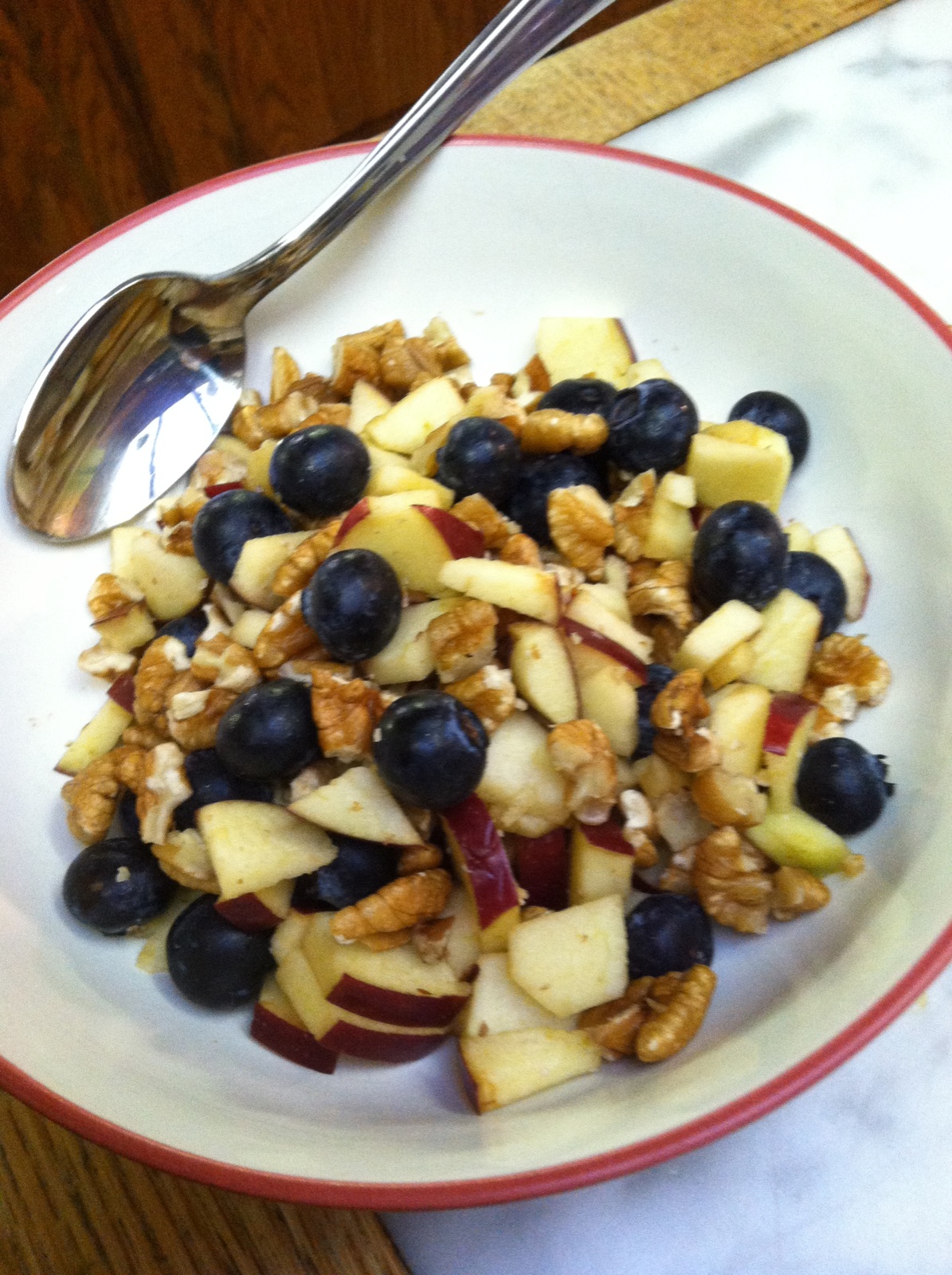
Recipe: Apple, Pecan, Blueberry Lunch Bowl

paleobetic diet, diabetic diet, low-carb diet

So simple even a redneck can make it (I are a redneck)

Ingredients:

2.5 oz (70 g) apple, diced (“red delicious” variety works well) (this is half a medium-sized apple)

2.5 oz (70 g) pecans, crumbled into small pieces

2.5 oz (70 g) raw blueberries

Instructions:

Mix all together in a bowl, then enjoy. I know a lotta you bros will just eat all the components individually—but try the mix once for new flavors.

Servings: 1

Nutritional Analysis:

76% fat

20% carb

4% protein

570 calories

30 g carbohydrate

10 g fiber

20 g digestible carb

1.4 mg sodium

421 mg potassium

Prominent features: Quick and easy. Rich in copper, manganese, and thiamine. Inadequate protein to get you through the day, but you’ll make up for it at breakfast or dinner.

Recipe: Beef Soup, Roasted Asparagus, and Blackberries

low-carb diet, paleobetic diet, diabetic diet

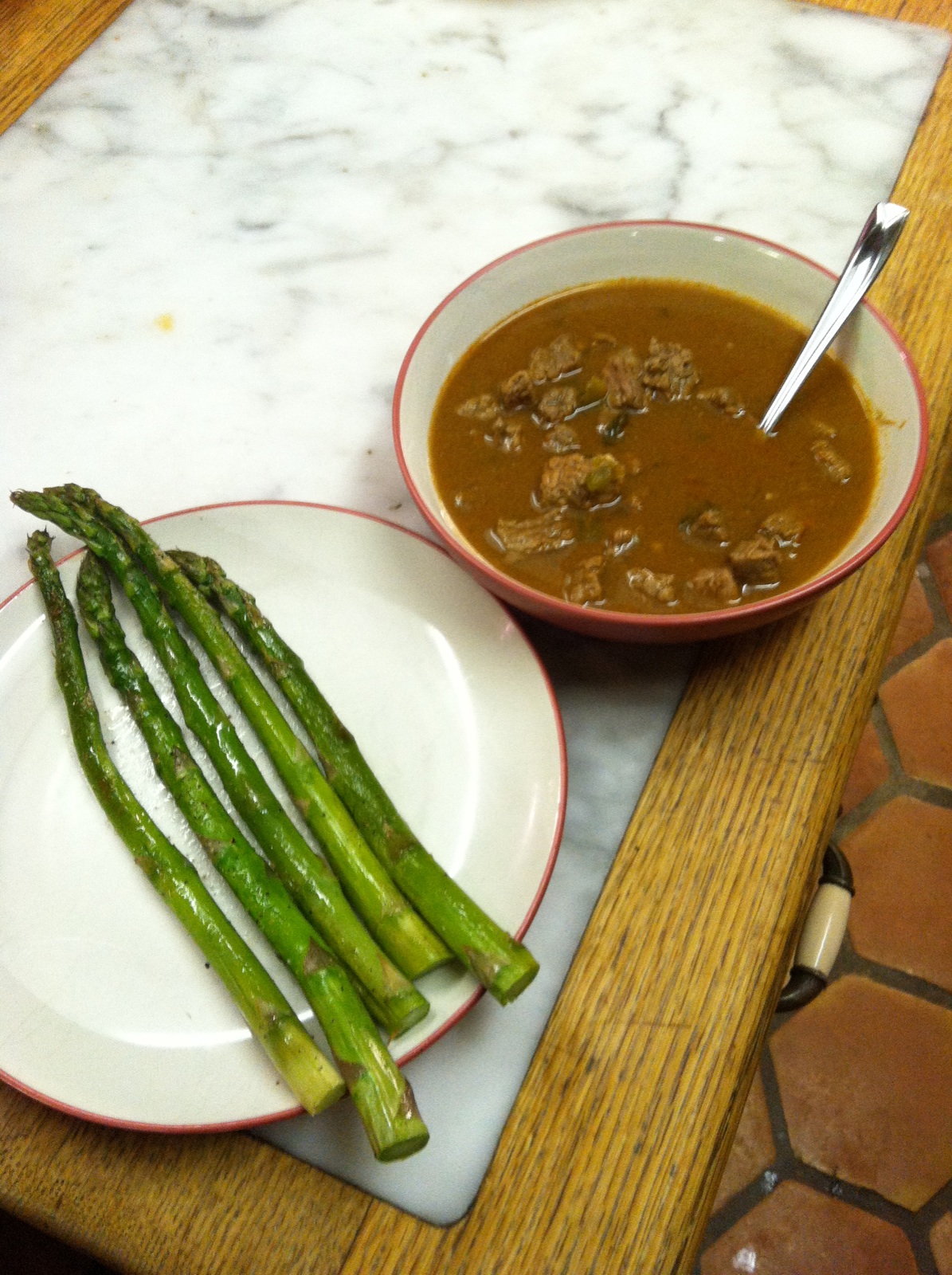
Dinner time!

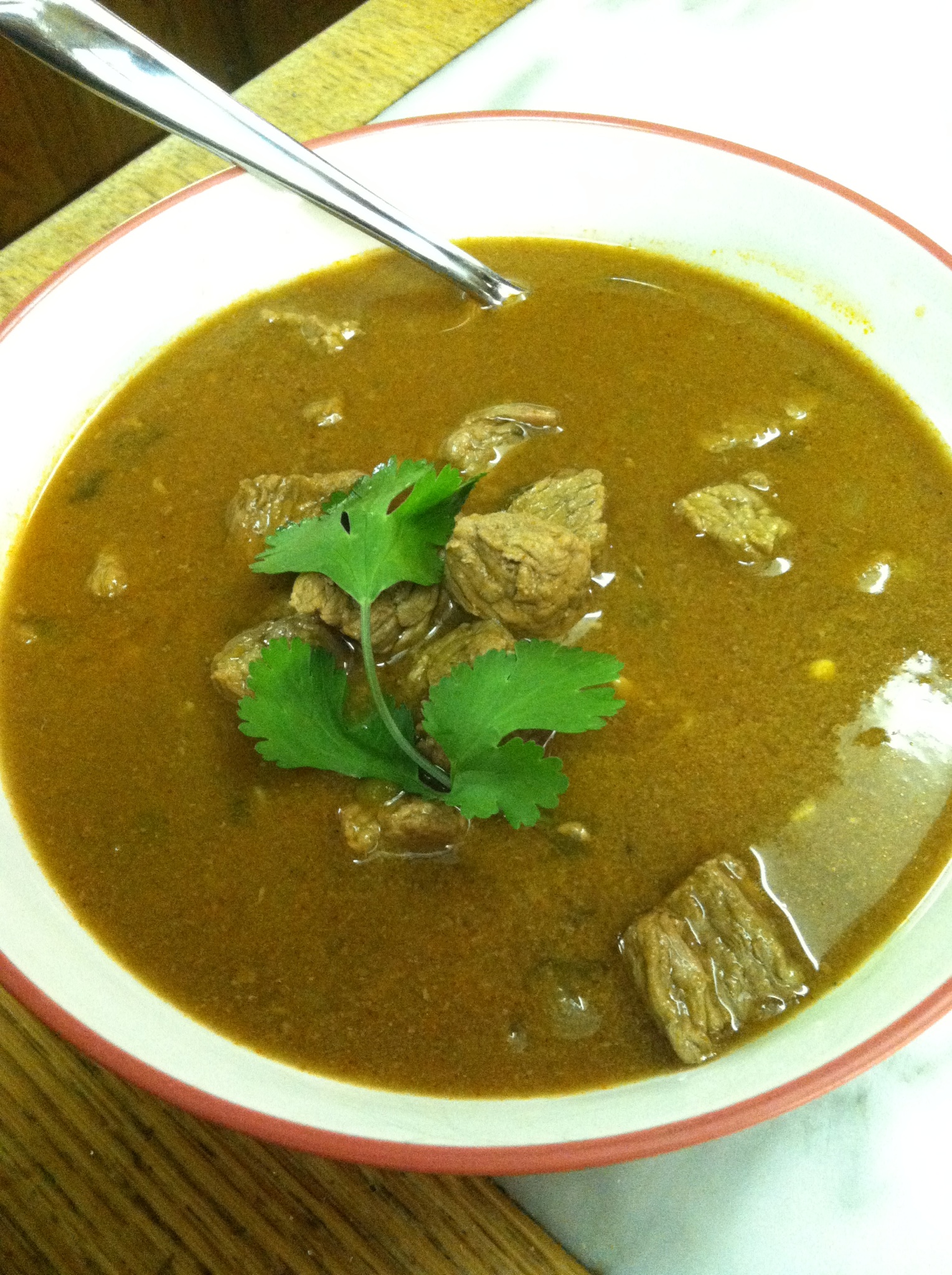
The entree is a cross between stew and soup; stoup, if you will.

Ingredients:

2 lb (0.9 kg) stew meat, lean, bite-sized chunks (tenderized by the butcher if able)

1 garlic clove, finely minced

6 sprigs cilantro, de-stemmed, whole leaves

2 oz (58 g) sweet onion, diced (1/2 of a small onion)

1/4 of a medium-size green bell pepper, de-seeded, diced (medium bell pepper weighs about 5.5 oz or 155 g)

8 oz (227 g) canned tomato sauce

2.5 cups (590 ml) water

1.25 tsp (6.2 ml) table salt

freshly ground black pepper to taste (1/4 tsp or 1.2 ml?)

16 oz (454 g) fresh raw asparagus, no larger in diameter than your little finger, with any dry or woody stalk cut off and discarded

1.5 tbsp extra virgin olive oil

7.5 oz (213 g) raw blackberries

Instructions:

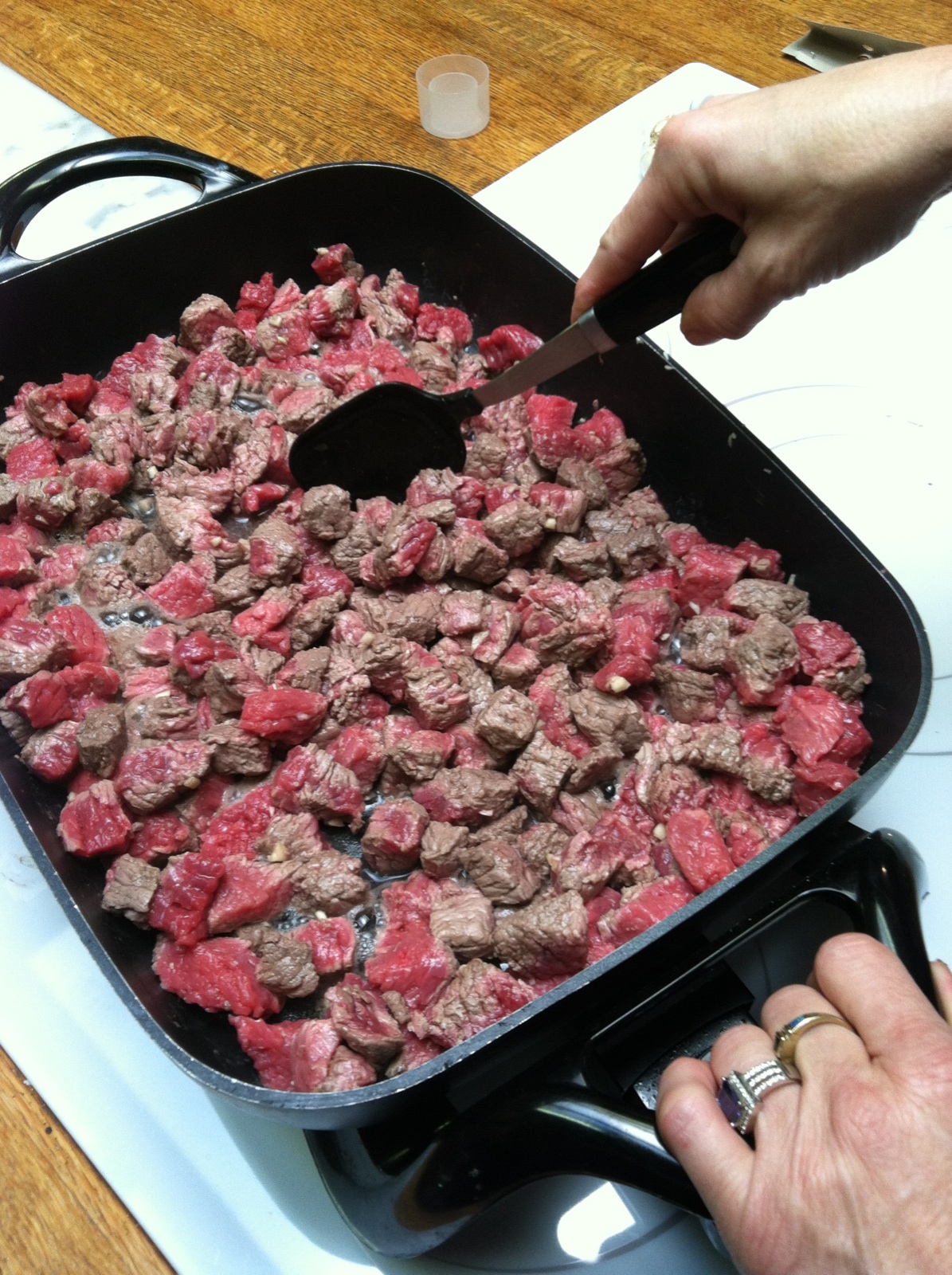
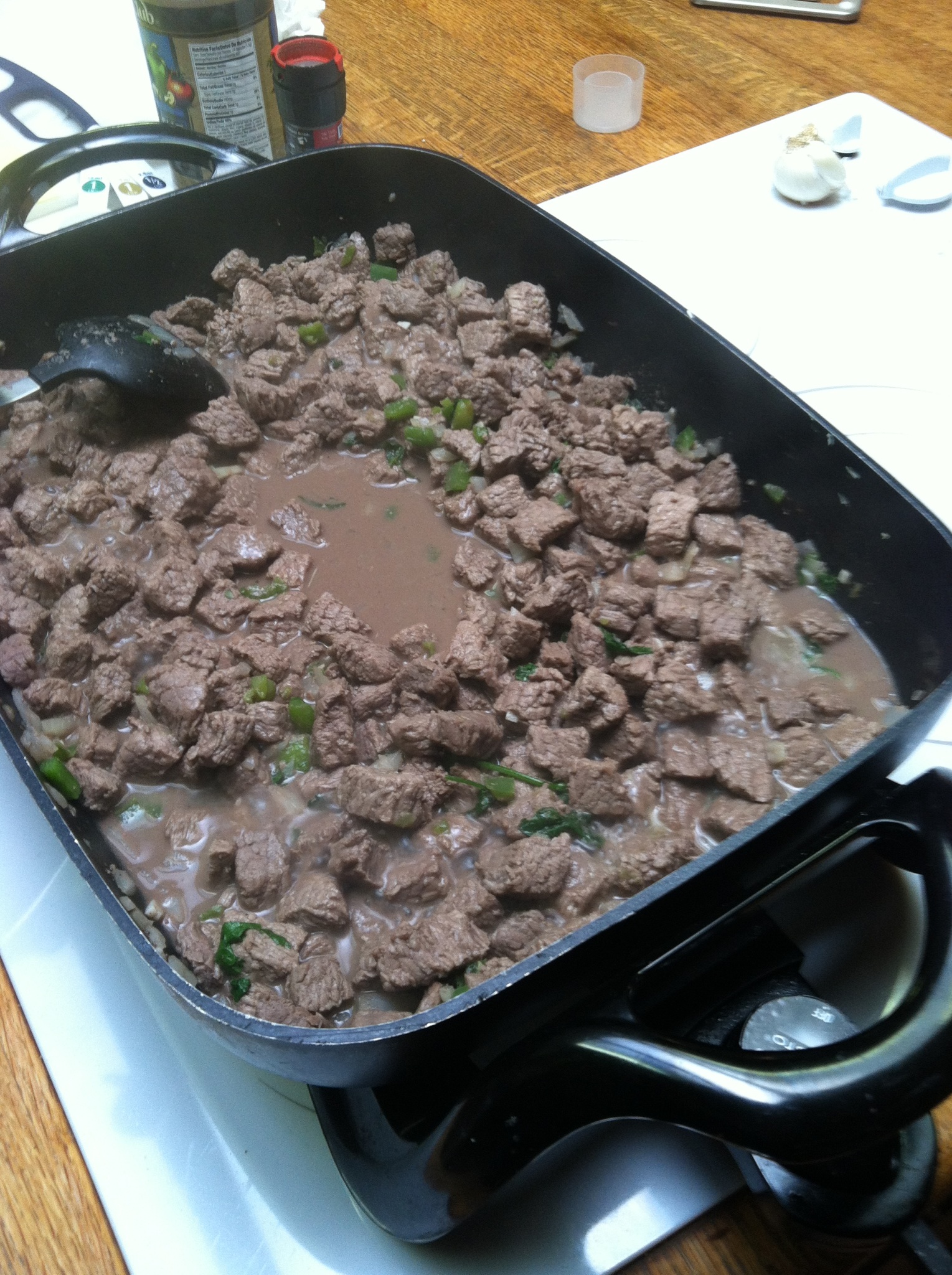
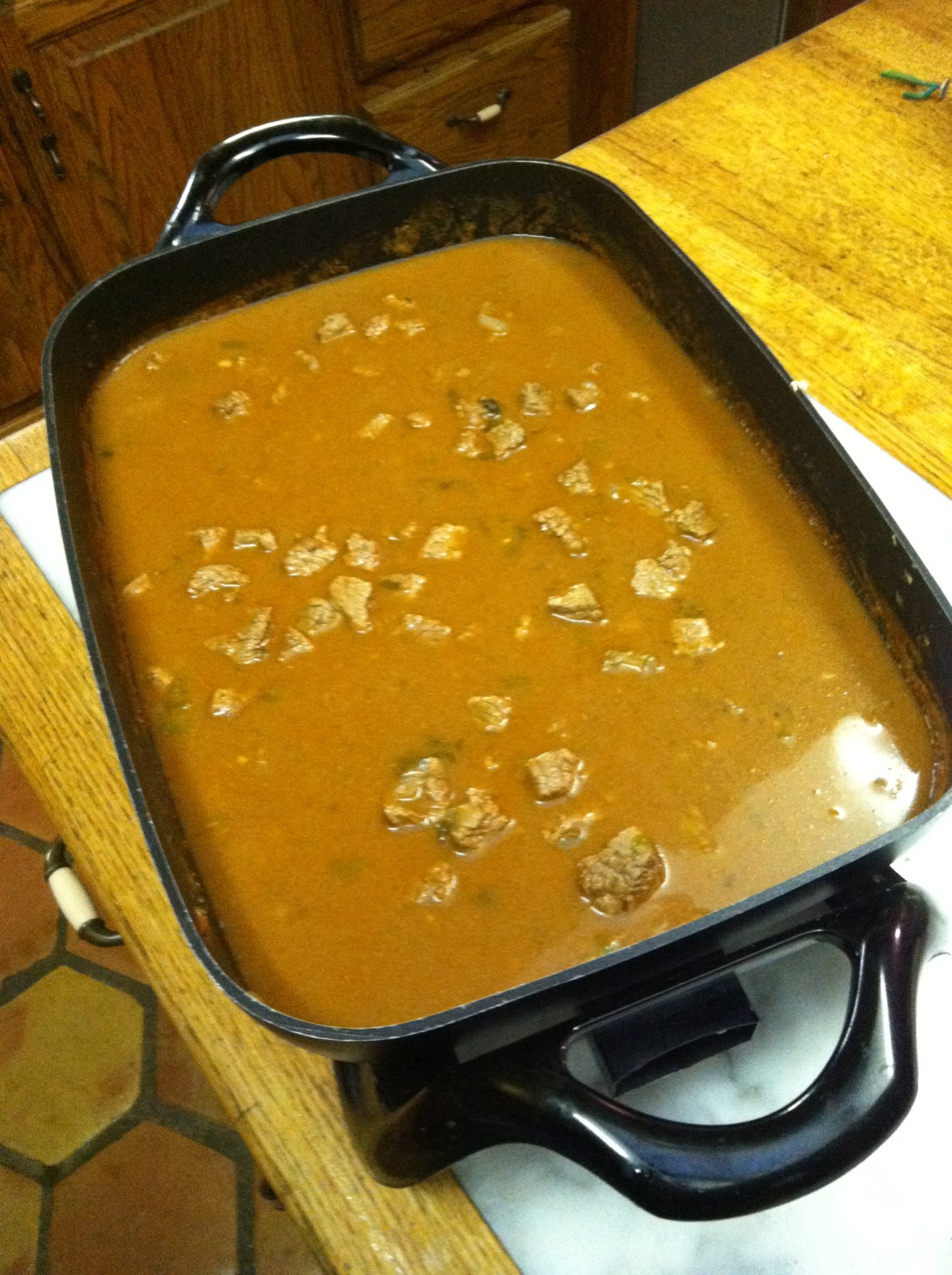
Stoup first. In a frying pan or electric skillet, place the stew meat, cilantro, garlic, bell pepper, onion, and cook over medium heat (350º F or 177º C) until the meat is done. Then add the tomato sauce, two cups of the water, one tsp of the salt, and pepper to taste. Simmer for two hours, then add a half cup water to replace evaporation loss.

low-carb diet, paleobetic diet, diabetic diet

Cooking stew meat. NOTE: this is double the amount the recipe calls for.

paleobetic diet, low-carb diet, diabetic diet

Meat is done and the “gravy” has magically appeared

low-carb diet, diabetic diet, paleobetic diet

Appearance after addition of the tomato sauce and 2 cups water

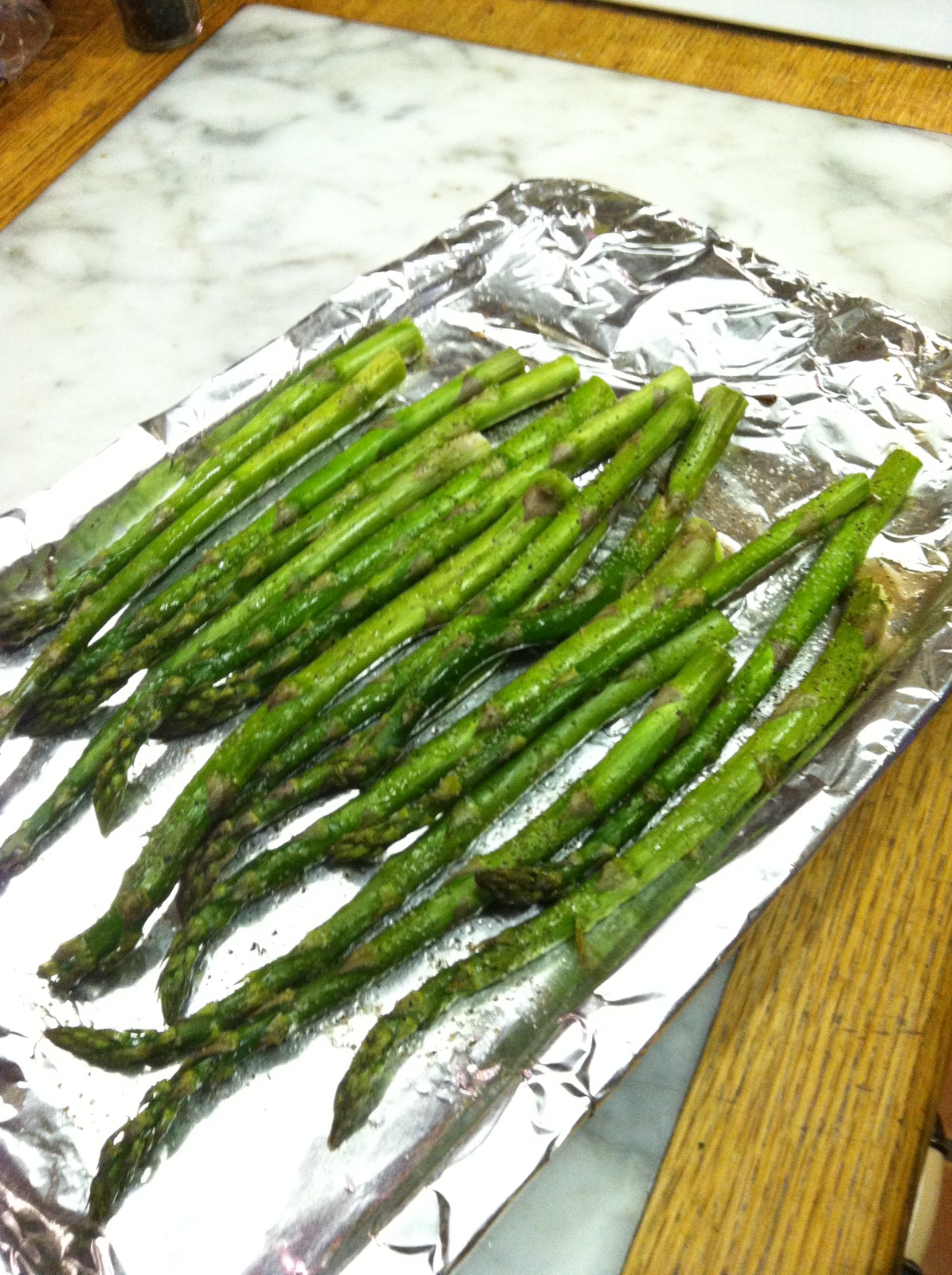
Now the asparagus. Preheat oven to 400º F or 204º C. Place asparagus on a cooking sheet covered with foil, brush the asparagus with the olive oil, then lightly salt (1/4 tsp?) and pepper to taste. (If you don’t mind cleaning up, just use a baking dish without the foil.) Roast in oven for 8–15 minutes; thicker asparagus takes longer. It’s hard to tell when it’s done just by looking; if it’s still hard, it’s not done. Click for another post I wrote on cooking asparagus and brussels sprouts.

paleobetic diet, low-carb diet, diabetic diet

Asparagus roasted at 400 degrees F for 12 minutes

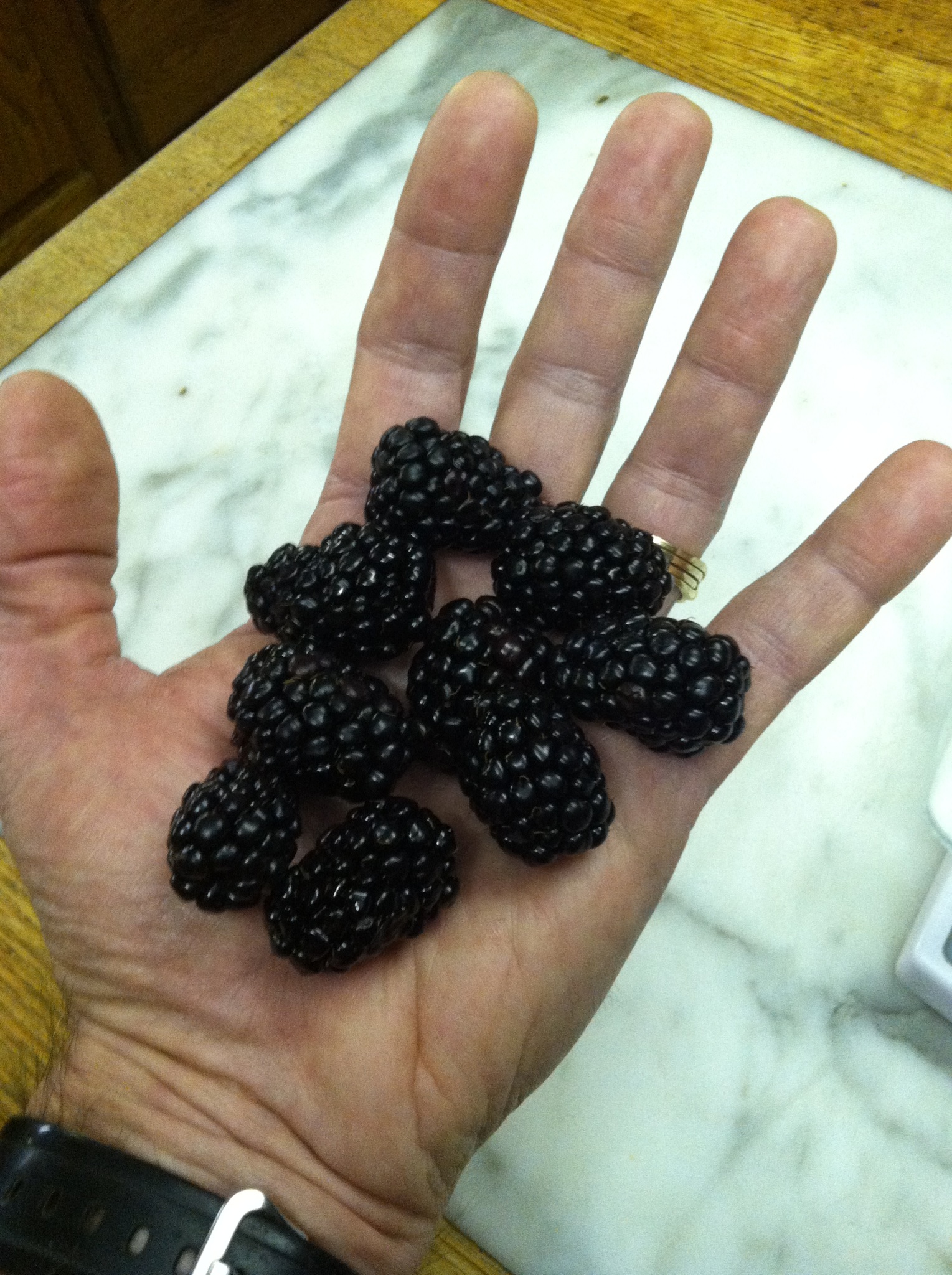
Enjoy the berries for desert.

low-carb diet, diabetic diet, paleobetic diet

2.5 oz or 1/2 cup of blackberries

Servings: 3 [one serving is 1.5 cups (355 ml) of soup, a third of the asparagus (5 oz (140 g), and 2.5 oz (70 g) berries]

Nutritional Analysis:

40 % fat

12 % carbohydrate

48 % protein

590 calories

19 g carbohydrate

8.5 g fiber

10.5 g digestible carb

1,557 mg sodium

1,778 mg potassium

Prominent features: Rich in protein, B6, B12, copper, iron, niacin, phosphorus, selenium, and zinc

low-carb diet, paleobetic diet, diabetic diet

The fresh cilantro is a nice touch

Recipes: Spaghetti Squash

low-carb diet, spaghetti squash, paleobetic diet, diabetic diet

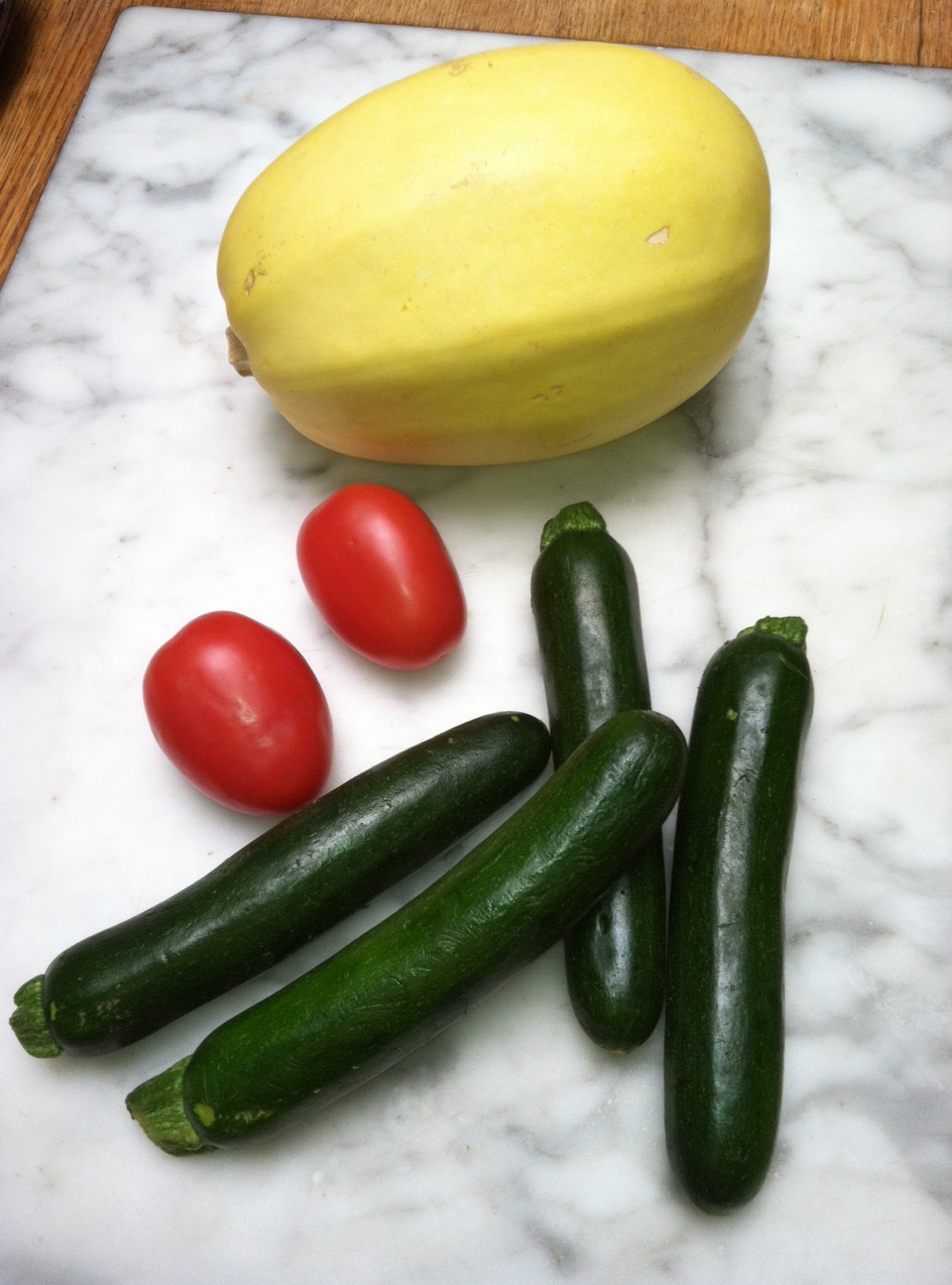
The smallish yellow spaghetti squash is at the top. It’s related to pumpkins and zucchini.

It’s hard to give up pasta. Many diabetics who don’t notice that their blood sugar levels spike too high when they eat pasta. What’s too high? In general, I’d say over 150 mg/dl (8.33 mmol/l) measured one hour after a meal, or over 130 mg/dl (7.22 mmol/l) two hours after the meal.

Other experts disagree and propose other numbers.

An alternative to spaghetti pasta that shouldn’t raise blood glucose levels as high is spaghetti squash. It’s all about the carbohydrates. A cup of cooked spaghetti squash has 10 g of carb; a cup of cooked spaghetti has 43 g. The fiber grams are about the same. Numbers are from FitDay.com.

Spaghetti squash is a classic low-carb vegetable. If you’ve never tried it, you should. As vegetables go, it’s one of the largest, heaviest, and most interesting to prepare. Easy, too. The spaghetti squash season is autumn and winter in the northern hemisphere. Purchasing in spring and summer may be iffy.

In my part of the world, supermarket spaghetti squashes weigh between two and five pounds. We cooked a three-pounder (1.4 kg) that yielded five cups; a five-pounder (2.3 kg) gave us 12 cups. A serving size is one, maybe two cups. What you don’t eat immediately stays fresh in the refrigerator for at least several days. Re-heat by microwaving or stir-frying.

Like pasta and potatoes, the squash by itself is bland. It’s a great substrate for sauces or seasonings.

low-carb diet, paleobetic diet, diabetic diet, spaghetti squash

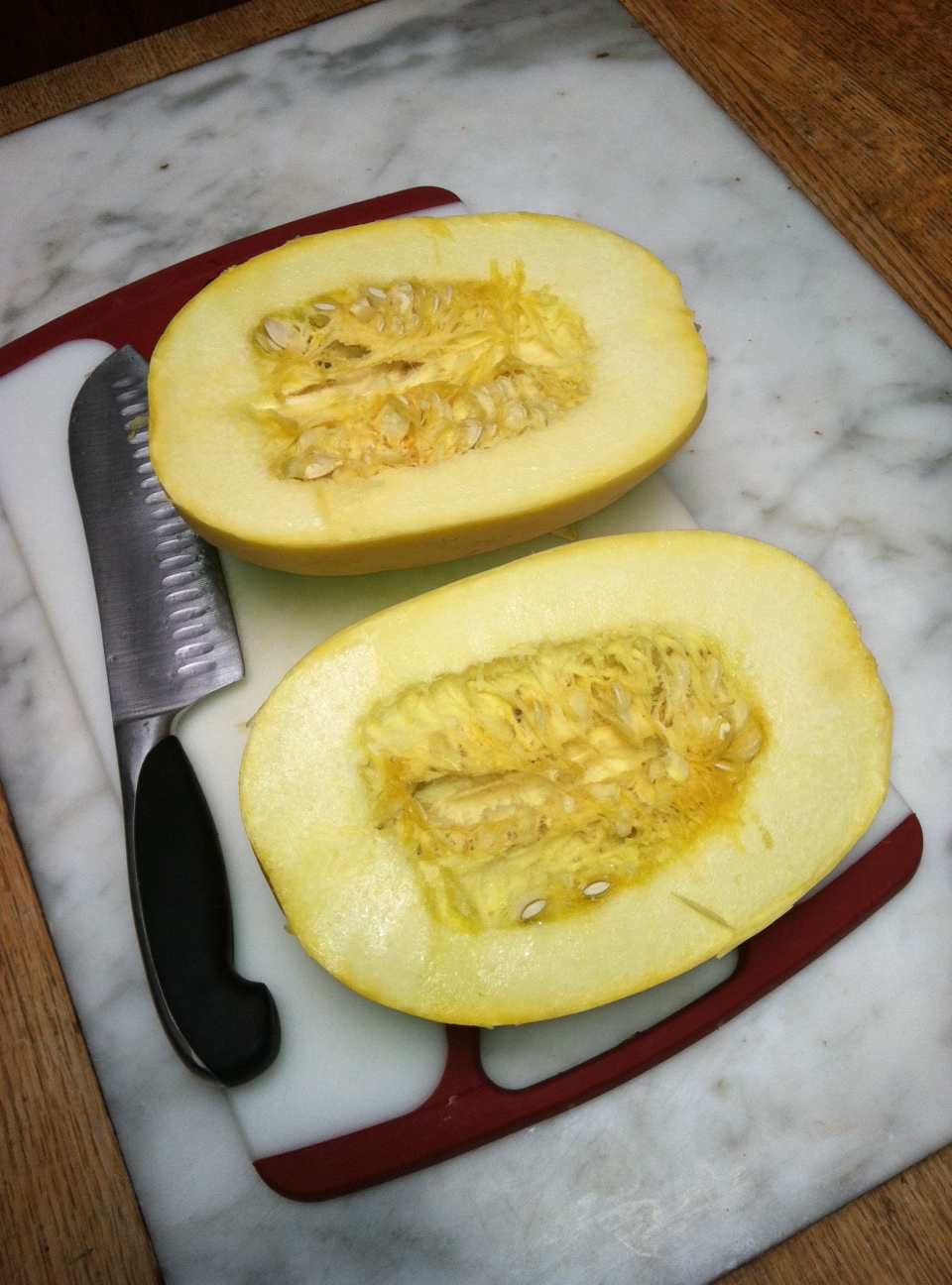
Raw squash cut in half lengthwise

Here’s how we cook it at the Parker Compound. Preheat the oven to 375º F 0r 190º C. Very carefully slice the squash in half lengthwise. Spoon out and discard the guts (seeds and membranes like a pumpkin; it even smells like a pumpkin). Put the halves flat-side down in a pan, then add a half inch (1.3 cm) of water to the pan. Cover with foil and bake until the outer shell (rind) is fairly easily pierced with a paring knife. This will be about 45 minutes for a two-pound squash (0.9 kg); 90 minutes for a four-plus pounder (2.3+ kg). Then turn them over, re-cover with foil, and cook 15 minutes more, until very tender. Remove from the oven and allow them to cool for a few minutes. Then use a fork to pull the strands away from the rind.

Other cooks simplify the process and just place the squash halves flat-side down on a baking sheet and cook for 30-60 minutes. Some leave the seeds in while cooking and spoon them out just before the stranding step.

Now what?

You got options.

Our first experiment was with l0w-carb spaghetti sauce.

paleobetic diet, low-carb diet, diabetic diet, spaghetti squash

Low-carb spaghetti

Next we took three cups squash (710 ml) and mixed in 2 tbsp (30 ml) extra virgin olive oil, 2.5 tbsp (37 ml) chopped parsley, 1/2 tsp (2.5 ml) minced fresh garlic, 1/2 tsp (2.5 ml) salt, and 1/8 tsp (0.6 ml) black pepper.

low-carb diet, diabetic diet, paleobetic diet

Seasoned with parsley, olive oil, garlic, salt, pepper

Finally, we took a cup (240 ml) of the squash and added minced celery (4 inches or 10 cm of stalk), 3 minced black olives, 5/8 oz (18 g) of minced sweet (bell) pepper, 1/2 clove of minced garlic, salt (a dash), and pepper to taste.

paleobetic diet, diabetic diet, low-carb diet, spaghetti squash

Seasoned with sweet peppers, black olives, garlic, celery, and salt

These last two options I consider side dishes. By the way, they taste good either cold or warm. They would go well with a number of entrees, such as steak or salmon.

I’ve read that this squash is good with pesto, or just with salt and (non-paleo) butter.

Nutrition facts from FitDay.com:

One cup of cooked spaghetti squash has 75 calories (I’ve seen 42 elsewhere), 10 g of carbohydrate, 2 g of fiber, 8 g of digestible carb, 4 g of fat (predominantly MUFA), minimal protein, and a fair amount of vitamins A, niacin, B6, and C. Plus 8% of your RDA for manganese.


What’s the Single Best Diet for T2 Diabetics?

Thinking about it...

Thinking about it…

DietDoctor has some ideas based on a recent scientific study:

new exciting Swedish study provides us with strong clues on how a person with diabetes should eat (and how to eat to maximize fat burning). It’s the first study to examine in detail how various blood markers change throughout the day depending on what a diabetic person eats.

The study examined the effects of three different diets in 19 subjects with diabetes type 2. They consumed breakfast and lunch under supervision in a diabetes ward. The caloric intake in the three diets examined was the same, but the diets differed in the following manner:

  1. A conventional low-fat diet (45-56% carbs)
  2. A Mediterranean diet with coffee only for breakfast (= similar to 16:8 intermittent fasting) and a big lunch (32-35% carbs)
  3. A moderate low-carbohydrate diet (16-24% carbs)

All participants tested all three diets, one diet each day in randomized order.

Click through for results. Hint: Carbohydrate restriction works.

Steve Parker, M.D.

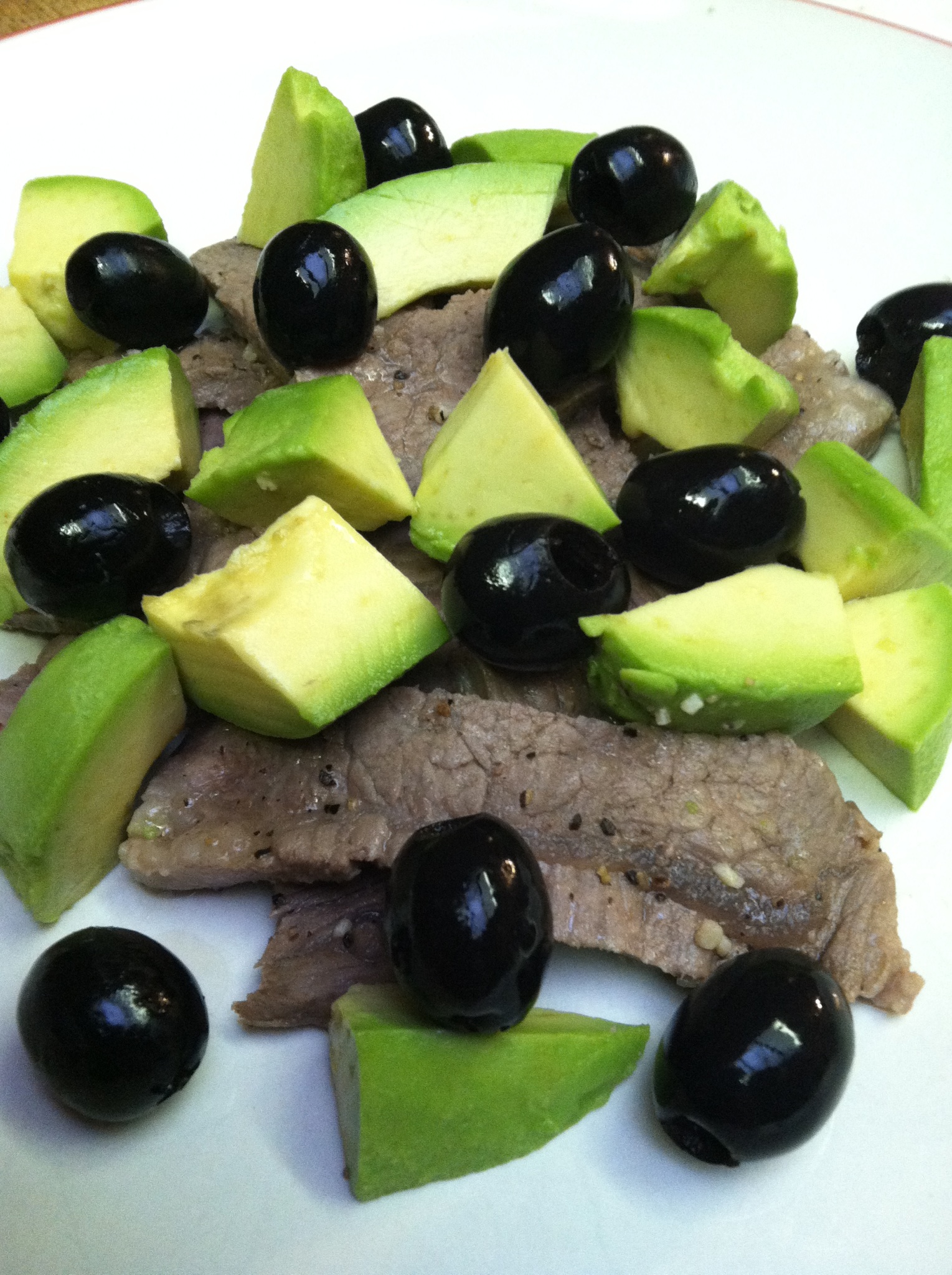
Recipe: Steak, Avocado, Olives and Tomato

Paleobetic diet

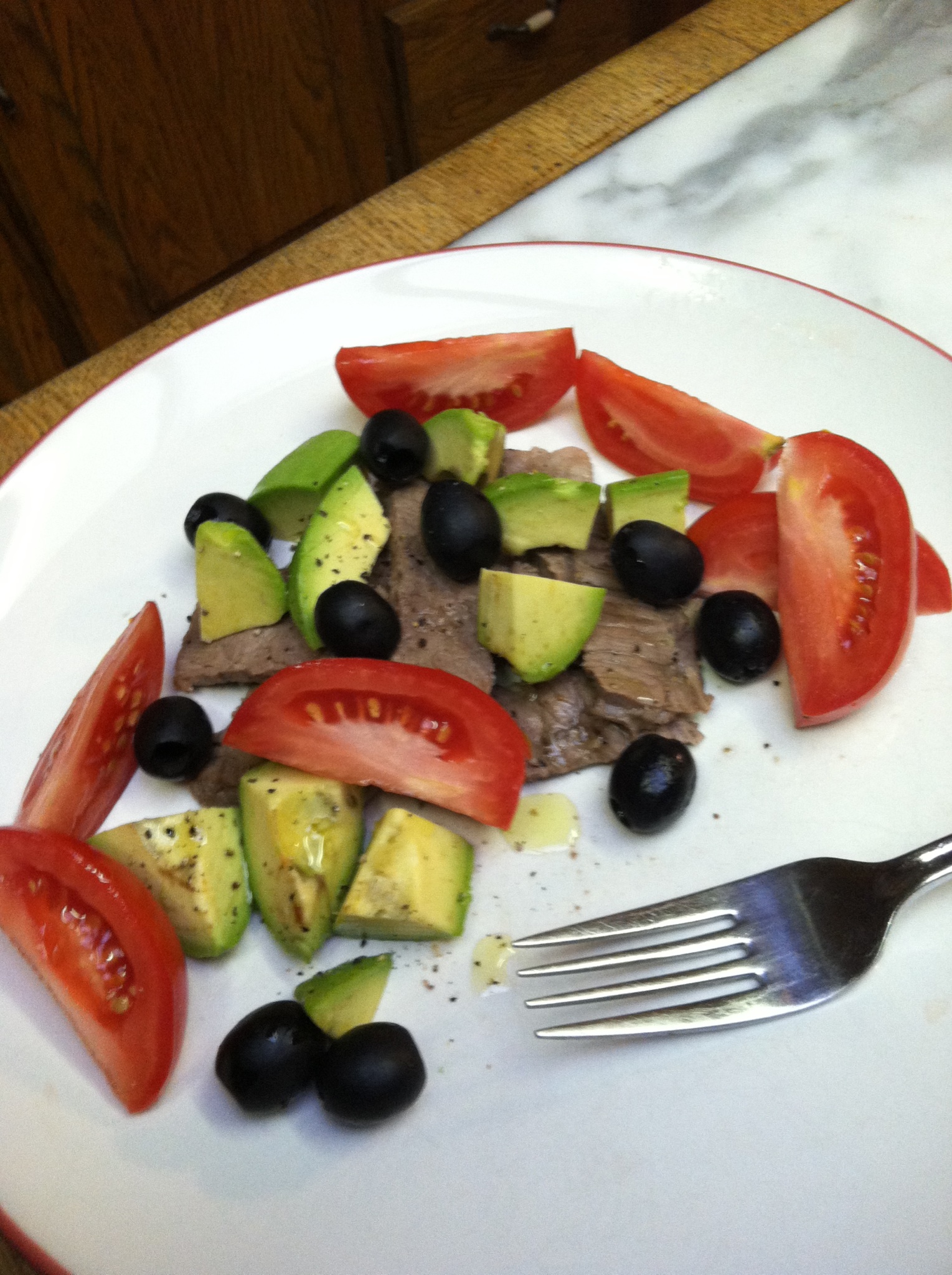
I ate mine for breakfast. Who needs bagels, cereal, and donuts?

This was super-easy to put together because I used leftover steak. But I’ll assume you’re cooking your steak fresh. We bought ours as thinly sliced round steak, about a 1/4-inch thick (0.6 cm). Some places might refer to this as a “minute steak” because it cooks so quickly. Minute steak also refers to a piece of beef, usually the round, that’s been pounded flat, about a 1/4-inch thick. Even if you start with raw meat, you can prepare today’s recipe in 10 minutes.

Paleobetic diet

It tastes as good as it looks

Ingredients:

4 oz (113 g) cooked thin round steak (start with 5 oz raw)

1 California (Hass) avocado, standard size (4.5 oz or 127 g), peeled, pitted, and chunked

14 black olives, pitted, medium size (Purist alert: probably highly processed)

1 tomato, medium-size (medium size or 2.5-inch diameter (6,4 cm), or a large roma tomato), cut into wedges

Salt and pepper to taste, or use commercial steak seasoning such as Montreal Steak Seasoning by McCormick (a favorite at the Parker Compound)

Instructions:

Sprinkle your steak with seasoning then cook over medium or medium-high heat in a skillet, about a minute on each side. Or heat your leftover steak in the microwave. If you overcook, it will be tough.

Place all ingredients artfully on a plate and enjoy.

Servings: 1

Nutritional Analysis (via Fitday):

60% fat

12% carbohydrate

28% protein

600 calories

20 g carbohydrate

12 g fiber

8 g digestible carbohydrate

587 mg sodium

1530 mg potassium

Prominent features: Lots of protein, vitamin B6, vitamin B12, copper, iron, niacin, pantothenic acid, phosphorus, selenium, and zinc

Recipe: Turkey Tomato Bowl + Macadamia Nuts

paleobetic diet, low-carb

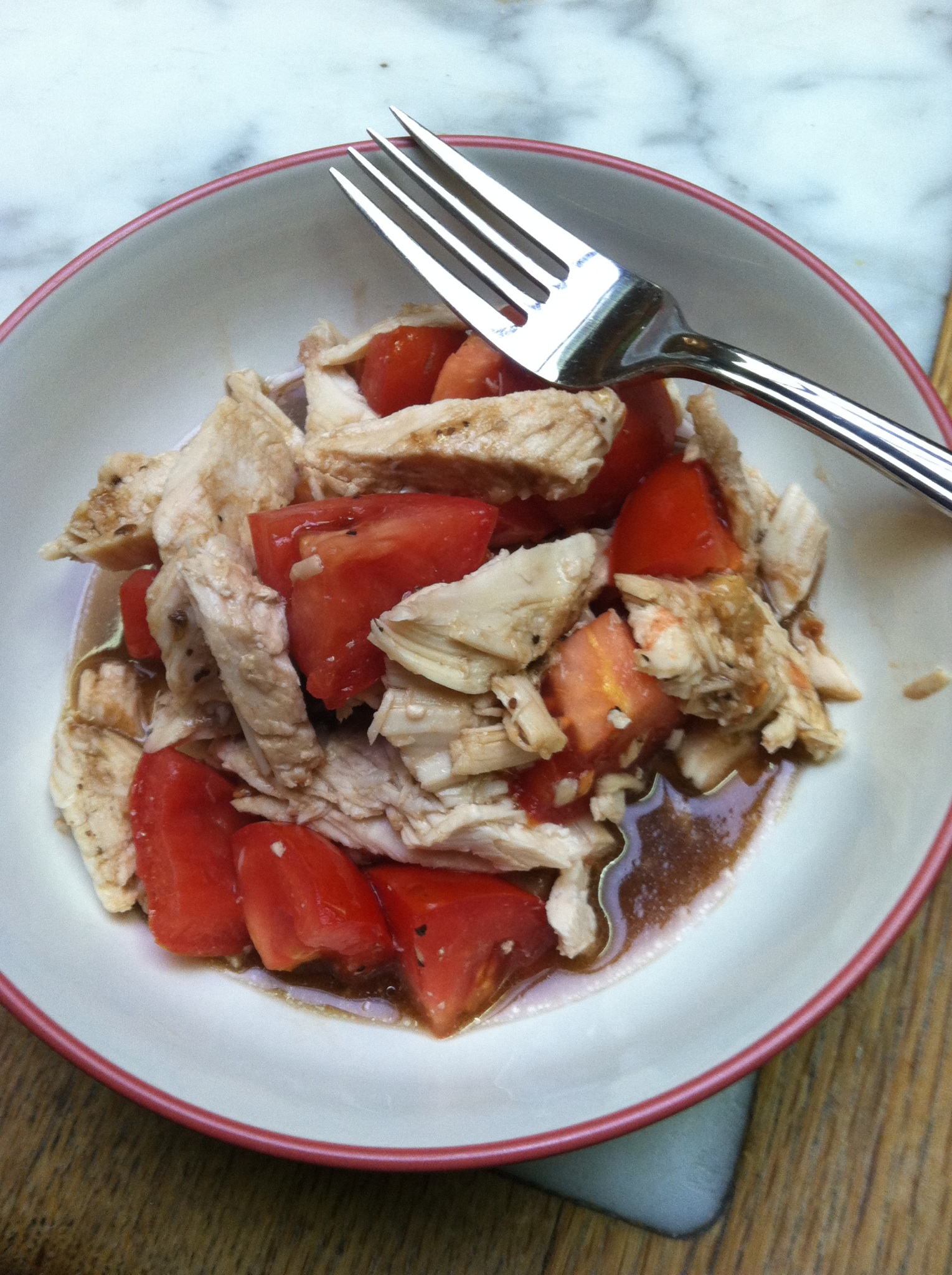
This Turkey Tomato Bowl fits criteria for the Paleobetic Diet

This is what I did with some of our leftover Thanksgiving turkey. If you don’t have leftover turkey, I bet leftover chicken or steak would be  fine substitutes. Heck, I’m tempted to try it with salmon or canned tuna or chicken. In addition to the flavor, what I like about this meal is that it’s crazy quick.

Ingredients:

6 oz (170 g) cooked turkey chunks, light meat (or 8 oz (225 g) if you’re starting raw and planning to cook it)

5 oz (140 g) raw tomato (2 small roma tomatoes, for example), cut into chunks

2 tbsp (30 ml) balsamic vinaigrette

black pepper to taste

1 oz (30 g) roasted macadamia nuts

paleobetic diet, low-carb, diabetes, diabetic diet, paleo diet

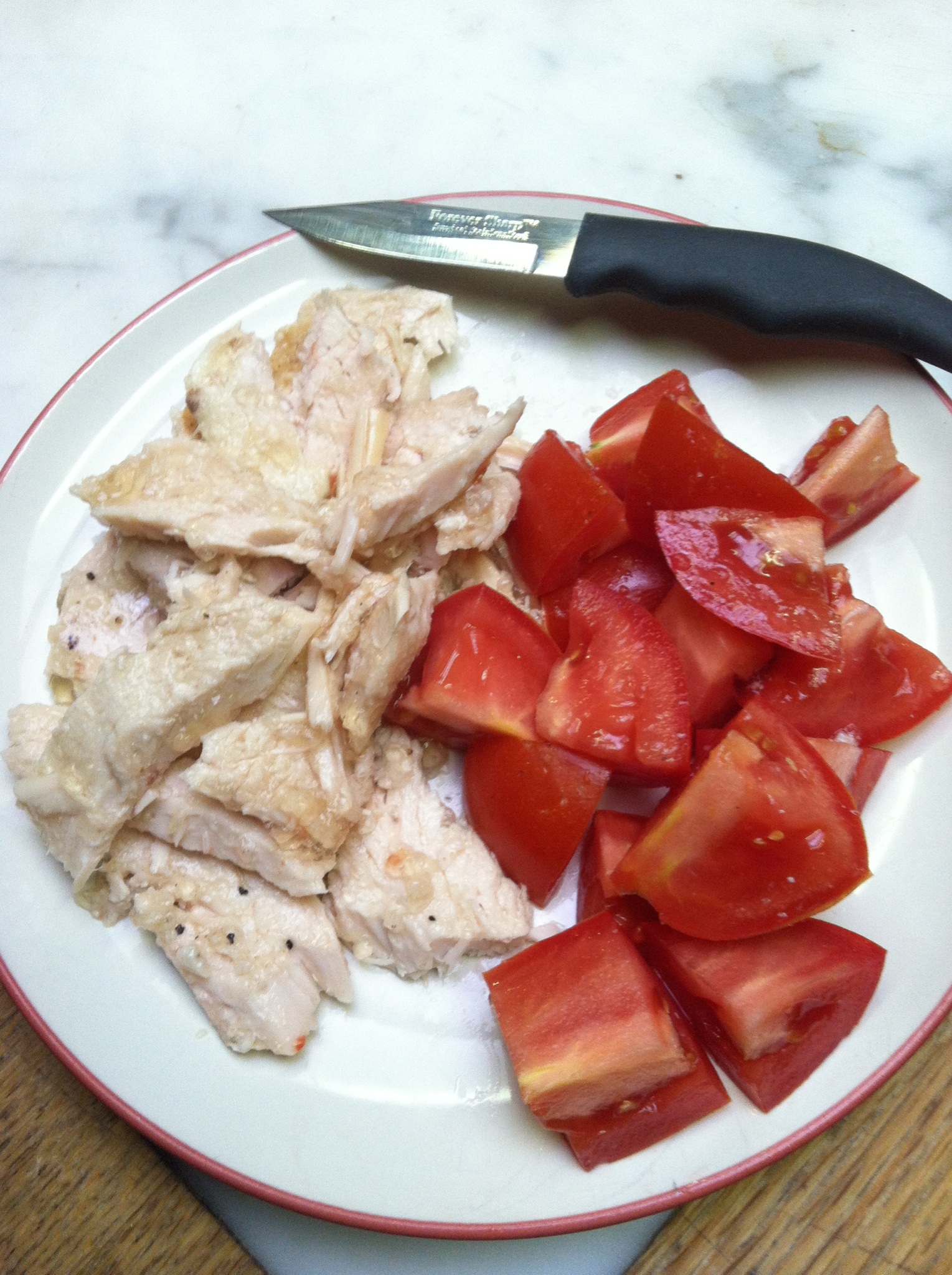
These roma tomatoes were amazingly flavorful for late Fall in the northern hemisphere. Before cooking, my wife injected the bird with olive oil, massaged periodically over 30 minutes, then popped it in the oven.

Instructions:

Toss the turkey and tomato chunks in a bowl, splash on the vinaigrette, then microwave for 60-80 seconds. Pepper as desired. Drink the leftover juice right out of the bowl. Enjoy with macadamia nuts for dessert and you’ve got a full meal.

Discussion:

paleobetic diet, low-carb, diabetes, diabetic diet

Grok wouldn’t have access to this

I was lazy when I made this so I just used a commercial salad dressing rather than making my own vinaigrette. Wish-Bone Balsamic Vinaigrette Dressing “with extra virgin olive oil.” Here are the top ingredients, in order: water, balsamic vinegar, soybean oil and extra virgin olive oil (sic), sugar, salt, spices, etc. So the oil could have been soybean oil (from a legume—the horror!!!) with one drop of EVOO for all I know. Olive oil is a rich source of monounsaturated fatty acid, so you might be able to calculate how much EVOO was in the dressing if I tell you there were five grams of fat per two tbsp (30 ml) serving, of which 1.5 grams were monounsaturated. That serving also has three grams of carbohydrate (all sugar) and only 60 calories. Right there on the bottle is says gluten-free and “no high fructose corn syrup.” I bet it had HFCS in it three years ago and there would be no mention of the trendy “gluten-free.”

I don’t know any home cooks who add water to vinaigrettes. They are essentially oil and vinegar (in a ratio of 3:1) and spices. The ones I make have quite a bit more than 60 calories per two tbsp (30 ml); more like 220 cals. All of the oils you would use have about 120 calories per tbsp all from fat. If you make this recipe with home-made vinaigrette, add 150 calories to the nutritional analysis below. It won’t affect the carb count.

Note that of the common vinegars, balsamic has the most carbohydrates—some vinegars have zero. If you use typical amounts of balsamic vinaigrette, you shouldn’t need to worry about the carbohydrates unless perhaps you’re on a strict ketogenic diet and limited to 20-30 grams of carb daily.

Servings: 1

Nutritional Analysis:

58% fat

7% carbohydrate

35% protein

620 calories

11.5 g carbohydrate

3.7 g fiber

8 g digestible carbohydrate

743 mg sodium

877 mg potassium

Prominent features: High in protein, vitamin B6, iron, manganese, niacin, phosphorus, selenium, and zinc.

paleobetic diet, low-carb, diabetic diet, paleo diet

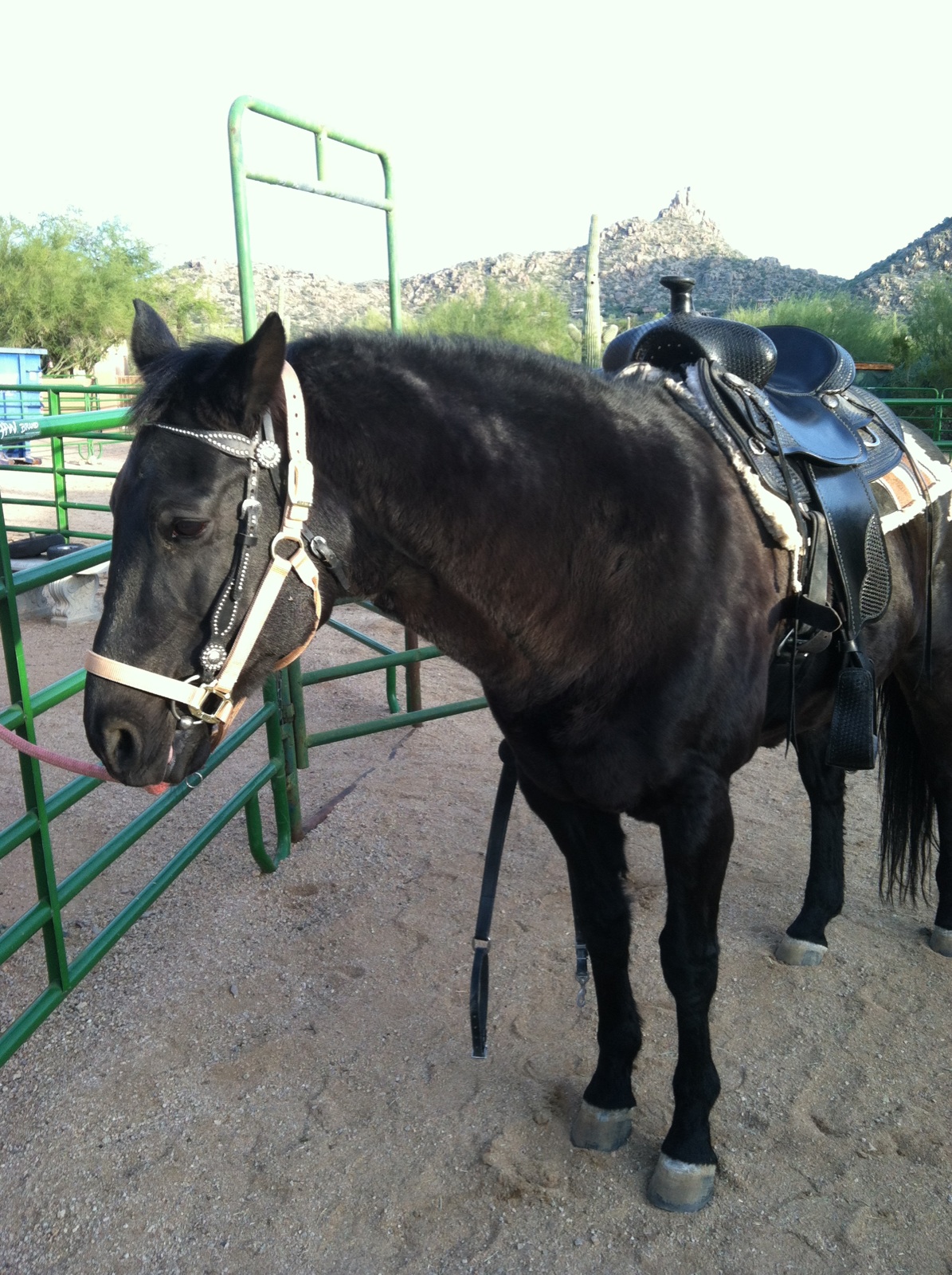
Bonus pic! A new horse at the Parker Compound. He’s an old-style Morgan.