Tag Archives: diabetic diet

Recipe: Waldorfian Salad

paleobetic diet, low-carb diet

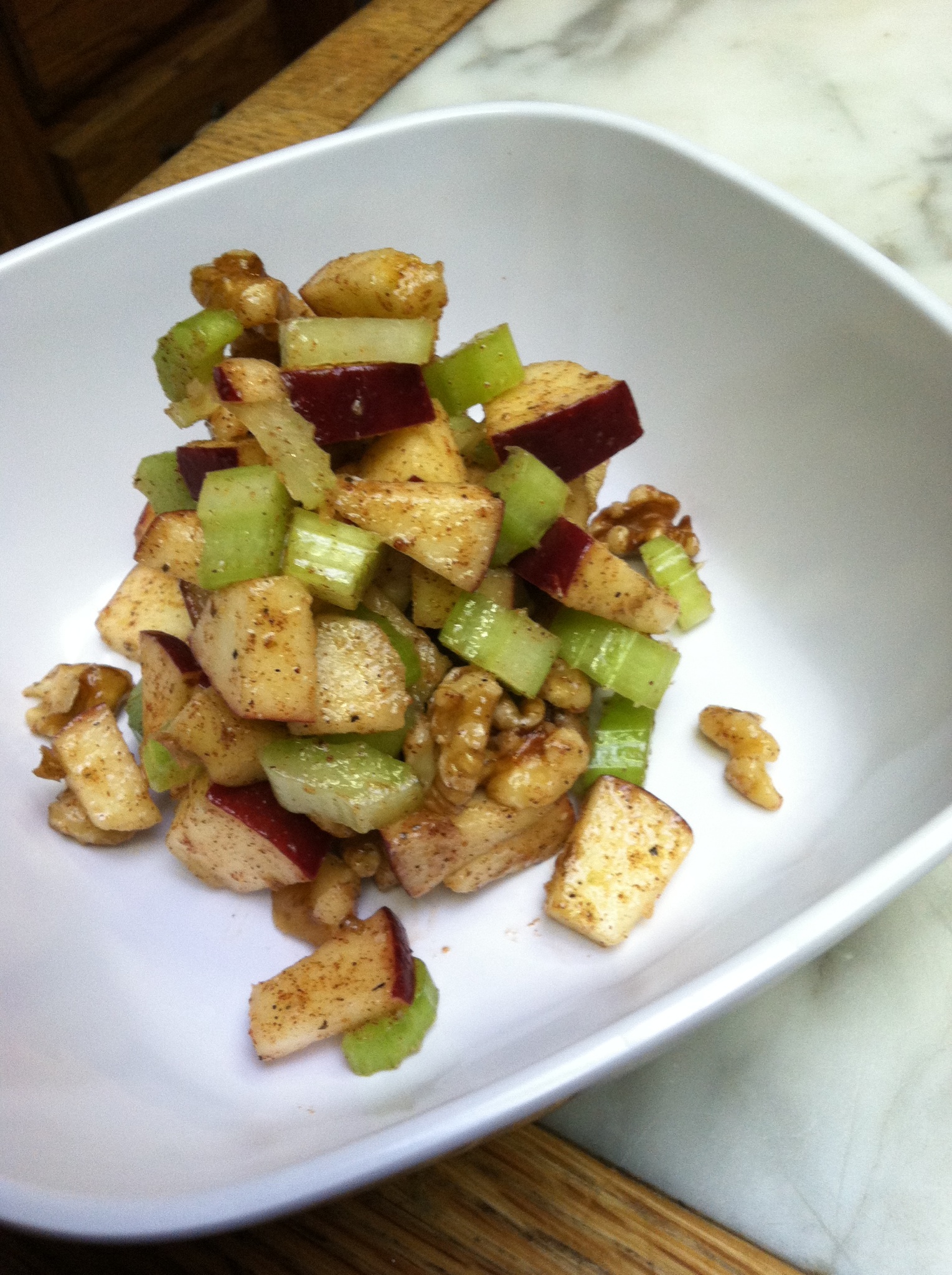
One cup of Waldorfian salad. I doubled the cinnamon in this batch, so yours won’t look quite like this.

Today’s meal is inspired by the classic Waldorf salad, made famous by New York’s Waldorf Hotel over a century ago. The hotel today is called the Waldorf-Astoria.

The primary ingredients are apples, walnuts, and celery.

The original salad was made with mayonnaise, which I’m leaving out since I don’t yet have a paleo-compliant formula. They’re out there, however. Do you have a favorite?

paleobetic diet

Good source of omega-3 fatty acids

Instead of mayonnaise, we use a dressing—a vinaigrette—made with walnut oil. Walnut oil is attractive in part because it is rich in omega-3 fatty acids: 1.77 grams per tbsp (15 ml). Compared with Paleolithic diets, modern Western diets are too low in omega-3s and too high in omega-6s. You can use your left-over walnut oil the way you’d use olive oil.

paleobetic diet, low-carb diet, ketogenic diet

I made my dressing in this BPA-laden plastic container

In composing the Paleobetic Diet, my biggest challenge is breakfast. I’m fine eating eggs almost daily, but that may not be your cup ‘o tea. Most of us in America are accustomed to grain-based options like cold cereal, porridge, bagels, donuts, pancakes, granola, and toast. Plus yogurt. Those aren’t paleo, and they have too many carbohydrates for many diabetics. I came up with Waldorfian salad as a low-carb paleo-style breakfast, reminiscent of Brian’s Berry Breakfast.

This recipe makes two large servings of 2 cups (480 ml) each. Small or sedentary folks may well be satisfied with a 1- or 1.5-cup serving.

paleobetic diet, low-carb diet, ketogenic diet

Apples are the primary source of carbohydrates in this recipe.

Ingredients:

2 apples, raw, medium size, skin on, diced (I used Red Delicious; consider Granny Smith, Fuji, or Gala)

3 celery stalks, 8-inches long (20 cm), diced

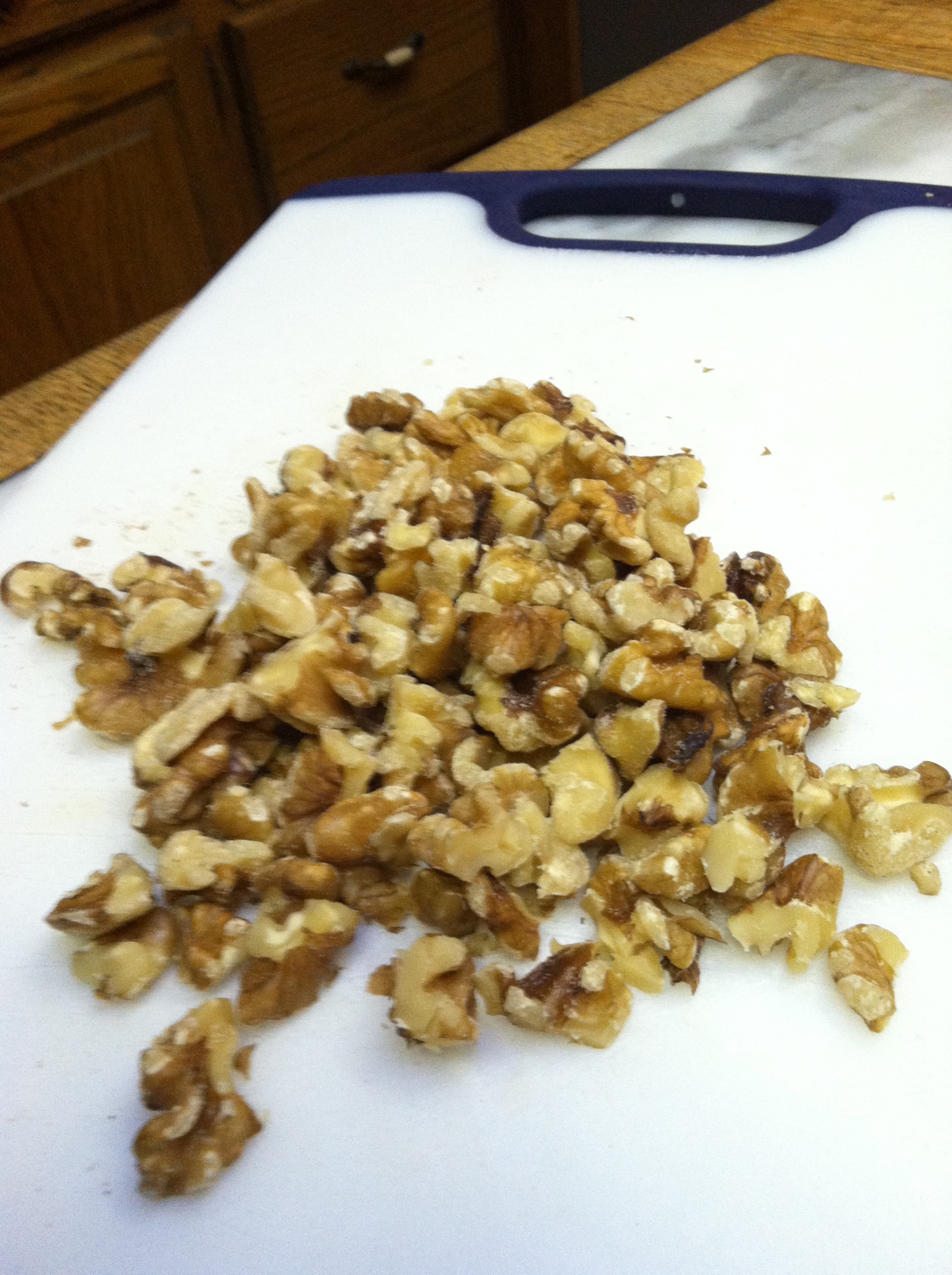
1 cup (240 ml) walnuts, broken by hand into small chunks (Option for ? more flavor: toast in a skillet over medium-high heat for 7-10 minutes or in oven (350 F or 175 C) on baking sheet for 10 minutes

1/4 tsp (1.2 ml) black pepper, ground

1/4 tsp (1.2 ml) salt

1.5 tbsp (22 ml) walnut oil

1 tbsp (15 ml) cider vinegar

1/2 tsp (2.5 ml) cinnamon

1/4 tsp (1.2 ml) nutmeg

Instructions:

First make a dressing with the bottom six ingredients. I put mine in a small container with a lid, then shook vigorously. Or you can put them in a small bowel and whisk them.
paleobetic diet, low-carb diet, ketogenic diet

Walnut pieces

Place the walnuts, apples and celery in a bowel, add the dressing and toss thoroughly. You’re done.

Serve as is, or chill first in the refrigerator. Maybe it was my imagination, but I thought it tasted better after it sat on the counter for 10 minutes. Consider serving on a bed of lettuce (1-2 oz), but if you do, increase your digestible carb count by 1-2 grams.

If you want more calories or protein than this recipe provides, chicken or steak should go well with Waldorfian salad and won’t increase your carb grams.

Number of Servings: 2 (2 cups each)

Nutritional Analysis:

73% fat

21% carbohydrate

6% protein

500 calories

27.5 g carbohydrate

7.6 g fiber

20 g digestible carbohydrate

341 mg sodium

529 mg potassium

Prominent features: High in copper and manganese, low in sodium. This is vegetarian (so much for the paleo diet being meat-centric). On a 2,000 calorie diet, this provides only 15% of the Recommended Dietary Allowance for protein, so you’ll want to eat more protein at some point during the day.

Has Carbohydrate-Restricted Eating Been Studied in Type 1 Diabetes?

Sweden has lots of blondes

Sweden has lots of blondes

Yes, there are few published scientific reports. Let’s take a close look at one today. (See the references below for more.)

In the introduction to the study at hand, the authors note:

The estimation of the amount of carbohydrates in a meal has an error rate of 50%. The insulin absorption may vary by up to 30%. It is therefor virtually impossible to match carbohydrates and insulin which leads to unpredictable blood glucose levels after meals. By reducing the carbohydrates and insulin doses the size of the blood glucose fluctuations can be minimized. The risk of hypoglycemia is therefore minimized as well. Around-the-clock euglycemia [normal blood sugar] was seen with 40 g carbohydrates in a group of people with type 1 diabetes [reference #2 below].

The immediate resulting stable, near-normal blood glucose levels allow individuals to predict after-meal glucose levels with great accuracy.

For individuals with type 1 diabetes one year audit/evaluation of group education in this regimen has shown that the short-time lowering of mean hemoglobin A1c by 1 percentage unit and the reduction in mean rate of symptomatic hypoglycemia by 82% was maintained [reference #3].

***

There is no evidence for the use of the widely recommended high-carbohydrate, low-fat diet in type 1 diabetes.

Study Set-Up

Swedish investigators educated study participants on carbohydrate-restricted eating from 2004 to 2006 [reference #1]. They recently audited their medical records for results accumulated over four years. At the outset, participants were given 24 hours of instruction over four weeks. My sense is that they all attended the same diabetes clinic. The subjects’ mean age was 52 years and they had diabetes for an average of 24 years. Seven had gastroparesis. Fourteen used insulin pumps. Of the 48 study subjects, 31 were women, 17 were men. The diet regimen restricted carbohydrates to a maximum of 75 grams a day, mainly by reducing starchy food.

Results

As measured three months after starting the diet, HDL-cholesterol rose and triglycerides fell to a clinically significant degree (p<0.05). Average weight fell by 2.7 kg (5.9 lb); average baseline weight was 77.6 kg (171 lb). Hemoglobin A1c fell from 7.6 to 6.3% (Mono-S method).

As measured one year after start, meal-time insulin (rapid-acting, I assume) fell from 23 to 13 units per day. Long-acting insulin was little changed at around 19 units daily.

By two years into the study, half the participants had stopped adhering to the diet. The remainder were adherent (13 folks) or partly adherent (10). We don’t know what the non-adherents were eating.

Four years out, the adherent group had hemoglobin A1c of 6.0%, and the partly adherents were at 6.9% (p<0.001 for both). The non-adherent group had returned to their baseline HgbA1c (7.5%). Remember, at baseline the average HgbA1c for the group was 7.6%.

The authors don’t say how many participants were still adherent after four years. From Figure 2, adherence seems to have been assessed at 60 months: 8 of the 13 adherent folks were still adherent, and 5 of the 10 partly adherent were still in the game. So, of 48 initial subjects, only 13 were still low-carbing after five years later. By five years out, half of all subjects seem to have been lost to follow-up. So the drop-out rate for low-carbers isn’t as bad as it looks at first blush.

Conclusion

The authors write:

An educational program involving a low-carbohydrate diet and correspondingly reduced insulin doses for informed individuals with type 1 diabetes gives acceptable adherence after 4 years. One in two people attending the education achieves a long-term significant HbA1c reduction.

They estimate that this low-carb diet “may be an option for 10-20% of the patients with type 1 diabetes.” Only 17% of their current diabetes clinic population is interested in this low-carb diet. They didn’t discuss why patients abandon the diet or aren’t interested in the first place. Use your imagination.

Major carbohydrate restriction in type 1 diabetics significantly improves blood sugar control (decreases HgbA1c), lowers insulin requirements, and improves cardiovascular disease risk factors (increases HDL cholesterol and lowers triglycerides).

Paleo diets vary in total carbohydrate grams and percentage of calories derived from carbohydrate. Paleo diets tend to be lower in carb than usual Western diets, with 30% of total calories from carbohydrate probably a good rough estimate. The typical American eats 250 to 300 grams of carbohydrate daily, or about 50% of total calories. In the study at hand, the daily carb gram goal was 75, which would be 15% of calories for someone eating 2,000 cals/day.

Low-carb eating wasn’t very appealing to Swedes in the mid-2000s. I wonder if it’s more popular now with the popularity of LCHF dieting (low-carb, high-fat) in the general population there.

Steve Parker, M.D.

References:

1.  Nielson, J.V., Gando, C., Joensson, E., and Paulsson, C. Low carbohydrate diet in type 1 diabetes, long-term improvement and adherence: A clinical audit. Diabetology & Metabolic Syndrome, 2012, 4:23. http://www.dmsjournal.com/content/4/1/23

2.  O’Neill, D.F., Westman, E.C., and Bernstein, R.K. The effects of a low-carbohydrate regimen on glycemic control and serum lipids in diabetes mellitus. Metabolic Syndrome and Related Disorders, 2003, 1(4): 291-298.

3.  Nielsen, J.V., Jönsson, E. and Ivarsson, I. A low carbohydrate diet in type 1 diabetes: clinical experience – A brief report. Upsala Journal of Medical Sciences, 2005, 110(3): 267-273.

What’s the Paleobetic Diet?

Two years ago, a few of my patients with diabetes asked me whether the paleo diet would help with management of their diabetes. After much deliberation, I can definitely say, “Yeah, maybe.”

We still don’t have much scientific data to back it up, but I’ve seen enough to convince me it would be adequately safe to try a paleo-style diet under medical supervision. The greatest immediate risk is hypoglycemia in those taking certain drugs.

Regardless of diet, diabetics are at risk for hypoglycemia if they use any of the following drug classes. Also listed are a few of the individual drugs in some classes:

  • insulins
  • sulfonylureas: glipizide, glyburide, glimiperide, chlorpropamide, acetohexamide, tolbutamide
  • meglitinides: repaglinide, nateglinide
  • pramlintide plus insulin
  • exenatide plus sulfonylurea
  • possibly thiazolidinediones: pioglitazone, rosiglitazone
  • possibly bromocriptine

I’ve just finished a handout for my patients interested in a paleo diabetic diet. If interested, click for details.

Steve Parker, M.D.

PS: The paleo diet is also referred to as the Paleolithic, Stone Age, Old Stone Age, cavemen, ancestral, and hunter-gatherer diet.

Paleobetic diet, Steve Parker MD,paleo diet, diabetic diet, diabetes

Cover of the fleshed-out ebook at Smashwords

What’s For Dinner? Flank Steak, Guacamole, Cucumber, and an Orange

paleo diet, low-carb, Steve Parker MD

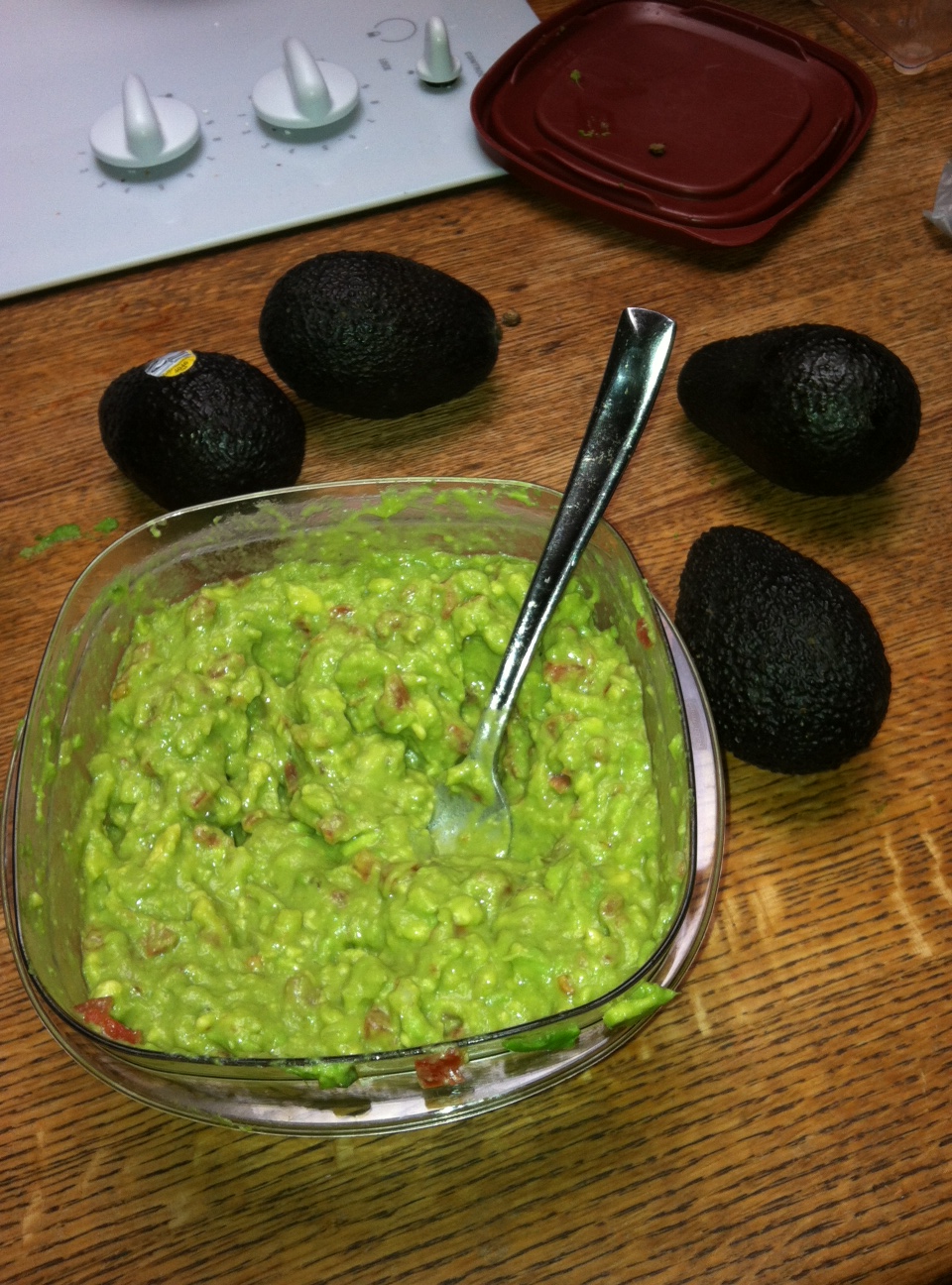
Guacamole salad

This is another staple at our house. Flank steak is sometimes called London broil or jiffy steak. If you can’t find those, use skirt steak.  In any case, the beef steak used in this is never over an inch (2.54 cm) thick. These are not particularly tender cuts, so have your butcher run the steak through a mechanical tenderizer. This recipe serves two.

Ingredients:

  • flank steak, mechanically tenderized, 24 oz (680 g) (this cooks down to 14 oz or 400 g)
  • California avocados, 2 (about 5.5 oz or 155 g each, measuring 2.5 x 3.5 inches or 6.4 x 9 cm)
  • tomato, fresh, 1.5 0z (43 g), finely diced
  • onion, fresh, 0.5 oz (14 g), finely diced
  • salt, a pinch or 1/16 tsp
  • black pepper to taste
  • low-s0dium steak seasoning (I use McCormick Grill Mates Montreal Steak Seasoning, which is coarse salt (1/4 tsp has 180 mg sodium), spices including black and red peppers, garlic, sunflower oil, natural flavor, extractives of paprika) (or just use salt and pepper to taste)
  • oranges, 2 medium sized (2.6 inch or 6.5 cm diameter)
  • cucumber, fresh, 1 large (8 inches or 20 cm long), peeled and sliced

Instructions:

paleo diet, low-carb, Steve Parker MD

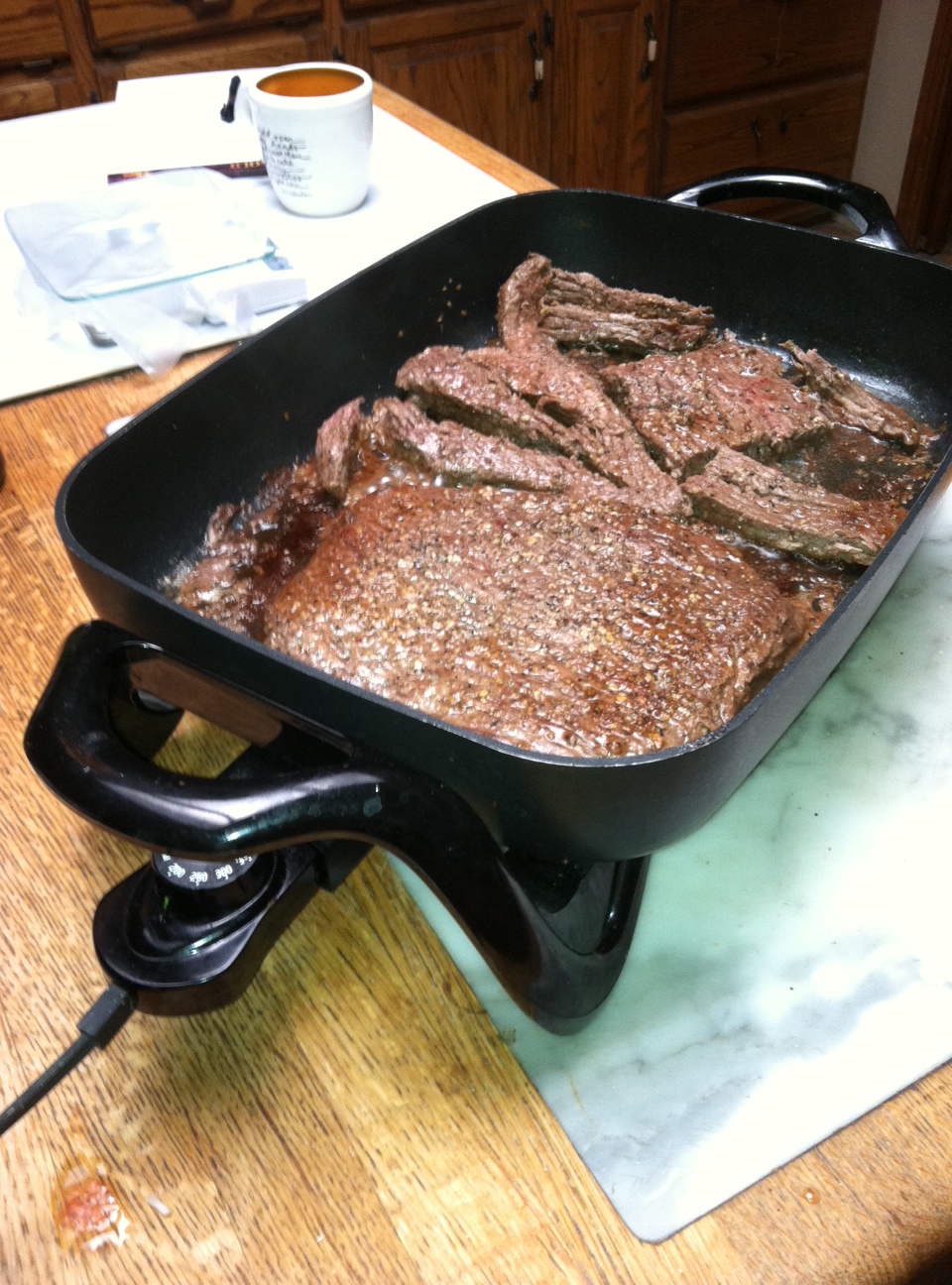
Flank steak cooking in what I’d call an electric frying pan

First, start the steak frying in a pan over medium heat. Sprinkle with steak seasoning or salt and pepper. Cook until done to your liking.

While the steak’s cooking, make your guacamole. Slice the avocados in half and remove the seeds, then scoop out the flesh into a bowl and mash it with a fork until pasty yet still a little chunky. Blend in the tomato, onion, and a pinch of salt. It’s done.

Enjoy the cucumber as a side dish and the orange for desert.

Servings: 2 servings of 7-oz steak (200 g), 8 tbsp (120 ml) quacamole, half a cucumber, and an orange

Nutritional Analysis Per Serving:

  • 46% fat
  • 16% carbohydrate
  • 38% protein
  • 730 calories
  • 31.5 g carbohydrate
  • 13.7 g fiber
  • 18 g digestible carbohydrate
  • 968 mg sodium
  • 2,065 mg potassium
  • Prominent features: rich in fiber, protein, B6, B12, C, copper, iron, niacin, pantothenic acid, phosphorus, riboflavin, selenium, thiamine, and zinc 

What’s for Dinner? Cabbage Soup and Salad

paleo diet, Steve Parker MD, cabbage soup

This cabbage soup only has 9 grams of digestible carbohydrate per 2-cup serving

I’m putting together some paleo diabetic meals for you. Today’s offering works for lunch or dinner (where I come from, dinner is the evening meal).

Ingredients:

  • Hearty Cabbage Soup, 2 cups
  • baby spinach, 2 oz (60 g)
  • lettuce, romaine, 2 oz (60 g)
  • tomatoes, chunked, 3 oz (85 g)
  • cucumbers, peeled and sliced, 2 oz (60 g)
  • olive oil, extra virgin,  2 tbsp (30 ml)
  • vinegar, 2 tsp (10 ml)
  • salt and pepper to taste (not counted in nutritional analysis below)
  • apple, medium (2.75-inch or 7-cm diameter)

Instructions:

See my recipe for Hearty Cabbage Soup.

Salad: In a bowl, place the lettuce, spinach, tomato chunks, sliced cucumber, adn finally, the olive oil and vinegar. Mix thoroughly. Salt and pepper to taste. If you’re avoiding salt, consider substituting a few squirts of fresh lemon juice.

Enjoy the apple for desert.

Servings: 1

Nutritional Analysis:

  • 61% fat
  • 26% carbohydrate
  • 13% protein
  • 550 calories
  • 38.7 g carb
  • 10.3 g fiber
  • 28.4 g digestible carb
  • 1,252 mg sodium (plus any you add)
  • 1,328 mg potassium
  • Prominent features: rich in sodium (not good?), A, B12, C, E, copper, iron, manganese, and zinc

Ideas For A Paleo Diabetic Diet

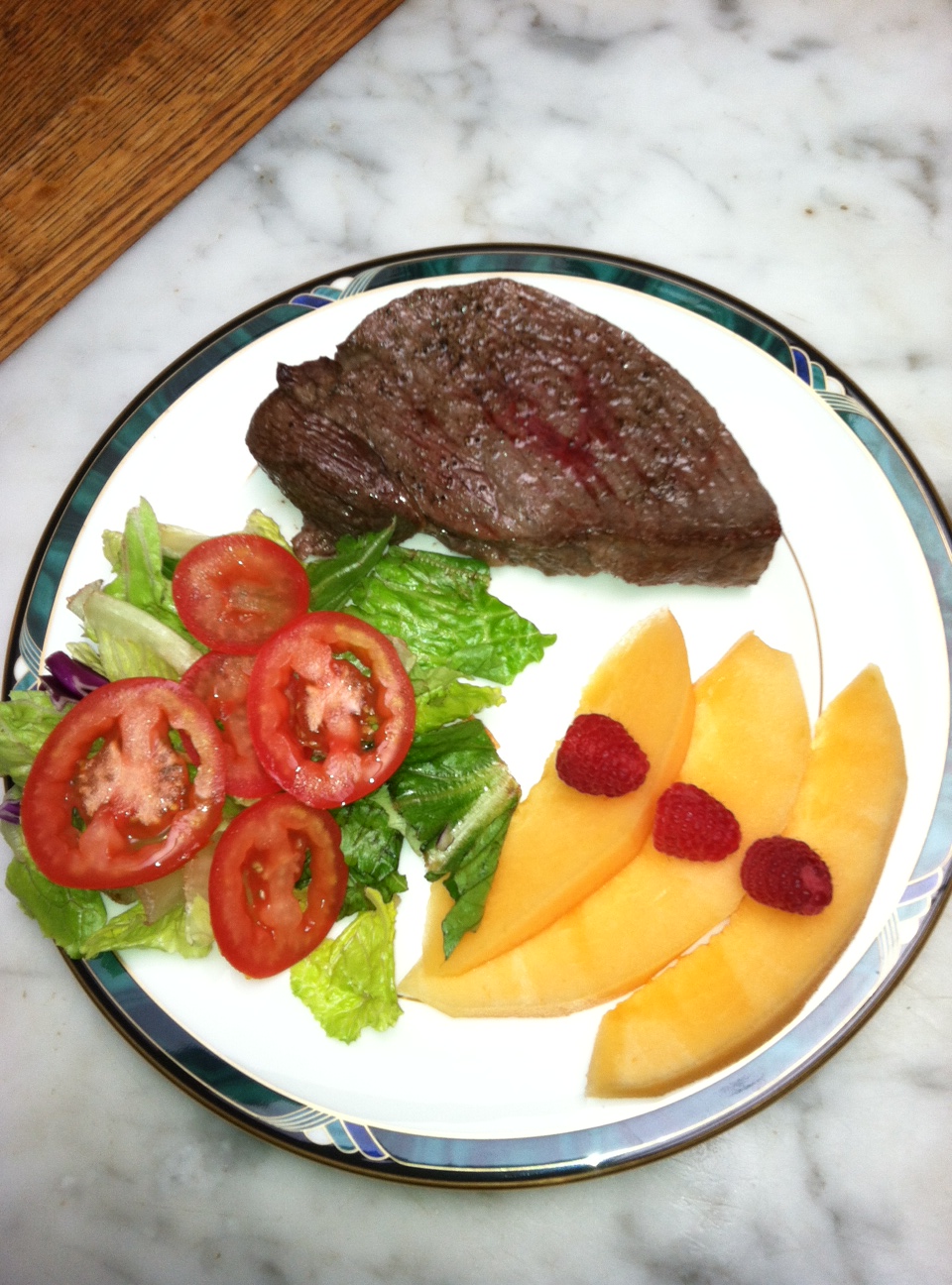
Sirloin steak, salad, cantaloupe, 3 raspberries

Sirloin steak, salad, cantaloupe, 3 raspberries

I’ve been thinking about a paleo-style diabetic diet for over a year.  Here are some miscellaneous ideas for your consideration.

A paleo diabetic diet will have the following major food groups:

  • vegetables
  • fruits
  • nuts and seeds
  • proteins (e.g., meat, fish, eggs)
  • condiments

A paleo diabetic diet could (should?) emphasize salads and low-carb colorful vegetables and only (?) low-carb or low-glycemic-index fruits.

Calories

Total calories?  Probably in the range of 1,800 to 3,000 calories daily with an average of 2,000.  Remember that 85% of type 2 diabetics are overweight or obese. Calorie restriction—regardless of macronutrient ratios (% carb, protein, fat)—tends to improve or normalize blood sugar levels.  Weight loss will likely entail some caloric restriction, whether consciously or not.

Type 1 Versus Type 2 Diabetes

Type 1 and type 2 diabetics have many pathophysiologic differences.  Could a single paleo diabetic diet serve both populations equally well?  That’s the goal.

Carbohydrates

Diabetics have trouble metabolizing carbohydrates, so a paleo diabetic diet should probably be lower-than-average in digestible carbs.  100 g/day?  30 g/day?  I’m leaning toward 60 g ± 25%, so 45–75 g.  Smaller, less active folks could eat 45 g/day; larger, more active guys eat closer to 75 g.

Is there a role for very-low-carb or ketogenic eating patterns?  For most folks, that’s less than 50 g of digestible carbohydrate daily.  Under 30 g for some.  Use that only for those needing to lose weight?  Start everybody at  very low carb levels then increase carbs as tolerated?  On the other hand, there’s a lot to be said for simplicity.  It might be best to avoid very-low-carb (ketogenic) eating entirely.  Anyone not losing the desired amount of fat weight could cut portion sizes, especially carbohydrates.

Fish

I encourage fish consumption twice a week, diabetes or no.  Cold-water fatty fish have more of the healthy omega-3 fatty acids than other fish.

Nuts

I’d encourage 1–2 ounces (28–56 g) of nuts or seeds daily.  Any more than that might crowd out other healthful nutrients.  Nuts are protective of the heart.

Proteins

Protein-rich foods can definitely raise insulin requirements and blood sugar levels, but not in an entirely predictable way, and not to the extent we see with carbohydrates.  Should insulin users dose insulin based on a protein gram sliding scale?  I’m leaning towards simply recommending the same amount of protein at each meal, perhaps 4–8 ounces (113–229 g).

Fruit and Starchy Vegetables

Could a paleo diabetic diet even be “paleo” without fruit?  The problem with classic fruits is that they spike blood sugars too high for many diabetics.  To prevent that, Dr. Richard Bernstein outlaws all classic fruits (and other starchy carbs), even limiting tomatoes and onions to small amounts.  E.g., a wedge of tomato in a salad.  He doesn’t allow carrots either, unless raw (lower glycemic index than when cooked).  A paleo diabetic diet eater may be able to get away with eating lower-carb, lower-GI (glycemic index) fruits such as cantaloupe, honeydew, strawberries and other berries.  Some paleo diabetic dieters will tolerate half an apple twice a day.

Different diabetics will have different blood sugar effects when eating starchy vegetables and higher-carb fruits.  Type 1 diabetics will tend to be more predictable than type 2s.  Both may just need to “eat to the meter”: try a serving and see what happens to blood sugar over the next hour or two.

Starchy vegetables—potatoes and carrots, for example—may well have to be limited.  Again, eat to the meter.

Gluten

This is looking to be gluten-free.  How trendy!  It’s a paleo celiac diet.

Use “natural” stevia as a sweetener?  If you read about how the product on your supermarket shelf  is made, it’s not at all natural.

Omega-6/Omega-3 Fatty Acids

A strict focus on omega-6/omega-3 fatty acid ratio will not appeal to many folks, even if it’s important from a health viewpoint.  Reserve this for advanced dieters who have mastered the basics?  Modern Western diets have an omega-6/omega-3 ratio around 10 or 15:1.  Paleolithic diets were closer to 2 or 3:1.  So we have an over-abundance of omega-6 fatty acid or deficiency of omega-3 that may be unhealthy.

Implementation

To get dieters started, I’d design a week of meals based on 2,000 to 2,200 calories.  If still hungry, eat more protein, fat, and low-carb vegetables (and fruits?).

What do you think?

Steve Parker, M.D.

Disclaimer:  All matters regarding your health require supervision by a personal physician or other appropriate health professional familiar with your current health status.  Always consult your personal physician before making any dietary or exercise changes.  

PS: See Dr. Bernstein’s “no-no” foods on page 151 of his Diabetes Solution book.

PPS: The paleo diet is also known as the Paleolithic diet, Stone Age diet, caveman diet, hunter-gatherer diet, and ancestral diet.

The Case for Carbohydrate Restriction In Diabetes

MB900402413In 1797, Dr. John Rollo (a surgeon in the British Royal Artillery) published a book entitled An Account of Two Cases of the Diabetes Mellitus. He discussed his experience treating a diabetic Army officer, Captain Meredith, with a high-fat, high-meat, low-carbohydrate diet. Mind you, this was an era devoid of effective drug therapies for diabetes.

The soldier apparently had type 2 diabetes rather than type 1.

Rollo’s diet led to loss of excess weight (original weight 232 pounds or 105 kg), elimination of symptoms such as frequent urination, and reversal of elevated blood and urine sugars.

This makes Dr. Rollo the original low-carb diabetic diet doctor. Many of the leading proponents of low-carb eating over the last two centuries—whether for diabetes or weight loss—have been physicians.

But is carbohydrate restriction a reasonable approach to diabetes, whether type 1 or type 2?

What’s the Basic Problem in Diabetes?

Diabetes and prediabetes always involve impaired carbohydrate metabolism: ingested carbs are not handled by the body in a healthy fashion, leading to high blood sugars and, eventually, poisonous complications.  In type 1 diabetes, the cause is a lack of insulin from the pancreas.  In type 2, the problem is usually a combination of insulin resistance and ineffective insulin production.

Elevated blood pressure is one component of metabolic syndrome

Elevated blood pressure is one component of metabolic syndrome

A cousin of type 2 diabetes is “metabolic syndrome.”  It’s a constellation of clinical factors that are associated with increased future risk of type 2 diabetes and atherosclerotic complications such as heart attack and stroke. One in six Americans has metabolic syndrome. Diagnosis requires at least three of the following five conditions:

■  high blood pressure (130/85 or higher, or using a high blood pressure medication)

■  low HDL cholesterol:  under 40 mg/dl (1.03 mmol/l) in a man, under 50 mg/dl (1.28 mmol/l) in a women (or either sex taking a cholesterol-lowering drug)

■  triglycerides over 150 mg/dl (1.70 mmol/l) (or taking a cholesterol-lowering drug)

■  abdominal fat:  waist circumference 40 inches (102 cm) or greater in a man, 35 inches (89 cm) or greater in a woman

■  fasting blood glucose over 100 mg/dl (5.55 mmol/l)

Metabolic syndrome and simple obesity often involve impaired carbohydrate metabolism. Over time, excessive carbohydrate consumption can turn obesity and metabolic syndrome into prediabetes, then type 2 diabetes.

Carbohydrate restriction directly addresses impaired carbohydrate metabolism naturally.

Carbohydrate Intolerance

Diabetics and prediabetics—plus many folks with metabolic syndrome—must remember that their bodies do not, and cannot, handle dietary carbohydrates in a normal, healthy fashion. In a way, carbs are toxic to them. Toxicity may lead to amputations, blindness, kidney failure, nerve damage, poor circulation, frequent infections, premature heart attacks and death, among other things.

Diabetics and prediabetics simply don’t tolerate carbs in the diet like other people. If you don’t tolerate something, you have to give it up, or at least cut way back on it. Lactose-intolerant individuals give up milk and other lactose sources. Celiac disease patients don’t tolerate gluten, so they give up wheat and other sources of gluten. One of every five high blood pressure patients can’t handle normal levels of salt in the diet; they have to cut back or their pressure’s too high. Patients with phenylketonuria don’t tolerate phenylalanine and have to restrict foods that contain it. If you’re allergic to penicillin, you have to give it up. If you don’t tolerate carbs, you have to give them up or cut way back. I’m sorry.

Carbohydrate restriction directly addresses impaired carbohydrate metabolism naturally.

But Doc, …?

1.  Why not just take more drugs to keep my blood sugars under control while eating all the carbs I want?

We have 11 classes of drugs to treat diabetes.  For most of these classes, we have little or no idea of the long-term consequences.  It’s a crap shoot.  The exceptions are insulin and metformin.  Several big-selling drugs have been taken off the market due to unforeseen side effects.  Others are sure to follow, but I can’t tell you which ones.  Adjusting insulin dose based on meal-time carb counting is popular.  Unfortunately, carb counts are not nearly as accurate as you might think; and the larger the carb amount, the larger the carb-counting and drug-dosing errors.

2.  If I reduce my carb consumption, won’t I be missing out on healthful nutrients from fruits and vegetables?

No.  Choosing low-carb fruits and vegetables will get you all the plant-based nutrients you need.  You may well end up eating more veggies and fruits than before you switched to low-carb eating.  Low-carb and paleo-style diets are unjustifiably criticized across-the-board as being meat-centric and deficient in plants.  Some are, but that’s not necessarily the case.

3.  Aren’t vegetarian and vegan diets just as good?

Maybe.  There’s some evidence that they’re better than standard diabetic diets.  My personal patients are rarely interested in vegetarian or vegan diets, so I’ve not studied them in much detail.  They tend to be rich in carbohydrates, so you may run into the drug and carb-counting issues in Question No. 1.

Steve Parker, M.D.

PS:  The American Diabetes Association recommends weight loss for all overweight diabetics. Its 2011 guidelines suggest three possible diets: “For weight loss, either low-carbohydrate [under 130 g/day], low-fat calorie-restricted, or Mediterranean diets may be effective in the short-term (up to two years).”  The average American adult eats 250–300 grams of carbohydrate daily.

How Many Diabetic Diets Are There?

Elizabeth Woolley reviews most of them at her About.com column on type 2 diabetes. I don’t endorse everything there; just thought you might be interested.

I still see doctors at the hospital order “ADA diet” (American Diabetes Association) for their patients with diabetes.

There is no ADA diet.

-Steve

Paleo Diet and Diabetes: Improved Cardiovascular Risk Factors

Sweden's Flag

Compared to a standard diabetic diet, a Paleolithic diet improves cardiovascular risk factors in type 2 diabetics, according to investigators at Lund University in Sweden.

Researchers compared the effects of a Paleo and a modern diabetic diet in 13 type 2 diabetic adults (10 men) with average hemoglobin A1c’s of 6.6% (under fairly good control, then).  Most were on diabetic pills; none were on insulin.  So this was a small, exploratory, pilot study.  Each of the diabetics followed both diets for three months.

How Did the Diets Differ?

Compared to the diabetic diet, the paleo diet was mainly lower in cereals and dairy products, higher in fruits and vegetables, meat, and eggs.  The paleo diet was lower in carbohydrates, glycemic load, and glycemic index.  Paleo vegetables were primarily leafy and cruciferous.  Cruciferous vegetables include broccoli, brussels sprouts, cauliflower, and cabbage.  Root vegetables were allowed; up to 1 medium potato daily.  The paleo diet also featured lean meats (why lean?), fish, eggs, and nuts, while forbidding refined fats, sugars, and beans.  Up to one glass of wine daily was allowed.

See the actual report for details of the diabetic diet, which seems to me to be similar to the diabetic diet recommended by most U.S. dietitians.

What Did the Researchers Find?

Compared to the diabetic diet, the paleo diet yielded lower hemoglobin A1c’s (0.4% lower—absolute difference), lower trigylcerides, lower diastolic blood pressure, lower weight, lower body mass index, lower waist circumference, lower total energy (caloric) intake, and higher HDL cholesterol (the good cholesterol).  Glucose tolerance was the same for both diets.  Fasting blood sugars tended to decrease more on the Paleo diet, but did not reach statistical significance (p=0.08, which is very close to significant).

So What?

The greater improvement in multiple cardiovascular risk factors seen here suggests that the paleo diet has potential to reduce the higher cardiovascular disease rates we see in diabetics.  This is just a pilot study.  Larger studies—more participants—are needed for confirmation.  Ultimately, we need data on hard clinical endpoints such as heart attacks, strokes, and death.

These diabetics had their blood sugars under fairly good control at baseline.  I wouldn’t be surprised if diabetics under poor control—hemoglobin A1c of 9%, for example—would see even greater improvements in risk factors as well as glucose levels while eating paleo.

There are so few women in this study as to be almost meaningless.

Results of this study may or may not apply to non-Swedes.

I see a fair amount of overlap between this version of the paleo diet and Dr. Bernstein’s Diabetes Solution diet and the Low-Carb Mediterranean Diet

Steve Parker, M.D.

Reference:  Jönsson, T., Granfeldt, Y., Ahrén, B., Branell, U., Pålsson, G., Hansson, A., Söderström, M., & Lindeberg, S.  Beneficial effects of a Paleolithic diet on cardiovascular risk factors in type 2 diabetes: a randomized cross-over pilot study.  Cardiovascular Diabetology, 8 (2009)  doi: 10.1186/1475-2840-8-35