Category Archives: Recipes

Plain Ol’ Bacon, Eggs, and Honeydew, and How To Put Out a Grease Fire

Is bacon paleo-compliant? Not really. It’s too heavily processed. Including it in a Stone Age diet is a nod to convenience and variety.
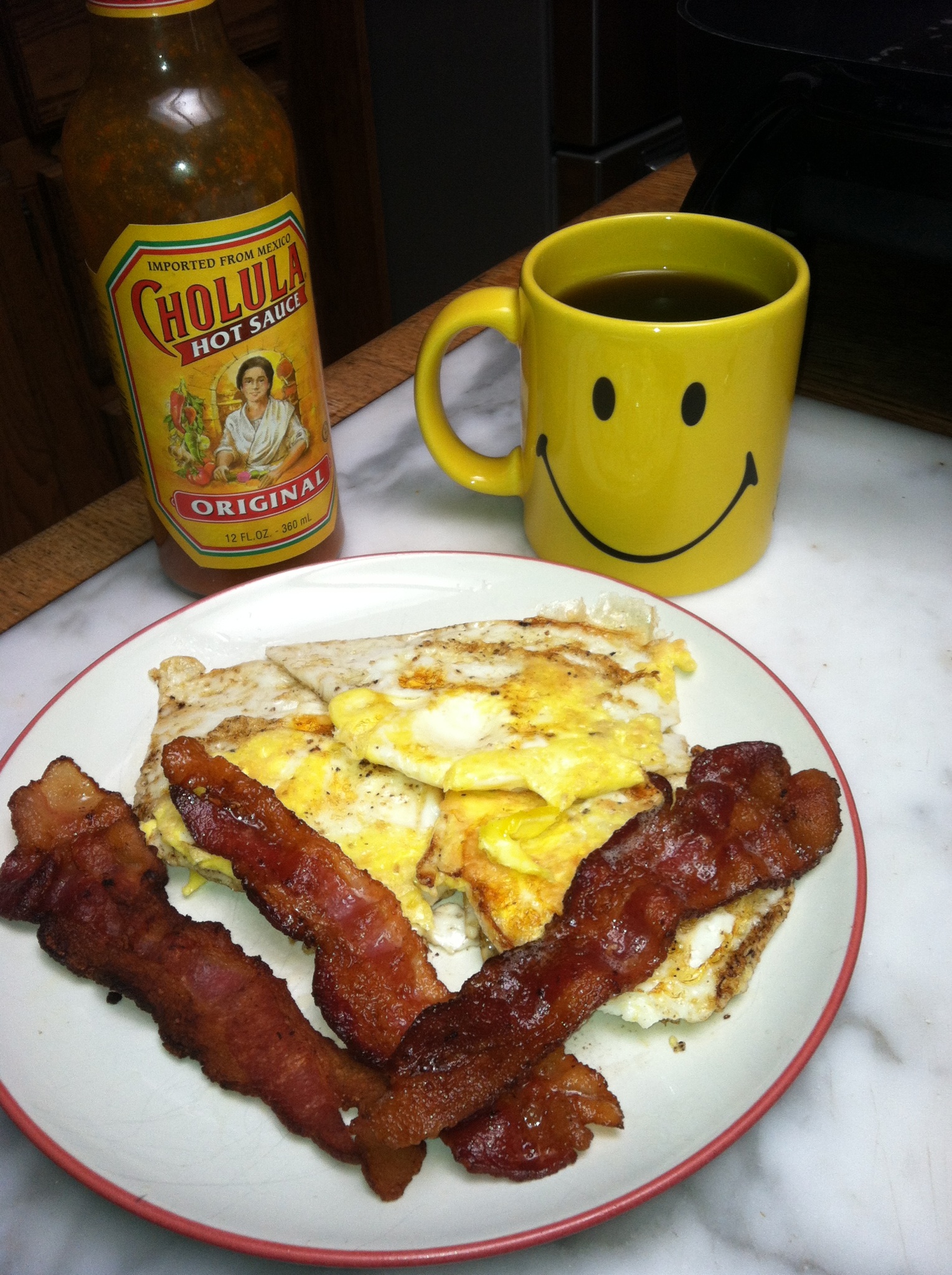
Bacon, eggs, black coffee, and Cholula hot sauce. A caveman wouldn't recognized any of this except for eggs.

Bacon, eggs, black coffee, and Cholula hot sauce. A caveman wouldn’t recognized any of this except for eggs.

If you follow nutrition science literature, you’ll see periodic references to “processed meats” like bacon contributing to increased risk of cardiovascular disease, cancer, or premature death. I think the associations are pretty weak. I don’t want to debate it right now. Health-conscious cautious people aren’t going to go hog-wild on processed meats. I don’t. We may never have a definitive science-based resolution of the issue.

If you want to control the degree of processing in your bacon, make your own. The recipe at the link includes pink salt (sodium nitrite), maple syrup, and dark brown sugar. Many other recipes are available, some of which could be more paleo-compliant. My understanding is that sodium nitrite is a preservative and gives bacon meat that pink color. Does it contribute to flavor? If you’re not storing your bacon for a long time, you may not need the pink salt.

In any case, I thoroughly enjoyed three strips of bacon with my eggs yesterday. Mine was the Kirkland brand from Costco was $3.80/pound (USD). Two slices provide 80 calories (uncooked) and zero grams of carb although, if I recall correctly, it was honey-cured bacon.

Ingredients:

3 large eggs

3 strips of bacon, standard thin slices

Salt and pepper to taste

1/2 cup raw honeydew melon, cubed

Instructions:

Fry the bacon over medium or medium-high heat. If there’s too much grease leftover in the pan after cooking, poor out what you don’t want, for later use or drizzle over your dog’s dry kibble food. Leave a little grease in the pan so your eggs don’t stick. Then fry your eggs over medium heat. Enjoy with raw honeydew, which will cleanse your palate after eating bacon.
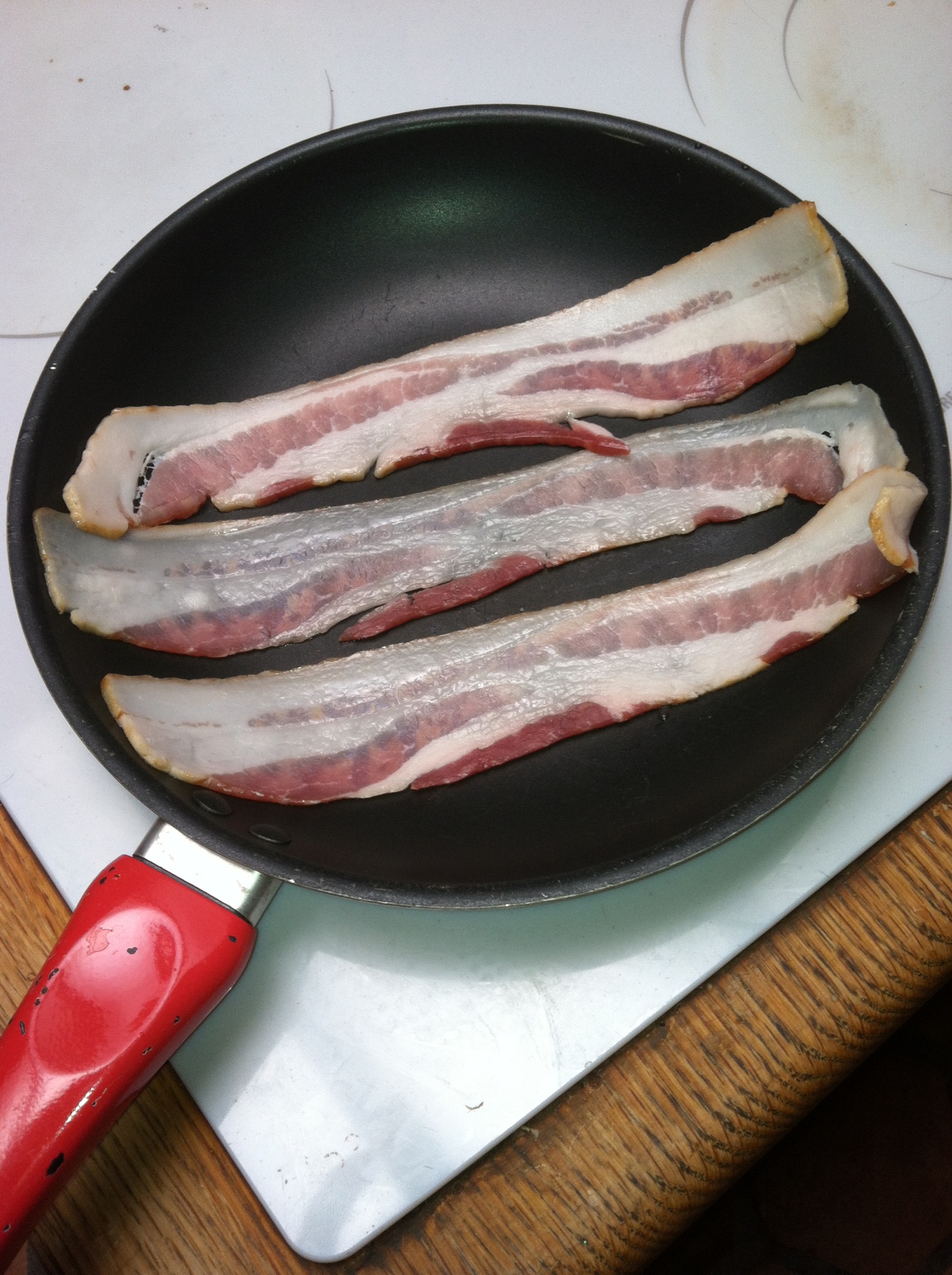
You can pay a lot more than $3.80 a pound for bacon

You can pay a lot more than $3.80 a pound for bacon

Servings: One

Nutritional Analysis per Serving: (from FitDay.com)

63 % fat

10 % carbohydrate

26 % protein

319 calories

9 carb grams

1 fiber grams

8 digestible carb grams

845 mg sodium

423 mg potassium

Prominent features: high in B12, riboflavin, selenium, protein, pantothenic acid, and phosphorus. Although this is low in calories, it’s adequately satiating because of the rich protein and fat content. The calorie count will be higher by 50 if you eat all the bacon grease.

By the way, I didn’t start a grease fire when cooking this. But I thought about it. After I poured excess grease out of my pan, some of it dribbled onto the outside of the pan. If I had put that pan back on a gas stove to cook my eggs, would that outside grease have caught fire and crept up into the pan?

How do you put out a grease fire? I knew water wouldn’t do the trick; my first thought was pour salt on it. That’s wrong! About.com says to simply smother it by putting a metal lid on the pan and turn off the heat. If you can’t find the fitted lid, use a cookie sheet. Fire won’t burn without a supply of oxygen. You could pour baking soda on the fire, but it takes a lot. Wikihow has more info on putting out a grease fire, mentioning a dry chemical fire extinguisher as a last resort if you’re going to handle the fire yourself. Think safety first.

Grease fire? Put a lid on it and turn off heat. If that fails, try a LOT of baking soda. Or fire extinguisher.
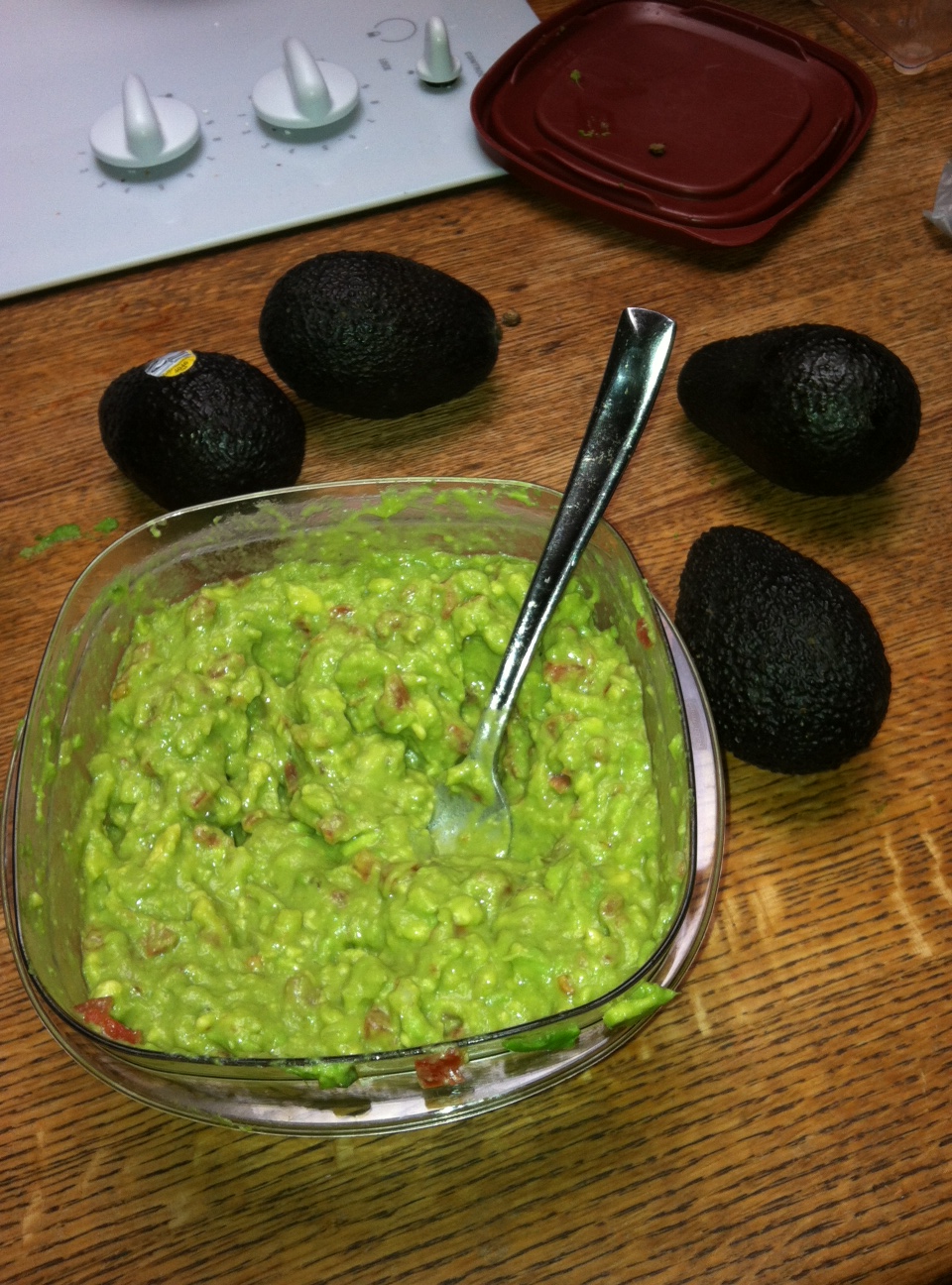
Grease fire? Put a lid on it and turn off heat. If that fails, try a LOT of baking soda. Or fire extinguisher.
Can You Help a Guy Out?

paleo diet, low-carb, Steve Parker MD

Guacamole salad

I’m looking for free online paleo recipes. But not just any old recipes.

I need them accompanied with basic nutritional analysis such as digestible or net carb grams, protein grams, fat grams, and calories per serving.

At least net or digestible carbohydrate grams.

I just spent 45 minutes surfing the net and only came up with Catalyst Athletics.

Please share, if you can help me out. If you don’t know of free recipes, how about a book I can buy?

Thanks!

soup, home-made, potato, chicken, paleo diet, meal, Stone Age diet, recipe

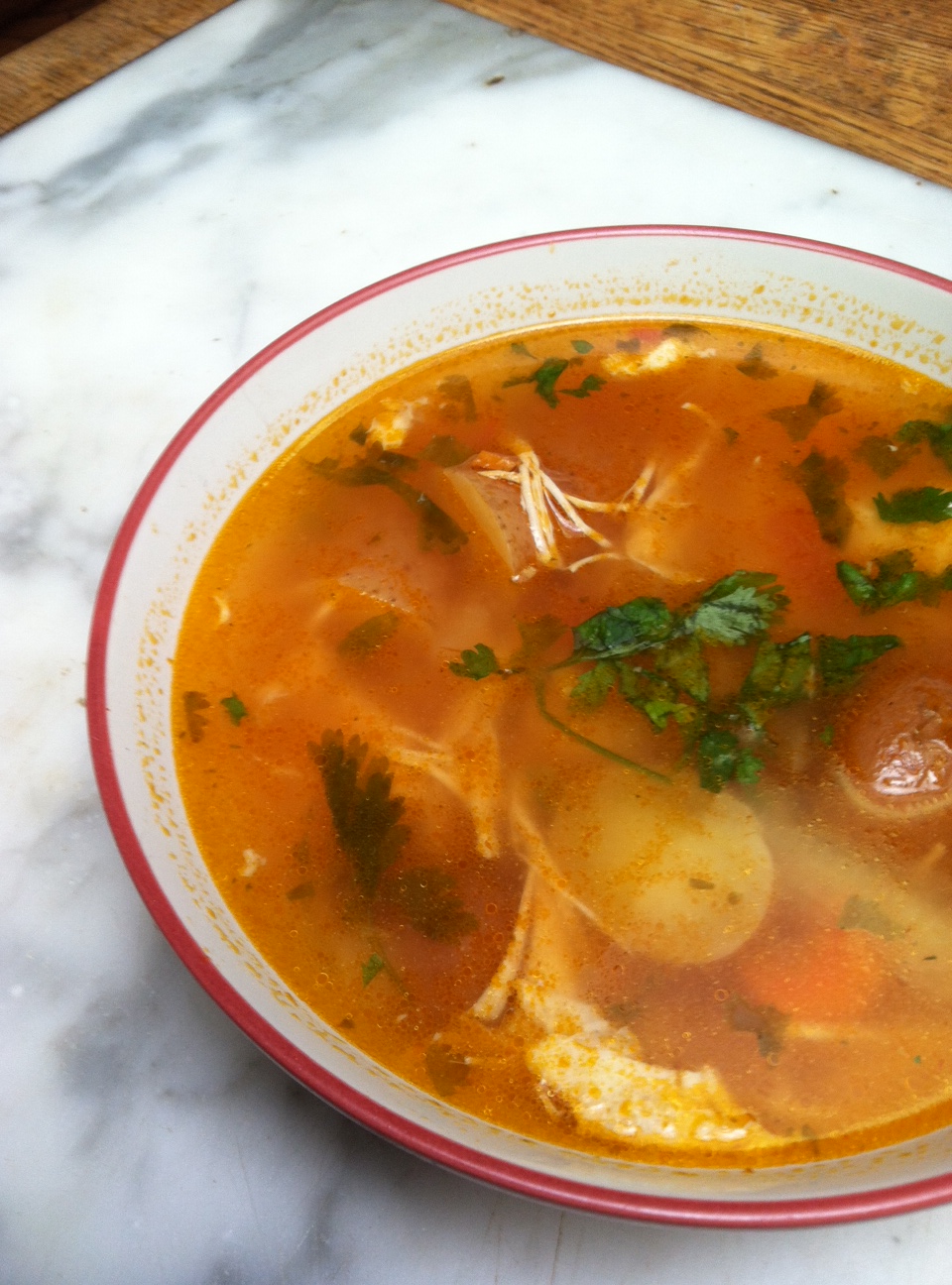
Potato chicken soup

Recipe: Pico De Gallo

According to Wikipedia, pico de gallo is Spanish for rooster’s beak. I always thought it was peck of the rooster, because it’s got some bite to it. You decide how spicy you want it based on how much jalapeño you use. Also note that one batch of jalapeños is different in heat from the next.

paleo diet, Steve Parker MD, diabetic diet

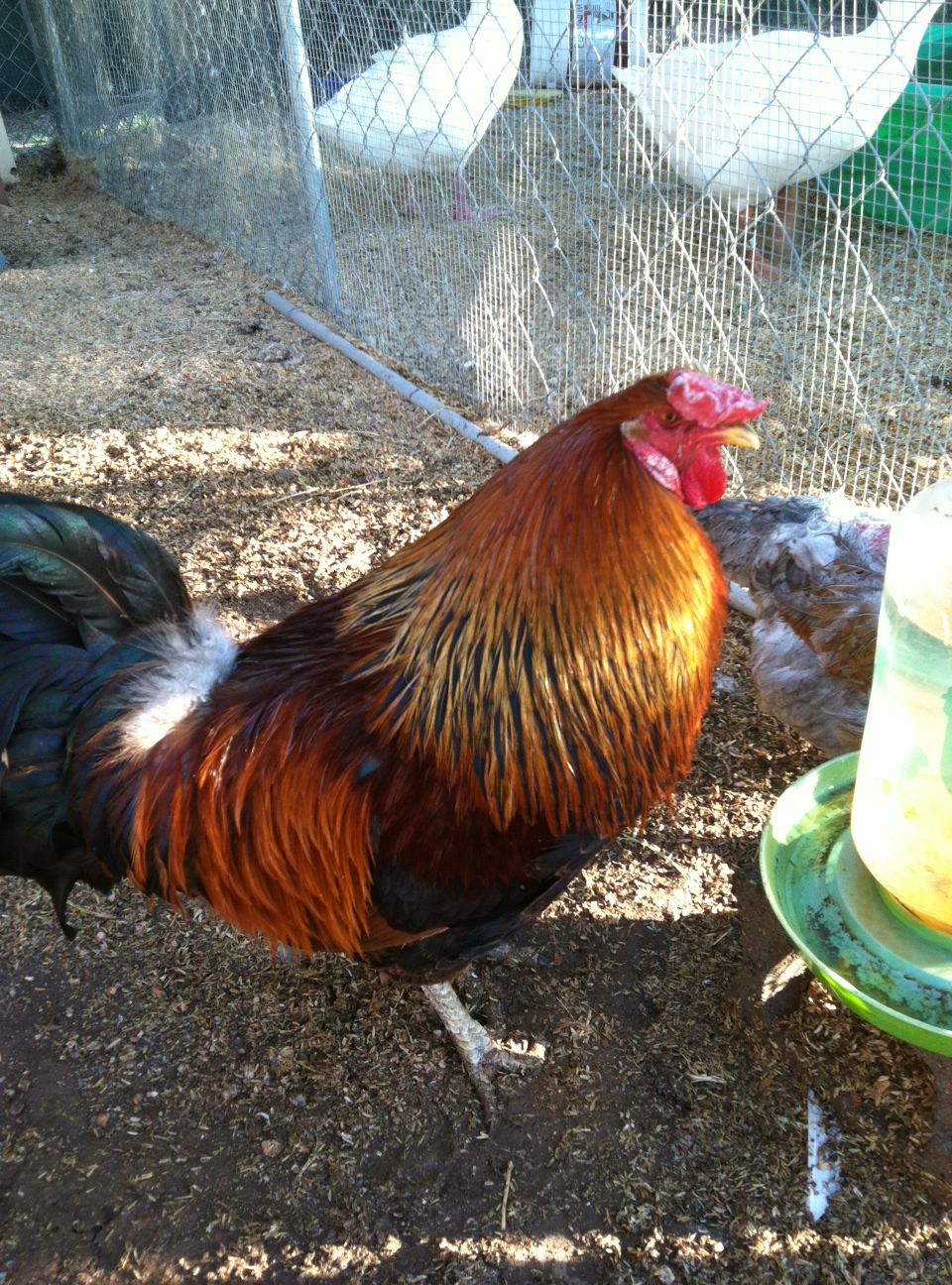
Our rooster, Chuck: handsome but mean!

Pico de gallo is a condiment that compliments eggs, meat, and guacamole, to name a few. I throw it in a bowl of soup sometimes.

Ingredients:

  • tomatoes, fresh, 7 oz (200 g), chopped very finely
  • onion, fresh, 2 oz (60 g), chopped very finely
  • jalapeño pepper, fresh, 1 whole (14 g), chopped very finely after discarding stem
  • cilantro, fresh, 10–15 sprigs chopped finely to yield 3–4 tbsp (2 g)
  • salt, 2 pinches (2/16 tsp) or to taste

Instructions:

If you prefer less spicy heat, use less jalapeno and don’t use the seeds. Combine all ingredients and you’re done. Eat at room temperature, chilled, or heated at medium heat in a saucepan (about 5 minutes, until jalapenos lose their intense green color).

Servings: 3 servings of 1/2 cup (120 ml) each.

Nutritional Analysis Per Serving:

  • 8% fat
  • 81% carbohydrate
  • 11% protein
  • 21 calories
  • 4.5 g carbohydrate
  • 1.2 g fiber
  • 3.3 g digestible carbohydrate
  • 104 mg sodium (2 pinches of added salt)
  • 216 mg potassium
paleo diet, Steve Parker MD, pico de gallo

Some prefer it coarsely chopped like this – it’s quicker

What’s For Dinner? Flank Steak, Guacamole, Cucumber, and an Orange

paleo diet, low-carb, Steve Parker MD

Guacamole salad

This is another staple at our house. Flank steak is sometimes called London broil or jiffy steak. If you can’t find those, use skirt steak.  In any case, the beef steak used in this is never over an inch (2.54 cm) thick. These are not particularly tender cuts, so have your butcher run the steak through a mechanical tenderizer. This recipe serves two.

Ingredients:

  • flank steak, mechanically tenderized, 24 oz (680 g) (this cooks down to 14 oz or 400 g)
  • California avocados, 2 (about 5.5 oz or 155 g each, measuring 2.5 x 3.5 inches or 6.4 x 9 cm)
  • tomato, fresh, 1.5 0z (43 g), finely diced
  • onion, fresh, 0.5 oz (14 g), finely diced
  • salt, a pinch or 1/16 tsp
  • black pepper to taste
  • low-s0dium steak seasoning (I use McCormick Grill Mates Montreal Steak Seasoning, which is coarse salt (1/4 tsp has 180 mg sodium), spices including black and red peppers, garlic, sunflower oil, natural flavor, extractives of paprika) (or just use salt and pepper to taste)
  • oranges, 2 medium sized (2.6 inch or 6.5 cm diameter)
  • cucumber, fresh, 1 large (8 inches or 20 cm long), peeled and sliced

Instructions:

paleo diet, low-carb, Steve Parker MD

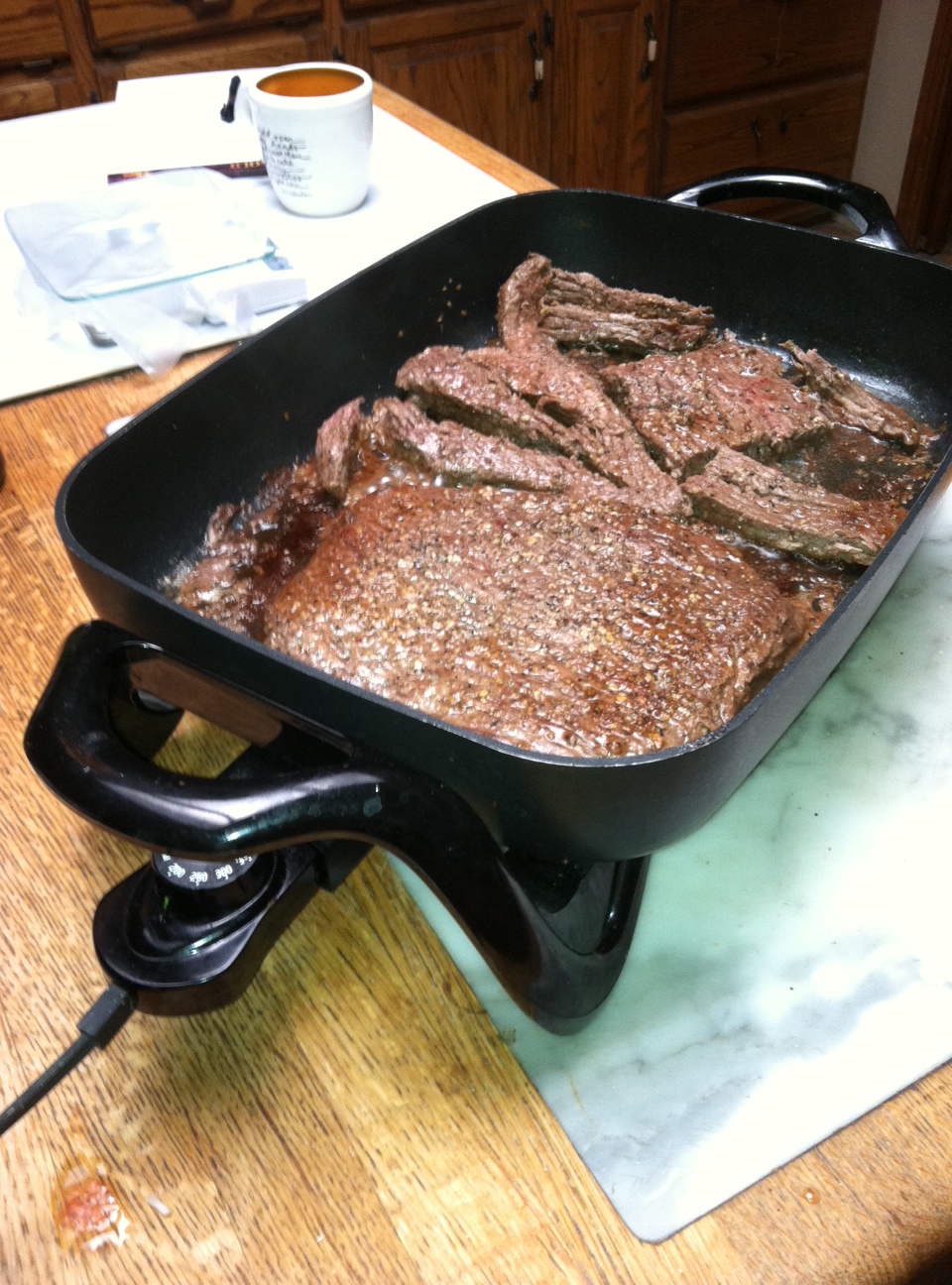
Flank steak cooking in what I’d call an electric frying pan

First, start the steak frying in a pan over medium heat. Sprinkle with steak seasoning or salt and pepper. Cook until done to your liking.

While the steak’s cooking, make your guacamole. Slice the avocados in half and remove the seeds, then scoop out the flesh into a bowl and mash it with a fork until pasty yet still a little chunky. Blend in the tomato, onion, and a pinch of salt. It’s done.

Enjoy the cucumber as a side dish and the orange for desert.

Servings: 2 servings of 7-oz steak (200 g), 8 tbsp (120 ml) quacamole, half a cucumber, and an orange

Nutritional Analysis Per Serving:

  • 46% fat
  • 16% carbohydrate
  • 38% protein
  • 730 calories
  • 31.5 g carbohydrate
  • 13.7 g fiber
  • 18 g digestible carbohydrate
  • 968 mg sodium
  • 2,065 mg potassium
  • Prominent features: rich in fiber, protein, B6, B12, C, copper, iron, niacin, pantothenic acid, phosphorus, riboflavin, selenium, thiamine, and zinc 

What’s For Dinner? Baked Trout, Vegetable Medley, and an Apple

Trout are one of the cold-water fatty fishes loaded with the omega-3 fatty acids that are so good for our hearts and brains. Paleolithic man ate much more omega-3 and much less omega-6 fatty acids than modern man. Eating cold-water fatty fish is a great way to get back to that ancestral balance. This recipe serves two.

paleo diet, low-carb, Steve Parker MD

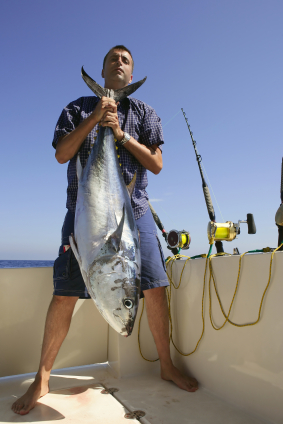
This hunter-gatherer snagged himself a brown trout

Ingredients:

  • trout, fresh filets, 16 oz (450 g)
  • broccoli, raw, fresh, 4.5 oz (130 g), bite-size chunks
  • cauliflower, raw, fresh 4.5 oz (130 g), bite-size chunks
  • carrots, raw, fresh, 4.5 0z (130 g), bite-size chunks
  • olive oil, extra virgin, 7 tbsp (100 ml)
  • garlic, raw, 4 cloves (12 g), thinly sliced or finely diced
  • parsley, raw, 1.5 tbsp (6 g), chopped
  • basil, fresh, 4 leaves (1.5 g), chopped
  • lemon juice, 3/4 fl oz (22 ml)
  • salt, 1/2 tsp (2.5 ml)
  • black pepper, 1 tsp (5 ml)
  • commercial low-sodium vegetable seasoning of your choice
  • apples (2), fresh, medium size, (2.75-inch or 7-cm diameter)

Instructions:

First, make a marinade. In a glass or plastic bowl, mix 5 tbsp (75 ml) of the olive oil, 3 of the diced garlic cloves (9 g), parsley, salt, pepper, lemon juice, and basil.

Place the trout in a medium sized (8 or 9-inch or 20–23 cm diameter) glass baking dish, then cover with the marinade. Let sit in the refrigerator for 1–2 hours, turning occasionally. Preheat oven to 375°F (190°C). Pull the fish dish out of the refrigerator once you start the preheat process. Cover the glass dish with aluminum foil, then bake in oven for 20–40 minutes. This is a judgment all. When done, it should flake apart readily with a fork. This cooking method works well for trout salmon, cod, tilapia, and perhaps others. Consider squeezing fresh lemon juice on the cooked fish for extra zing.

paleo diet, Steve Parker MD, low-carb, vegetables

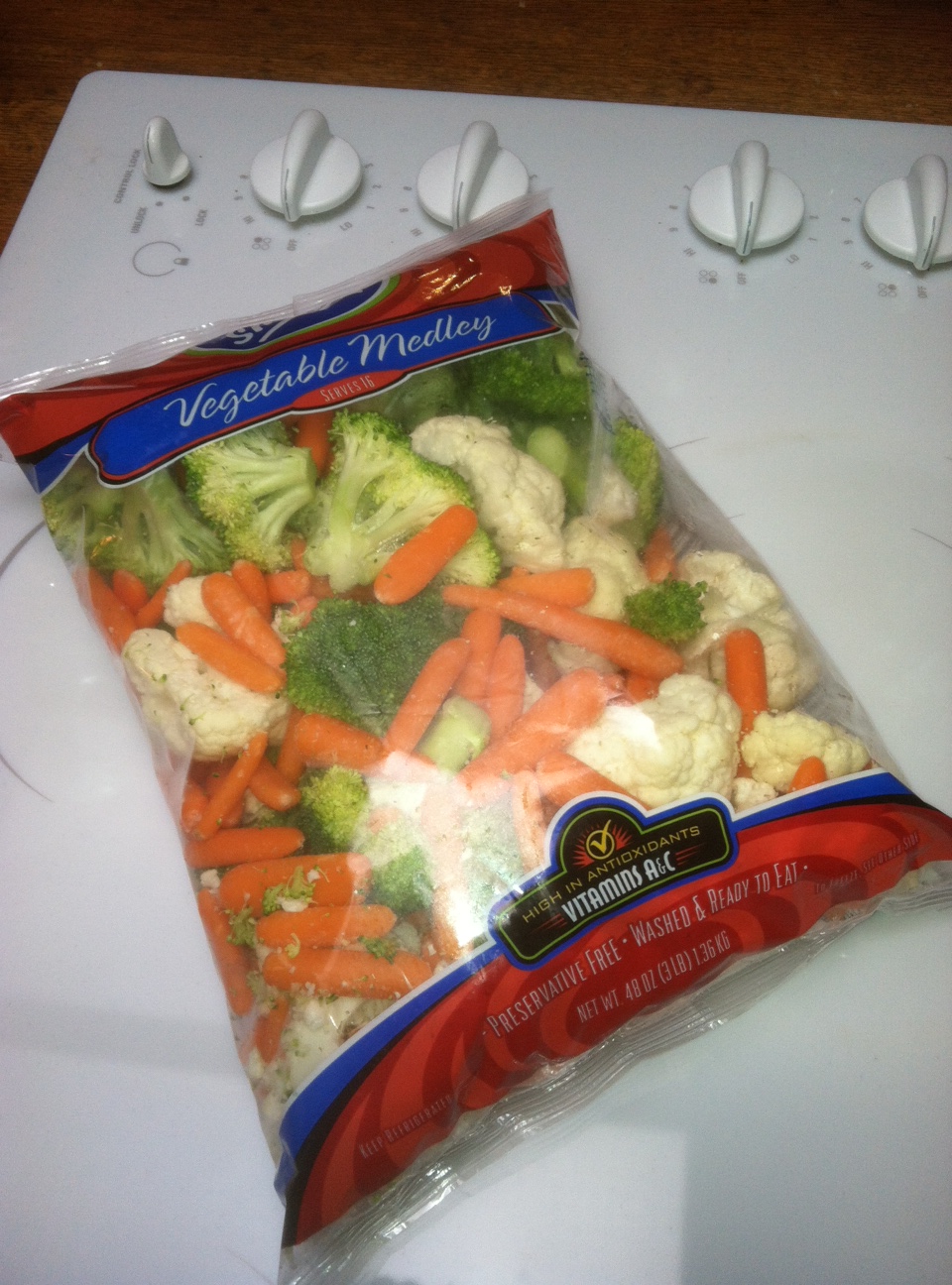
We buy this vegetable medley by the bag at Sam’s Club

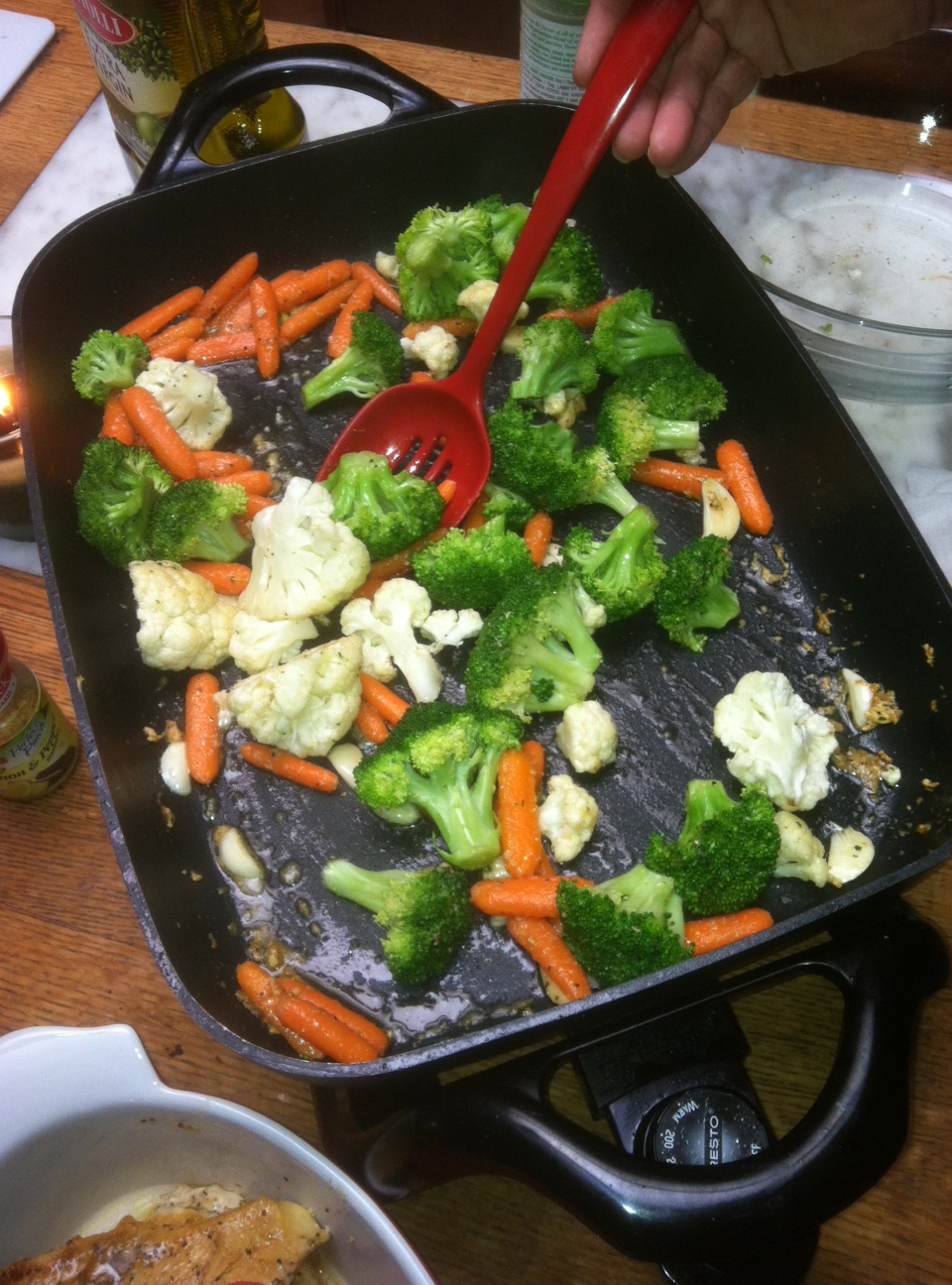
Start on the vegetables about ten minutes after the fish go in the oven. Put the broccoli, cauliflower, and carrots in a microwave-safe dish, add about four fl oz (120 ml) of water, and microwave (covered) on high for four minutes. If you don’t have a cover, just use a water-moistened paper towel. While they cook, heat 2 tbsp (30 ml) of the olive oil in a medium-sized pan over medium heat (with one clove of diced garlic) for a couple minutes to release the garlic flavor. Drain the water off the microwaved vegetables, then sauté them in the olive oil pan for a couple minutes, stirring frequently. Add your commercial vegetable seasoning when you start sautéing or at any point thereafter, even at the table.

Enjoy the apple for desert.

Servings: 2

Nutritional Analysis Per Serving:

  • 59% fat
  • 16% carbohydrate
  • 25% protein
  • 840 calories
  • 36 g carbohydrate
  • 9 g fiber
  • 27 g digestible carbohydrate
  • 790 mg sodium (plus your vegetable seasoning amount)
  • 1,620 mg potassium
  • Prominent features: rich in protein, A, B6, B12, C, E, iron, manganese, niacin, pantothenic acid, phosphorus, riboflavin, selenium, thiamine, and zinc 

Recipe: Chili

If you’re making chili, you might as well make a batch you can dip into over several days. It only gets better with time (up to a point!).

Ingredients:

  • ground beef (80% lean, 20% fat), raw, 20 oz (570 g)
  • pork Italian sausage, raw, 20 oz (570 g)
  • onion, 1 large, diced
  • tomatoes, diced, canned, 14.5 oz (410 g)
  • tomato paste, 4 oz (115 g)
  • garlic, 5 cloves, peeled and thinly sliced
  • salt, 1/2 tsp (2.5 ml)
  • allspice, ground, 1/4 tsp (1.2 ml)
  • chili powder, 2 tbsp (30 ml)
  • cinnamon, ground, 1/2 tbsp (7.5 ml)
  • cayenne pepper, ground, 1/4 tsp (1.2 ml)
  • water, 1 cup (240 ml)

Instructions:

Cut the Italian sausage into small pieces. Sauté the sausage, ground beef, onion, and garlic in a large pot. Don’t just brown the meat; cook it thoroughly. When done, drain off the fat if desired (but why waste those good calories?). Add the remainder of ingredients, bring to a boil, then simmer for about an hour. Add additional water if the chili looks too thick.

Servings: 8 servings of 1-cup (240 ml) each

Nutritional Analysis Per Serving:

  • 70% fat (if not drained off after cooking)
  • 9% carbohydrate
  • 21% protein
  • 475 calories
  • 11.4 g carbohydrate
  • 2.3 g fiber
  • 9.1 g digestible carbohydrate
  • 860 mg sodium
  • 722 mg potassium
  • Prominent features: goodly amounts of protein, B12, iron, niacin, selenium, thiamine, and zinc

A Final Note:

You can make a simple meal out of this by increasing the serving size to one-and-a-half cups (360 ml) and adding a side order of peeled and sliced 7-inch (18 cm or 200 g) cucumber. The new nutritional analysis would be:

  • 68% fat
  • 10% carbohydrate
  • 21% protein
  • 780 calories
  • 23 g carbohydrate
  • 5 g fiber
  • 18 g digestible carbohydrate
  • 1,384 mg sodium
  • 1,429 mg potassium

Recipe: Lemon-Pepper Chicken, Vegetable Medley, and Salad

paleo diet, Steve Parker MD, low-carb meal

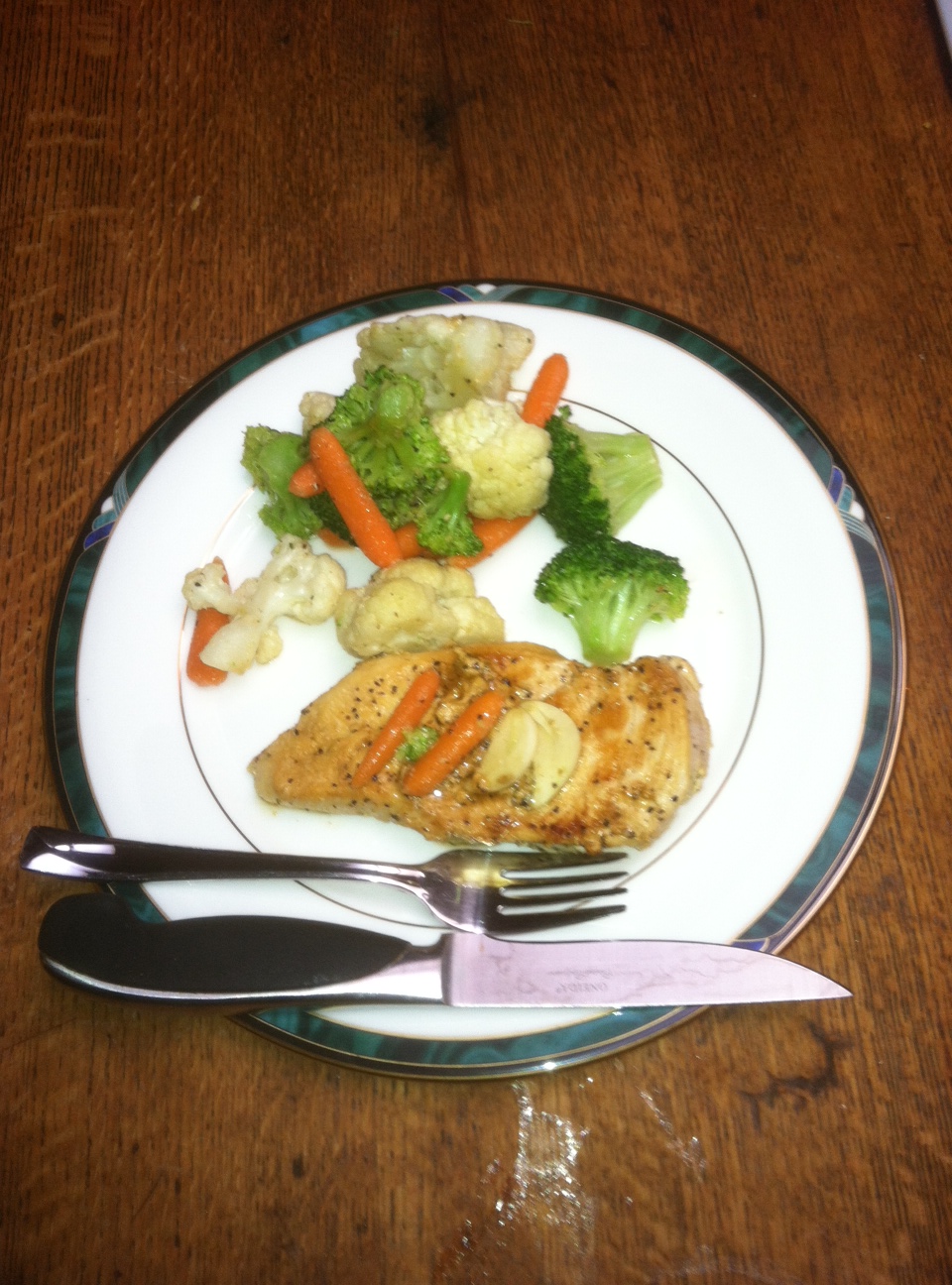
Sauteed chicken and vegetables

This meal is a staple at our house. The chicken we use is frozen breast because it’s less expensive but tastes just as good as fresh. Use never-frozen chicken or another part of the chicken if you prefer. Remember the sitcom “Everybody Loves Raymond”?  Lemon chicken was Debra’s signature meal. Now you can make it!

The ingredients here are for two servings. We buy a large bag of vegetables called “vegetable medley” that has equal parts broccoli, cauliflower, and carrots.

Ingredients:

  • chicken breasts, boneless, skinless, frozen, 16 oz (450 g)
  • commercial lemon pepper seasoning (choose one with low sodium and the fewest non-paleo ingredients like sugar)
  • broccoli, fresh, raw, 4.5 oz (130 g)
  • cauliflower, fresh, raw, 4.5 oz (130 g)
  • carrots, fresh, raw, 4.5 oz (130 g), peeled and sliced
  • commercial low-sodium vegetable seasoning (e.g., Weber Roasted Garlic and Herb. We tried Mrs. Dash Seasoning Blend Garlic and Herb—didn’t work well with this)
  • lettuce, Romaine, 6 oz (170 g), bite-size chunks
  • tomatoes, raw, 6 oz (170 g), bite-size chunks
  • cucumber, raw, 4 oz (115 g), peeled and sliced
  • celery, raw, 4 oz (115 g), sliced
  • sunflower seeds kernels, dry roasted, w/o salt, 1 oz (30 g)
  • bacon bits (aka crumbled bacon), 2 tbsp (15 g)
  • olive oil, extra virgin, 5 tbsp (75 ml)
  • vinegar, 1 tbsp (15 ml) (your choice of red wine, white wine, balsamic, or apple cider vinegar)
  • garlic, raw, 1 clove, sliced very thinly
  • salt and pepper to taste (not counted in the nutritional analysis below)
  • lemon, fresh (optional)

Instructions:

paleo diet, Steve Parker MD, sauteing chicken, cooking chicken

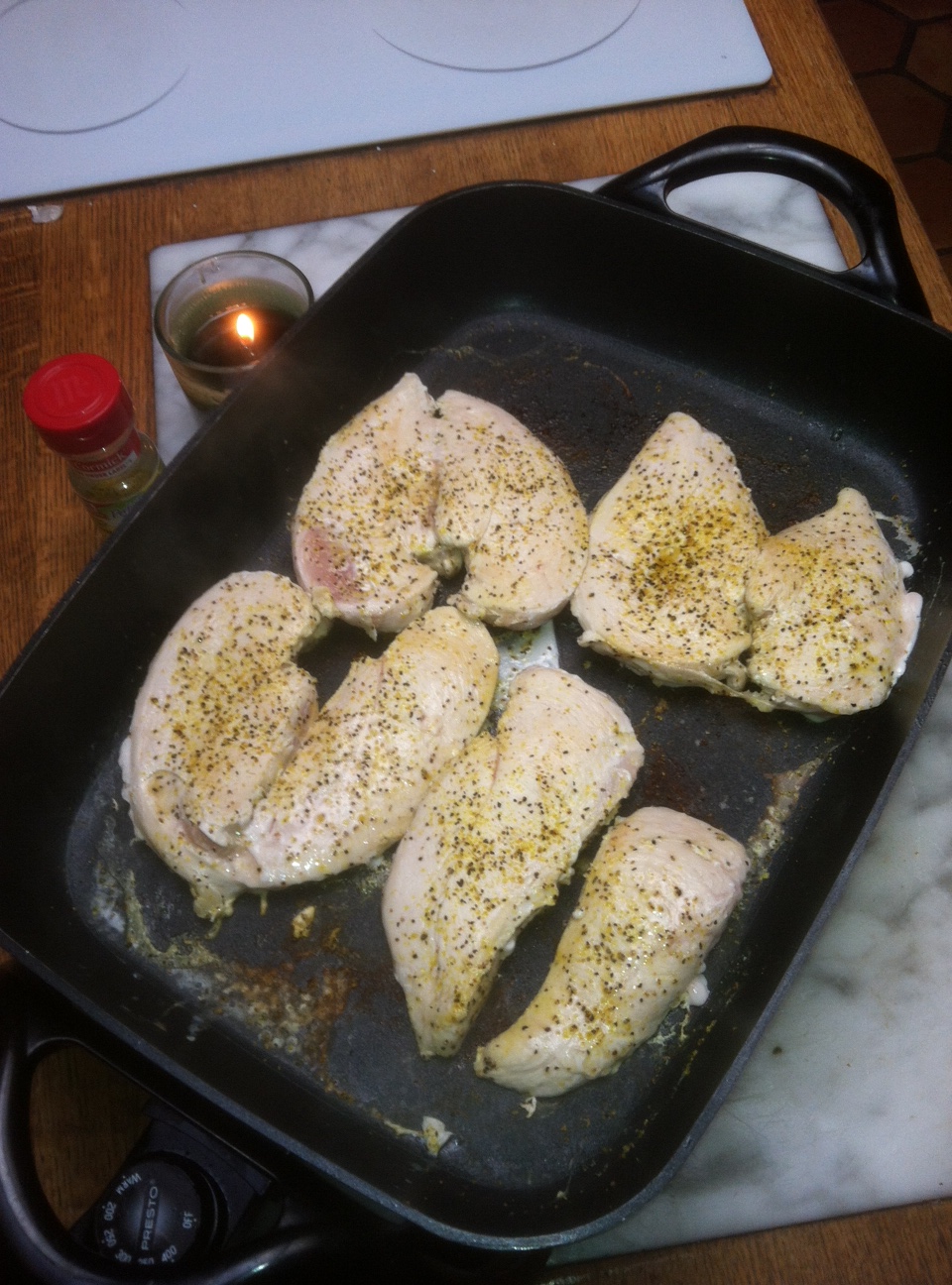
Thick chicken breasts sliced down the middle and opened up like a clam (or butterfly) to reduce cooking time

Start on the chicken first. Sauté the breasts in a pan over medium heat. You don’t need to thaw it beforehand. While cooking, sprinkle with the lemon pepper seasoning. If the breasts are thick, you may want to “butterfly” them with a knife when half done, to speed up the cooking process. If you over-cook, the meat will be tougher. It should be done in roughly 10–15 minutes. While the chicken is cooking, get to work on your other items.

Cook the vegetables thusly. Put the broccoli, cauliflower, and carrots in a microwave-safe dish, add about four fl oz (120 ml) of water, and microwave (covered) on high for four minutes. If you don’t have a cover, just use a water-soaked paper towel. While they cook, heat 2 tbsp (30 ml) of the olive oil in a medium-sized pan over medium heat, with the garlic, for a couple minutes to release the garlic flavor. Drain the water off the microwaved vegetables, then sauté them in the olive oil pan for a couple minutes, stirring frequently. Add your commercial vegetable seasoning when you start sautéing or at any point thereafter, even at the table.

Steve Parker MD, paleo diet, vegetables, vegetable medley

Only $3.50 (USD) for this whole bag of Vegetable Medley at Sam’s Club

Finally the salad. In a large bowl, place the lettuce, tomatoes, sunflower seeds, cucumber, celery, bacon bits, 3 tbsp (45 ml) olive oil, and vinegar. Mix thoroughly.

For a bit of zing, you might enjoy a few squirts of fresh lemon juice on the vegetables or salad just before eating.

Servings: 2

Nutritional Analysis Per Serving:

  • 55% fat
  • 12% carbohydrate
  • 32% protein
  • 800 calories
  • 27 g carbohydrate
  • 11 g fiber
  • 16 g digestible carb
  • 970 mg sodium (not counting any you add, such as in commercial seasonings)
  • 1830 mg potassium
  • Prominent features: rich in protein, A, B6, C, E, copper, iron, manganese, niacin, pantothenic acid, phosphorus, and selenium

What’s for Dinner? Cabbage Soup and Salad

paleo diet, Steve Parker MD, cabbage soup

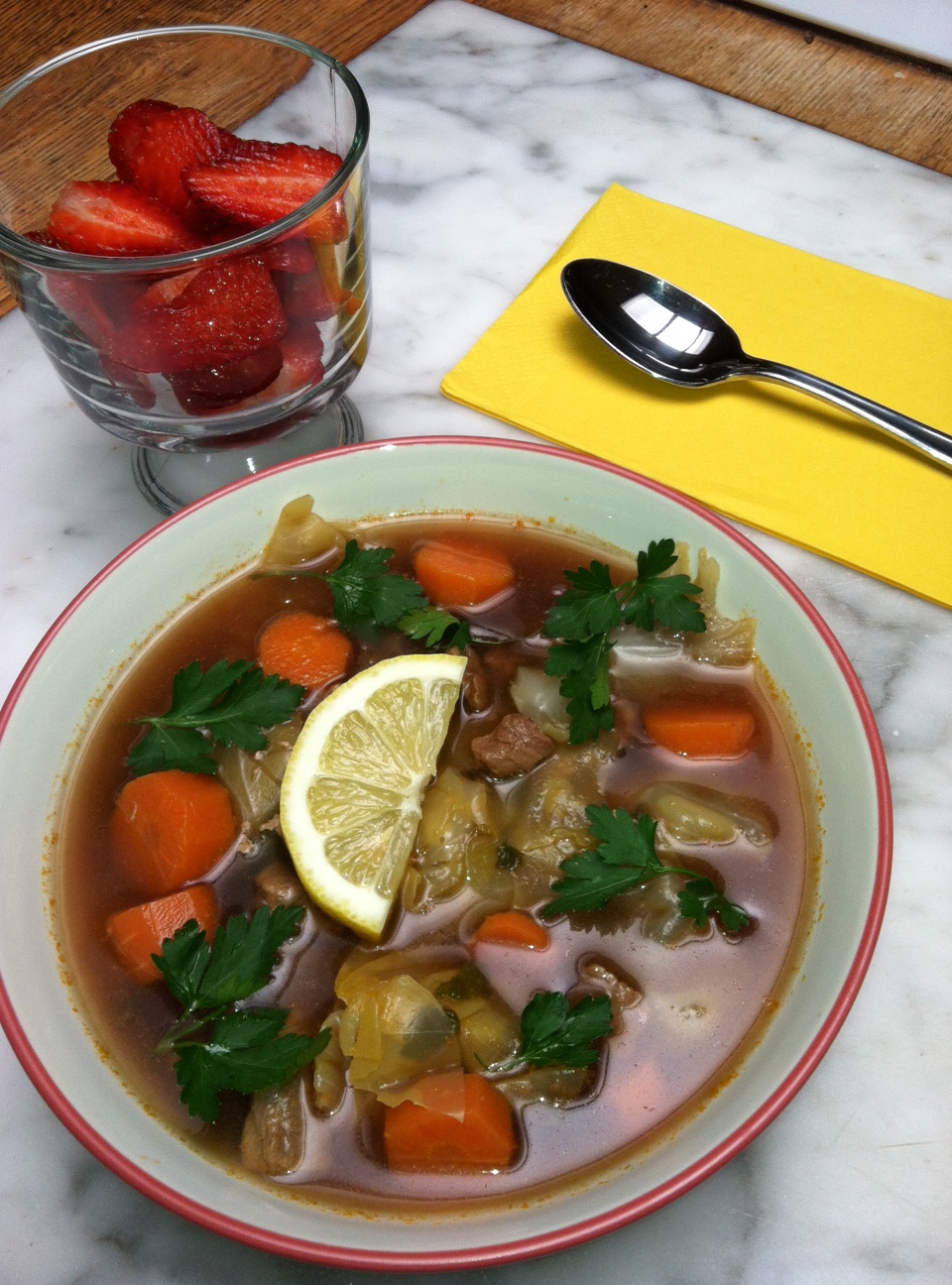
This cabbage soup only has 9 grams of digestible carbohydrate per 2-cup serving

I’m putting together some paleo diabetic meals for you. Today’s offering works for lunch or dinner (where I come from, dinner is the evening meal).

Ingredients:

  • Hearty Cabbage Soup, 2 cups
  • baby spinach, 2 oz (60 g)
  • lettuce, romaine, 2 oz (60 g)
  • tomatoes, chunked, 3 oz (85 g)
  • cucumbers, peeled and sliced, 2 oz (60 g)
  • olive oil, extra virgin,  2 tbsp (30 ml)
  • vinegar, 2 tsp (10 ml)
  • salt and pepper to taste (not counted in nutritional analysis below)
  • apple, medium (2.75-inch or 7-cm diameter)

Instructions:

See my recipe for Hearty Cabbage Soup.

Salad: In a bowl, place the lettuce, spinach, tomato chunks, sliced cucumber, adn finally, the olive oil and vinegar. Mix thoroughly. Salt and pepper to taste. If you’re avoiding salt, consider substituting a few squirts of fresh lemon juice.

Enjoy the apple for desert.

Servings: 1

Nutritional Analysis:

  • 61% fat
  • 26% carbohydrate
  • 13% protein
  • 550 calories
  • 38.7 g carb
  • 10.3 g fiber
  • 28.4 g digestible carb
  • 1,252 mg sodium (plus any you add)
  • 1,328 mg potassium
  • Prominent features: rich in sodium (not good?), A, B12, C, E, copper, iron, manganese, and zinc

Recipe: Tossed Tuna Salad and Almonds

tuna, fishing, Steve Parker MD, paleo diet, tuna salad

Has anyone even bothered to ask why the tuna are eating mercury? —Jim Gaffigan

This is an easy lunch or dinner. For a different flavor and twice the calcium, you could substitute canned sardines for the tuna, but I’ve never tried it.

Ingredients:

  • lettuce, romaine, 3.5 oz (100 g)
  • onion, chopped, 1.5 oz (42 g)
  • tomatoes, chunked, 5.5 oz (150 g)
  • tuna, canned, albacore/white, packed in water (drain and discard the fluid), 5-oz can (140 g)
  • olive oil, extra virgin, 1.5 tbsp (22 ml)
  • vinegar, balsamic, 1/2 tbsp (7.5 ml)
  • salt and pepper to taste (not counted in nutritional analysis below)
  • almonds, 1.5 oz (45 g)

Instructions:

In a 3-quart (3 liter) bowl, put lettuce, onion, tomatoes, and tuna (3.25 oz or 90 g at this point). Add olive oil, balsamic vinegar, and salt and pepper to taste Mix well with a fork. Enjoy almonds separately, before, during, or after salad.

For extra zing, add a few squirts of fresh lemon juice. This is a neat trick if you’re trying to avoid salt.

Servings: 1

Nutritional Analysis:

  • 58% fat
  • 12% carbohydrate
  • 30% protein
  • 711 calories
  • 22.3 g carb
  • 9.4 g fiber
  • 12.9 digestible carb
  • 670 mg sodium
  • 1,392 mg potassium
  • Prominent features: rich in protein, B12, C, E, copper, iron, magnesium, manganese, niacin, phosphorus, and selenium

Recipe: Mexican Eggs and Avocado Slices

Steve Parker MD, paleo diet, low-carb dietMy family loves the pico de gallo over these fried eggs. If you don’t want to make a batch of the pico de gallo, substitute an amount of commercial picante sauce that provides no more than three grams of digestible carbohydrate. “Digestible carbohydrate” is the total carb grams of a serving, minus the fiber grams.

Ingredients:

  • eggs, three large
  • tomato, fresh, 2 oz (60 g)
  • onion, fresh 3/4 oz (20 g)
  • jalapeño pepper, fresh, 1/4 of a pepper
  • cilantro, fresh, 3–4 sprigs chopped finely to supply 1 tbsp (15 ml)
  • olive oil, 2 tsp (10 ml)
  • California avocado, 1 whole (these are the dark green or black avocados, usually 4 x 2.5 inches or 10 x 5 cm)
  • salt, to taste (1/4 tsp?)
  • black pepper to taste (1/4 tsp?)

Instructions:

Make the pico de gallo first. Finely chop and blend together the tomato, onion, jalapeño pepper, cilantro, some of the salt and pepper to taste.

paleo diet, Steve Parker MD, pico de gallo

We chop our pico de gallo more finely than this

Peel and slice the avocado. Salt and pepper to taste.

Fry the eggs in an olive oil-coated pan.  Salt and pepper to taste. When done, transfer to a plate and spoon the pico de gallo onto the eggs. Enjoy with avocado slices on the side.

At our house, we usually make enough pico for left-overs. It lasts a few days in the refrigerator.

Servings: 1

Nutritional Analysis:

  • 72% fat
  • 13% carbohydrate
  • 15% protein
  • 592 calories
  • 20.4 g carb
  • 12.8 g fiber
  • 7.6 g digestible carb
  • 810 mg sodium (if you use a total of 1/4 tsp)
  • 1,237 mg potassium
  • Prominent features: rich in B12, copper, iron, pantothenic acid, riboflavin, and selenium