Category Archives: Uncategorized

How Much Exercise Does It Take To Improve Insomnia?

Paleobetic diet

Better to exercise than take a sleeping pill

It doesn’t take much exercise: 30 minutes of aerobic exercise thrice weekly.

The Well blog at the New York Times has details. The study at hand involved only 11 women with insomnia, mostly in their 60s. A key take-away is that it took as long as four months for some  to see an improvement. So don’t get discouraged and stop exercising too soon.

Read the whole thing (it’s brief).

What’s On Your Bucket List?

Paleobetic diet

Should have plenty of time, but you never know…

A palliative care nurse queried terminal patients about what they would have done differently when they had the chance. Here are the top responses:

1. I wish I’d had the courage to live a life true to myself, not the life others expected of me.

2. I wish I hadn’t worked so hard.

3. I wish I’d had the courage to express my feelings.

4. I wish I had stayed in touch with my friends.

5. I wish that I had let myself be happier.

Read the rest. While you still have your health and time. The article is better than these bullet points.


Paleo Diet Might Kill You

…according to SiliconIndia News. How does it kill? Lack of carbs, apparently.

Of course this is utter nonsense.

The Alcorexia diet (#5 on list of diet killers) is more likely to be lethal. Alcorexia’s a new one for me.

Do Environmental Contaminants Cause Type 2 Diabetes or Obesity?

"Today we're going to learn about odds ratios and relative risk."

“Today we’re going to learn about odds ratios and relative risk.”

A month ago I watched part of a documentary called “Plastic Planet” on Current TV (Now Al Jazeera TV). It was alarming. Apparently chemicals are leaking out of plastics into the environment (or into foods contained by plastic), making us diabetic, fat, impairing our fertility, and God knows what else. The narrator talked like it was a sure thing. I had to go to work before it was over. A couple chemicals I remember being mentioned are bisphenol A (BPA) and phthalates. I sorta freaked my wife out when I mentioned it to her. I always take my lunch to work in plastic containers and often cover microwaved food with Glad Press’n Seal plastic wrap.

A few days later I saw a report of sperm counts being half of what they were just half a century ago. (It’s debatable.) Environmental contaminants were mentioned as a potential cause.

So I spent a couple hours trying to figure out if chemical contamination really is causing obesity and type 2 diabetes. In the U.S., childhood obesity has tripled since 1980, to a current rate of 17%. Even preschool obesity (age 2-5) doubled from 5 to 10% over that span. In industrial societies, even our pets, lab animals (rodents and primates), and feral rats are getting fatter! The ongoing epidemics of obesity and type 2 diabetes, and our lack of progress in preventing and reversing them, testify that we may not have them figured out and should keep looking at root causes to see if we’re missing anything.

Straightaway, I’ll tell you it’s not easy looking into this issue. The experts are divided. The studies are often contradictory or inconsistent. One way to determine the cause of a condition or illness is to apply Bradford Hill criteria (see bottom of page for those). We could reach a conclusion faster if we did controlled exposure experiments on humans, but we don’t. We look at epidemiological studies and animal studies that don’t necessarily apply to humans.

Regarding type 1 diabetes and chemical contamination, we have very little data. I’ll not mention type 1 again.

What Does the Science Tell Us?

For this post I read a couple pertinent scientific reviews published in 2012, not restricting myself to plastics as a source of chemical contaminants.

The first was REVIEW OF THE SCIENCE LINKING CHEMICAL EXPOSURES TO THE HUMAN RISK OF OBESITY AND DIABETES from non-profit CHEM Trust, written by a couple M.D., Ph.D.s. I’ll share some quotes and my comments. My clarifying comments within a quote are in [brackets].

“It should be noted that diabetes itself has not been caused in animals exposed to these chemicals [a long list] in laboratory studies, but metabolic disruption closely related to the pathogenesis of Type 2 diabetes has been reported for many chemicals.”

“In 2002, Paula Baillie-Hamilton proposed a hypothesis linking exposure to chemicals with obesity, and this is now gaining credence. Exposure to low concentrations of some chemicals leads to weight gain in adult animals, while exposure to high concentrations causes weight loss.”

“The obesogen hypothesis essentially proposes that exposure to chemicals foreign to the body disrupts adipogenesis [fat tissue growth] and the homeostasis and metabolism of lipids (i.e., their normal regulation), ultimately resulting in obesity. Obesogens can be functionally defined as chemicals that alter homeostatic metabolic set-points, disrupt appetite controls, perturb lipid homeostasis to promote adipocyte hypertrophy [fat cells swelling with fat], stimulate adipogenic pathways that enhance adipocyte hyperplasia [increased numbers of fat cells] or otherwise alter adipocyte differentiation during development. These proposed pathways include inappropriate modulation of nuclear receptor function; therefore, the chemicals can be termed EDCs [endocrine disrupting chemicals].”

Don't assume mouse physiology is the same as human's

Don’t assume mouse physiology is the same as human’s

Literature like this talks about POPs: persistent organic pollutants, sometimes called organohalides. The POPs and other chemical contaminants that are currently suspicious for causing obesity and type 2 diabetes include arsenic, pesticides, phthalates, metals (e.g., cadmium, mercury, organotins), brominated flame retardants, DDE (dichloro-diphenyldichloroethylene), PCBs (polychlorinated biphenyls), trans-nonachlor, dioxins.

Another term you’ll see in this literature is EDCs: endocrine disrupting chemicals. These chemicals mess with hormonal pathways. EDCs that mimic estrogen are linked to obesity and related metabolic dysfunction. Some of the chemicals in the list above are EDCs.

The fear—and some evidence—is that contaminants, whether or not EDCs, are particularly harmful to embryos, fetuses, and infants. For instance, it’s pretty well established that mothers who smoked while pregnant predispose their offspring to obesity in adulthood. (Epigenetics, anyone?) Furthermore, at the right time in the life cycle, it may only take small amounts of contaminants to alter gene expression for the remainder of life. For instance, the number of fat cells we have is mostly determined some time in childhood (or earlier?). As we get fat, those cells simply swell with fat. When we lose weight, those cells shrink, but the total cell number is unchanged. What if contaminant exposure in childhood increases fat cell number irrevocably? Does that predispose to obesity later in life?

The authors note that chemical contaminants are more strongly linked to diabetes than obesity. They do a lot of hemming and hawing, using “maybe,” “might,” “could,” etc. They don’t have a lot of firm conclusions other than “Hey, people, we better wake up and look into this further, and based on the precautionary principle, we better cut back on environmental chemical contamination stat!” [Not a direct quote.] It’s clear they are very concerned about chemical contaminants as a public health issue.

Here’s the second article I read: Role of Environmental Chemicals in Diabetes and Obesity: A National Toxicology Program Workshop Review. About 50 experts were empaneled. Some quotes and my comments:

“Overall, the review of the existing literature identified linkages between several of the environmental exposures and type 2 diabetes. There was also support for the “developmental obesogen” hypothesis, which suggests that chemical exposures may increase the risk of obesity by altering the differentiation of adipocytes [maturation and development of fat cells] or the development of neural circuits that regulate feeding behavior. The effects may be most apparent when the developmental [early life] exposure is combined with consumption of a high-calorie, high-carbohydrate, or high-fat diet later in life.”

“The strongest conclusion from the workshop was that nicotine likely acts as a developmental obesogen in humans. This conclusion was based on the very consistent pattern of overweight/obesity observed in epidemiology studies of children of mothers who smoked during pregnancy (Figure 1) and was supported by findings from laboratory animals exposed to nicotine during prenatal [before birth] development.”

I found some data that don’t support that conclusion, however. Here’s a graph of U.S. smoking rates over the years since 1944. Note that the smoking rate has fallen by almost half since 1983, while obesity rates, including those of children, are going the opposite direction. If in utero cigarette smoke exposure were a major cause of U.S. childhood obesity, we’d be seeing less, not more, childhood obesity. I suppose we could still see a fall-off in adult obesity rates over the next 20 years, reflecting lower smoking rates.  But I doubt that will happen.

The CDC suggests a slight drop in childhood obesity in recent years (2010 data).

“The group concluded that there is evidence for a positive association of diabetes with certain organochlorine POPs [persistent organic pollutants]. Initial data mining indicated the strongest associations of diabetes with trans-nonachlor, DDT (dichloro-diphenyltrichloroethane)/DDE (dichloro-diphenyldichloroethylene)/DDD (dichloro-chlorophenylethane), and dioxins/dioxin-like chemicals, including polychlorinated biphenyl (PCBs). In no case was the body of data considered sufficient to establish causality [emphasis added].”

“Overall, this breakout group concluded that the existing data, primarily based on animal and in vitro studies [no live animals involved], are suggestive of an effect of BPA on glucose homeostasis, insulin release, cellular signaling in pancreatic β cells, and adipogenesis. The existing human data on BPA and diabetes (Lang et al. 2008Melzer et al. 2010) available at the time of the workshop were considered too limited to draw meaningful conclusions. Similarly, data were insufficient to evaluate BPA as a potential risk factor for childhood obesity.”

“It was not possible to reach clear conclusions about BPA and obesity from the existing animal data. Although several studies report body weight gain after developmental exposure, the overall pattern across studies is inconsistent.”

“The pesticide breakout group concluded the epidemiological, animal, and mechanistic data support the biological plausibility that exposure to multiple classes of pesticides may affect risk factors for diabetes and obesity, although many significant data gaps remain.”

“Recently, the focus of investigations has shifted toward studies designed to understand the consequences of developmental exposure to lower doses of organophosphates [insecticides], and the long-term effects of these exposures on metabolic dysfunction, diabetes, and obesity later in life. [All or nearly all the studies cited here were rodent studies, not human.] The general findings are that early-life exposure to otherwise subtoxic levels of organophosphates results in pre-diabetes, abnormalities of lipid metabolism, and promotion of obesity in response to increased dietary fat.”

In case it’s not obvious, remember that “association is not the same as causation.” For example, in the Northern hemisphere, higher swimsuit purchases are associated with summer. Swimsuit sales and summer are linked (associated), but one doesn’t cause the other. Swimsuit purchases are caused by the desire to go swimming, and that’s linked to warm weather.

In at least one of these two review articles, I looked carefully at the odds ratios of various chemicals linked to adverse outcomes. One way this is done is too measure the blood or tissue levels of a contaminant in a population, then compare the adverse outcome rates in animals with the highest and lowest levels of contamination. For instance, if those with the highest contamination have twice the incidence of diabetes as the least contaminated, the odds ratio is 2. You could also call it the relative risk. Many of the potentially harmful chemicals we’re considering have a relative risk ratio of 1.5 to 3. Contrast those numbers with the relative risk of death from lung cancer in smokers versus nonsmokers: the relative risk is 10. Smokers are 10 times more likely to die of lung cancer. That’s a much stronger association and a main reason we decided smoking causes lung cancer. Odds ratios under two are not very strong evidence when considering causality; we’d like to have more pieces of the puzzle.

These guys flat-out said arsenic is not a cause of diabetes in the U.S.

Overall, the authors of the second article I read were clearly less alarmed than those of the first. Could the less-alarmed panelists have been paid off by the chemical industry to produce a less scary report, so as not to jeopardize their profits? I don’t have the resources to investigate that possibility. The workshop was organized (and paid for, I assume) by the U.S. government, but that’s no guarantee of pure motivation by any means.

You need a break. Enjoy.

You need a break. Enjoy.

My Conclusions

For sure, if I were a momma rat contemplating pregnancy, I’d avoid all those chemicals like the plague!

It’s premature to say that these chemical contaminants are significant causes of obesity and type 2 diabetes in humans. That’s certainly possible, however. We’ll have to depend on unbiased scientists to do more definitive research for answers, which certainly seems a worthwhile endeavor. Something tells me the chemical producers won’t be paying for it. Universities or governments will have to do it.

You should keep your eyes and ears open for new evidence.

There’s more evidence for chemical contaminants as a potential cause of type 2 diabetes than for obesity. Fetal and childhood exposure may be more harmful than later in life.

If I were 89-years-old, I wouldn’t worry about these chemicals causing obesity or diabetes. For those quite a bit younger, taking action to avoid these environmental contaminants is optional. As for me, I’m drinking less water out of plastic bottles and more tap water out of glass or metal containers. Yet I’m not sure which water has fewer contaminants.

Humans, particularly those anticipating pregnancy and child-rearing, might be well advised to minimize exposure to the aforementioned chemicals. For now, I’ll leave you to your own devices to figure out how to do that. Good luck.

Why not read the two review articles I did and form your own opinion?

Unless the chemical industry is involved in fraud, bribery, obfuscation, or other malfeasance, the Plastic Planet documentary gets ahead of the science. I’m less afraid of my plastic containers now.

Steve Parker, M.D.

Additional Resources:

Sarah Howard at Diabetes and the Environment (focus on type 1 but much on type 2 also).

Jenny Ruhl, who thinks chemical contaminants are a significant cause of type 2 diabetes (search her site).

From Wikipedia:

The Bradford Hill criteria, otherwise known as Hill’s criteria for causation, are a group of minimal conditions necessary to provide adequate evidence of a causal relationship between an incidence and a consequence, established by the English epidemiologist Sir Austin Bradford Hill (1897–1991) in 1965.

The list of the criteria is as follows:

  1. Strength: A small association does not mean that there is not a causal effect, though the larger the association, the more likely that it is causal.
  2. Consistency: Consistent findings observed by different persons in different places with different samples strengthens the likelihood of an effect.
  3. Specificity: Causation is likely if a very specific population at a specific site and disease with no other likely explanation. The more specific an association between a factor and an effect is, the bigger the probability of a causal relationship.
  4. Temporality: The effect has to occur after the cause (and if there is an expected delay between the cause and expected effect, then the effect must occur after that delay).
  5. Biological gradient: Greater exposure should generally lead to greater incidence of the effect. However, in some cases, the mere presence of the factor can trigger the effect. In other cases, an inverse proportion is observed: greater exposure leads to lower incidence.
  6. Plausibility: A plausible mechanism between cause and effect is helpful (but Hill noted that knowledge of the mechanism is limited by current knowledge).
  7. Coherence: Coherence between epidemiological and laboratory findings increases the likelihood of an effect. However, Hill noted that “… lack of such [laboratory] evidence cannot nullify the epidemiological effect on associations”.
  8. Experiment: “Occasionally it is possible to appeal to experimental evidence”.
  9. Analogy: The effect of similar factors may be considered.

Science-Based Medicine blog has more on Hill’s criteria.

Gastric Bypass Cures Half of Type 2 Diabetes Cases

…according to Seattle researchers.

Steve Parker MD, bariatric surgery, gastric bypass

Band Gastric Bypass Surgery

Investigators looked at over 4,000 diabetics who had gastric bypass surgery for weight loss, following their cases over many subsequent years. Almost seven in 10 had a “complete diabetes remission” within five years of surgery. Remission was defined as non-diabetic lab values on blood tests and absence of diabetic drug use. Of those going into remission, 35% redeveloped diabetes within five years of surgery. Those with the more severe or longstanding cases of diabetes before surgery were  more likely to have a recurrence of diabetes.

So it looks to me like, on average, gastric bypass surgery “cures” half of the cases of type 2 diabetes, as measured five years after surgery. As the years pass, even more failures are likely to arise. Nevertheless, that’s an impressive improvement. In view of the potential complications of bypass surgery, I’d try a very-low-carb diet before going under the knife. Surgery is a last resort primarily because the odds of death are 1 in 200.

Steve Parker, M.D.

PS: Cure or remission of type 2 diabetes could be defined in other ways. For instance, a more reliable definition of cure might include return of normal pancreas/insulin function as judged by insulin levels and insulin sensitivity. If you have normal blood sugar levels and hemoglobin A1c, yet have ongoing insulin resistance, you’re more likely to develop overt diabetes going forward.

I Just Paid $30 To Keep Ads Off This Site

You’re welcome.

Nor do I ask for donations to defray the costs of the site.

I hope you enjoy the blog and derive some health benefit from it.

—Steve

I also pay licensing fees to Istockphoto.com for pictures, typically no more than $2-5 (USD) per photo

I also pay licensing fees to Istockphoto.com for pictures, typically no more than $2-5 (USD) per photo

More Time Outdoors Could Prevent Childhood Nearsightedness

Steve Parker MD, paleobetic diet,

Should have spent more time outdoors

I suspect that myopia (nearsightedness) is a modern phenomenon. If you don’t see well, you’re more likely to get bitten by a poisonous snake or overcome by a predator that you should have seen coming. Or you simply trip and fall over obstacles, incurring cuts or fractures. In prehistoric times, these circumstances would lessen your chances of passing your genes on to the next generation. In other words, there was strong selection pressure in favor of good vision.

(For now, I’ll ignore the possibility that poor vision may have beneficial aspects. “Parker, you don’t see good. Stay here with the women while we chase down that ibex.”)

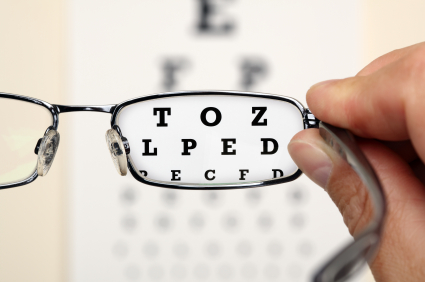
Steve Parker MD, eye chart, eye exam

My eyes are this bad

I’ve worn glasses since the 3rd grade and I’ve never been happy about it. OK…. worse things can happen!

According to an article at PopSci, I may have avoided myopia by spending more time outside when I was a youngster:

A team of Australian researchers recently reviewed major studies since 1993 of kids, myopia and time spent outdoors. They found more than a dozen studies, examining more than 16,000 school-age kids in total, that found children were more likely to be nearsighted or to develop nearsightedness if they spent less time outdoors. A few of the later studies also found that being outdoors protected even those kids who did a lot of near work or had myopic parents. The studies included kids living in Europe, the U.S., Asia, the Middle East and Australia.

Read the rest.

Steve Parker MD, paleo diet, paleobetic

Nubian ibex in Israel

So get your kids outside. They may even benefit just from the sunshine.

And for my fellow myopics out there, note that your risk of a retinal detachment is higher than average. By the time that usually happens, our children are already grown, so there’s little or no selection pressure against it.

Steve Parker, M.D.

Recommended Periodic Evaluations and Treatment Goals for Diabetics

If you don't like your physician, find a new one

If you don’t like your physician, find a new one

So, you’ve got diabetes. I’m sorry. You’ve got a heck of a lot of medical information to master.

Unless you have a good diabetes specialist physician on your team, you may not be getting optimal care. Below are some guidelines you may find helpful. The goal is to prevent diabetes complications. Many primary care physicians will not be up-to-date on the guidelines. Don’t hesitate to discuss them with your doctor. Nobody, not even your doctor, cares as much about your health as you do.

Annual Tests

The American Diabetes Association (ADA) recommends the following items be done yearly (except as noted) in non-pregnant adults with diabetes. (Incidentally, I don’t necessarily agree with all ADA guidelines.) The complete ADA guidelines are available on the Internet.

  • Lipid profile (every two years if results are fine and stable)
  • Comprehensive foot exam
  • Screening test for distal symmetric polyneuropathy: pinprick, vibration, monofilament pressure sense
  • Serum creatinine and estimate of glomerular filtration rate (MDRD equation)
  • Test for albumin in the urine, such as measurement of albumin-to-creatinine ratio in a random spot urine specimen
  • Comprehensive eye exam by an ophthalmologist or optometrist (if exam is normal, every two or three years is acceptable)
  • Hemoglobin A1c at least twice a year, but every three months if therapy has changed or glucose control is not at goal
  • Flu shots

Other Vaccinations, Weight Loss, Diabetic Diet, Prediabetes, Alcohol, Exercise, Etc.

Additionally, the 2013 ADA guidelines recommend:

  • Pneumococcal vaccination. “A one time re-vaccination is recommended for individuals >64 years of age previously immunized when they were <65 years of age if the vaccine was administered >5 years ago.” Also repeat the vaccination after five years for patients with nephrotic syndrome, chronic kidney disease, other immunocompromised states (poor ability to fight infection), or transplantation.
  • Hepatitis B vaccination to unvaccinated adults who are 19 through 59 years of age.
  • Weight loss for all overweight diabetics. “For weight loss, either low-carbohydrate, low-fat calorie-restricted, or Mediterranean diets may be effective in the short-term (up to two years).” For those on low-carb diets, monitor lipids, kidney function, and protein consumption, and adjust diabetic drugs as needed. The optimal macronutrient composition of weight loss diets has not been established. (Macronutrients are carbohydrates, proteins, and fats.)
  • “The mix of carbohydrate, protein, and fat may be adjusted to meet the metabolic goals and individual preferences of the person with diabetes.” “It must be clearly recognized that regardless of the macronutrient mix, total caloric intake must be appropriate to weight management goal.”
  • “A variety of dietary meal patterns are likely effective in managing diabetes including Mediterranean-style, plant-based (vegan or vegetarian), low-fat and lower-carbohydrate eating patterns.”
  • “Monitoring carbohydrate, whether by carbohydrate counting, choices, or experience-based estimation, remains a key strategy in achieving glycemic control.”
  • Limit alcohol to one (women) or two (men) drinks a day.
  • Limit saturated fat to less than seven percent of calories.
  • During the initial diabetic exam, screen for peripheral arterial disease (poor circulation). Strongly consider calculation of the ankle-brachial index for those over 50 years of age; consider it for younger patients if they have risk factors for poor circulation.
  • Those at risk for diabetes, including prediabetics, should aim for moderate weight loss (about seven percent of body weight) if overweight. Either low-carbohydrate, low-fat calorie-restricted, or Mediterranean diets may be effective in the short-term (up to 2 years). Also important is exercise: at least 150 minutes per week of moderate-intensity aerobic activity. “Individuals at risk for type 2 diabetes should be encouraged to achieve the U.S. Department of Agriculture (USDA) recommendation for dietary fiber (14 g fiber/1,000 kcal) and foods containing whole grains (one-half of grain intake).” Limit intake of sugar-sweetened beverages.
  • “Adults with diabetes should be advised to perform at least 150 min/week of moderate-intensity aerobic physical activity (50–70% of maximum heart rate), spread over at least 3 days/week with no more than two consecutive days without exercise. In the absence of contraindications, adults with type 2 diabetes should be encouraged to perform resistance training at least twice per week.”
  • Screening for coronary artery disease before an exercise program is depends on the physician judgment on a case-by-case basis. Routine screening is not recommended.
Steve Parker MD, low-carb diet, diabetic diet

Olives, olive oil, and vinegar: classic Mediterranean foods

Clearly, some of my dietary recommendations conflict with ADA guidelines. The paleo diet isn’t even on their radar screen. The experts assembled by the ADA to compose guidelines were well-intentioned, intelligent, and hard-working. The guidelines are supported by 528 scientific journal references. I greatly appreciate the expert panel’s work. We’ve simply reached some different conclusions. By the same token, I’m sure the expert panel didn’t have unanimous agreement on all the final recommendations. I invite you to review the dietary guidelines yourself, discuss with your personal physician, then decide where you stand.

General Blood Glucose Treatment Goals

The ADA in 2013 suggests these therapeutic goals for non-pregnant adults:

  • Fasting blood glucoses: 70 to 130 mg/dl (3.9 to 7.2 mmol/l)
  • Peak glucoses one to two hours after start of meals: under 180 mg/dl (10 mmol/l)
  • Hemoglobin A1C: under 7%
  • Blood pressure: under 140/80 mmHg
  • LDL cholesterol: under 100 mg/dl (2.6 mmol/l). (In established cardiovascular disease: <70 mg/dl or 1.8 mmol/l may be a better goal.)
  • HDL cholesterol: over 40 mg/dl (1.0 mmol/l) for men and over 50 mg/dl (1.3 mmol/l) for women
  • Triglycerides: under 150 mg/dl (1.7 mmol/l)

The American Association of Clinical Endocrinologists (AACE) in 2011 proposed somewhat “tighter” blood sugar goals for non-pregnant adults:

  • Fasting blood glucoses: under 110 mg/dl (6.11 mmol/l)
  • Peak glucoses 2 hours after start of meals: under 140 mg/dl (7.78 mmol/l)
  • Hemoglobin A1C: 6.5% or less

The ADA reminds clinicians, and I’m sure the AACE guys agree, that diabetes control goals should be individualized, based on age and life expectancy of the patient, duration of diabetes, other diseases that are present, individual patient preferences, and whether the patient is able to easily recognize and deal with hypoglycemia. I agree completely.

Steve Parker, M.D.

Scientific Reviews Support the Paleo Prescription for Potassium and Sodium

A pinch of salt helps reduce bitterness in coffee

A pinch of salt helps reduce bitterness in coffee

Most of us have heard that reducing salt (sodium) intake is supposed to be good for us, although even that’s debatable. Fewer have heard that higher potassium may healthful. Those diet characteristics—low sodium and high potassium—are naturally incorporated into the Paleolithic diet (aka Stone Age, caveman, hunter-gatherer or paleo diet).

Read MedPageToday for details.

The association between sodium restriction and lower rates of cardiovascular disease and mortality is a confusing mess. My gut feeling is that strict sodium avoidance is important for only 20% of the population, at most.

But make no mistake: If I were on the cusp of drug therapy for high blood pressure, I’d cut my sodium to 3 grams a day, lose excess weight, increase my potassium consumption, and get regular exercise, all in an effort to avoid drugs. (If my blood pressure was 170/103 or higher, I’d go on drugs, make all those lifestyle changes, then try to reduce my drugs later.)

From MedPageToday:

However, the assertion that reduced salt intake will have beneficial effects on disease outcomes contradicts the results of a 2011 meta-analysis, which failed to show significant relationships between reduced salt intake and mortality or cardiovascular outcomes.

HIIT IT!

A treadmill is one of many ways to do high-intensity interval training.  Tabata's classic study used a stationary bicycle.

A treadmill is one of many ways to do high-intensity interval training. Tabata’s classic study used a stationary bicycle.

I found a free article by Martin Gibala,Ph.D., a major researcher into high-intensity interval training (HIIT).  He prefers to abbreviate it as HIT.

I don’t like to exercise, so I’ve been incorporating HIIT  into my workouts for over a year.  It’s helped me maintain my level of fitness to that required of U.S. Army soldiers, without being a exercise fanatic.

So what’s HIIT?  Gibala’s definition:

High-intensity interval training is characterized by repeated sessions of relatively brief, intermittent exercise, often performed with an “all out” effort or at an intensity close to that which elicits peak oxygen uptake (i.e., ≥90% of VO2peak).

HIIT involves short sessions of very intense exercise two or three times per week, for as little as 15 minutes.  That’s total time, not 15 minutes per session!  Yet you see a significant fitness improvement.  Be aware: the brief exercise bouts should be exhausting.

The Gibala article has all the scientific journal references you’d want, plus a suggested HIIT program for an absolute beginner.

One final quote from Dr. Gibala:

It is unlikely that high-intensity interval training produces all of the benefits normally associated with traditional endurance training. The best approach to fitness is a varied strategy that incorporates strength, endurance and speed sessions as well as flexibility exercises and proper nutrition. But for people who are pressed for time, high-intensity intervals are an extremely efficient way to train. Even if you have the time, adding an interval session to your current program will likely provide new and different adaptations. The bottom line is that — provided you are able and willing (physically and mentally) to put up with the discomfort of high-intensity interval training — you can likely get away with a lower training volume and less total exercise time.

Read the rest.

Steve Parker, M.D.

PS:  Why won’t Gibala give some credit to Izumi Tabata who did a pioneering study on HIIT in 1996?

PPS:  Gibala narrated this stationary bike HIIT video.

h/t Tony Boutagy