“Cellular Exercise” May Be the Key to Longevity

Photo by Fayette Reynolds M.S. on Pexels.com

London researchers introduce the concept of “cellular exercise.”

Nutritional discipline and dietary restriction result in resistance exercise for our cells. Triggered by calorie restriction or physical exercise, our cells end up producing transcription factors that lead to protection against oxidation, inflammation, atherosclerosis, and carcinogenic proliferation. In the long-term, this results in longevity and a decrease in cancer, T2DM [type 2 diabetes], myocardial infarction, and stroke. Since centuries past, studies on humans, rhesus monkeys, and multilevel organisms have demonstrated the benefits of calorie restriction without malnutrition. Periodic fasting and calorie restriction show increases in regeneration markers and decreases in biomarkers for diabetes, CVD [cardiovascular disease], cancer, and aging.

The present review concluded that longevity can be increased through moderation of diet and exercise. Research shows that a concoction of the diverse diets modernly popularized— MED [Mediterranean], DASH, high-protein diets±—tempered by overall calorie restriction through periodic fasting or chronic calorie restriction, will provide protection against CVD, cancer, and aging. Exercise has also been shown to increase longevity in the general population, lower incidence of diabetes and cancer, and produce psychological benefits.

This review of research indicates that incorporating a moderate caloric restriction or fasting regimen could provide substantial benefits at low risk. Cellular exercise through calorie restriction and physical exercise can increase longevity and prevent the greatest killers of human society today—stroke and heart disease.


Caloric restriction is a form of hormesis. If interested, read more about it in free article from Journal of Physiological Anthropology.

Steve Parker, M.D.

Your Proton Pump Inhibitor May Be Hurting You

I have nothing against Prilosec in particular. It can be very helpful. It’s one of several PPIs on the market.

Proton Pump Inhibitor drugs (PPIs) greatly reduce the production of acid in the stomach. They revolutionized and improved the treatment of ulcers in the stomach and duodenum. When I started medical practice in 1981, I saw many patients who had required stomach surgery to treat their ulcers. Remember the good ol’ Billroth procedures? Of course you don’t. The first PPI approved for use in the US. was cimetidine (Tagamet) in 1979.

But wait, you say. “Isn’t there a reason we have stomach acid in the first place?” Good question! Because if we reduce stomach acid, it may cause problems. Regardless of what acid contributes to food digestion, it also kills germs in food and water. Germs that may kill us if ignored. Most of us in the developed world would be horrified to drink untreated water out of a lake, stream, river, or spring. But what do you think Homo sapiens did for most our 200,000 years of our existence?

From Joe Alcock, M.D.:

Omeprazole was made over the counter in 2003 but I don’t think these drugs should ever have been made available without prescription. PPIs are powerful drugs that treat heartburn by reducing gastric acid production. This is accomplished by PPI binding to the hydrogen/potassium ATPase enzyme on gastric parietal cells lining the stomach. PPIs do more than block acid. They are associated with an increased risk of congestive heart failure, kidney disease, long bone fractures, and dementia, vitamin B12 deficiency, reviewed here. Regular use of proton pump inhibitors is associated with increased incidence of type two diabetes, about 24% higher compared to non-users of the drug. Proton pump inhibitors are also linked an with increased risk of small intestinal bacterial overgrowth (which is a clue as to why these drugs can be harmful). They also increase the risk of infection by Clostridiales difficile by about 2x.

Most of these individual observational studies are unable to establish causation, but the preponderance of evidence points to PPIs causing harm.

Dr Alcock also found evidence that PPI users who catch COVID-19 have 1.6x increased risk for severe disease and death.

If you’re prescribed a PPI for chronic use, check with your physician to see if you still need it. Occasional use for heartburn shouldn’t be a problem. For chronic heartburn, consider a low-carb diet and stop nocturnal alcohol consumption.

Steve Parker, M.D.

Books on Type 1 Diabetes

Diabetes Daily has an article by Julia Flaherty that reviews books regarding type 1 diabetes. Just thought you might be interested. It didn’t discuss Cheating Destiny: Living with Diabetes, which I am mentioned in.

Steve Parker, M.D.

Tirzepatide for Weight Loss

The drug is not approved for infants

Here’s the evidence at New England Journal of Medicine for tirzepatide for weight loss. It is a once-weekly injection. Cost? Unknown to me.

At baseline, the mean body weight was 104.8 kg, the mean BMI was 38.0, and 94.5% of participants had a BMI of 30 or higher. The mean percentage change in weight at week 72 was −15.0% (95% confidence interval [CI], −15.9 to −14.2) with 5-mg weekly doses of tirzepatide, −19.5% (95% CI, −20.4 to −18.5) with 10-mg doses, and −20.9% (95% CI, −21.8 to −19.9) with 15-mg doses and −3.1% (95% CI, −4.3 to −1.9) with placebo (P<0.001 for all comparisons with placebo). The percentage of participants who had weight reduction of 5% or more was 85% (95% CI, 82 to 89), 89% (95% CI, 86 to 92), and 91% (95% CI, 88 to 94) with 5 mg, 10 mg, and 15 mg of tirzepatide, respectively, and 35% (95% CI, 30 to 39) with placebo; 50% (95% CI, 46 to 54) and 57% (95% CI, 53 to 61) of participants in the 10-mg and 15-mg groups had a reduction in body weight of 20% or more, as compared with 3% (95% CI, 1 to 5) in the placebo group (P<0.001 for all comparisons with placebo).

Three to 7% of users stopped the drug due to side effects.

Click for a Diabetes Daily article about the drug.

Steve Parker, M.D.

PS: Let me help with weight loss.

Eggs and Portobello Mushrooms for Breakfast?

Click for the recipe.

That looks scrumptious to me! (That’s a word, right?) And it’s fairly paleo-compliant.

My wife and daughter would never try this. There’s just something about mushrooms, they say. Can’t even stand the smell.

Posting this here for future reference. Just a matter of time…

Steve Parker, M.D.

h/t Jan at The Low Carb Diabetic blog.

QOTD: Dr Harriet Hall on Weight-Loss Pill Plenity

paleobetic diet, low-carb diet, diabetic diet
How ’bout this one?

Dr Harriet Hall wrote a brief review of the new weight-loss drug Plenity at Science-Based Medicine. Her conclusion:

So far, effectiveness has been shown in only one placebo-controlled trial. Diet and exercise must be continued. It doesn’t work well for everyone: 6 out of 10 users lost at least 5% of their body weight; the other 4 didn’t. It appears to have fewer side effects than other weight loss products. Not a way to achieve ideal weight, but probably worth trying for patients who understand that it is only an aid and not a final solution. I hope they will be encouraged enough by a 22-pound weight loss to continue losing weight with or without Plenity.

Overweight and obese folks with diabetes also tend to lose weight with the new once-weekly injection therapy called tirzepatide, brand name Moujaro. (Where do they get these names?!) And remember that bariatric surgery is often very effective at weight loss and controlling diabetes…if you survive the operation.

Steve Parker, M.D.

ADA Advocates for Low-Carb Eating

A modern paleo meal. Notta lotta carbs here.

Interestingly, the American Diabetes Association (ADA) is selling to healthcare providers Low Carbohydrate and Very Low Carbohydrate Eating Patterns in Adults with Diabetes: A Guide for Health Care Providers

About:

The American Diabetes Association has identified low-carbohydrate (LC) and very low-carbohydrate (VLC) eating patterns as options that can improve outcomes in adults with type 2 diabetes. This 28-page guide was designed to assist registered dietitians, certified diabetes care & education specialists, and other health care practitioners in assessing the appropriateness of a LC or VLC intervention for their patients. Additionally, it provides strategies and sample meal plans for implementing a LC or VLC eating pattern as an evidence-based intervention in adult with type 2 diabetes.

Steve Parker, M.D.

Tips to Avoid Foodborne Illness From Leafy Greens #FoodborneIllness #LeafyGreens

Not sure if this is chicken or tuna salad with walnuts and grapes

Periodically there are outbreaks of illness caused by eating contaminated leafy greens. The contaminants are usually bacteria such as E coli and Salmonella. The illness is typically diarrhea, sometimes with belly cramps, nausea, and vomiting. And rare deaths.

Cathe Friedrich published an interesting article about this phenomenon. Here are a few bullet points (I haven’t independently verified):

  • Leafy greens such as lettuce are linked to 22% of food poisoning outbreaks over over the last 10 years
  • The riskiest leafy green is bagged, ready-to-serve lettuce

A few ways to avoid foodborne illness:

  • Avoid pre-packaged leafy greens
  • Avoid sprouts
  • Keep the produce refrigerated and dry
  • Consume before the expiration date

Click for leafy green food safety tips from the Canadian government.

Click for a harrowing story at Consumer Reports about E coli poisoning from romaine lettuce.

Consumer Reports article on the safest ways to eat salad.

Steve Parker, M.D.

h/t Jan at The Low Carb Diabetic

Stable Chest Pain: What’s the Best Way to See Heart Arteries?

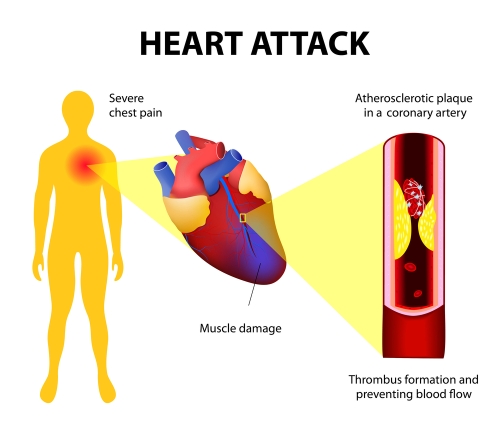
Heart attacks and chest pains are linked to blocked arteries in the heart

We’re all gonna die of something.

The #1 cause of death in the U.S. is coronary artery disease (CAD), which causes heart attacks, sudden cardiac death, and many cases of congestive heart failure. Folks with diabetes have a higher-than-average risk of CAD. Blockage in the heart arteries typically develops over years and many people are walking around not knowing it’s there. The lucky ones develop warning signs like transient chest pain or shortness of breath on exertion. After consulting a physician, the next step may be a “stress test” or some sort or imaging of the arteries of the heart.

Angiography refers to imaging of arteries or veins. Angiography of the heart arteries is helpful in diagnosing blockage of arteries that may cause heart attacks or sudden cardiac death in the future.

CT stands for computerized tomography: x-rays obtain images that are then manipulated by computer technology to provide more information than plain x-ray technology alone. CT angiography of the heart arteries is done with iodinated contrast injected into the low-pressure venous system of circulation. In contrast, standard arterial angiography involves introduction of a needle (and catheter) into the high-pressure arterial system, usually the femoral artery in the groin or the smaller radial artery in the wrist. Standard arterial angiography is associated with a higher risk of complications such as leakage of blood from the artery. Another potential complication is embolization of arterial plaque or clots downstream from the arterial puncture. Because of the higher complication rate in the arterial system, standard angiography is considered “invasive.”

The study at hand asks which is a better way to image heart arteries in a patient with stable chest pain: CT versus standard arterial angiography. The article abstract doesn’t define “stable” chest pain. I assume the researchers did not include acute myocardial infarctions (heart attacks) and unstable angina.

European researchers concluded that:

Among patients referred for invasive coronary angiography (ICA) because of stable chest pain and intermediate pretest probability of coronary artery disease, the risk of major adverse cardiovascular events was similar in the CT group and the ICA group. The frequency of major procedure-related complications was lower with an initial CT strategy.

I bet the non-invasive CT is also less expensive than standard arterial angiography.

Steve Parker, M.D.

PS: Reduce your risk of CAD by controlling blood sugar, losing excess weight, exercising and heating healthy. Let me help.

FDA Approves Tirzepatide for Type 2 Diabetes

From the U.S. Food and Drug Administration May 13, 2022:

Today, the U.S. Food and Drug Administration approved Mounjaro (tirzepatide) injection to improve blood sugar control in adults with type 2 diabetes, as an addition to diet and exercise. Mounjaro was effective at improving blood sugar and was more effective than the other diabetes therapies with which it was compared in clinical studies.

“Given the challenges many patients experience in achieving their target blood sugar goals, today’s approval of Mounjaro is an important advance in the treatment of type 2 diabetes,” said Patrick Archdeacon, M.D., associate director of the Division of Diabetes, Lipid Disorders, and Obesity in the FDA’s Center for Drug Evaluation and Research.

Type 2 diabetes, the most common form of diabetes, is a chronic and progressive condition in which the body does not make or use insulin normally, leading to high levels of glucose (sugar) in the blood. More than 30 million Americans have type 2 diabetes. Despite the availability of many medications to treat diabetes, many patients do not achieve the recommended blood sugar goals.

Glucagon-like peptide-1 (GLP-1) and glucose-dependent insulinotropic polypeptide (GIP) are hormones involved in blood sugar control. Mounjaro is a first-in-class medicine that activates both the GLP-1 and GIP receptors, which leads to improved blood sugar control. Mounjaro is administered by injection under the skin once weekly, with the dose adjusted as tolerated to meet blood sugar goals.

Three different doses of Mounjaro (5 milligrams, 10 milligrams and 15 milligrams) were evaluated in five clinical trials as either a stand-alone therapy or as an add-on to other diabetes medicines. The efficacy of Mounjaro was compared to placebo, a GLP-1 receptor agonist (semaglutide) and two long-acting insulin analogs.

On average, patients randomized to receive the maximum recommended dose of Mounjaro (15 milligrams) had lowering of their hemoglobin A1c (HbA1c) level (a measure of blood sugar control) by 1.6% more than placebo when used as stand-alone therapy, and 1.5% more than placebo when used in combination with a long-acting insulin. In trials comparing Mounjaro to other diabetes medications, patients who received the maximum recommended dose of Mounjaro had lowering of their HbA1c by 0.5% more than semaglutide, 0.9% more than insulin degludec and 1.0% more than insulin glargine.

Obesity was common among study participants, with an average body mass index of 32 to 34 kilograms/height in meters squared reported at the time of enrollment. Among patients randomized to the maximum recommended dose, the average weight loss with Mounjaro was 15 pounds more than placebo when neither were used with insulin and 23 pounds more than placebo when both were used with insulin. The average weight loss with the maximum recommended dose of Mounjaro was 12 pounds more than semaglutide, 29 pounds more than insulin degludec and 27 pounds more than insulin glargine. Those patients receiving insulin without Mounjaro tended to gain weight during the study.

Mounjaro can cause nausea, vomiting, diarrhea, decreased appetite, constipation, upper abdominal discomfort and abdominal pain.

Mounjaro causes thyroid C-cell tumors in rats. It is unknown whether Mounjaro causes such tumors, including medullary thyroid cancer, in humans. Mounjaro should not be used in patients with a personal or family history of medullary thyroid cancer or in patients with Multiple Endocrine Neoplasia syndrome type 2.

Mounjaro has not been studied in patients with a history of pancreas inflammation (pancreatitis), and it is not indicated for use in patients with type 1 diabetes.

Mounjaro received priority review designation for this indication. A priority review designation directs overall attention and resources to the evaluation of applications for drugs that, if approved, would be significant improvements in the safety or effectiveness of the treatment, diagnosis or prevention of serious conditions.

Click for full prescribing information.

The starting dose is 2.5 mg subcutaneously once weekly. After four weeks dose can be increased to 5 mg once weekly. Dose can be increased every four weeks to a maximum of 15 mg once weekly.

Steve Parker, M.D.