PWDs (Diabetics) Having Fewer Heart Attacks, Amputations, and Strokes

MedPageToday has the details. This jibes with my experience over the last 30 years. A quote:

An analysis of national data found that rates of myocardial infarction (MI) in diabetic patients dropped about 68%, and amputation rates were halved between 1990 and 2010, Edward Gregg, PhD, of the CDC in Atlanta, and colleagues reported in the April 17 issue of the New England Journal of Medicine.

Strokes and deaths from hyperglycemic crisis also fell dramatically.

The number of adults reporting a diagnosis of diabetes more than tripled during the study period.

Steve Parker, M.D.

Introducing Albiglutide (Tanzeum) for Type 2 Diabetes

paleobetic diet, low-carb diet, diabetic diet

Is this what you want?

The U.S. Food and Drug Administration approved albiglutide for treatment of adult type 2 diabetes a few months ago. It will be sold in the U.S. as Tanzeum. It’s a once-a-week subcutaneous injection.

Albiglutide is a GLP-1 receptor agonist, joining exenatide and liraglutide in that class.

It’s not a first-line drug for diabetes. In clinical studies, it’s been used alone and with metformin, glimiperide (a sulfonylurea), pioglitazone, and insulin.

The most frequent side effects have been upper respiratory infections, diarrhea, nausea, and injection site reactions.

If I had diabetes, I’d be sure to do all I could for my condition with diet and exercise before ramping up the drugs.

Steve Parker, M.D.

Five Ways to Preserve Brain Function While Aging

The following quote is from an Instant Expert paper on intelligence. It’s full of interesting facts such as the typical difference in IQ between strangers is 17 points. It answers the question whether an enriched school or home environment can increase intelligence.

There are ways of slowing or reversing losses in cognitive function. The most effective discovered so far is physical exercise, which protects the brain by protecting the body’s cardiovascular health. Mental exercise, often called brain training, is widely promoted, but it boosts only the particular skill that is practised – its narrow impact mirroring that of educational interventions at other ages. Various drugs are being investigated for their value in staving off normal cognitive decline, but for now preventive maintenance is still the best bet – avoid smoking, drinking to excess, head injuries and the like.

Also, I think the Mediterranean diet helps preserve brain function, but it’s difficult to prove.

MRI scan of brain

MRI scan of brain

The article mentions overload of patients’ brains when medical care is too complicated:

Given the complexity of self-care regimes, it is hardly surprising that some people make dangerous errors or fail to comply. The effective management of diabetes, for example, requires a person to keep blood sugar levels within a healthy range, which means coordinating diet, exercise and medication throughout the day, which in turn requires planning for contingencies, recognising when blood sugar is veering too high or low, knowing how to regain control and conceptualising the imperceptible but cumulative damage caused by failing to maintain control. There is no set recipe for people with diabetes to follow – their bodies and circumstances differ. Moreover, they get little training, virtually no supervision and no days off. Effectively managing your diabetes is a cognitively complex job and poor performance has serious consequences, including emergency room visits, lost limbs or eyesight, and even death. The lower the diabetic person’s IQ, the greater the risks.

You’ll also learn about the Flynn effect and possible explanations for it:

Over the past century, each successive generation has answered more IQ test items correctly than the last, the rise being equivalent to around 3 IQ points per decade in developed nations. This is dubbed the “Flynn effect” after the political scientist James Flynn, who most thoroughly documented it. Are humans getting smarter, and if so, why? 

I’m more inclined to think Idiocracy describes our future.

Steve Parker, M.D.

h/t James Fulford

Nuts and Berries: Good for Your Brain, Heart, and Immune System

Here’s the abstract from American Journal of Clinical Nutrition:

The inclusion of nuts in the diet is associated with a decreased risk of coronary artery disease, hypertension, gallstones, diabetes, cancer, metabolic syndrome, and visceral obesity. Frequent consumption of berries seems to be associated with improved cardiovascular and cancer outcomes, improved immune function, and decreased recurrence of urinary tract infections; the consumption of nuts and berries is associated with reduction in oxidative damage, inflammation, vascular reactivity, and platelet aggregation, and improvement in immune functions. However, only recently have the effects of nut and berry consumption on the brain, different neural systems, and cognition been studied. There is growing evidence that the synergy and interaction of all of the nutrients and other bioactive components in nuts and berries can have a beneficial effect on the brain and cognition. Regular nut consumption, berry consumption, or both could possibly be used as an adjunctive therapeutic strategy in the treatment and prevention of several neurodegenerative diseases and age-related brain dysfunction. A number of animal and a growing number of human studies show that moderate-duration dietary supplementation with nuts, berry fruit, or both is capable of altering cognitive performance in humans, perhaps forestalling or reversing the effects of neurodegeneration in aging.

Another Paleo Diet Success Story For a Type 1 Diabetic

The Joslin Diabetes Blog has details. Lindsay Swanson was diagnosed with type 1 diabetes at age 25. Her initial interest was spurred by years of undiagnosed gastrointestinal issues. She eased into the Paleolithic diet by sequentially eliminating certain food classes, starting with grains, then soy, then legumes. As she did, she felt increasingly better. Lindsay eats few refined carbohydrates. My sense is she doesn’t require much insulin. A quote:

Much to my surprise, my blood sugars completely leveled out, so much so that I rarely need to treat a low blood sugar, and spikes are few and far between….Probably 75 percent of my diet consists of vegetables and plant based food, some with more carbohydrates depending on my activity level. I eat a lot of fat/protein regularly, examples: avocados, coconut oil (in tea and cooking), grassfed meats, bacon (and the reserved fat), oils, nuts, etc.


Another Review Article In Favor Of Paleolithic Eating

It’s in the Annual Review of Plant Biology. The authors promote fruit and vegetable consumption. A snippet from the 2013 article:

Our Paleolithic ancestors were hunter-gatherers, consuming diets rich in lean wild meat or fish, with relatively high consumption of fruits and green leafy vegetables. Our modern diets, in contrast, are high in saturated fats and starches, added sugars with high energy load, and “unnatural fats” such as transfats. Paleolithic diets, in contrast to those of simians and present-day hunter-gatherers, are estimated to have been approximately 75% fruit [that’s news to me; reference is from S. Lindeberg]. In modern US diets, foods unavailable to Paleolithic societies—including dairy products, cereal grains, refined cereal flour, refined sugars, refined vegetable oils, and alcohol—on average make up 70% of total energy consumption. Of this, 50% is in the form of vegetable oils and refined sugars .Americans currently consume less than 60% of the US Department of Agriculture recommendations for vegetables and less than 50% of the recommendations for fruits.

h/t Bill Lagakos

Reference: Annu. Rev. Plant Biol. 2013. 64:19–46. This article’s doi:10.1146/annurev-arplant-050312-120142

Fruits and Vegetables May Increase Lifespan, Decrease Cancer and Heart Disease

MedPageToday has some of the details.  A quote:

The largest benefits were seen in people who ate seven or more servings of fruits and vegetables a day compared with those who ate less than one serving, with the higher level of consumption associated with significantly lower all-cause mortality (hazard ratio 0.67; 95% CI 0.58-0.78), lead researcher Oyinlola Oyebode of University College London, and colleagues, reported online in the Journal of Epidemiology and Community Health.

diabetic diet, paleobetic diet, low-carb diet

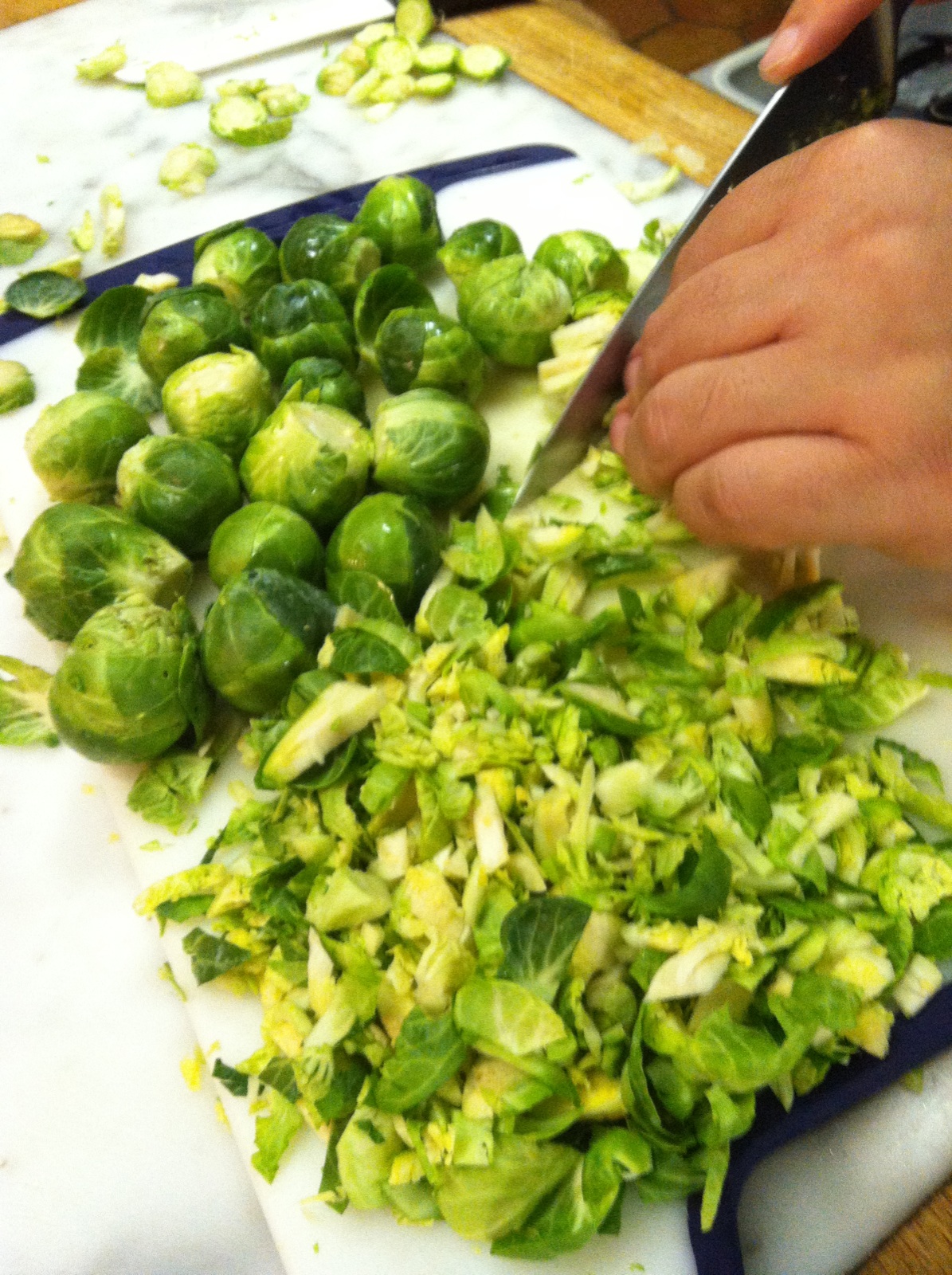
Prepping for bacon brussels sprouts 

The population under study was English. In addition to lower risk of death, the heavy fruit and vegetable consumers had lower rates of cancer and cardiovascular disease. Click for the actual research report.

If seven servings a day seems like a lot, note that a typical serving is only half a cup. You’ll get those with the Paleobetic Diet.

Steve Parker, M.D.

Type 2 Diabetics Better Exercise as They Age

Steve Parker MD

Strength training (aka resistance training) is the way to build muscle mass and strength. Jogging’s more for cardiovascular endurance.

Compared to others, elderly type 2 diabetics are more afflicted with diminished leg muscle mass, leg strength, and functional capacity. Click for details.

The right exercise program can counteract these problems, improve quality of life, and prevent falls.

Steve Parker, M.D.

h/t Bill Lagakos

Recipe: Bacon Bit Brussels Sprouts

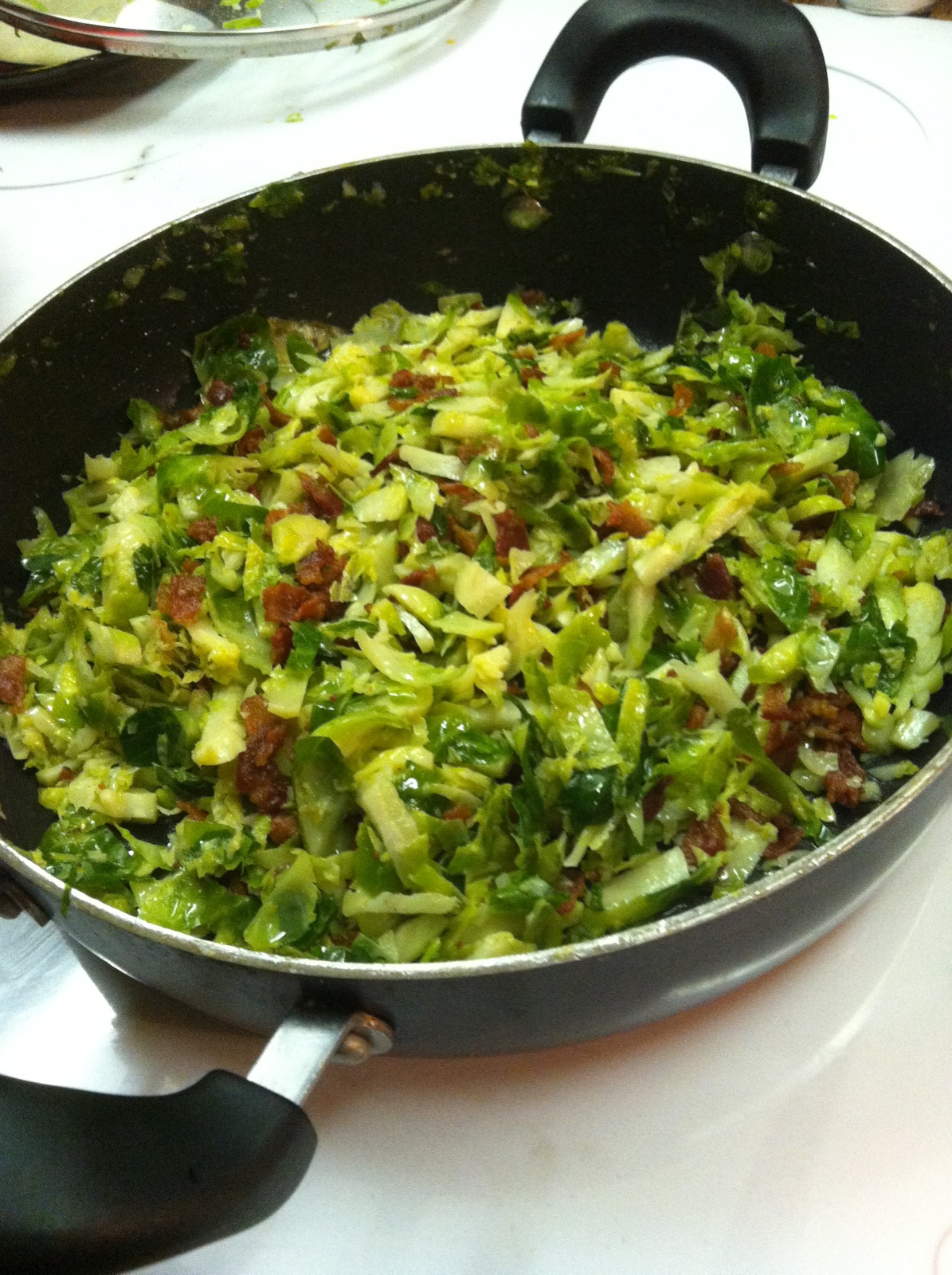
Bacon Bit Brussels Sprouts

Bacon Bit Brussels Sprouts

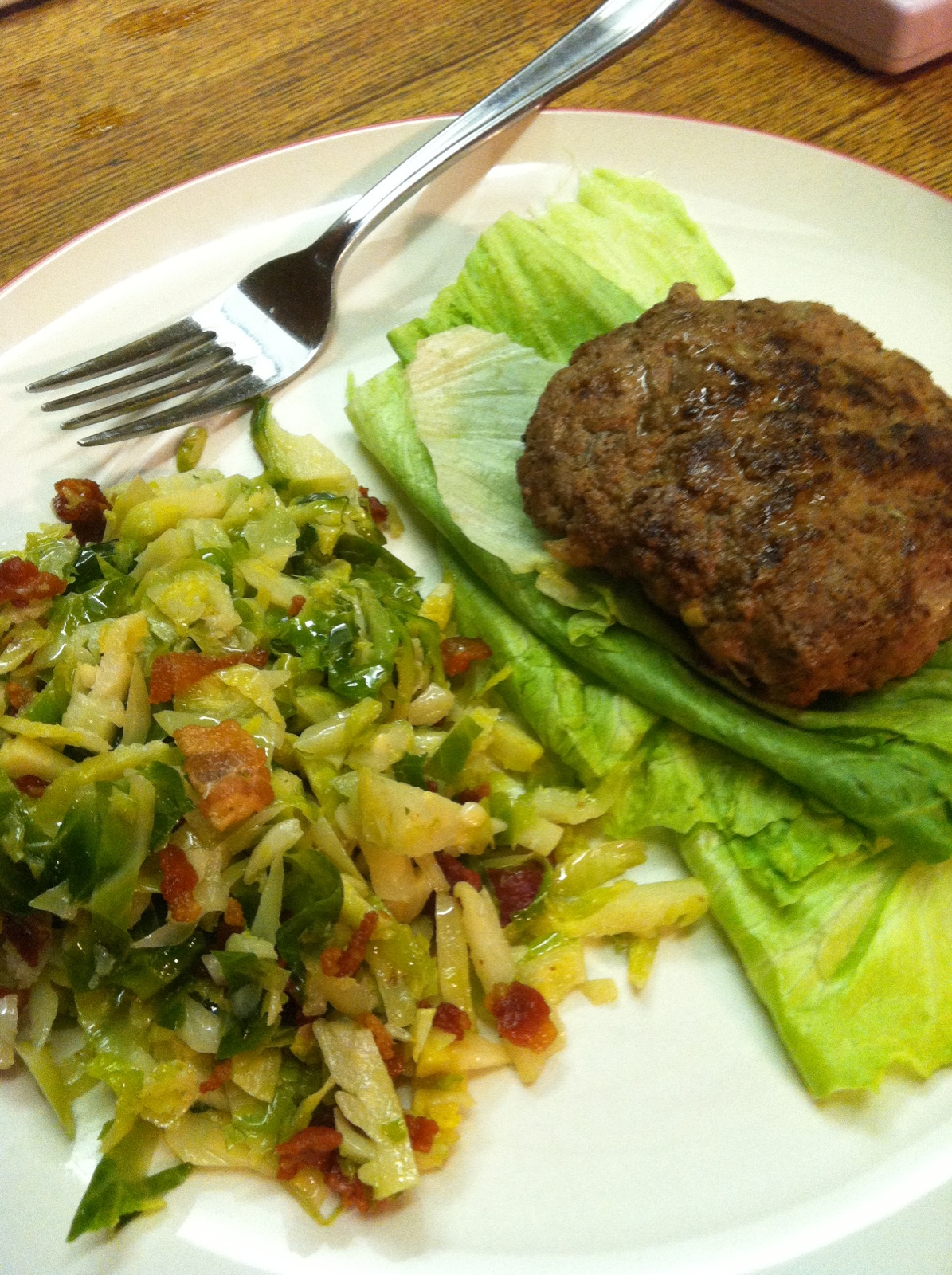
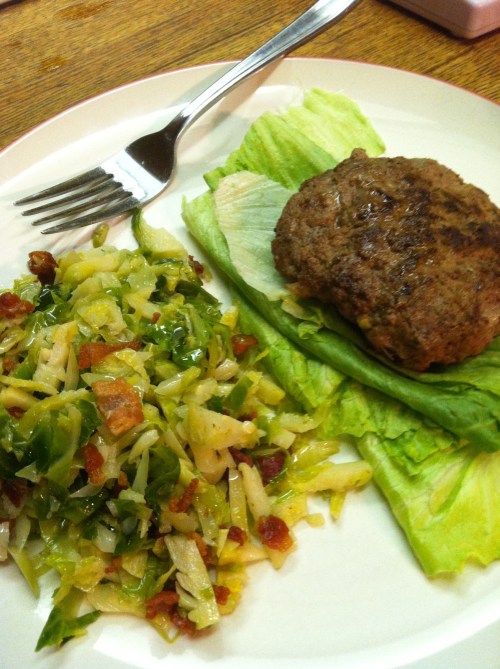
A while back I posted a meal recipe for Bacon Brussels Sprouts to accompany Brian Burgers. To make it a little more convenient, I’ve substituted off-the-shelf real bacon bits instead of frying my own bacon. I traded olive oil for the bacon grease. The two versions taste very similar.


diabetic diet, paleobetic diet, low-carb diet

It took me 10 minutes of chopping to shred the sprouts

Ingredients:

1 lb (454 g) Brussels sprouts, raw, shredded (slice off and discard the bases first)

4 tbsp (60 ml) extra virgin olive oil

5 tbsp (75 ml or 35 g real bacon bits or crumbles (e.g., by Hormel or Oscar Mayer)

2 garlic cloves, minced (optional)

1/8 (0.6 ml) tsp salt

1/4 tsp (1.2 ml) ground black pepper

3 tbsp (45 ml) water

Instructions:

diabetic diet, paleobetic diet, low-carb diet

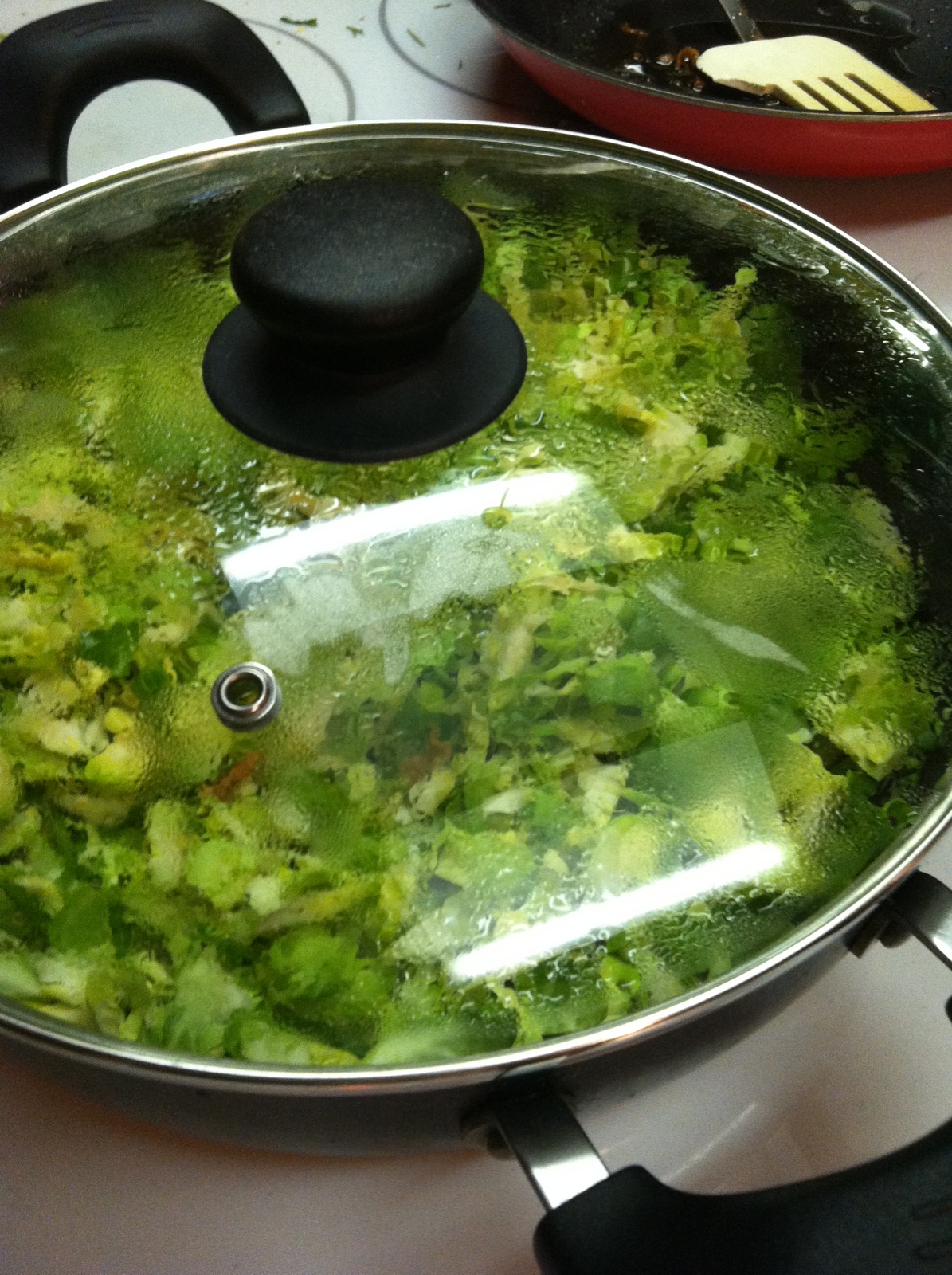
Steaming in progress

You’ll be steaming this in a pan with a lid. Put the garlic and olive oil in a pan and cook over medium-high heat for a few minutes to release the flavor of the garlic. Add the water to the pan and let it warm up for a half a minute or so on medium-high heat. Then add the shredded sprouts and cover with the lid. After a minute on this medium-high heat, turn it down to medium. The sprouts will have to cook for only 4–6 minutes. Every minute, shake the pan to keep contents from sticking. You might need to remove the lid and stir with a spoon once, but that lets ourtyour steam and may prolong cooking time. The sprouts are soft when done. Then remove from heat, add the bacon bits, salt, and pepper, then mix thoroughly.

When time allows, I’d like to experiment with this by leaving out the bacon and using various spices instead. Do you know what goes well with Brussels sprouts?

Number of Servings: 3 (1 cup or 240 ml each)

Nutritional Analysis per Serving:

71% fat

19% carbohydrate

10% protein

270 calories

14 g carbohydrate

6 g fiber

8 g digestible carbohydrate

328 mg sodium

646 mg potassium

Prominent feature: High in vitamin C (over 10o% of your RDA)
diabetic diet, low-carb diet, paleobetic diet

Brian burger and bacon Brussels sprouts

Steven Novella on Oil Pulling (or oil swishing)

paleobetic diet

Good source of omega-3 fatty acids

I mentioned oil pulling before, without much cogent comment. It involves swishing edible oil around in your mouth for 10—20 minutes, for oral and systemic health benefits. Steven Novella over at Science-Based Medicine gave it more consideration. His conclusion:

Oil pulling is a suggestive misnomer, implying that something bad is being pulled from the mouth (toxins and bacteria). What little scientific evidence exists shows that it is probably not as effective as standard mouth wash, and what benefit it has is likely entirely due to the mechanical act of swishing to remove particles and bacteria from teeth and gums.

There is no reason either theoretically or based upon any evidence to recommend oil pulling (which should be renamed “oil-swishing”) instead of standard modern health care with flossing, tooth-brushing, and mouth rinse. However, it does appear to be better than nothing, and might have a role in developing countries without access to modern oral care. The one caveat is that extended periods of swishing that are commonly recommended (10–20 minutes) are likely not necessary and further present a risk of lipoid pneumonia from accidentally breathing in small amounts of oil.

Read the rest.