Is Our Modern Food Supply Killing Us?

paleobetic diet

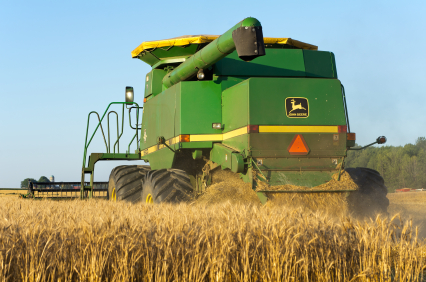
John Deere combine harvesting wheat

Well, it’s complicated.

Many in the blogosphere wring their hands and pace to-and-fro worrying about GMO food, food preservatives, HFCS, sugar, gluten, artificial chemical additives in our food, arsenic in our water, mercury in our fish, factory-farmed food animals, industrial seed oils, hormones in our milk, antibiotics in our meat, pasteurization of milk, etc.

Consider this: worldwide life expectancy at birth has increased from 52 in 1960 to 70 in 2010. So just how bad can the food supply be?

I wonder how many items in the list above will turn out like dietary cholesterol, saturated fat, and total fat. That is, not a big deal.

You can argue that life expectancy would be even longer if we had better food. I’m sure that’s true to a degree. You can argue that there have been myriad helpful cultural and technological changes, irrespective of the food supply. Very true.

I’m just trying to put things in a perspective. An 18-year improvement in life expectancy over a half century is a big deal. Regardless of how you feel about wheat, Norman Borlaug deserves some credit.

Steve Parker, M.D.

Alex Hutchinson and Matt Fitzgerald Endorse Old Stone Age Diet?

paleobetic diet, breakfast, paleo diet

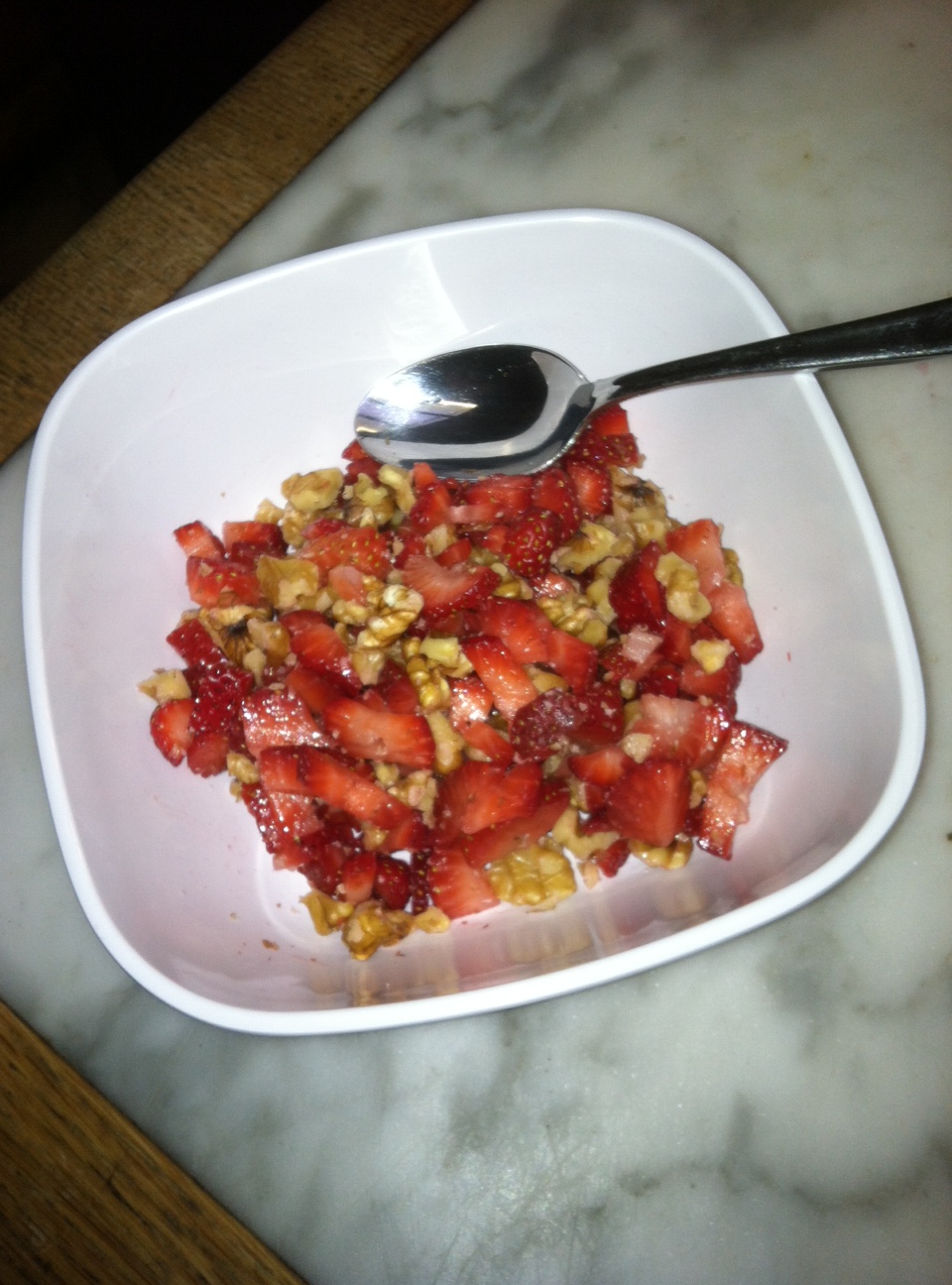
Brian’s Berry Breakfast: simply strawberries and walnuts. Nutrient analysis here: https://paleodiabetic.com/2013/02/27/brians-berry-breakfast/

Over at Runner’s World, Alex Hutchinson recommends three good books on nutrition. One is by Matt Fitzgerald called Diet Cults: The Surprising Fallacy at the Core of Nutrition Fads and Guide to Healthy Eating for the Rest of Us. Alex writes, “As you’d expect, he takes shots at various popular diets — Paleo, vegan, low-carb, low-fat, raw, and so on — but this isn’t really a debunking book. Frankly, if you’re a devoted adherent to one of these diets, this book probably won’t change your mind.” Anyway, Mr. Fitzgerald proposes a healthy eating hierarchy. The idea is that, wherever a food lies on the scale, the aim is to eat more of the foods that rank above it, and less of those ranked below it. In other words, generally eat more of the foods at the top of the list.

  • vegetables
  • fruits
  • nuts, seeds, and healthy oils
  • high-quality meat and seafood
  • whole grains
  • dairy
  • refined grains
  •  low-quality meat and seafood
  • sweets
  • fried foods

Those top four items pretty much define a pure paleo diet.

Steve Parker, M.D.

h/t Yoni Freedhoff (His Diet Fix book is one of the three recommended)

Paleobetic Diet Printable Documents Now Available: Daily Log and Shopping List

Paleobetic diet, Steve Parker MD,paleo diet, diabetic diet, diabetes

Cover designed by my 15-year-old son, Paul

For those of you on the Paleobetic Diet, please note that I’ve prepared some printable documents you might find helpful. They are a Daily Log and Shopping List that you’ll find on the “Print Documents” page. Check ’em out! I would appreciate feedback.

I regret that I couldn’t produce them sooner. My full-time job practicing medicine interferes with my blogging and other writing projects.

Steve Parker, M.D.

Eat Nuts to Reduce Cardiovascular Risk and Improve Type 2 Diabetic Blood Sugars

Paleobetic diet

Macadamia nuts on the tree

Most of the diets I recommend to my patients include nuts because they’re so often linked to improved cardiovascular health in scientific studies. Walnuts are associated with reduced risk of type 2 diabetes in women, and established type 2 diabetics see improved blood sugar control and lower cholesterols when adding nuts to their diets.

paleobetic diet, diabetic diet, low-carb diet

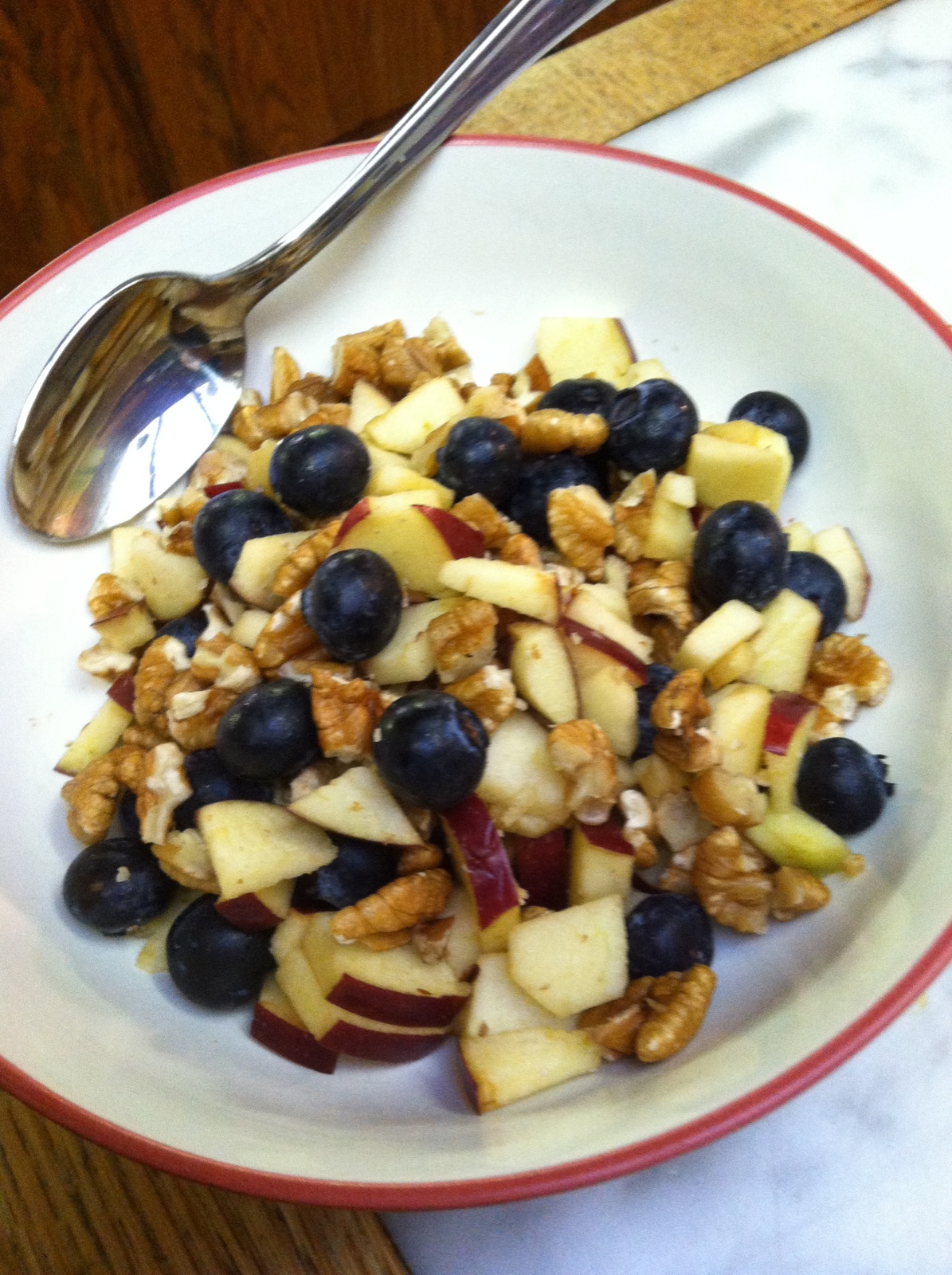
Apples, pecans, and blueberries: So simple even a redneck can make it (I are a redneck)

Nut consumption lowers total and LDL cholesterol levels, and if triglycerides are elevated, nuts lower them, too. Those changes would tend to reduce heart disease.

Conner Middelmann-Whitney has a good nutty article at Psychology Today.

Steve Parker, M.D.

Reference: Joan Sabaté, MD, DrPH; Keiji Oda, MA, MPH; Emilio Ros, MD, PhD. Nut Consumption and Blood Lipid Levels: A Pooled Analysis of 25 Intervention Trials. Archives of Internal Medicine, 2010, Vol. 170 No. 9, pp 821-827. Abstract:

Background  Epidemiological studies have consistently associated nut consumption with reduced risk for coronary heart disease. Subsequently, many dietary intervention trials investigated the effects of nut consumption on blood lipid levels. The objectives of this study were to estimate the effects of nut consumption on blood lipid levels and to examine whether different factors modify the effects.

Methods:  We pooled individual primary data from 25 nut consumption trials conducted in 7 countries among 583 men and women with normolipidemia and hypercholesterolemia who were not taking lipid-lowering medications. In a pooled analysis, we used mixed linear models to assess the effects of nut consumption and the potential interactions.

Results:  With a mean daily consumption of 67 g of nuts [about 2 ounces or 2 palms-ful], the following estimated mean reductions were achieved: total cholesterol concentration (10.9 mg/dL [5.1% change]), low-density lipoprotein cholesterol concentration (LDL-C) (10.2 mg/dL [7.4% change]), ratio of LDL-C to high-density lipoprotein cholesterol concentration (HDL-C) (0.22 [8.3% change]), and ratio of total cholesterol concentration to HDL-C (0.24 [5.6% change]) (P < .001 for all) (to convert all cholesterol concentrations to millimoles per liter, multiply by 0.0259). Triglyceride levels were reduced by 20.6 mg/dL (10.2%) in subjects with blood triglyceride levels of at least 150 mg/dL (P < .05) but not in those with lower levels (to convert triglyceride level to millimoles per liter, multiply by 0.0113). The effects of nut consumption were dose related, and different types of nuts had similar effects on blood lipid levels. The effects of nut consumption were significantly modified by LDL-C, body mass index, and diet type: the lipid-lowering effects of nut consumption were greatest among subjects with high baseline LDL-C and with low body mass index and among those consuming Western diets.

Conclusion:  Nut consumption improves blood lipid levels in a dose-related manner, particularly among subjects with higher LDL-C or with lower BMI.

Recipe: Baked Glazed Salmon and Herbed Spaghetti Squash

This is a paleo-friendly modification of a meal in my Conquer Diabetes and Prediabetes book. It makes two servings.

Ingredients:

16 oz (450 g) salmon filets

4.5 garlic cloves

7 tsp (34.5 ml) extra virgin olive oil

1.5 fl oz (45 ml) white wine

4.5 tsp (22 ml) mustard

4 tbsp (60 ml) vinegar, either cider or white wine (balsamic vinegar would add 6 g of carbohydrate to each serving)

2 tsp (10 ml) honey

1.5 tbsp (15 ml) fresh chopped oregano (or 1 tsp (5 ml) of dried organo)

2 cups cooked spaghetti squash

2 tbsp fresh parsley, chopped

0.5 tsp (2.5 ml) salt

1/4 tsp (1.2 ml) black pepper, or to taste

Instructions:

Start on the herbed squash first since it may take 30 to 70 minutes to cook. Click  for instructions on cooking spaghetti squash unless you have some leftover in the fridge. To two cups of the cooked squash, add 4 tsp (20 ml) of the olive oil, all the fresh chopped parsley, a half clove of minced garlic, 1/3 tsp (1.6 ml) of the salt, and 1/8 tsp (0.6 ml) of black pepper, then mix thoroughly. The herbed squash is done. It could be difficult to time perfectly with the fish even if you have two ovens. But it’s tasty whether warm, room temperature, or cold. If you want it warm but it’s cooled down before the fish is ready, just microwave it briefly.

Onward to the fish. Preheat the oven to 400º F (200º C). Line a baking sheet or pan (8″ or 20 cm) with aluminum foil. Lightly salt and pepper the fish in the lined pan, with the skin side down.

Now the glaze. Sauté four cloves of minced garlic with 1 tbsp (15 ml) of olive oil in a small saucepan over medium heat for about three minutes, until it’s soft. Then add and mix the white wine, mustard, vinegar, honey, and 1/8 tsp (0.625 ml) of salt. Simmer uncovered over low or medium heat until slightly thickened, about there minutes. Remove glaze from heat and spoon about half of it into a separate container for later use.

Drizzle and brush the salmon in the pan with the glaze left in the saucepan. Sprinkle the oregano on tip.

Bake the fish in the oven for about 10–13 minutes, or until it flakes easily with a fork. Cooking time depends on your oven and thickness of the fish. Overcooking the fish will toughen it and dry it out. When done, use a turner to transfer the fish to plates, leaving the skin on the foil if able. Drizzle the glaze from the separate container over the filets with a spoon, or brush it on. Don’t use the unwashed brush you used earlier on the raw fish.

Servings: 2

Nutritional Analysis:

50% fat

13% carbohydrate

37% protein

600 calories

21 g carbohydrate

3 g fiber

18 g digestible carbohydrate

1,150 mg sodium

1,277 mg potassium

Prominent features: Rich in protein, B6, B12, niacin, pantothenic acid, phosphorus, and selenium

Minimize Mercury and Maximize Health With These Fish

paleo diet, low-carb, Steve Parker MD

This hunter-gatherer snagged himself a brown trout

The Environmental Working Group has a fresh article reviewing the risk of mercury poisoning from seafood consumption. I’m not familiar with EWG. I’m trying not to hold it against them that Dr. Mark Hyman is on the board of directors.

Anyway, the EWG has some advice for you if you worry about mercury toxicity from fish. I try to stay up to date on the issue since I’m convinced that consumption of cold-water fatty fish twice a week is good for your health, in general. If the mercury doesn’t kill you.

Here are some quotes from the EWG article:

…EWG has compiled a list of “moderate mercury” species that would pose a mercury risk for pregnant woman and children who eat fish regularly. This list is more comprehensive than the 2004 EPA/FDA advisory, which warned that women of childbearing age and young children, who are most susceptible to the damage done by mercury, should eat only six ounces a week of albacore tuna and should avoid four other high-mercury species – swordfish, tilefish, king mackerel and shark.

EWG rightly points out that much of the “seafood” consumed in the U.S. really doesn’t provide much of the healthful omega-3 fatty acids.

Among popular seafood species, salmon stands out as an excellent choice.  Four to eight ounces of salmon weekly, depending on the species, can provide 100 percent of the recommended amount of omega-3s. Some types of farmed salmon present significant environmental health concerns. EWG recommends that people choose wild salmon instead.

EWG’s analysis highlights several other affordable and sustainably produced species, including anchovies, sardines, farmed trout, and mussels.  Just four to eight ounces of these species weekly would meet recommended omega-3 requirements for pregnant women and people with heart disease.

***

Americans eat more than 400 million pounds of canned imported tuna because it is affordable and can be stored for a long time. Canned tuna is the second most popular seafood in the U.S., after shrimp.  An average American eats an average of 2.5 pounds of tuna every year (NOAA 2012).  Albacore tuna, also called “white” tuna, contains significant amounts of omega-3s, but tests indicate that it also contains significant amounts of mercury. “Light” tuna is usually skipjack tuna but can also contain yellowfin tuna. Skipjack and yellowfin have lower mercury levels than albacore, but fewer omega-3s.

As Jim Gaffigan asked, “Has anyone even bothered to ask why the tuna are eating mercury?”

In 30 years of practicing medicine, including 12 years right on the U.S. Gulf Coast, I’ve never seen a case of mercury toxicity. Maybe I’ve missed it. Maybe it’s quite rare.

Read the whole enchilada.

Steve Parker, M.D.

h/t Conner Middelmann-Whitney

Is Dining Out Making Us Fat?

So easy to over-eat!

So easy to over-eat!

The U.S. trend of increasing overweight and obesity started about 1970. I wonder if eating away from home is related to the trend. I found a USDA report with pertinent data from 1977 to 1995. It also has interesting info on snacking and total calories consumed. Some quotes:

“We define home and away-from-home foods based on where the foods are obtained, not where they are eaten. Food at home consists of foods purchased at a retail store, such as a grocery store, a convenience store, or a supermarket. Food away from home consists of foods obtained at various places other than retail stores (mainly food-service establishments).”

***

“Over the past two decades, the number of meals consumed has remained fairly stable at 2.6 to 2.7 per day. However, snacking has increased, from less than once a day in 1987-88 to 1.6 times per day in 1995. The increased popularity in dining out is evident as the proportion of meals away from home increased from 16 percent in 1977-78 to 29 percent in 1995, and the proportion of snacks away from home rose from 17 percent in 1977-78 to 22 percent in 1995. Overall, eating occasions (meals and snacks) away from home increased by more than two-thirds over the past two decades, from 16 percent of all eating occasions in 1977-78 to 27 percent in 1995.”

***

“Average caloric intake declined from 1,876 calories per person per day in 1977-78 to 1,807 calories per person per day in 1987-88, then rose steadily to 2,043 calories per person per day in 1995.”

***

“These numbers suggest that, when eating out, people either eat more or eat higher-calorie foods or both.”

Parker here. I’m well aware that these data points don’t prove that increased eating-out, increased snacking,  and increased total calorie consumption have caused our overweight and obesity problem. But they sure make you wonder, don’t they? None of these factors was on a recent list of potential causes of obesity.

If accurate, the increased calories alone could be the cause. Fast-food and other restaurants do all they possibly can to satisfy your cravings and earn your repeat business.

If you struggle with overweight, why not cut down on snacking and eating meals away from home?

Steve Parker, M.D.

Update:

Here’s a pie chart I found with more current and detailed information from the U.S. government (h/t Yoni Freedhoff):

feb13_feature_guthrie_fig03

What’s a Cruet?

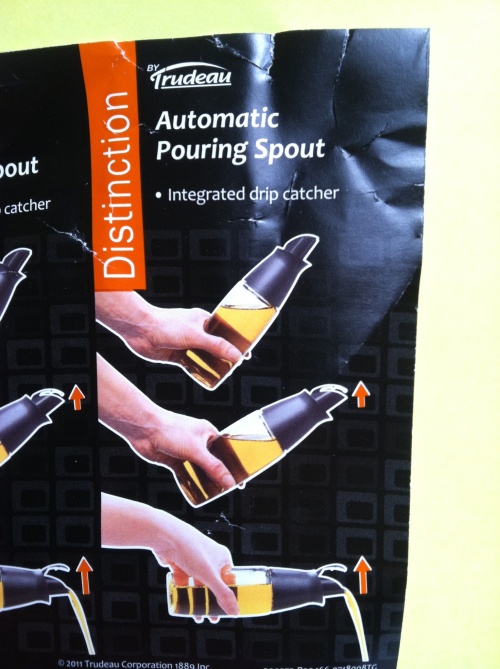
Our new cruet

Our new $8 cruet

If you’re trying to lose weight or keep from getting fat, salads are helpful. I recommend them in my Advanced Mediterranean Diet, Low-Carb Mediterranean Diet, Paleobetic Diet, and Ketogenic Mediterranean Diet.

My favorite salad dressings are vinaigrettes. They can be as simple as olive oil, vinegar, salt and pepper. The problem with most commercial vinaigrettes is the label says “_____ Vinaigrette with olive oil,” but the first listed ingredient is soybean oil (or some other industrial seed oil) and olive oil is somewhere down the line. My current favorite commercial salad dressing has water as the first ingredient!

Get around that by making your own. Here’s a recipe and a salad to try it on. Also, if you’re watching your carb consumption, the commercial dressings  may sneak in more than you want. Again, avoid that by making your own.

Cruet label

Cruet label

You can make a vinaigrette in a jar with a lid. Add the ingredients then shake to create an emulsion. Or do it in a bowl with a whisk. My wife found us a cruet at the supermarket that I was hoping would allow mixing, storing, and pouring all from the same attractive container. Unfortunately, it leaks when I shake it.

Steve Parker, M.D.

Obese Women Get Just One Hour of Vigorous Exercise PER YEAR

Steve Parker MD

Steve Parker and son Paul in a Boy Scout overnight backpacking trip on the Mogollon Rim in Arizona

Obese men in the U.S. don’t do much better at 3.6 hours. I exercise vigorously for about 50 hours a year, and many folks easily beat that. I exercise for longevity, weight management, better quality of life, and so I can keep up with the lads in my son’s Boy Scout troop.

hypoglycemia, woman, rock-climbing

Not the best exercise if you’re markedly obese

myfoxny.com has the story on exercise habits of obese women, based on a recent article in Mayo Clinic Proceedings. A quote:

What kind of lives are the most inactive people living? “I think they’re living the typical life. They drive their children to school, they sit at a desk all day long, they may play some video games and they go to sleep,” Archer said.

He forgot about TV.

Without a doubt, it’s hard to exercise if you’re markedly obese. Here’s how.

Read more: http://www.myfoxny.com/story/24774893/average-obese-woman-gets-just-1-hour-of-exercise-a-year-study#ixzz2u2MMctiW

Steve Parker, M.D.

QOTD: James Fell on Weight Loss and Cooking

If you want to lose weight you need to cook. Period.

—James Fell