Only a Third of the World’s Adults Can Digest Milk

Nature has in interesting article on Neolithic dairying, lactose intolerance, cheese, yogurt, and the spread of genes that allow for lactose digestion. The ability to digest milk in adulthood—called lactase persistence—is less than 40% in Greece and Turky, but higher than 90% in the UK and Scandinavia.

During the most recent ice age, milk was essentially a toxin to adults because — unlike children — they could not produce the lactase enzyme required to break down lactose, the main sugar in milk. But as farming started to replace hunting and gathering in the Middle East around 11,000 years ago, cattle herders learned how to reduce lactose in dairy products to tolerable levels by fermenting milk to make cheese or yogurt. Several thousand years later, a genetic mutation spread through Europe that gave people the ability to produce lactase — and drink milk — throughout their lives. That adaptation opened up a rich new source of nutrition that could have sustained communities when harvests failed.

Read the rest.

More Time Outdoors Could Prevent Childhood Nearsightedness

Steve Parker MD, paleobetic diet,

Should have spent more time outdoors

I suspect that myopia (nearsightedness) is a modern phenomenon. If you don’t see well, you’re more likely to get bitten by a poisonous snake or overcome by a predator that you should have seen coming. Or you simply trip and fall over obstacles, incurring cuts or fractures. In prehistoric times, these circumstances would lessen your chances of passing your genes on to the next generation. In other words, there was strong selection pressure in favor of good vision.

(For now, I’ll ignore the possibility that poor vision may have beneficial aspects. “Parker, you don’t see good. Stay here with the women while we chase down that ibex.”)

Steve Parker MD, eye chart, eye exam

My eyes are this bad

I’ve worn glasses since the 3rd grade and I’ve never been happy about it. OK…. worse things can happen!

According to an article at PopSci, I may have avoided myopia by spending more time outside when I was a youngster:

A team of Australian researchers recently reviewed major studies since 1993 of kids, myopia and time spent outdoors. They found more than a dozen studies, examining more than 16,000 school-age kids in total, that found children were more likely to be nearsighted or to develop nearsightedness if they spent less time outdoors. A few of the later studies also found that being outdoors protected even those kids who did a lot of near work or had myopic parents. The studies included kids living in Europe, the U.S., Asia, the Middle East and Australia.

Read the rest.

Steve Parker MD, paleo diet, paleobetic

Nubian ibex in Israel

So get your kids outside. They may even benefit just from the sunshine.

And for my fellow myopics out there, note that your risk of a retinal detachment is higher than average. By the time that usually happens, our children are already grown, so there’s little or no selection pressure against it.

Steve Parker, M.D.

Do Warm Houses and Workplaces Contribute to Obesity?

Dr. Stephan Guyenet thinks they might. It’s not so much heat as it is failing to expose our bodies adequately to temperatures around 60° F (15.6° C) or lower on a regular basis. Here’s a human experiment Dr. G wrote about:

The second study went further, using a longer cold exposure protocol to investigate changes in fat mass among people with low brown fat activity at baseline (4).  Researchers exposed volunteers to 63 F (17 C) air for two hours a day over a six-week period; again I assume they were lightly clothed.  As in the previous study, they observed an increase in brown fat activity with cold training, and they found that calorie expenditure was higher when subjects were in the ‘cold’ air.  After six weeks of training, body fat mass had declined by about 5 percent.  This is despite the fact that all subjects were lean to begin with!

Read the rest.

I thought this study tied in with that one showing an inverse relationship between altitude and obesity. Environmental temperature rises roughly 3° F with every 1,000 feet (305 meters). But the altitude study controlled for (accounted for) temperature, meaning that the temperature had nothing to do with the association.

Somebody’s probably already tried to link environmental temperatures—whether inside the house or out—to obesity rates. Let me know if you find it.

—Steve

PS: A few minutes at Pubmed.gov revealed this 2013 abstract:

Objective: Raised ambient temperatures may result in a negative energy balance characterized by decreased food intake and raised energy expenditure. This study tested whether indoor temperatures above the thermoneutral zone for clothed humans (approx. 23 o C) were associated with a reduced body mass index (BMI). Design and Methods: Participants were 100,152 adults (≥ 16 years) drawn from 13 consecutive annual waves of the nationally representative Health Survey for England (1995 – 2007). Results: BMI levels of those residing in air temperatures above 23 o C were lower than those living in an ambient temperature of under 19 o C (b = -.233, SE =.053, p <.001), in analyses that adjusted for participant age, gender, social class, health and the month/year of assessment. Robustness tests showed that high indoor temperatures were associated with reduced BMI levels in winter and non-winter months and early (1995 – 2000) and later (2001 – 2007) survey waves. Including additional demographic, environmental, and health behavior variables did not diminish the link between high indoor temperatures and reduced BMI. Conclusions: Elevated ambient indoor temperatures are associated with low BMI levels. Further research is needed to establish the potential causal nature of this relationship.

PPS: And there’s this abstract, probably from the altitude study I mentioned:

http://www.ncbi.nlm.nih.gov/pubmed/23357956

“There was an approximately parabolic relationship between mean annual temperature and obesity, with maximum prevalence in counties with average temperatures near 18 °C [64.4° F].”

I don’t have the full article, but parabolic, to me in this context, probably means the obesity incidence was highest at 64.4° F, with lower obesity incidence both above and below 64.4°.

Of course, living in a particular environment doesn’t equate to exposing yourself to outdoor temperatures. But it makes sense that someone living in a cold environment will have more cold exposure than someone in a hot climate.

Perhaps 64.4° F is a sweet spot for efficient body temp regulation and energy partitioning. Living at temps significantly above or below that may cost you energy-wise: you expend extra calories maintaining a normal body temperature, tending to result in lower obesity incidence.

David Mendosa On Weight Loss and Long-Term Management

Maybe his method works only for him, but I doubt it. David has diabetes, by the way. See his 2012 article at HealthCentral for details. Here’s a bit:

One cornerstone of this new way to lose weight and maintain weight loss is a twist on a standard dieting recommendation. But instead of weighing myself once a week, I weigh myself every morning.

Supposedly people get discouraged from daily weigh-ins because our weight seems to fluctuate up or down a couple of pounds every day for no good reason, or for at least for no reason that we can figure out. The fluctuations are certainly true in my experience. But, of course, the same fluctuations happen when we make our weigh-ins once a week, and that would be even more misleading.

Then, when the scales tell me that my weight is up that morning from the previous morning, I make an immediate course correction, which we know is easier in the long run than to wait until things get totally out of hand. My immediate course correction is simple. I skip dinner that day.

Note well, however, that skipping dinner could lead to major hypoglycemia if you’re taking certain diabetes drugs. Work with your personal healthcare provider on drug dose adjustments.

Steve Parker, M.D.

T1 Diabetic In Pacific Northwest Adopts Paleo Lifestyle

Check out Intrepid Pioneer, an anonymous T1 diabetic who was diagnosed in his 30s. He has a strong interest in fishing, hunting, foraging, and other outdoorsy stuff.

He blogged about his Whole30 challenge.

Is the Paleo Diet a Reliable Treatment for Ulcerative Colitis?

It’s not generally recognized as such, but it seemed to put a New Zealand nutritionist’s case into remission. Julianne Taylor provides the details in a guest post by Jess Fisk.

A search of the Internet will reveal many cases of apparent cure or remission of ulcerative colitis after a great variety of non-obvious interventions. I’m happy for all those folks, whether the intervention was responsible or the disease coincidentally went into “spontaneous” remission when the intervention began.

One of my go-to sources for current disease information is UpToDate.com. Most of the articles there are written by medical school professors. A quick scan of ulcerative colitis treatments reveals an overwhelming focus on surgery and drugs. Little in terms of diet except for this tidbit on elimination diets:

An elimination diet involves removing a food from the diet for a period of time and seeing whether symptoms resolve during that time. In patients receiving enteral nutrition, it involves introducing one new food at a time to identify foods that precipitate [inflammatory bowel disease] symptoms. Many patients can identify foods that they believe may precipitate or worsen their disease and it is reasonable for them to avoid such foods. Using an elimination diet to identify at-risk foods may decrease the possibility of a “flare” of [inflammatory bowel disease].

(Inflammatory bowel disease refers to both ulcerative colitis and Crohn’s disease.)

Foods that precipitate symptoms commonly included cereals, lactose, and yeast products.

Studies were contradictory or inconsistent regarding the benefits of other dietary interventions such as low carbohydrate diets, fiber, fish oil supplements, and antioxidants.

In case you’ve heard of the Specific Carbohydrate Diet, the UpToDate authors say that randomized trials are required before it can be recommended for ulcerative colitis.

I didn’t see anything about the FODMAPs diet.

With regards to dietary causes of inflammatory bowel disease (IBD), I found this at UpToDate:

Food antigens are thought to trigger an immunologic response resulting in the development of IBD. However, specific pathogenic antigens have not been identified. While studies attempting to associate specific diets with the development of IBD have had inconsistent results, the data suggest that a “Western” style diet (processed, fried, and sugary foods) is associated with an increased risk of developing Crohn’s disease, and possibly ulcerative colitis.

The next paragraph talks about implicated dietary risk factors, including hypersensitivity to cow milk protein in infancy, refined sugar, decreased vegetable and fiber intake. Also, “increased dietary intake of total fat, animal fat, polyunsaturated fatty acids, and milk protein has been correlated with an increased incidence of ulcerative colitis and Crohn’s disease and relapse in patients with ulcerative colitis. In addition, a higher intake of omega-3 fatty acids and a lower intake of omega-6 fatty acids have been associated with a lower risk of developing Crohn’s disease.”

Since the paleo diet eliminates several major food groups, it’s entirely possible it could put ulcerative colitis into remission or even cure it.

Academically oriented paleo diet gurus should get together and decide what the paleo diet is, so clinicians can start testing it scientifically.  They’re the guys who can snag the funding for studies.

Steve Parker, M.D.


First Nation Aborigines Improve Diabetes By Return to Ancestral Diet

…along with improvement in high blood pressure, weight, and heartburn. Dr. Jay Wortman worked with aborigines on the west coast of Canada, convincing some of them to return to their ancestral diet, which happened to be low in carbohydrate. Dr. Wortman shared his experience in a video with DietDoctor Andreas Eenfeldt. Or check out the hour-long documentary, “My Big Fat Diet,” which may be available on YouTube.

Dr. Wortman seems to have cured his own case of type 2 diabetes with an Atkins-style diet.

—Steve

A Theoretical Framework For Evolutionary Medicine

paleo diet, Paleolithic diet, hunter-gatherer diet

Huaorani hunter in Ecuador

If you’re scientifically inclined, you’ll enjoy perusing the following article. Otherwise, quit now before it’s too late.

Lifestyle and nutritional imbalances associated with Western diseases: causes and consequences of chronic systemic low-grade inflammation in an evolutionary context,” by Begoña Ruiz-Núñez, Leo Pruimboom, D.A. Janneke Dijck-Brouwer, and Frits A.J. Muskiet. It’s in the Journal of Nutritional Biochemistry, vol. 24, issue 7, pp. 1183-1201. http://dx.doi.org/10.1016/j.jnutbio.2013.02.009,

Here’s the abstract:

In this review, we focus on lifestyle changes, especially dietary habits, that are at the basis of chronic systemic low grade inflammation, insulin resistance and Western diseases. Our sensitivity to develop insulin resistance traces back to our rapid brain growth in the past 2.5 million years. An inflammatory reaction jeopardizes the high glucose needs of our brain, causing various adaptations, including insulin resistance, functional reallocation of energy-rich nutrients and changing serum lipoprotein composition. The latter aims at redistribution of lipids, modulation of the immune reaction, and active inhibition of reverse cholesterol transport for damage repair. With the advent of the agricultural and industrial revolutions, we have introduced numerous false inflammatory triggers in our lifestyle, driving us to a state of chronic systemic low grade inflammation that eventually leads to typically Western diseases via an evolutionary conserved interaction between our immune system and metabolism. The underlying triggers are an abnormal dietary composition and microbial flora, insufficient physical activity and sleep, chronic stress and environmental pollution. The disturbance of our inflammatory/anti-inflammatory balance is illustrated by dietary fatty acids and antioxidants. The current decrease in years without chronic disease is rather due to “nurture” than “nature,” since less than 5% of the typically Western diseases are primary attributable to genetic factors. Resolution of the conflict between environment and our ancient genome might be the only effective manner for “healthy aging,” and to achieve this we might have to return to the lifestyle of the Paleolithic era as translated to the 21st century culture.

I encourage you to read the whole article if you’re interested in such things. I’ll only mention certain concepts in this post if I want to learn or remember them for my own purposes.

The authors stress our large brains’ constant need for energy from glucose. This is how they explain our propensity to develop insulin resistance:

A glucose deficit leads to competition between organs for the available glucose. As previously mentioned, this occurs during fasting [and starvation], but also during pregnancy and infection/inflammation. Fasting is characterized by a generalized shortage of glucose (and other macronutrients), but in case of pregnancy and inflammation we deal with active compartments competing with the brain for the available glucose, i.e., the growing child and the activated immune system, respectively. During competition between organs for glucose, we fulfill the high glucose needs of the brain by a reallocation of the energy-rich nutrients, and to that end, we need to become insulin resistant.

During starvation and times of infection or inflammation, we divert glucose to our brains or immune systems via insulin resistance in certain tissues. These tissues can then use less glucose and more fat for energy. “…the adipose tissue compartment will be encouraged to distribute free fatty acids, while the liver will be encouraged to produce glucose via gluconeogenesis and to distribute triglycerides via very low-density lipoprotein (VLDL).”

This reallocation of energy—the aim of the process above—and the compensatory hyperinsulinemia “are meant for short-term survival, and their persistence as a chronic state are at the basis of the ultimate changes that we recognize as the symptoms of the metabolic syndrome, including the changes in glucose and lipid homeostasis and and the increasing blood pressure. For example, the concomitant hypertension has been explained by a disbalance between the effects of insulin on renal sodium reabsorption and NO-mediated vasodilatation, in which the latter effect, but not the first, becomes compromised by insulin resistance, causing salt sensitivity and hypertension.”

I warned you to get out before it was too late!

Looks like a great place to hike

Looks like a great place to hike

I don’t ever recall reading how much energy our immune system uses. The authors write:

During infection/inflammation we deal with the metabolic needs of an activated immune system for acute survival. The inactive immune system consumes about 23% of our basal metabolism, of which as much as 69% derives from glucose (47%) and the glycogenic amino acid glutamine (22%). Upon activation, the energy requirement of our immune system may increase with about 9–30% of our basal metabolic rate. In multiple fractures, sepsis and extensive burns, we deal with increases up to 15–30, 50, and 100% of our basal metabolism, respectively.

The activated immune system, they say, functions mainly on glucose.

Summarizing thus far, we humans are extremely sensitive to glucose deficits, because our large brain functions mainly on glucose. During starvation, pregnancy and infection/inflammation, we become insulin resistant, along with many other adaptations. The goal is the reallocation of energy-rich substrates to spare glucose for the brain, the rapidly growing infant during the third trimester of pregnancy, and our activated immune system that also functions mainly on glucose. Under these conditions, the insulin resistant tissues are supplied with fatty acids. Other goals of the changes in the serum lipoprotein composition are their role in the modulation of the immune response by the clearance of LPS [lipopolysaccharides] during infection/inflammation and the redirection of cholesterol to tissues for local damage repair. The metabolic adaptations caused by inflammation illustrate the intimate relationship between our immune system and metabolism. This relation is designed for the short term. In a chronic state it eventually causes the metabolic syndrome and its sequelae. We are ourselves the cause of the chronicity. Our current Western lifestyle contains many false inflammatory triggers and is also characterized by a lack of inflammation suppressing factors.

The authors list many familiar components of the Western lifestyle that can cause chronic systemic low-grade inflammation, “which in turn leads to chronically compromised insulin sensitivity, compensatory hyperinsulinemia and, eventually, the diseases related to the metabolic syndrome”:

  • the consumption of saturated fatty acids and industrially produced trans fatty acids
  • a high ω6/ω3 fatty acid ratio
  • a low intake of long-chain polyunsaturated fatty acids (LCP) of the ω3 series (LCPω3) from fish (EPA and DHA are most important)
  • a low status of vitamin D and vitamin K and magnesium
  • the “endotoxemia” of a high-fat low-fiber diet
  • the consumption of carbohydrates with a high glycemic index and a diet with a high glycemic load
  • a disbalance between the many micronutrients that make up our antioxidant/pro-oxidant network
  • a low intake of fruit and vegetables
  • an abnormal composition of the bacterial flora in the mouth, gut, and gingivae
  • chronic stress
  • smoking, second-hand smoke, and environmental pollution
  • insufficient physical activity
  • insufficient sleep
  • excessive alcohol consumption
  • low fiber intake
  • meat from domesticated animals
  • obesity

“Homo sapiens emerged about 160,000 years ago in East-Africa.”

In contrast to some (e.g., John Hawks?) who believe we are rapidly evolving, these authors think that our genome, “with an average effective mutation rate of 0.5% per million years,” still overwhelmingly reflects the Paleolithic era.

They support their contentions with 334 references.

Steve Parker, M.D.

Heart Attacks Hinge on LDL Cholesterol Particle Number (LDL-P)

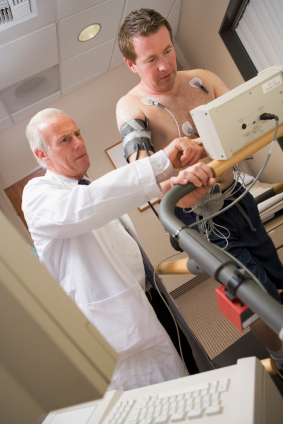
medical clearance, treadmill stress test

This treadmill stress test is looking for hidden heart disease

…according to Drs. Thomas Dayspring and James Underberg. I don’t know if these guys are right or not. I bet it’s more complicated than LDL particle number. I’m always skeptical of grand unification theories.

People with diabetes tend to have shorter life spans than average. One reason is a predisposition to heart disease, specifically coronary artery disease that leads to heart attacks.

Most heart attacks (aka myocardial infarctions) do indeed seem to be caused by acute rupture of an atherosclerotic plaque that’s been present for years. Two key questions are:

  1. What causes the plaque?
  2. Why causes it to rupture?

Underberg and Dayspring write:

The only absolute requirement for plaque development is the presence of cholesterol in the artery: although there are additional heart risk factors like smoking, hypertension, obesity, family history, diabetes, kidney disease, etc., none of those need to be present. Unfortunately, measuring cholesterol in the blood, where it cannot cause plaque, until recently has been the standard of risk-testing. That belief was erroneous and we now have much better biomarkers to use for CV risk-assessment. The graveyard and coronary care units are filled with individuals whose pre-death cholesterol levels were perfect. We now understand that the major way cholesterol gets into the arteries is as a passenger, in protein-enwrapped particles, called lipoproteins.

Particle entry into the artery wall is driven by the amount of particles (particle number) not by how much cholesterol they contain. Coronary heart disease is very often found in those with normal total or LDL-cholesterol (LDL-C) levels in the presence of a high LDL particle number (LDL-P). By far, the most common underlying condition that increases LDL particle concentration is insulin resistance, or prediabetes, a state where the body actually resists the action of the sugar controlling hormone insulin. This is the most common scenario where patients have significant heart attack risk with perfectly normal cholesterol levels. The good news is that we can easily fix this, sometimes without medication. The key to understanding how comes with the knowledge that the driving forces are dietary carbohydrates, especially fructose and high-fructose corn syrup. In the past, we’ve often been told that elimination of saturated fats from the diet would help solve the problem. That was bad advice. The fact is that until those predisposed to insulin resistance drastically reduce their carbohydrate intake, sudden deaths from coronary heart disease and the exploding diabetes epidemic will continue to prematurely kill those so afflicted.

***

 And for goodness’ sake, if you want to live longer, start reducing the amount of dietary carbohydrates, including bread, potatoes, rice, soda and sweetened beverages (including fruit juices), cereal, candy – the list is large).

Read the whole enchilada.

Offhand, I don’t recall any clinical study looking at LDL cholesterol particle number in folks who switched to a paleo diet. Given the prominence of coronary heart disease, I’m sure Dayspring and Underberg would favor a low-carb version of the paleo diet for anyone going the paleo route. Here’s my version of low-carb paleo.

Underberg and Dayspring don’t mention LDL particle size, such as small/dense and large/fluffy; the former are thought by many to be much more highly atherogenic, while the latter may not be at all. Is this idea outdated?

Whoever figures out the immediate cause of plaque rupture and how to reliably prevent it will win a Nobel Prize in Medicine.

Steve Parker, M.D.

About Dayspring and Underberg:

Thomas Dayspring MD, FACP, FNLA   Director of Cardiovascular Education, The Foundation for Health Improvement and Technology, Richmond, VA. Clinical Assistant Professor of Medicine, University of Medicine and Dentistry of New Jersey, New Jersey Medical School.

James Underberg MD, FACP, FNLA   Clinical Assistant Professor of Medicine in the Division of General Internal Medicine at NYU Medical School and the NYU Center for Cardiovascular Disease Prevention . Director of the Bellevue Hospital Primary Care Lipid Management Clinic.

h/t Dr. Axel Sigurdsson

“Rich the Diabetic” Is Sold On the Paleo Lifestyle

Click for his testimonial from 2012. Rich is a type 1 diabetic (he uses “diabetic” rather than “person with diabetes”). Rich was influenced by Tom Naughton, Robb Wolf, and Mark Sisson. He dropped his hemoglobin A1c by 2.5 over his first six months of paleo eating. This snippet explains some of his lifestyle changes:

The only thing I changed back in March, was starting to live paleo.  I’ve always worked out regularly, so I’m not really accounting my exercise in this improvement.  I’m probably about 70% paleo overall, but at home I’m 100% paleo.  My home no longer has any processed foods that come in a box, can, or sack.  I buy whole foods (fruits and lots of veggies), a little frozen veggies for convenience and storage time, lots of meat, no dairy, and lots of olive and coconut oil.  I cook a lot now, which means I do a lot more dishes than I want to, but it’s been worth it.

Read the rest.