Annual Hospital Care Cost of Diabetes in U.S. Is $83 Billion (USD)

“Let’s hope this thiazolidinedione doesn’t give you bladder cancer.”

At least according to the Agency for Healthcare Research and Quality.

-Steve

PS: The article above says diabetes is the fifth leading cause of death in the U.S.  Not so, according to the Centers for Disease Control and Prevention, which lists diabetes in seventh place.  I suspect it’s not even as high as that.  I fill out my share of death certificates, and I rarely list diabetes as the primary cause of death.

14 Indispensable Weight-Loss Tips

These have worked for lots of my patients.  Take what works for you and discard the rest.

1) Plan on grocery shopping, meal preparation, and taking meals to your workplace.

2) Keeping a record of your food consumption is often the key to success.

3) Accountability is another key.  Do you have a friend or spouse who wants to lose weight?  Start the same program at the same time and support each other.  That’s one of many ways to have accountability.

4) If you tend to over-eat or snack too much, floss and brush your teeth after you’re full.  You’ll be less likely to go back for more anytime soon.

5) Eat at least two or three meals daily.  Eat breakfast every day.  Ignore the diet gurus who say you must eat every two or three hours.

6) Eat slowly and allow yourself time to enjoy the delicious recipes in this book; you’ll also be a better judge of when your’re full.

7) Don’t eat while watching TV.

8) Give yourself a specific reward for every 10 pounds (4.5 kg) of weight lost.  Consider a weekend get-way, jewelry, new clothes, an evening at the theater, a professional massage, etc.  Choose the reward in advance, to give you something to work toward.

9) Don’t start a diet during a time of stress.

10) Maintain a consistent eating pattern throughout the week and year.

11) If you know you’ve eating enough at a meal to satisfy your nutritional requirements yet you still feel hungry, drink a large glass of water and wait a while.  Or try a sugar-free psyllium fiber supplement: three grams of fiber in 8 oz (240 ml) of water.

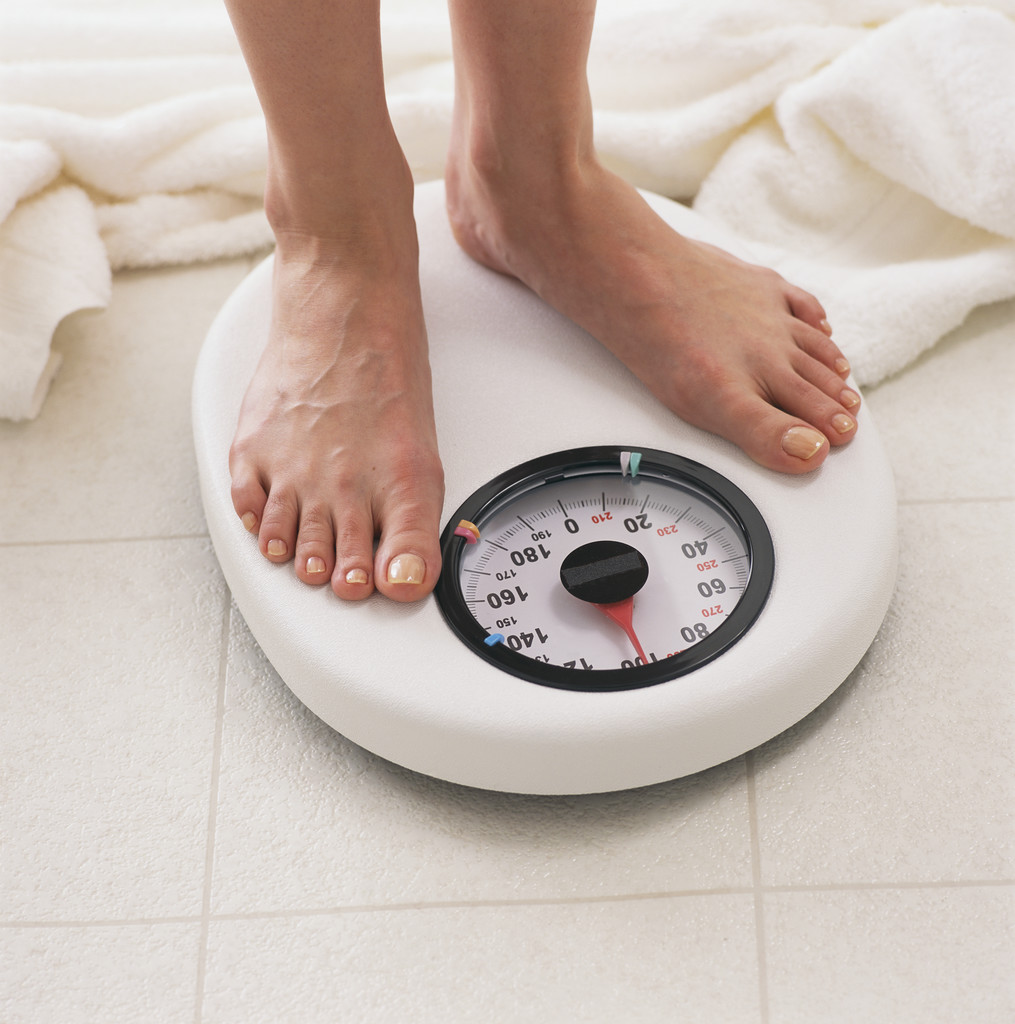
12) Weigh yourself frequently: daily during your active weight-loss phase and during the first two months of your maintenance-of-weight-loss phase.  Weekly thereafter.

13) Be aware that you’ll probably regain five or 10 pounds (2.3 or 4.5 kg) of fat now and then.  That’s normal.  Just get back on your original weight-loss plan for a month or two.

14) Tell your housemates you’re on a diet and ask for their support.  You may also need to tell your co-workers and others with whom you spend significant time.  If they care about you, they’ll be careful not to tempt you off the diet.

—Steve

Found Another Paleo-Friendly Dietitian: Kelly O’Connell Schmidt, RD

And she has type 1 diabetes, too.  I look forward to some free time so I can peruse her site, Paleo Infused.  Kelly’s twitter handle is @kellyOC.

—Steve

Dr. Frassetto Discusses Paleo Diet and Diabetes

Not Dr. Frassetto

Dr. Lynda Frassetto is a Professor of Medicine and Nephrology at the University of California San Francisco.  She and her colleagues have completed a study of the Paleolithic diet as a treatment for diabetes (type 2, I think).  As far as I know, details have not yet been published in the medical literature.

Dr. Frassetto spoke at the Ancestral Health Symposium-2012 earlier this year.  You can view the 35-minute video here.

She is convinced that a paleo diet, compared to a Mediterranean-style diet, is better at controlling blood sugars and “reducing insulin” in diabetics (presumably type 2s).  Insulin sensitivity is improved, particularly in those with insulin resistance to start with.  The paleo diet group saw an average drop of fasting glucose by 23 mg/dl (1.3 mmol/l).  One slide you’ll see in the video indicates the paleo diet reduced absolute hemoglobin A1c by 0.3%, compared to 0.2% with the “Mediterranean” diet.  (Let me know if I got the numbers wrong.)

Color me underwhelmed so far.

Questions raised by the video include:

  • what is the UCSF version of the paleo diet?
  • how many participants were in her study?
  • how long did her study last?
  • did she study only type 2 diabetics?
  • what exactly was the control diet?
  • how severe were the cases of diabetes studied?

For answers, we await publication of the formal report.

Steve Parker, M.D.

Artificial Sweeteners and the Paleoista

Did you know babies under one year of age shouldn’t be given honey?  I saw that warning on a honey container recently and didn’t know why.  Honey may contain bacterial spores that cause botulism in the wee ones.

A pinch of salt helps reduce bitterness in coffee

Paleo diet aficionados can satisfy a sweet tooth with honey or fruit.  Unfortunately for people with diabetes, those items can spike blood sugars too high.  Honey, for instance, has 17 grams of carbohydrate in one tablespoon (15 ml), which is more carb than in a tablespoon of white granulated table sugar.

Most diabetics eating paleo-style will need some limit on consumption of honey and fruit.  Or they could take more diabetes drugs to control blood glucose elevations.  Again, unfortunately, we don’t know the long-term health effects of most of our diabetes drugs.

How about getting a sweet fix with artificial sweeteners?  Paleo purists would say “fuggedaboudit.”  In theory, that’s fine.  But many paleo followers with diabetes won’t forget about it.  They’ll use artificial sweeteners, aka sugar substitutes.

If you’re gonna use ’em, think about stevia.  It’s derived from a natural source, the leaves of a plant in South America.  Admittedly, our forebears in eastern Africa wouldn’t have had access to it 50,000 years ago.  After the plant has been processed, it’s certainly a highly refined product going against the grain of the paleo movement.  Furthermore, one of the stevia market leaders in U.S. (Truvia) is mixed with erythritol.  To help you feel better about the erythritol (a sugar alcohol), note that it is found naturally in some fruits.  Another stevia commercial product in the U.S. is Pure Via.

Dietitian Brenna at her Eating Simple blog reviewed sugar impostors in January, 2012.  She favored stevia over the others, at least for non-diabetics who were tempted.  Brenna also linked to a Mayo Clinic review of artificial sweeteners.

Note that sugar alcohols like erythritol have the potential to raise blood sugar levels.  They shouldn’t raise it as much as table sugar, however.  With regard to sugar alcohols, Dr. Richard K. Bernstein urges caution, if not total avoidance.  Use your meter to see how they effect you.

If you’re in the habit of using one or two teaspoons of honey to sweeten tea or coffee, you’re blood sugar levels should be more stable and manageable if you use stevia instead.  Dr. Bernstein gives the green light to stevia powder or liquid, along with saccharin tablets or liquid, aspartame tablets, and sucralose tablets, acesulfame-K, and neotame tablets.  Stevia is the only one close to “natural.”

Steve Parker, M.D.

Ancestral Diet May Improve Diabetes in Pima Indians

Saguaro cactus fruit is edible

I ran across a 1991 New York Times article by Jane Brody discussing the benefits to Pima Indians of returning to their ancestral diet.  The Pima have major problems with obesity and diabetes.  (I frequently treat Pima Indians in the hospital.)  Some quotes:

Studies strongly indicate that people who evolved in these arid lands are metabolically best suited to the feast-and-famine cycles of their forebears who survived on the desert’s unpredictable bounty, both wild and cultivated.

By contrast, the modern North American diet is making them sick. With rich food perpetually available, weights in the high 200’s and 300’s are not uncommon among these once-lean people. As many as half the Pima and Tohono O’odham (formerly Papago) Indians now develop diabetes by the age of 35, an incidence 15 times higher than for Americans as a whole. Yet before World War II, diabetes was rare in this population.

Pima Indians traditionally ate a diet of tepary beans, mesquite seeds, corn, grains, greens, and other high-fiber/low-fat foods.  The switch to a diet high in sugar, refined grains, and other highly processed convenience foods may well be responsible for the current high rates of obesity and diabetes.  Australian aborigines have the same problem.

Steve Parker, M.D.

Week 3 Recap of the Parker Paleo Diet Trial

Still going well.

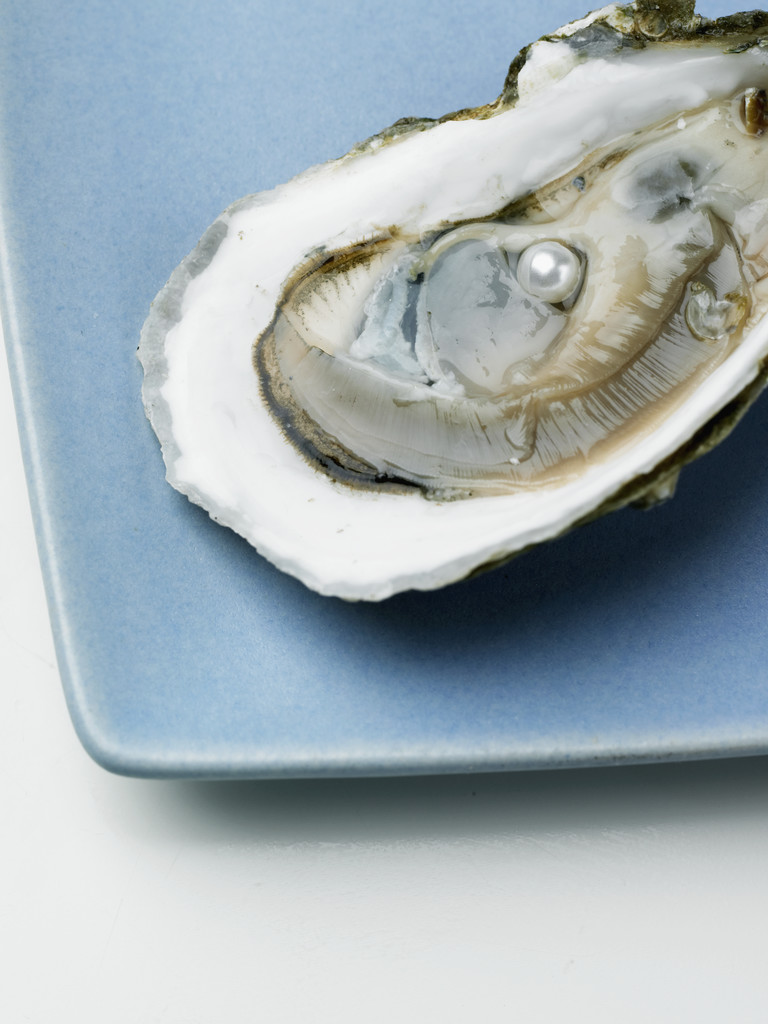
Raw oysters qualify as paleo

Weight is down to 165 lb compared to 166 a week ago—not a reliable or significant difference.  Again, I’m not in this for weight loss, but wouldn’t mind losing another five pounds.

Transgressions?  You bet.  I was off my usual schedule, being out of town for the funeral of my favorite aunt in Baytown, TX.  I had a small praline (pure sugar and pecans), a small tamale (cornmeal), and four oysters breaded with flour and fried in industrial seed oil.  I passed on the carrot cake my two dinner mates shared.

Eating paleo at restaurants on the road is fairly easy, especially if supplemented by the nuts and fresh fruit I travel with.  We had breakfast at Denny’s in Corsicana, TX, and I was amazed at how many of the menu items incorporated cheese.  I loved hearing that Texas, “How ya’ll doin’?”

I’ll not do more weekly recaps until I have something interesting to say.  I’m planning to cheat on the diet for 24 hours around Thanksgiving holiday, and at least once I’ll get a pumpkin Blizzard from Dairy Queen.  It’s a very thick milk shake.

—Steve

Update October 31, 2012

Dairy Queen pumpkin pie Blizzard: 780 calories, 116 g of digestible carbohydrate. That’s more calories than many of my meals.

Update November 8, 2012

Weight 168 lb.

Update November 14, 2012

Weight 165.5 lb.  Only a few transgressions. I miss sugar, as in cinnamon rolls, cookies, and pies.

Update November 19, 2012

Weight 164 lb.

Update November 21, 2012

Weight 162 lb.

Update November 22, 2012

Weight 165 lb.

Update December 3, 2012

Weight 165 lb (had been up to 167 in last week after Thanksgiving pies)

Update December 6, 2012

Weight 164 lb

Week 2 Recap of the Parker Paleo Diet Trial

It’s going well.  (Click for the Parker version of paleo.)

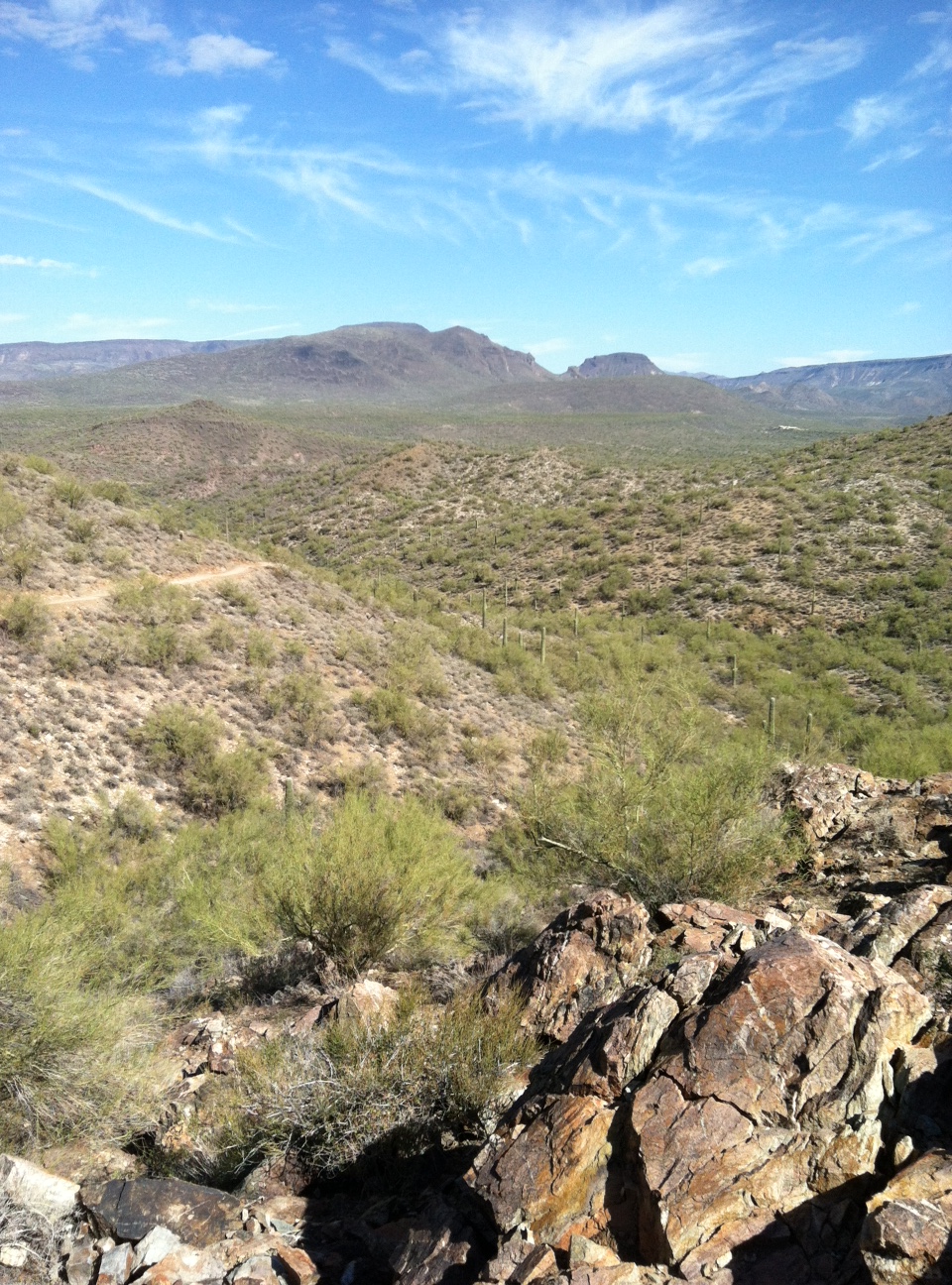
Overton trail at Cave Creek Regional Park, Arizona

Only one transgression.  I attended my son’s Boy Scout troop campout last weekend and had some salad with a small amount of cheese and salad dressing made from industrial seed oil.  Not a big deal.

These campouts are often carb-heavy affairs involving copious grains and refined sugars.  The adults get together on meals so there’s usually some compromise involved.  We always have meat or eggs at mealtimes, along with fresh fruit.  It’s not too hard to eat paleo, particularly if I bring some nuts.  I was sorely tempted by blueberry muffins, white chocolate/macadamia nut cookies, and oatmeal raisin cookies.

Although I’m not trying the paleo diet to lose weight, I lost 3.5 lb (1.6 kg) in the last week, adding to the 1.5 lb I lost in the first week.  Starting weight was 171 lb and I’m down to 166.  I gotta admit I’m pleasantly surprised.  I haven’t even been exercising for the last couple weeks.

—Steve

PS: The paleo diet is also known as the Paleolithic, Stone Age, Old Stone Age, hunter-gatherer, or caveman diet.

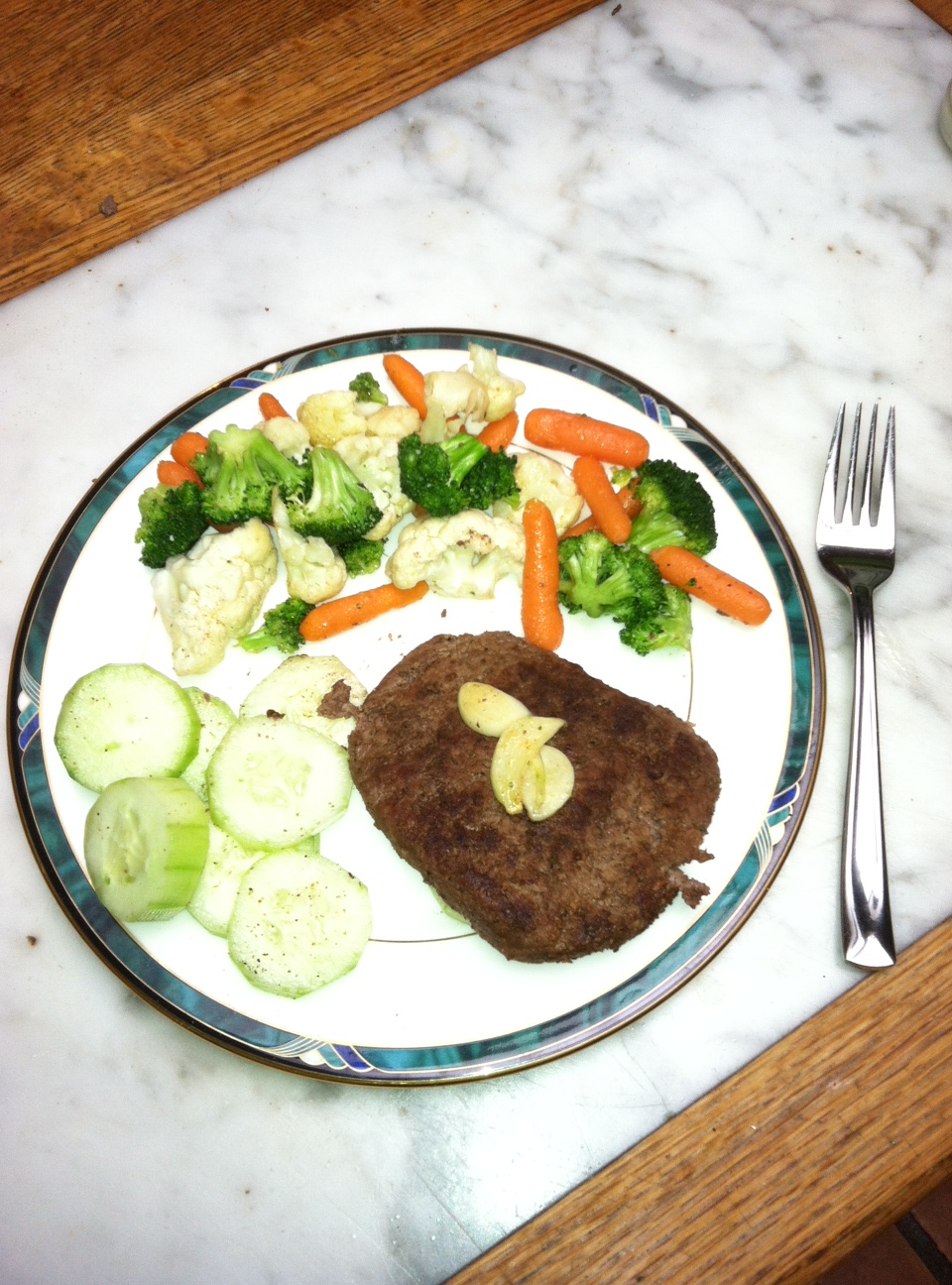
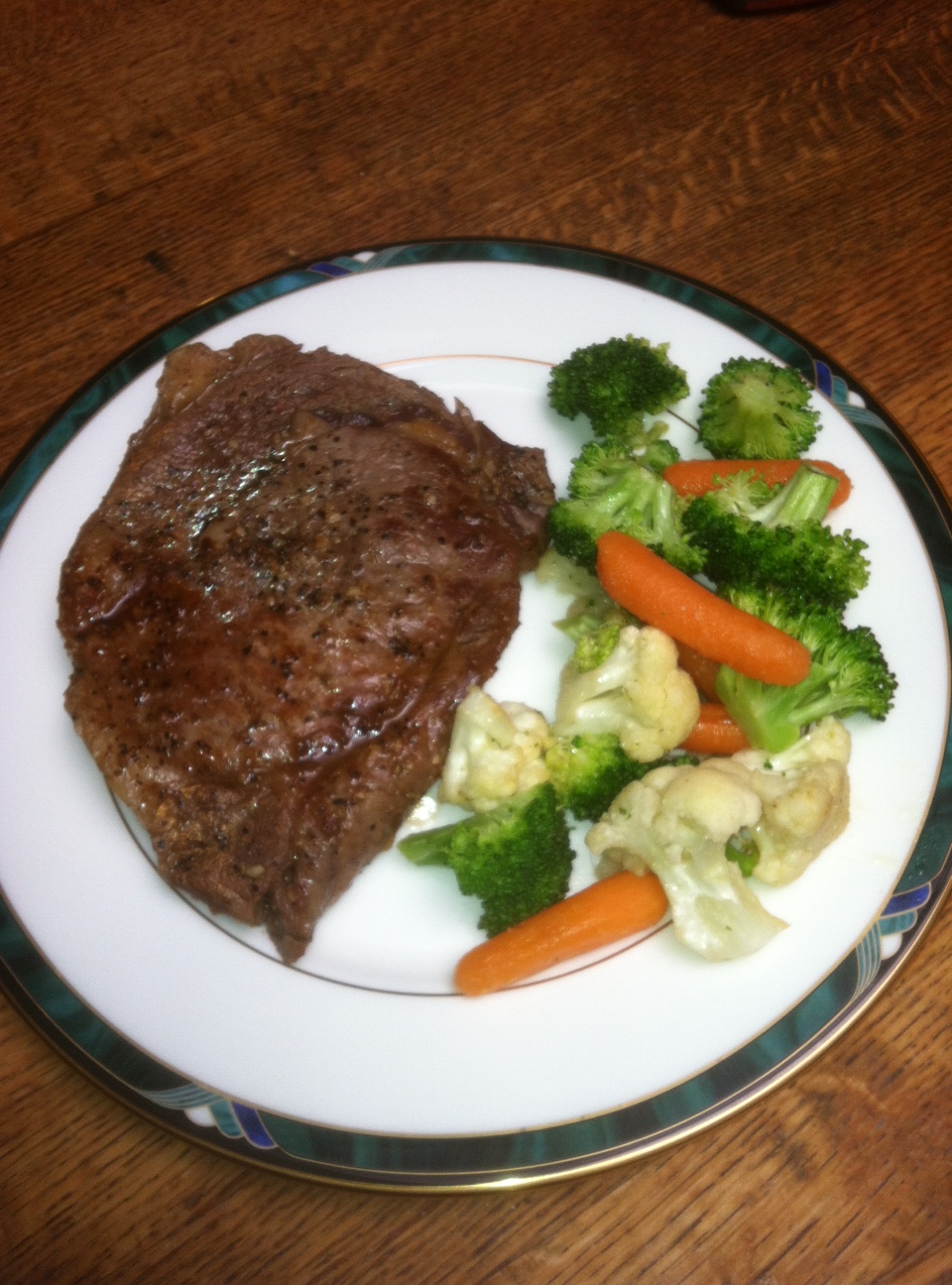
Hamburger, mixed veggies, raw cucumbers

Go John trail at Cave Creek Regional Park, Arizona, where the troop camped

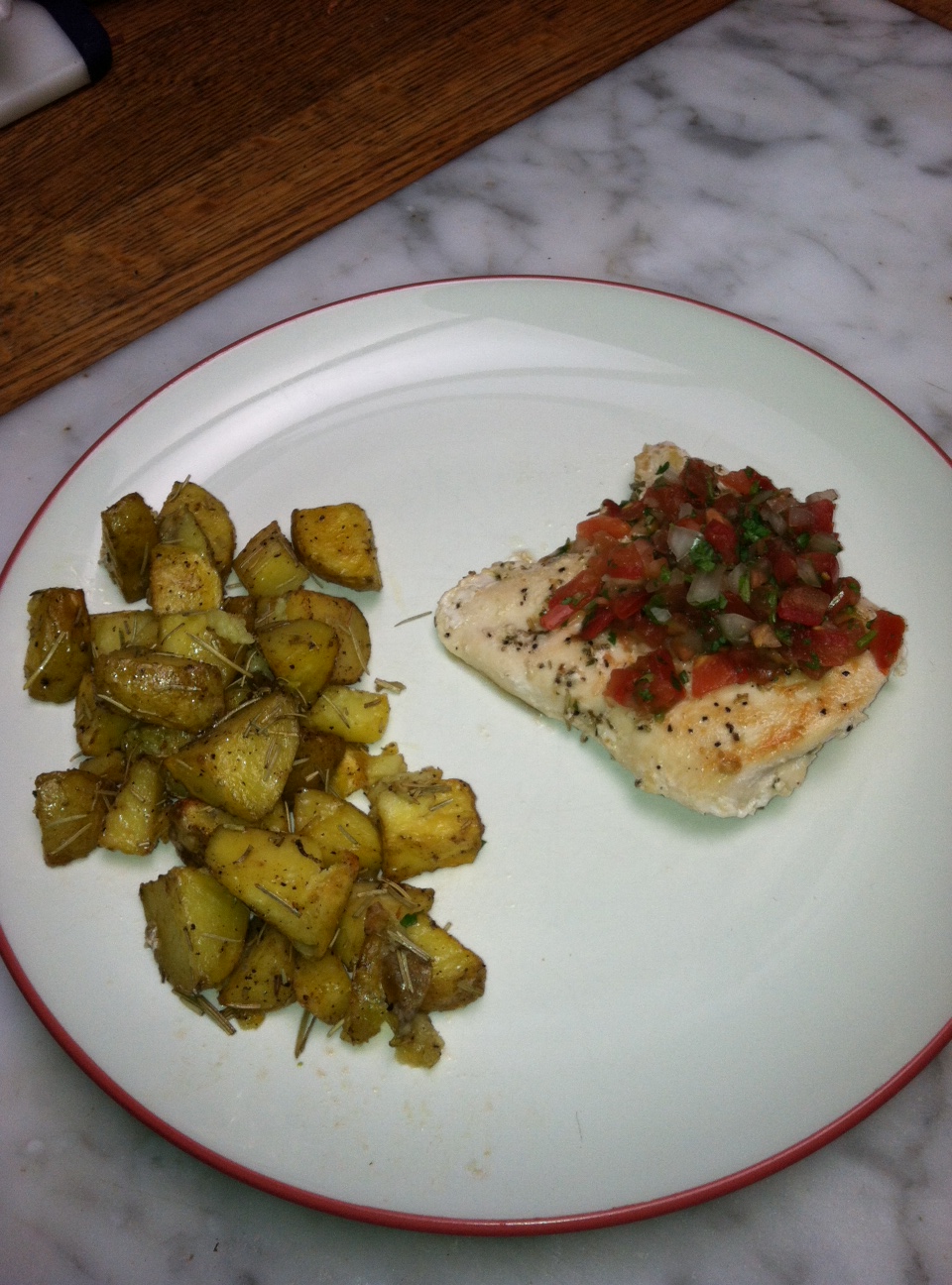
Rosemary Chicken (garnished with pico de gallo) and Rosemary Roasted Potatoes

What Do Mainstream Dietitians Think of the Paleo Diet?

Australian Aborigine in Swamp Darwin

I’m curious to know what mainstream dietitians think about the Paleolithic diet, so I read an article entitled “Are diets from Paleolithic times relevant today?”  This one-page article is in the August, 2012, issue of the Journal of the American Academy of Nutrition and Dietetics. The author is Eleese Cunningham, RD, of the Academy of Nutrition and Dietetics Knowledge Center Team.

The Academy of Nutrition and Dietetics is the new name of the American Dietetics Association, “the world’s largest organization of food and nutrition professionals.”

Ms. Cunningham notes that “diet books for modern humans are extremely popular, and the Paleolithic diet, sometimes called the “Caveman Diet” or the “Stone Age Diet,” is one of the latest trends.”  You’d think the author would mention one of the popular paleo diet books, such as Loren Cordain’s, Robb Wolf’s, or Mark Sisson’s.  Think again.  She brings up only another dietitian’s review of Richard Nikoley’s paleo diet book, pointing out his lack of professional health credentials and his advocacy of raw milk consumption.  But milk isn’t even considered a component of most paleo diets.  Ms. Cunningham justifiably points out the infectious risks, however small, linked to raw milk consumption.  (I’ve not read Nikoley’s book, Free the Animal.)

(If you click the link to see the review of Nikoley’s book, scroll to page 30.  Sample: “Based more on science fiction than science fact, Nikoley’s recommendations are misguided and reckless…”)

Ms. Cunningham likes the fact that the paleo diet reduces consumption of salt and added sugars, while promoting fruit and vegetables.  However, she immediately notes thereafter that, “a striking counter to the meat-based Paleolithic diet is the evidence that supports the healthfulness of a vegetarian diet and the benefits it may have in the prevention and treatment of certain diseases.  Another review of this approach . . . questions the exclusion of nutrient-rich grains, beans, and low-fat dairy and the potential nutrient shortfalls associated with the Paleolithic diet restrictions.”

This article appears to be in a regular feature of the journal called, “From the Academy: Question of the Month.”  Are diets from Paleolithic times relevant today?  She never answers directly.  I suspect the average dietitian reading this article will conclude that Ms. Cunningham and the Academy are not in favor of the paleo diet.

Steve Parker, M.D.

Reference: Cunningham, Eleese.  Are diets from Paleolithic times relevant today?  Journal of the Academy of Nutrition and Dietetics, 2012 (vol. 112, issue 8): p. 1296.  doi: 10.1016/j.jand.2012.06.019

Position of the American Dietetic Association: Vegetarian diets.  Journal of the American Dietetic Association, 2009 (109): 1266-1282.

Week 1 Recap of the Parker Paleo Diet Trial

I really didn’t need all that meat, but I ate it anyway

It’s going well.  No adverse effects.  Pretty easy to follow.

A prior post outlines the paleo diet version I’m following.  It’s a little more hardcore or purist than some of the others you’ll see.

Only two transgressions.  I absentmindedly drank a diet Coke and I purposefully ate four bacon-wrapped stuffed jalapeño peppers that held a little cheese.  The peppers were too hot for anyone else at home and I couldn’t stand to see them go to waste.

I’ve been working a string of 12-hour shifts.  My wife has cooked my meals; I eat one hot and fresh, and take the leftovers to the hospital for my mid-shift meal.  So two meals a day.

I’m not doing this to lose weight, but I’m down to 169.5 lb, a loss of 1.5 lb in one week.  I think the loss is real, not reflecting my state of hydration or contents of bladder and bowels.

This is fun.

—Steve

PS: The paleo diet is also known as the Paleolithic, Stone Age, Old Stone Age, hunter-gatherer, or caveman diet.

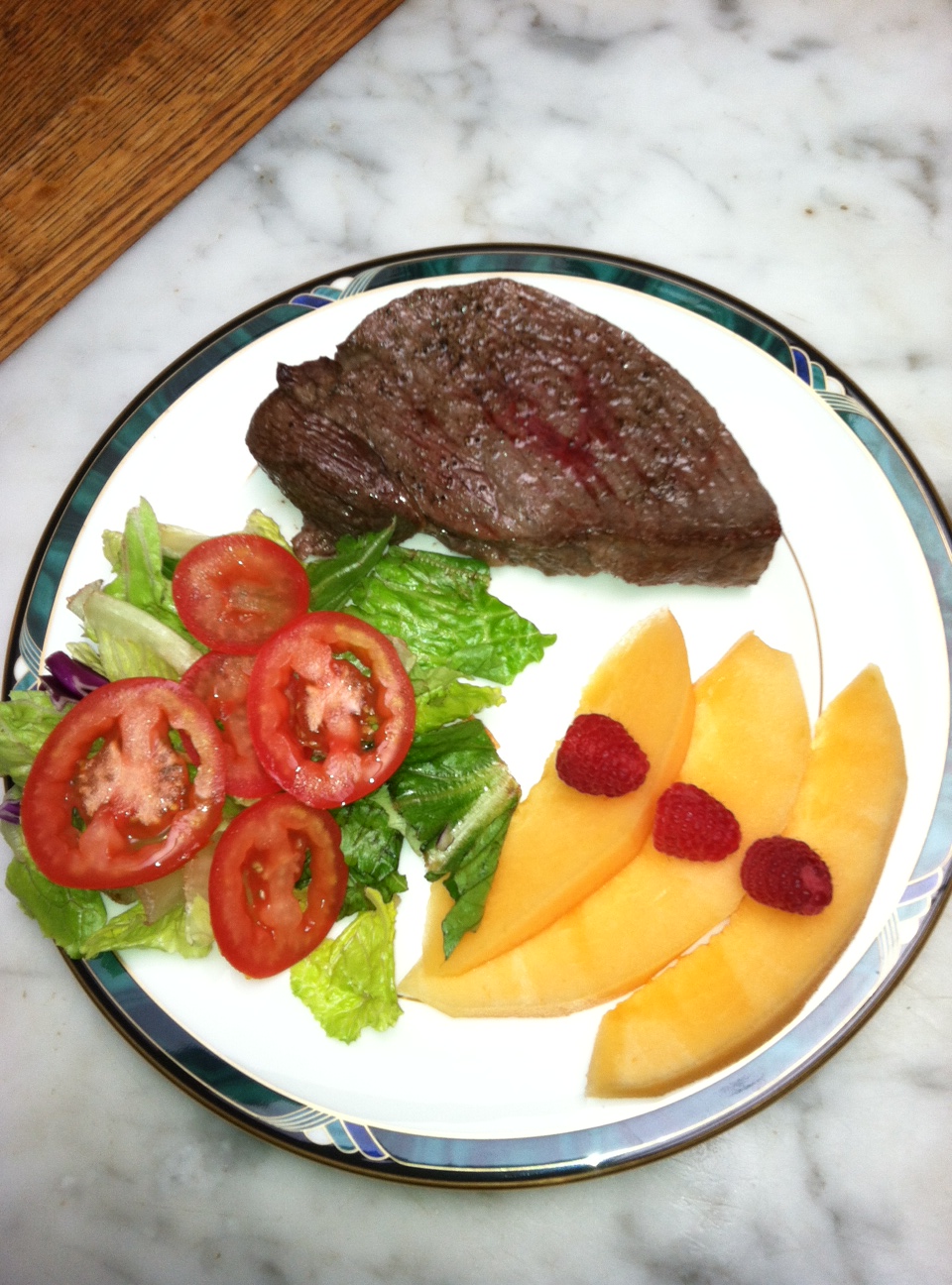
Sirloin steak, salad, cantaloupe, 3 raspberries

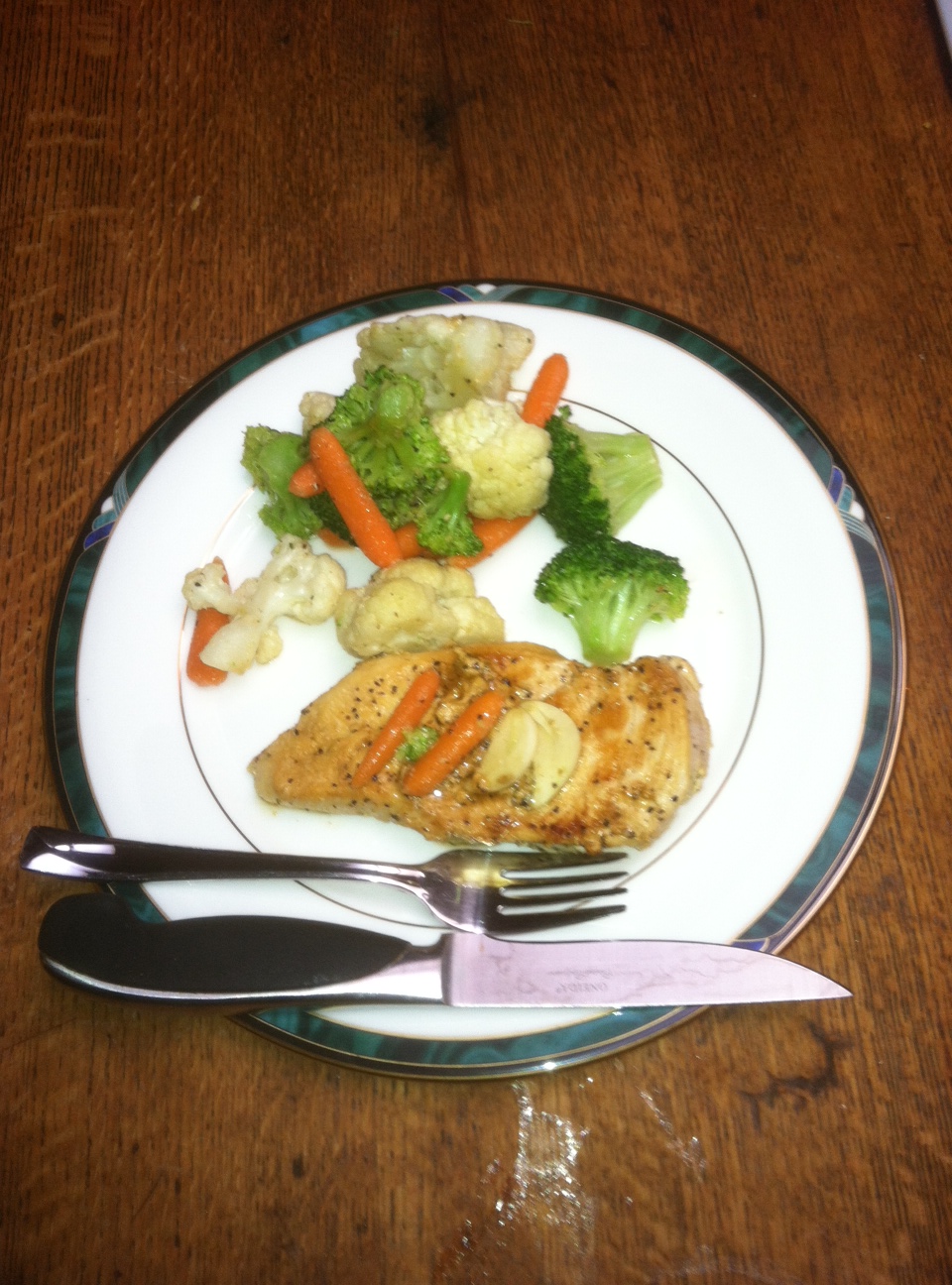
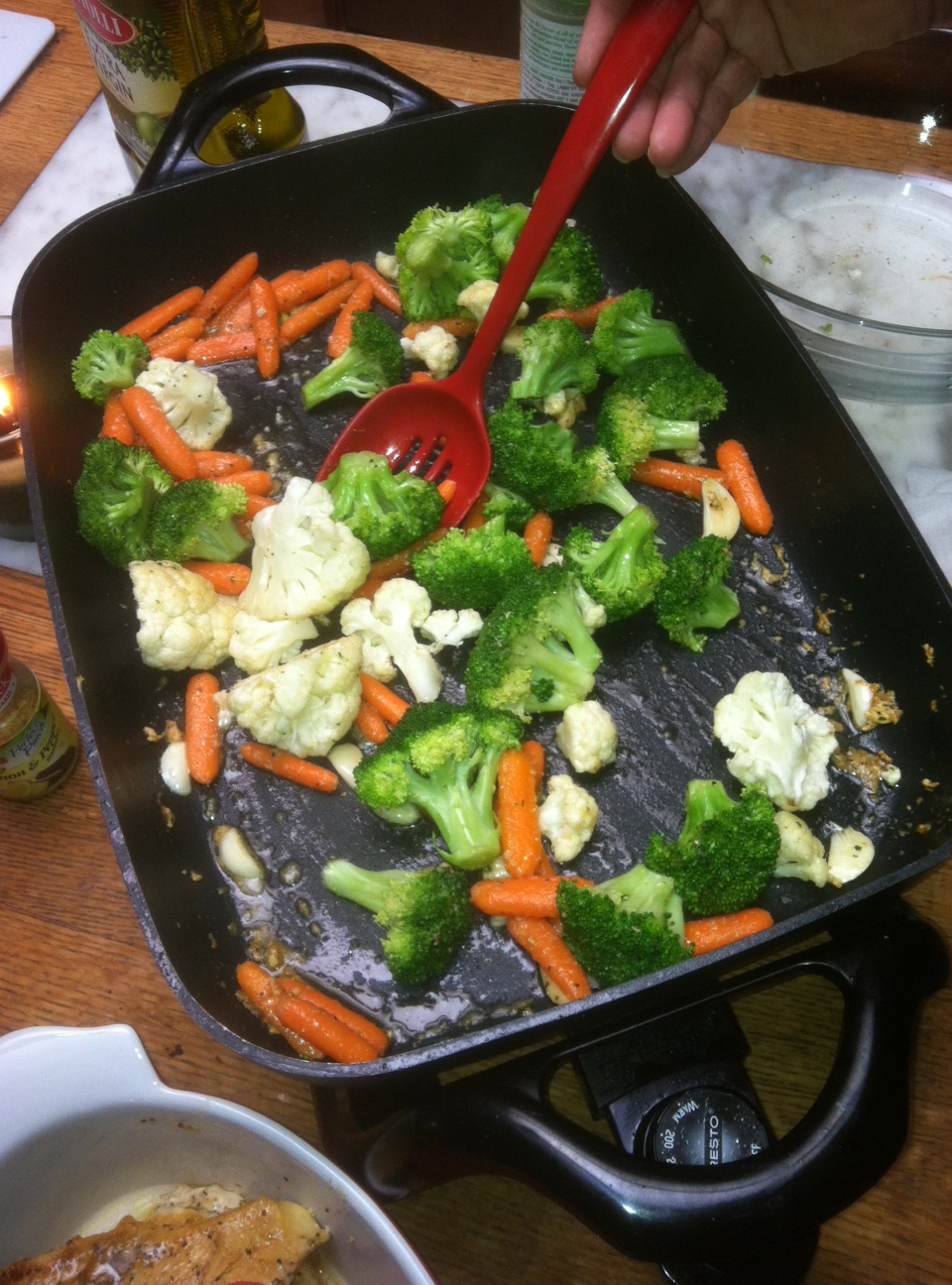
Pan-fried chicken and vegetables

My wife heats these in the microwave for five minutes then sautees them in olive oil with garlic slices

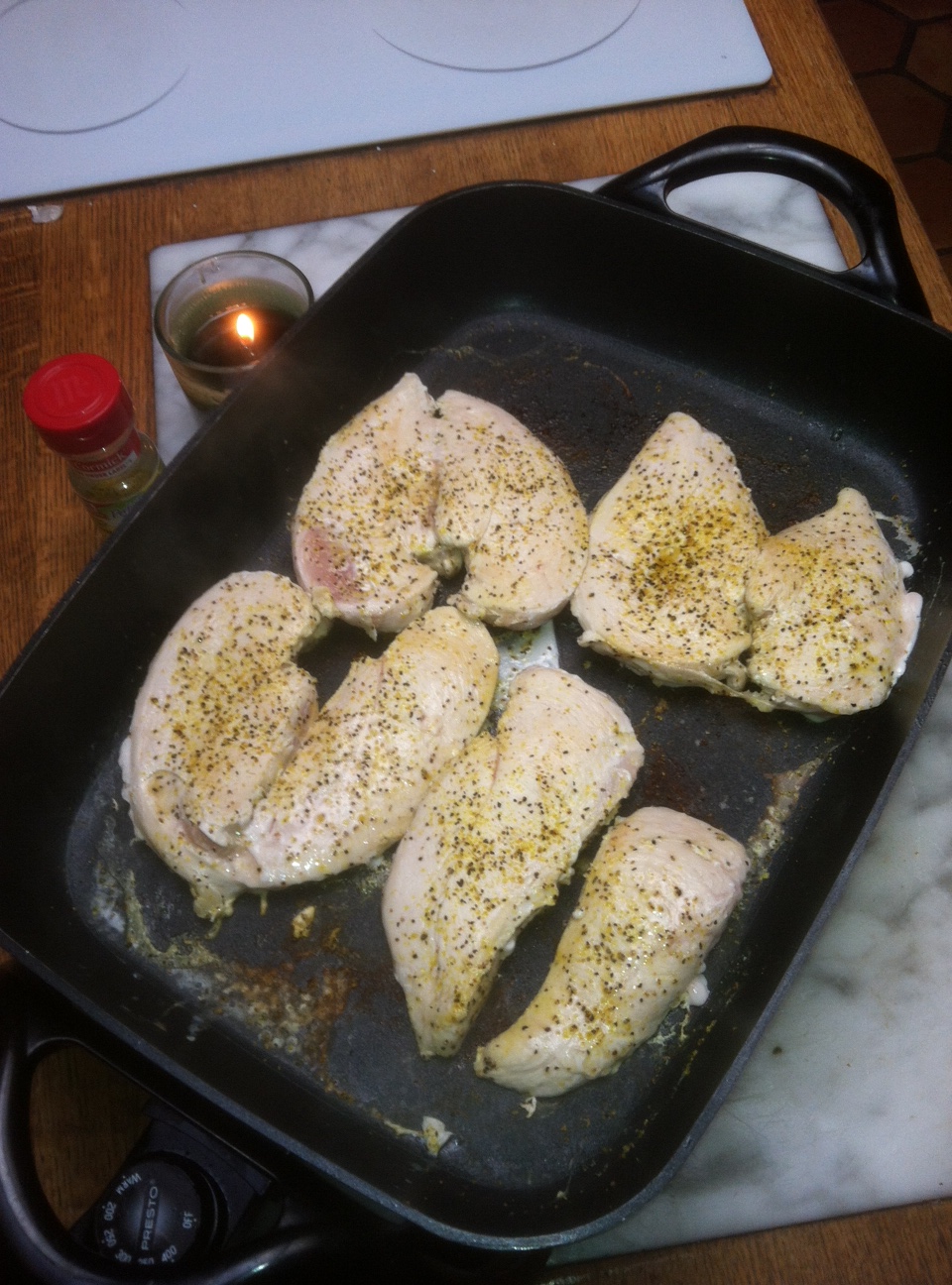
Thick chicken breasts sliced down the middle and opened up like a clam to reduce cooking time

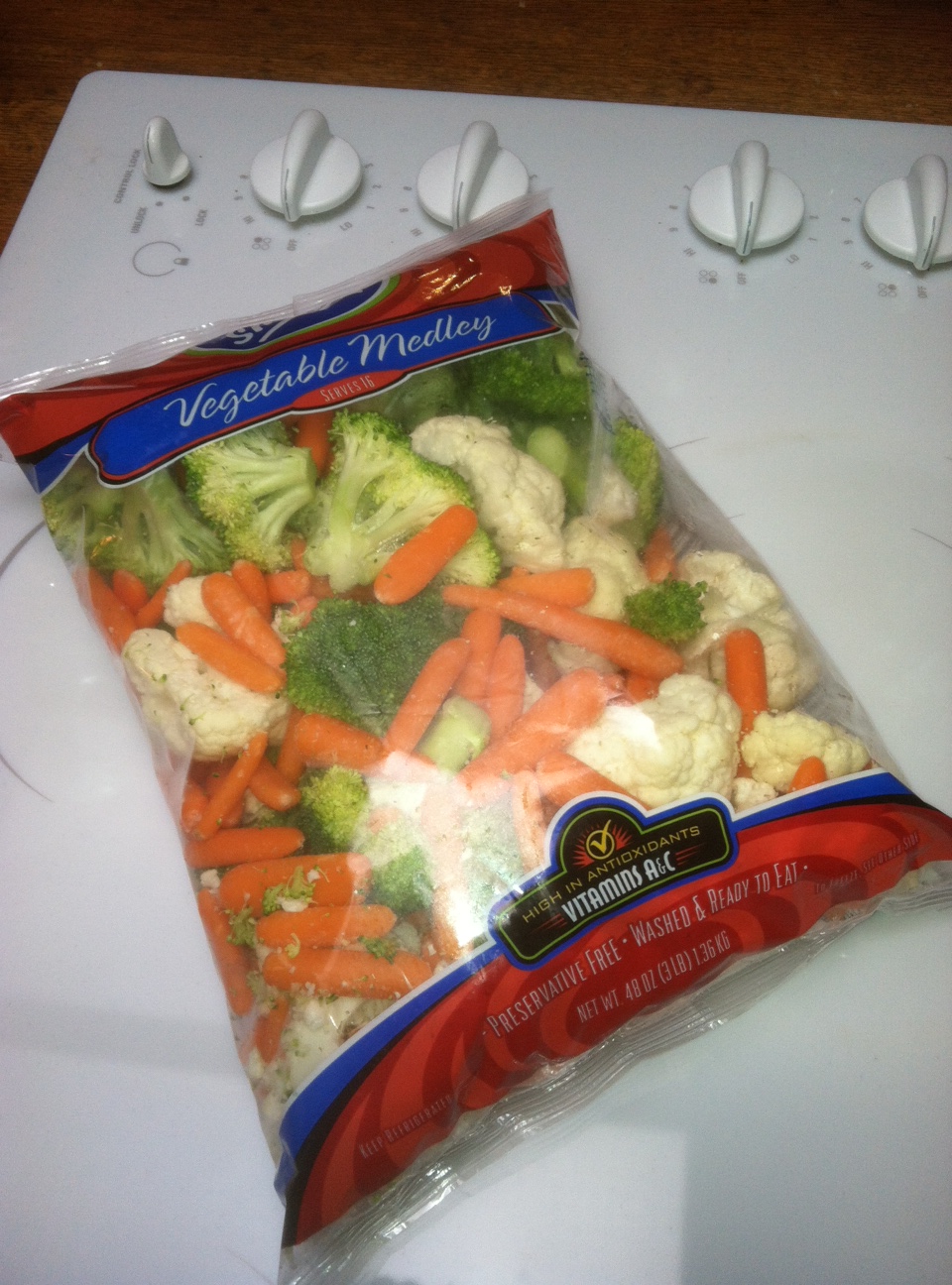
Only $3.50 (USD) for the whole bag at Sam’s Club