Tag Archives: diabetic diet

Short-Term Paleo Diet Improves Glucose Control in Obese Type 2 Diabetes (the Masharani Study)

UCSF is here

UCSF is here

A three-week Paleolithic-style diet improved blood sugars and lipids in obese type 2 diabetics, according to researchers at the University of California—San Francisco. This is the Lynda Frassetto study I’ve been waiting over a year for. The first named author is U. Masharani, so I’ll refer to this work in the future as the Masharani study. Sorry, Lynda.

To understand the impact of this study, you need to know about a blood test called fructosamine, which reflects blood sugar levels over the preceding 2–3 weeks. You may already be familiar with a blood test called hemoglobin A1c: it tells us about blood sugars over the preceding three months. Blood glucose binds to proteins in our blood in a process called glycation. The higher the blood glucose, the more bonding. Glucose bound to hemoglobin molecules is measured in HgbA1c. Glucose bound to plasma proteins (predominantly albumin) is measured as fructosamine. It probably has nothing to do with fructose. Fructosamine is a generic name for plasma ketoamines.

If you’re doing a diabetic diet study over over 2–3 weeks, as in the report at hand, changes in glucose control will mostly be detected in fructosamine rather than HgbA1c levels.

How Was the Research Done?

Twenty-five obese diabetics in the San Francisco Bay area were randomly assigned to either a paleo-style diet or one based on American Diabetes Association (ADA) guidelines. They followed the diets for three weeks, with various measurements taken before and after intervention.

Participants were aged 50-69; you have to guess the sex breakdown. Average body mass index was 34. Over half (63%) were White/European American; there were three each of Asian, African American, and Hispanic ethnicity. They had normal blood pressures and diabetes was well controlled, with hemoglobin A1c’s around 7% and fructosamine levels close to normal. Four subjects were on no diabetes medications; 14 were taking metformin alone, five were on metformin and a sulfonylurea, one was on long-acting insulin and a sulfonylurea. No drug dosages were changed during the study.

Both intervention diets were designed for weight maintenance, i.e., avoidance of weight loss or gain. If participants lost weight, they were instructed to eat more. All food was prepared and provided for the participants. Three meals and three snacks were provided for daily consumption.

Fourteen subjects completed the paleo diet intervention. They ate lean meats, fruits, vegetables, tree nuts, poultry, eggs, canola oil, mayonnaise, and honey. No added salt. No cereal grains, dairy, legumes, or potatoes. Calorie percentages from protein, fat, and carbohydrate were 18%, 27%, and 58%, respectively. Compared to the ADA diet, the paleo diet was significantly lower in saturated fat, calcium, and sodium (under half as much), while higher in potassium (twice as much). These dieters eased into the full paleo diet over the first week, allowing bodies to adjust to higher fiber and potassium consumption. The paleo diet had about 40 grams of fiber, over twice as much as the ADA diet.

[I wonder why they chose canola over other oils.]

Ten subjects completed the ADA diet, which included moderate salt, low-fat dairy, whole grains, rice, bread, legumes, and pasta. Calorie percentages from protein, fat, and carbohydrate were 20%, 29%, and 54%, respectively (very similar to the paleo diet). I don’t have any additional description for you. I assume it included meat, poultry, eggs, and fruit.

Diet compliance was confirmed via urine measurements of sodium, potassium, pH, and calcium.

What Did the Researchers Find?

Both groups on average lost about 2 kg (4-5 lb).

Compared to their baseline values, the paleo group saw reductions in total cholesterol, HDL cholesterol, LDL cholesterol, HgbA1c (down 0.3% absolute reduction), and fructosamine. Fructosamine fell from 294 to 260 micromole/L. [The normal non-diabetic range for fructosamine is 190-270 micromole/L.]

Compared to their baseline values, the ADA diet group saw reductions in HDL cholesterol and HgbA1c (down 0.2% absolute reduction) but no change in fructosamine, total cholesterol, and LDL cholesterol.

Comparing the groups to each other, the difference in fructosamine change was right on the cusp of statistical significance at p = 0.06.

Within each group, insulin resistance trended down, but didn’t reach statistical significance. However, when they looked at the folks who were the most insulin resistant, only the paleo dieters improved their resistance. By the way, insulin resistance was measure via euglycemic hyperinsulinemic clamp instead of the short-cut HOMA-IR method.

Blood pressures didn’t change.

The authors don’t mention hypoglycemia at all, nor alcohol consumption.

They note that some of the paleo dieters complained about the volume of food they had to eat.

Errata

I found what I think are a couple misprints. Table 1 has incorrect numbers for the amount of sodium and potassium in the ADA diet. See the text for correct values. Table 2 give fructosamine values in mg/dl; they should be micromoles/L.

Final Thoughts

This particular version of the paleo diet indeed seems to have potential to help control diabetes in obese type 2’s, perhaps even better than an ADA diet, and despite the high carb content. Obviously, it’s a very small study and I’d like to see it tested in a larger population for several months, and in type 1 diabetics. But it will be years, if ever, before we see those research results. Diabetics alive today have to decide what they’ll eat tomorrow.

I wish the researchers had explained why they chose their paleo diet macronutrient breakdown: calorie percentages from protein, fat, and carbohydrate were 18%, 27%, and 58%, respectively. Perhaps they were trying to match the ratios of the ADA diet. But from what I’ve read, the average ancestral paleo diet carbohydrate energy percentage is 30-35%, not close to 60%. My experience is that reducing carb calorie consumption to 30% or less helps even more with glucose control. Reducing carbs that low in this study would have necessitated diabetes drug adjustments and increased the risk of hypoglycemia.

The authors wonder if the high fiber content of the paleo diet drove the lowered glucose levels.

High HDL cholesterol is thought to be protective against coronary artery disease and other types of atherosclerosis. Both diet groups here saw reductions in HDL. That’s something to keep an eye on.

The ADA diet group saw a drop in HgbA1c but not fructosamine. I can’t explain how HgbA1c goes down over three weeks without a change in fructosamine level.

You have to wonder if the paleo diet results would have been more impressive if the test subjects at baseline had been sicker, with poorly controlled blood pressures and HgbA1c’s of 9% or higher. And it sounds like some of these folks would have lost weight if not forced to eat more. The paleo diet is more satiating than some.

The article was well-written and a pleasure to read, in contrast to some I’ve suffered through recently.

Steve Parker, M.D.

Reference: Masharani, U., et al. Metabolic and physiologic effects from consuming a hunter-gatherer (Paleolithic)-type diet in type 2 diabetes. European Journal of Clinical Nutrition, advance online April 1, 2015. doi: 10.1038/ejcn.2015.39
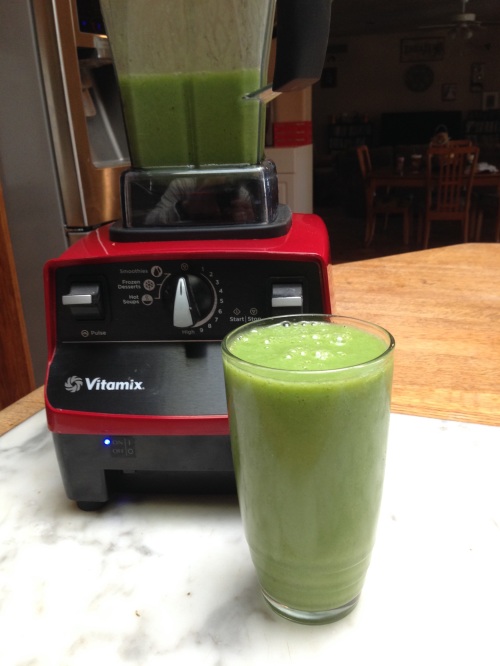
Recipe: Frozen Fruit Smoothie #2


Similar to an Icee, but healthier for you

Similar to an Icee, but healthier for you

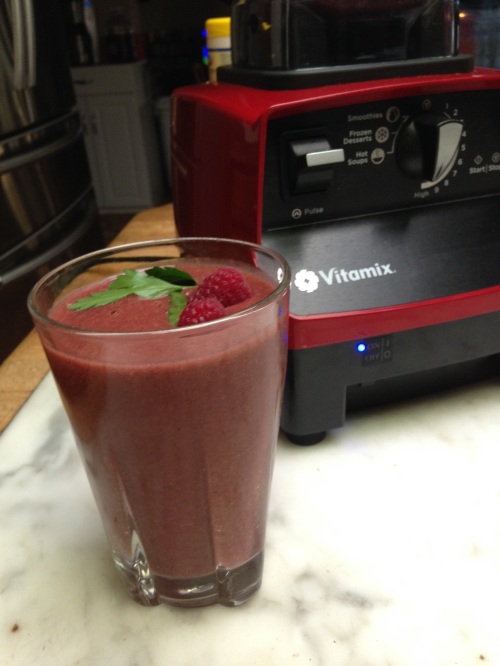
Try this for dessert instead of calorie-laden items like pie, cake, cookies, and ice cream. Unlike this smoothie, those aren’t very nutrient-dense, either. Since I provide the nutritional analysis below, you can easily incorporate this into most diabetic diets, such as the Paleobetic Diet. Most diabetics need to limit their carbohydrate consumption. Twelve fl oz of this smoothie has almost 40 digestible carb grams, so you may need to reduce the serving size or eat few other carbohydrates with your meal.

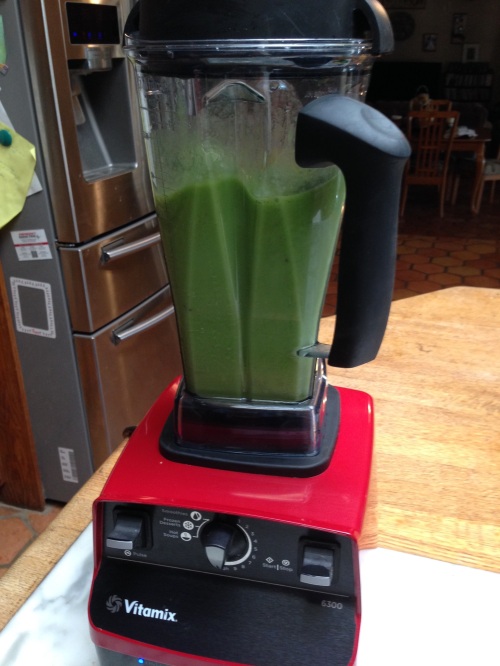
At the Parker Compound, we mix this in a Vitamix. Other devices may work, but I’m not familiar with them.

It's all here

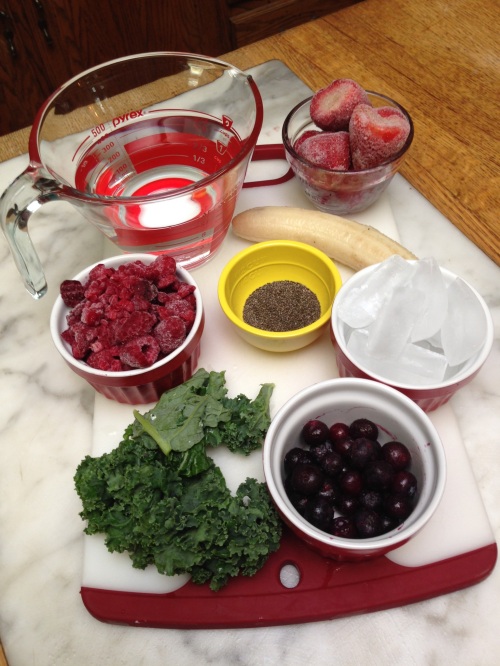
It’s all here

Ingredients

1 cup (240 ml) frozen raspberries

1/2 cup (120 ml) frozen blueberries

1 cup (240 ml) frozen strawberries

1 frozen banana (7 inches or 18 cm), cut into 3–4 pieces

1 tbsp (13 g) chia seeds

1 handful (1/2 ounce?) raw kale

2.5 cups (590 ml) water

1 cup (240 ml) ice cubes

Instructions

First item into the Vitamix is the water, then banana, all berries, chia seeds, then top off with the ice. Start mixing on variable speed 1 then slowly increase spin rate to 10, for a total mix of 45–60 seconds. Soon after you get started you’ll probably have to use the “plunger” a few times to un-clump the top items.

Loaded and ready to spin

Loaded and ready to spin

Depending on your batch of fruits, this drink may not be as sweet as you like. You could easily sweeten it up with your favorite artificial non-caloric sweetener. I used 1.5 tsp (7.5 ml) of Truvia to good effect, just thrown in with every thing else before or after the primary mix. Or you could use table sugar, about 4 tsp (20 ml), instead of the Truvia. Most of us eat too much sugar. If you go the sugar route, you’ll increase the calories per serving by 15, and increase carbohydrate grams by 4 per serving.

My able assistant wields the plunger

My able assistant wields the plunger

Number of Servings: 3.5 servings of 12 fl oz (350 ml) each

Advanced Mediterranean Diet boxes: 2 and 1/2 fruits

Nutritional Analysis per Serving:

7% fat

90% carbohydrate

3% protein

190 calories

46 g carbohydrate

7 g fiber

39 g digestible carbohydrate

5 mg sodium

290 mg potassium

Prominent features: Rich in vitamin C, fair amount of fiber, homeopathic amounts of sodium

Steve Parker, M.D.

PS: I credit my wife with this recipe.


Fruit Smoothie #1


A 12 fl oz serving

A 12 fl oz serving

My wife began experimenting with smoothies last year after seeing a Vitamix demonstration at Costco. Most Americans should probably eat more fruit; smoothies are one way to do that. Today’s recipe is one she concocted. Note the trendy chia seeds and kale. Smoothies are a great substitute for junk food desserts.

We’re using a Vitamix mixer. Other devices may be able to get the job done. The mixing speeds our device range from one to 10. (Tip for a competitor: make one that goes to 11.) We love our Vitamix and have no regrets about the purchase, although it was expensive (over $500 USD). It is hard to hear anything else when it’s running at top speed.

Since I provide nutritional analysis below, most diabetics can fit this smoothie into their diets without guessing the carb grams. Twelve fl oz or 350 ml provides 32 digestible carb grams. Most diabetics should probably reduce the serving size by a third, down to 8 fl oz (240 ml) and 11 digestible carb grams.

One potential advantage of blending these fruits is that one fruit may provide nutrients that the others lack

One potential advantage of blending these fruits is that one fruit may provide nutrients that the others lack

Ingredients

1 cup (240 ml) grapes, green seedless

1 mandarin orange, peeled, halved

1 banana (7 inches or 18 cm), peeled, cut into 3–4 pieces

1 pear, medium-size, cored, quartered (ok to leave peel on)

1/2 tbsp (7 g) chia seeds

1 cup (50 g) raw kale

Instructions

First put the water in the Vitamix, then grapes, pear, orange, banana, chia seeds, kale, and finally ice. Ice is always last. Then blend on variable speed 1 and gradually go up to high level (10). Total spin time is about 45 seconds.

Full speed ahead!

Full speed ahead!

Number of Servings: 2.5 consisting of 12 fl oz (350 ml) each.

Advanced Mediterranean Diet boxes: 2 fruits

Nutritional Analysis per Serving:

7% fat

88% carbohydrate

5% protein

160 calories

38 g carbohydrate

6 g fiber

32 g digestible carbohydrate

15 mg sodium

520 mg potassium

Prominent features: Good source of vitamin C, fair amount of fiber, miniscule sodium.

Steve Parker, M.D.


Listen to Low-Carb Diet Proponents Franziska Spritzler and Dr. Troy Stapleton

Who says low-carb paleo diets are mostly meat?

Who says low-carb paleo diets are mostly meat?

Jimmy Moore posted an interview with Dr. Troy Stapleton and Franziska Spritzler, R.D. These two wouldn’t consider themselves paleo diet gurus by any means. They advocate carbohydrate-restricted diets for management of blood sugars in diabetes, consistent with my approach in the Paleobetic Diet. Dr. Stapleton might argue I allow too many carbohydrates. By the way, he has type 1 diabetes; I’ve written about him before. Franziska is available for consultation either by phone, Skype, or in person.

Steve Parker, M.D.

Very-Low-Carb Diet Beats Medium-Carb ADA Diet in Type 2 Diabetes

Compared to a traditional American Diabetes Association diet, a very-low-carbohydrate ketogenic diet was more effective at controlling type 2 diabetes and prediabetes, according to University of California San Francisco researchers.

The debate about the best diet for people with diabetes will continue to rage, however. You’ll even find some studies supporting vegetarian diets. I’m still waiting for published results of the Frassetto group’s paleo diet trial.

Some non-starchy low-carb vegetables

Some non-starchy low-carb vegetables

Details

Thirty-four overweight and obese type 2 diabetics (30) and prediabetics (4) were randomly assigned to one of the two diets:

  1. MCCR: American Diabetes Association-compliant medium-carbohydrate, low-fat, calorie-resticted carb-counting diet. The goals were about 165 grams of net carbs daily, counting
    carbohydrates, an effort to lose weight by eating 500 calories/day less than needed for maintenance, and 45–50% of total calories from carbohydrate. Protein gram intake was to remain same as baseline. (Note that most Americans eat 250–300 grams of carb daily.)
  2. LCK: A very-low-carbohydrate, high-fat, non-calorie-restricted diet aiming for nutritional ketosis. It was Atkins-style, under 50 grams of net carbs daily (suggested range of 20–50 g). Carbs were mostly from non-starchy low-glycemic-index vegetables. Protein gram intake was to remain same as baseline.

Baseline participant characteristics:

  • average weight 100 kg (220 lb)
  • 25 of 34 were women
  • average age 60
  • none were on insulin; a quarter were on no diabetes drugs at all
  • most were obese and had high blood pressure
  • average hemoglobin A1c was about 6.8%
  • seven out of 10 were white

Participants followed their diets for three months and attended 13 two-hour weekly classes. Very few dropped out of the study.

Results

Average hemoglobin dropped 0.6% in the LCK group compared to no change in the MCCR cohort.

A hemoglobin A1c drop of 0.5% or greater is considered clinically significant. Nine in the LCK group achieved this, compared to four in the MCCR.

The LCK group lost an average of 5.5 kg (12 lb) compared to 2.6 kg (6 lb) in the MCCR. The difference was not statistically significant, but close (p = 0.09)

44% in the LCK group were able to stop one or more diabetes drugs, compared to only 11 % in the other group

31% in the LCK cohort were able to drop their sulfonylurea, compared to only 5% in the MCCR group.

By food recall surveys, both groups reported lower total daily caloric intake compared to baseline. The low-carbers ended up with 58% of total calories being from fat, a number achieved by reducing carbohydrates and total calories and keeping protein the same. They didn’t seem to increase their total fat gram intake;

The low-carbers apparently reduced daily carbs to an average of 58 grams (the goal was 20-50 grams).

There were no differences between both groups in terms of C-reactive protein (CRP), lipids, insulin levels, or insulin resistance (HOMA2-IR). Both groups reduced their CRP, a measure of inflammation.

LCK dieters apparently didn’t suffer at all from the “induction flu” seen with many ketogenic diets. They reported less heartburn, less aches and pains, but more constipation.

Hypoglycemia was not a problem.

If I recall correctly, the MCCR group’s baseline carb grams were around 225 g.

Bottom Line

Very-low-carb diets help control type 2 diabetes, help with weight loss, and reduce the need for diabetes drugs. An absolute drop of 0.6% in hemoglobin A1c doesn’t sound like much, translating to blood sugars lower by only 15–20 mg/dl (0.8–1 mmol/l). But remember the comparator diet in this study was already mildy to moderately carbohydrate-restricted. At least half of the type 2 diabetics I meet still tell my they don’t watch their carb intake, which usually means they’re eating around 250–300 grams a day. If they cut down to 58 grams, they most likely will see more than a 0.6% drop in hemoglobin A1c after switching to a very-low-carb diet.

If you’re developing a new diabetes drug that drops hemoglobin A1c by 0.6%, you’ll get FDA approval for effectiveness.

This is a small study, so it may not be reproducible in larger clinical trials and other patient populations. Results are consistent with several other similar studies I’ve seen, however.

Steve Parker, M.D.

Reference: Saslow, Laura, et al (including Stephen Phinney). A Randomized Pilot Trial of a Moderate Carbohydrate Diet Compared to a Very Low Carbohydrate Diet in Overweight or Obese Individuals with Type 2 Diabetes Mellitus or PrediabetesPLoS One. 2014; 9(4): e91027. Published online Apr 9, 2014. doi: 10.1371/journal.pone.0091027     PMCID: PMC3981696

PS: When I use “average” above, “mean” is often a more accurate word, but I don’t want to have to explain the differences at this time.

PPS: Carbsane Evelyn analyzed this study in greater detail that I did and came to different conclusions. Worth a read if you have an extra 15 minutes.

Should “Low-Carb” Be the Default Diet for Diabetes?

Yes….according to a manifesto to be published soon in Nutrition. The abstract:

The inability of current recommendations to control the epidemic of diabetes, the specific failure of the prevailing low-fat diets to improve obesity, cardiovascular risk or general health and the persistent reports of some serious side effects of commonly prescribed diabetic medications, in combination with the continued success of low-carbohydrate diets in the treatment of diabetes and metabolic syndrome without significant side effects, point to the need for a reappraisal of dietary guidelines.

The benefits of carbohydrate restriction in diabetes are immediate and well-documented. Concerns about the efficacy and safety are long-term and conjectural rather than data-driven. Dietary carbohydrate restriction reliably reduces high blood glucose, does not require weight loss (although is still best for weight loss) and leads to the reduction or elimination of medication and has never shown side effects comparable to those seen in many drugs.

diabetic diet, low-carb diet, paleobetic diet

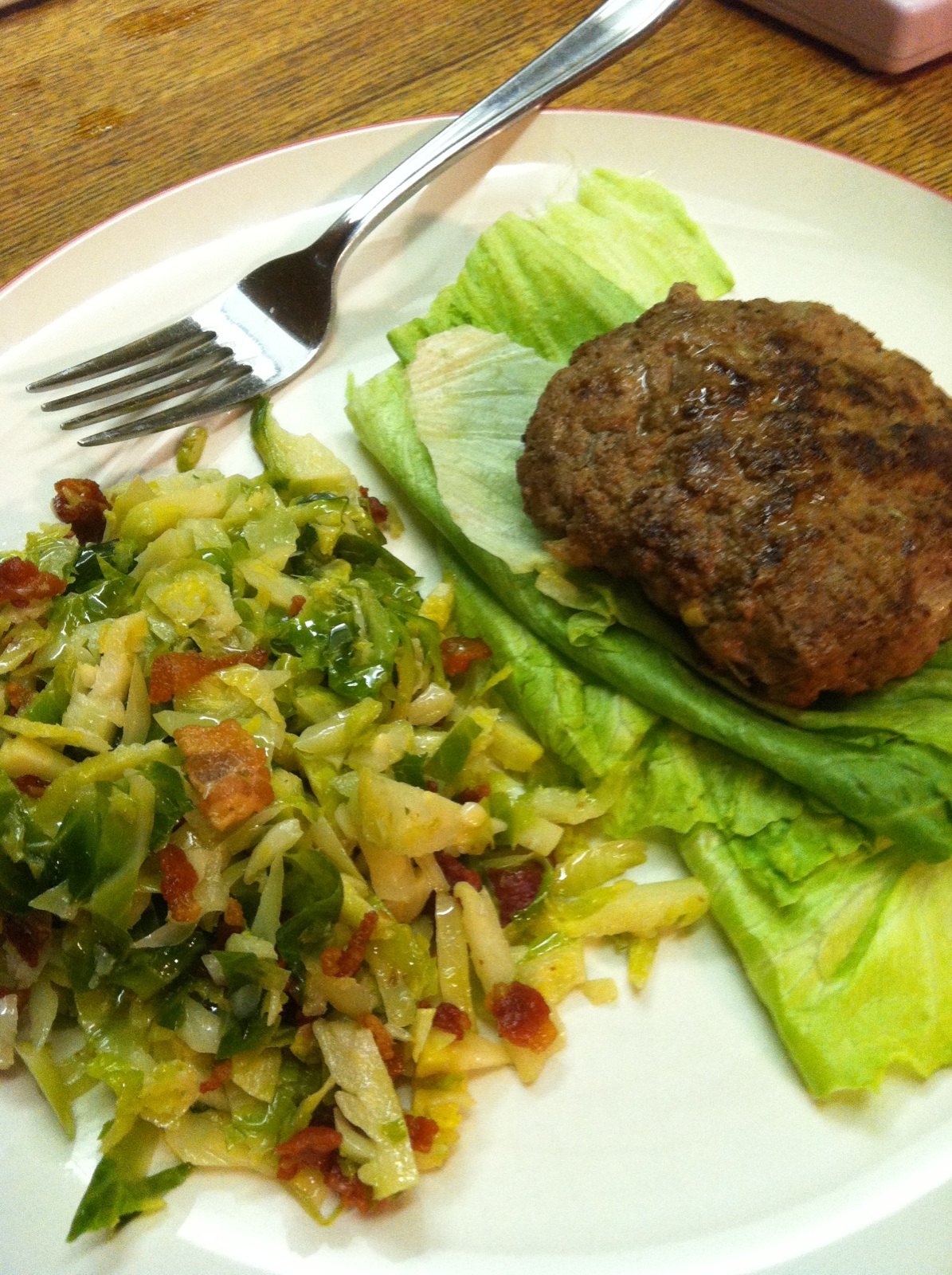
Low-Carb Brian burger and bacon Brussels sprouts (in the Paleobetic Diet)

The lead author is Richard Feinman. Others include Lynda Frassetto, Eric Westman, Jeff Volek, Richard Bernstein, Annika Dahlqvist, Ann Childers, and Jay Wortman, to name a few. Some of them disclose that they have accepted money from the Veronica and Robert C. Atkins Foundation. That doesn’t bother me.

I’m familiar with most of the supporting literature they cite, having read it over the last decade.

Read the whole enchilada.

Steve Parker, M.D.

PS: The linked article is preliminary and may undergo minor revision over the coming months.

Dr. Briffa on Carbohydrate Restriction for Diabetics

Diabetes UK is a prominent charity in Britain. It recommends that diabetics eat generous servings of carbohydrates: 5–14 daily servings of lower-glycemic-index items. Dr. Briffa strongly disagrees:

I can categorically state here that when individuals with diabetes cut back on carbohydrates, they almost always see significant improvement in their blood sugar control. They usually lose weight, and see improvements in markers of disease too. I’m most certainly not the only person to have noticed this. Just yesterday I met a most wonderful general practitioner who has come to the low-carb approach quite late in his career, but has used it to utterly transform the health of his patients. He showed me a variety of graphs from several patients pre- and post-adoption of a lower carbohydrate diet. He relayed a few stunning anecdotes too of people who believe eating a lower-carb diet has given them their health and their lives back.

***

I won’t mince my words and state here that I believe these recommendations [of Diabetes UK] are utterly mad. My experience tells me they will generally just entrench diabetics in their condition and the need for medical care. Compared to a lower-carbohydrate diet, the regime advocated by Diabetes UK stands to worsen blood sugar control and increase the need for medication and risk of complications. If Diabetes UK is serious about helping diabetics, I suggest it starts by ceasing to recommend a diet that, in my view, is utterly unsuitable for diabetics.


Another Paleo Diet Success Story For a Type 1 Diabetic

The Joslin Diabetes Blog has details. Lindsay Swanson was diagnosed with type 1 diabetes at age 25. Her initial interest was spurred by years of undiagnosed gastrointestinal issues. She eased into the Paleolithic diet by sequentially eliminating certain food classes, starting with grains, then soy, then legumes. As she did, she felt increasingly better. Lindsay eats few refined carbohydrates. My sense is she doesn’t require much insulin. A quote:

Much to my surprise, my blood sugars completely leveled out, so much so that I rarely need to treat a low blood sugar, and spikes are few and far between….Probably 75 percent of my diet consists of vegetables and plant based food, some with more carbohydrates depending on my activity level. I eat a lot of fat/protein regularly, examples: avocados, coconut oil (in tea and cooking), grassfed meats, bacon (and the reserved fat), oils, nuts, etc.


Recipe: Bacon Bit Brussels Sprouts

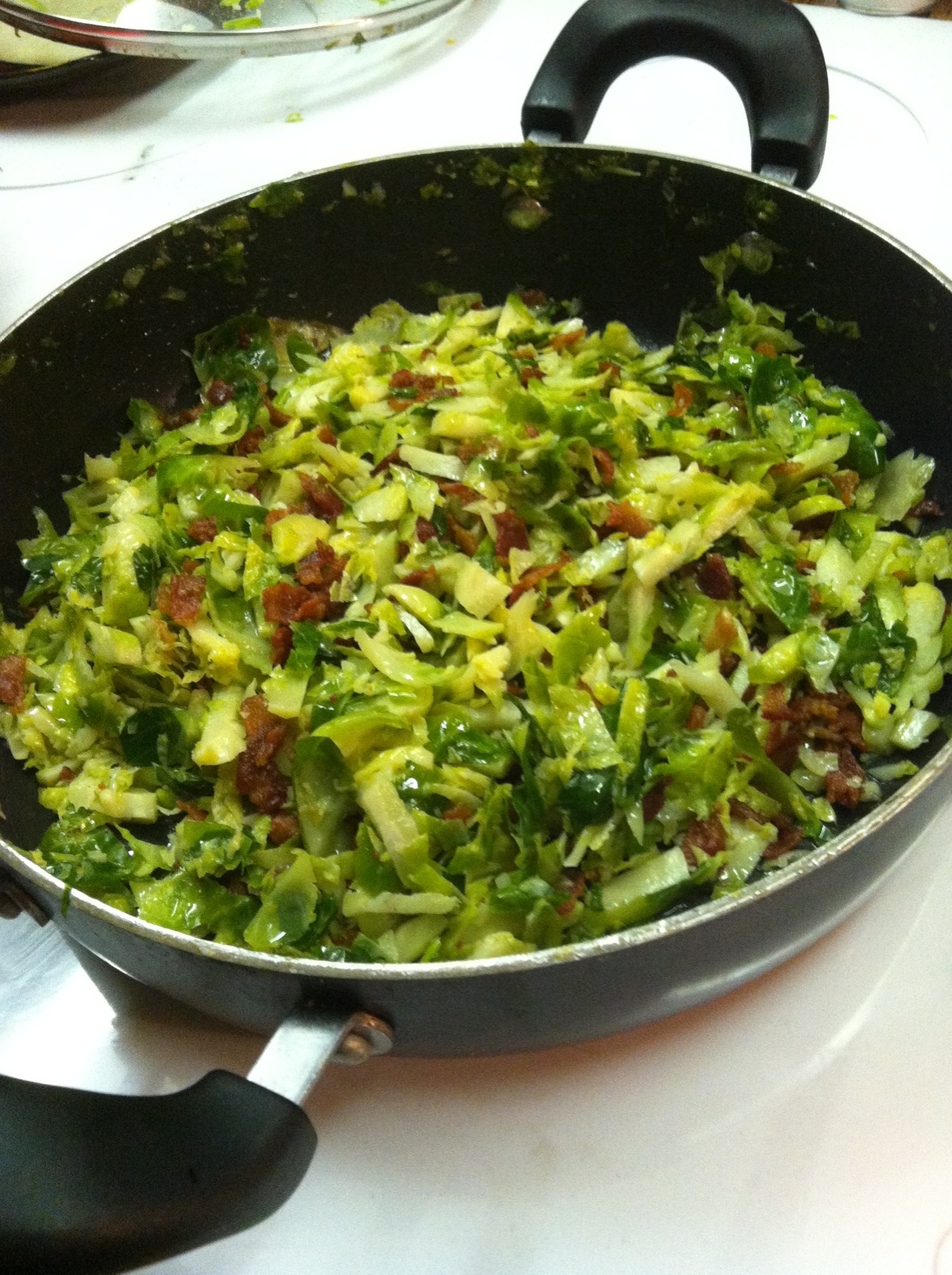
Bacon Bit Brussels Sprouts

Bacon Bit Brussels Sprouts

A while back I posted a meal recipe for Bacon Brussels Sprouts to accompany Brian Burgers. To make it a little more convenient, I’ve substituted off-the-shelf real bacon bits instead of frying my own bacon. I traded olive oil for the bacon grease. The two versions taste very similar.


diabetic diet, paleobetic diet, low-carb diet

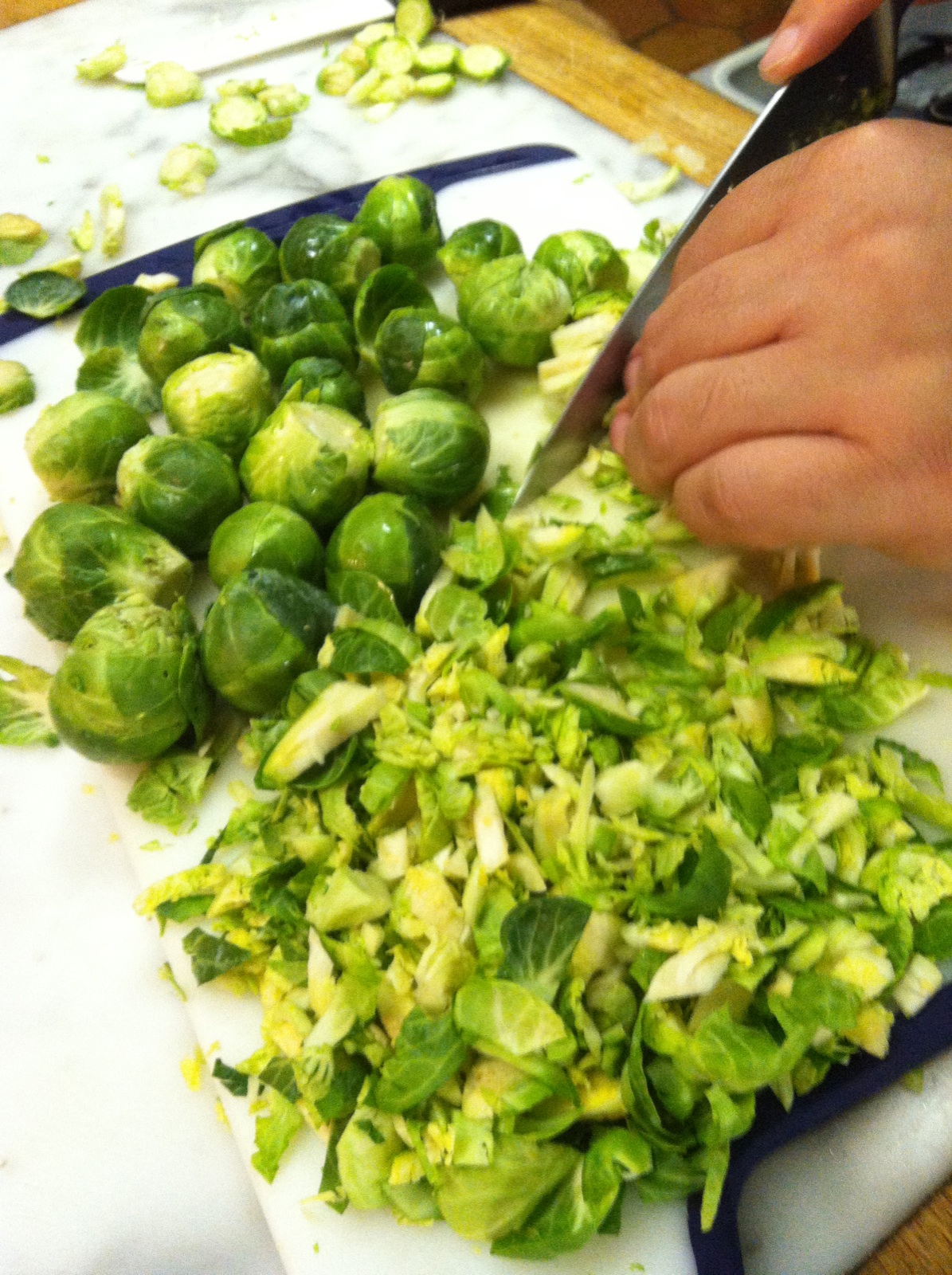
It took me 10 minutes of chopping to shred the sprouts

Ingredients:

1 lb (454 g) Brussels sprouts, raw, shredded (slice off and discard the bases first)

4 tbsp (60 ml) extra virgin olive oil

5 tbsp (75 ml or 35 g real bacon bits or crumbles (e.g., by Hormel or Oscar Mayer)

2 garlic cloves, minced (optional)

1/8 (0.6 ml) tsp salt

1/4 tsp (1.2 ml) ground black pepper

3 tbsp (45 ml) water

Instructions:

diabetic diet, paleobetic diet, low-carb diet

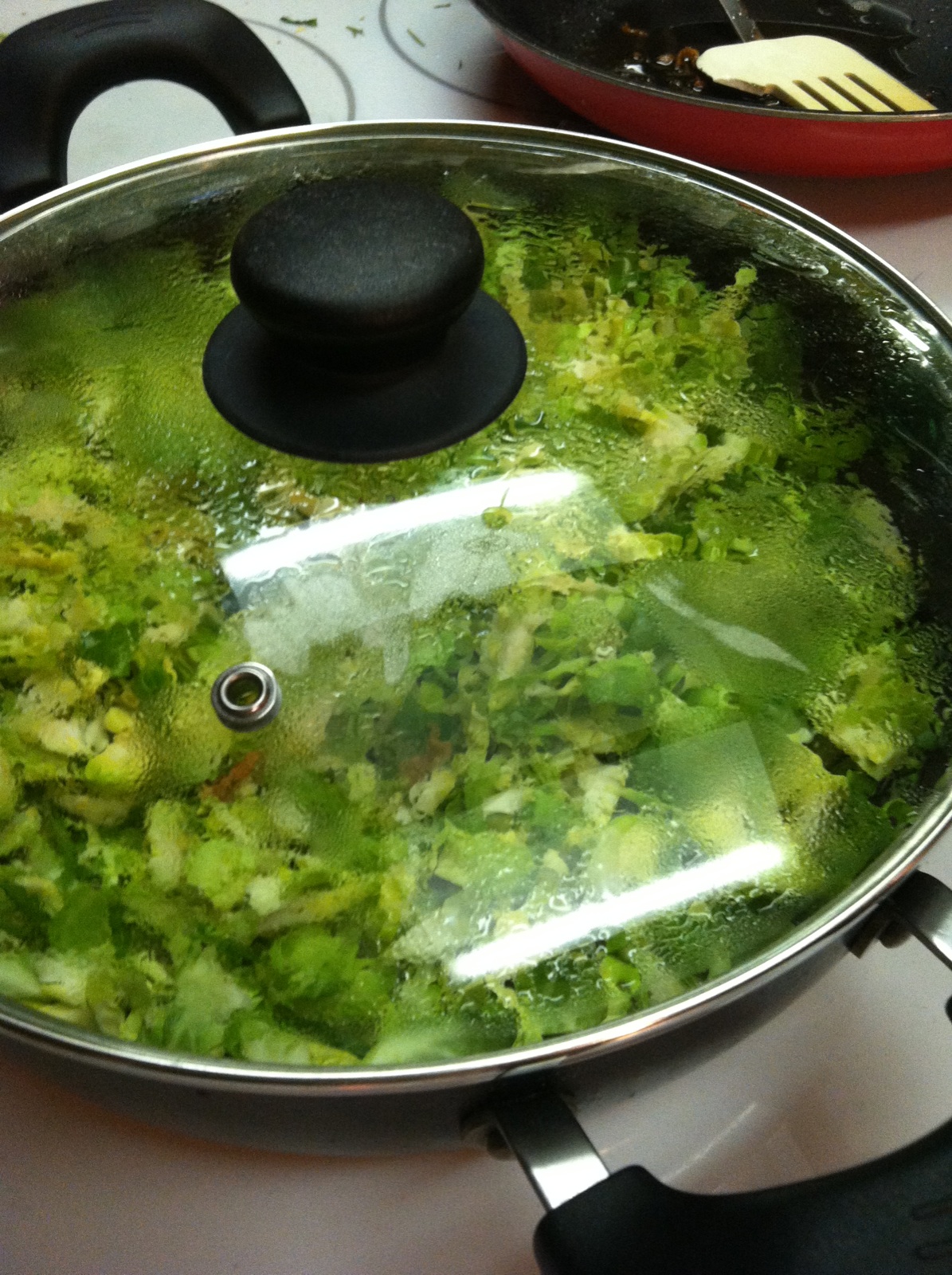
Steaming in progress

You’ll be steaming this in a pan with a lid. Put the garlic and olive oil in a pan and cook over medium-high heat for a few minutes to release the flavor of the garlic. Add the water to the pan and let it warm up for a half a minute or so on medium-high heat. Then add the shredded sprouts and cover with the lid. After a minute on this medium-high heat, turn it down to medium. The sprouts will have to cook for only 4–6 minutes. Every minute, shake the pan to keep contents from sticking. You might need to remove the lid and stir with a spoon once, but that lets ourtyour steam and may prolong cooking time. The sprouts are soft when done. Then remove from heat, add the bacon bits, salt, and pepper, then mix thoroughly.

When time allows, I’d like to experiment with this by leaving out the bacon and using various spices instead. Do you know what goes well with Brussels sprouts?

Number of Servings: 3 (1 cup or 240 ml each)

Nutritional Analysis per Serving:

71% fat

19% carbohydrate

10% protein

270 calories

14 g carbohydrate

6 g fiber

8 g digestible carbohydrate

328 mg sodium

646 mg potassium

Prominent feature: High in vitamin C (over 10o% of your RDA)

diabetic diet, low-carb diet, paleobetic diet

Brian burger and bacon Brussels sprouts

Recipe: Baked Glazed Salmon and Herbed Spaghetti Squash

This is a paleo-friendly modification of a meal in my Conquer Diabetes and Prediabetes book. It makes two servings.

Ingredients:

16 oz (450 g) salmon filets

4.5 garlic cloves

7 tsp (34.5 ml) extra virgin olive oil

1.5 fl oz (45 ml) white wine

4.5 tsp (22 ml) mustard

4 tbsp (60 ml) vinegar, either cider or white wine (balsamic vinegar would add 6 g of carbohydrate to each serving)

2 tsp (10 ml) honey

1.5 tbsp (15 ml) fresh chopped oregano (or 1 tsp (5 ml) of dried organo)

2 cups cooked spaghetti squash

2 tbsp fresh parsley, chopped

0.5 tsp (2.5 ml) salt

1/4 tsp (1.2 ml) black pepper, or to taste

Instructions:

Start on the herbed squash first since it may take 30 to 70 minutes to cook. Click  for instructions on cooking spaghetti squash unless you have some leftover in the fridge. To two cups of the cooked squash, add 4 tsp (20 ml) of the olive oil, all the fresh chopped parsley, a half clove of minced garlic, 1/3 tsp (1.6 ml) of the salt, and 1/8 tsp (0.6 ml) of black pepper, then mix thoroughly. The herbed squash is done. It could be difficult to time perfectly with the fish even if you have two ovens. But it’s tasty whether warm, room temperature, or cold. If you want it warm but it’s cooled down before the fish is ready, just microwave it briefly.

Onward to the fish. Preheat the oven to 400º F (200º C). Line a baking sheet or pan (8″ or 20 cm) with aluminum foil. Lightly salt and pepper the fish in the lined pan, with the skin side down.

Now the glaze. Sauté four cloves of minced garlic with 1 tbsp (15 ml) of olive oil in a small saucepan over medium heat for about three minutes, until it’s soft. Then add and mix the white wine, mustard, vinegar, honey, and 1/8 tsp (0.625 ml) of salt. Simmer uncovered over low or medium heat until slightly thickened, about there minutes. Remove glaze from heat and spoon about half of it into a separate container for later use.

Drizzle and brush the salmon in the pan with the glaze left in the saucepan. Sprinkle the oregano on tip.

Bake the fish in the oven for about 10–13 minutes, or until it flakes easily with a fork. Cooking time depends on your oven and thickness of the fish. Overcooking the fish will toughen it and dry it out. When done, use a turner to transfer the fish to plates, leaving the skin on the foil if able. Drizzle the glaze from the separate container over the filets with a spoon, or brush it on. Don’t use the unwashed brush you used earlier on the raw fish.

Servings: 2

Nutritional Analysis:

50% fat

13% carbohydrate

37% protein

600 calories

21 g carbohydrate

3 g fiber

18 g digestible carbohydrate

1,150 mg sodium

1,277 mg potassium

Prominent features: Rich in protein, B6, B12, niacin, pantothenic acid, phosphorus, and selenium