Japanese Man Lived to 116

The world’s oldest man died recently at the age of 116. National Geographic has an article mentioning him, including an interview with Blue Zones author Dan Buettner:

Who is the most memorable Blue Zoner you’ve met?

Without question it’s Stamatis Moraitis, who lives in Ikaria. I believe he’s 102. He’s famous for partying. He makes 400 liters [100 gallons] of wine from his vineyards each year, which he drinks with his friends. His house is the social hot spot of the island. (See “Longevity Genes Found; Predict Chances of Reaching 100.”)

He’s also the Ikarian who emigrated to the United States, was diagnosed with lung cancer in his 60s, given less then a year to live, and who returned to Ikaria to die. Instead, he recovered.

Yes, he never went through chemotherapy or treatment. He just moved back to Ikaria.

Did anyone figure out how he survived?

Nope. He told me he returned to the U.S. ten years after he left to see if the American doctors could explain it. I asked him what happened. “My doctors were all dead,” he said.

Read the rest.

Wine and other alcoholic beverages aren’t typically considered “paleo,” but you might consider drinking in moderation anyway.


Does Your Response to Physical Training Depend on Your Genes?

Steve Parker MD

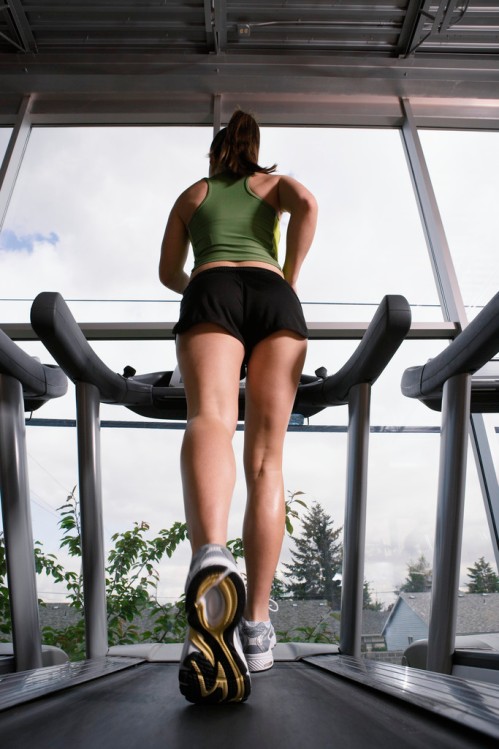
Her response depends on genes, training program, nutrition, discipline, adequate sleep, adequate rest, etc.

Here’s an excerpt from an interview with author David Epstein in Outside online. Epstein wrote The Sports Gene: Inside the Science Of Extraordinary Athletic Performance:

Interviewer: That’s one of the most fascinating and unexpected parts of the book, where you discuss the Heritage study’s findings on trainability. Explain its implications.

Epstein: That’s the most famous exercise-genetics study ever done. It’s the collaboration of five colleges in the U.S. and Canada. They took sedentary, two-generation families, which didn’t have a training history, and put them through stationary-bike exercise plans that were totally controlled. Families had to go into the lab and exercise over five months. The goal was to see how people would improve, and they were split into four different university centers to do the training and every center saw the exact same pattern. About 15% of people improved their aerobic capacity very little or not at all. And 15% improved 50% or more doing identical training. Families tended to stick together in the improvement curve, so about half of any person’s improvement was determined by their parents. I remember the editorial that ran in the journal of applied physiology “some people’s alphabet soup—meaning their DNA—didn’t spell ‘runner.’” One person training the exact same as another person can have completely different outcomes.

Many folks don’t like to admit this, assuming it’s true. “Set your mind to it, work hard—10,000 hours—and you can do or be anything you want.” Have you ever been tortured by unrealistic expectations? The truth will set you free.

Read the rest.

CavemanDoctor On Calcium Consumption and Osteoporosis

paleo diet, Steve Parker MD,calcium, osteoporosis

I worry about her bones 50 years hence

I’ve fretted here before about possible inadequate calcium intake on typical paleo diets. Colin Champ, M.D., otherwise known as CavemanDoctor, has a way around it. A quote summarizes his ideas:

“In Review:

  1. Calcium levels and bone health are multifactorial and calcium intake is just the tip of the iceberg.
  2. Don’t count on dairy for calcium and instead get it naturally in highly absorbable forms in the foods nature laid out for you.
  3. Instead, avoid foods that result in decreased absorption and increased excretion of calcium like milk.
  4. Get some sun (not sun burns) or if that is not possible, take some vitamin D3.
  5. Lift heavy weights and sprint as the heavy loads stimulates bone mineralization and decrease bone breakdown.
  6. Avoid chronic stress and the increase in glucocorticoids that results.
  7. Increase your highly absorbable sources like green leafy vegetables, and decrease poorly absorbable sources like milk, and avoid its downside with its large amounts of lactose (sugar).
  8. Avoid large amounts of carbohydrates that cause significant insulin release and calcium loss in the urine.”

Read the rest.

No Great Benefit to Carb Counting Compared to Other Insulin-Dosing Methods

…according to an article at MedPageToday. Briefly, carb counting involves estimating the digestible carbohydrate grams in a meal (often called net carbs), then dosing rapid-acting insulin based on those grams and the individual’s prior responses to insulin. It turns out there’s not a lot of hard clinical evidence to back up the practice. A quote from the article:

Carbohydrate counting is the best known method for matching insulin dosing to meals, and is the recommended dietary strategy for achieving glycemic control in type 1 diabetes, though that recommendation has been largely based on expert consensus, Bell said.

One commentator said it doesn’t work very well because most folks aren’t very good at it, they’re not vigilant enough. Why do we so often want to blame the patient?

A review panel “compared carbohydrate counting with usual care, which consisted of either general nutrition advice or low dietary glycemic index (GI) advice.” They found no significant differences in hemoglobin a1c between the approaches.

Read the rest.

Exercise for the Diabetic

GENERAL EXERCISE BENEFITS

Regular physical activity postpones death, mostly by its effect on cancer, strokes, and heart attacks.
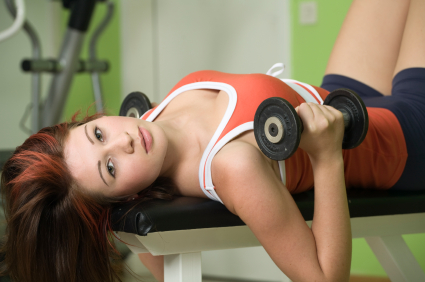
Consider a personal trainer if you're not familiar with weight training

Consider a personal trainer if you’re not familiar with weight training

Exercise is a fountain of youth. Peak aerobic power (or fitness) naturally diminishes by 50 percent between young adulthood and age 65. Regular exercise increases fitness (aerobic power) by 15–20 percent in middle-aged and older men and women, the equivalent of a 10–20 year reduction in biological age.

Additional benefits of exercise include: 1) enhanced immune function, 2) stronger bones, 3) preservation and improvement of flexibility, 4) lower blood pressure by 8–10 points, 5) diminished premenstrual bloating, breast tenderness, and mood changes, 6) reduced incidence of dementia, 7) less trouble with constipation, 7) better ability to handle stress, 8) less trouble with insomnia, 9) improved self-esteem, 10) enhanced sense of well-being, with less anxiety and depression, 11) higher perceived level of energy, and 12) prevention of weight regain.

EFFECT ON DIABETES

Eighty-five percent of type 2 diabetics are overweight or obese. It’s not just a random association. Obesity contributes heavily to most cases of type 2 diabetes, particularly in those predisposed by heredity. Insulin is the key that allows bloodstream sugar (glucose) into cells for utilization as energy, thus keeping blood sugar from reaching dangerously high levels. Overweight bodies produce plenty of insulin, often more than average. The problem in overweight diabetics is that the cells are no longer sensitive to insulin’s effect. Weight loss and exercise independently return insulin sensitivity towards normal. Many diabetics can improve their condition through sensible exercise and weight management.

Muscles doing prolonged exercise soak up sugar from the blood stream to use as an energy source, a process occurring independent of insulin’s effect. On the other hand, be aware that blood sugar may rise early in the course of an exercise session.

EXERCISE RECOMMENDATIONS

You don’t have to run marathons (26.2 miles) or compete in the Ironman Triathlon to earn the health benefits of exercise. However, if health promotion and disease prevention are your goals, plan on a lifetime commitment to regular physical activity.

For the general public, the U.S. Centers for Disease Control and Prevention recommends:

  • at least 150 minutes per week of moderate-intensity aerobic activity (e.g., brisk walking) and muscle-strengthening activity at least twice a week, OR
  • 75 minutes per week of vigorous-intensity aerobic activity (e.g., running or jogging) plus muscle-strengthening activity at least twice a week. The muscle-strengthening activity should work all the major muscle groups: legs, hips, back, abdomen, chest, shoulders, arms.

I’m working on a program of combined aerobic (high intensity interval training) and strength training for just 70 minutes a week, but it’s not yet ready for prime time.

STRENGTH TRAINING

What’s “strength training”? It’s also called muscle-strengthening activity, resistance training, weight training, and resistance exercise. Examples include lifting weights, work with resistance bands, digging, shoveling, yoga, push-ups, chin-ups, and other exercises that use your body weight or other loads for resistance.

I prefer free weights over machines, but that's just me

I prefer free weights over machines, but that’s just me

Strength training just twice a week increases your strength and endurance, allows you to sculpt your body to an extent, and counteracts the loss of lean body mass (muscle) so often seen during efforts to lose excess weight. It also helps maintain your functional abilities as you age. For example, it’s a major chore for many 80-year-olds to climb a flight of stairs, carry in a bag of groceries from the car, or vacuum a house. Strength training helps maintain these abilities that youngsters take for granted.

According to the U.S. Centers for Disease Control and Prevention: “To gain health benefits, muscle-strengthening activities need to be done to the point where it’s hard for you to do another repetition without help. A repetition is one complete movement of an activity, like lifting a weight or doing a sit-up. Try to do 8–12 repetitions per activity that count as 1 set. Try to do at least 1 set of muscle-strengthening activities, but to gain even more benefits, do 2 or 3 sets.”

If this is starting to sound like Greek to you, consider instruction by a personal trainer at a local gym or health club. That’s a good investment for anyone unfamiliar with strength training, in view of its great benefits and the potential harm or waste of time from doing it wrong. Alternatives to a personal trainer would be help from an experienced friend or instructional DVD. If you’re determined to go it alone, Internet resources may help, but be careful. Consider “Growing Stronger: Strength Training for Older Adults” (ignore “older” if it doesn’t apply).

Current strength training techniques are much different than what you remember from high school 30 years ago—modern methods are better. Some of the latest research suggests that strength training may be even more beneficial than aerobic exercise.

AEROBIC ACTIVITY

“Aerobic activity” is just about anything that mostly makes you huff and puff. In other words, get short of breath to some degree. It’s also called “cardio.” Examples are brisk walking, swimming, golf (pulling a cart or carrying clubs), lawn work, painting, home repair, racket sports and table tennis, house cleaning, leisurely canoeing, jogging, bicycling, jumping rope, and skiing. The possibilities are endless. A leisurely stroll in the shopping mall doesn’t qualify, unless that makes you short of breath. Don’t laugh: that is a workout for many who are obese.

But which aerobic physical activity is best? Glad you asked!

Steve Parker MD

Not ready for this? Consider interval walking then.

Ideally, it’s an activity that’s pleasant for you. If not outright fun, it should be often enjoyable and always tolerable. Unless you agree with Ken Hutchins that exercise isn’t necessarily fun.

Your exercise of choice should also be available year-round, affordable, safe, and utilize large muscle groups. The greater mass and number of muscles used, the more calories you will burn, which is important if you’re trying to lose weight or prevent gain or regain. (Exercise isn’t a great route to weight loss in the real world, although it helps on TV’s Biggest Loser show.) Compare tennis playing with sitting in a chair squeezing a tennis ball repetitively. The tennis player burns calories much faster. Your largest muscles are in your legs, so consider walking, biking, many team sports, ski machines, jogging, treadmill, swimming, water aerobics, stationary cycling, stair-steppers, tennis, volleyball, roller-skating, rowing, jumping rope, and yard work.

Steve Parker MD

Yes, this is exercise, too

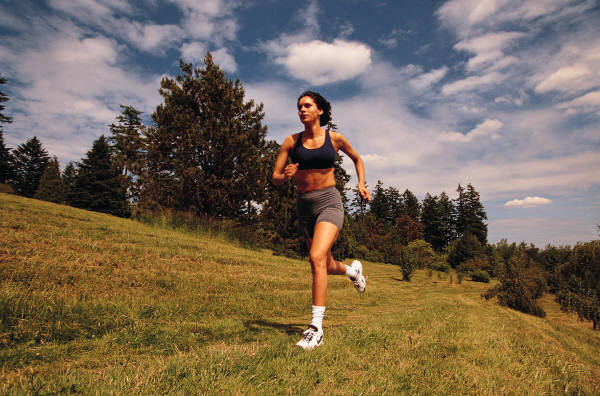
Walking is “just what the doctor ordered” for many people. It’s readily available, affordable, usually safe, and requires little instruction. If it’s too hot, too cold, or rainy outside, you can do it in a mall, gymnasium, or health club.

MEDICAL CLEARANCE  

Check this link.

SUMMARY

All I’m asking you to do is aerobic activity, such as walk briskly (3–4 mph or 4.8–6.4 km/h) for 30 minutes most days of the week, and do some muscle-strengthening exercises three times a week. These recommendations are also consistent with the American Diabetes Association’s Standards of Care–2013. This amount of exercise will get you most of the documented health benefits.

Steve Parker, M.D.

Only a Third of the World’s Adults Can Digest Milk

Nature has in interesting article on Neolithic dairying, lactose intolerance, cheese, yogurt, and the spread of genes that allow for lactose digestion. The ability to digest milk in adulthood—called lactase persistence—is less than 40% in Greece and Turky, but higher than 90% in the UK and Scandinavia.

During the most recent ice age, milk was essentially a toxin to adults because — unlike children — they could not produce the lactase enzyme required to break down lactose, the main sugar in milk. But as farming started to replace hunting and gathering in the Middle East around 11,000 years ago, cattle herders learned how to reduce lactose in dairy products to tolerable levels by fermenting milk to make cheese or yogurt. Several thousand years later, a genetic mutation spread through Europe that gave people the ability to produce lactase — and drink milk — throughout their lives. That adaptation opened up a rich new source of nutrition that could have sustained communities when harvests failed.

Read the rest.

More Time Outdoors Could Prevent Childhood Nearsightedness

Steve Parker MD, paleobetic diet,

Should have spent more time outdoors

I suspect that myopia (nearsightedness) is a modern phenomenon. If you don’t see well, you’re more likely to get bitten by a poisonous snake or overcome by a predator that you should have seen coming. Or you simply trip and fall over obstacles, incurring cuts or fractures. In prehistoric times, these circumstances would lessen your chances of passing your genes on to the next generation. In other words, there was strong selection pressure in favor of good vision.

(For now, I’ll ignore the possibility that poor vision may have beneficial aspects. “Parker, you don’t see good. Stay here with the women while we chase down that ibex.”)

Steve Parker MD, eye chart, eye exam

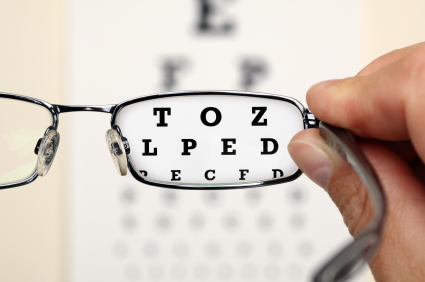
My eyes are this bad

I’ve worn glasses since the 3rd grade and I’ve never been happy about it. OK…. worse things can happen!

According to an article at PopSci, I may have avoided myopia by spending more time outside when I was a youngster:

A team of Australian researchers recently reviewed major studies since 1993 of kids, myopia and time spent outdoors. They found more than a dozen studies, examining more than 16,000 school-age kids in total, that found children were more likely to be nearsighted or to develop nearsightedness if they spent less time outdoors. A few of the later studies also found that being outdoors protected even those kids who did a lot of near work or had myopic parents. The studies included kids living in Europe, the U.S., Asia, the Middle East and Australia.

Read the rest.

Steve Parker MD, paleo diet, paleobetic

Nubian ibex in Israel

So get your kids outside. They may even benefit just from the sunshine.

And for my fellow myopics out there, note that your risk of a retinal detachment is higher than average. By the time that usually happens, our children are already grown, so there’s little or no selection pressure against it.

Steve Parker, M.D.

Do Warm Houses and Workplaces Contribute to Obesity?

Dr. Stephan Guyenet thinks they might. It’s not so much heat as it is failing to expose our bodies adequately to temperatures around 60° F (15.6° C) or lower on a regular basis. Here’s a human experiment Dr. G wrote about:

The second study went further, using a longer cold exposure protocol to investigate changes in fat mass among people with low brown fat activity at baseline (4).  Researchers exposed volunteers to 63 F (17 C) air for two hours a day over a six-week period; again I assume they were lightly clothed.  As in the previous study, they observed an increase in brown fat activity with cold training, and they found that calorie expenditure was higher when subjects were in the ‘cold’ air.  After six weeks of training, body fat mass had declined by about 5 percent.  This is despite the fact that all subjects were lean to begin with!

Read the rest.

I thought this study tied in with that one showing an inverse relationship between altitude and obesity. Environmental temperature rises roughly 3° F with every 1,000 feet (305 meters). But the altitude study controlled for (accounted for) temperature, meaning that the temperature had nothing to do with the association.

Somebody’s probably already tried to link environmental temperatures—whether inside the house or out—to obesity rates. Let me know if you find it.

—Steve

PS: A few minutes at Pubmed.gov revealed this 2013 abstract:

Objective: Raised ambient temperatures may result in a negative energy balance characterized by decreased food intake and raised energy expenditure. This study tested whether indoor temperatures above the thermoneutral zone for clothed humans (approx. 23 o C) were associated with a reduced body mass index (BMI). Design and Methods: Participants were 100,152 adults (≥ 16 years) drawn from 13 consecutive annual waves of the nationally representative Health Survey for England (1995 – 2007). Results: BMI levels of those residing in air temperatures above 23 o C were lower than those living in an ambient temperature of under 19 o C (b = -.233, SE =.053, p <.001), in analyses that adjusted for participant age, gender, social class, health and the month/year of assessment. Robustness tests showed that high indoor temperatures were associated with reduced BMI levels in winter and non-winter months and early (1995 – 2000) and later (2001 – 2007) survey waves. Including additional demographic, environmental, and health behavior variables did not diminish the link between high indoor temperatures and reduced BMI. Conclusions: Elevated ambient indoor temperatures are associated with low BMI levels. Further research is needed to establish the potential causal nature of this relationship.

PPS: And there’s this abstract, probably from the altitude study I mentioned:

http://www.ncbi.nlm.nih.gov/pubmed/23357956

“There was an approximately parabolic relationship between mean annual temperature and obesity, with maximum prevalence in counties with average temperatures near 18 °C [64.4° F].”

I don’t have the full article, but parabolic, to me in this context, probably means the obesity incidence was highest at 64.4° F, with lower obesity incidence both above and below 64.4°.

Of course, living in a particular environment doesn’t equate to exposing yourself to outdoor temperatures. But it makes sense that someone living in a cold environment will have more cold exposure than someone in a hot climate.

Perhaps 64.4° F is a sweet spot for efficient body temp regulation and energy partitioning. Living at temps significantly above or below that may cost you energy-wise: you expend extra calories maintaining a normal body temperature, tending to result in lower obesity incidence.

David Mendosa On Weight Loss and Long-Term Management

Maybe his method works only for him, but I doubt it. David has diabetes, by the way. See his 2012 article at HealthCentral for details. Here’s a bit:

One cornerstone of this new way to lose weight and maintain weight loss is a twist on a standard dieting recommendation. But instead of weighing myself once a week, I weigh myself every morning.

Supposedly people get discouraged from daily weigh-ins because our weight seems to fluctuate up or down a couple of pounds every day for no good reason, or for at least for no reason that we can figure out. The fluctuations are certainly true in my experience. But, of course, the same fluctuations happen when we make our weigh-ins once a week, and that would be even more misleading.

Then, when the scales tell me that my weight is up that morning from the previous morning, I make an immediate course correction, which we know is easier in the long run than to wait until things get totally out of hand. My immediate course correction is simple. I skip dinner that day.

Note well, however, that skipping dinner could lead to major hypoglycemia if you’re taking certain diabetes drugs. Work with your personal healthcare provider on drug dose adjustments.

Steve Parker, M.D.

T1 Diabetic In Pacific Northwest Adopts Paleo Lifestyle

Check out Intrepid Pioneer, an anonymous T1 diabetic who was diagnosed in his 30s. He has a strong interest in fishing, hunting, foraging, and other outdoorsy stuff.

He blogged about his Whole30 challenge.