But I thought we originated in northeast Africa: Paleontologists trace origins of modern humans to southern Africa

Where am I?

I’m skeptical, and I’m not the only one.

Oct. 29 (UPI) — The earliest ancestors of anatomically modern humans, Homo sapiens sapiens, emerged in southern Africa, according to a new study published this week in the journal Nature.

“It has been clear for some time that anatomically modern humans appeared in Africa roughly 200 thousand years ago,” lead researcher Vanessa Hayes, a professor of human genomics at the Garvan Institute of Medical Research in Australia, said in a news release. “What has been long debated is the exact location of this emergence and subsequent dispersal of our earliest ancestors.”

Hayes and her colleagues used mitochondrial DNA samples from indigenous Africans to trace the human family tree back to its roots. According to the genetic analysis, the earliest modern humans emerged in an area south of the Zambezi River, in what’s now Botswana.

Source: Paleontologists trace orgins of modern humans to Botswana – UPI.com

Steve Parker, M.D.

Click pic to purchase book at Amazon.com. E-book versions available at Smashwords.com.

Paleolithic diet during pregnancy: A potential beneficial effect on metabolic indices and birth weight

Paleobetic diet

“Think of me”

A paleo diet lowered glucose levels during pregnancy. Hmmm…I wonder if that would prevent to treat gestational diabetes. From the European Journal of Obstetrics, Gynecology, and Reproductive Biology:

Abstract

BACKGROUND:

Paleolithic diet has recently gained popularity due to its presumed health benefits. The favorable metabolic effects of this diet were assessed in non-pregnant population but its impact during pregnancy remains to be evaluated.

STUDY DESIGN:

A retrospective cohort study comparing two groups. Group A comprised of women with singleton low-risk pregnancy adherent to paleolithic diet throughout gestation (n = 37). Group B comprised low risk pregnant women on a regular diet (n = 39). Women were excluded if they had low adherence to diet, started paleolithic diet during pregnancy, and had pre-gestational diabetes mellitus or other types of metabolic syndrome such as pre gestational hyperlipidemia, hypertension or BMI > 35. Blood indices such as Glucose challenge test scores, hemoglobin, ferritin, and TSH levels were compared. Other pregnancy factors such as maternal weight gain, rest days during gestation and pregnancy complications such as IUGR, GDM or preeclampsia were compared. Lastly, obstetrical outcomes such as mode of delivery and complications such as high-grade tears, as well as neonatal factors such as birth weight and pH were compared between the two groups.

RESULTS:

General maternal characteristics such as age, BMI and parity were comparable between the two groups. Women who maintained a paleolithic diet had a significant decrease in glucose challenge test scores (95.8 mg/dL vs. 123.1 mg/dL, p < 0.01) and increase in hemoglobin levels (12.1 g/dL vs. 11.05 g/dL p < 0.01) and Ferritin (32.1 vs 21.3 mg/mL, p = 0.03) compared to women maintaining regular diet. Maternal pregnancy weight gain was also slightly decreased in group A (9.3Kg vs. 10.8 kg, p = 0.03). Birthweights were lower in group A (3098 g Vs.3275 g, p = 0.046) with no difference in adverse neonatal outcomes. We found no differences in other pregnancy complications or labor outcomes such as mode of delivery, shoulder dystocia or high grade perineal tears.

CONCLUSION:

Paleolithic diet maintained during pregnancy may have a beneficial effect on the glucose tolerance. It also may increase iron stores and hemoglobin levels. Neonates of women maintaining paleolithic diet are slightly lighter but appropriate for gestational age with no difference in neonatal outcomes.

Source: Paleolithic diet during pregnancy-A potential beneficial effect on metabolic indices and birth weight. – PubMed – NCBI

Steve Parker, M.D.

Click pic to purchase book at Amazon.com. E-book versions available at Smashwords.com.

Marriage Linked to Longer Lifespan

dementia, memory loss, Mediterranean diet, low-carb diet, glycemic index, dementia memory loss

“Sweat Pea, let’s schedule you a check-up with Dr. Gupta.”

From UPI:

Married men in 2017 had an age-adjusted death rate of 943 per 100,000, compared to 2,239 for widowers. The death rate was 1,735 per 100,000 for lifelong bachelors and 1,773 for divorced men.

Married women had a death rate of 569 per 100,000, two-and-a-half times lower than the 1,482 rate for widows. The death rate was 1,096 for divorcees and 1,166 for never-married women.

*  *  *

While the death rate for married men and women declined by the same 7 percent, women’s overall death rate was much lower.

But the death rates among men in all other marital categories remained essentially the same between 2010 and 2017, researchers found.

On the other hand, the death rate for widowed women rose 5 percent, while the rate for never-married women declined by 3 percent and remained stable for divorced women.

Source: Marriage linked to longer lifespan, new data shows – UPI.com

Steve Parker, M.D.

Click pic to purchase book at Amazon.com. E-book versions available at Smashwords.com.


Diet Quality Affects Risk of Cardiovascular Disease in Post-Menopausal Diabetic Women

Not your average cave-woman

Regarding the mention of paleo diet below, I rather doubt the study at hand hand significant numbers of paleo diet followers. From the Journal of the American Heart Association:

ABSTRACT

Background Dietary patterns are associated with cardiovascular disease (CVD) risk in the general population, but diet-CVD association in populations with diabetes mellitus is limited. Our objective was to examine the association between diet quality and CVD risk in a population with type 2 diabetes mellitus.

Methods and Results

We analyzed prospective data from 5809 women with prevalent type 2 diabetes mellitus at baseline from the Women’s Health Initiative. Diet quality was defined using alternate Mediterranean, Dietary Approach to Stop Hypertension, Paleolithic, and American Diabetes Association dietary pattern scores calculated from a validated food frequency questionnaire. Multivariable Cox’s proportional hazard regression was used to analyze the risk of incident CVD. During mean 12.4 years of follow-up, 1454 (25%) incident CVD cases were documented. Women with higher alternate Mediterranean, Dietary Approach to Stop Hypertension, and American Diabetes Association dietary pattern scores had a lower risk of CVD compared with women with lower scores (Q5 v Q1) (hazard ratio [HR]aMed 0.77, 95% CI 0.65-0.93; HRDASH 0.69, 95% CI 0.58-0.83; HRADA 0.71, 95% CI 0.59-0.86). No association was observed between the Paleolithic score and CVD risk.

Conclusions

Dietary patterns that emphasize higher intake of fruits, vegetables, whole grains, nuts/seeds, legumes, a high unsaturated:saturated fat ratio, and lower intake of red and processed meats, added sugars, and sodium are associated with lower CVD risk in postmenopausal women with type 2 diabetes mellitus.

Source: Diet Quality and Cardiovascular Disease Risk in Postmenopausal Women With Type 2 Diabetes Mellitus: The Women’s Health Initiative. – PubMed – NCBI

Steve Parker, M.D.

Click pic to purchase book at Amazon.com. E-book versions available at Smashwords.com.

Dog Ownership Reduces Risk of Premature Death

paleobetic diet, paleo diet for diabetes

Parker Compound guard dogs waiting for bacon

From UPI:

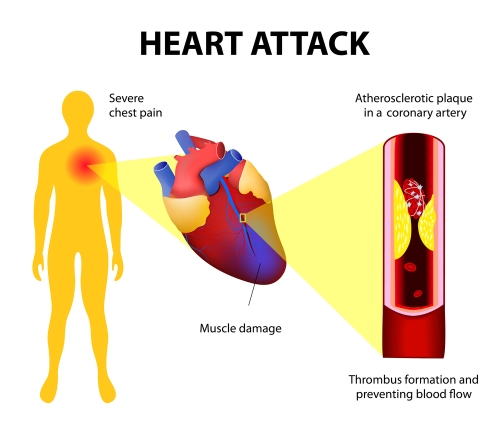
A pair of new reports found that dog owners have a lower risk of early death than people without canine companionship, particularly when it comes to dying from a heart attack or stroke.

Dog ownership decreases a person’s overall risk of premature death by 24 percent, according to researchers who conducted a review of the available medical evidence.

The benefit is most pronounced in people with existing heart problems. Dog owners had a 65 percent reduced risk of death following a heart attack and a 31 percent reduced risk of death from heart disease, the researchers said.

Source: Having a dog can lower risk of death from heart attack, stroke – UPI.com

Steve Parker, M.D.

Click pic to purchase book at Amazon.com. E-book versions available at Smashwords.com.

 

Diet Can Prevent Chronic Kidney Disease and Albuminuria

Folks with diabetes are at risk for chronic kidney disease, often heralded by albumin (a protein) in the urine.

The heathy diet describe in this Renal and Urology News article sounds like the Mediterranean diet to me, not a typical paleo diet. It will be years, if ever, before the paleo diet is tested as a preventative for chronic kidney disease. But anyway…

Adhering to a healthy diet may reduce the risk of chronic kidney disease (CKD) and albuminuria, according to a new systematic review and meta-analysis.

Such a diet is rich in vegetables, fruit, legumes, nuts, whole grains, fish, and low-fat dairy products and low in red and processed meats, sodium, and sugar-sweetened beverages.

Jaimon T. Kelly, PhD, of Bond University in Australia, and collaborators, analyzed 18 studies that included a total of 630,108 healthy adults followed for a mean 10.4 years. Their meta-analysis of low to moderate grade studies found that a healthy dietary pattern was associated with a 30% lower incidence of CKD and a 23% lower incidence of albuminuria, according to results published in the Clinical Journal of the American Society of Nephrology.

The dietary patterns that were most frequently studied included the Mediterranean diet, DASH (Dietary Approaches to Stop Hypertension) diet, and US dietary guidelines.

Source: Healthy Diet May Prevent CKD, Albuminuria – Renal and Urology News

Steve Parker, M.D.

Click pic to purchase book at Amazon.com. E-book versions available at Smashwords.com.

Red Meat Not Quite as Deadly as Imagined

From New York Times:

Public health officials for years have urged Americans to limit consumption of red meat and processed meats because of concerns that these foods are linked to heart disease, cancer and other ills.

But on Monday, in a remarkable turnabout, an international collaboration of researchers produced a series of analyses concluding that the advice, a bedrock of almost all dietary guidelines, is not backed by good scientific evidence.

Whew…What a relief! Dodged that bullet.

Click for Gina Kolata’s article.

Steve Parker, M.D.

Click pic to purchase book at Amazon.com. E-book versions available at Smashwords.com.

Eat Nuts to Prevent Weight Gain Over the Years

Remember…peanuts aren’t nuts, they’re legumes

Nuts are a staple of most paleo diets, including mine.

From NPR:

Eating a handful of almonds, walnuts, peanuts or any type of nut on a regular basis may help prevent excessive weight gain and even lower the risk of obesity, new research suggests.

It may be that substituting healthy nuts for unhealthy snacks is a simple strategy to ward off the gradual weight gain that often accompanies aging, according to the researchers. Nuts also help us feel full longer, which might offset cravings for junk food.Researchers looked at the diet and weight of more than 280,000 adults taking part in three long-term research studies. Over more than 20 years of monitoring, participants were asked every four years about their weight and, among other things, how often, over the preceding year, they had eaten a serving (about one ounce) of nuts.

Source: Just A Handful Of Nuts May Help Keep Us From Packing On The Pounds As We Age : The Salt : NPR

Steve Parker, M.D.

Click pic to purchase book at Amazon.com. E-book versions also available at Smashwords.com.


Raman May Increase Risk of Fatal Stroke

…at least if you’re Japanese. I rarely eat ramen, but understand it’s fairly popular among young adults in the U.S, particularly among college students, because it’s cheap, quick, and tasty.

Click for details of the study in Nutrition Journal. Some background from the article:

Ramen is one of the most popular foods in Japan, despite being of Chinese origin [11]. Since its original introduction in Japan, ramen has been adapted and now consists of wheat noodles served in broth topped with sliced pork, seaweed, or menma (a Japanese condiment made from lacto-fermented bamboo shoots; Additional file 1). Being tasty and inexpensive, ramen became a popular food that was available from street food stands in Japan after World War ΙΙ. Although the number of ramen stands has decreased markedly, ramen remains highly popular in Japan. High dietary sodium content was recently reported to be a risk factor for stroke [12]; ramen has a high sodium content. However, the relationship between stroke and ramen consumption remains unclear. In this study, we investigated the association between the number of ramen restaurants in each Japanese prefecture and stroke mortality in that prefecture.

Steve Parker, M.D.

Click pic to purchase book at Amazon.com. E-book versions available at Smashwords.com.
Eat Nuts to Prevent Weight Gain

Paleobetic diet

Macadamia nuts

From NPR:

Eating a handful of almonds, walnuts, peanuts or any type of nut on a regular basis may help prevent excessive weight gain and even lower the risk of obesity, new research suggests.

It may be that substituting healthy nuts for unhealthy snacks is a simple strategy to ward off the gradual weight gain that often accompanies aging, according to the researchers. Nuts also help us feel full longer, which might offset cravings for junk food.

Researchers looked at the diet and weight of more than 280,000 adults taking part in three long-term research studies. Over more than 20 years of monitoring, participants were asked every four years about their weight and, among other things, how often, over the preceding year, they had eaten a serving (about one ounce) of nuts.

Source: Just A Handful Of Nuts May Help Keep Us From Packing On The Pounds As We Age : The Salt : NPR

Steve Parker, M.D.

PS: All of my published diets—since 2007—feature nuts.

Click pic to purchase book at Amazon.com. E-book versions available at Smashwords.com.